
Taxi fleets are shaped by rules, repair bills and the plain fact that a cab spends its days in traffic. In New York City, the Taxi and Limousine Commission has approved a long run of very different vehicles for yellow-cab work. Here are twelve cars that earned their place on the city’s streets.
1. Checker Marathon: The Long Goodbye
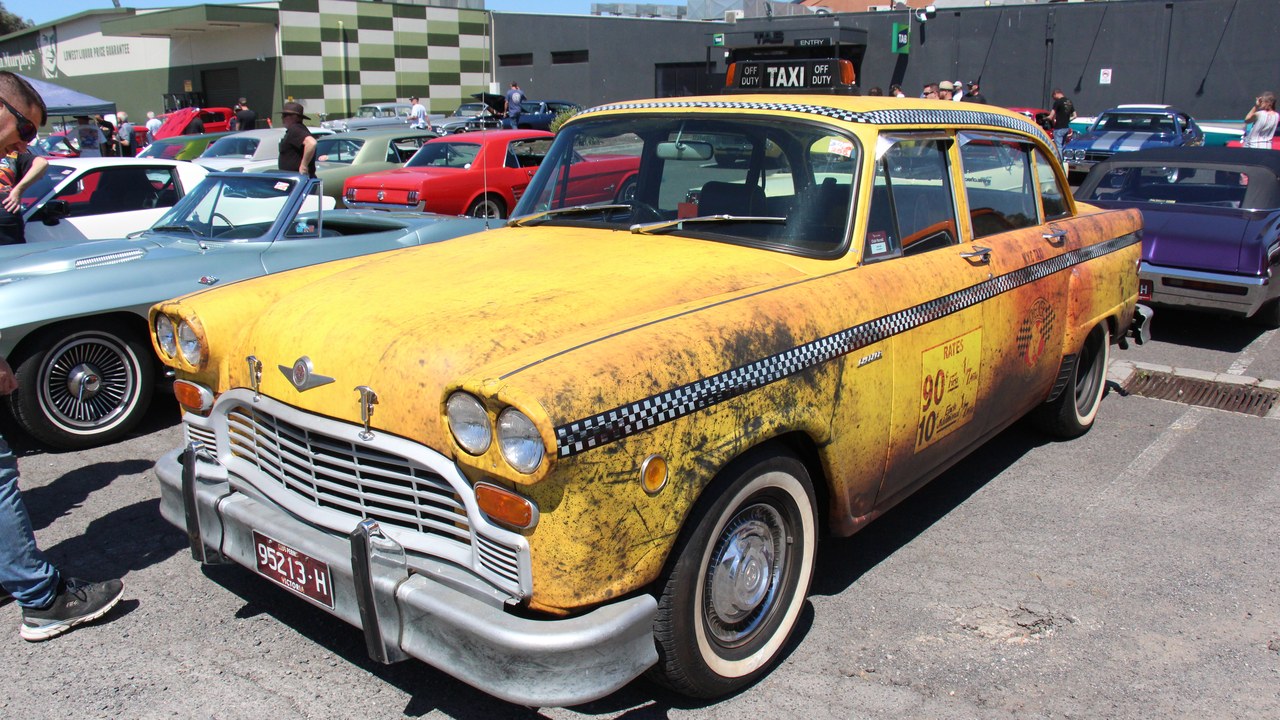
The yellow-and-black Checker cab was the most common taxi in New York City until it was phased out by 1999. Purpose-built for hire work, it had a tall roofline, wide rear doors and a bench seat that suited passengers with luggage. The Marathon was the final long-running form of that design.
Later cabs have been judged against it ever since. Surviving Checkers still appear at car shows and in film and television, usually in fresh yellow paint, and they remain the clearest picture of what a New York taxi looked like before the fleet was filled with converted family cars.
2. Ford Crown Victoria: A Fleet Workhorse
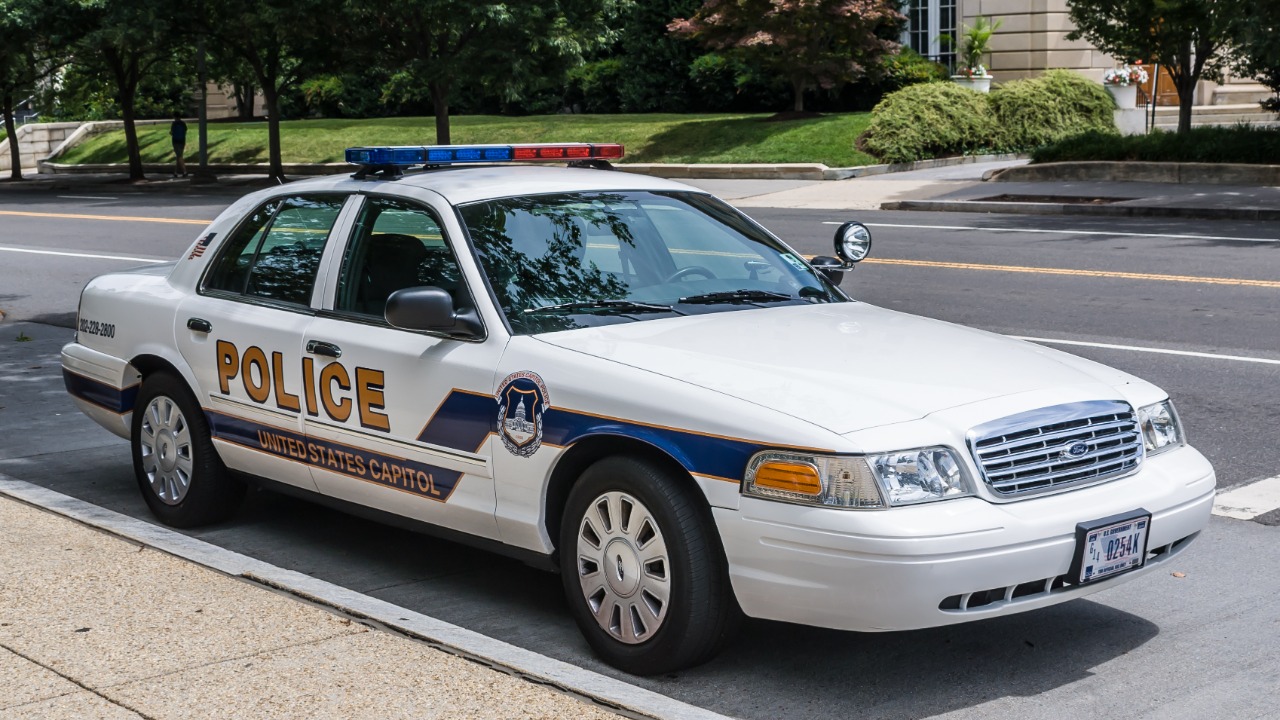
A city industry notice dated August 2, 2006 recorded that the Taxi and Limousine Commission approved the 2007 Ford (Stretch) Crown Victoria Taxi Package, finding that it met requirements for safety and emissions. The notice shows the model was still being formally cleared for yellow-cab service well into the 2000s.
For passengers, the approval explains why so many cabs of the period shared a large, body-on-frame sedan shape. The wording also shows how the commission treated each package as a specific approved configuration, not a blanket permission for the model name.
3. Ford Escape Hybrid: Green Before It Was Common
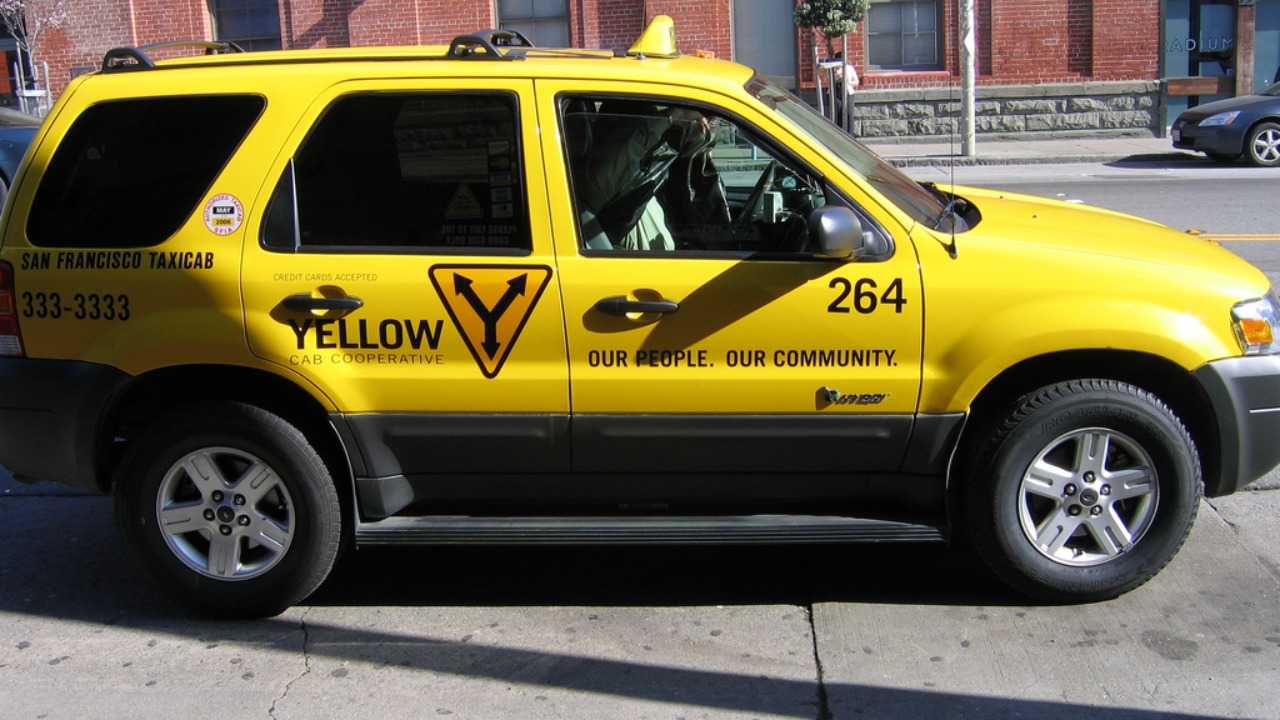
The same Industry Notice #06-14 covered the 2007 Ford Escape Hybrid-Electric, which the Taxi and Limousine Commission reviewed and approved as an authorized New York taxicab. A small sport utility vehicle with a hybrid drivetrain was an unusual candidate for a fleet dominated by large sedans.
The approval marks an early step in the city’s move toward hybrid cabs. Riders of that era could find a taller, easier-to-enter vehicle than the traditional sedan, and drivers gained a way to cut fuel use in stop-and-go traffic.
4. Toyota Prius: The Hybrid Cab Everyone Noticed
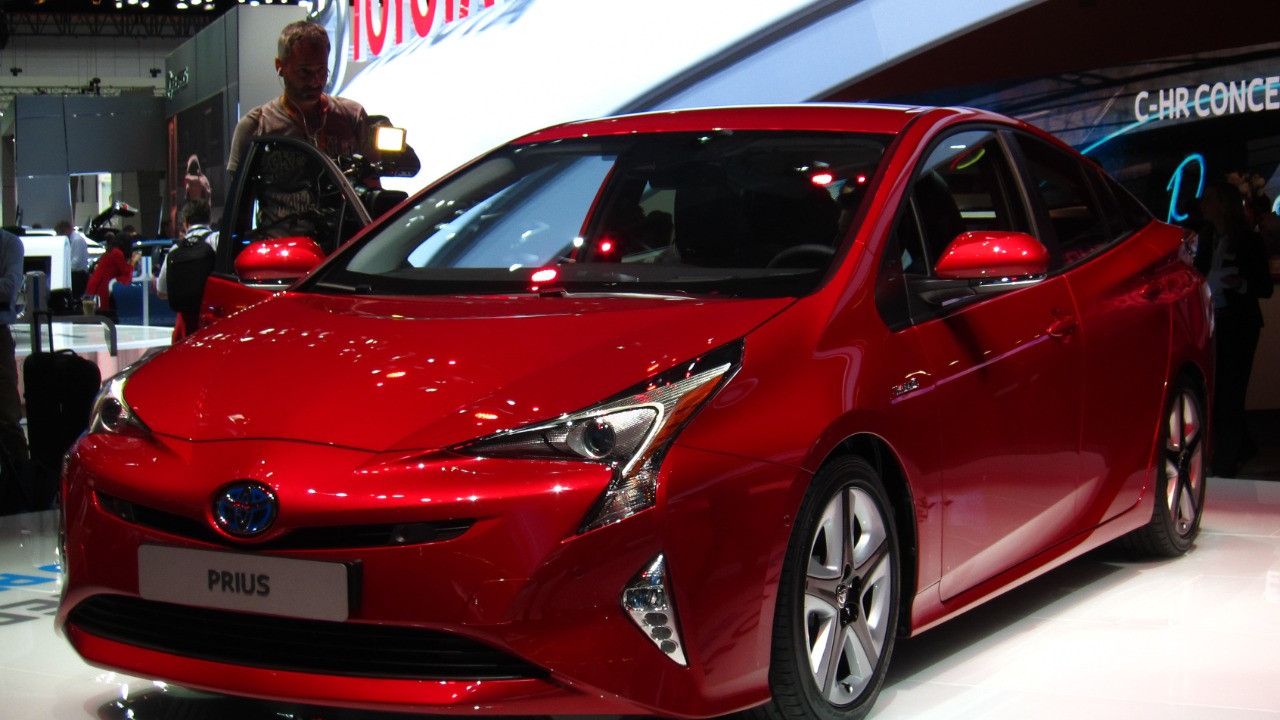
Among the hybrid cabs in the city, the Toyota Prius was popular during the 2000s and was later succeeded by the larger Prius V. Its hatchback body and efficient hybrid system suited a job measured in thousands of slow city miles.
The move to a bigger Prius variant reflects a recurring problem for taxis, which is that rear-seat space matters as much as fuel economy. Riders who remember a hybrid cab from that period are most likely remembering one of these cars.
5. Toyota Camry: Quiet Takeover
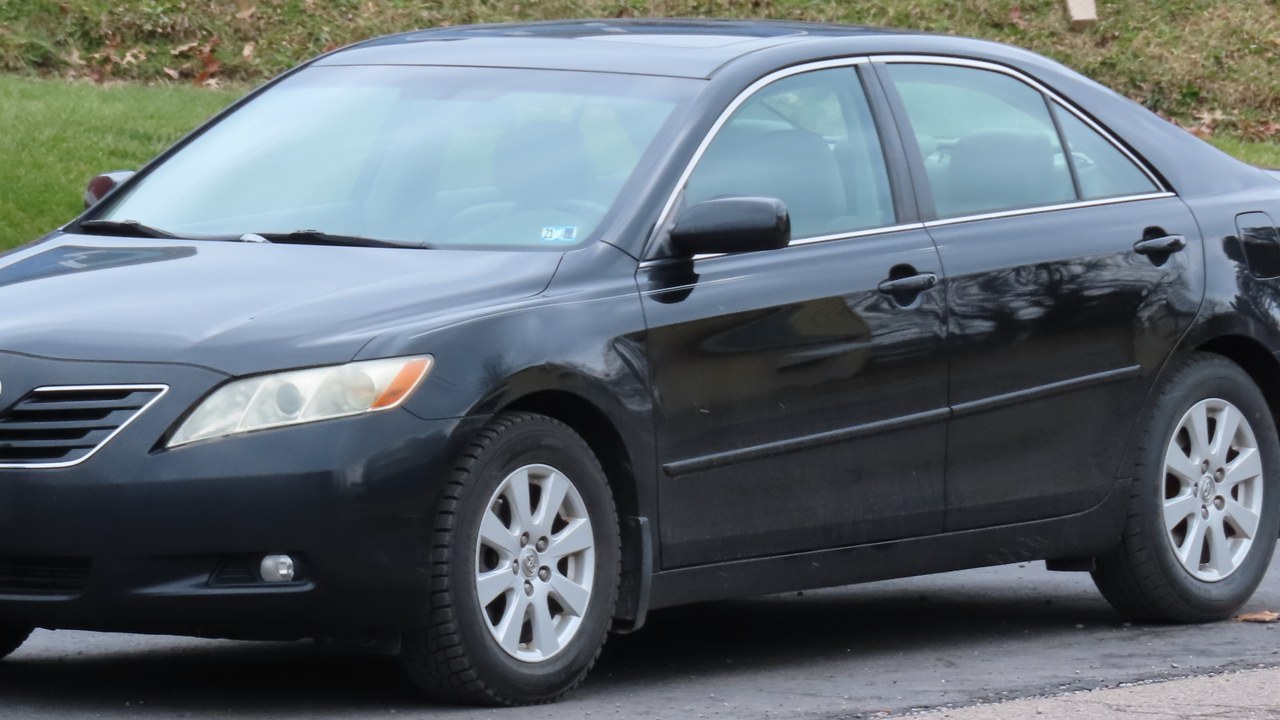
The Camry Hybrid became a dominant New York taxi model by the mid-2010s, and Camry Hybrids were adopted from 2010. A mid-size sedan with a hybrid system gave operators lower fuel costs without the unusual body shape of some rivals.
That reputation for durability and running costs explains the wide uptake. For passengers, the result was a cab that looked like an ordinary family sedan but carried the yellow paint, roof light and meter that mark a licensed medallion vehicle.
6. Toyota Sienna: Room To Spare
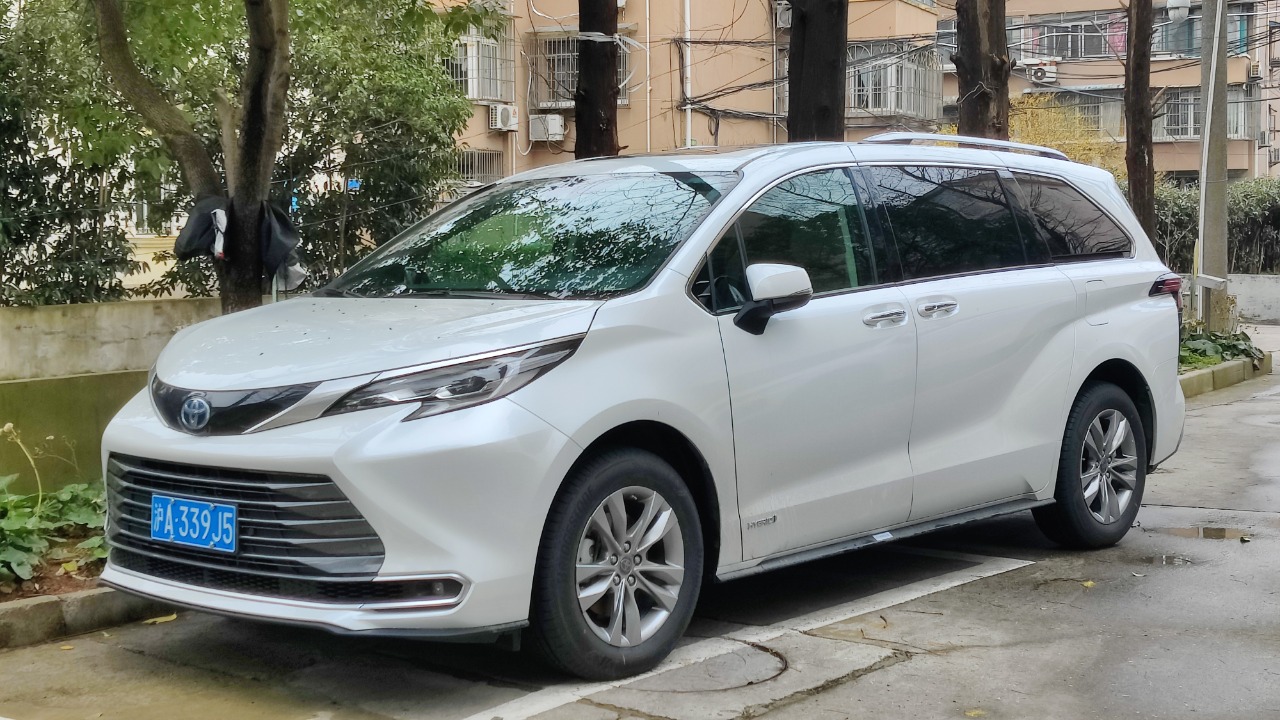
Yellow-cab operators turned to the Sienna minivan for extra passenger room, and accessible versions are listed from 2014 through 2026. The sliding rear doors and tall cabin make loading easier than in a conventional sedan, especially for groups, children or heavy bags.
Accessible conversions matter because the city’s fleet must serve riders who use wheelchairs. The Sienna shows how a family minivan became a practical answer to both capacity and accessibility in the same yellow livery.
7. Nissan NV200: Beat Out The Rival
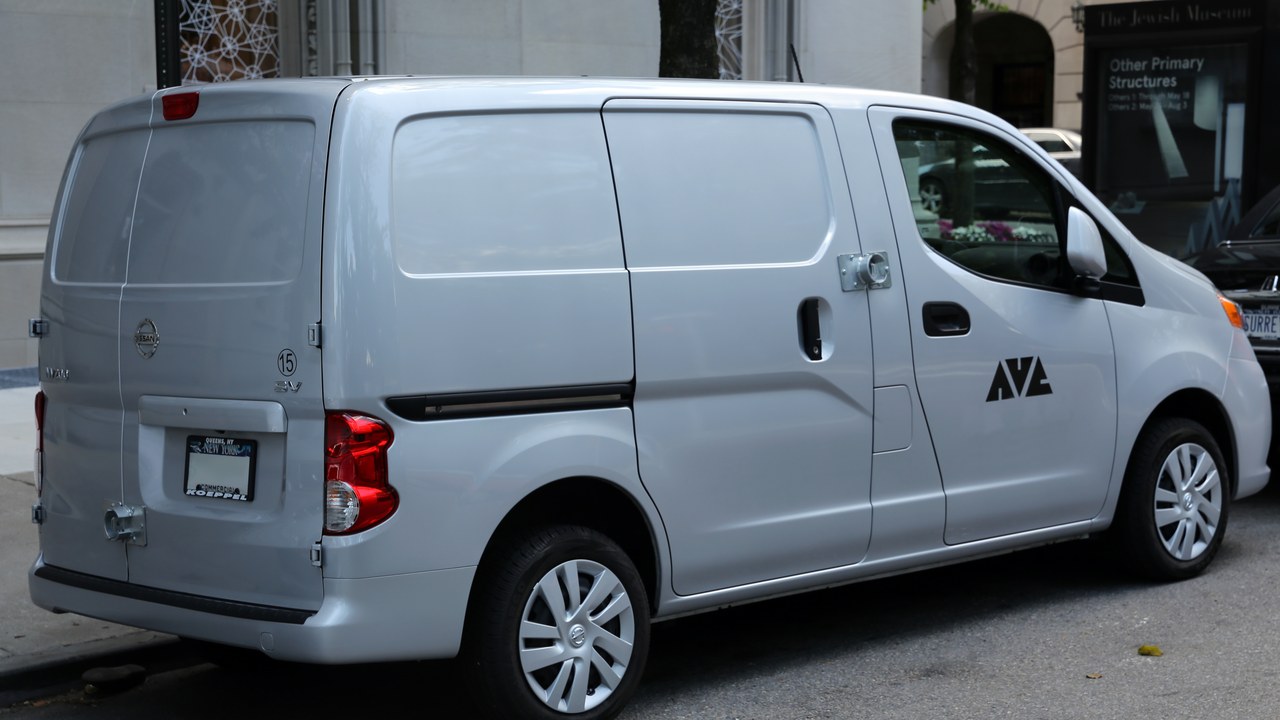
In a July 2011 report, the Nissan NV200 beat out the Transit Connect for the city’s standardized taxi contract. The compact van was chosen as the model meant to anchor a new, purpose-built generation of New York cabs.
A single standard design promised easier maintenance and a consistent passenger experience across the fleet. Its tall roof and low floor aimed to give riders more headroom than the sedans it replaced, though a standardized cab remains a matter of taste for those who ride in it.
8. Ford Transit Connect: The Runner-Up

Approved by the Taxi and Limousine Commission for yellow-cab use in July 2011, the Ford Transit Connect was cleared in a 2011 approval report ahead of a planned 2013 switch to a standardized taxi. It lost out to the Nissan NV200 for that contract.
Even so, the approval shows the commission was willing to consider small vans, a sharp break from the sedan tradition. The Transit Connect remains a reminder of how close the city came to a very different standard cab.
9. Ford Taurus: The Sedan Option
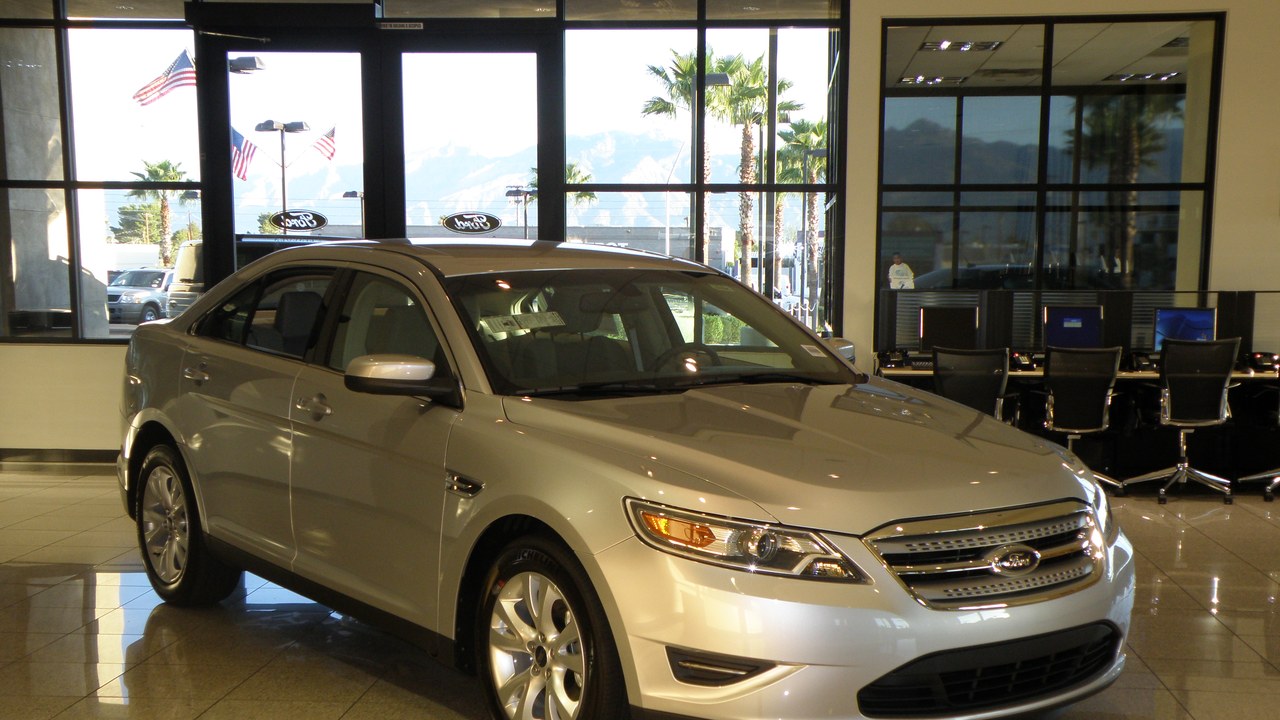
The Taxi and Limousine Commission approved the Ford Taurus for use as a yellow cab in 2011, as part of a batch of new approvals that also covered the Transit Connect and Nissan Altima. It gave operators a familiar full-size sedan choice.
For fleet owners, the approval offered continuity while the city prepared a standardized taxi. For riders, it meant that a conventional four-door sedan could still be hailed as a yellow cab during that transition.
10. Nissan Altima: Hybrid Already Running
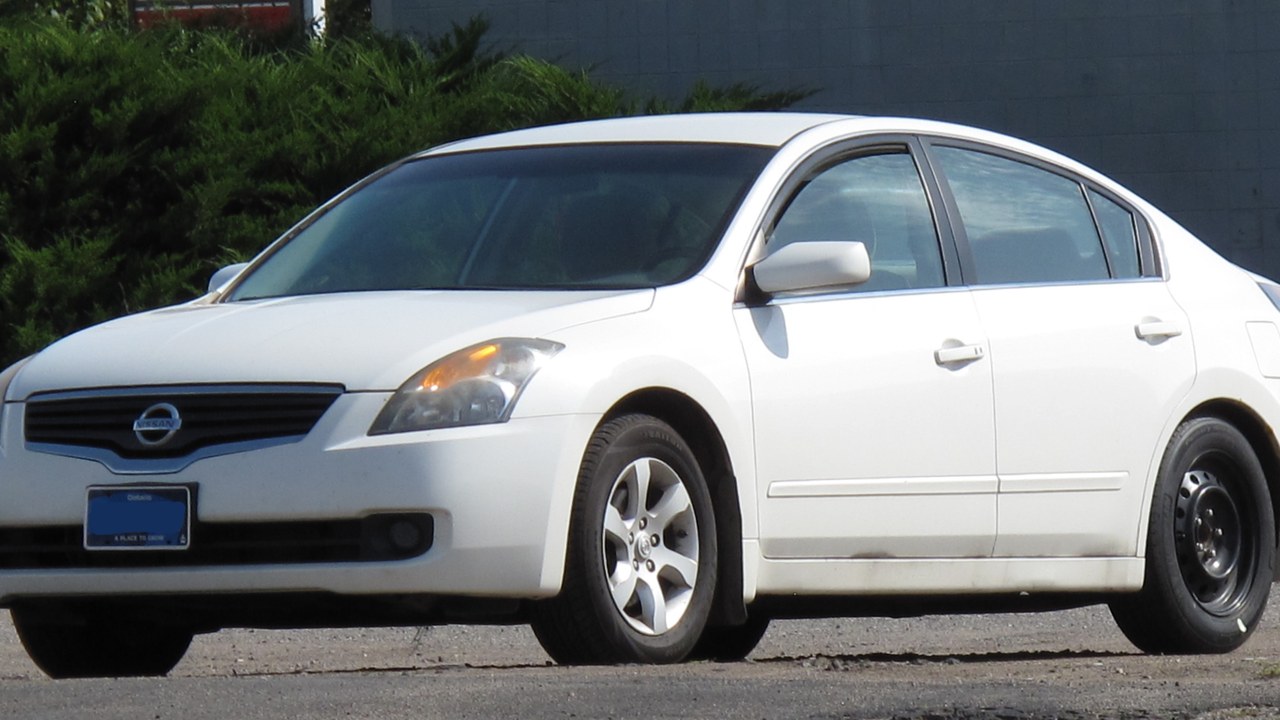
The commission approved the Altima for yellow-cab use in 2011, and several hundred Altima Hybrids were already running under the city’s Green NYC program. That made it one of the more established hybrid options in the fleet at the time.
The program shows the city experimenting with greener cabs before the standardized taxi arrived. For passengers, a mid-size sedan with a hybrid drivetrain meant a quieter ride and lower emissions at the curb.
11. Chevrolet Caprice: Last Of The Big Sedans
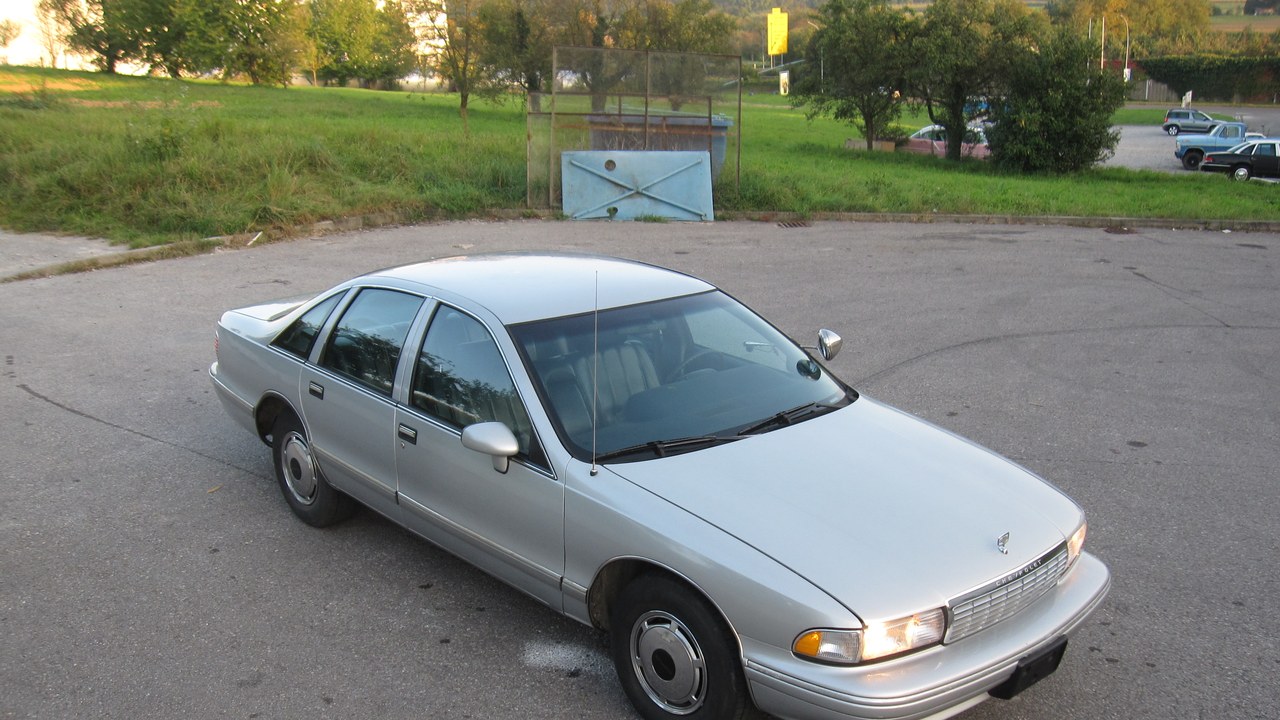
Chevrolet stopped making the Caprice in December 1996, but the last taxi packages stayed in New York service into the early 2000s. Its large body-on-frame sedan layout had long suited the demands of fleet work.
The long tail of service shows how hard taxis are to retire once an owner has paid for them. Drivers kept the cars working years after production ended, a pattern that applies to many fleet vehicles.
12. Dodge Grand Caravan: Wheelchair Accessible
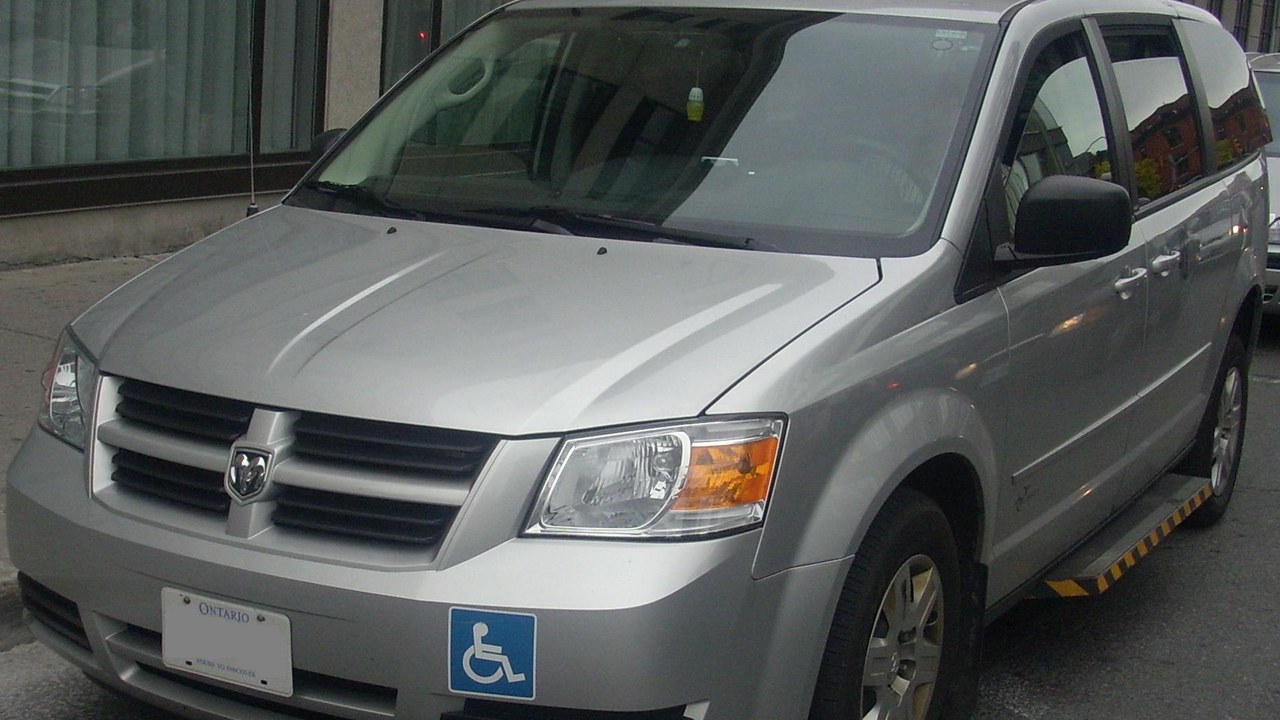
The Dodge Grand Caravan is listed as a wheelchair-accessible medallion taxi in New York for 2014 through 2019. A minivan body with a converted rear floor and ramp allows a rider in a wheelchair to enter without leaving the chair.
Accessible taxis fill a gap that sedans cannot. The Grand Caravan placed a mainstream, widely serviced vehicle in that role, which helped operators keep running costs and repair access manageable.
More from Morning Overview
- Ford is recalling 223,472 F-150 pickups because the fuel tank can leak or detach
- Hybrids have 15% fewer problems than gas cars, while EVs and plug-in hybrids have about 80% more, Consumer Reports finds
- Regulators cleared the first U.S. small modular reactor, 4 months early
- Lake Powell sank to a record 3,517 feet, nearing the level that stops Glen Canyon Dam’s turbines
