
National parks are often pictured as unchanging, yet the places visitors travel to see are shifting in ways park scientists document. Glaciers, snowmelt, fire and forests all respond to a changing climate, and the scenery shifts with them. Here are twelve national parks where climate-related change can alter what a visit looks and feels like.
1. Everglades National Park: Salt Water Creeping In
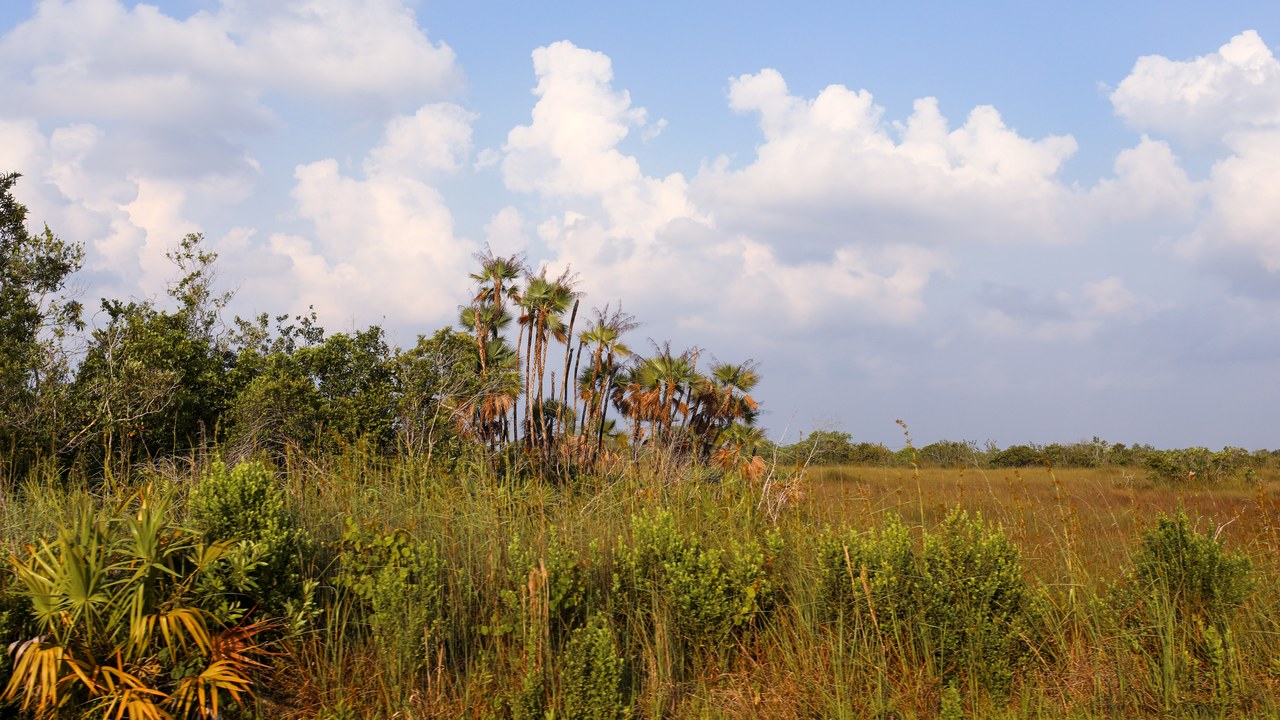
Rising seas can push salt water into freshwater habitats at Everglades National Park, changing the landscape visitors explore, according to the park’s climate change page. The water that defines the place is itself shifting.
Travelers planning a trip can expect a living landscape rather than a fixed postcard. The description reflects documented trends at this park and is not a forecast of what any particular visit will bring. Checking park notices before a trip is the practical step.
2. Joshua Tree National Park: Heat Meets Joshua Trees
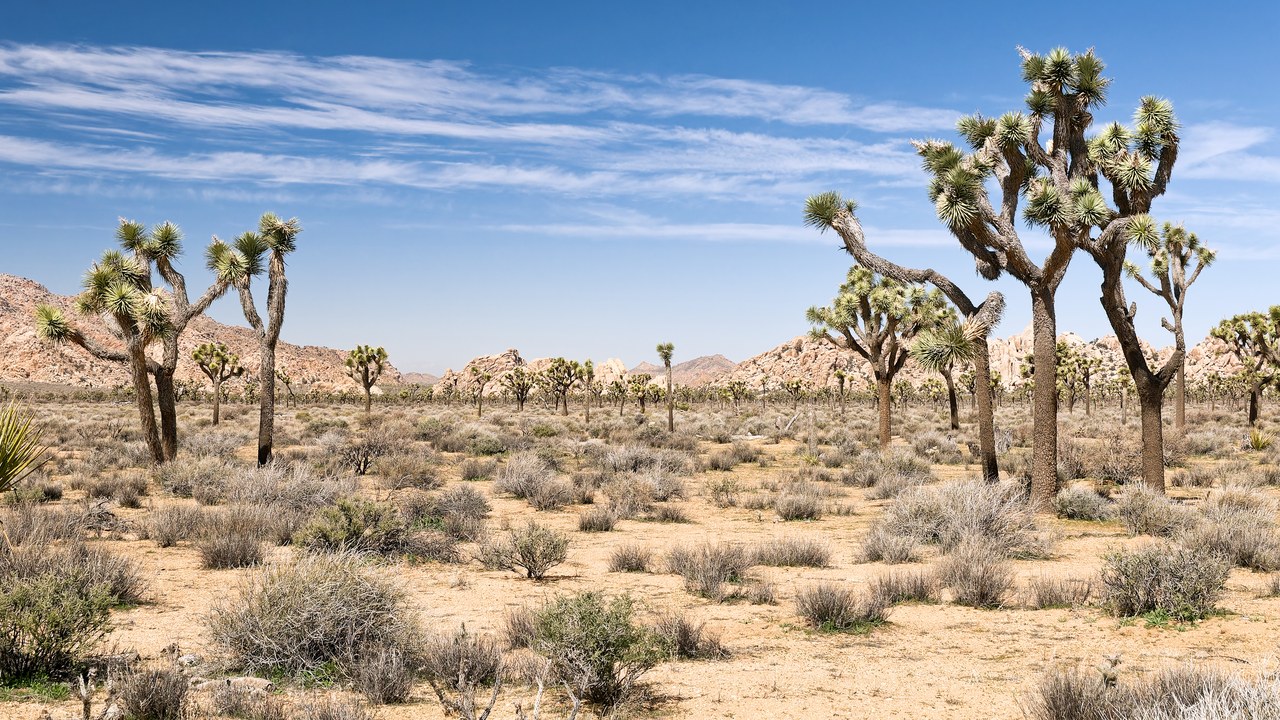
Hotter, drier conditions threaten Joshua-tree regeneration and add heat concerns for visitors, as the Joshua Tree climate page explains. The park’s namesake plant is at the center of the concern.
Visitors planning hikes may want to take the heat seriously and check conditions before heading out. The text describes risks and trends, not a statement that any trail is closed or unsafe today. Early starts and plenty of water are common-sense responses to heat.
3. Glacier National Park: Vanishing Glaciers, Smoky Skies
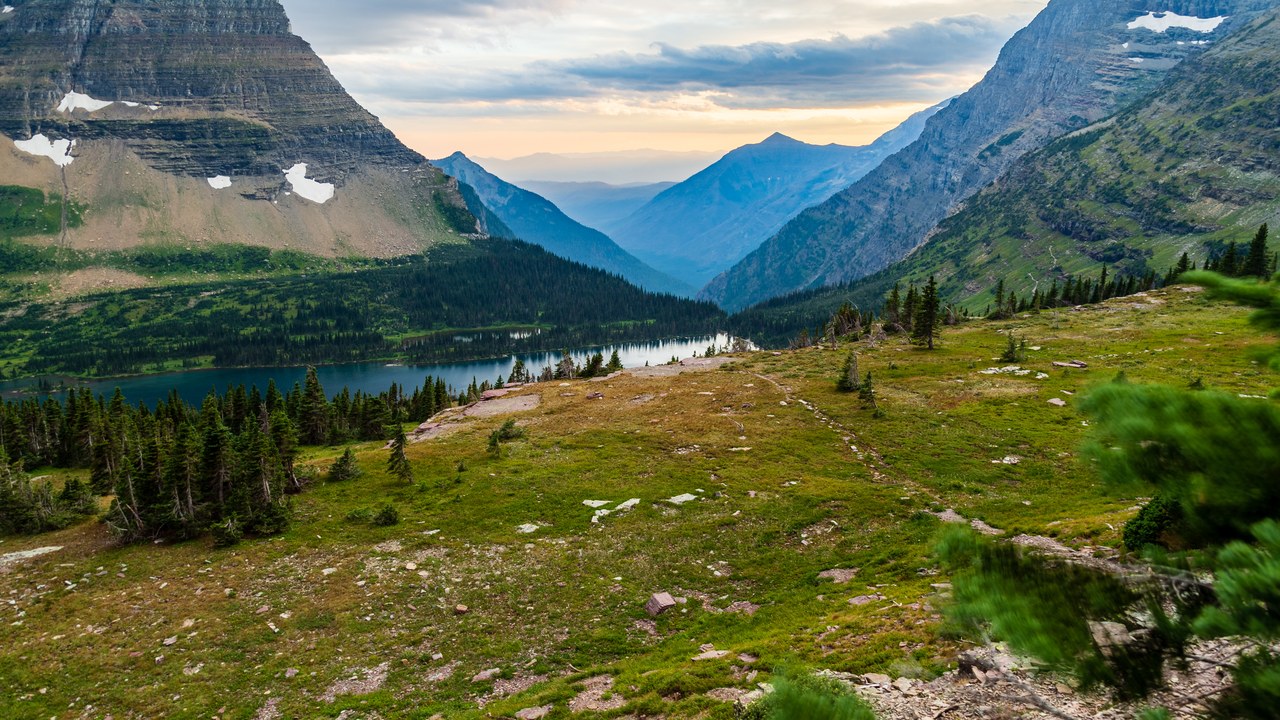
Retreating glaciers change iconic views, while fire and smoke can affect access and scenery, per the Glacier climate change page. The park’s signature ice is part of what draws people.
Those hoping for classic mountain vistas may find the scene differs from older photographs. Fire and smoke are possibilities rather than guarantees, so the information is no promise of what any given trip will encounter. Park alerts are the reliable source for current conditions.
4. Acadia National Park: Storms on the Carriage Roads
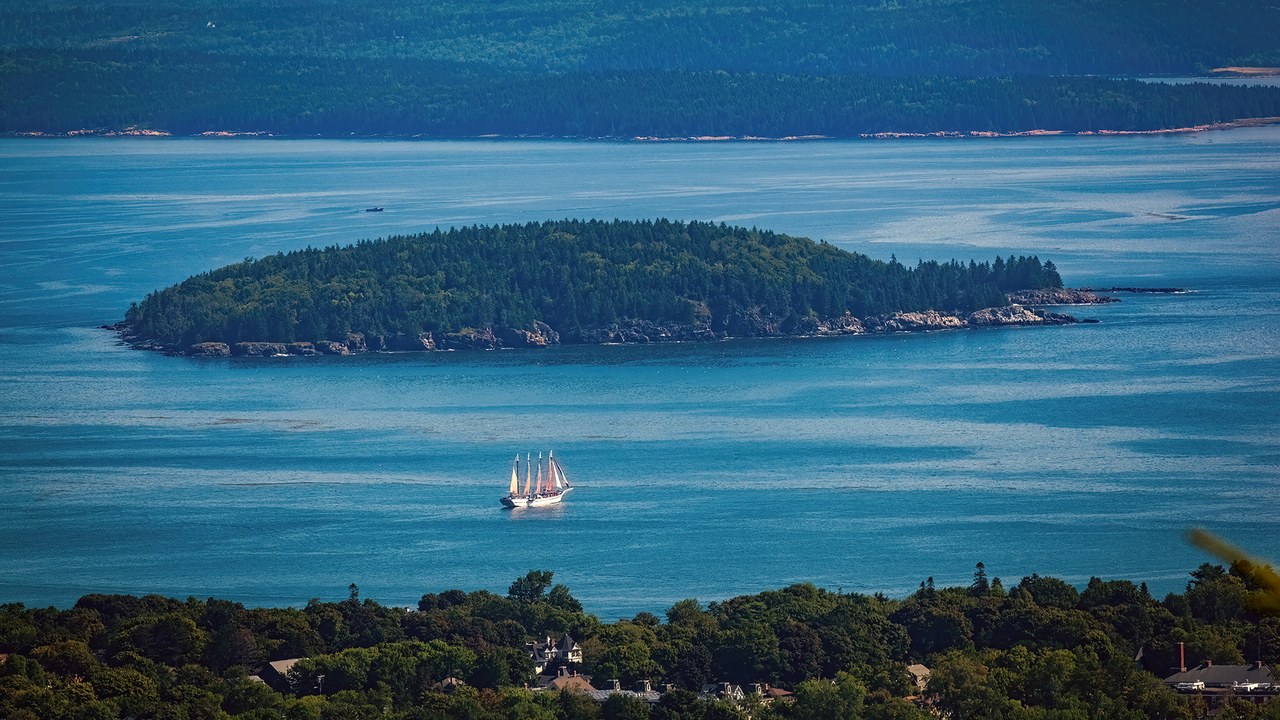
More intense storms can erode trails and carriage roads at Acadia, and warmer winters reduce opportunities for winter recreation, according to the Acadia climate change page. Both coast and woods feel the shift.
Visitors who love the park’s paths and winter activities may notice the effects over time. These are documented trends, not predictions of closures on a particular day. Park staff can share what is happening on the ground.
5. Denali National Park: Photographs of Change
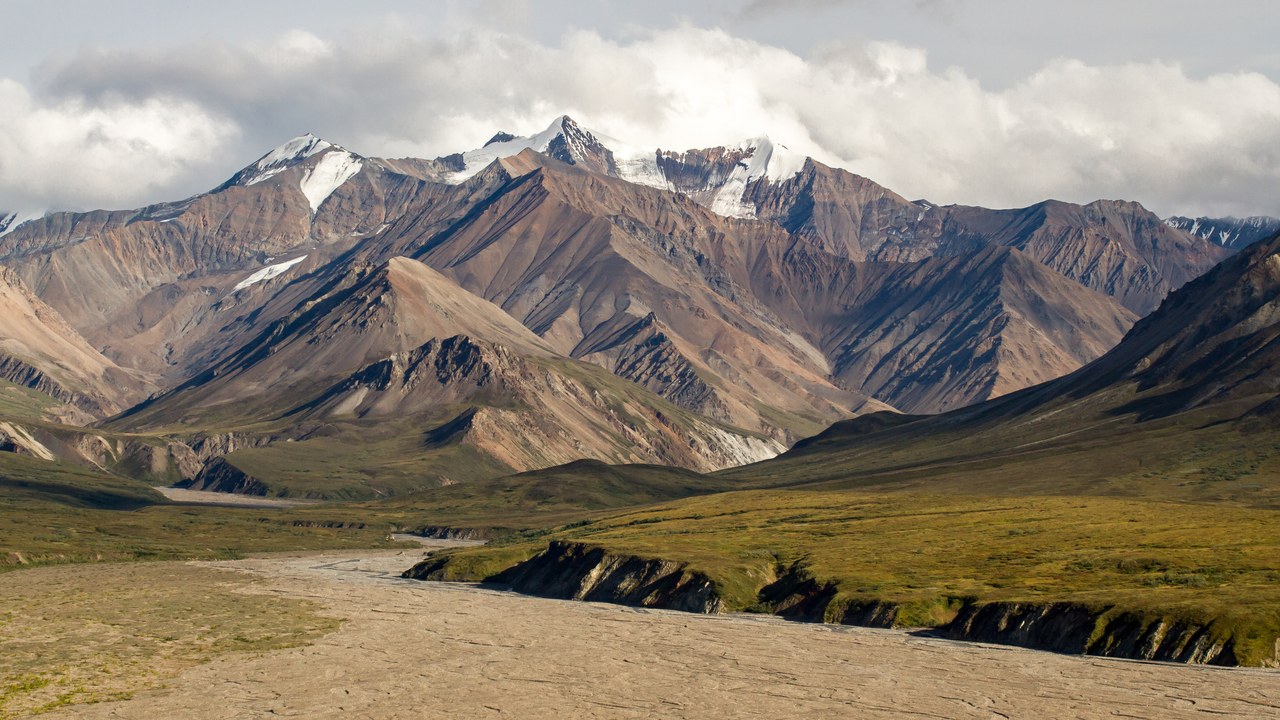
Repeat photographs at Denali document shrinking glaciers and spreading vegetation, changing the scenery visitors come to see, as the Denali climate page describes. The side-by-side images make the trend easy to grasp.
Travelers heading to the far north will find a landscape that looks different from older pictures. The page shows long-term change at this place and does not apply the same outcome to every park. Seeing the contrast in person can be memorable for travelers.
6. Sequoia National Park: Fire in the Giant Forest

Warming, drought and accumulated fuels contribute to severe fires that threaten giant-sequoia groves, according to the Sequoia and Kings Canyon climate page. The trees are famous for size and age, and fire raises the stakes.
Visitors drawn to the groves should know that the setting is a living one. The text explains contributing factors and does not present a projection as a current closure. Trip planning is easier when expectations match current park information.
7. Kings Canyon National Park: Earlier Melt, Less Late Water
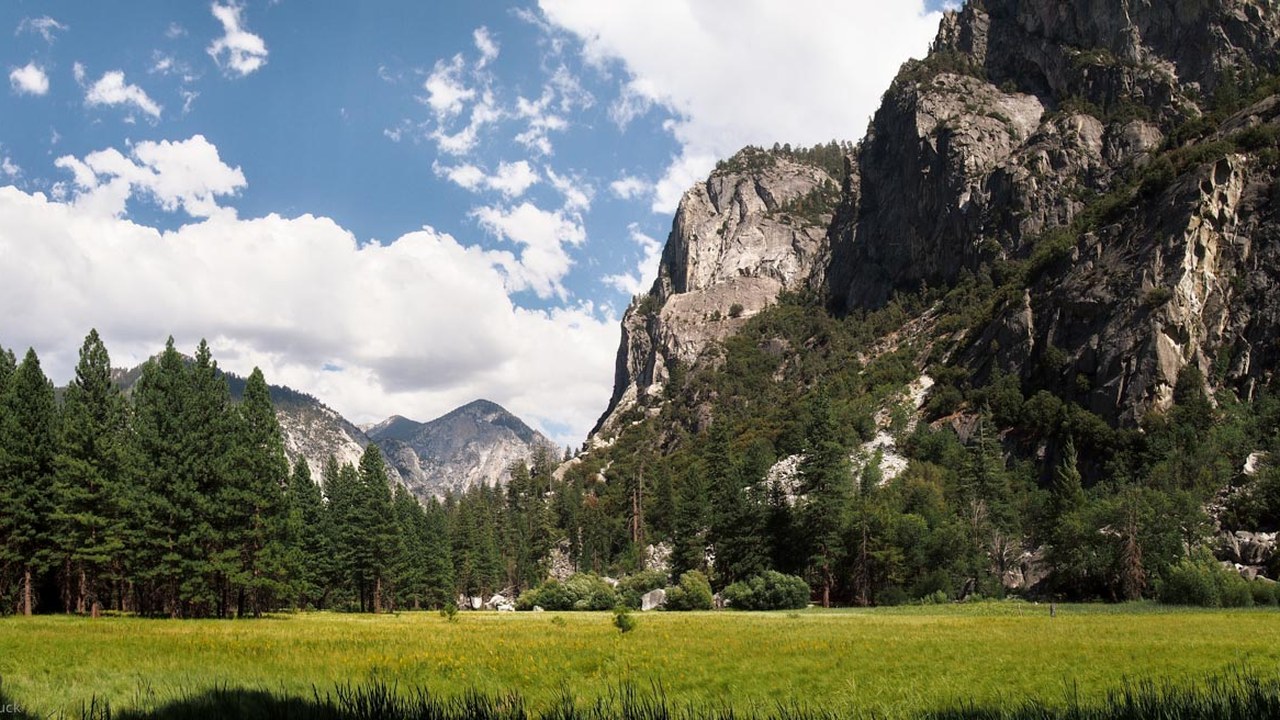
Earlier snowmelt and reduced late-season water alter the Kings River drainage and the park landscape, per the park’s climate change page. Kings Canyon is the river-carved companion to its neighbor.
Hikers and campers may notice that timing matters more each season. The description reflects documented trends in this drainage and is not a universal result for all parks. Reading the park’s updates helps match plans to conditions, especially for anyone counting on a full river or a particular season.
8. Yosemite National Park: Waterfalls That Run Dry
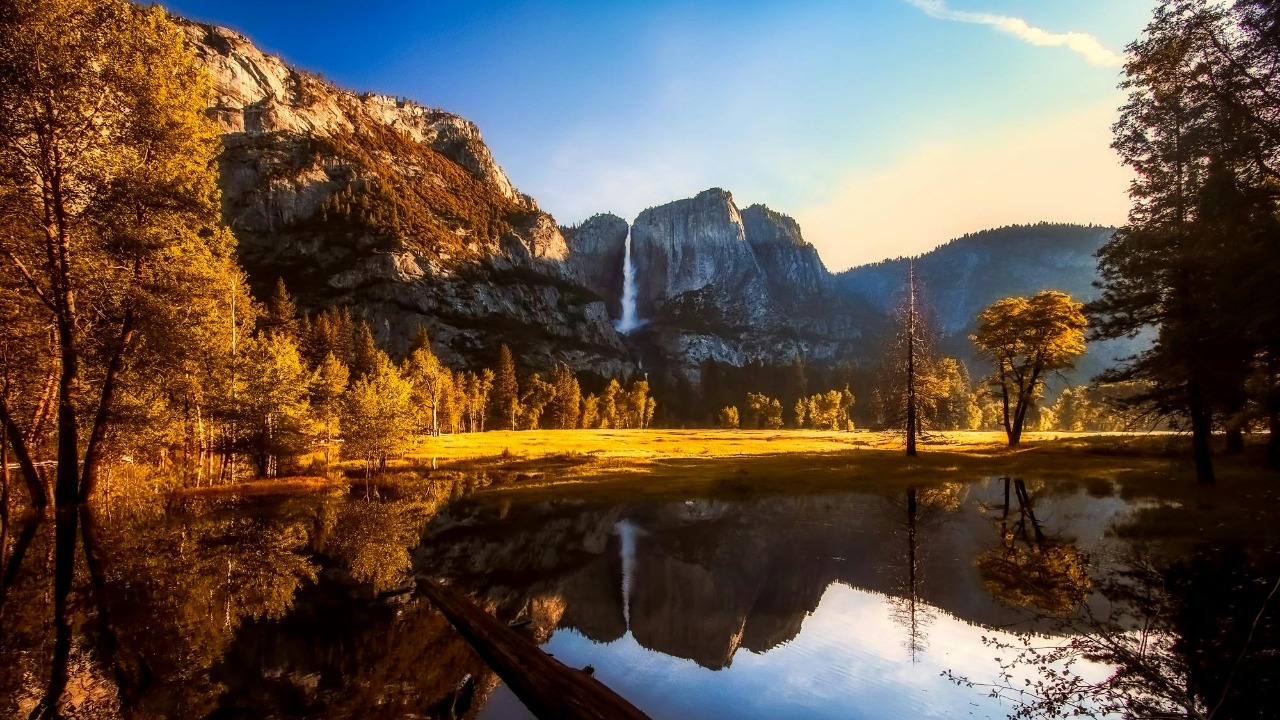
Earlier snowmelt can dry waterfalls sooner at Yosemite, while summer heat and smoke affect hiking and sightseeing, as the Yosemite climate page notes. Falls are central to the park’s identity.
Visitors planning around peak flow may want to consider the timing of a trip. The page describes how conditions can change, not a promise that any given fall will be dry. Checking current conditions remains important before any trip, since flow and air quality can vary from one visit to the next.
9. Olympic National Park: Shrinking Mountain Ice
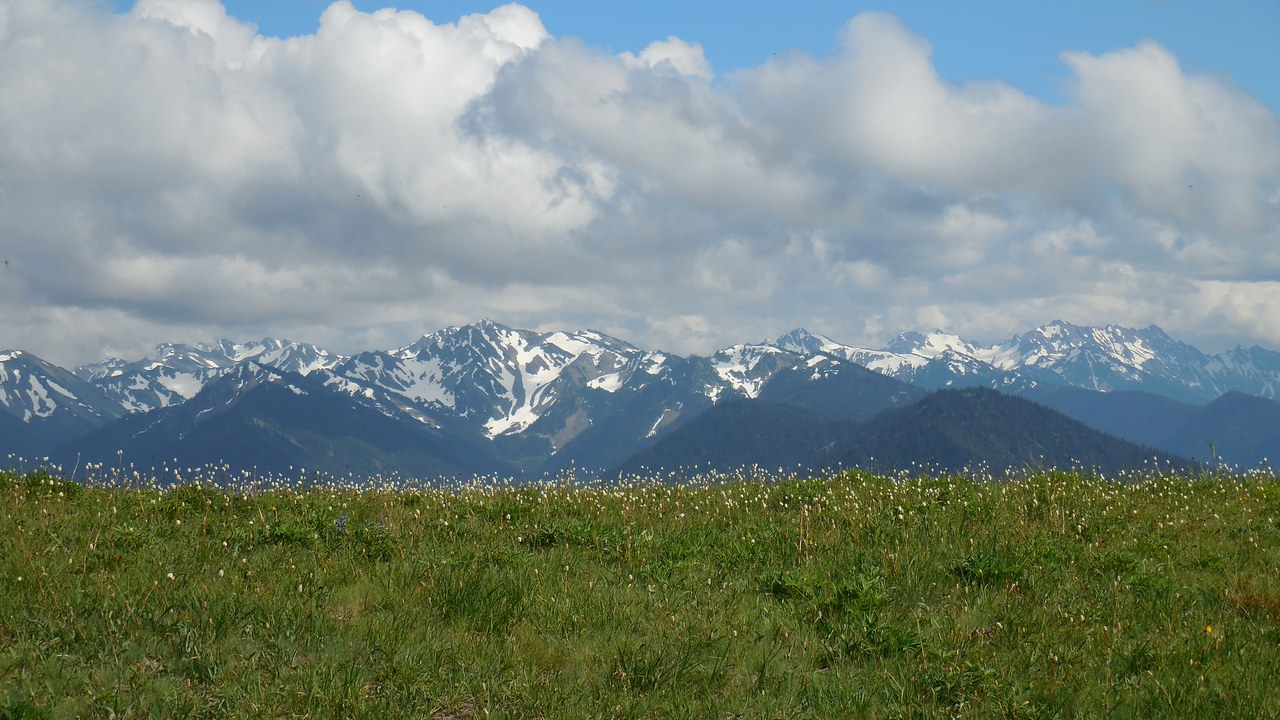
Shrinking glaciers change the mountain skyline at Olympic and reduce an important source of summer river flow, according to the Olympic glaciers page. The effect reaches from peaks to rivers downstream.
Visitors scanning the skyline may notice the difference over years. The text documents a trend at this park and does not suggest the same outcome everywhere. Park information is the best guide before visiting, and the glacier story is one part of a larger picture of mountain and river.
10. Rocky Mountain National Park: Beetles in the Pines
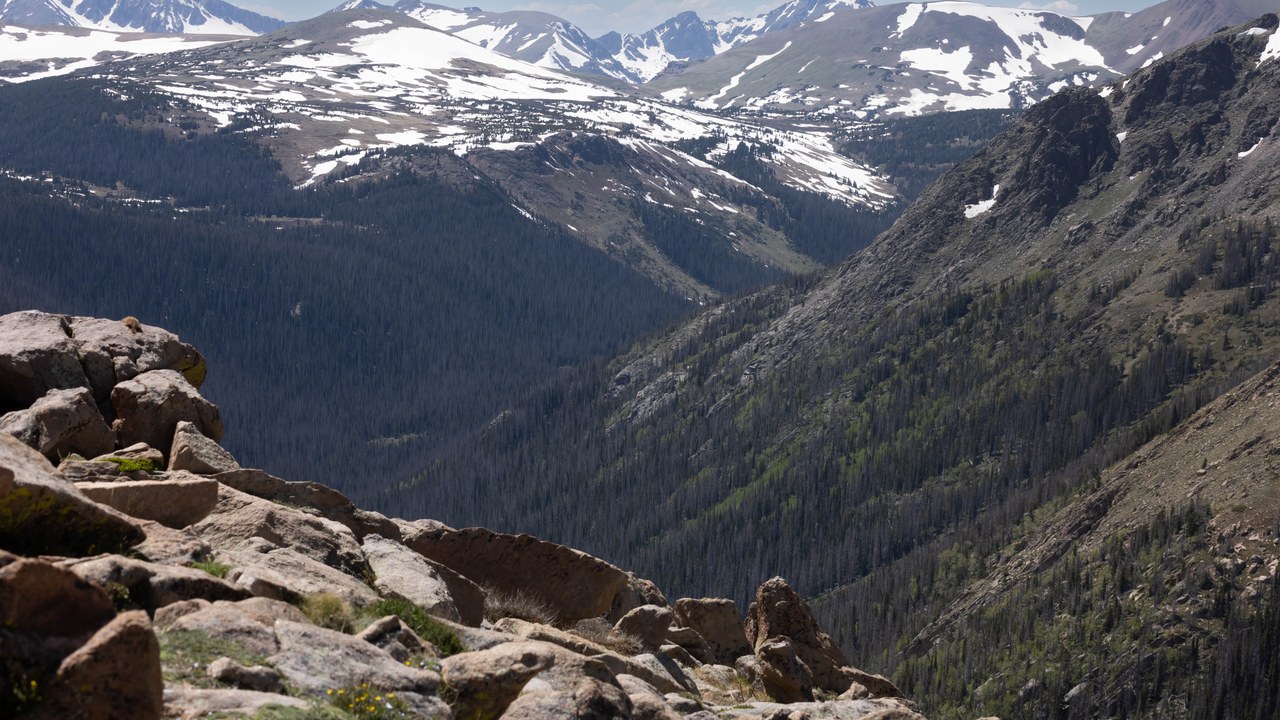
Milder winters help pine beetles survive, changing the forests along trails and in campgrounds at Rocky Mountain, per the Rocky Mountain climate page. The forests visitors walk through are changing.
Campers and hikers may see altered woods compared with earlier visits. This describes a documented link between climate and forest change, not a statement about any single campsite or trail. Scenery is only one of the many things affected, and the park itself is the best source on what has changed along specific routes.
11. Mount Rainier National Park: Meadows Moving Uphill
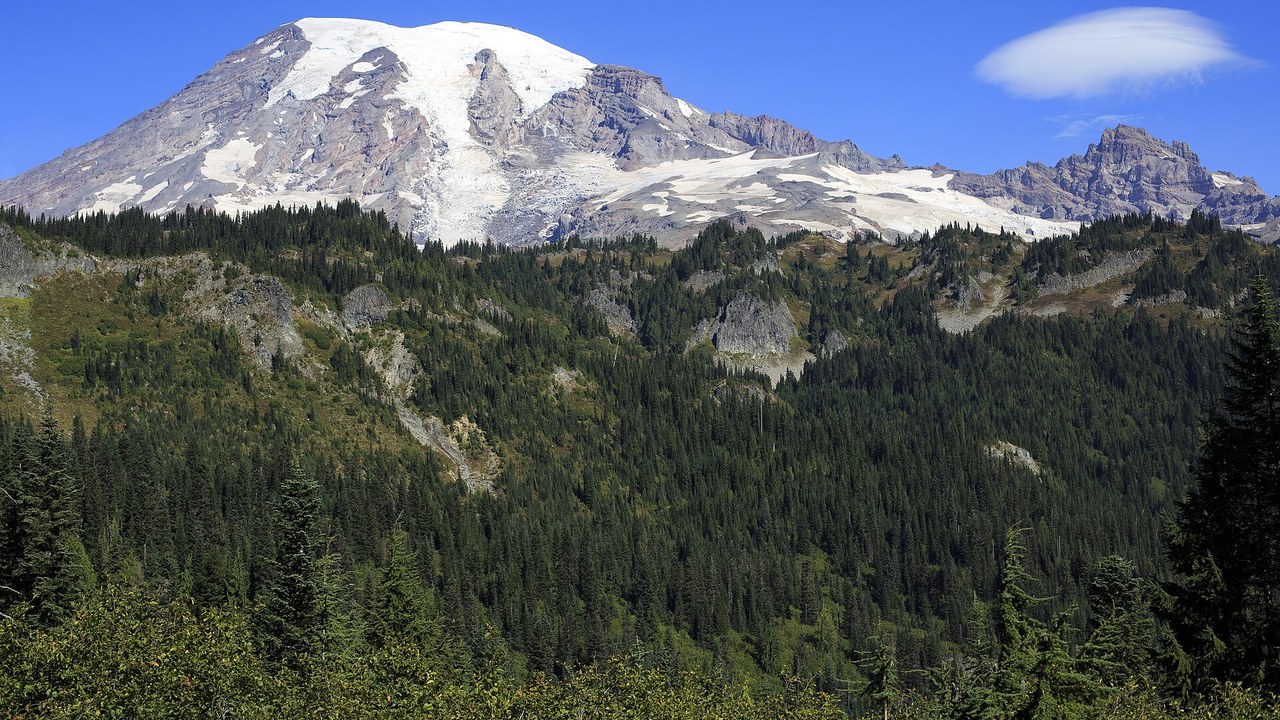
Changing snowpack and an upward-moving treeline could shrink alpine habitat and alter familiar mountain meadows at Mount Rainier, according to the Rainier climate page. The word could signals a projection.
Wildflower seekers and day hikers may find the scene shifting over time. Because the language is projected, it should not be read as a description of what a visit offers right now. Longer trips offer more chance to see the range of conditions.
12. Grand Teton National Park: Shorter Snow Seasons
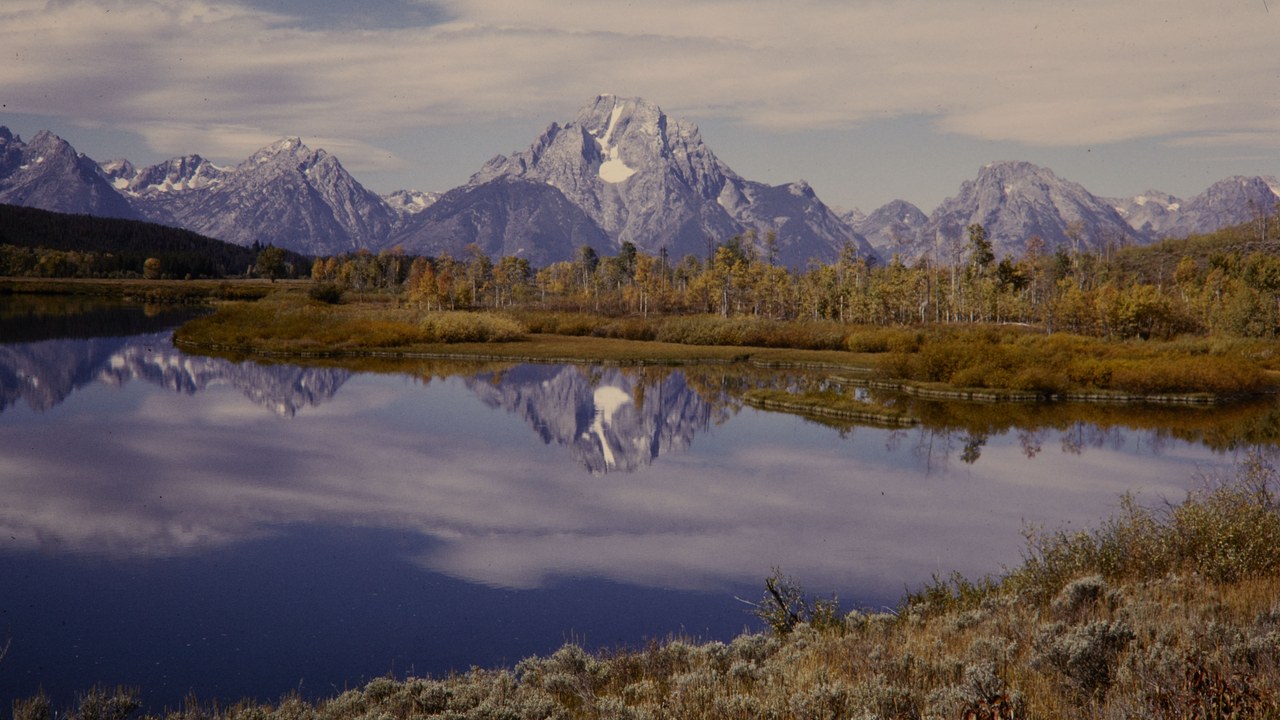
Long-term projections show shorter snow-cover seasons and drier summer soils at Grand Teton, reshaping the timing and scenery of a visit, as the Grand Teton climate page explains. The change is a projection, not a present-day closure.
Planners of winter or summer trips may want to keep seasonal timing in mind. The page offers long-range outlooks, not a guarantee about conditions on any particular date. Reading the park’s current notices complements those long-range views.
More from Morning Overview
- Doctors warn a silent liver disease now affects one in three American adults
- The FBI told the rest of ShinyHunters to surrender after a 24-year-old was arrested
- Two passengers died at an Ohio toll plaza, and the NTSB now wants the cash lanes shut
- Long use of a common prostate pill is tied to a higher chance of glaucoma
