
A well-tended yard or windowsill can lose its payoff quickly when the wrong visitor moves in. Some of the culprits are small mammals that feed through the cold months, others raid vegetable beds, and a few are tiny insects living on indoor greenery. Here are twelve familiar pests, sorted by where they tend to strike.
1. Mice: Winter Bark Nibbler
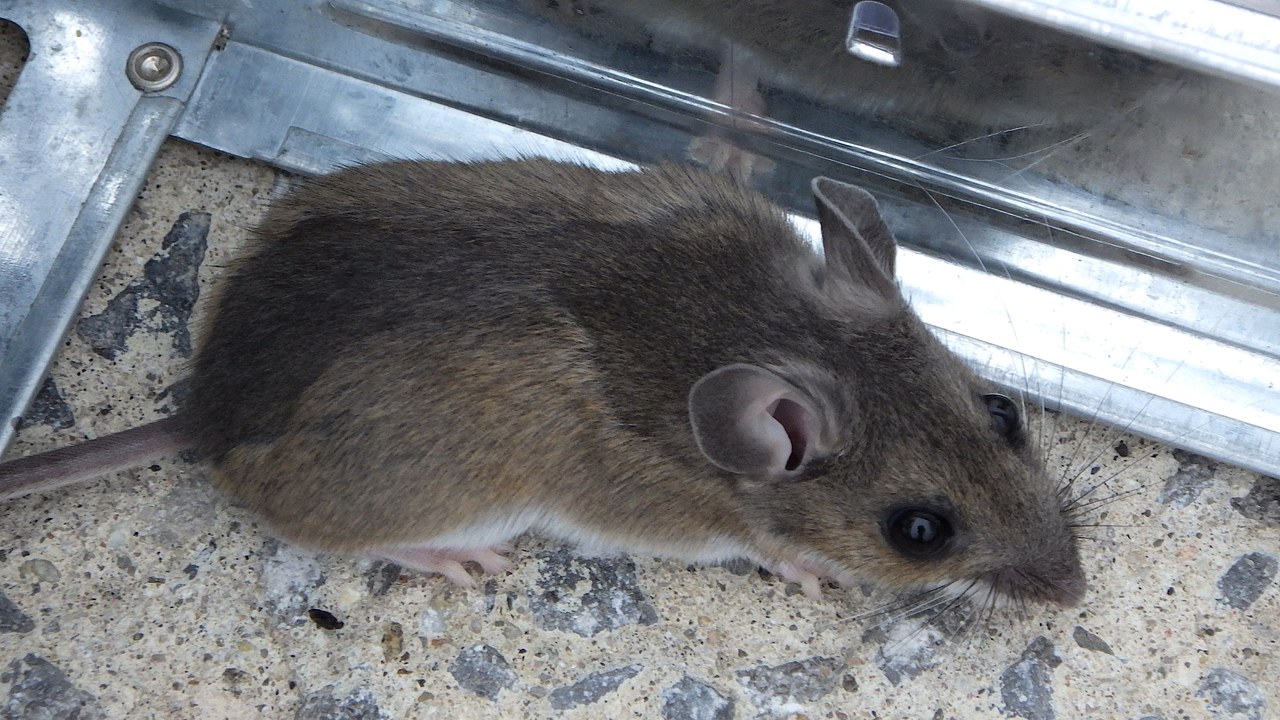
Mice make the list because winter feeding can damage the bark, twigs, leaves or stems of trees and shrubs, according to winter plant protection guidance from extension specialists. The harm often goes unnoticed until the growing season returns.
Homeowners who invest in young trees and shrubs have reason to check the base and lower stems during cold months. Gnaw marks are a clue, though damage signs alone are not a definitive diagnosis of the culprit.
2. Rabbits: Bark-Stripping Bunnies
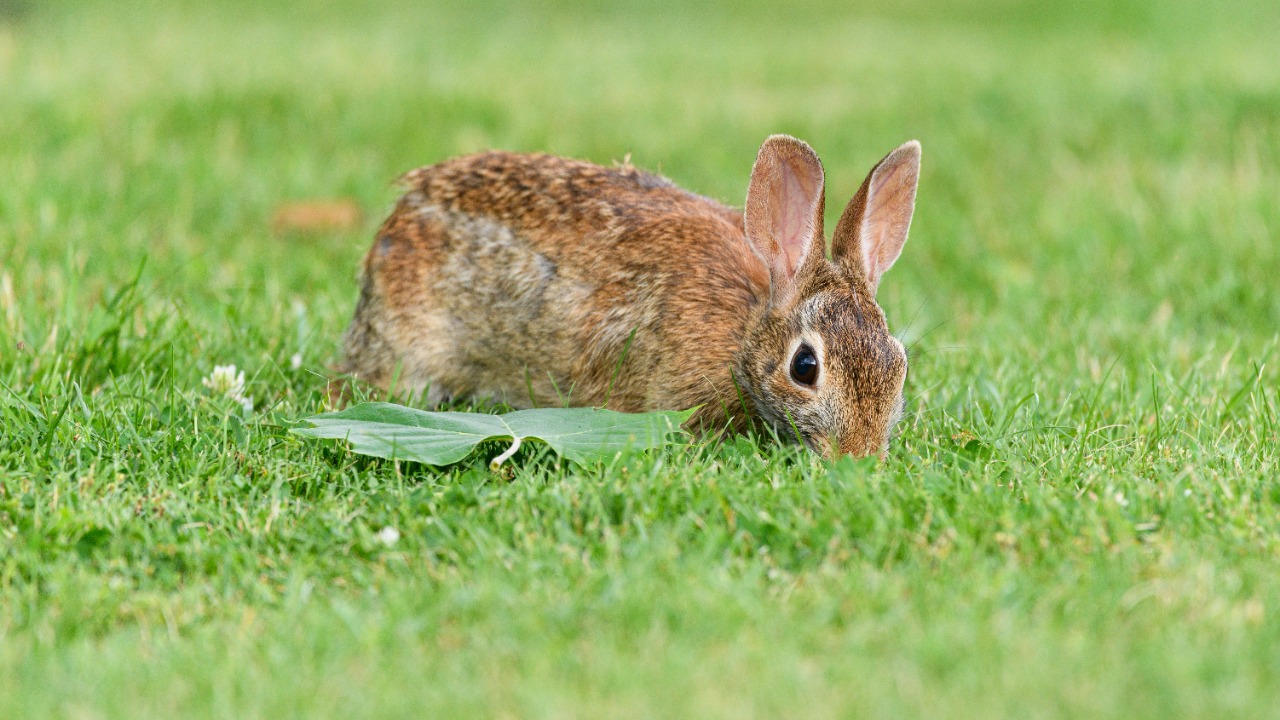
Rabbits can feed on exposed bark and stems during winter, a point made in extension tree-protection advice. Cute and familiar, they still manage to undo seasons of careful planting when other food is scarce.
Gardeners with young or thin-barked plantings may want to look over the stems after cold spells. The advice describes a broad, familiar group of animals rather than a claim about every rabbit species everywhere. Protecting stems before the cold sets in is generally easier than repairing damage afterward.
3. Voles: Quiet Winter Damage
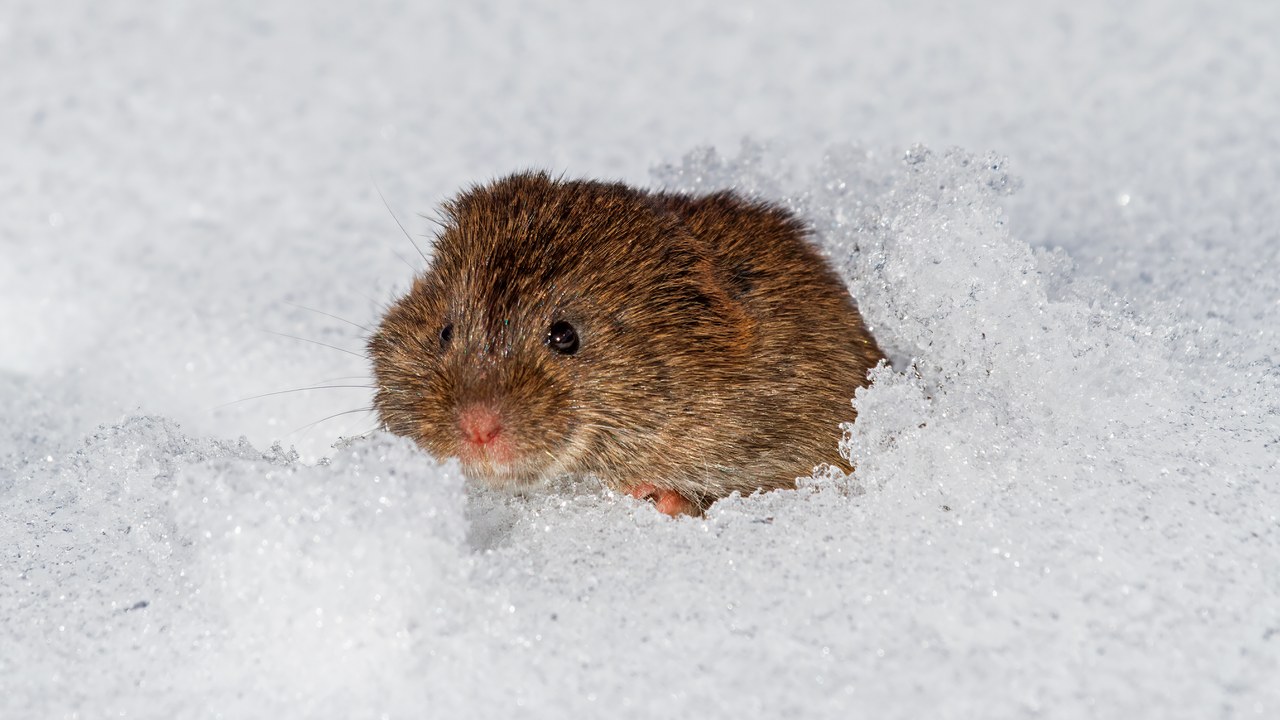
Voles are named among the small mammals that can severely damage winter plantings, as noted in winter landscape guidance. Their reputation rests on harm that is easy to miss until spring reveals what happened.
For anyone who planted shrubs or trees in autumn, voles are a reminder that winter protection matters as much as watering. Because these are broad groups, evidence on the plant itself is only a clue, not proof.
4. Deer: Browsing Woody Plants
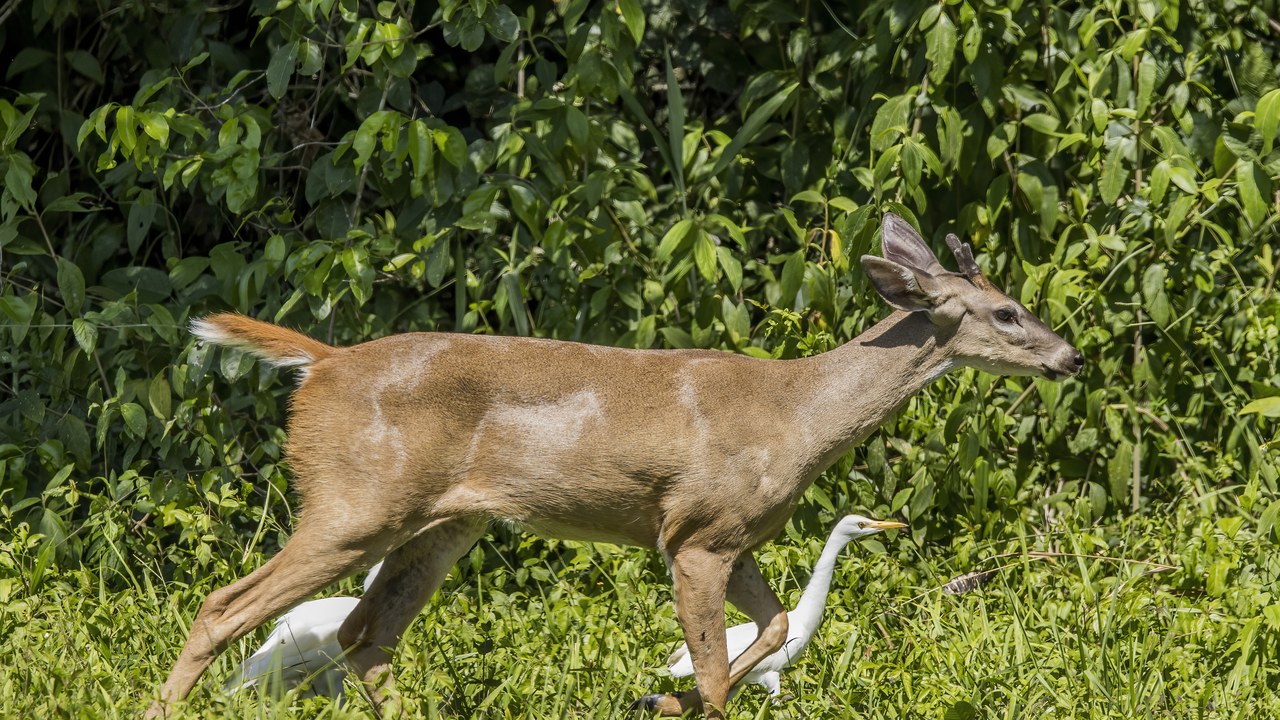
Browsing deer can damage woody landscape plants in winter, according to extension winter protection notes. Shrubs and young trees that look sturdy in summer can become an easy meal once other forage thins out.
Property owners near wooded edges or open land may find the effects most visible on ornamental woody plants. The guidance speaks of deer in general terms, so local conditions and species still shape how serious the problem becomes.
5. Raccoons: Corn Patch Raiders

Raccoons raid corn patches, and the crop can be damaged before harvest, a pattern described in a vegetable pest fact sheet. Timing is the cruel part, since the loss arrives just as the work is about to pay off.
Home growers with sweet corn may want to watch the patch as ears fill out. As with other entries, visible damage is a clue rather than a definitive diagnosis, so careful observation helps.
6. Groundhogs: Trampling Vegetable Thieves
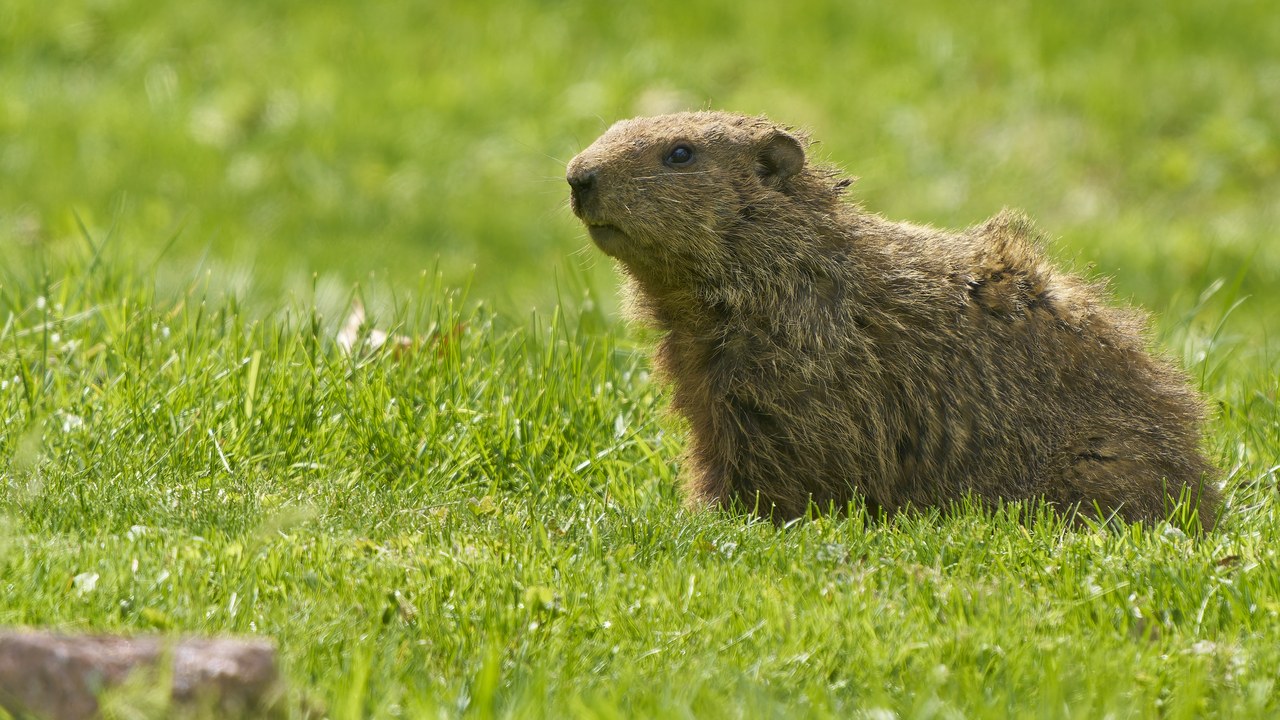
Groundhogs, also called woodchucks, feed on vegetable plants and can trample them as they move, per a garden pest fact sheet. The damage comes from both appetite and sheer bulk.
Flattened rows alongside missing foliage can point to a larger visitor than insects or slugs. Gardeners are best served by treating those signs as hints, since damage clues cannot settle the question alone. Spotting the pattern early helps separate this pest from smaller chewers that leave different marks.
7. Squirrels: Fruit-Eating Foragers
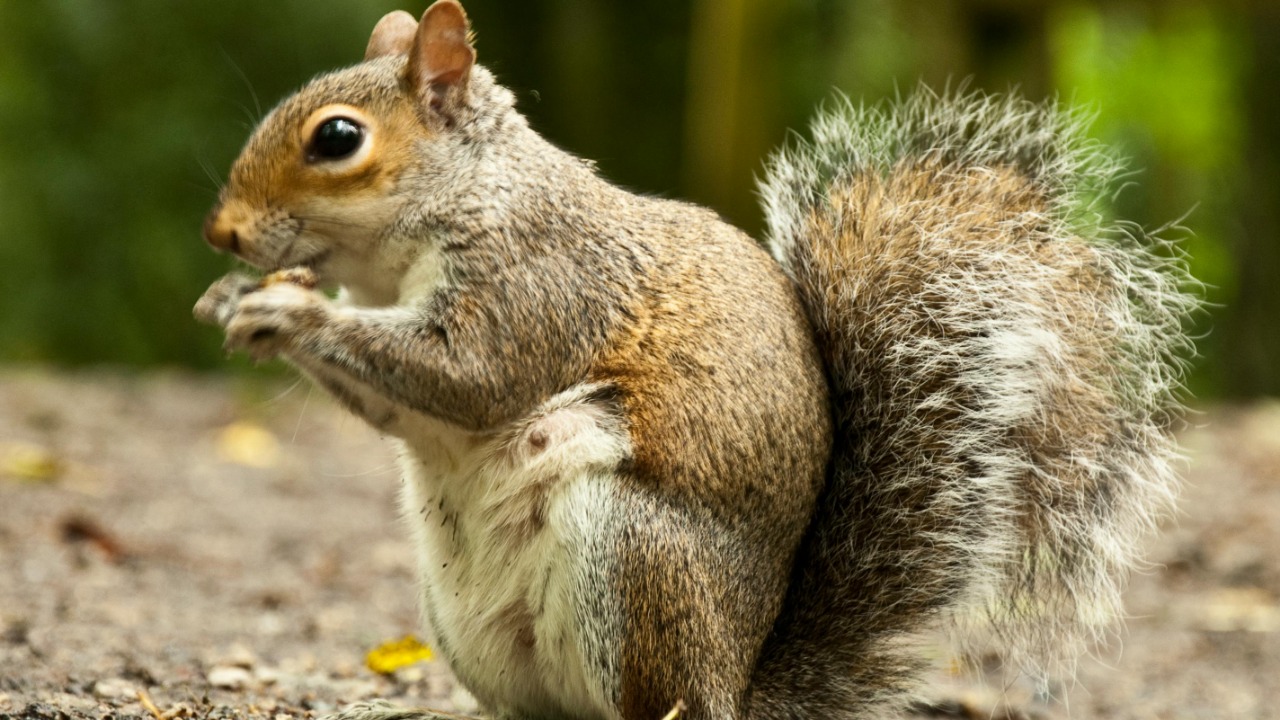
Squirrels can eat garden fruit as well as forage elsewhere, a habit noted in a vegetable garden fact sheet. A familiar backyard animal becomes a pest the moment ripening produce is within reach.
Growers hoping to harvest tomatoes or similar crops may notice partly eaten fruit left behind. The fact sheet treats squirrels as a broad familiar group, so conclusions about any single animal should stay cautious. Harvesting fruit promptly is a practical habit for anyone sharing a yard with these agile animals.
8. Slugs: Slime Trail Clue
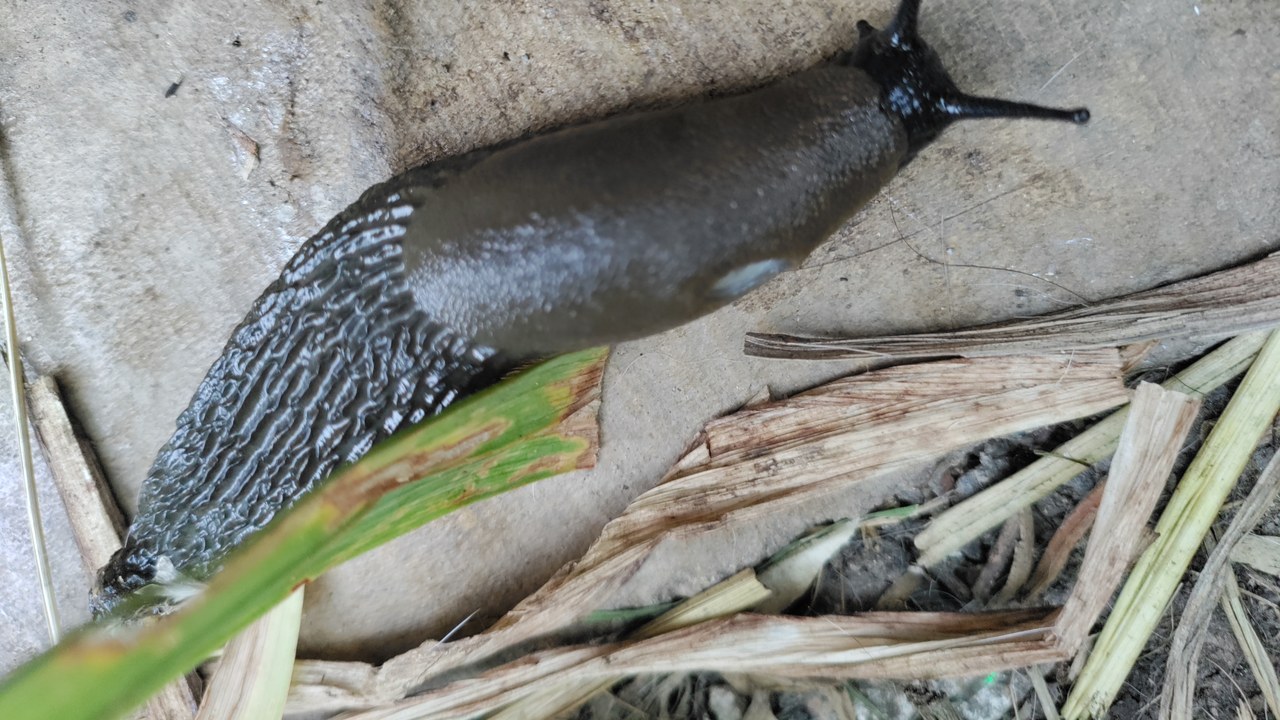
Chewed foliage with a slime trail is a clue to slug feeding, as the extension identification sheet explains. The silvery trail is often more telling than the animal, which tends to hide by day.
Gardeners who find ragged leaves and glistening streaks have a useful starting point. It remains a clue rather than a definitive diagnosis, so confirming the cause before acting is still sensible. Because slugs are most active in damp, shaded conditions, the clue is worth checking after wet weather.
9. Aphids: Sticky Houseplant Warning
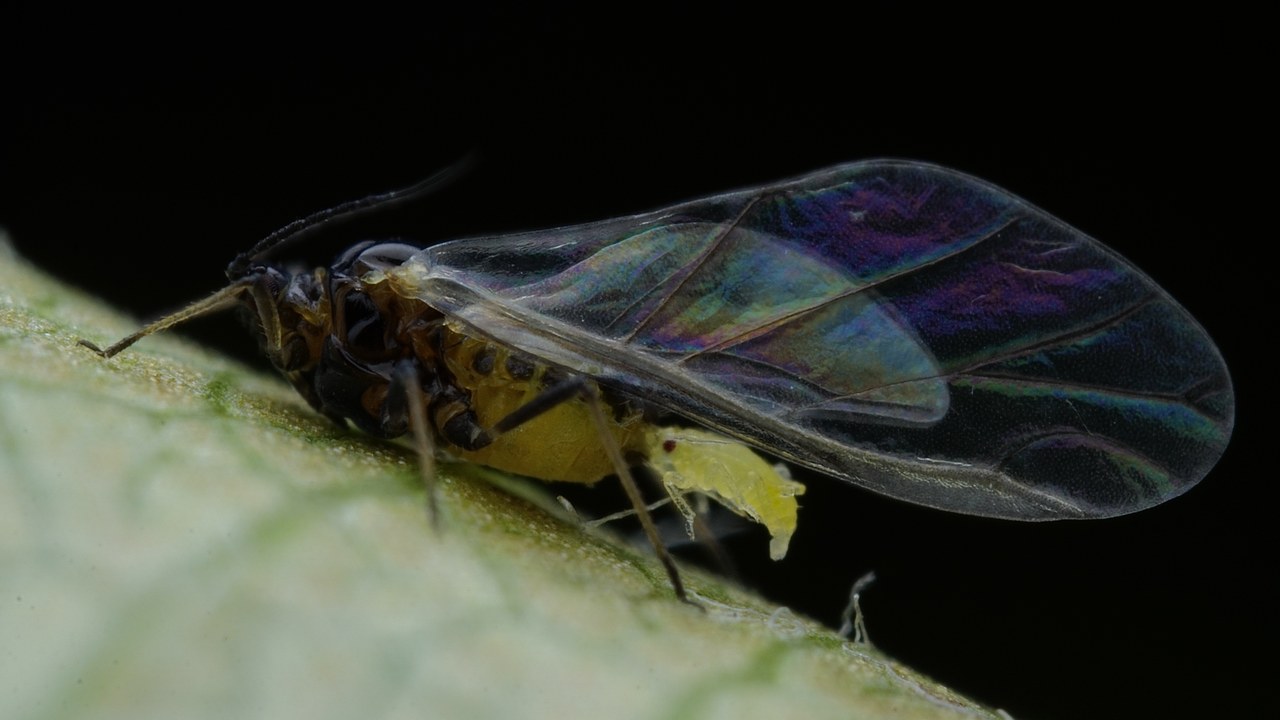
Honeydew on houseplants can be a sign of an aphid infestation, according to indoor plant insect guidance. Aphids are small sap feeders, and the sticky residue is often what draws attention first.
Anyone who notices tacky leaves or surfaces beneath a favorite indoor plant has a prompt to inspect closely. Honeydew is a clue, not a final verdict, because other pests leave similar traces. Catching the problem early keeps the pest from spreading across a collection of nearby plants.
10. Mealybugs: Cottony Sap Suckers
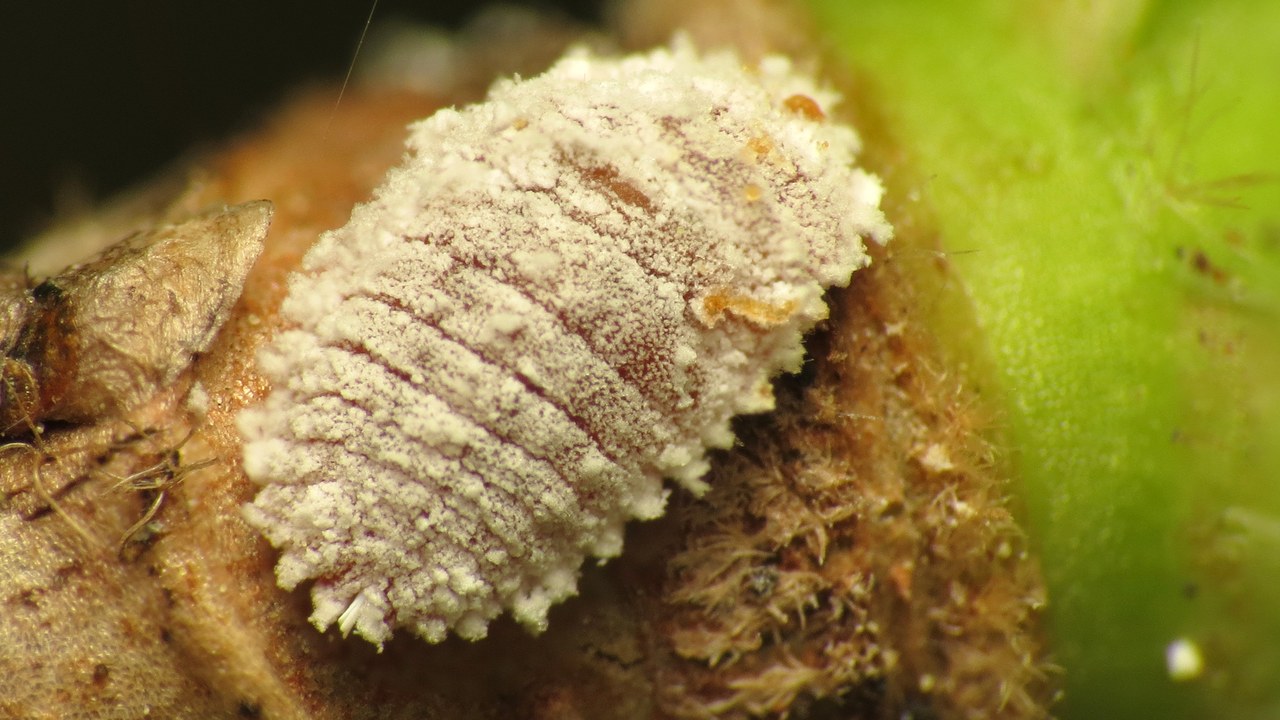
Mealybugs are plant pests that can leave sticky honeydew behind, as described in indoor plant pest advice. They settle on houseplants and quietly erode the health of leaves and stems.
Sticky residue on foliage or nearby shelves can be an early signal worth investigating. Since several indoor pests produce honeydew, the residue alone is not a definitive diagnosis. A close look at stems and leaf joints can reveal more than a quick glance at the surface.
11. Scale insects: Armored Honeydew Producers
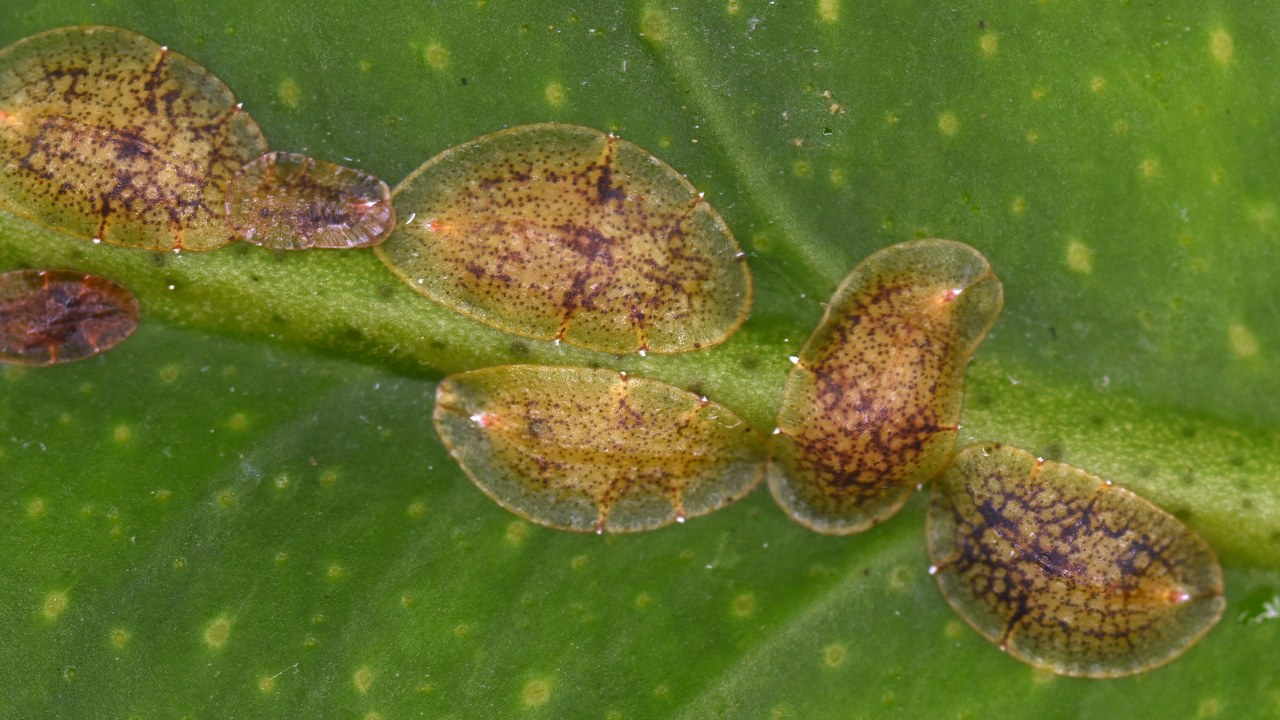
Scale insects can produce honeydew on infested indoor plants, a detail covered in indoor plant insect guidance. These small, stationary pests are easy to overlook while the damage slowly accumulates.
People who keep houseplants may notice sticky leaves before they spot the insects themselves. As with the other indoor pests, that sign is a clue rather than proof of the cause. Regular inspection of indoor greenery remains the simplest way to catch trouble before it spreads.
12. Whiteflies: Sticky Trap Targets
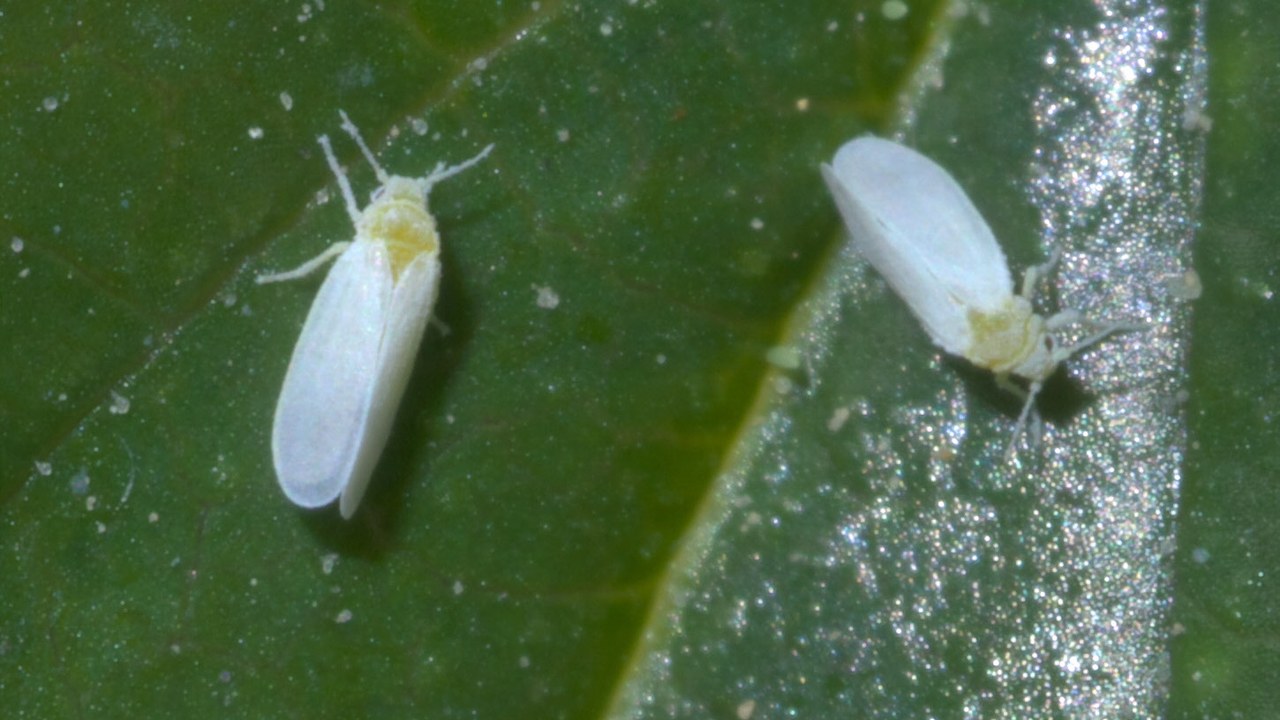
Sticky traps are one way extension specialists monitor whiteflies around indoor plants, according to indoor plant monitoring advice. Monitoring matters because these small flying insects can be hard to count by eye.
Houseplant owners can treat traps as an early-warning tool rather than a cure. What shows up on them is a clue, not a definitive diagnosis, so closer inspection of the plants still belongs in the routine. Checking leaf undersides alongside the traps gives a fuller picture of what is happening.
More from Morning Overview
- Tropical Storm Rachel is dumping up to 12 inches on four Mexican states on its way to major hurricane strength
- The FTC says Lens.com doubled the price shoppers saw in Google ads
- Common allergy, bladder and sleep pills tied to sharply higher dementia odds
- NOAA now gives this winter a 75% chance of the strongest El Nino since 1950
