
Some of the most troublesome plants in the landscape arrived on purpose, valued for flowers, fast growth or tidy ground cover. Left alone, certain ones spread until native greenery loses light, space and soil. Here are twelve invasive plants that national parks have documented, each tied to the region where the park describes the problem.
1. Asiatic bittersweet: Tree-Girdling Climber
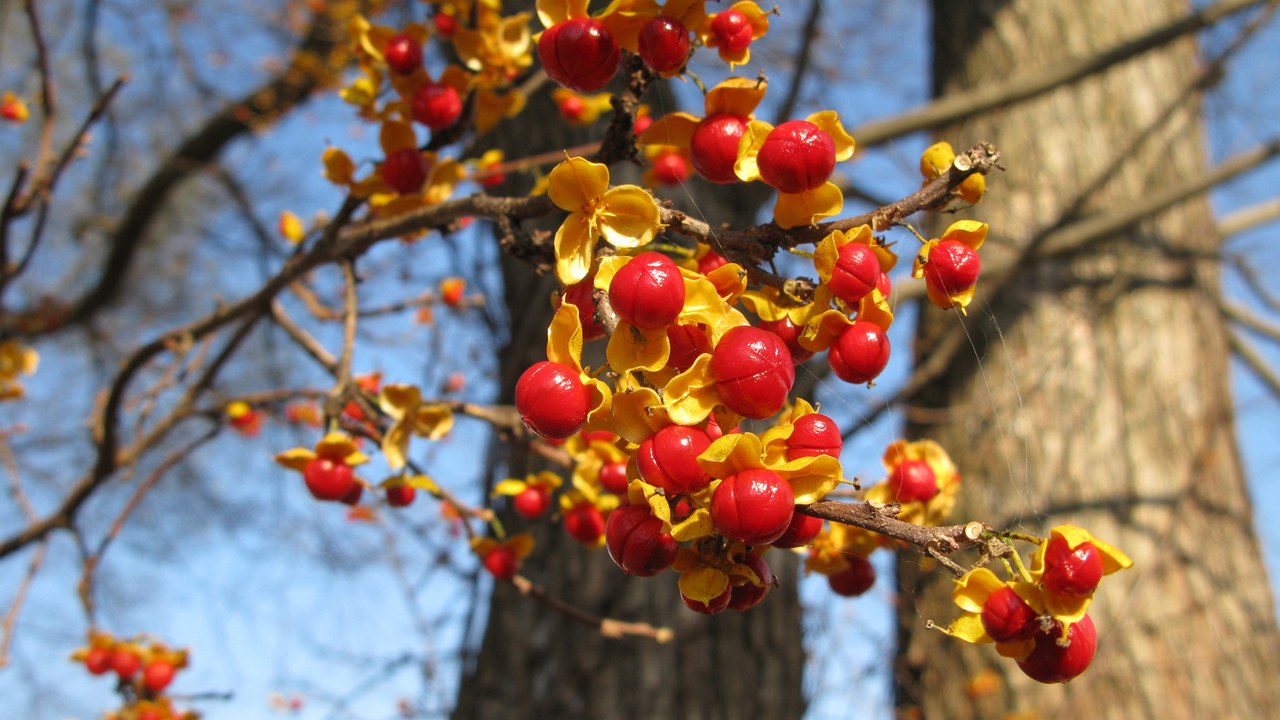
Asiatic bittersweet is a climbing vine that can girdle and shade trees and shrubs, as described on a national park plant page. The vine wraps around its host and slowly tightens.
Property owners with woodland edges may recognize the tangle climbing trunks and branches. The park example is regional, so it should not be read as a claim that the plant is invasive everywhere or prohibited across the country. Spotting it early gives the best chance of limiting the damage.
2. Porcelainberry: Light-Stealing Vine
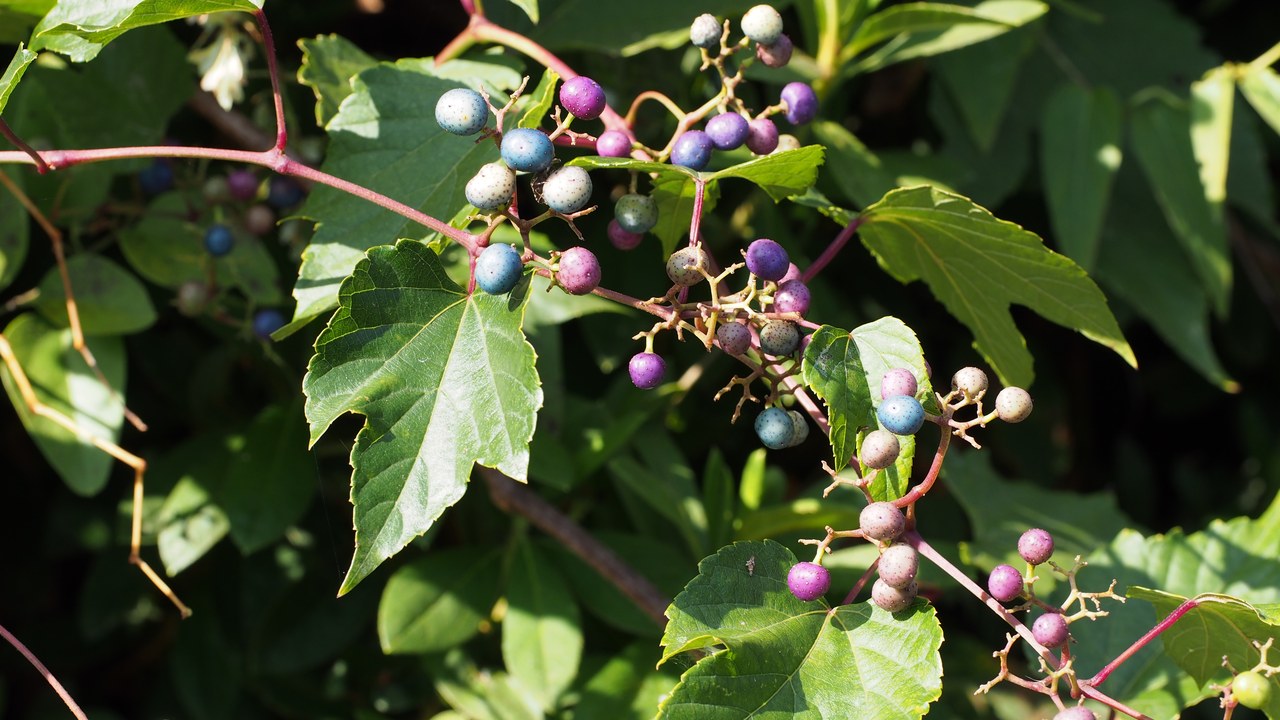
Porcelainberry is a climbing vine that competes with native vegetation for light, water and nutrients, according to the park’s non-native plant guide. Its ornamental look hides an aggressive habit.
Gardeners drawn to attractive berries and foliage may be tempted to let it ramble. Park documentation shows why that can be costly for neighboring native plants, though the finding reflects one region. Checking what spreads in a local area before planting is a sensible habit.
3. Purple loosestrife: Pretty but Damaging
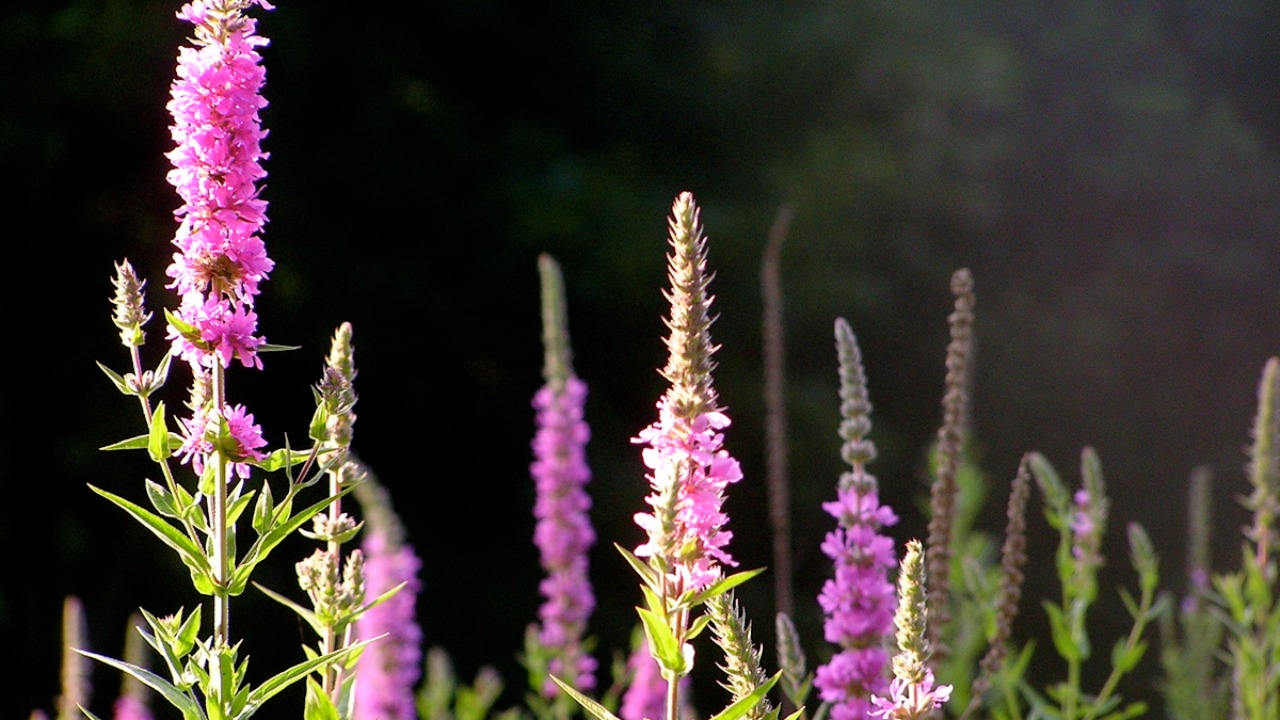
Purple loosestrife has showy flower spikes that can disguise a plant that damages wetland ecosystems, a warning in the national park fact page. Beauty is precisely what makes the plant easy to underestimate.
Visitors admiring colorful stands along a marsh or pond may be looking at a problem rather than a bloom. The example comes from park documentation in one region and is not a nationwide legal statement. Learning to tell it from harmless wildflowers helps guard nearby wetlands.
4. Multiflora rose: Thorny Thicket Builder
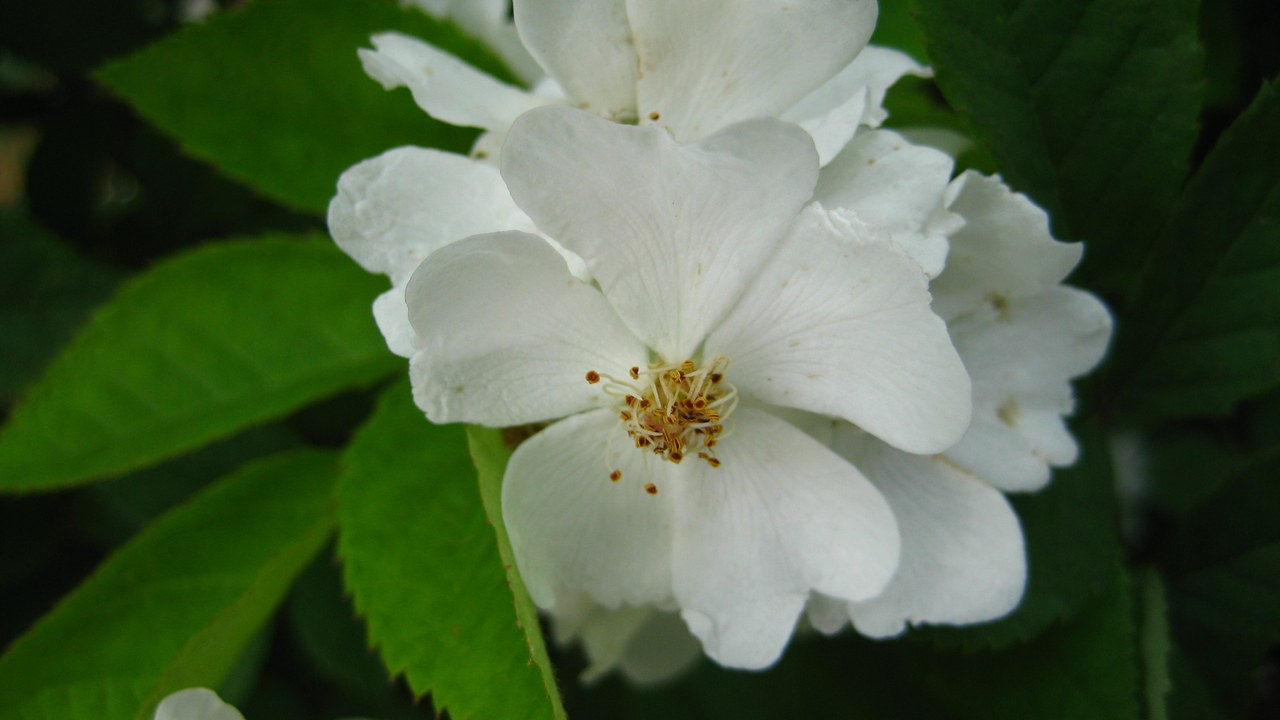
Multiflora rose forms dense, rapidly spreading thickets that can displace native plants, as a Great Smoky Mountains non-native page explains. Its thorny growth leaves little room for anything else.
Land managers and homeowners with fence lines or field edges know how hard such thickets are to roll back. The documentation is regional, so the plant’s status elsewhere may differ. Cutting and clearing such growth takes persistence, since the dense stems leave little room for anything else to recover.
5. Japanese honeysuckle: Overtopping Woody Vine
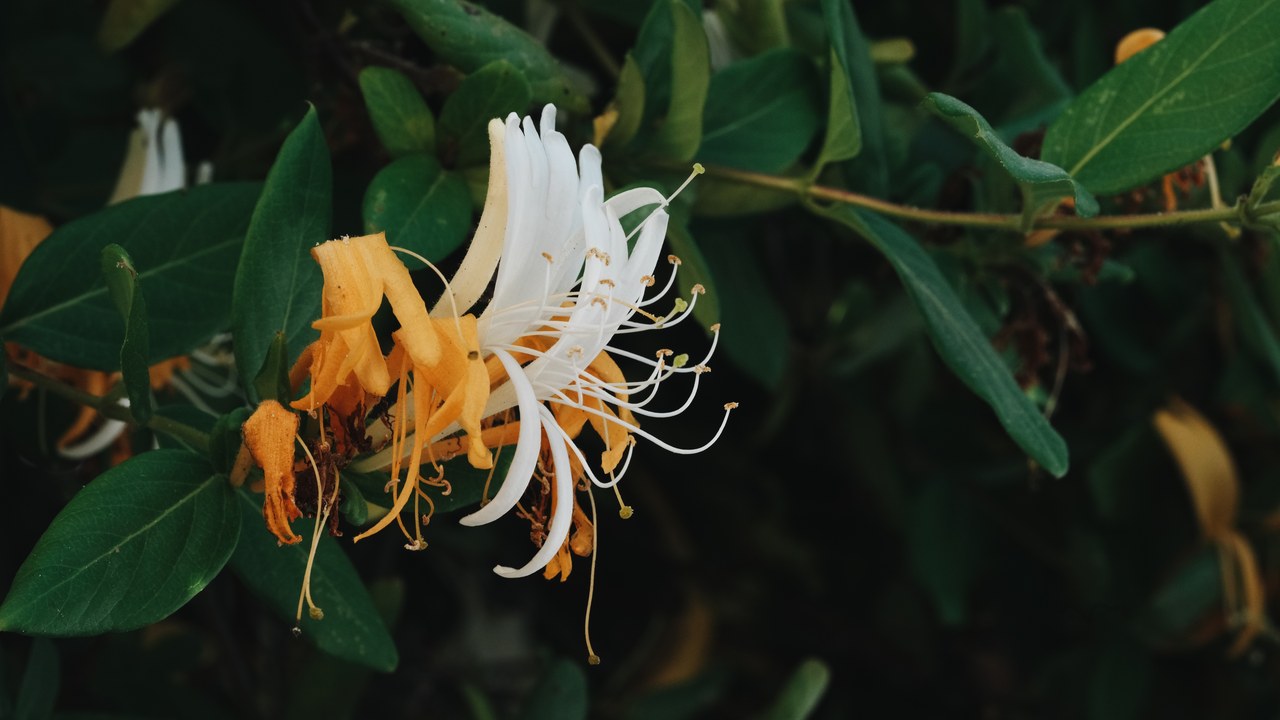
Japanese honeysuckle is a woody vine that can overtop native shrubs and small trees, per the park non-native species overview. Its sweet-scented blooms make it a familiar sight.
A fragrant vine on a fence may be pleasant, yet the same habit smothers young native growth in wilder places. This is a regional park finding, not a claim that every landscape is affected. Awareness of the habit helps with deciding what belongs near native shrubs.
6. Mimosa tree: Fast Resprouter
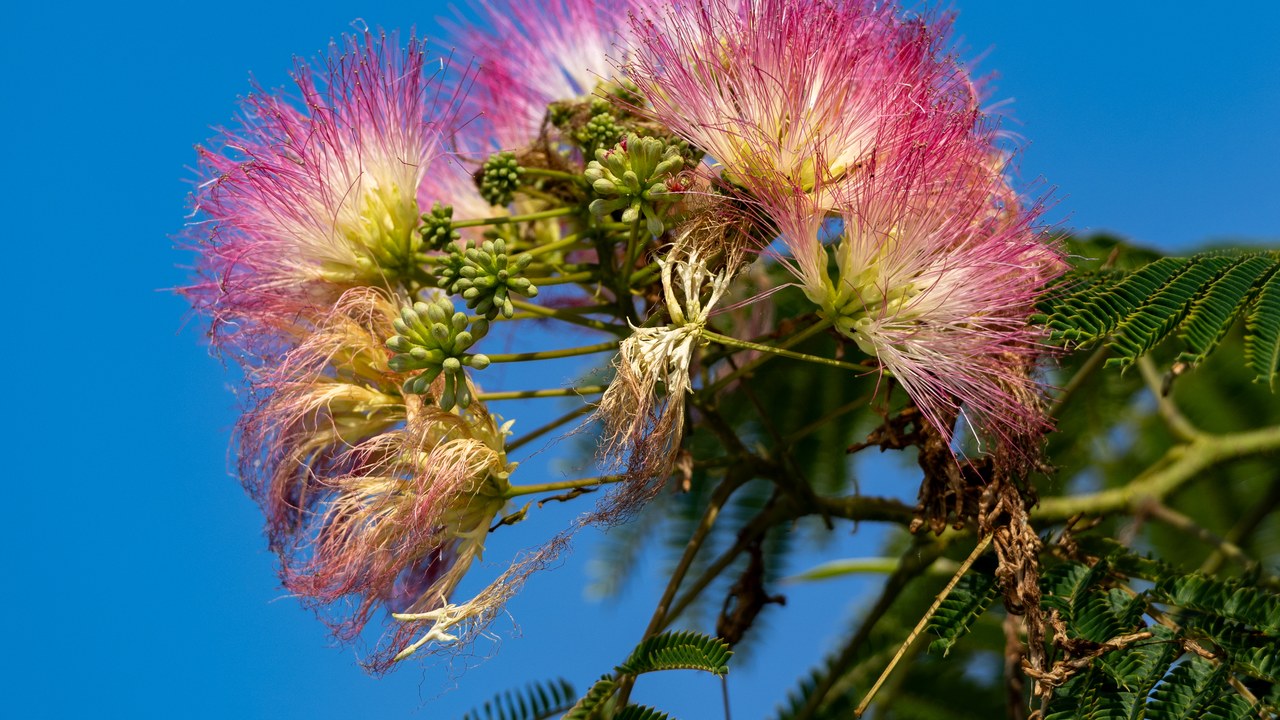
Mimosa seeds prolifically and can resprout quickly after cutting, as the Smokies invasive plant page notes. Feathery foliage and pink blooms make the tree look harmless at first glance.
Anyone who cuts one down should expect it to return, which makes control a long task. The example is documented in a particular region and should not be generalized to every location. Seeds and sprouts are both part of the story.
7. Garlic mustard: Woodland Floor Dominator
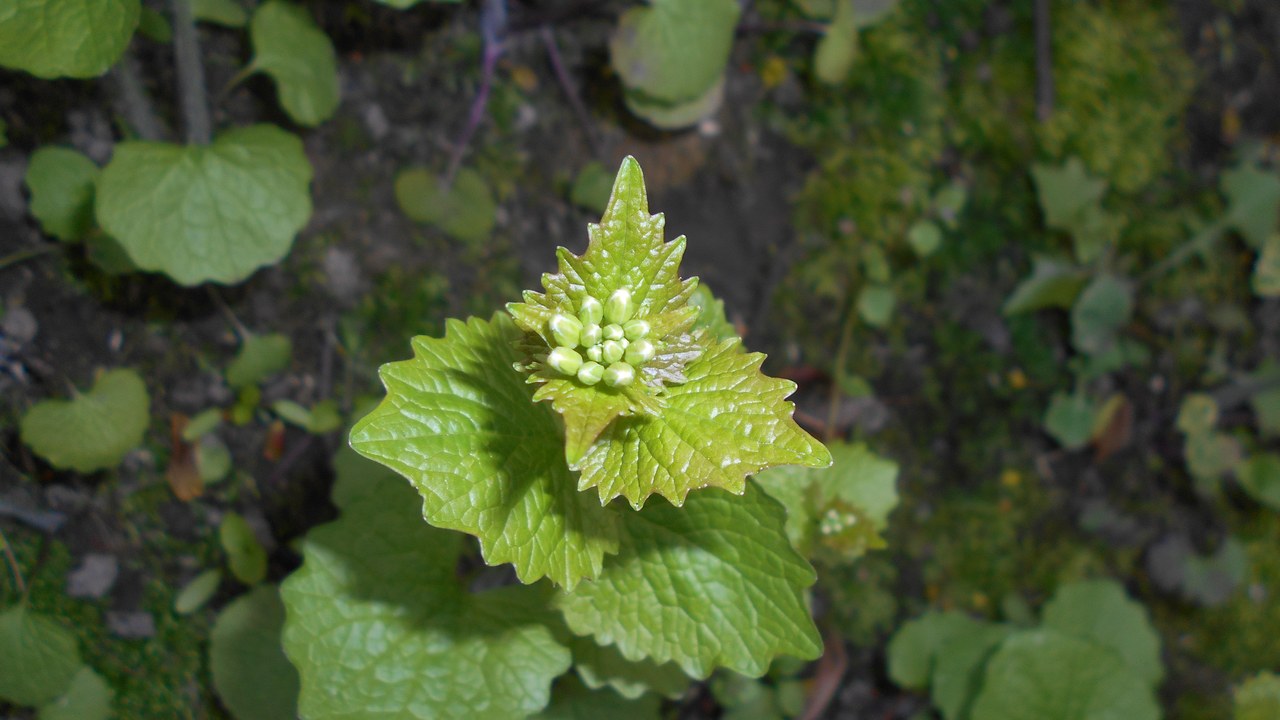
Garlic mustard owes its success partly to shade tolerance, which helps this invasive plant dominate woodland ground layers, according to the national park non-native list. Many plants falter under tree cover, but this one does not.
Walkers in local woods may notice it carpeting the forest floor in place of native wildflowers. The documentation reflects one park’s region and is not a claim about every habitat. Early spring and shaded woods are good places to start looking.
8. English ivy: Evergreen Ground Smotherer
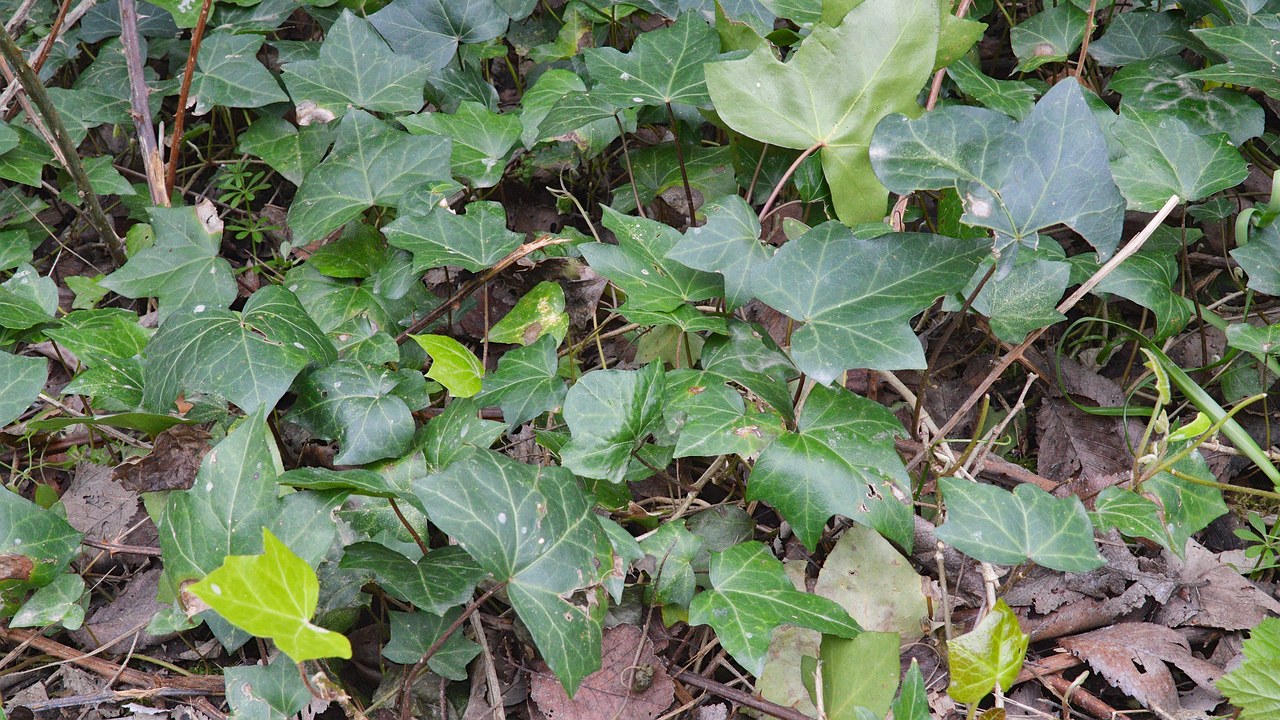
English ivy forms a dense cover that can prevent other plants from growing beneath it, as the Hot Springs invasive species page explains. A classic landscaping staple, it can overwhelm what grows below.
Homeowners who value the lush look may want to consider what happens when it escapes. The warning is a regional park observation, not a statement that the plant is banned everywhere. Looking beyond the lawn edge can reveal how far it has traveled.
9. Kudzu: Landscape Swallower
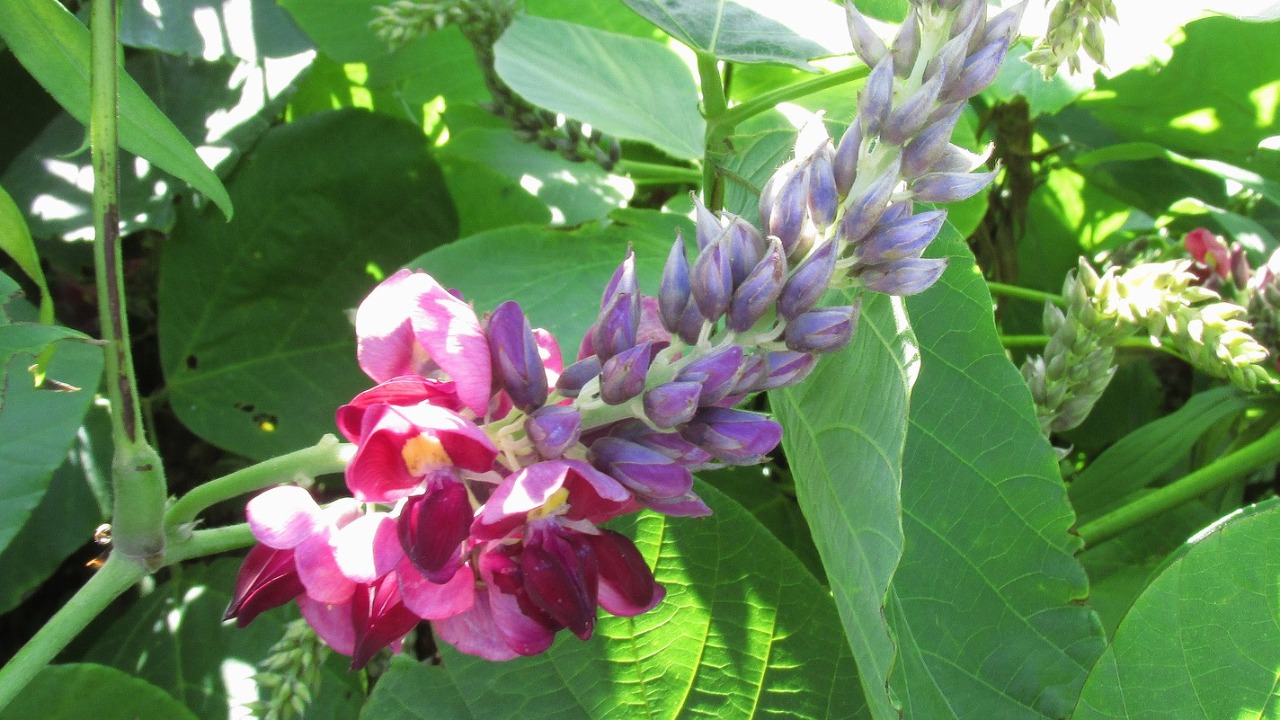
Kudzu is a fast-growing vine that can cover native plants and create a near-monoculture, according to the park’s invasive species overview. Its reputation as a climbing blanket is well earned.
Roadsides and abandoned lots may show the effect most clearly, with native greenery buried under leaves. The finding comes from park documentation in one region and is not a nationwide claim. Native plant nurseries often suggest alternatives for the same job.
10. Common periwinkle: Forest-Floor Mat Maker
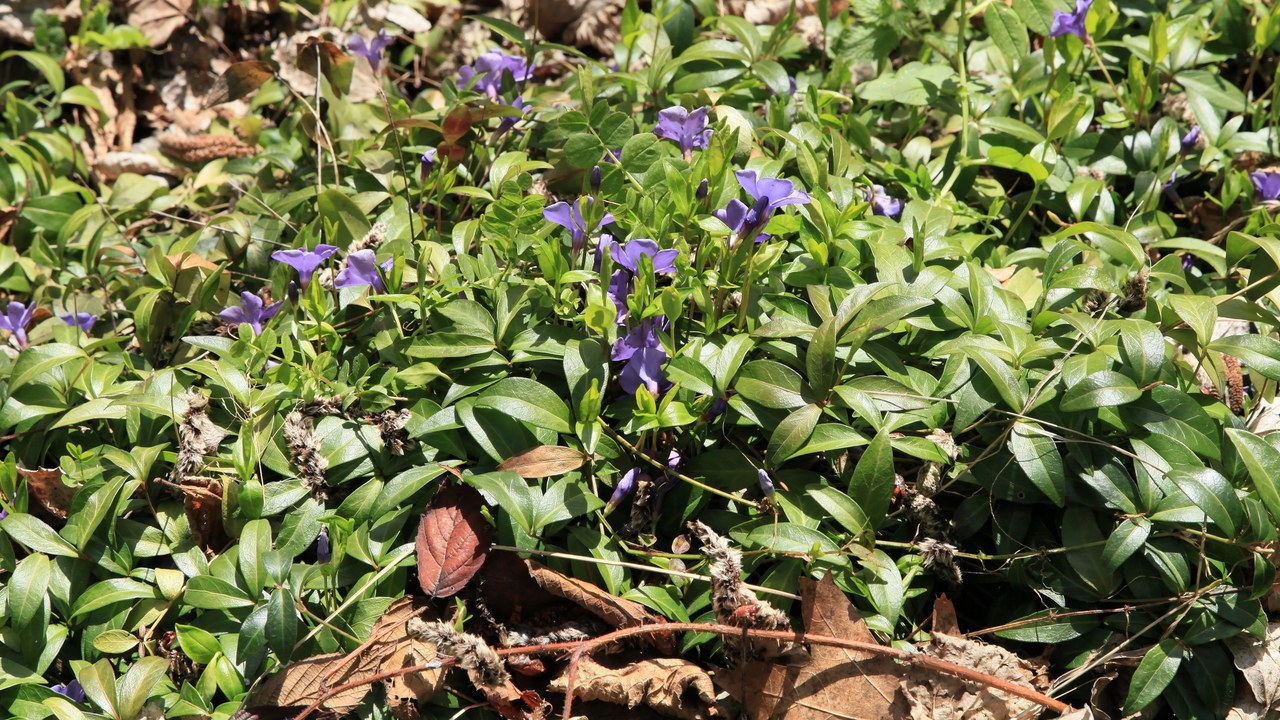
Common periwinkle can form extensive forest-floor mats that exclude native vegetation, as the Hot Springs park page describes. Its glossy leaves and blue flowers hide a thick carpet beneath.
A pretty ground cover in a garden bed can become a problem once it creeps into nearby woods. The example is regional, reflecting what one park documents. Local extension offices can say whether it is a concern nearby, and native ground covers can fill the same role without the spread.
11. Nandina: Familiar Landscaping Shrub
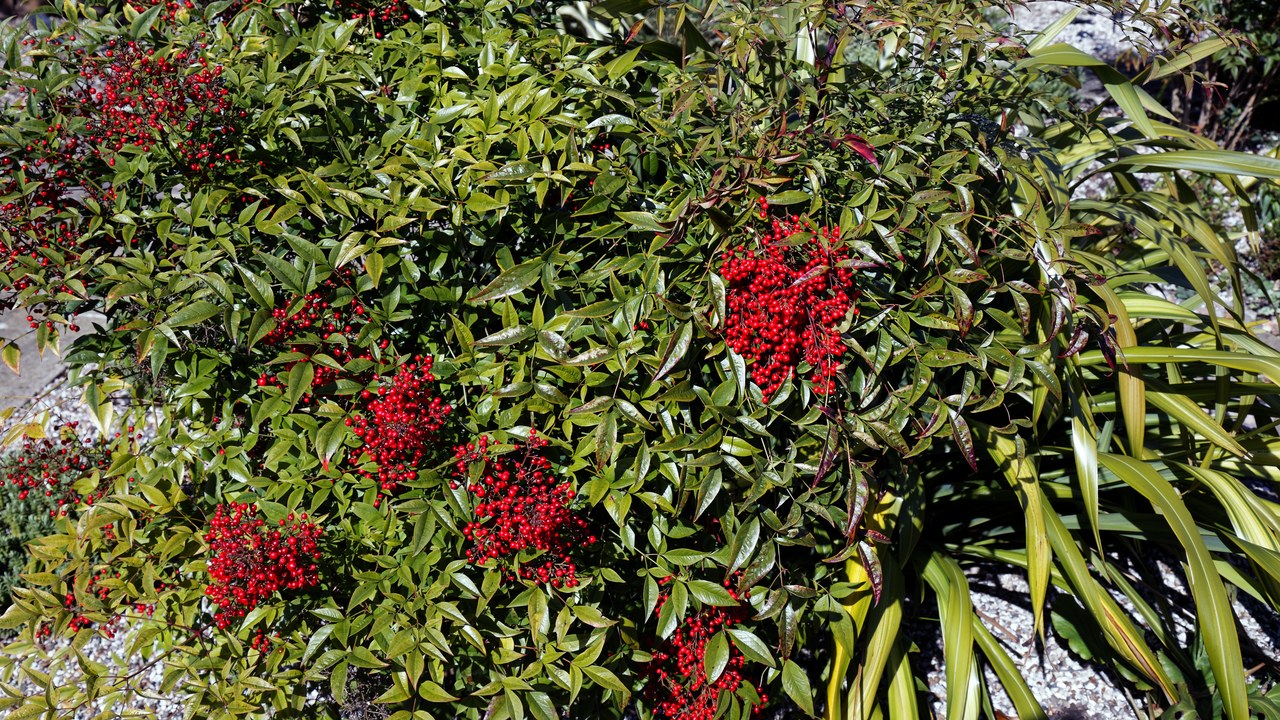
Nandina is a familiar landscaping shrub that the Hot Springs park listing identifies as an aggressive invasive problem in Hot Springs. Its popularity in plantings makes it especially notable.
Shoppers and homeowners who see it in many yards may be surprised to find it flagged. The designation is local to the park’s documented area and not a claim that it is invasive everywhere. Checking with a regional authority is a good step before planting.
12. Norway maple: Maple on the Target List
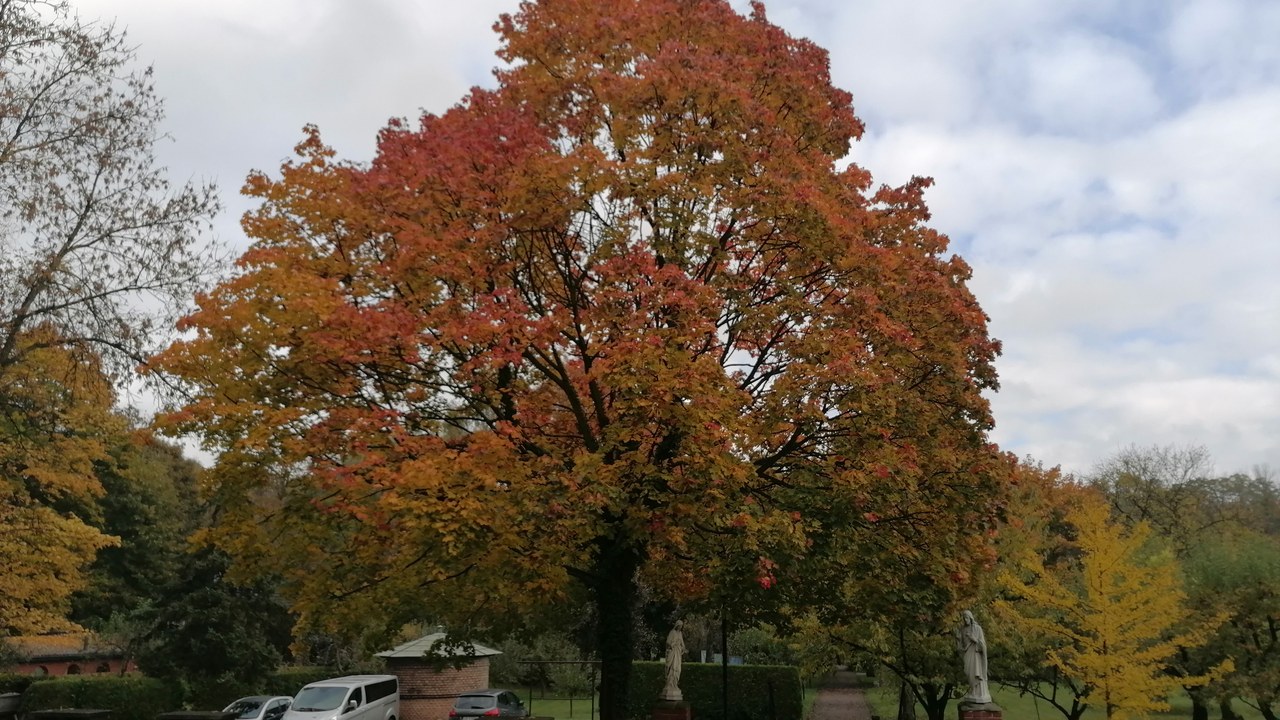
Acadia includes Norway maple among the invasive plants targeted by its management program, according to the Acadia invasive plants page. A common shade tree, it still earns a place among park concerns.
Neighbors of coastal and woodland areas may see this as a reminder that familiar trees can have a downside. The example is regional and not a statement about its status in every landscape. Local conditions determine how serious the concern becomes.
More from Morning Overview
- Common allergy, bladder and sleep pills tied to sharply higher dementia odds
- NOAA now gives this winter a 75% chance of the strongest El Nino since 1950
- Doctors warn a silent liver disease now affects one in three American adults
- The FBI told the rest of ShinyHunters to surrender after a 24-year-old was arrested
