
The National Park Service has published its 2025 recreation-visit totals, and the numbers show where Americans actually go. A few well-known names dominate the rankings, but some surprises appear among the busiest places. Here are twelve national parks that absorbed the biggest crowds, starting with the Smokies at the top.
1. Great Smoky Mountains National Park: The Smokies Stand Alone
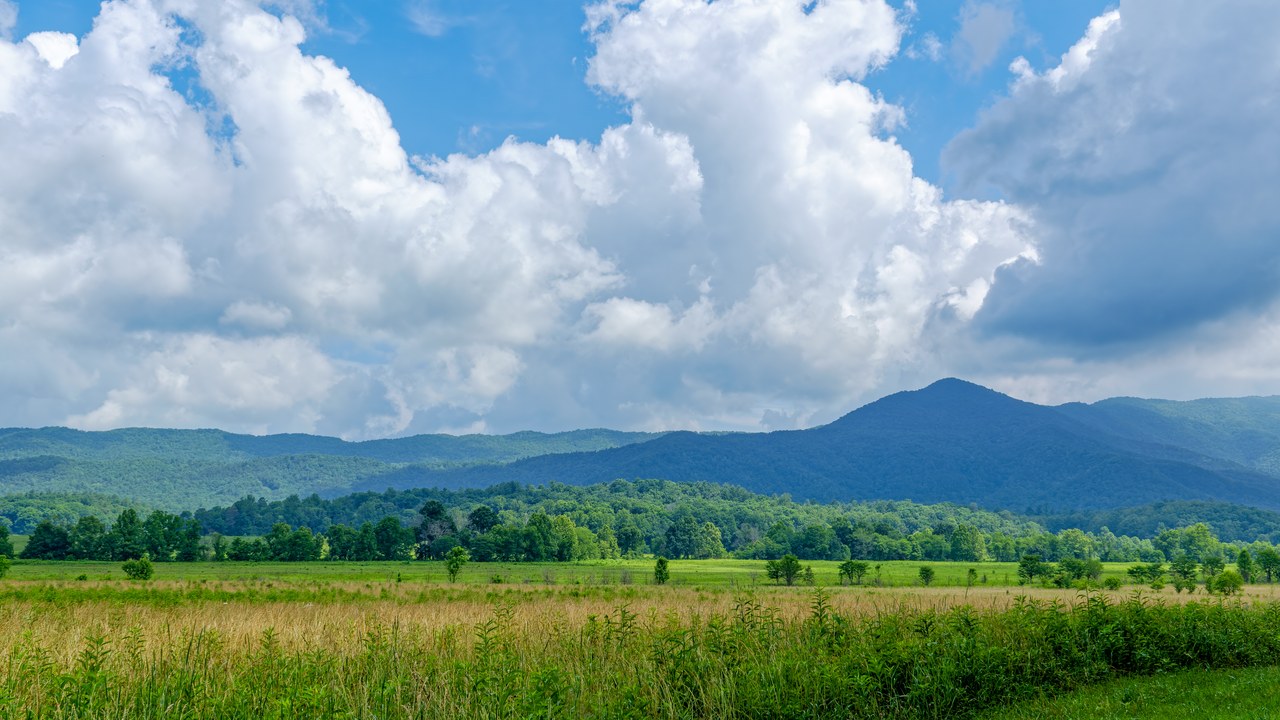
Great Smoky Mountains National Park logged 11,527,939 recreation visits in 2025, more than double any other park, according to the official 2025 visitation release.
That margin explains why the Smokies sit in a class of their own, drawing a crowd that dwarfs even the famous western parks. Visitors planning a trip should expect company on popular roads and trailheads, and an early start or a weekday visit is a sensible way to ease the squeeze.
2. Zion National Park: A Narrow Canyon, Packed
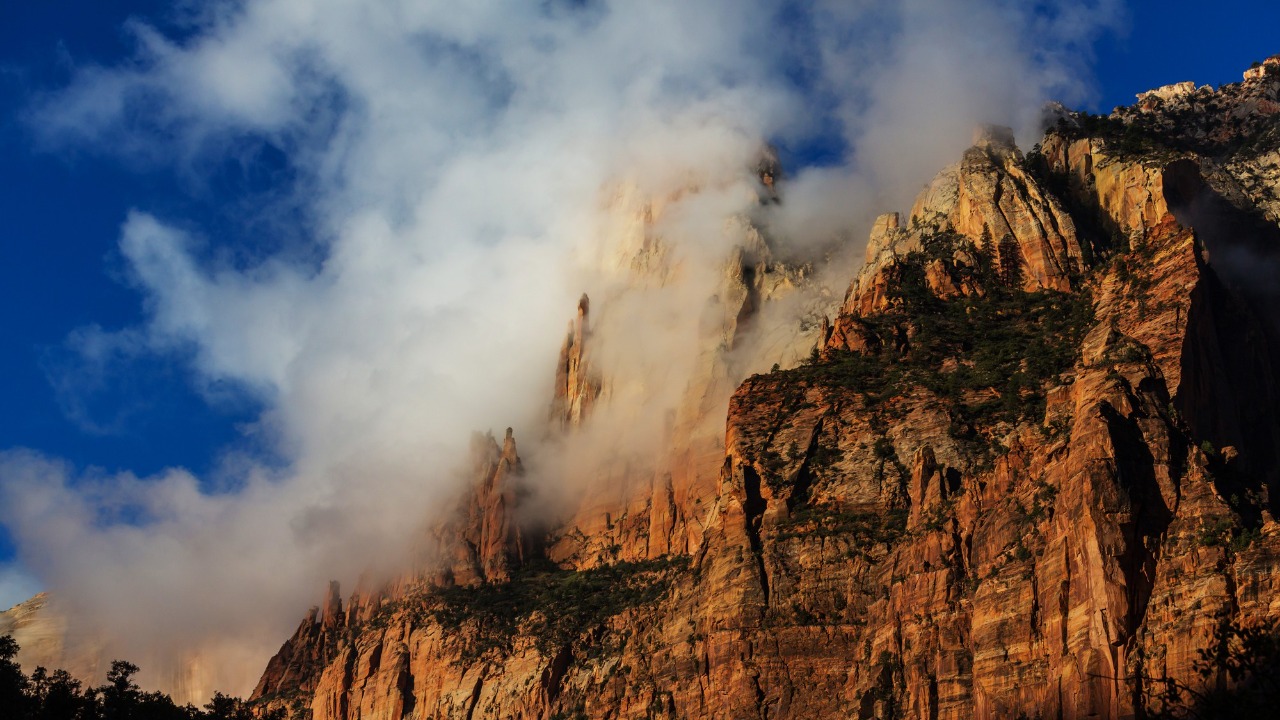
Zion National Park welcomed 4,984,525 visits last year, a huge number for a narrow Utah canyon, based on the NPS visitation statistics.
A canyon this tight leaves little room for a crowd to spread out. Anyone heading there should plan around busy hours, since the same walls that make the scenery so dramatic also funnel every visitor through a small amount of space. Early mornings and late afternoons usually feel calmer.
3. Yellowstone National Park: The First Park Stays Popular
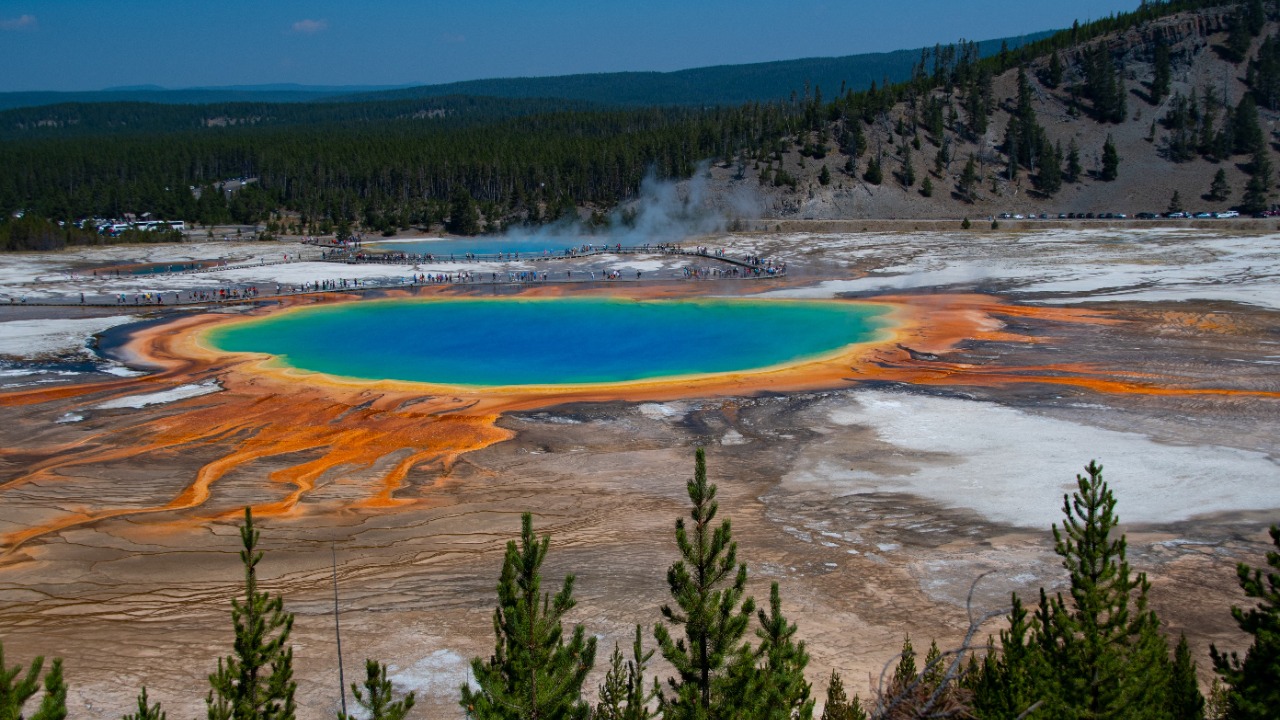
America’s first national park, Yellowstone, recorded 4,762,988 visits in 2025, as shown in the 2025 park visitation figures.
Age and fame clearly still count for a great deal. Prospective visitors should treat the number as a prompt to book lodging early and to build in patience for slow traffic and shared viewpoints, because few places in the system draw this kind of steady attention. A flexible schedule makes the trip noticeably easier.
4. Grand Canyon National Park: Rim Crowds Along the River
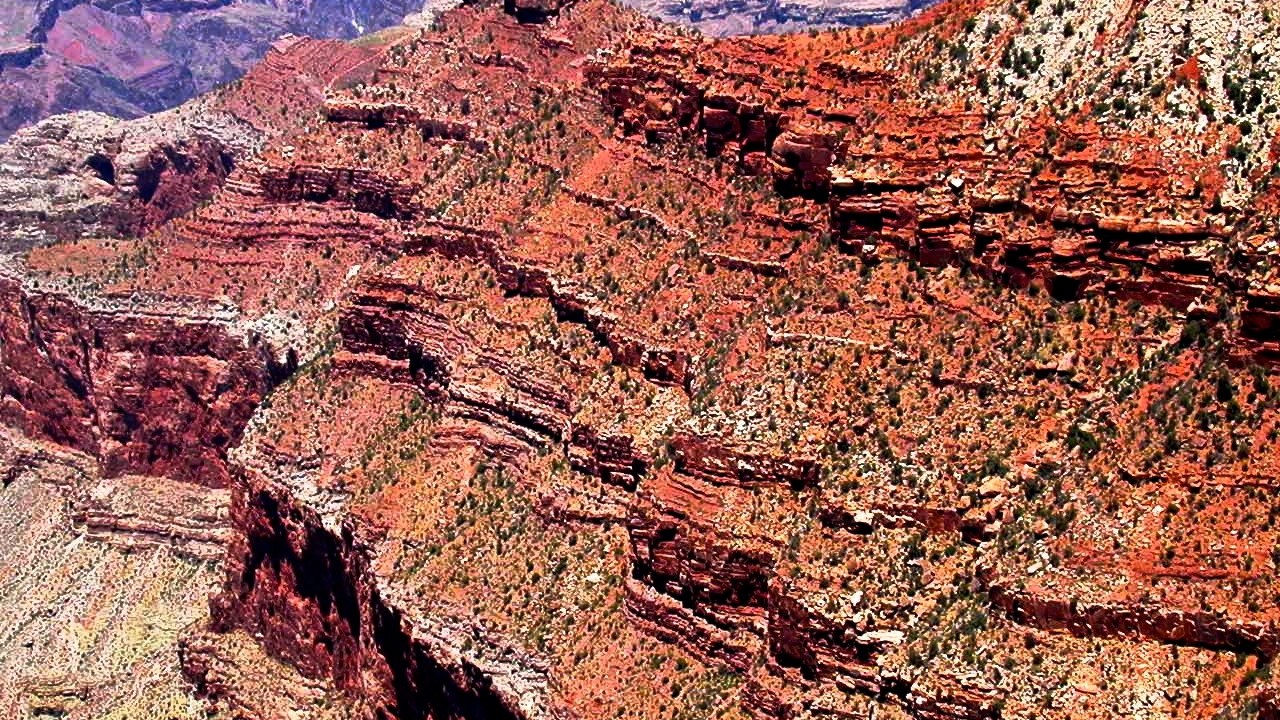
Grand Canyon National Park logged 4,430,653 visits, with the crowds arranged along 278 miles of the Colorado River, per the NPS attendance release.
Even with that much river to work with, most travelers cluster at a handful of famous overlooks. Those hoping for quieter moments can spend time away from the busiest viewpoints, where the sheer scale of the canyon helps visitors spread out. Patience pays off at the busiest railings.
5. Yosemite National Park: Fifth Place in Yosemite
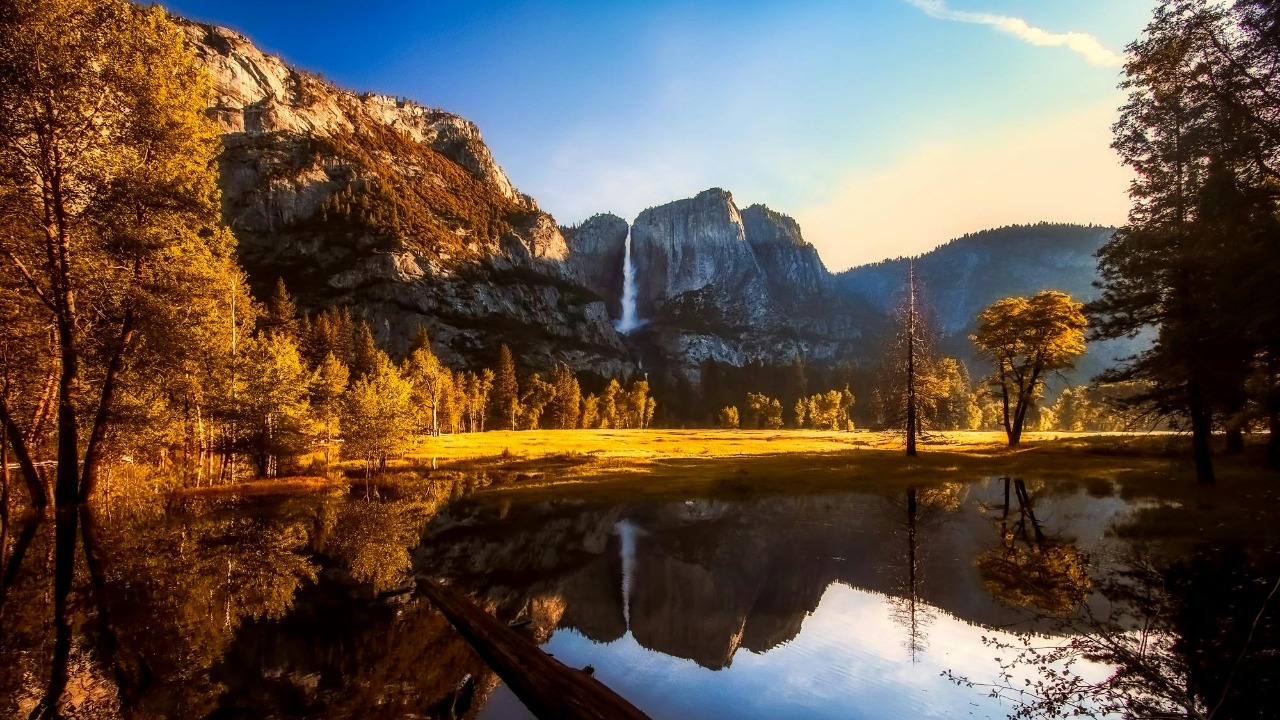
Yosemite National Park drew 4,278,413 visits in 2025, making it the fifth-busiest park in the system, according to its official Yosemite site.
A top-five finish confirms that the valley remains one of the most sought-after destinations in the country. Visitors should expect full parking and busy shuttle stops during peak weeks, and checking current conditions before arriving is a smart habit for anyone with limited vacation days. Planning ahead matters more here than almost anywhere.
6. Rocky Mountain National Park: High Country, High Traffic
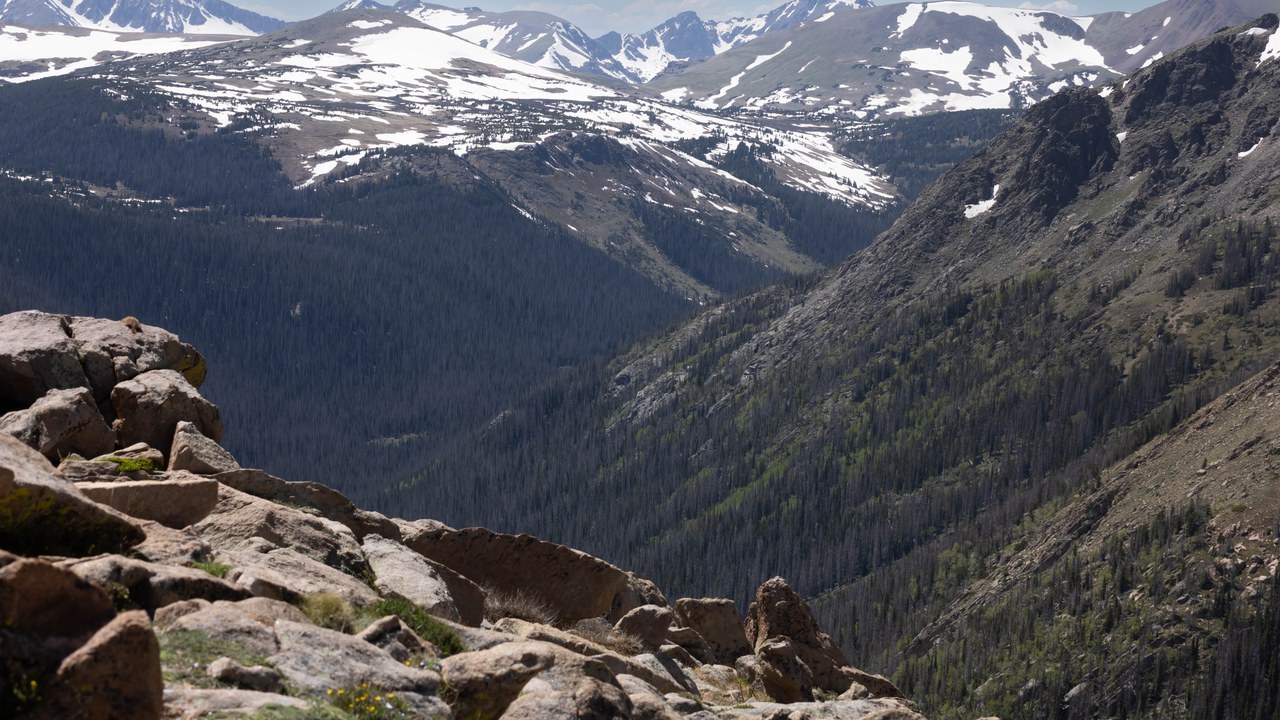
Rocky Mountain National Park counted 4,171,431 visits to Colorado’s high country, a total that shows up in the park’s visitor information.
The figure shows how strongly mountain scenery pulls travelers from across the region and beyond. Anyone planning a summer trip should keep the numbers in mind and consider traveling at quieter hours, since this many people can make even a scenic drive feel slow. Early starts help on the most popular routes.
7. Acadia National Park: Small Park, Big Turnout
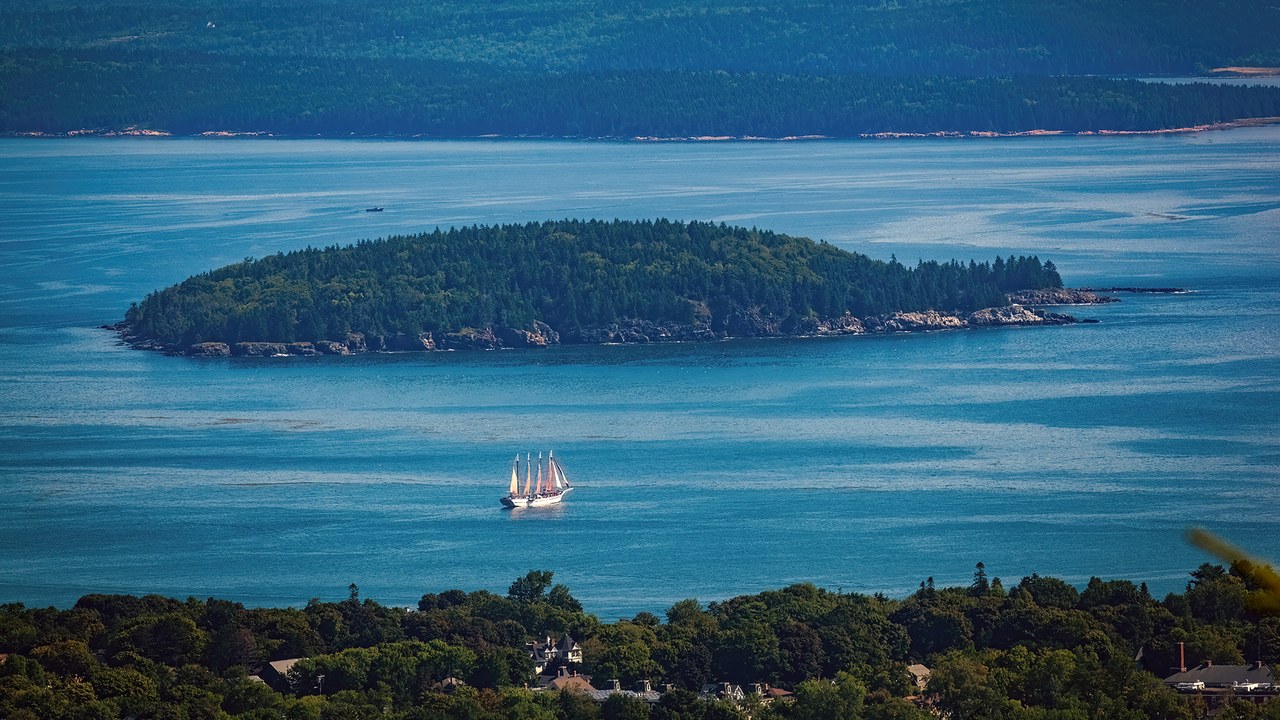
Acadia National Park hosted 4,079,318 visits despite covering barely 50,000 acres, as the Acadia park website describes it.
Few places in the ranking pack so many people onto so little land. First-time visitors should expect busy roads and popular stops to fill early, and anyone who prefers solitude may want to explore beyond the best-known spots at the edges of the day. Sunrise and evening often bring a gentler pace.
8. Grand Teton National Park: Next Door and Overflowing
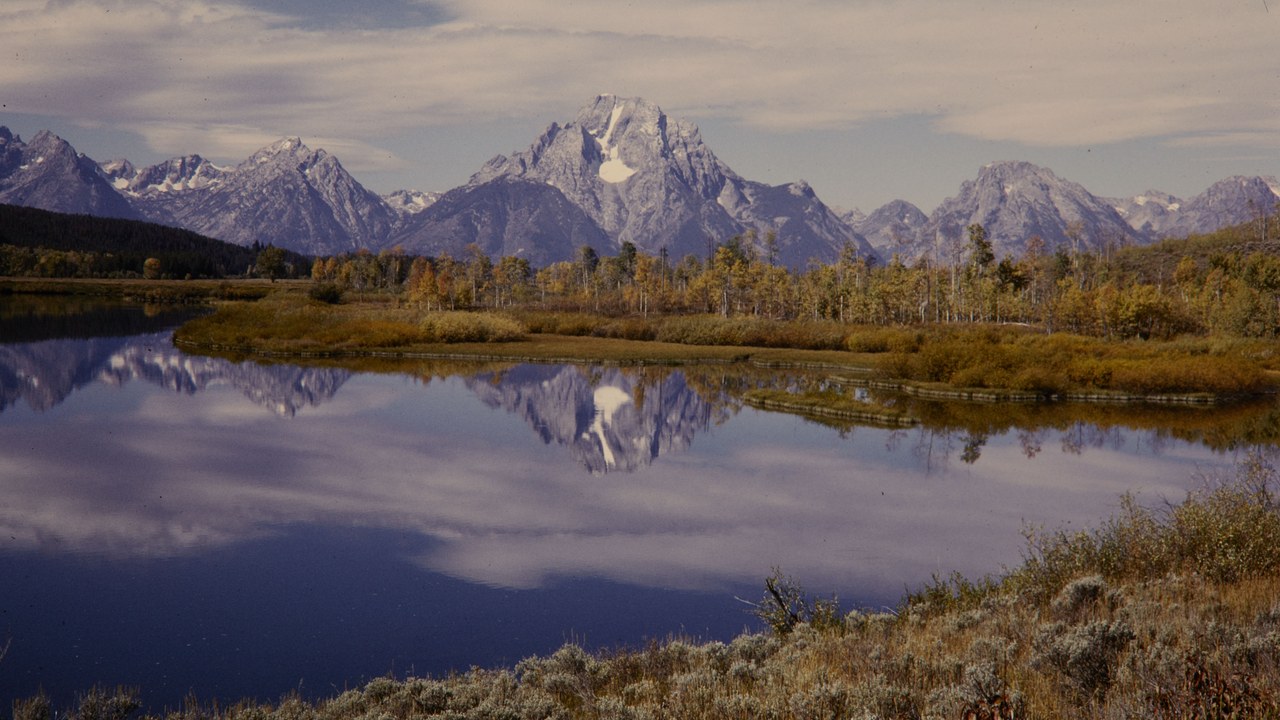
Grand Teton National Park received 3,800,648 visits, sitting right beside Yellowstone, as covered by the Grand Teton park page.
Travelers often combine the two parks in a single trip, which helps explain why the neighboring crowds are so large. Anyone building an itinerary around both should leave extra time for the drive and for the moments when popular pullouts are already crowded. Starting early keeps the day relaxed and flexible.
9. Olympic National Park: Rainforest, Peaks and Coast
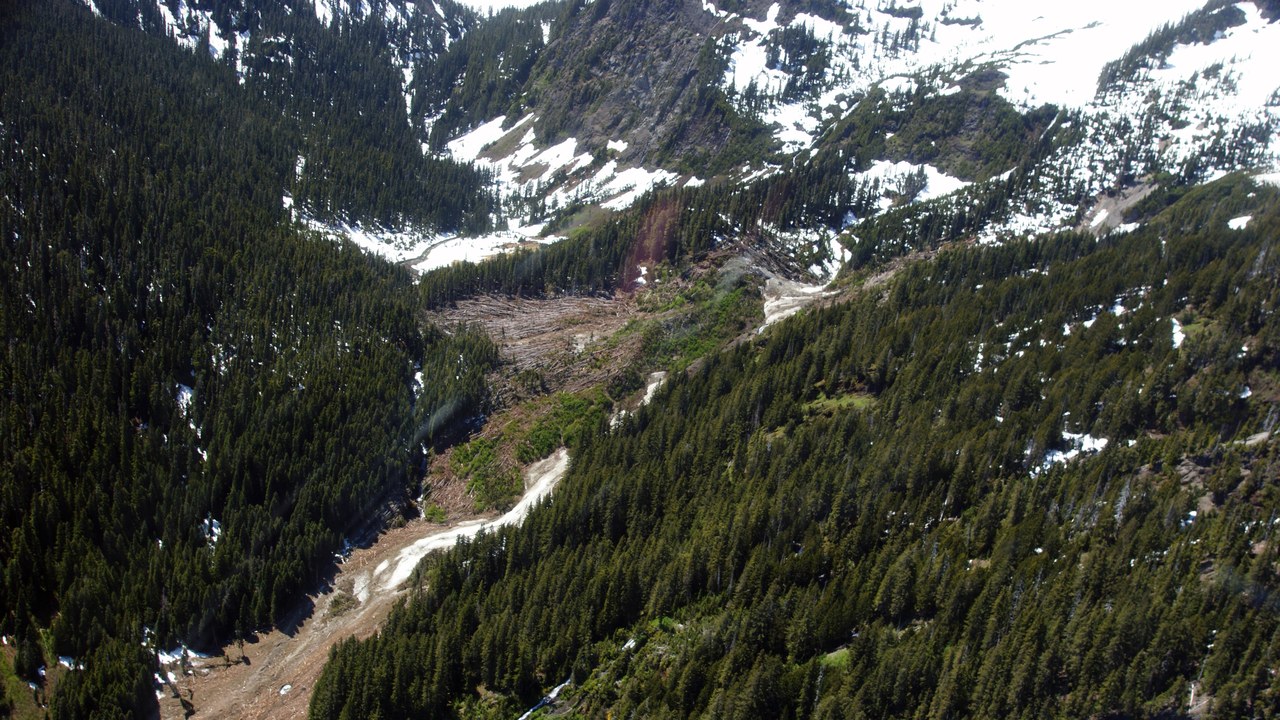
Olympic National Park drew 3,584,187 visits across rainforest, mountains and coast, a range of terrain described by the Olympic park site.
Variety is a big part of the appeal, since a single trip can cover very different landscapes. Visitors who want to avoid the largest gatherings can lean on that diversity and shift from one ecosystem to another when a favorite stop looks overrun. Quiet corners remain for those who go looking.
10. Glacier National Park: Ice Draws a Crowd
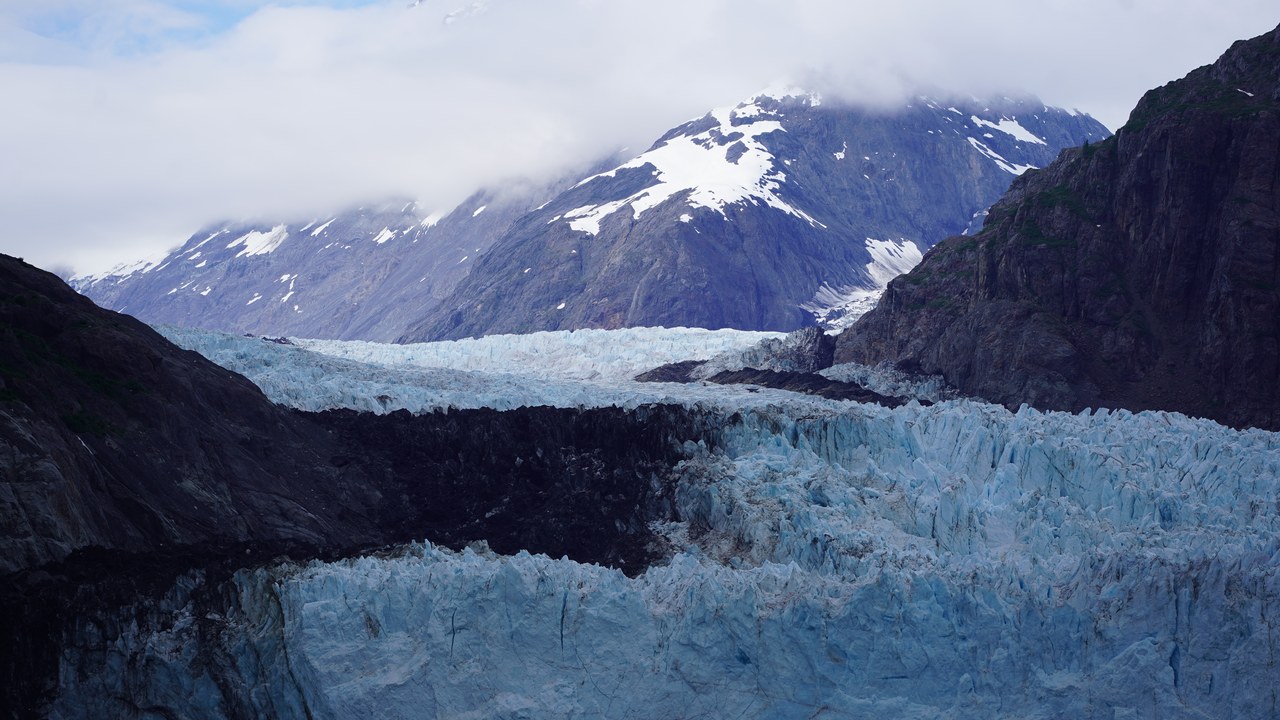
Glacier National Park recorded 3,136,557 visits to Montana’s shrinking ice, a park profiled by Glacier National Park.
The phrase carries a quiet urgency, because many travelers want to see the landscape while it still looks the way it does. Anyone planning a visit should respect the busy season and prepare for company at the headline attractions that most people come for. Early planning also keeps the trip calm and stress-free.
11. Cuyahoga Valley National Park: Between Cleveland and Akron
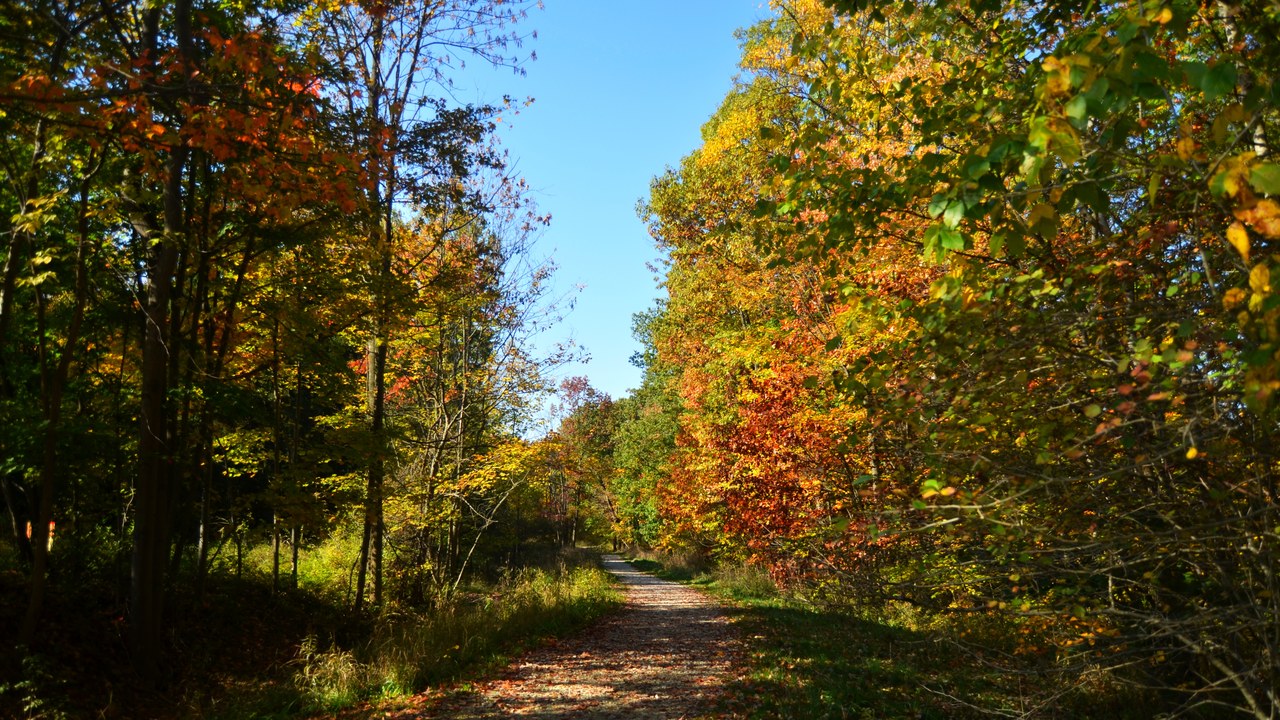
Cuyahoga Valley National Park tallied 3,025,325 visits, a park wedged between Cleveland and Akron, per the Cuyahoga Valley website.
Its location puts a national park within easy reach of two cities, which helps account for the turnout. Local residents can treat it as a convenient escape, though weekends are the likeliest time to meet a crowd on the best-loved paths. Midweek visits tend to feel far more relaxed and spacious.
12. Joshua Tree National Park: Desert Closes the List
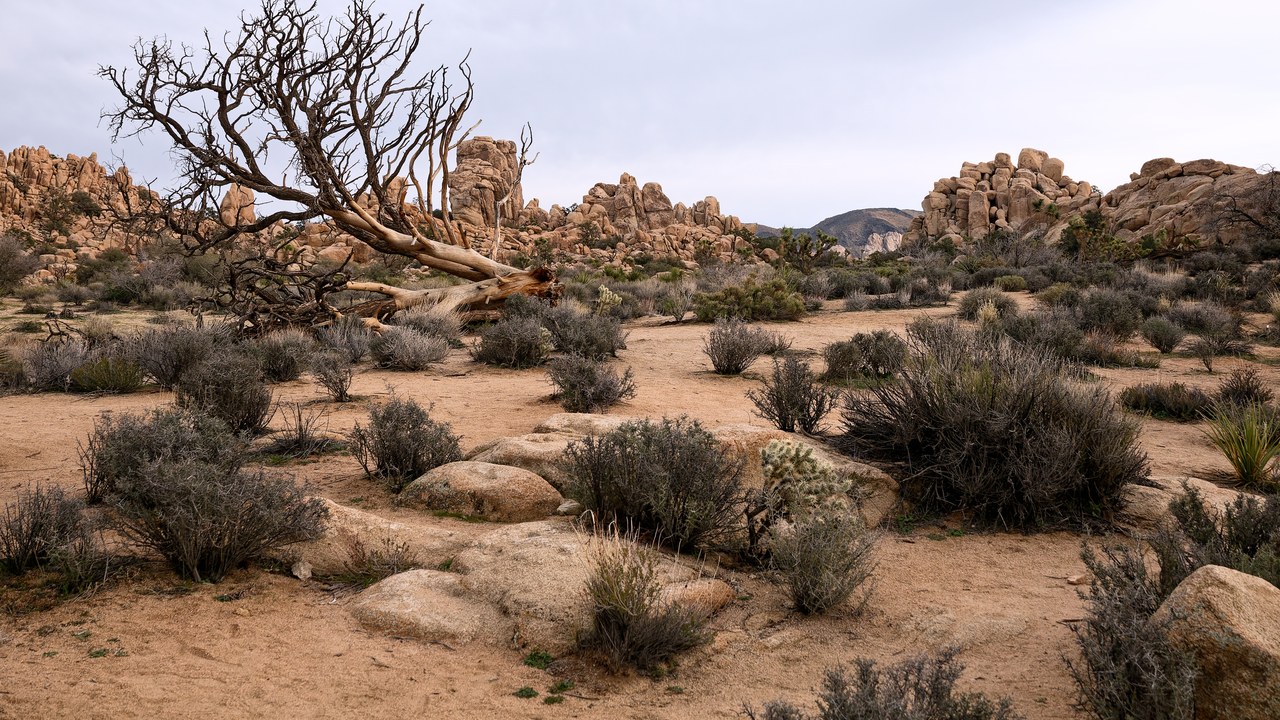
Joshua Tree National Park rounds out the twelve with 2,932,644 visits to the California desert, according to the Joshua Tree overview.
Even the last place on this list still welcomed millions of people. Anyone drawn by the desert landscape should plan for plenty of fellow travelers, and a flexible schedule is the simplest way to find a little space among the famous rock formations. Cooler seasons may suit a long walk better.
More from Morning Overview
- A recalled pill hid a stimulant dose linked to heart attacks and death
- Four U.S. startups fired up their first small nuclear reactors, aiming to power AI data centers on-site
- Card skimmers hidden on gas pumps and ATMs are draining accounts, and here’s the tell
- Doctors warn a silent liver disease now affects one in three American adults
