
Some of the most storied telescopes in the country are not locked behind research-only gates. Mountaintop domes, radio dishes and a hillside landmark all welcome the public in some form, each with its own instrument to see. Here are eight American observatories that open to visitors, from California’s Palomar to West Virginia’s Green Bank.
1. Palomar Observatory: The Hale Telescope Mirror
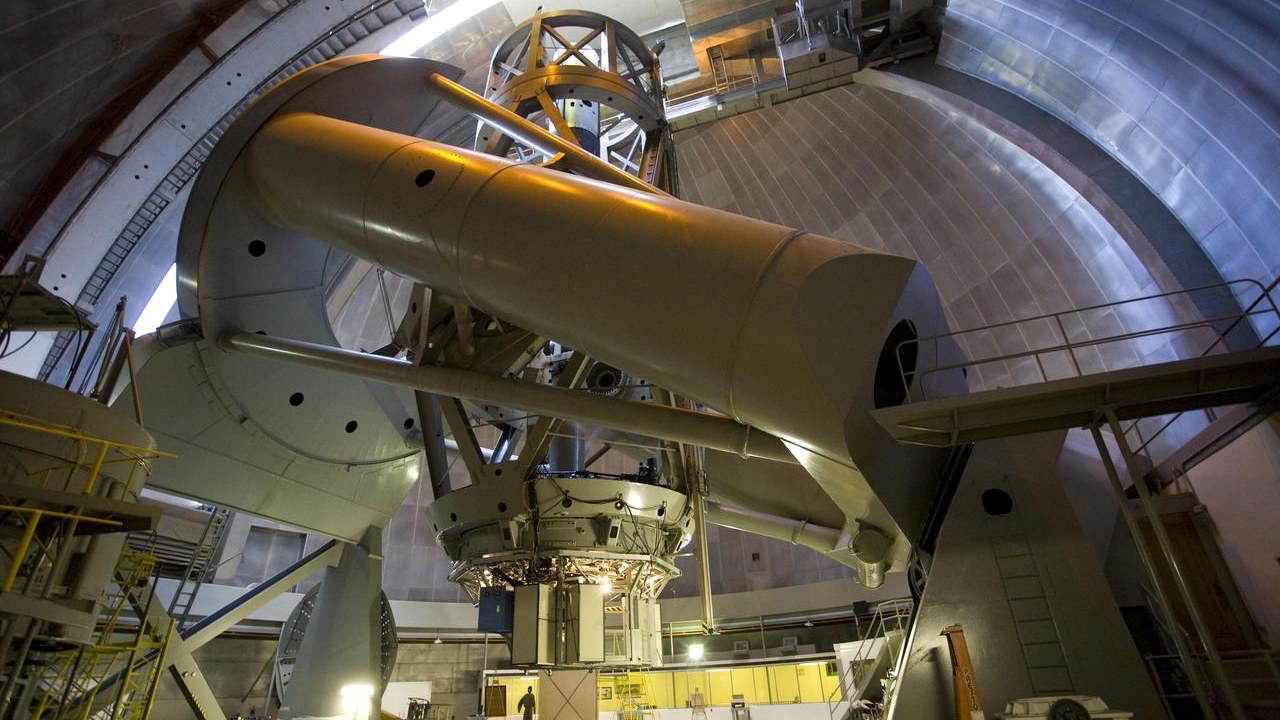
The observatory earns its place through the Hale Telescope’s mirror, a single 5.08 m (200 in) disc that saw first light in 1949. That scale is the draw, a rare chance to stand near a mirror of such size, and the first-light date places the telescope firmly in the mid twentieth century.
Palomar offers both guided and self-guided tours, so a visit can be as structured or as unhurried as a visitor prefers. Those who like to wander and read at their own speed have an option, while others can follow a guide through the same story of the telescope and its long working life.
2. McDonald Observatory: Ten Metres of Hexagons
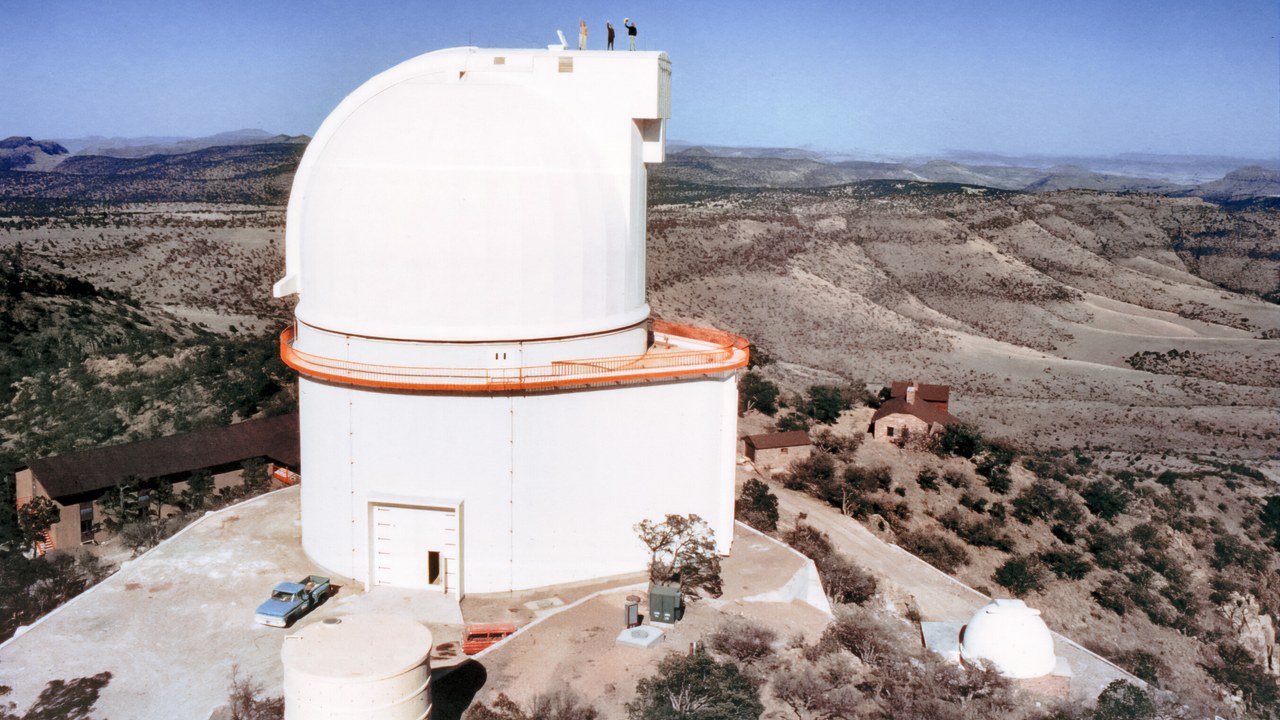
The Hobby-Eberly Telescope in Fort Davis, Texas, is the segmented mirror design that gives McDonald Observatory its headline instrument. Its 10 m effective aperture is built from 91 hexagonal segments, which together act as one large light-gathering surface. The tiled look is distinctive and quite unlike the single polished discs of older giants.
For a visitor, the appeal is seeing how a modern large telescope is assembled from many pieces rather than carved from one. The Fort Davis location in Texas also makes the observatory a destination in its own right.
3. Kitt Peak National Observatory: Arizona’s Four-Metre Workhorse
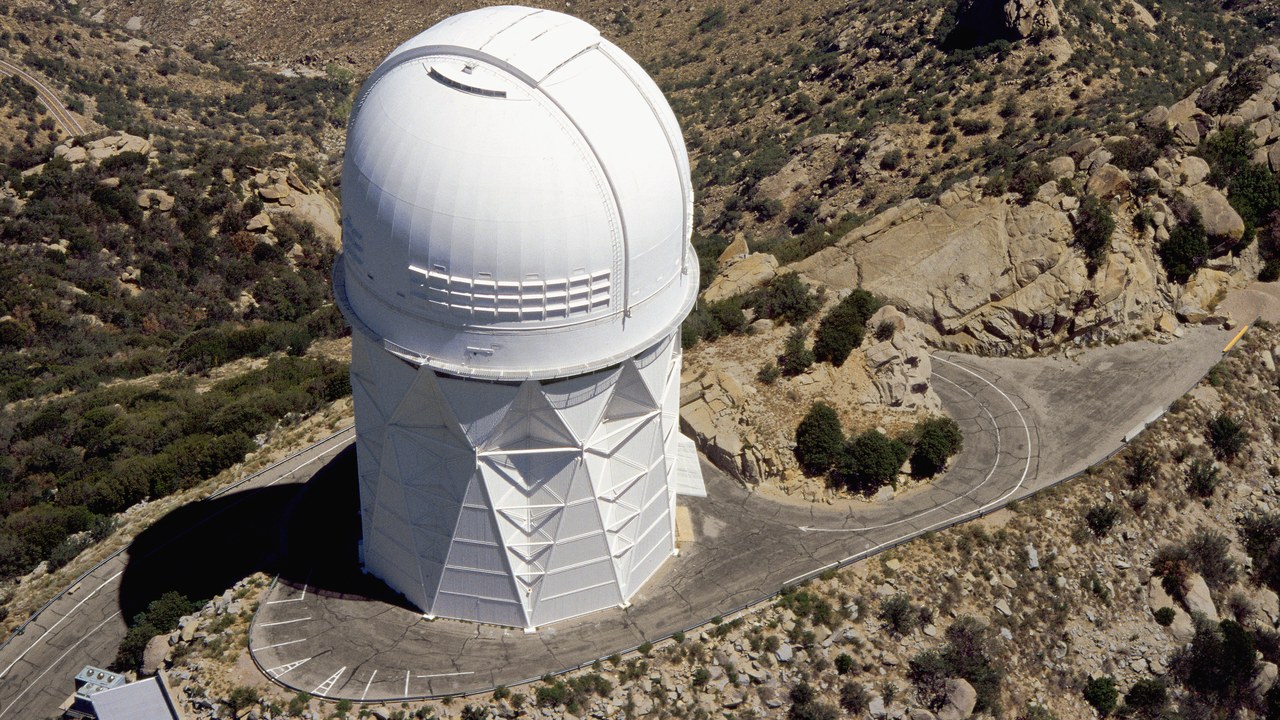
Kitt Peak National Observatory is anchored by the Nicholas U. Mayall reflector, a 4 m (157 in) telescope that saw first light in 1973. It sits on an Arizona mountaintop, and the building housing it is among the most recognisable on the peak, a large dome that announces the site from a distance.
The telescope’s 4 m aperture puts it among the larger instruments on this list. A trip up the mountain pairs the drive itself with a look at an instrument whose first light dates back to the early 1970s, and the dome is the structure to look for.
4. Very Large Array: Twenty-Seven Dishes on the Plains
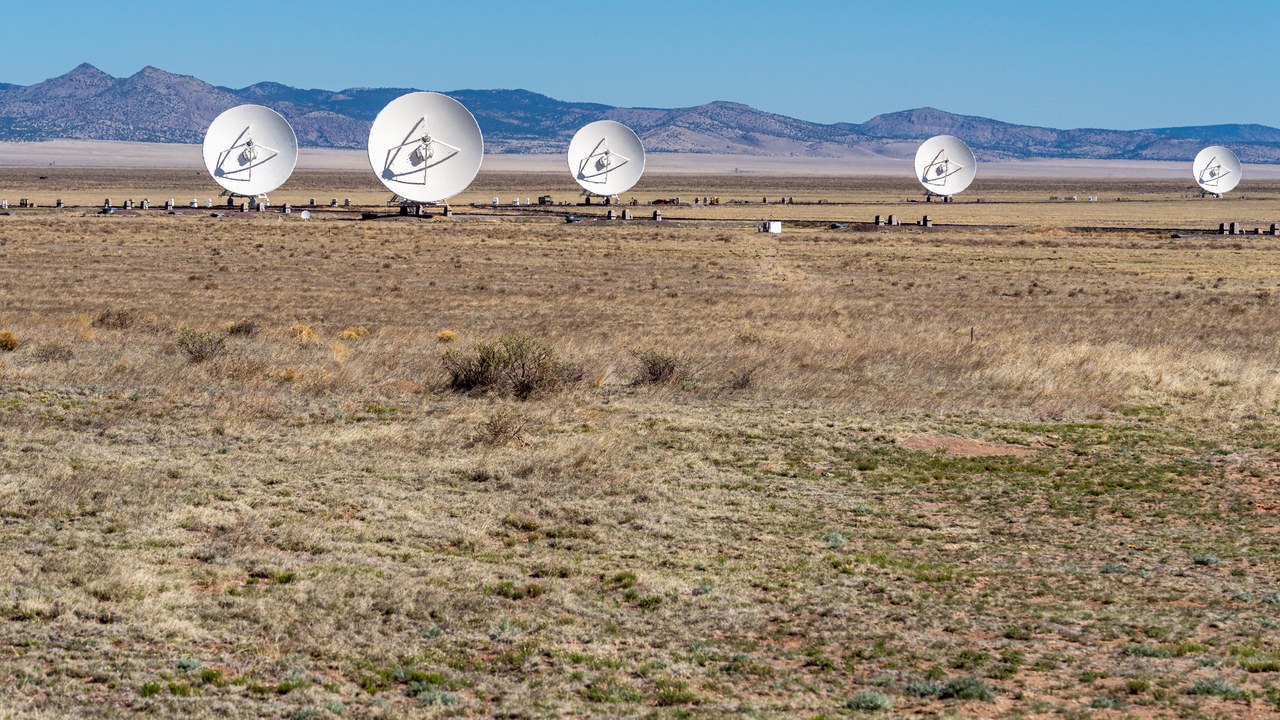
The Very Large Array is a field of 27 active dishes, each 25 metres across, spread over the Plains of San Agustin in New Mexico. In its widest arrangement the antennas stretch up to 22.62 miles, working together as one enormous radio instrument.
The scale is the point. Individually the dishes are towering structures, and seen across open ground they read as a geometric landscape instead of a single building. Because the dishes can be moved into different configurations, the layout a visitor encounters depends on how the array has been arranged, so the view of the plain can differ from one trip to the next.
5. Mount Wilson Observatory: Hooker’s Hundred Inches
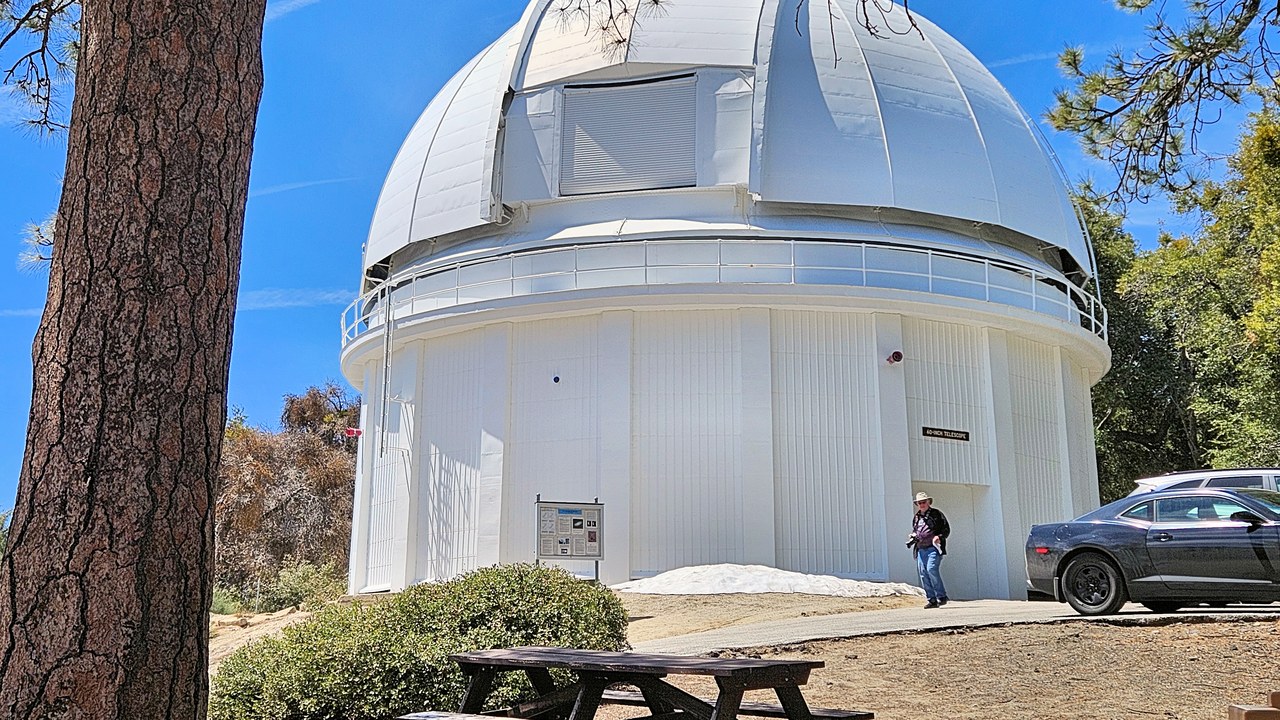
Mount Wilson Observatory is known for the 100-inch Hooker Telescope, a 2.5 m reflector. A 60-inch telescope stands alongside it, giving the mountain two large instruments within one site, one sized in metres and the other in inches.
Public access is part of the identity here, with tours and public ticket nights listed among the ways to see the telescopes. That combination matters, because it lets visitors do more than photograph a dome from outside. Anyone planning a trip should check the observatory directly for how those programmes are currently arranged before heading up.
6. Lowell Observatory: Flagstaff’s Two Telescopes
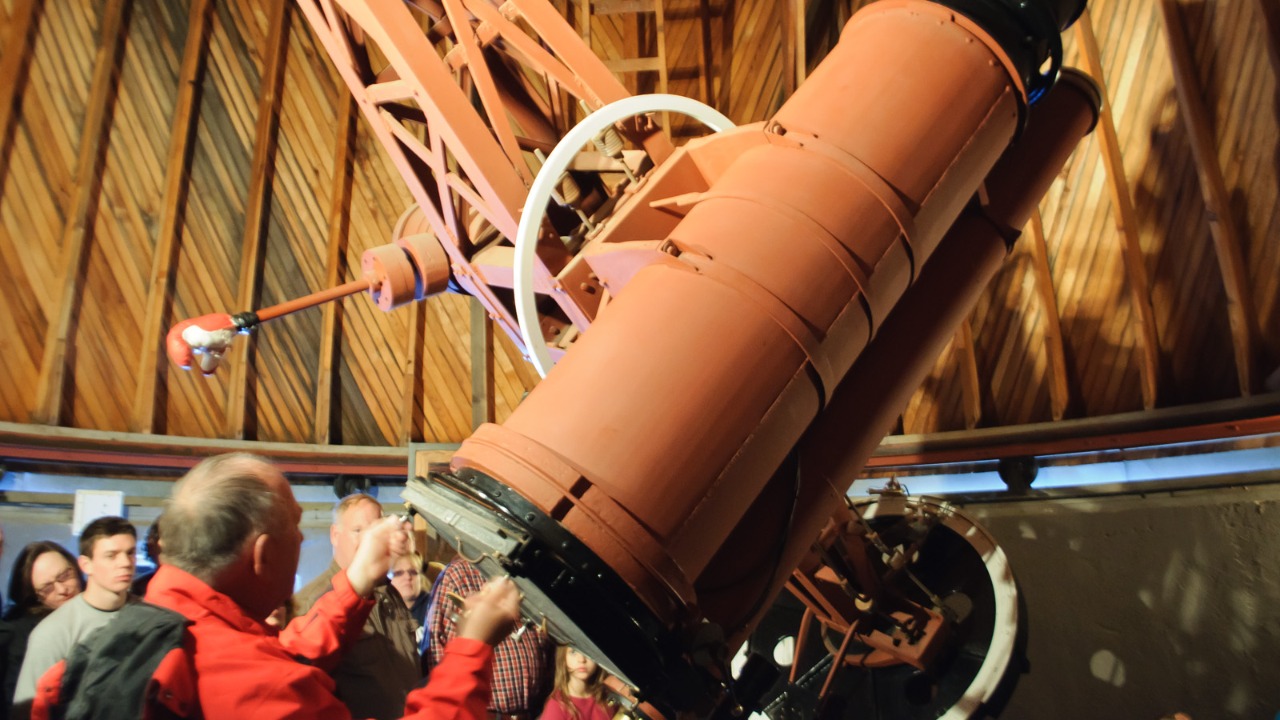
Lowell Observatory at Flagstaff, Arizona, pairs old and new in a way few sites manage. The 4.3-metre Lowell Discovery Telescope represents the modern research side, while the 24-inch Clark Refractor carries the historic one, a classic lens-based instrument in a traditional building.
Seeing both on one visit makes a useful comparison of how telescope design has changed, from a refractor built around a long lens to a large reflecting mirror. The Flagstaff location also makes this one of the easier entries on the list to reach, since it sits in a city rather than at the end of a long mountain road.
7. Griffith Observatory: The Observatory Above the City
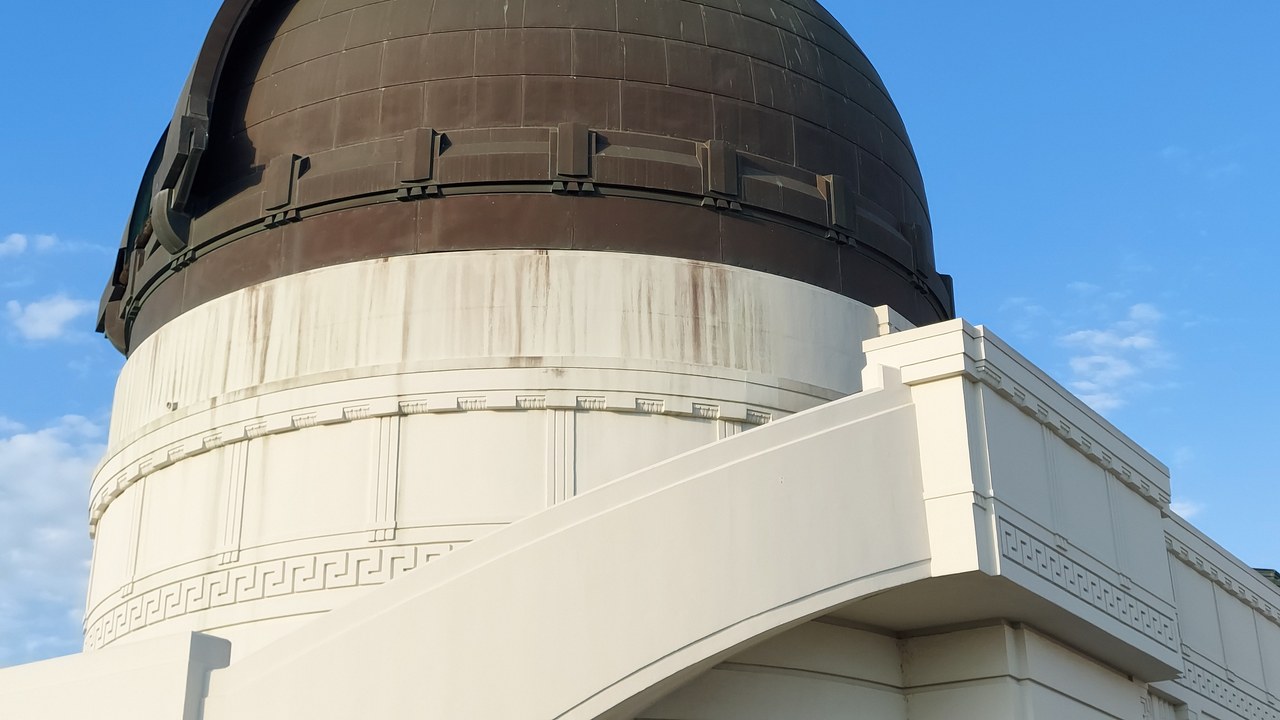
Griffith Observatory looks down on Los Angeles and offers free public viewing, a rare arrangement for a site this prominent. Its instruments include the 12-inch Zeiss refractor along with solar telescopes, so the offering extends to daytime sky as well as night.
The setting is much of the draw. Few observatories pair a working telescope with a view over a major city, and the combination makes this an easy introduction to looking through an eyepiece. The solar telescopes mean that a visit need not wait for dark, which suits a casual afternoon outing.
8. Green Bank Telescope: The Byrd Dish in West Virginia
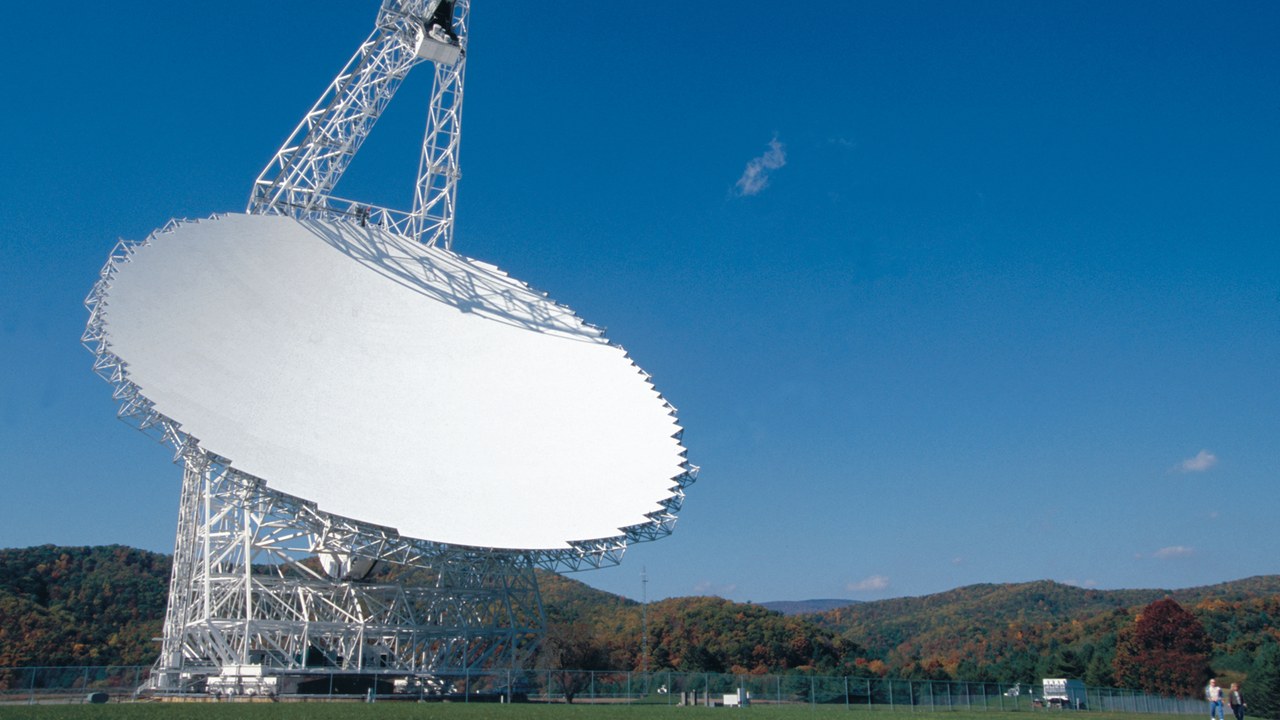
Green Bank, in West Virginia, is the home of the Robert C. Byrd telescope, the giant radio dish that dominates the site. Because it is a radio instrument, the structure itself, rather than a dome or an eyepiece, is what a visitor comes to see.
Guided site tours run for about an hour, a manageable length that leaves time to take in the surrounding observatory grounds. The tour is the route to seeing the dish up close. Anyone going should confirm details with the observatory, since its visiting arrangements are the authority on what is currently offered.
More from Morning Overview
- A geomagnetic storm is forecast to hit Earth today, pushing the northern lights unusually far south
- A recalled pill hid a stimulant dose linked to heart attacks and death
- Four U.S. startups fired up their first small nuclear reactors, aiming to power AI data centers on-site
- Card skimmers hidden on gas pumps and ATMs are draining accounts, and here’s the tell
