
Back-seat space is one of those specs that never shows up in a showroom walk-around but decides every long road trip. This gallery uses iSeeCars rear and second-row legroom measurements to line up vehicles from limousine-style sedans to a compact pickup. The span runs from 43.8 inches at the top to 35.9 at the bottom across eleven rides.
1. Mercedes-Benz S-Class: Limo Room Up Front
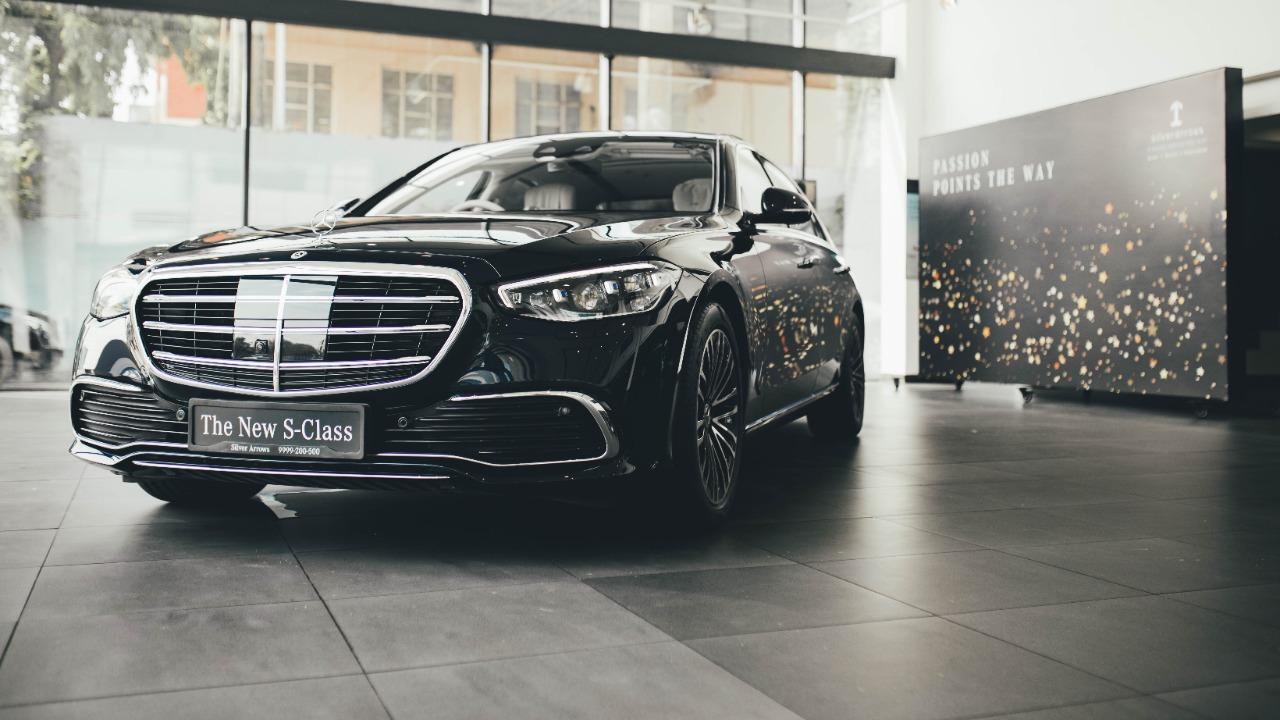
The Mercedes-Benz S-Class tops the luxury large car class with iSeeCars sedan legroom ranking, measured at 43.8 inches of rear legroom.
That figure sets the high-water mark for this gallery. For a buyer who regularly carries passengers in back, the number suggests a rear bench where taller adults can stretch out, though the ranking measures legroom only and says nothing about price, headroom or seat comfort. Test-sitting before purchase is still wise, since measured inches and felt comfort can differ.
2. Mercedes-Benz GLS: Second Row Sprawl
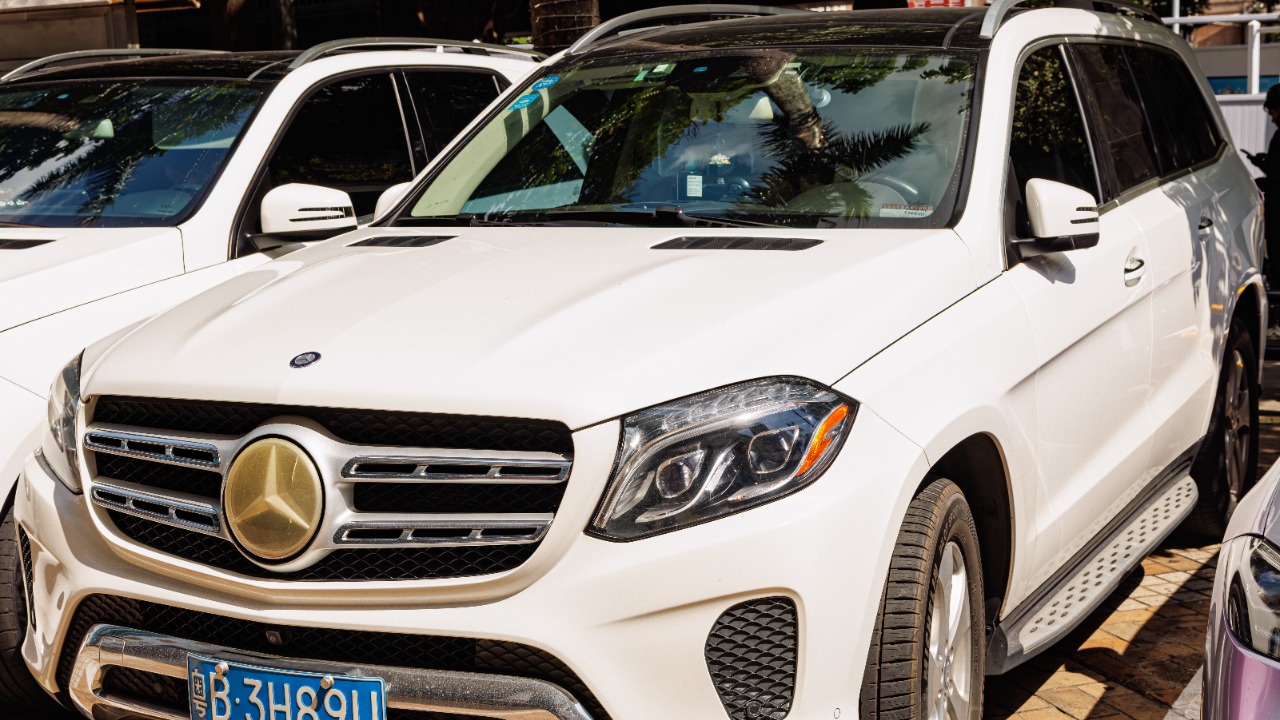
Among luxury large SUVs, the Mercedes-Benz GLS ranks first in second-row legroom measurements, with 43.4 inches in the second row.
That puts the big SUV only a fraction of an inch behind the S-Class sedan on this list. Families weighing a three-row luxury utility will find the second-row figure the relevant one, since the measurement describes the row directly behind the driver and front passenger rather than the third row. Measured figures like these make a useful starting point when comparing three-row models.
3. BMW 7 Series: Flagship Rivalry
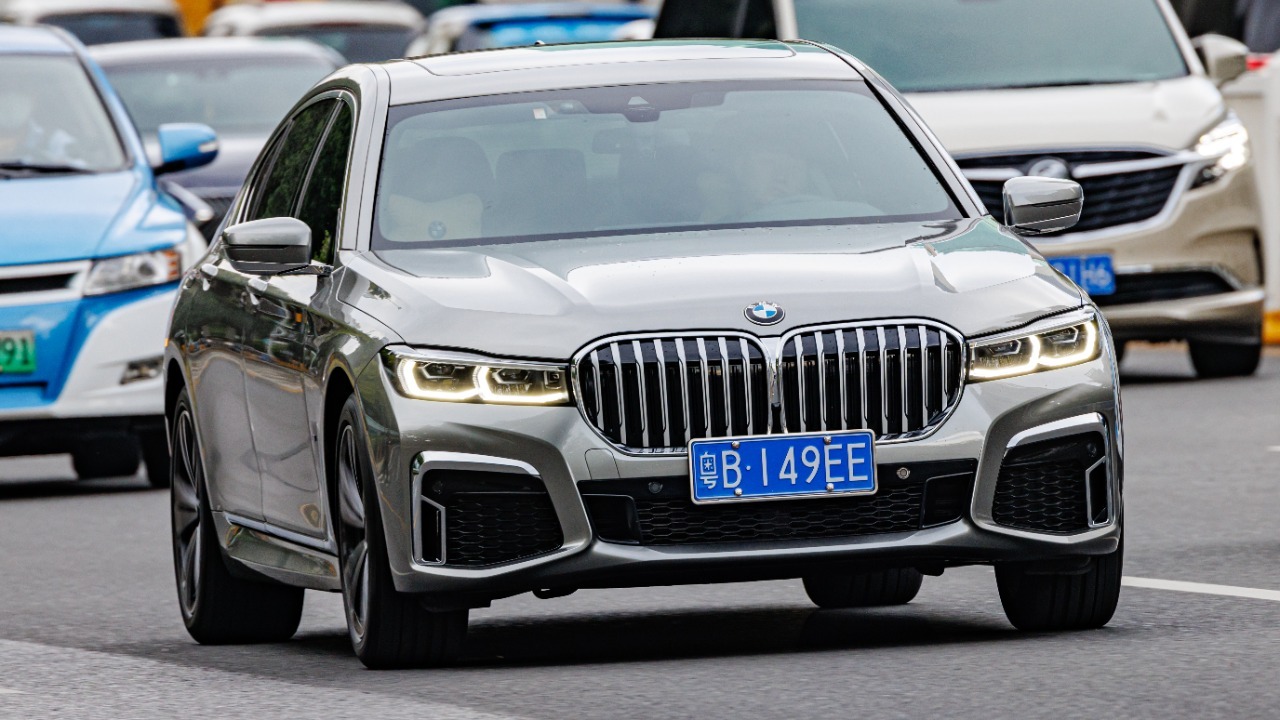
The BMW 7 Series lands fourth among luxury large cars in the luxury large car rankings, at 43.3 inches of rear legroom.
Only a tenth of an inch separates it from the S-Class figure that opens the gallery, so the two flagship sedans offer nearly identical stretch for back-seat passengers. Shoppers cross-shopping the German pair can treat legroom as a near tie and decide on other grounds. A short test drive in the back seat would show whether the difference matters in practice.
4. Buick Enclave: Crossover Comfort
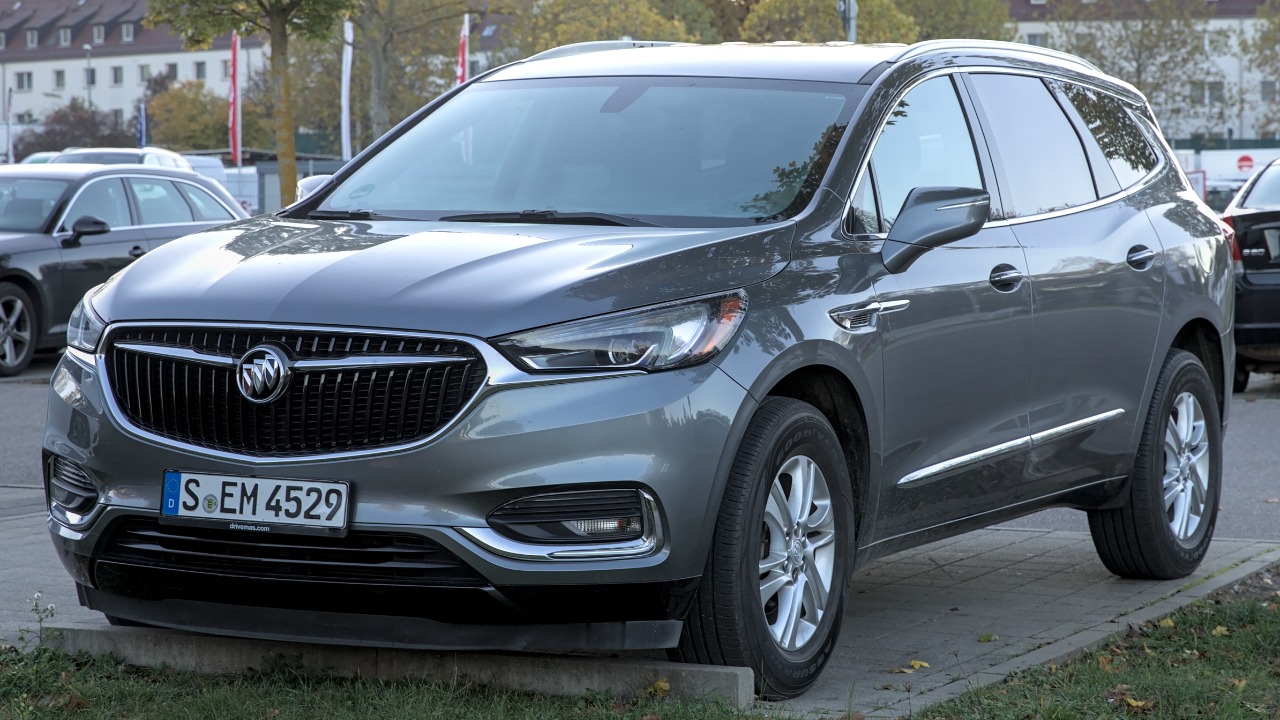
Fourth among luxury crossover SUVs, the Buick Enclave measures 41.5 inches in row two according to the crossover SUV legroom table.
That is the second-row number, so it applies to passengers seated directly behind the front seats. Buyers who want a roomy family hauler without a German luxury badge get a legroom figure that still clears 41 inches. Sitting in the second row before buying remains the surest check. Taller rear passengers are the group most likely to notice the difference over a long drive.
5. Honda Passport: Five-Seat Standout
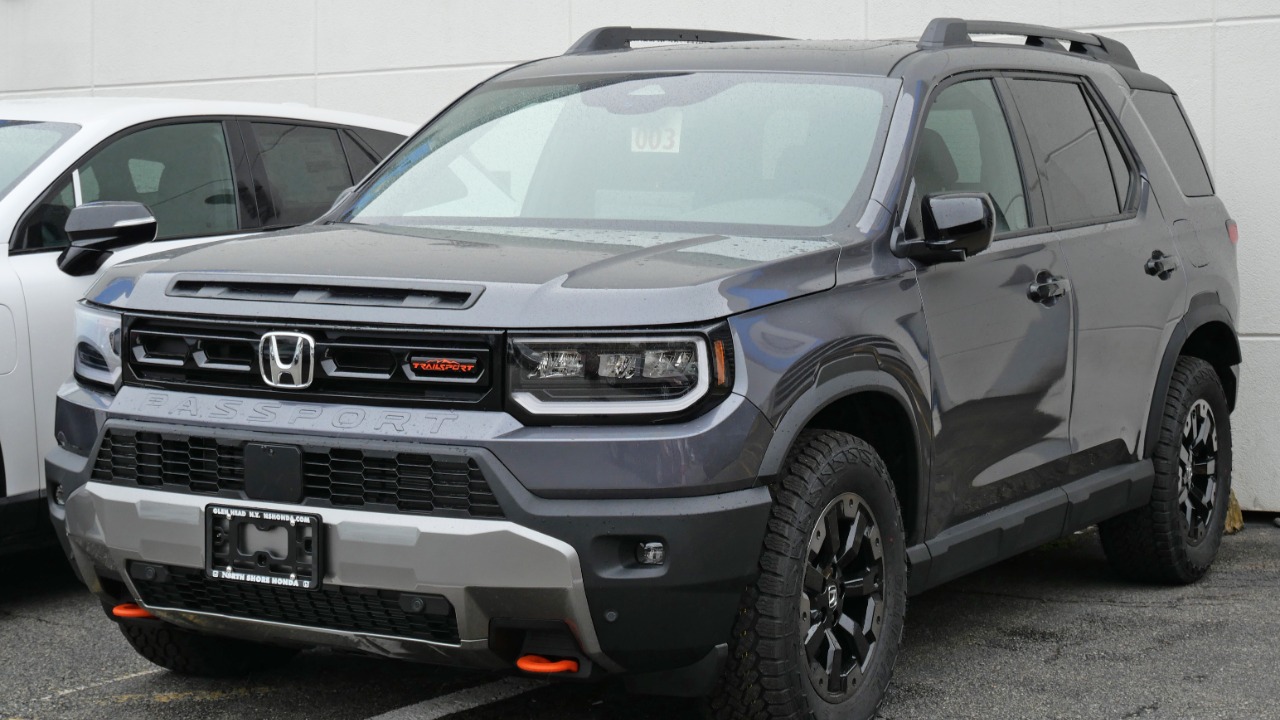
The Honda Passport sits fifth among five-seat SUVs in the five-seat SUV legroom figures, with 40.9 inches of space behind the front row.
As a five-seater, it spends its interior volume on two rows rather than squeezing in a third. Households that never need seven seats can read that figure as a sign the rear bench was not sacrificed, though the ranking covers legroom alone and not cargo space. A rear-seat sit during a dealer visit would confirm how the number feels with real passengers.
6. Ford Edge: Midsize Middle Ground
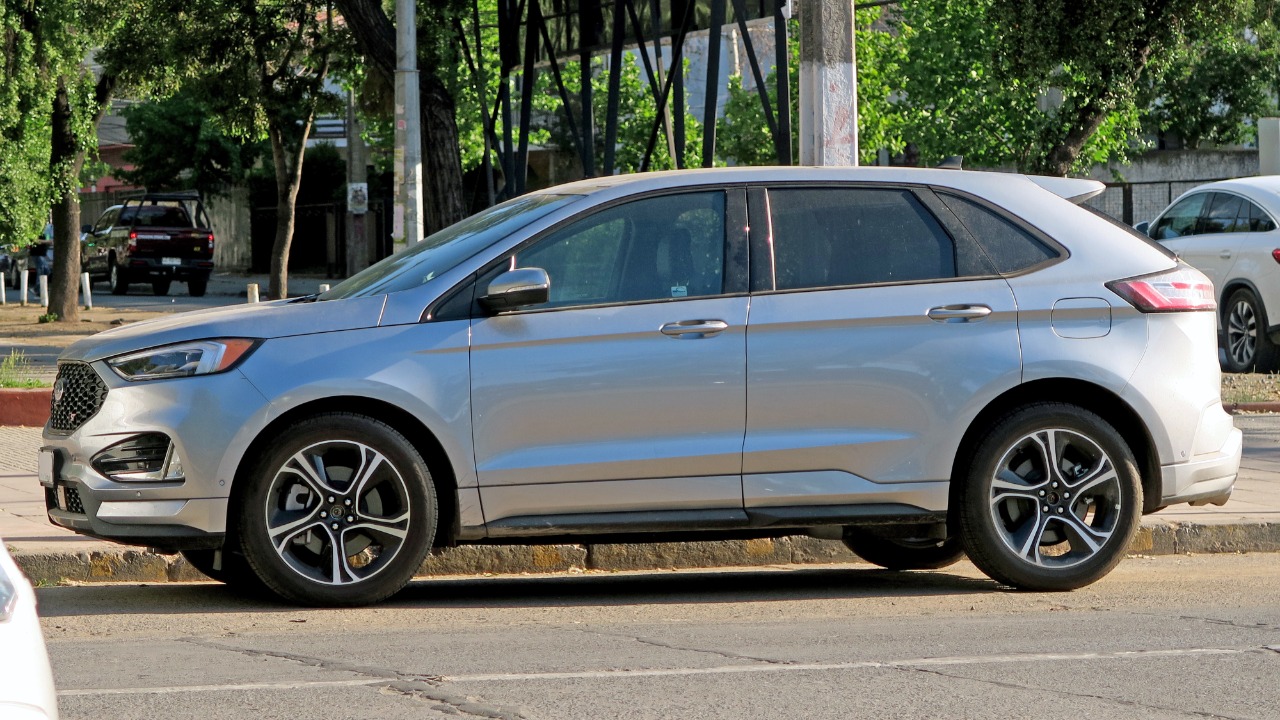
Ford Edge placed tenth of 27 vehicles in the midsize SUV legroom table, which lists 40.6 inches of second-row legroom.
A tenth-place finish in a field that large is a solid showing for a midsize crossover. Passengers in the second row get more stretch than the sedan benchmark of 38 inches cited for the compact Hyundai Elantra on the iSeeCars sedan page, a useful point of comparison. Shoppers comparing similar crossovers can use the ranking as a quick tiebreaker before visiting a dealer.
7. Volvo S90: Swedish Stretch
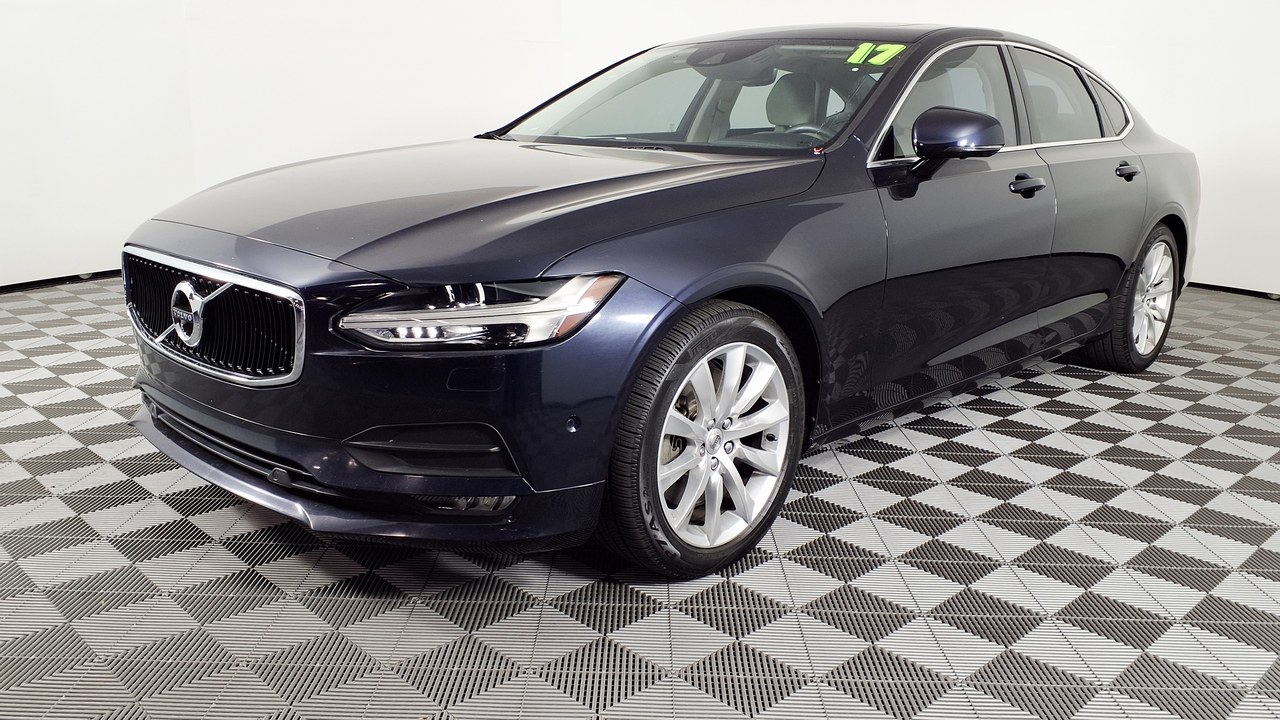
The Volvo S90 leads luxury midsize cars in the luxury midsize sedan rankings, at 40.4 inches of rear legroom.
Within its class, no rival measured longer in back. Buyers who prefer a sedan to an SUV but still want rear passengers to sit comfortably get a Swedish option here, with the caveat that the figure compares only against other luxury midsize cars, not the full-size flagships. Rear-seat riders on long commutes or airport runs are the ones likely to benefit most from that edge.
8. Chevrolet Blazer: Blazer Behind the Front Row
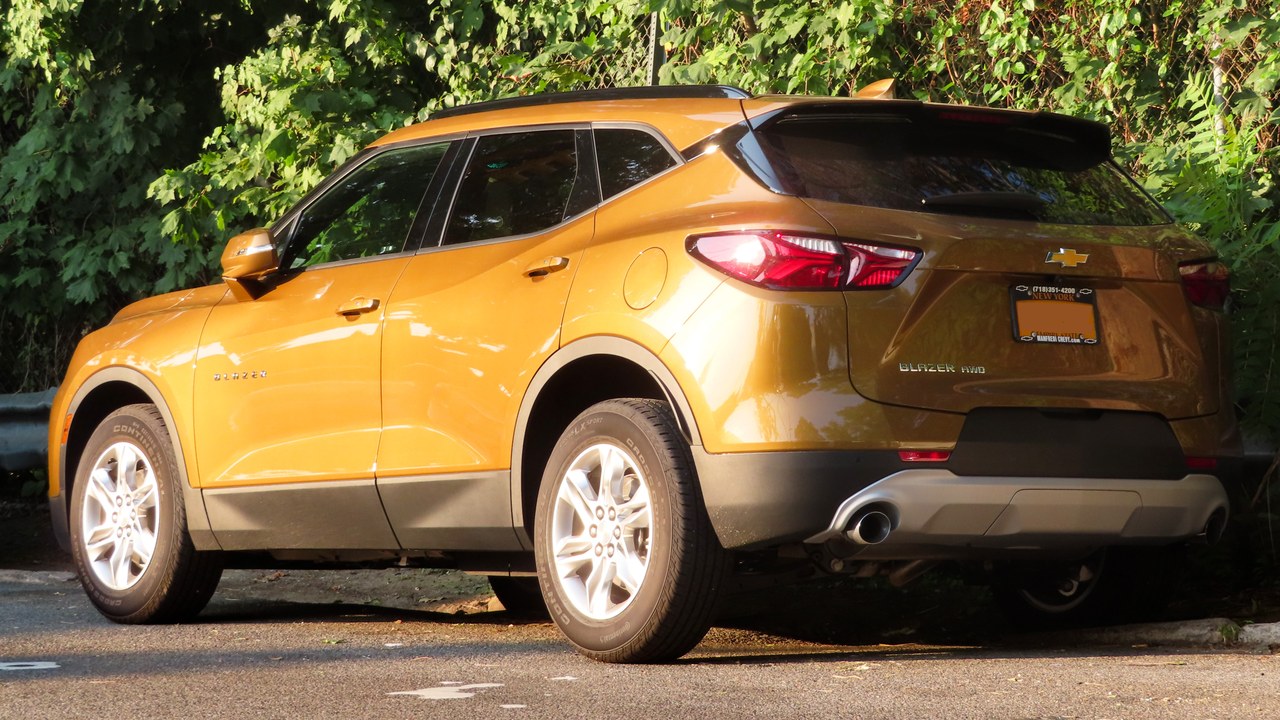
Twelfth among midsize SUVs ranked, the Chevrolet Blazer posts 39.6 inches of second-row legroom in the midsize SUV legroom data.
Only a short distance separates it from the Ford Edge, which placed two spots higher with 40.6 inches. A mid-table finish out of 27 means the Blazer gives passengers behind the front seats an average to slightly better amount of room for its class. Shoppers cross-checking the Edge and the Blazer can use the gap as a modest tiebreaker.
9. Mazda CX-9: Six-Seat Surprise
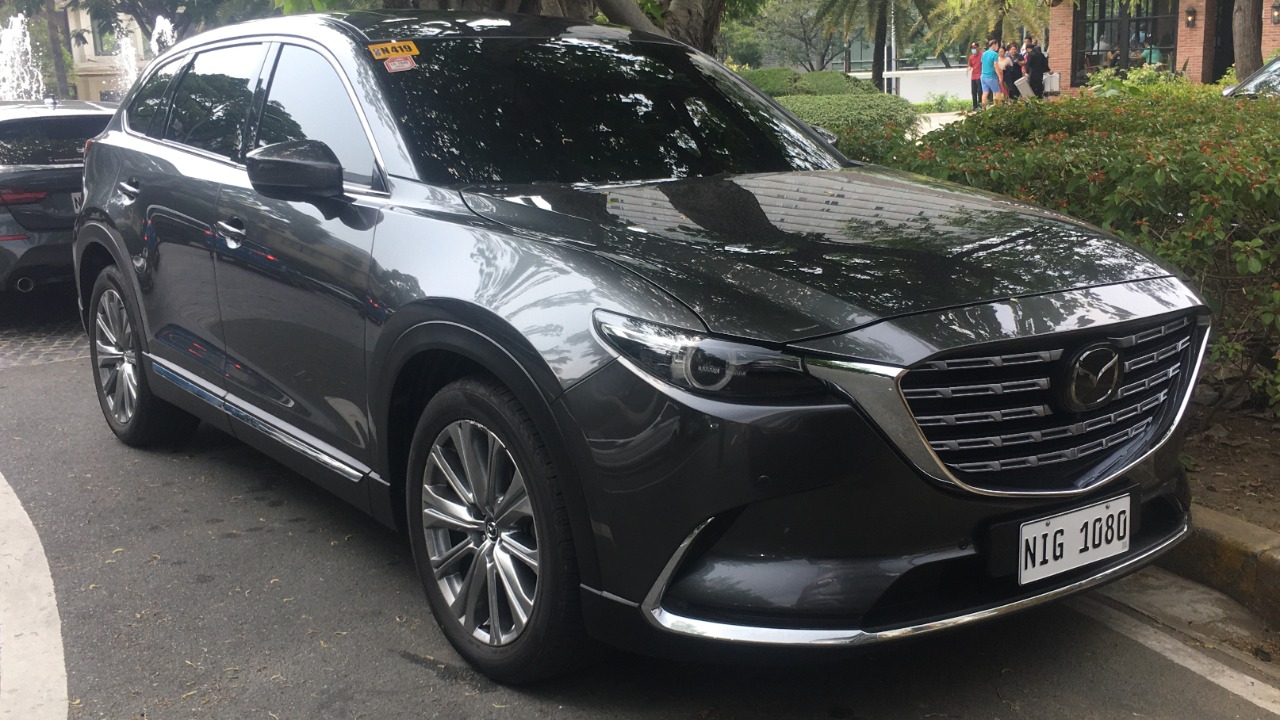
The Mazda CX-9 ranks fourth among six-seat SUVs in the six-seat SUV legroom ranking, with 39.4 inches in the second row.
The ranking is specific to six-seat configurations, so the figure describes that layout rather than every version of the model. Owners hauling children or teenagers will appreciate the measured stretch, though the number describes the second row only, not the third. Anyone shopping for the family should still sit in the second row with car seats installed.
10. Volkswagen Passat: Midsize Sedan Space
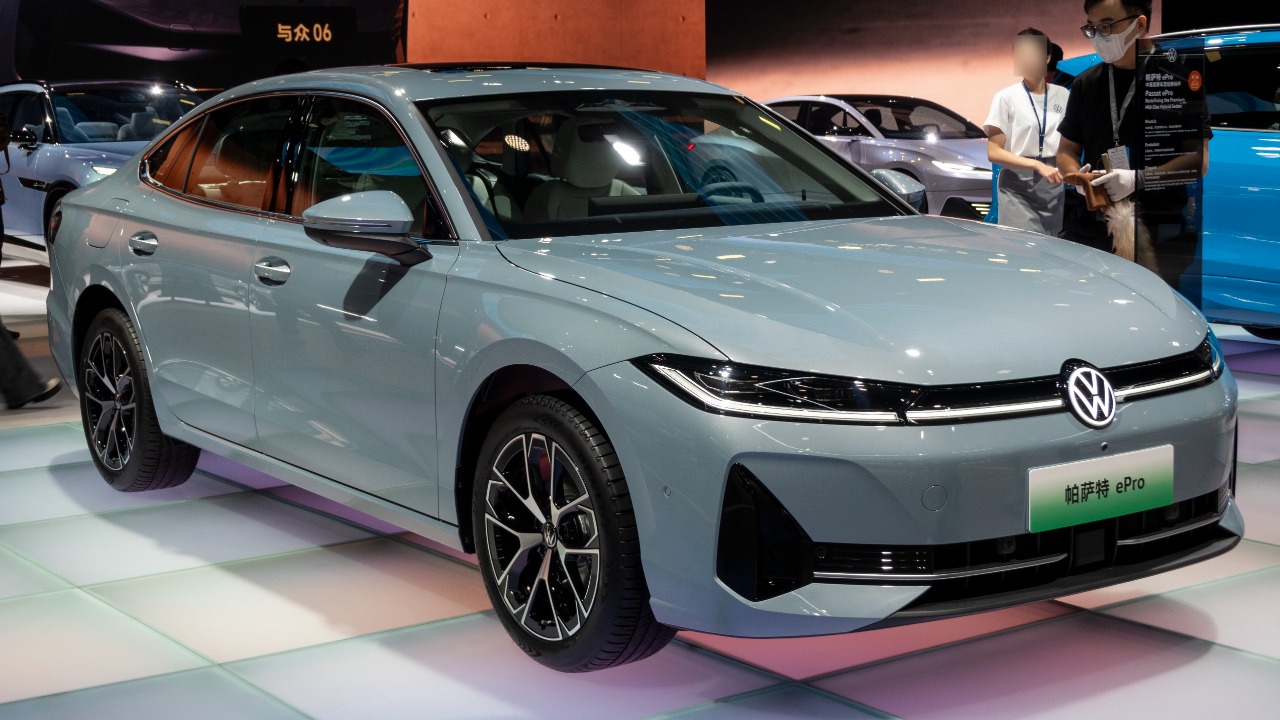
Fourth among midsize cars, the Volkswagen Passat measures 39.1 inches of rear legroom in the midsize car rear legroom.
For a conventional sedan outside the luxury tier, that is a respectable figure. It trails the 40.8 inches the same page credits to the Honda Accord, the midsize car with the most legroom, so back-seat riders gain space by choosing the leader over the Passat. The lesson for shoppers is that class leaders can differ noticeably even among everyday sedans.
11. Ford Maverick: Small Truck Squeeze
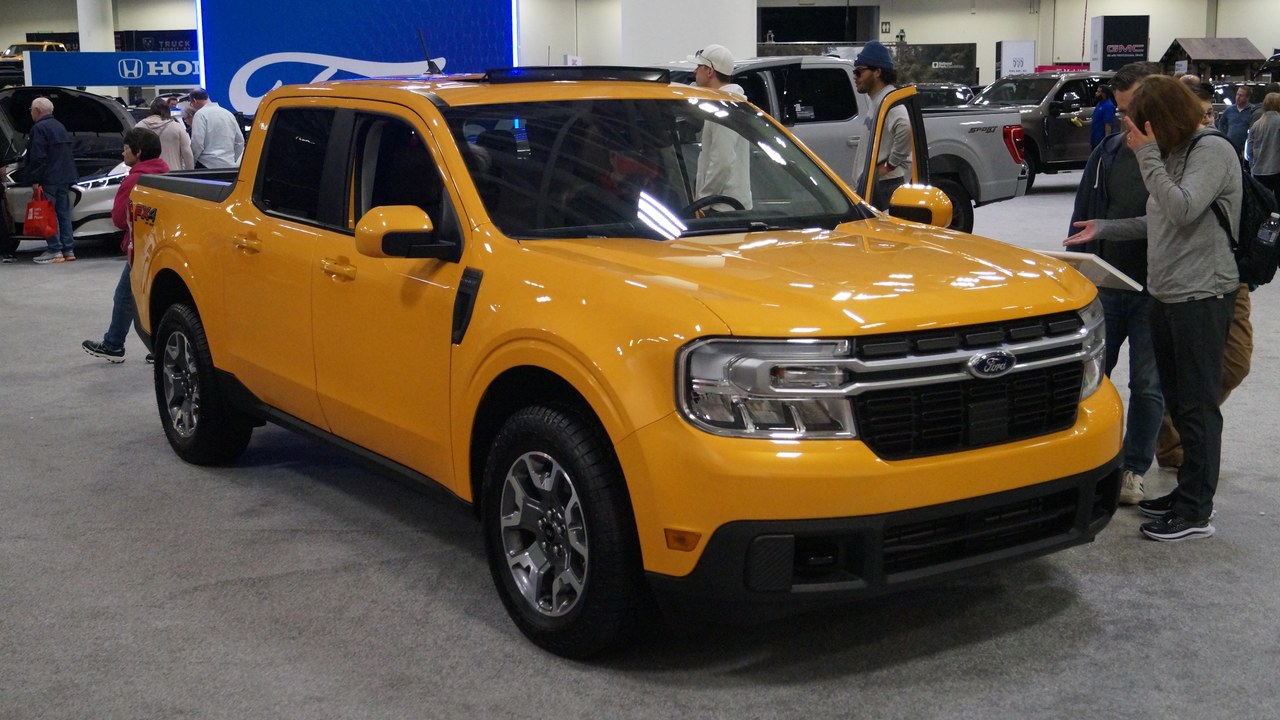
One of only two small trucks ranked, the Ford Maverick closes the gallery at 35.9 inches of rear legroom according to small truck legroom rankings.
That is the lowest figure here, about eight inches short of the S-Class. A compact pickup trades back-seat room for a small footprint and a bed, so buyers planning to carry adults on long trips should sit in the rear before signing, while commuters and weekend users may never notice. The gap still matters most for anyone who plans to carry adults regularly.
More from Morning Overview
- Four U.S. startups fired up their first small nuclear reactors, aiming to power AI data centers on-site
- Card skimmers hidden on gas pumps and ATMs are draining accounts, and here’s the tell
- Doctors warn a silent liver disease now affects one in three American adults
- Hackers are hijacking outdated home routers, and the FBI named the models to check
