
Plugging a drill, a refrigerator or a whole house into a car has stopped being a gimmick, but the output varies enormously. Some models offer a trickle of 0.4 kW, others top 11 kW, and several need extra hardware or are not yet shipping the feature they advertise. Here are twelve electric vehicles, with the outlet, port or charger each one relies on and the power it delivers.
1. Tesla Cybertruck: Powershare and the 30 kWh Day
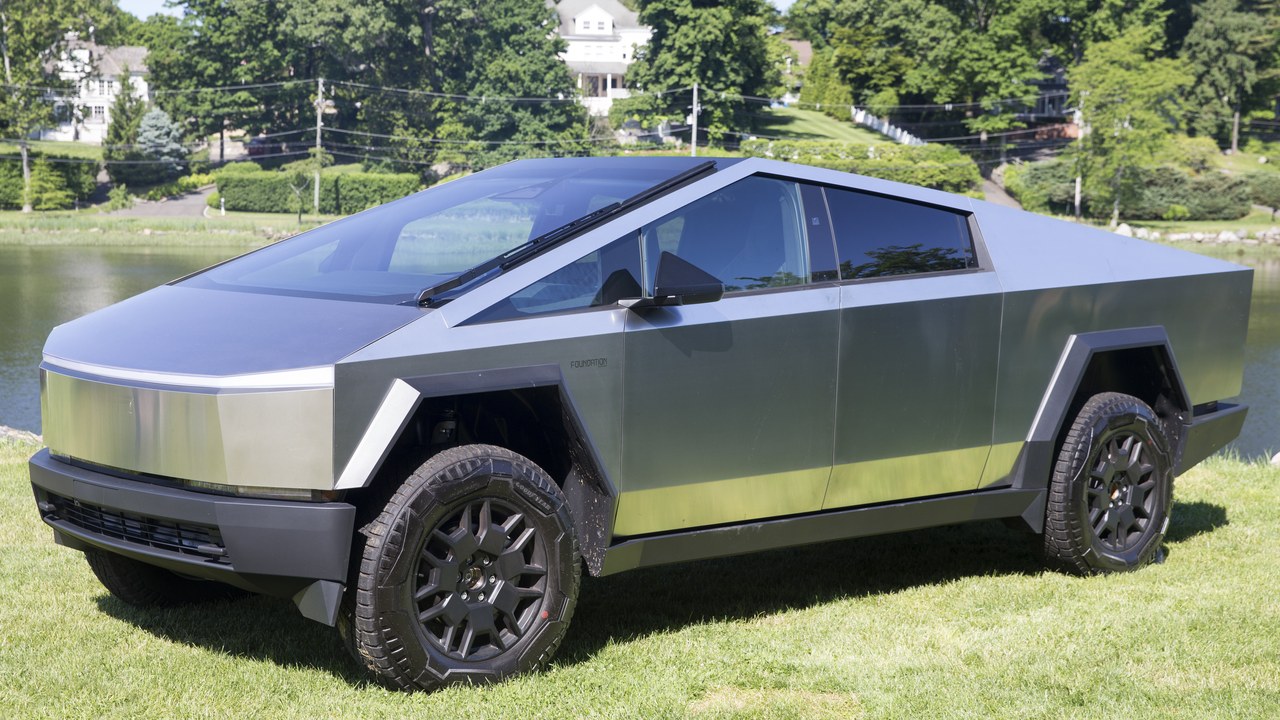
Tesla says its Powershare home backup supplies up to 11.5 kW and can back a house up “for over three days,” a figure based on an average US home using 30 kWh a day.
Those numbers are the manufacturer’s own, not an independent test. A household drawing more than the 30 kWh average would drain the pack sooner, while one that rations its loads would stretch the window well past three days.
2. Ford F-150 Lightning: Eleven Outlets, One Truck
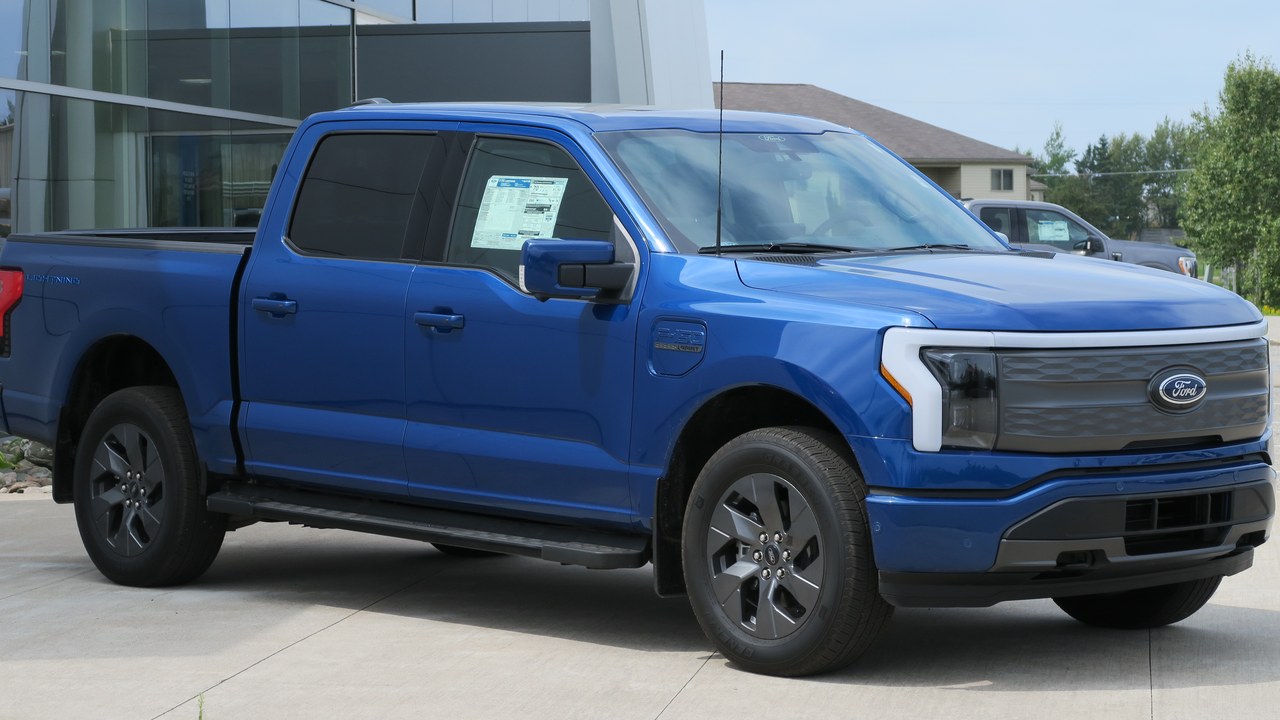
The truck supplies up to 9.6 kW through as many as eleven 120V and 240V onboard outlets, and with the 80 A Charge Station Pro it can meet a typical American home’s needs for three to ten days.
That three-to-ten-day spread reflects how much a household draws, so the same battery serves a worksite far longer than a full house. Manufacture ended in December 2025, a point worth weighing for anyone planning around years of ownership.
3. Chevrolet Silverado EV: Tow Rating and Outlets Together
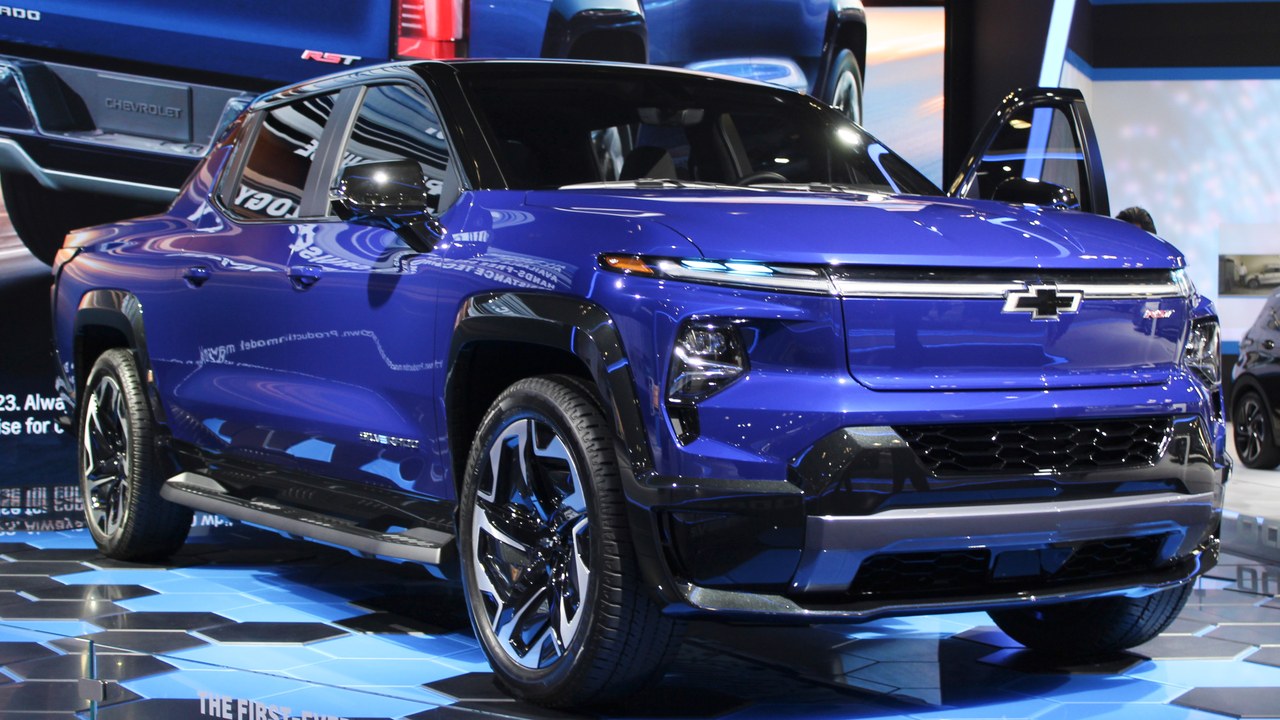
Output is rated at 10.2 kW through the PowerBase with Ultium Power Bar, on a truck that also tows up to 20,000 lb with the max tow package.
That figure sits just above the Lightning’s 9.6 kW and below the Cybertruck’s 11.5 kW. Pairing a heavy tow rating with a generous outlet makes the truck a natural fit for work sites. Range runs from 283 to 493 miles depending on configuration, and heavy towing or sustained outlet loads would be expected to draw the battery down faster than those figures suggest.
4. Hyundai Ioniq 5: Two Ports, One Stays Live
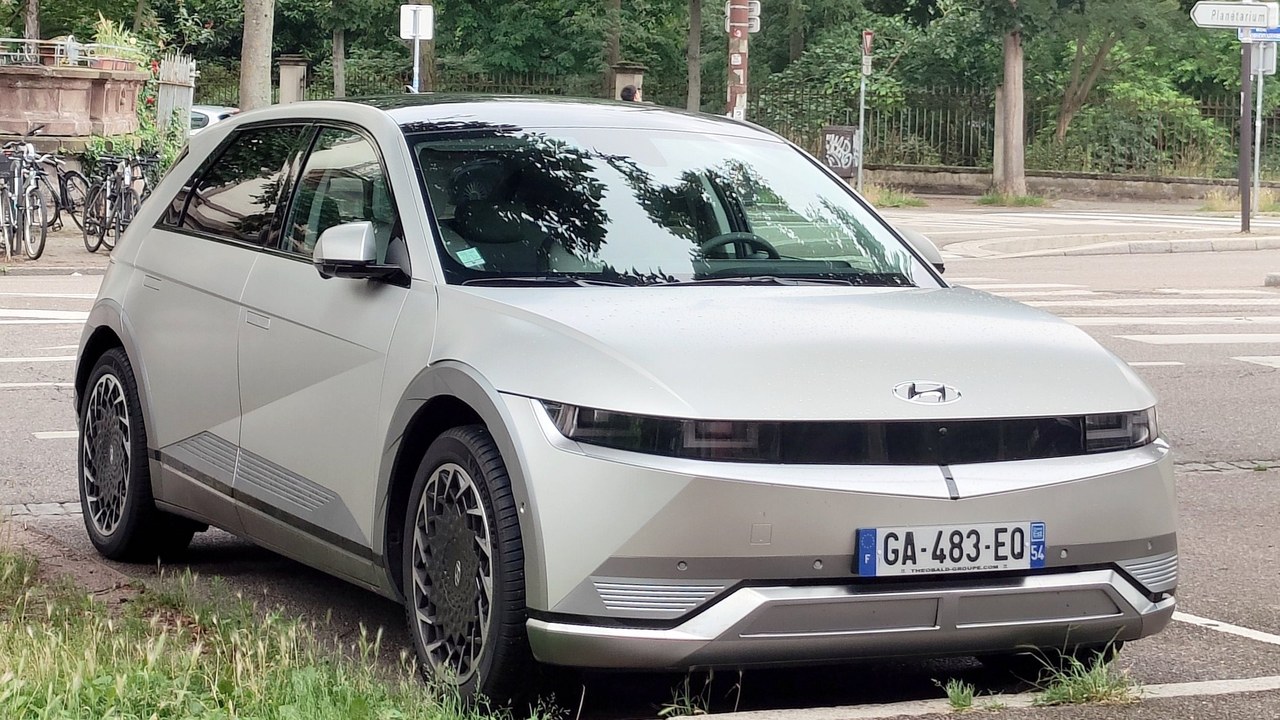
The hatchback pushes out up to 3.6 kW from a vehicle-to-load port under the rear seats and from a second port outside that works even with the vehicle switched off.
That is roughly a third of the Cybertruck’s 11.5 kW, enough for power tools, a camp kitchen or a laptop setup rather than a whole house. The interior port is not fitted in Australia. The same car charges at 800V, taking 10 to 80 percent in 18 minutes.
5. GMC Sierra EV: Same 10.2 kW as Its Sibling
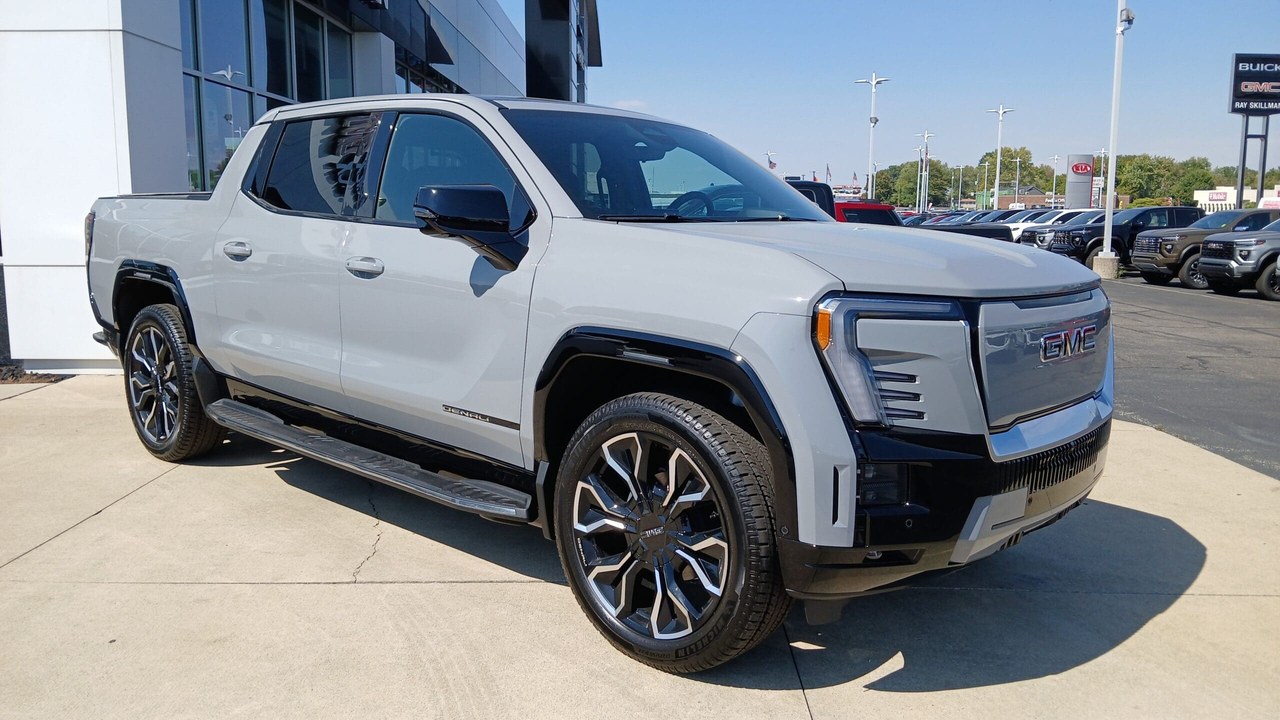
The GMC pickup is listed at 10.2 kW of vehicle-to-load through the PowerBar+, matching the Silverado EV’s output, according to one V2H compatibility table.
Buyers comparing the two GM trucks would face a choice of badge and trim rather than outlet capability, going by that listing. The table was last updated August 15, 2026 and is a third-party reference, not a GM spec sheet, so confirming the exact trim’s equipment before relying on the figure is prudent.
6. Rivian R1T: A Trickle of Outlet Power
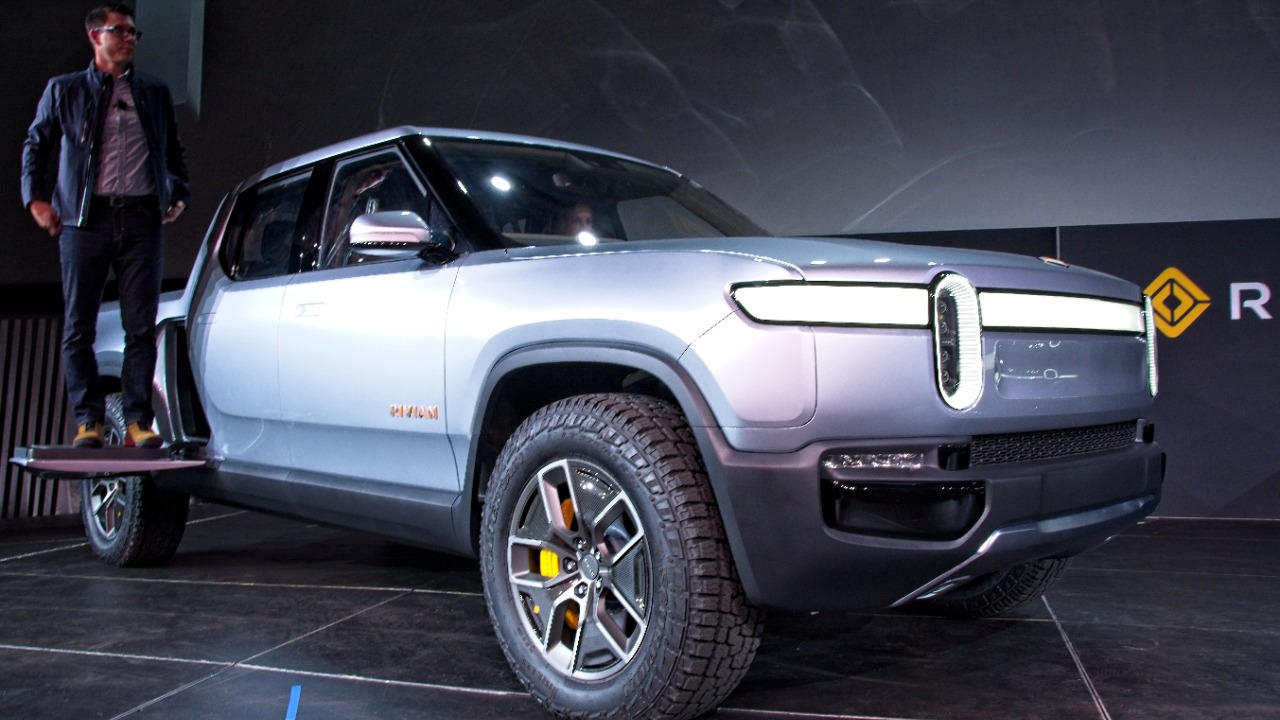
The R1T manages only 1.5 kW of vehicle-to-load, and its vehicle-to-home capability is logged as announced but not shipping.
That is enough for lights, a laptop and small chargers but would struggle with a large compressor or other heavy tools. Any plan to back up a house with the truck would rest on a feature that has not yet arrived, so its outlet is the only part owners can use today.
7. Ford Mustang Mach-E: Phones and Laptops Only
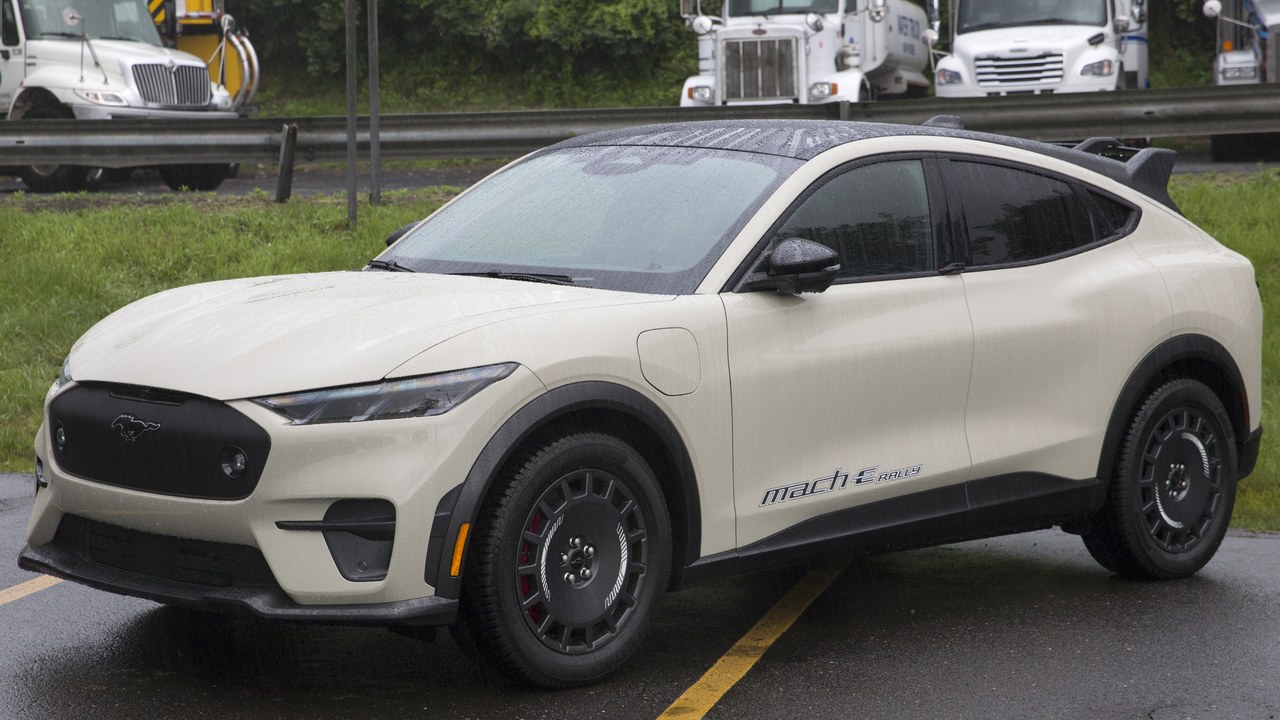
Ford’s electric crossover has the weakest outlet on the list: 0.4 kW, with no announced vehicle-to-home support at all.
At 0.4 kW the car covers phones, a laptop and a few LED lights, and little else, a fraction of the 9.6 kW its stablemate the F-150 Lightning supplies. Anyone buying it for outage or worksite power would be choosing the wrong tool, since its case rests on driving rather than on supplying electricity.
8. Kia EV6: Halfway There, With a Promise
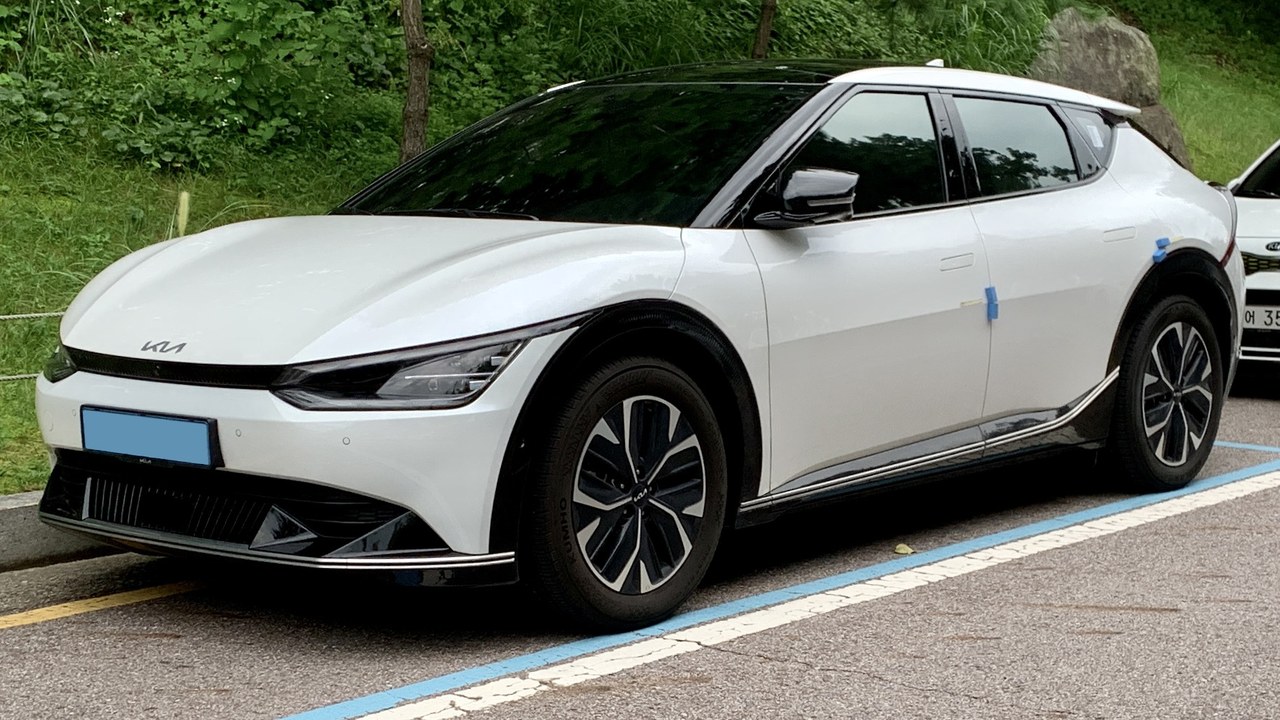
The EV6 delivers 1.9 kW of vehicle-to-load today, with vehicle-to-home still logged as “coming soon.”
That is nearly five times the Mach-E’s 0.4 kW but roughly half the Ioniq 5’s 3.6 kW. A “coming soon” label is a promise rather than a feature, so owners hoping to run a house from the car would be waiting on a capability that is not yet available, and the 1.9 kW outlet is the only part of the promise they can use today.
9. Kia EV9: Home Backup Needs the Wallbox
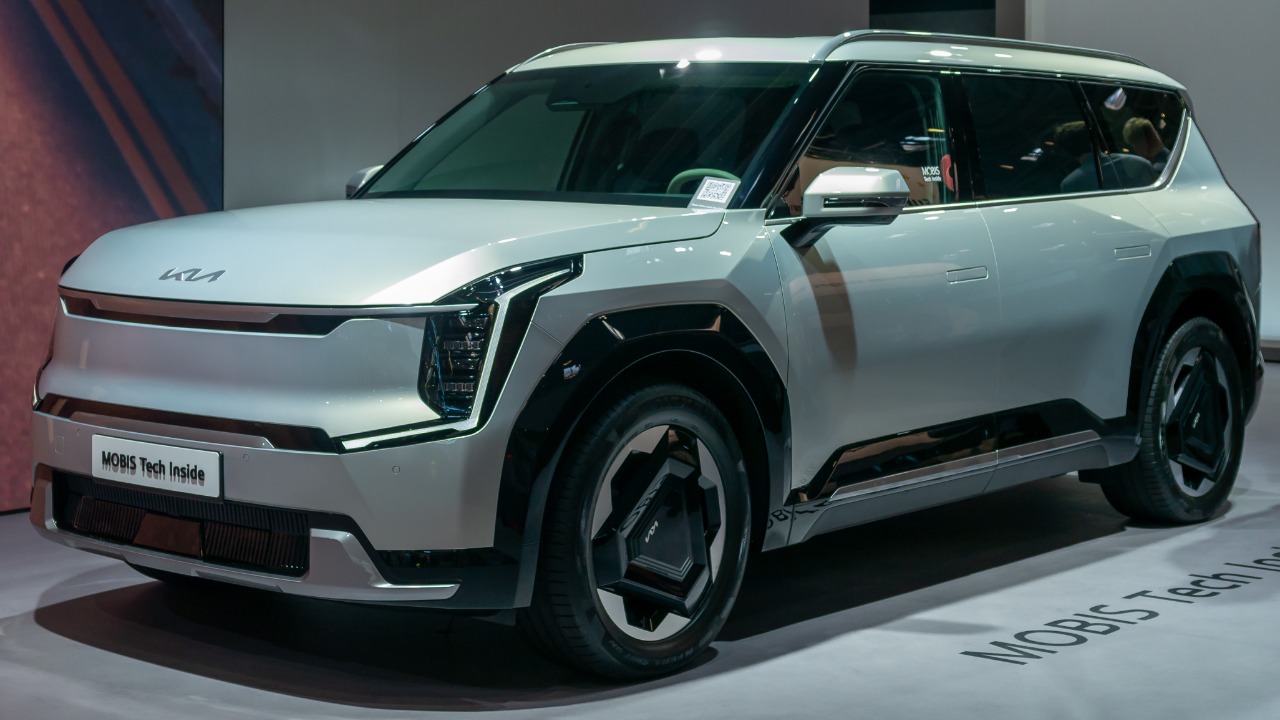
The EV9 backs up a house only through the Wallbox Quasar 2, which charges the car at up to 12 kW and discharges it at a cap of 12.8 kW.
That discharge cap is above the 11.5 kW Tesla quotes for the Cybertruck, but it exists only with the charger and the Power Recovery Unit named alongside it. The three-row SUV by itself offers no such figure, so the separate hardware is what turns it into a home power source.
10. Nissan Leaf: Businesses With Three-Phase Only
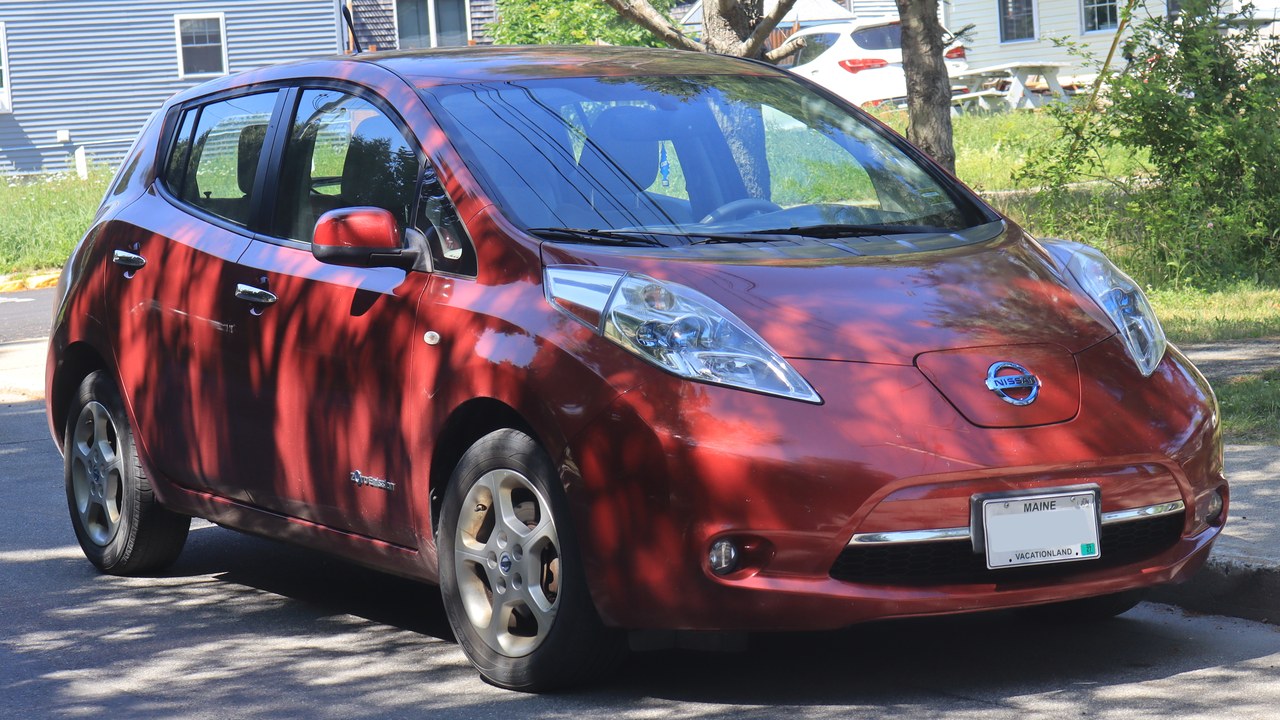
The Leaf powers a building only through the Fermata Energy FE-20 charger, which InsideEVs says is “only available for businesses that have a three-phase grid connection.”
The restriction leaves homeowners out and points the car toward shops, depots and small commercial sites. A hatchback long associated with commuting therefore has a narrow but real second job as a building power source, provided the site’s electrical service matches the charger. Notably, the FE-20 is a bidirectional unit, so the same hardware that powers the building also lets the car feed energy back from its battery.
11. Cadillac Lyriq: A 200-Amp Charger Does the Work
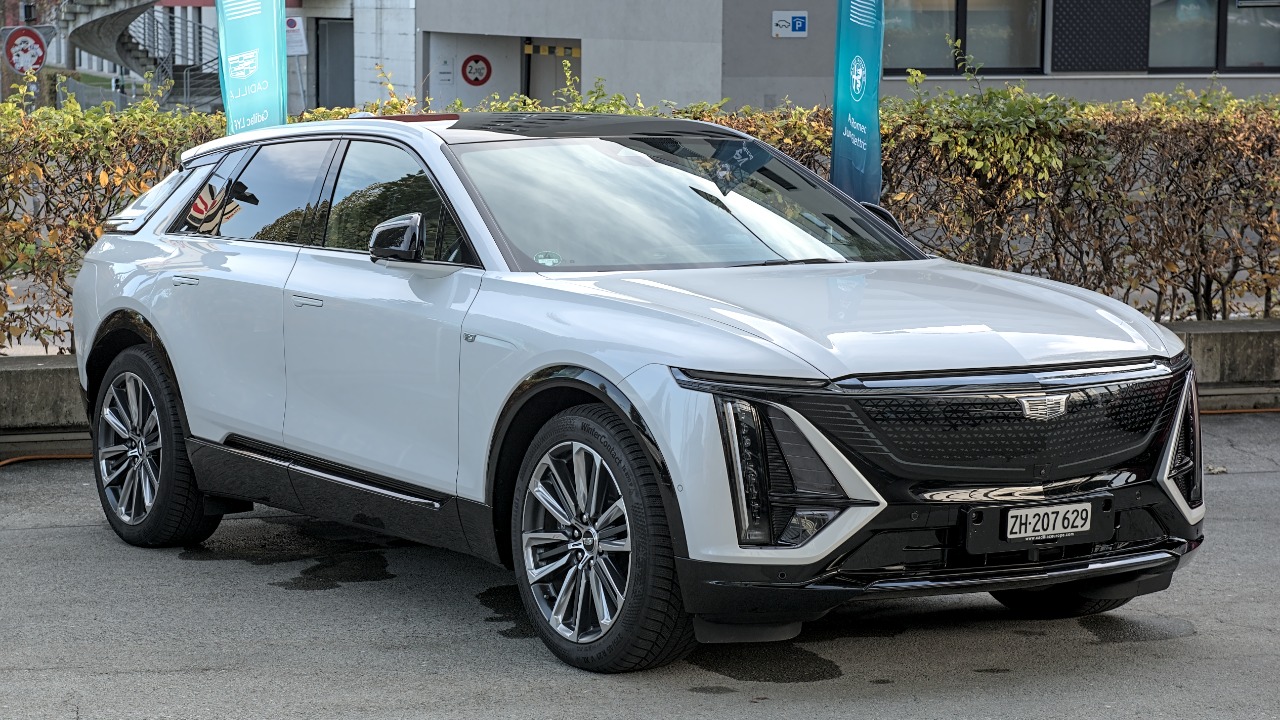
The Lyriq runs a house through the GM Energy V2H Bundle, whose bidirectional charger is rated at 200 amps.
Because the capability lives in the bundle rather than a socket on the body, a home would need that hardware installed before the crossover could back anything up. GM clears its Ultium EVs for the bundle model by model, so each owner would check eligibility for the exact vehicle first. The 200-amp rating describes the charger itself, and the bundle is the gateway for the Lyriq’s home-power role.
12. Chevrolet Equinox EV: Cleared for GM Energy
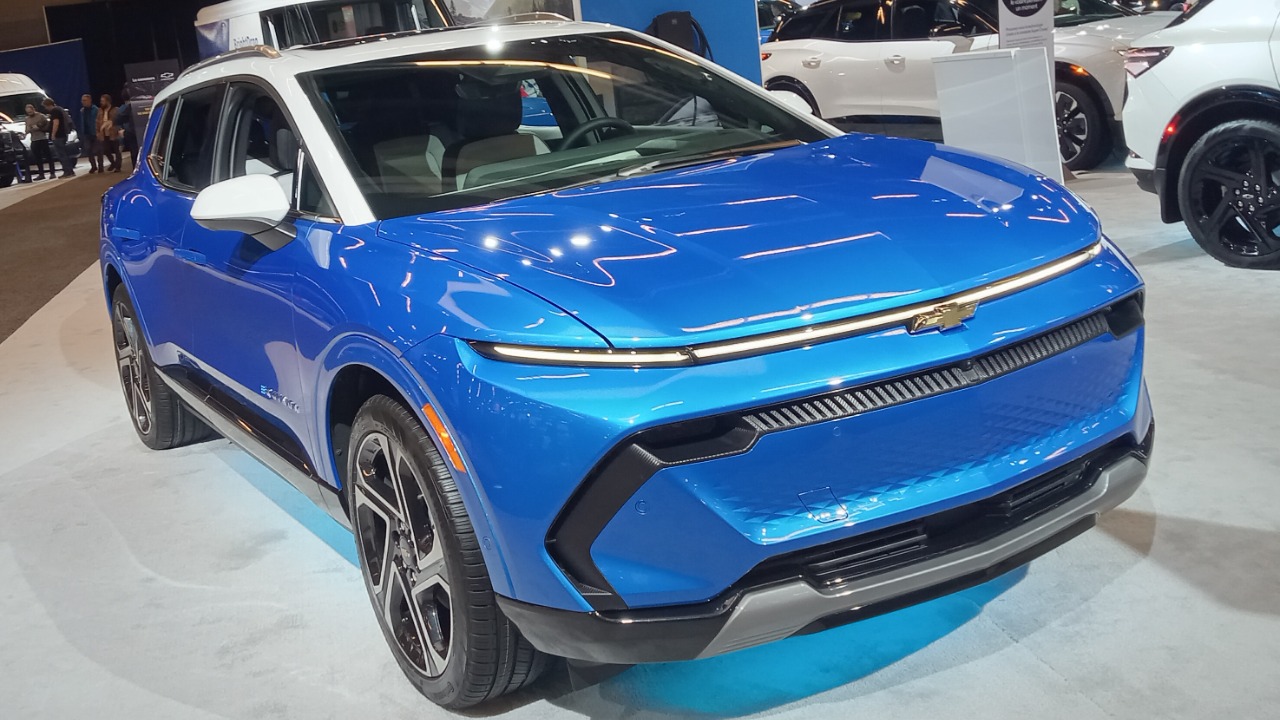
The Equinox EV is one of the 2024-2026 Ultium models GM cleared for vehicle-to-home with the GM Energy bundle, alongside the Blazer EV, Optiq, Vistiq and Escalade IQ.
The model-year window matters: an earlier or later build would need separate confirmation. A list that stretches from a mainstream crossover to the Escalade IQ suggests the capability belongs to GM’s platform rather than to one luxury nameplate, which widens the pool of vehicles able to supply a home.
More from Morning Overview
- Comcast is shutting down its email service, and Xfinity customers must act to keep it
- Invisible volcanic gas at a California ski resort has killed three ski patrollers
- Verizon just moved to cut landline phone service in 9 states within weeks
- Tropical Storm Rachel is dumping up to 12 inches on four Mexican states on its way to major hurricane strength
