
Some of the newest and priciest electric and plug-in vehicles spend more time parked than driven. A mileage study ranked owners by how little they log each year, with the lowest averaging 6,877 miles. The list below counts down twelve models, from luxury sedans to rugged SUVs.
1. Lucid Air: Quiet Luxury Rarely Leaves the Garage
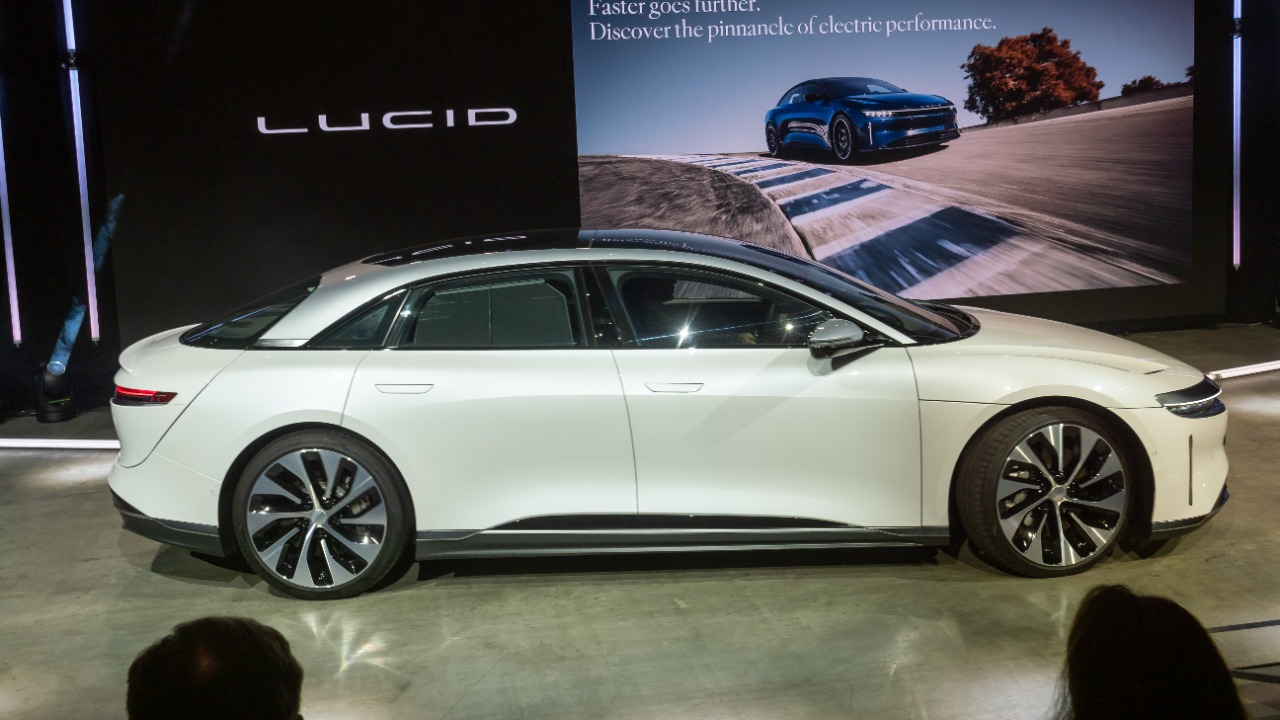
Averages 6,877 miles a year, the second-lowest figure of the ten least-driven electric vehicles, according to the least-driven electric vehicles list.
The figure suggests the sedan often serves as a second or occasional car rather than a daily commuter. Annual mileage this low shows how far ownership habits can sit from the gas-car norm. Treated as an average over many owners, the number describes typical use rather than any single driver, and it covers a model with a small pool of vehicles on the road.
2. Porsche Taycan: Performance Sedan, Light Duty
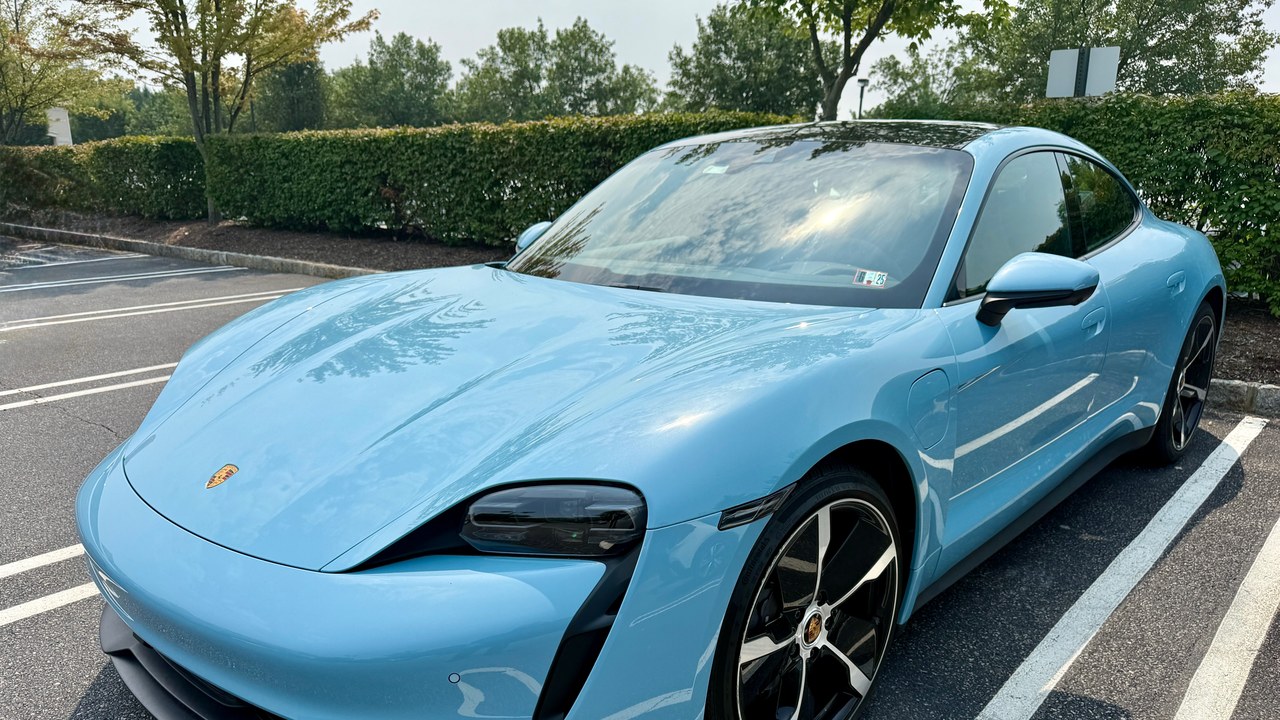
Averages 7,689 miles a year, fourth-lowest of any electric vehicle in the study, according to annual mileage study coverage.
That puts it well below typical annual driving. Owners of high-priced performance cars often keep them for weekends and special trips, though the study itself does not explain the pattern. Rankings like this rely on reported odometer readings, so they reflect real-world habits rather than manufacturer estimates of how far a car is expected to travel each year.
3. MINI Hardtop 2 Door: Small Electric Hatch, Short Trips
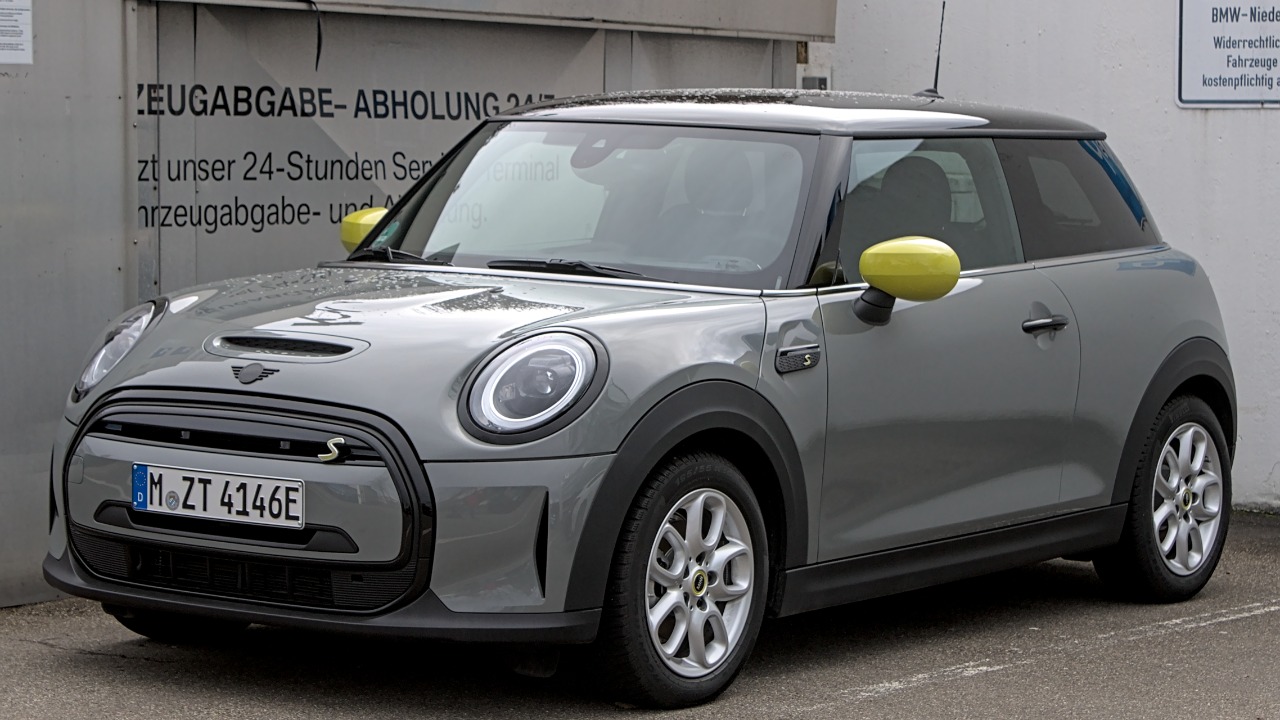
Averages 7,695 miles a year, fifth-lowest of any electric vehicle in the study, according to annual mileage study results.
Only a few miles separate it from the Taycan above. A compact city-sized body might invite commuting, yet the numbers show owners logging fewer miles than most drivers. Readers weighing a small electric car for commuting might note the gap, since the study measures what owners actually did instead of what the vehicle could manage on a single charge.
4. Audi e-tron GT: Grand Tourer Gets Few Miles
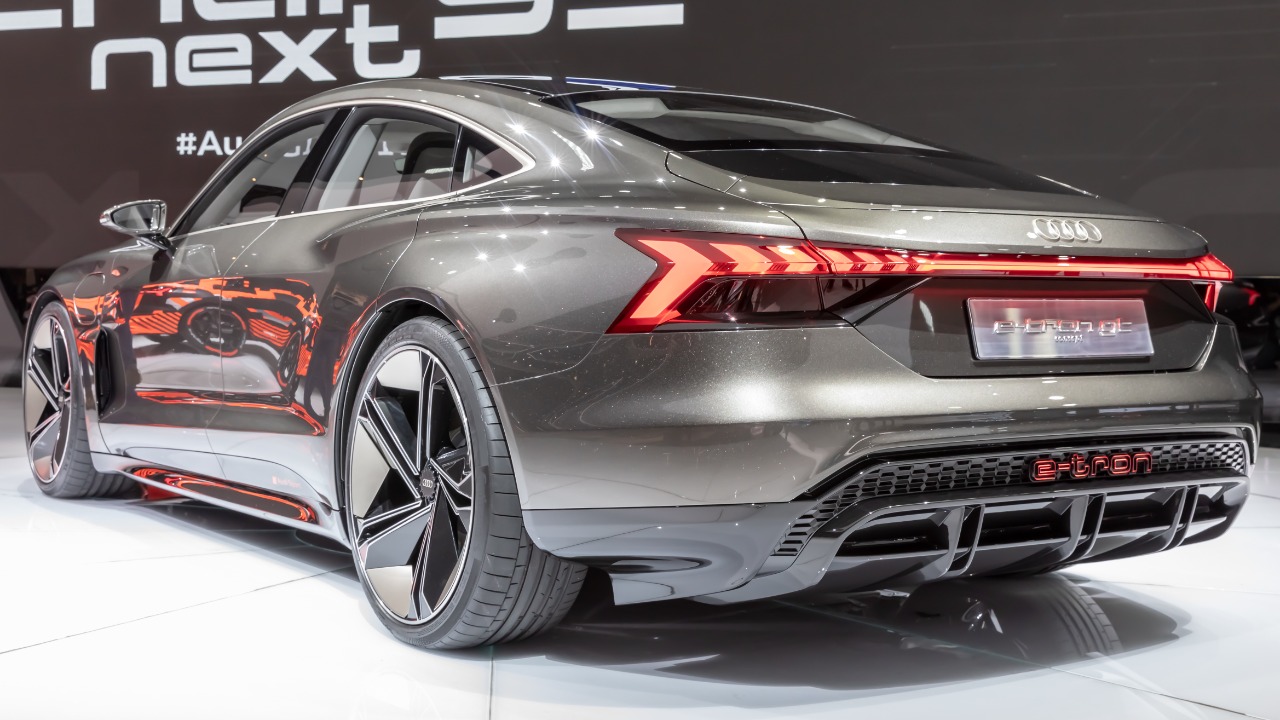
Averages 7,992 miles a year, sixth-lowest of any electric vehicle in the study, according to study of the least-driven cars.
The sleek four-door sits just under the 8,000-mile mark. Cars in this part of the ranking tend to be premium models, which hints at limited everyday use. The ranking is a snapshot of owner behavior, and individual drivers could easily cover far more or less ground than the model average suggests across any given twelve months.
5. Mercedes-Benz EQB: Compact Luxury SUV, Modest Miles
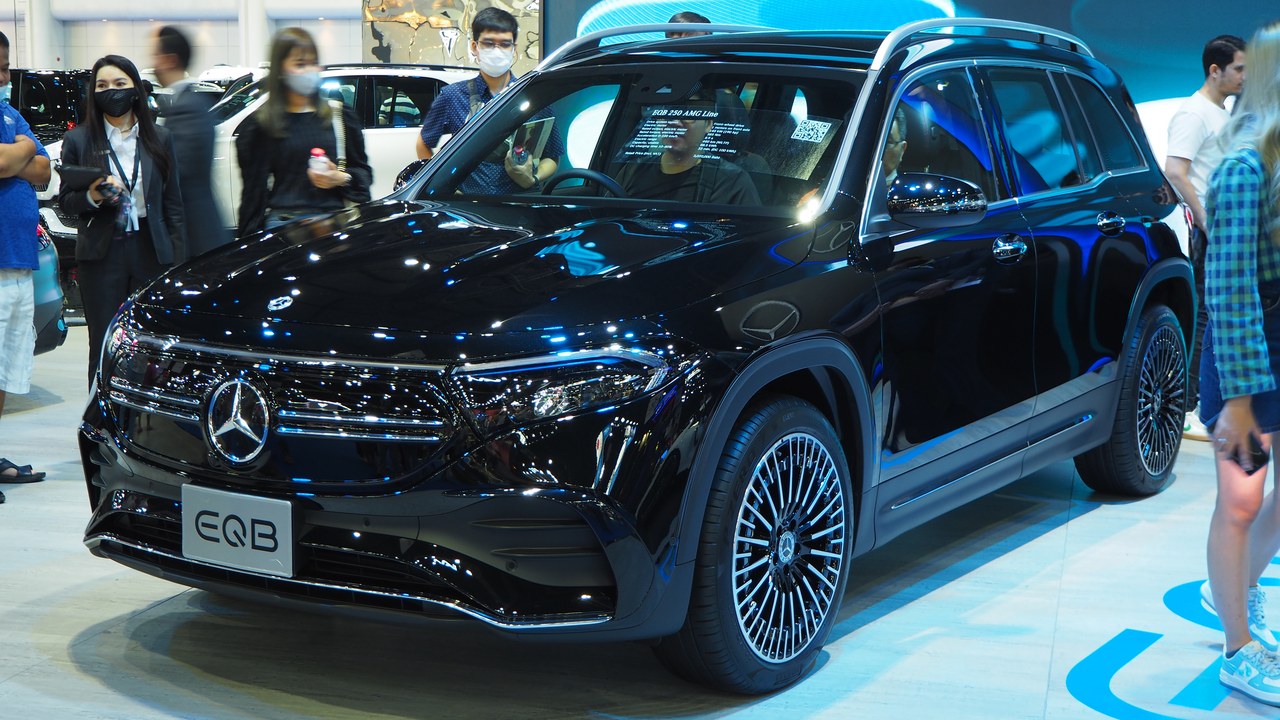
Averages 8,051 miles a year, 32.2% below the EV average and well short of the 13,323 miles a typical gas car covers, according to mileage comparison with gas cars.
The gap with gasoline vehicles is large, roughly 5,300 miles a year. Whether range worries, home charging or second-car roles explain it is not settled by the data. Comparisons against a single national gas figure are rough, because different vehicle classes and owner groups tend to drive differently, but the direction of the difference is still clear.
6. Mercedes-Benz EQS: Flagship Sedan, Low Odometer
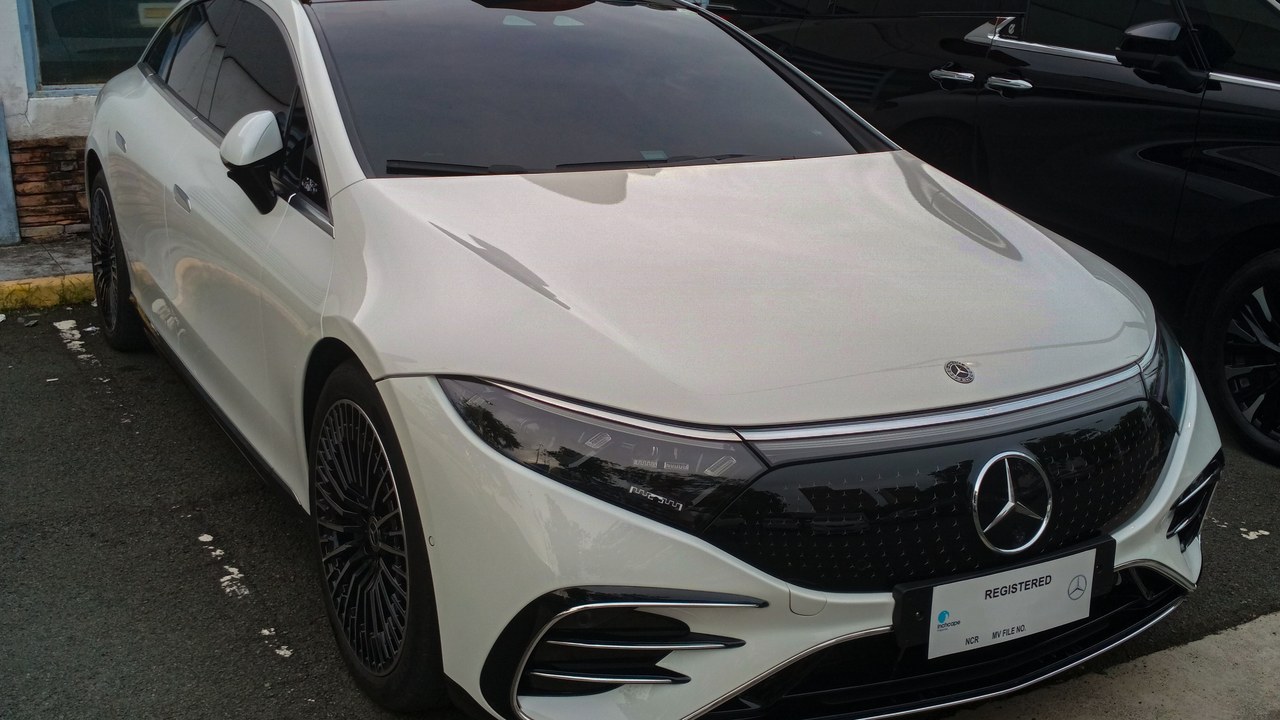
Averages 8,271 miles a year, 30.4% below the EV average, according to low-mileage EV rankings.
Mercedes-Benz places the model at the top of its electric range, and owners seem to treat it accordingly. Fewer miles may reflect use as a luxury second vehicle, though the study does not say so. Averages also hide wide variation between owners, so a lightly used example and a heavily used one can sit behind the same published figure without contradicting each other at all.
7. Jeep Grand Cherokee: Plug-In Jeep, Least-Driven Hybrid
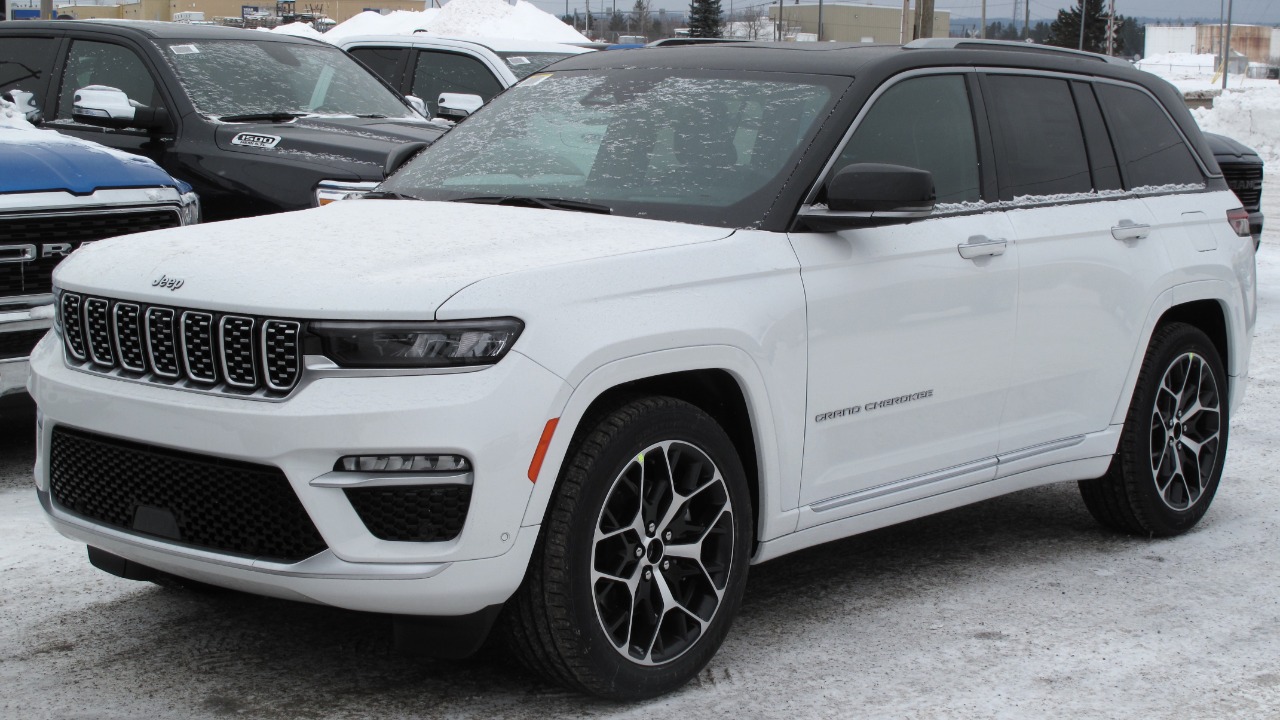
The plug-in Grand Cherokee averages 8,435 miles a year, 27.7% below the plug-in hybrid average and the least-driven plug-in hybrid in the study, according to plug-in hybrid mileage findings.
That is a notable result for a rugged family SUV built for long trips. The study does not explain the shortfall, so reasons such as charging habits remain speculation. Plug-in hybrids pair a battery with a gas engine, so any mileage gap here owes little to range limits, which makes the shortfall harder to attribute to a single clear cause.
8. Rivian R1S: Adventure Truck, Few Adventures
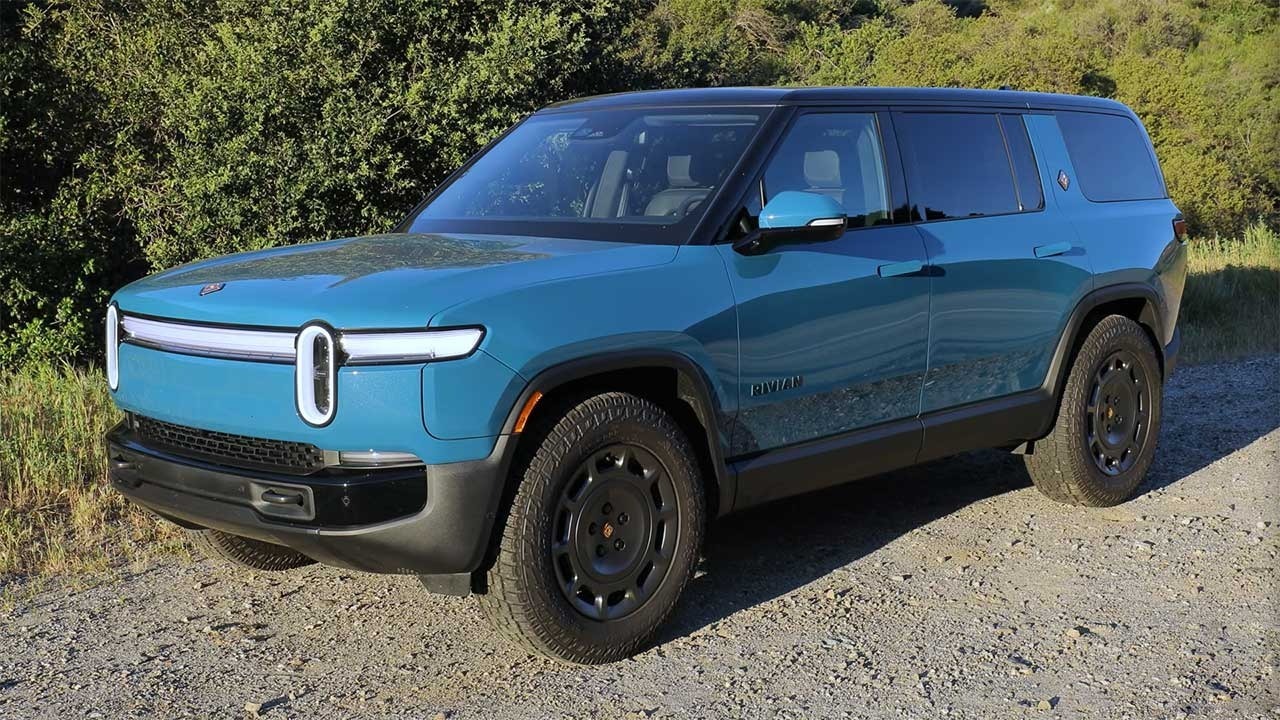
Averages 8,485 miles a year, 28.6% below the EV average, according to electric SUV mileage data.
The Rivian is marketed for outdoor travel, so the modest total stands out. Owners may favor local driving, though the report offers no reasons behind the number. Because the model is relatively new, ownership periods are short, and a young fleet can pull averages down simply because many vehicles have not yet had a full year on the road.
9. Audi Q4 e-tron: Mainstream Audi, Highest of the Ten
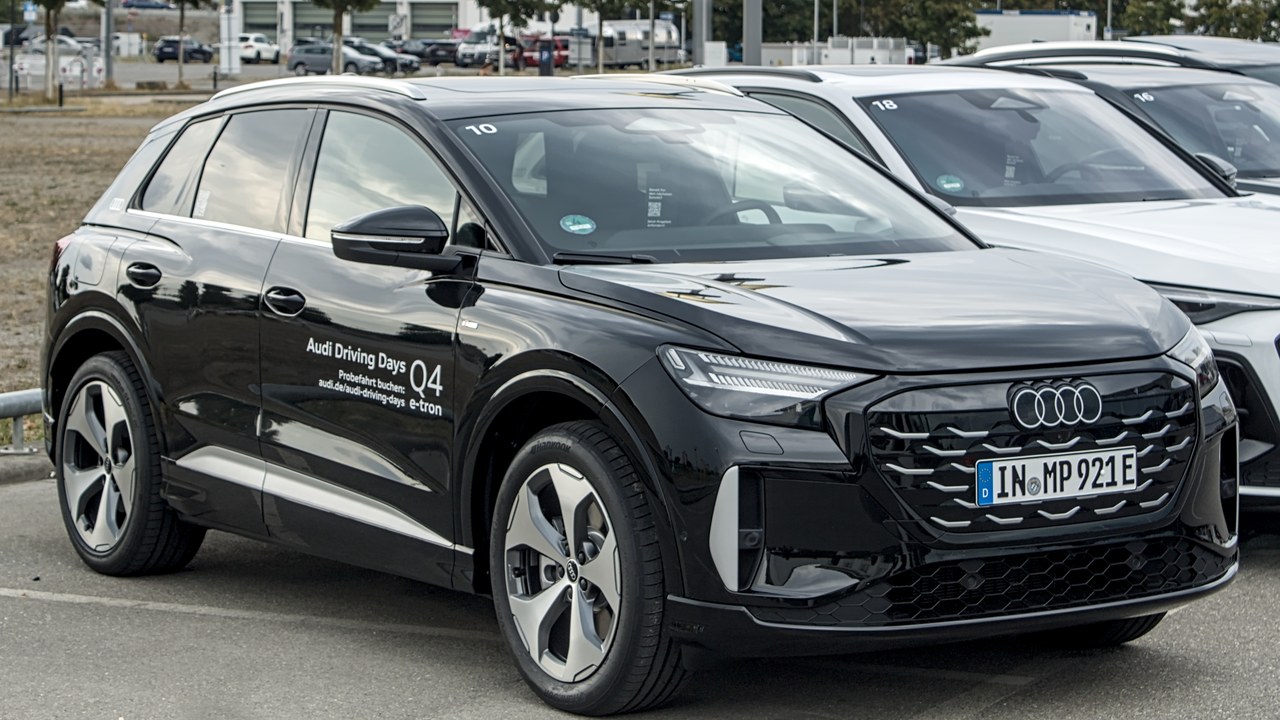
Averages 8,567 miles a year, the highest figure among the ten least-driven electric vehicles, according to ten least-driven electric vehicles.
Even the top of this group stays far below the 13,323-mile gas average cited in the study. It closes out the EV-only portion of the ranking. A more affordable price than rivals on this list did not translate into heavier use, which shows that cost alone does not predict how much owners decide to drive their cars.
10. Porsche Panamera: Plug-In Panamera, Second Lowest
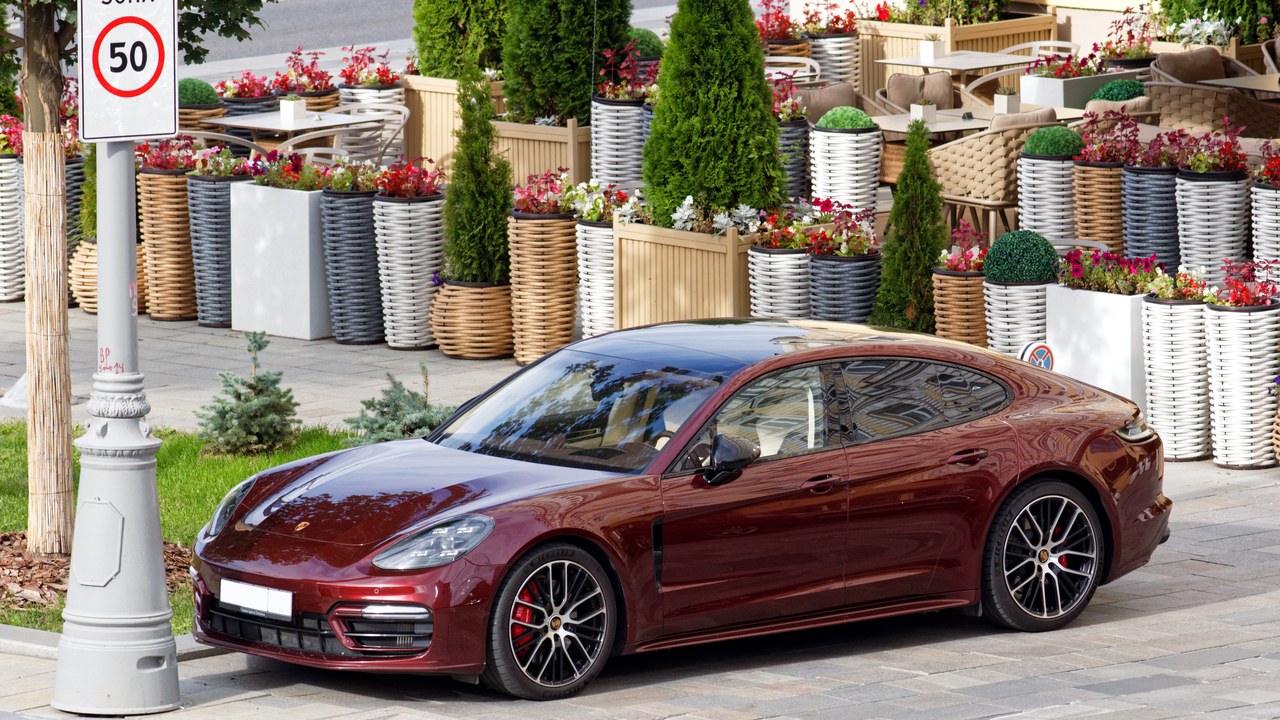
The plug-in Panamera averages 8,913 miles a year, second-lowest of any plug-in hybrid, according to plug-in hybrid mileage rankings.
Plug-in hybrids can run on gasoline, so low mileage there is less about range limits. Owners of this expensive sedan appear to use it sparingly all the same. The result points to a lasting pattern among high-end plug-ins, where the flexibility of a gas engine does not appear to push owners toward much longer annual distances than electric peers.
11. Porsche Cayenne: Plug-In Cayenne, Third Lowest
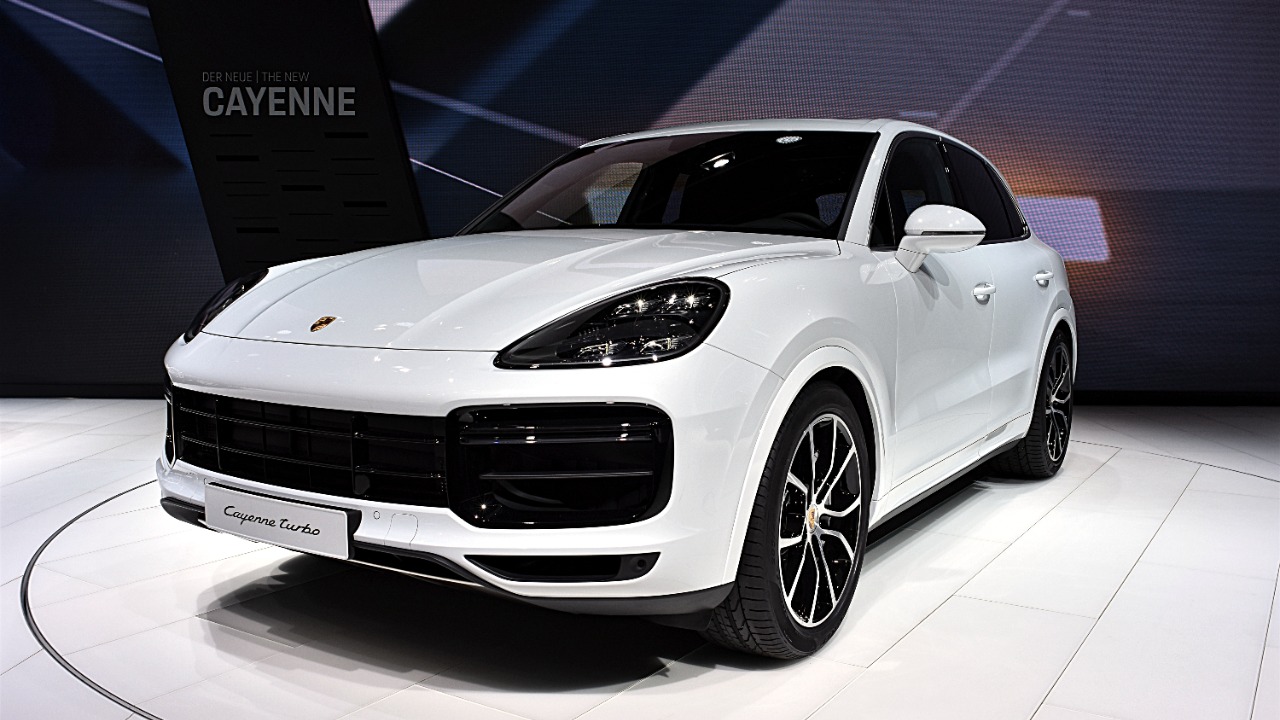
The plug-in Cayenne averages 9,091 miles a year, third-lowest of any plug-in hybrid, according to plug-in hybrid mileage figures.
Only two plug-in hybrids in the study logged fewer miles. A premium SUV like this may be one vehicle among several in a household, though the data does not confirm that. Ranked third among plug-in hybrids, the SUV shows that big, powerful vehicles can still log modest totals, and the study treats every such figure as an average across the owners studied.
12. BMW 5 Series: Plug-In Executive Sedan, Highest Here
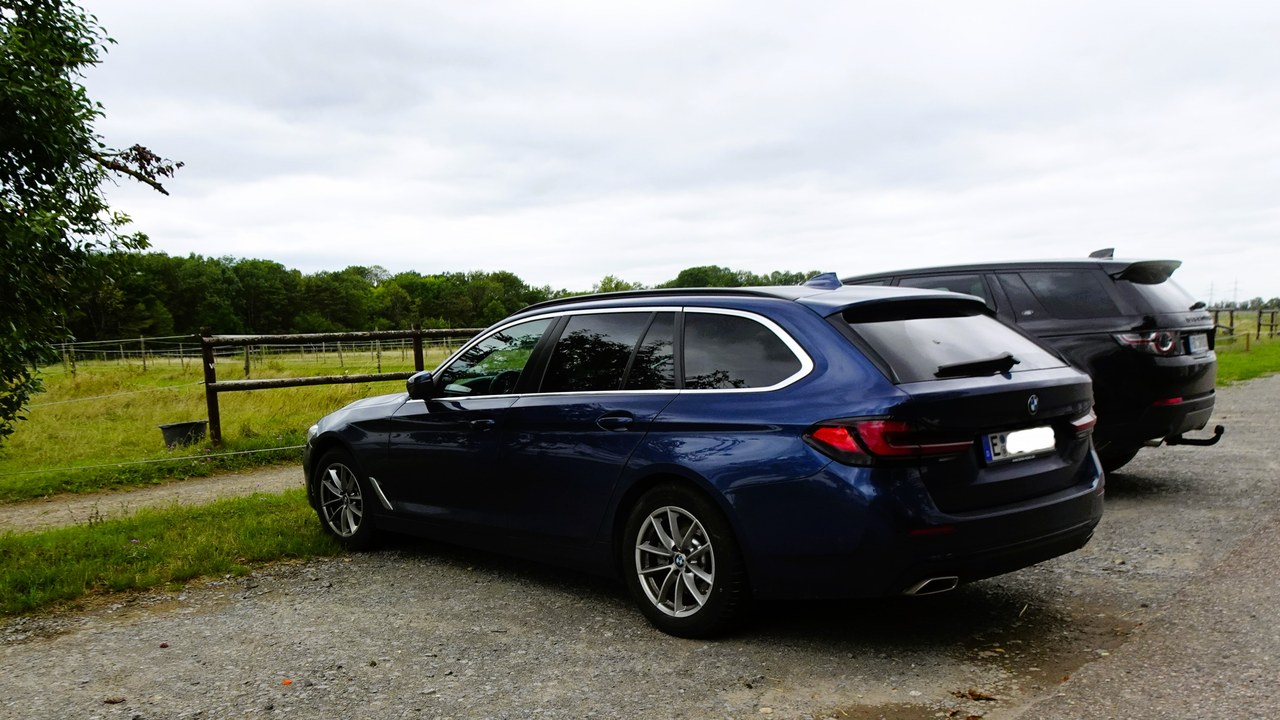
The plug-in 5 Series averages 10,236 miles a year, sixth-lowest of any plug-in hybrid and the highest figure in this gallery, according to plug-in hybrid mileage rankings.
That still trails the gasoline average of 13,323 miles by about 3,000 miles. The gallery ends here, showing even the busiest vehicle on the list is driven less than typical. Even so, the study uses one consistent method for every vehicle, so the placements can be compared fairly, and the lowest-ranked and highest-ranked entries here come from the same underlying dataset.
More from Morning Overview
- Invisible volcanic gas at a California ski resort has killed three ski patrollers
- Verizon just moved to cut landline phone service in 9 states within weeks
- Tropical Storm Rachel is dumping up to 12 inches on four Mexican states on its way to major hurricane strength
- The NSA is again telling phone owners to switch off one location setting
