
Charging speed, more than range, now decides how painless an electric road trip feels. Peak kilowatts and the time needed to climb from 10 to 80 percent separate the quickest cars from the merely quick. Here are twelve electric cars, arranged from the highest peak rate to the lowest.
1. Lucid Gravity: Four Hundred Kilowatts at the Top
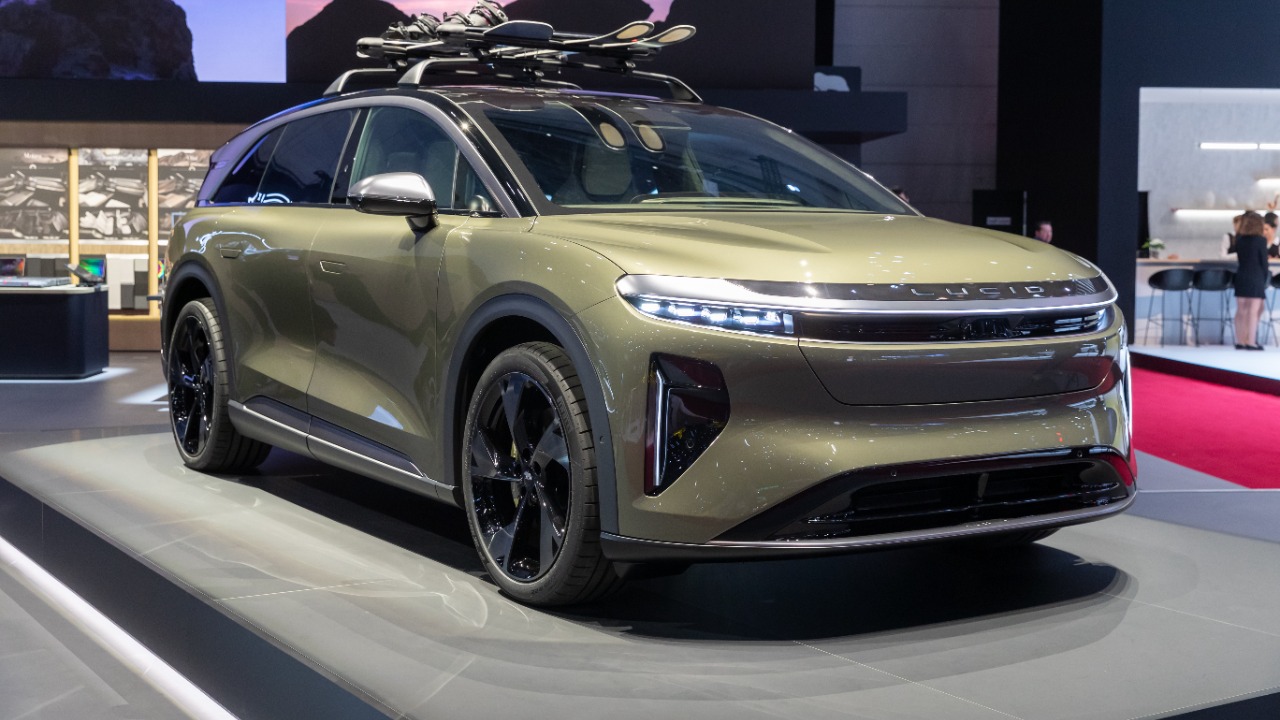
Lucid’s three-row SUV peaks at 400 kW, according to fast-charging vehicle rankings, and moves from 10 to 80 percent in 23 minutes. The pack behind that figure holds 123 kWh, so the car must absorb a great deal of energy to earn the number.
For an owner, a 23-minute stop is roughly a coffee and a restroom break. The caveat is that peak rate is a ceiling, reached only briefly on a suitably powerful charger with a conditioned battery.
2. BMW iX3: The Quicker of the 400 kW Pair
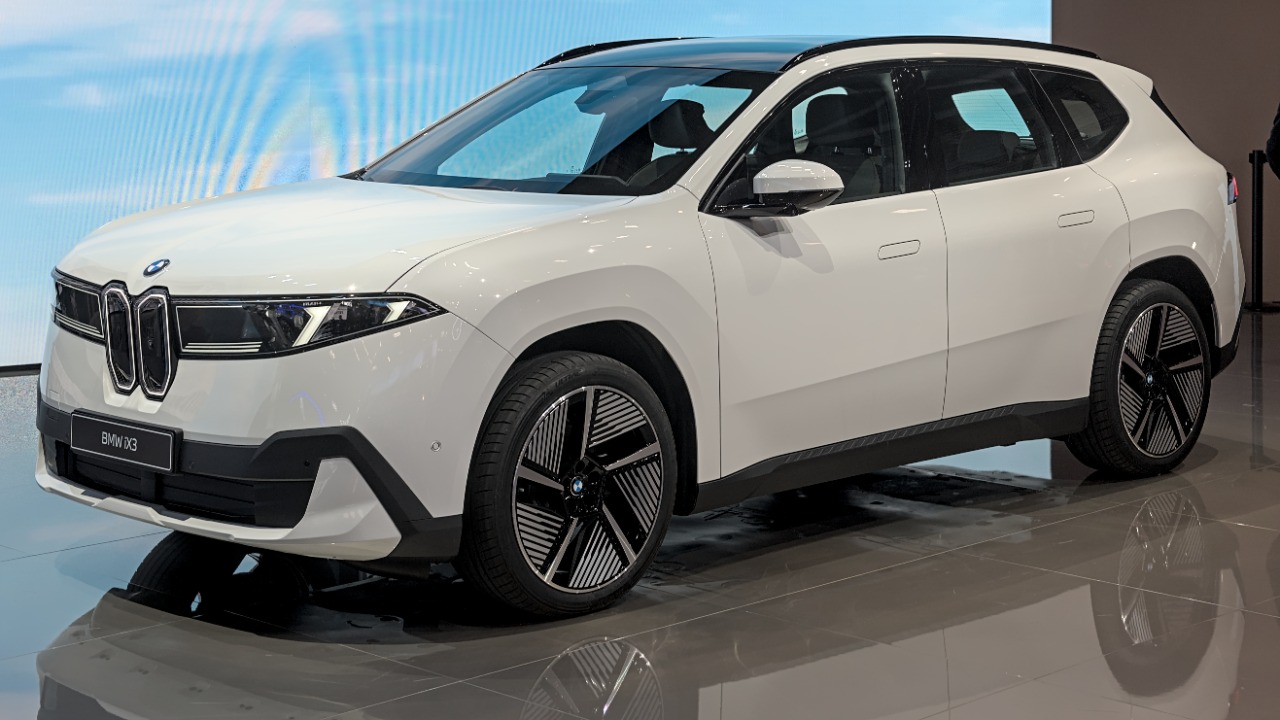
Matching the Lucid at 400 kW peak, the BMW finishes the 10-80 percent run faster, in 21 minutes, per InsideEVs charging comparison. It manages that on a 108.7 kWh pack, smaller than the Gravity’s, so each minute at the plug moves a larger share of the battery.
A smaller pack that charges as fast as a larger one means shorter stops for the same percentage gained. Drivers should still expect the headline rate to taper well before the battery nears 80 percent.
3. GMC Hummer EV: Heavy Truck, Heavy Draw
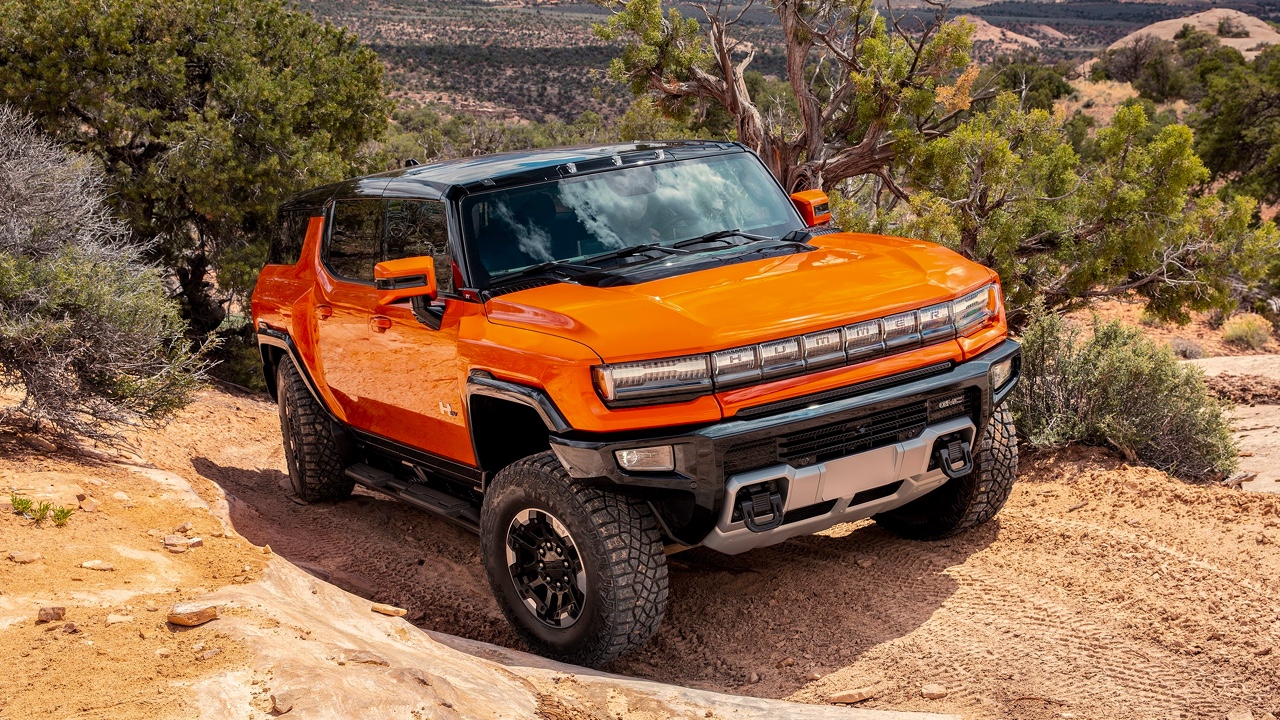
At 350 kW, the Hummer takes the highest rate among the American-badged trucks here, a finding reported by InsideEVs fastest-charging list. A vehicle of this mass carries an enormous battery, and the ability to accept that much power is what keeps long stops tolerable.
Buyers considering an electric off-roader or work truck get a rare combination: serious towing-class bulk and a charging rate above most sedans. Finding a charger actually able to deliver 350 kW remains the practical hurdle.
4. Volvo EX90: Flagship Volvo Refills in 22
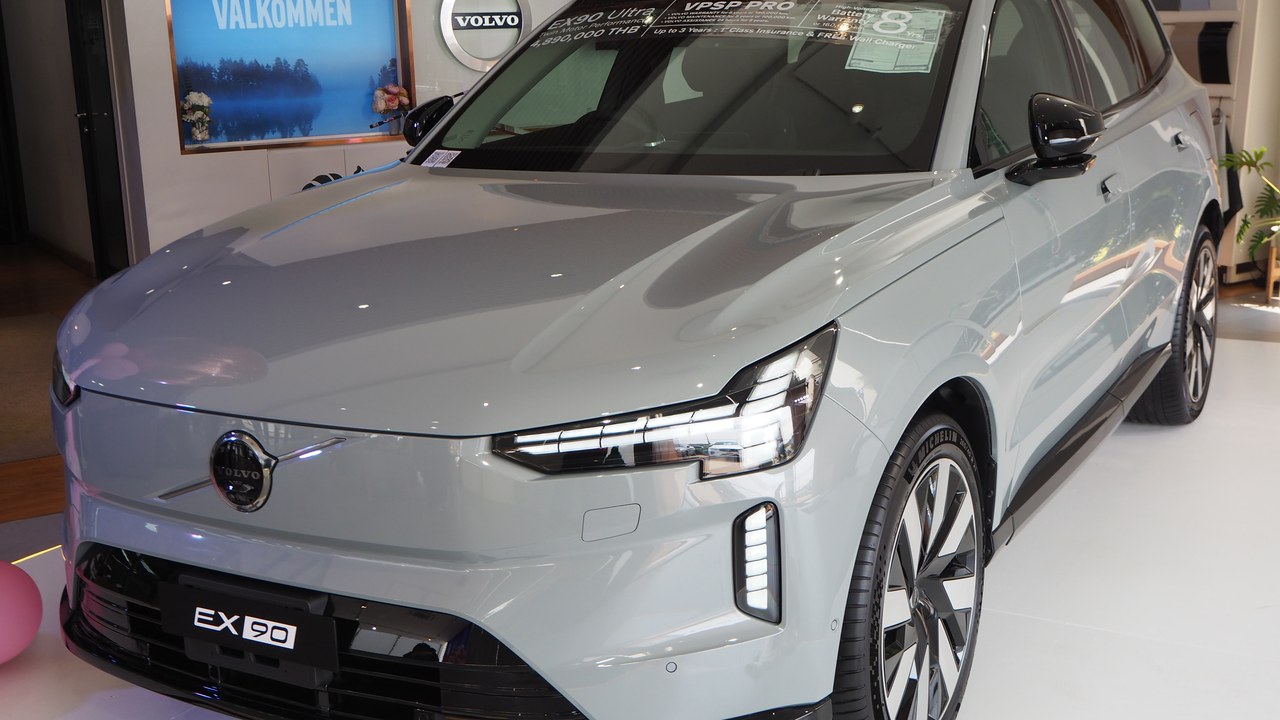
Volvo’s flagship SUV peaks at 310 kW and goes from 10 to 80 percent in 22 minutes, as InsideEVs peak-rate table lists. The pack is quoted at 92 to 106 kWh depending on version, so the stop time stays short even across the range of battery sizes.
A 22-minute window fits neatly into a standard meal or errand stop on a family road trip. Shoppers comparing trims should check which battery a given car carries, since the quoted capacity spans a 14 kWh gap.
5. Porsche Taycan: Porsche’s Own Claim
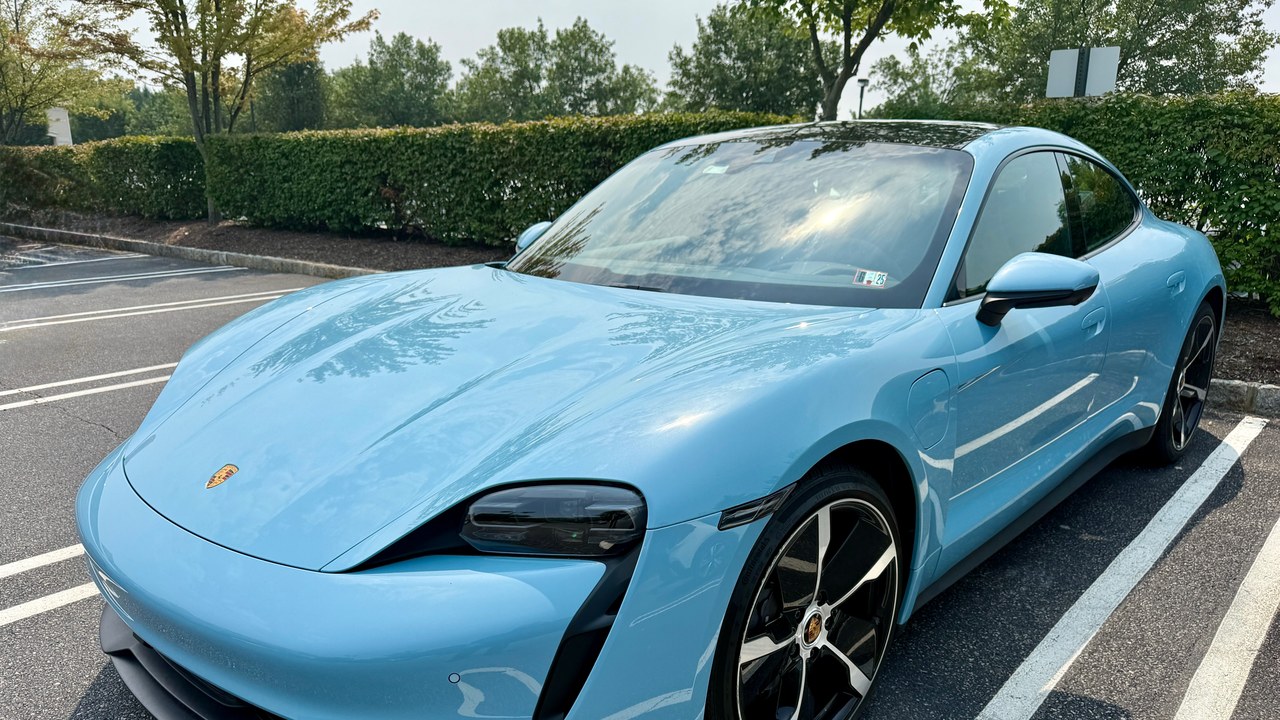
Porsche itself quotes up to 320 kW for the Taycan equipped with the Performance Battery Plus, from 10 to 80 percent state of charge under optimal conditions, as stated on Porsche’s official Taycan page. The wording matters: the figure is tied to a specific battery option and to ideal circumstances.
Owners shopping the Taycan should confirm that the battery option is on the car being priced, because the peak rate belongs to that pack. Cold weather, a busy station or a low-power charger will all pull real-world results below the brochure.
6. Lucid Air: Slower Than Its Own Sibling
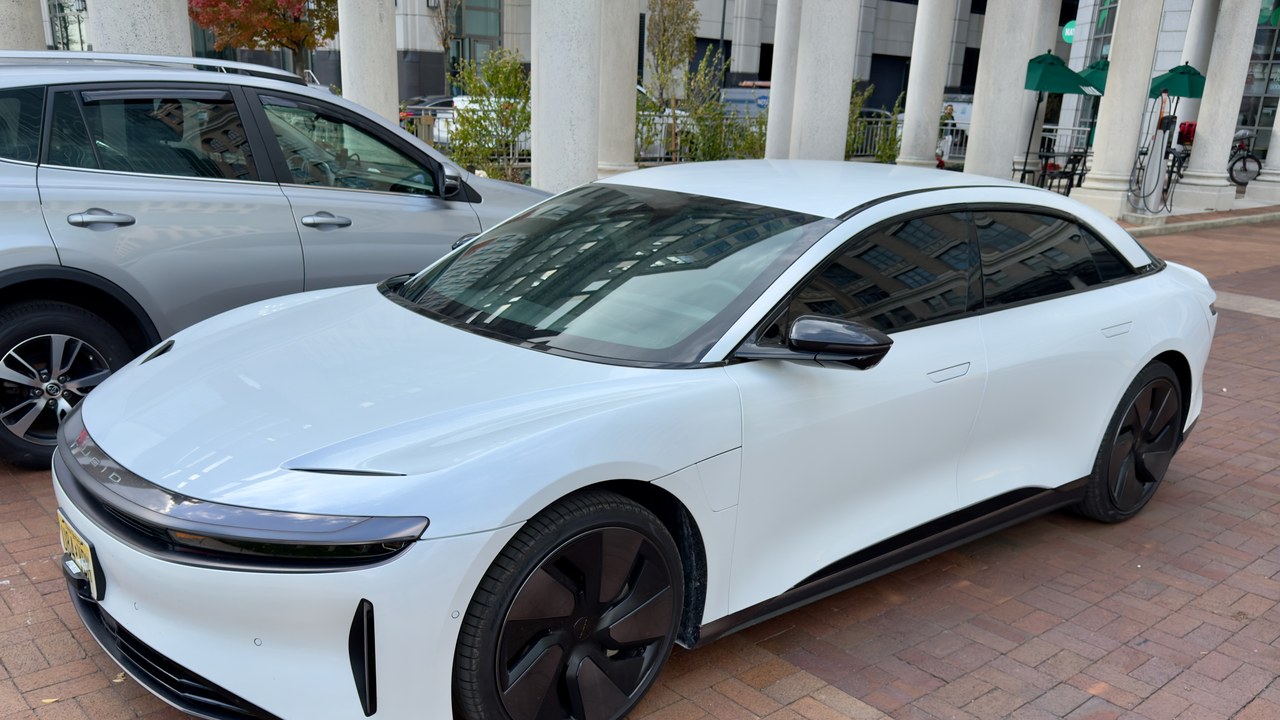
Lucid’s sedan peaks at 300 kW, which Recurrent’s fast-charging research places behind the company’s own Gravity SUV even though the Air is the lighter car. Weight alone, then, does not set how hard a pack can drink.
The gap shows that charging speed comes from battery and thermal engineering rather than from curb weight. A 300 kW peak is still a very high rate, so the Air stays well inside the fast end of the field.
7. Hyundai Ioniq 6: Eight Hundred Volts, Fast Miles
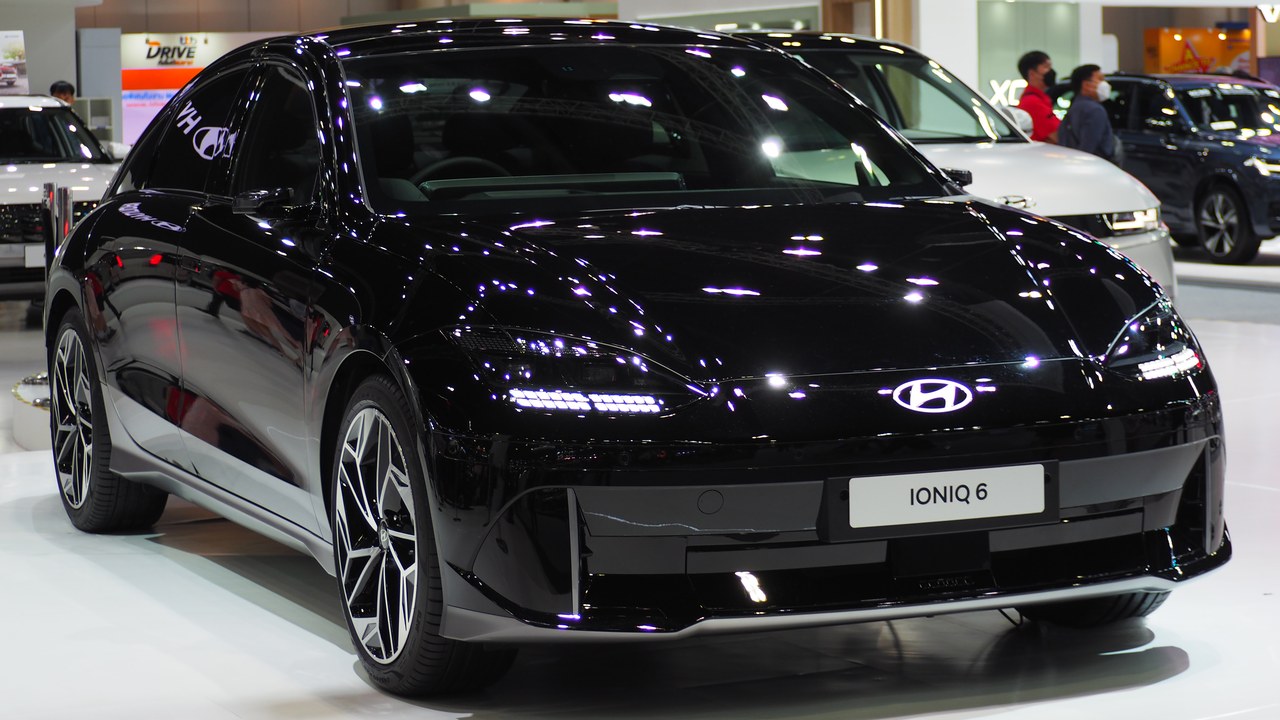
Hyundai’s streamlined sedan accepts 235 kW on an 800-volt architecture and adds 100 miles of range in 7.43 minutes, based on Recurrent’s charging data. The high-voltage design lets the car pull strong current without the cables and heat penalties of lower-voltage systems.
Measuring in miles added rather than percent is useful for drivers, since a coffee-length stop translates directly into distance. As with every figure here, a charger rated for the full 235 kW is needed to see it.
8. Genesis GV60: Genesis Matches the Korean Pace
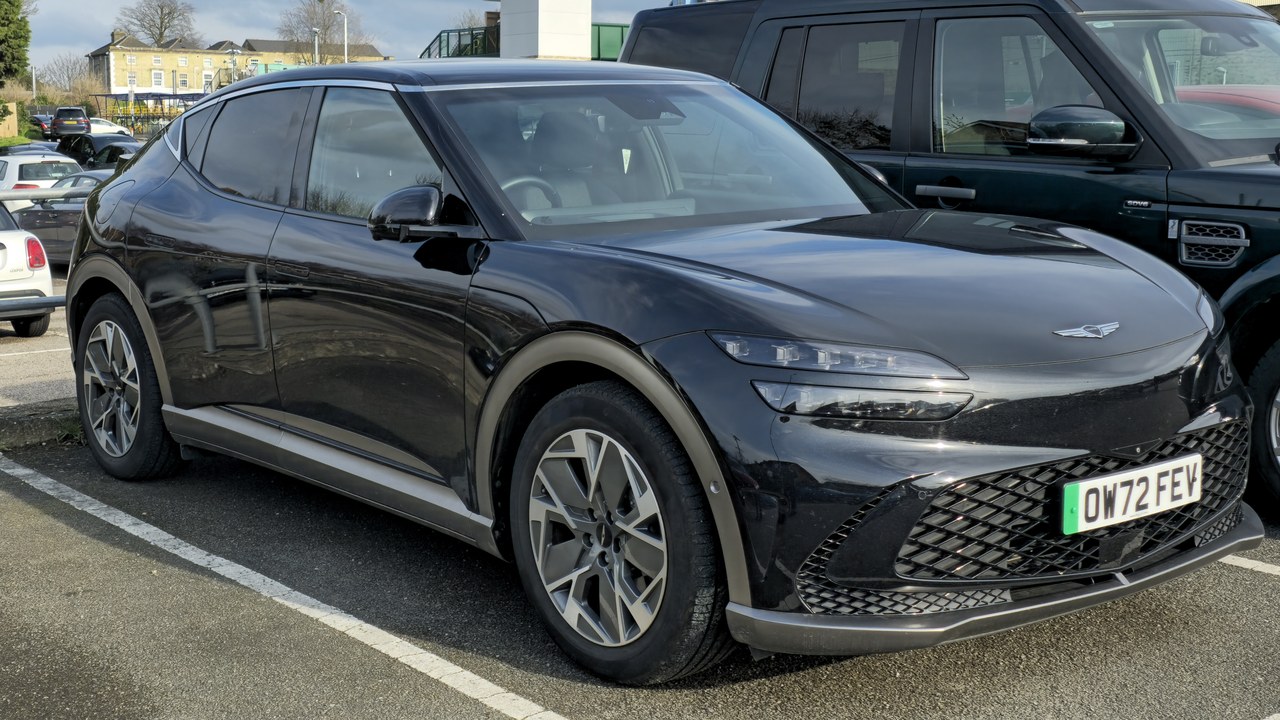
The compact Genesis crossover takes 233 kW on 800 volts and adds 100 miles in 8.8 minutes, per Recurrent’s 100-mile figures. That sits within a couple of kilowatts of its Hyundai cousin.
Slightly slower on the clock than the Ioniq 6, the GV60 still turns a short stop into a meaningful top-up. Shoppers should treat the 1.4 minute difference as minor next to the question of which chargers are nearby.
9. Tesla Model Y: Model Y Tops Out at 250
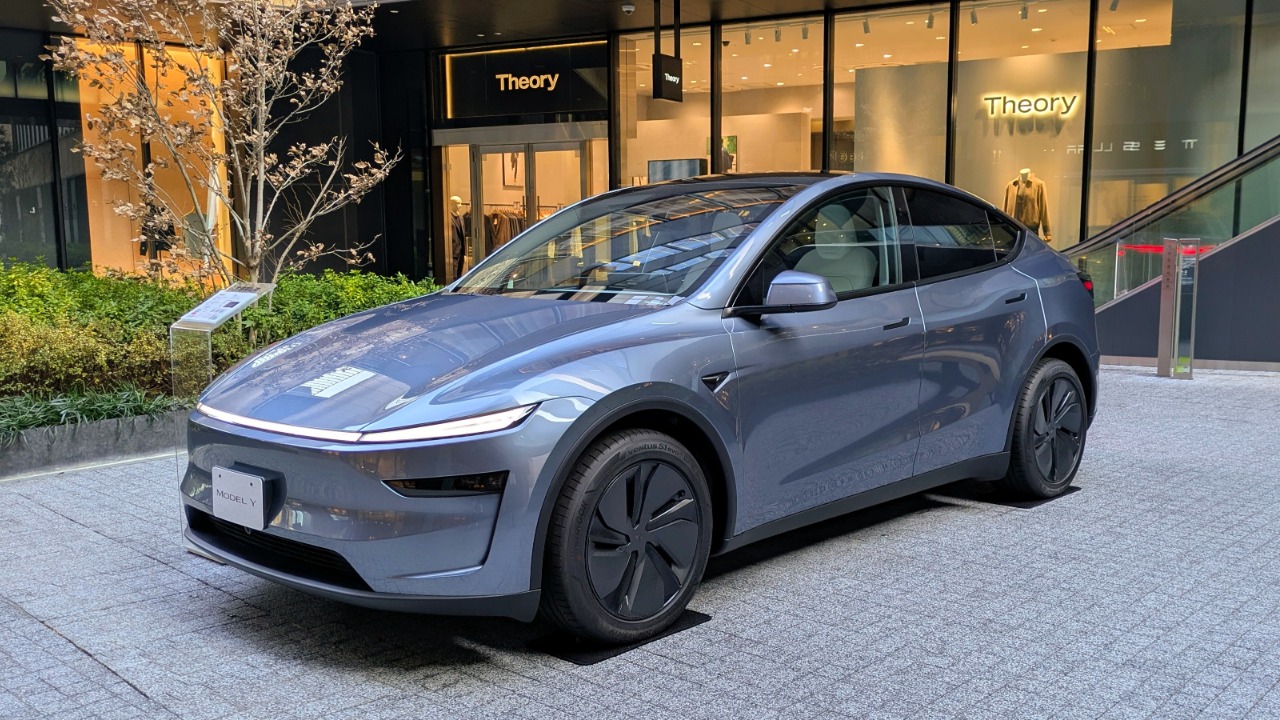
Tesla’s crossover caps at 250 kW, which Autoblog’s charging roundup notes is well below the 800-volt Korean and German cars ranked above it. The Model Y relies on a lower-voltage architecture, so its ceiling stays modest even though its network access is excellent.
For many owners the number matters less than the plug: Tesla’s own charging network is the draw. Anyone chasing the shortest possible stop, however, will find several rivals here that can accept considerably more power.
10. Audi e-tron GT: Grand Tourer, 22.5 Minutes
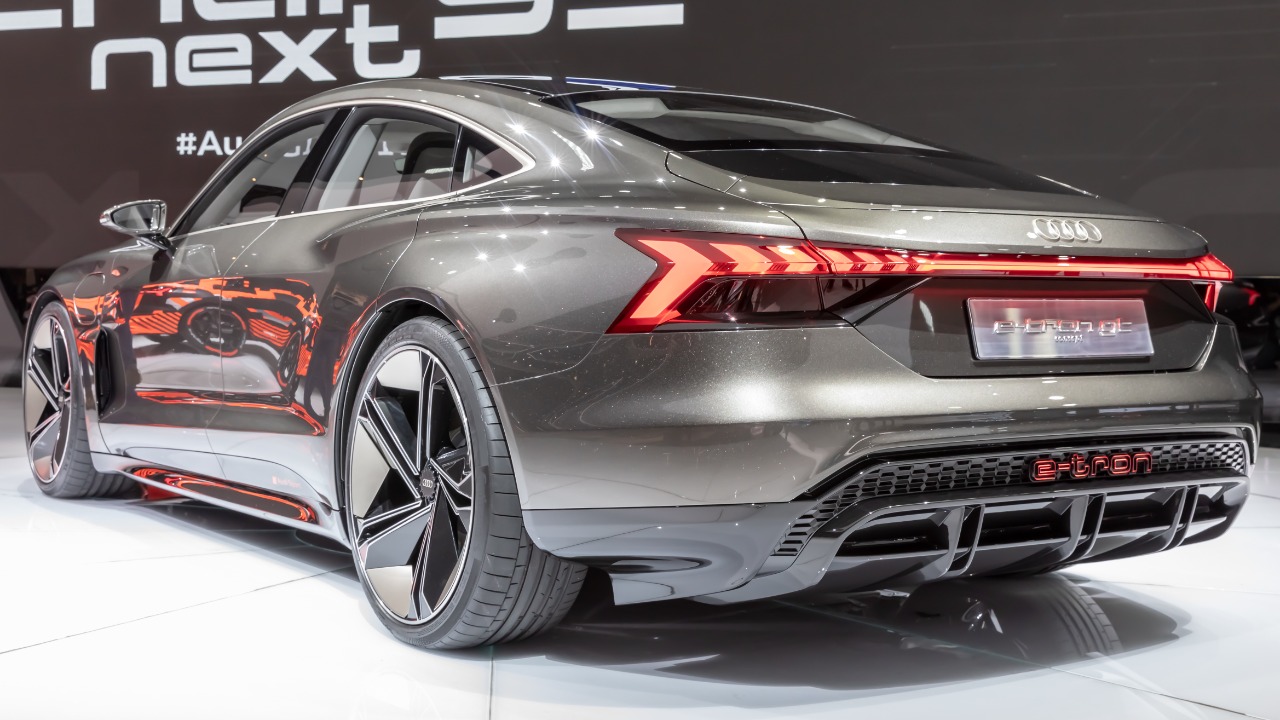
The Audi grand tourer peaks at 270 kW and completes a 10-80 percent charge in 22.5 minutes, according to the data at fast-charging data compiled by Autoblog. That places it above the Tesla and below the Taycan in raw rate.
Those figures date from a 2022 roundup, so they describe the car’s durable specification rather than any newer update. Owners planning long journeys can use the 22.5 minute number as a reasonable guide for a single fast-charging stop.
11. Rivian R1T: Adventure Truck Gets 220
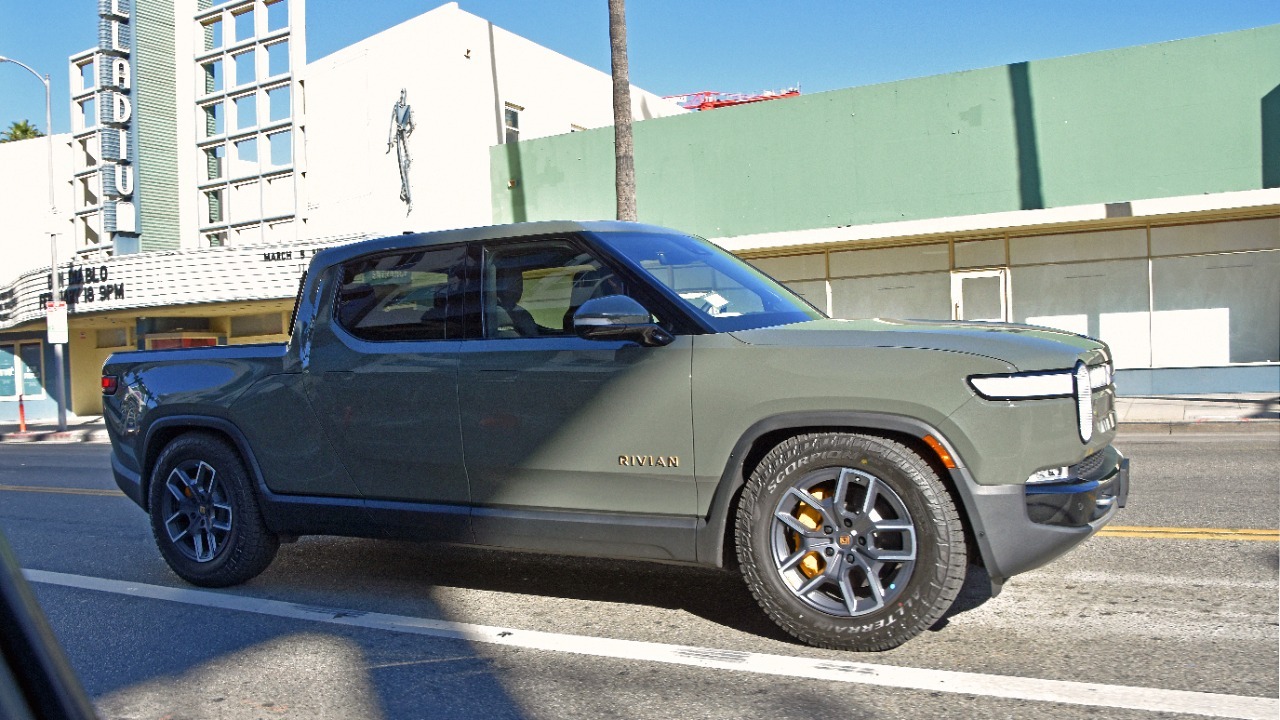
Rivian’s pickup peaks at 220 kW, a rate that, as Autoblog’s list of quickest chargers shows, trails every 800-volt car on the list. It is a capable truck with a big battery, but the charging ceiling is clearly lower than the group’s leaders.
Truck buyers who tow or camp should weigh that against the adventure-focused features that set the R1T apart. A slower peak means longer waits at the plug, though plenty of owners charge mostly at home overnight.
12. Ford F-150 Lightning: Slowest Here at 155 kW
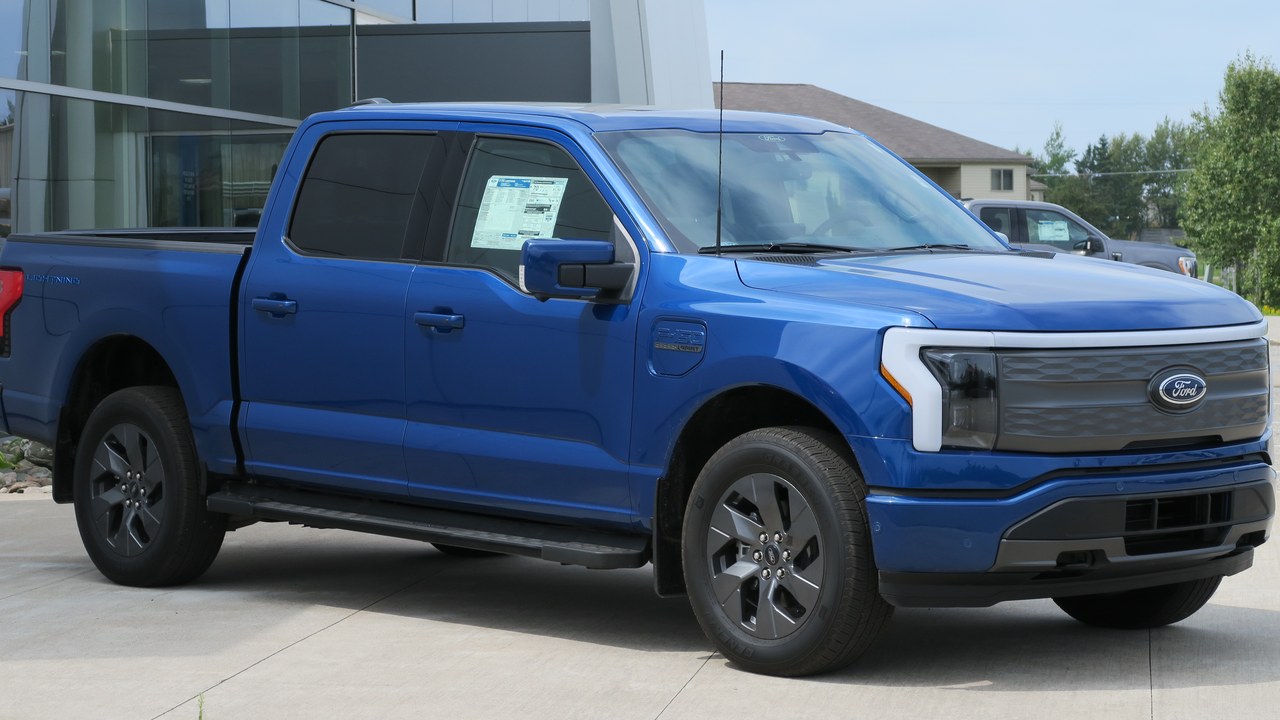
Ford’s electric pickup closes the list at 155 kW and needs 41 minutes to go from 10 to 80 percent, per Autoblog’s fastest-charging ranking. That is nearly double the time of the 22-minute cars near the top.
Workers and towers should plan longer breaks on a road trip, or lean on overnight home charging for daily needs. The Lightning’s appeal rests on its truck capability rather than on charging speed.
More from Morning Overview
- Invisible volcanic gas at a California ski resort has killed three ski patrollers
- Verizon just moved to cut landline phone service in 9 states within weeks
- Tropical Storm Rachel is dumping up to 12 inches on four Mexican states on its way to major hurricane strength
- The NSA is again telling phone owners to switch off one location setting
