
The V12 engine has been declared dead more times than any other part in a car, squeezed out by turbocharged sixes, hybrid batteries and emissions rules. Yet it survives in showrooms and used-car listings alike, from Italian supercars screaming past 9,000 rpm to British luxury cars built for hush rather than speed. Here are twelve cars sold in America, new or used, that still carry a twelve-cylinder engine.
1. Ferrari 12Cilindri: Nine-Thousand RPM Redline
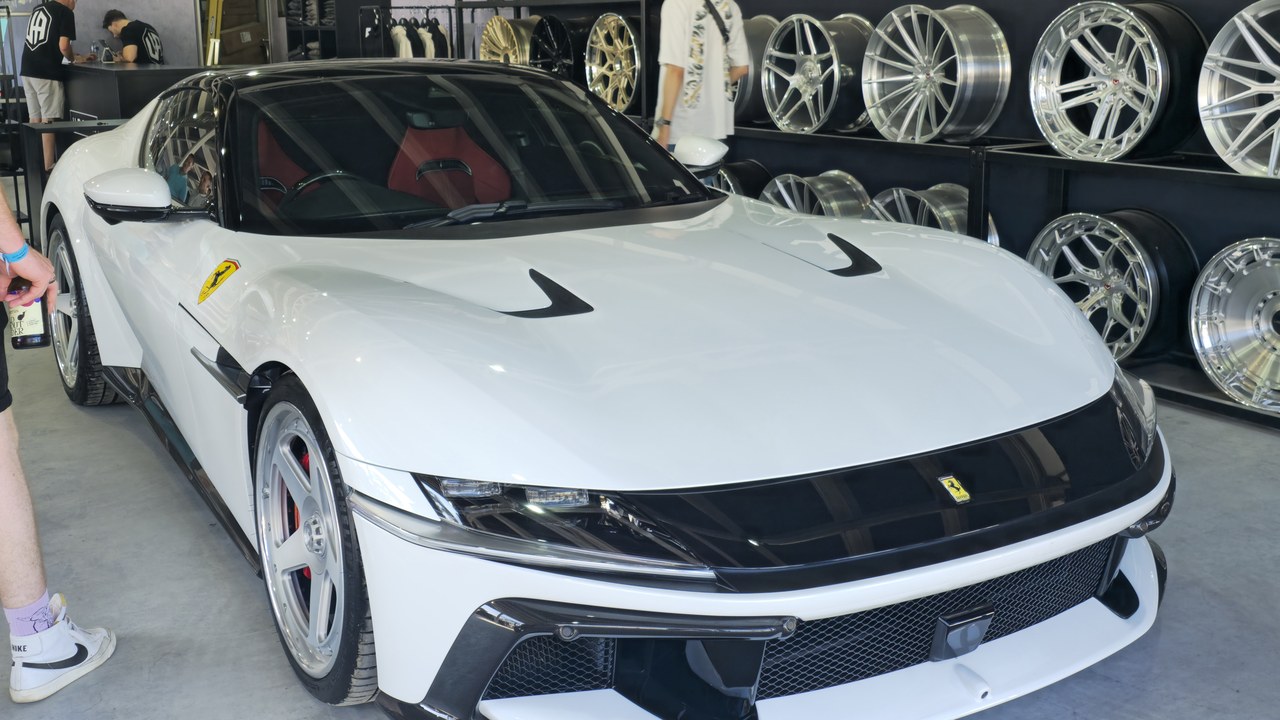
Ferrari’s 12Cilindri grand tourer pairs a naturally aspirated 6,496cc V-12 with a 9,250-rpm redline, an unusually high ceiling for a production engine that still relies on nothing but air and fuel to make its 819 horsepower.
No turbochargers and no electric motor step in to fill the low end, so the power arrives only as the engine climbs toward the top of its range, a trait most rivals abandoned years ago for instant torque. Ferrari names the model for its cylinder count and total displacement, a naming convention it revived after decades of alphanumeric badges, underlining how central the engine remains to the car’s identity.
2. Lamborghini Revuelto: A Hybrid With Three Motors
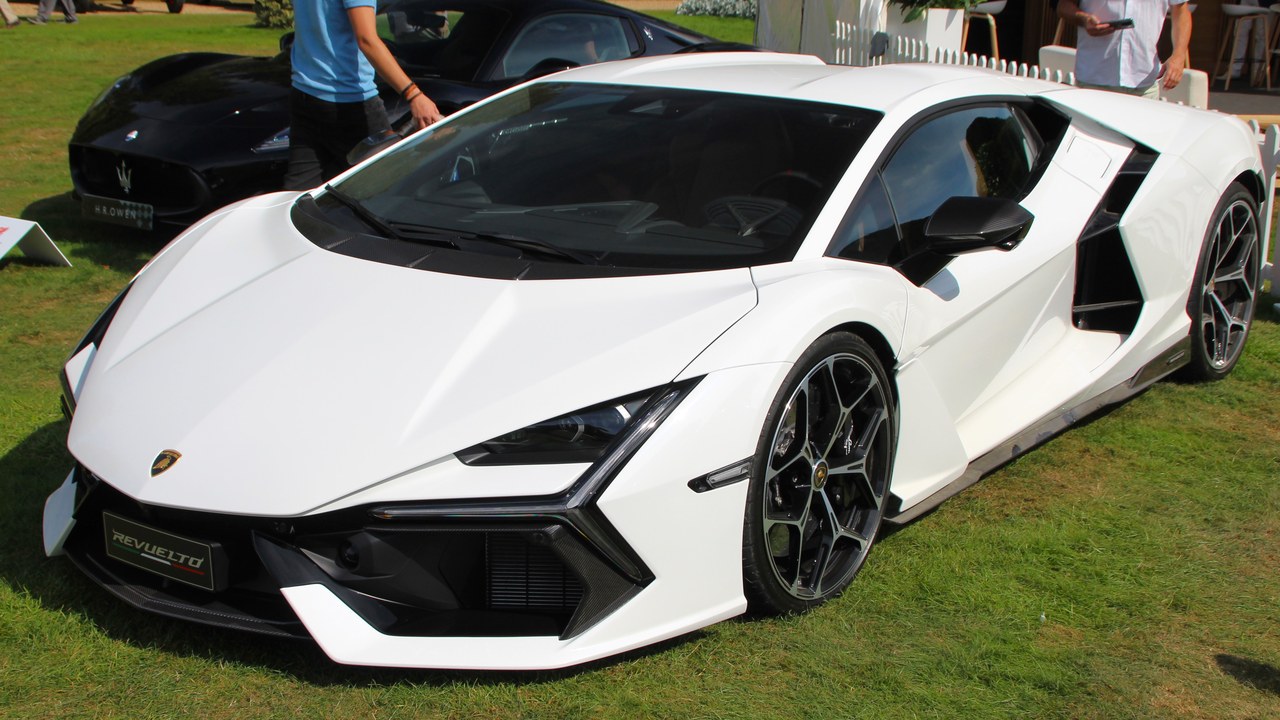
The Lamborghini Revuelto pairs an all-new V-12 with three electric motors, one for each front wheel and one built into the gearbox, for a combined output Lamborghini rates at 1,015 CV, or 747 kilowatts.
The electric motors fill in torque at low revs and allow a short pure-electric crawl through city streets, a concession to emissions rules that still leaves the V-12 doing most of the work above idle. Lamborghini designed this V-12 from scratch rather than carrying over the unit used in the Aventador, the first entirely new twelve-cylinder architecture the brand has introduced in more than two decades.
3. Aston Martin Vanquish: Front Mid-Engine, 214 MPH
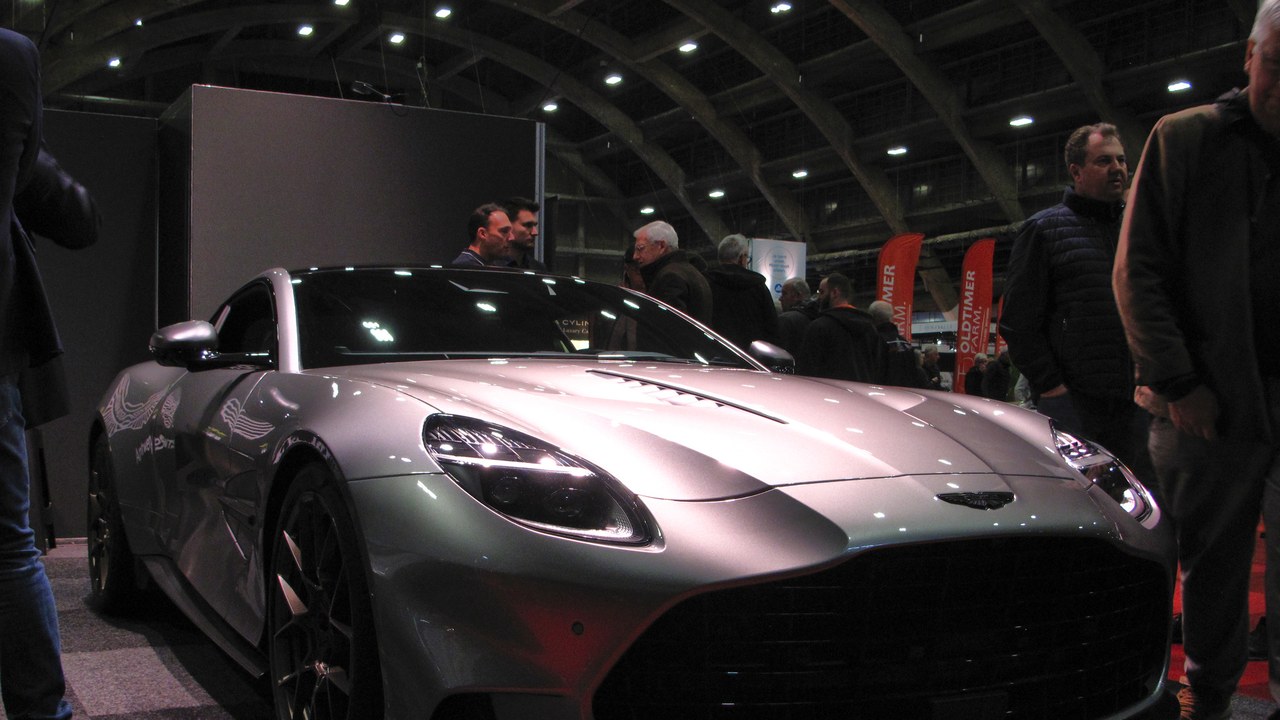
The Aston Martin Vanquish mounts its 5.2-liter twin-turbocharged V-12 behind the front axle rather than over it, a layout Aston calls front mid-engine, and tunes it to 835 PS for a claimed top speed of 214 mph.
That places it above every other production Aston Martin on sale, built around the same basic V-12 architecture the brand has used across several model generations rather than a clean-sheet replacement. Aston Martin builds the Vanquish in low volume alongside its other V-12 models, keeping the layout even as competitors increasingly move their largest engines to a mid-mounted position for weight distribution.
4. Ferrari 812 Superfast: The Last Naturally Aspirated V12
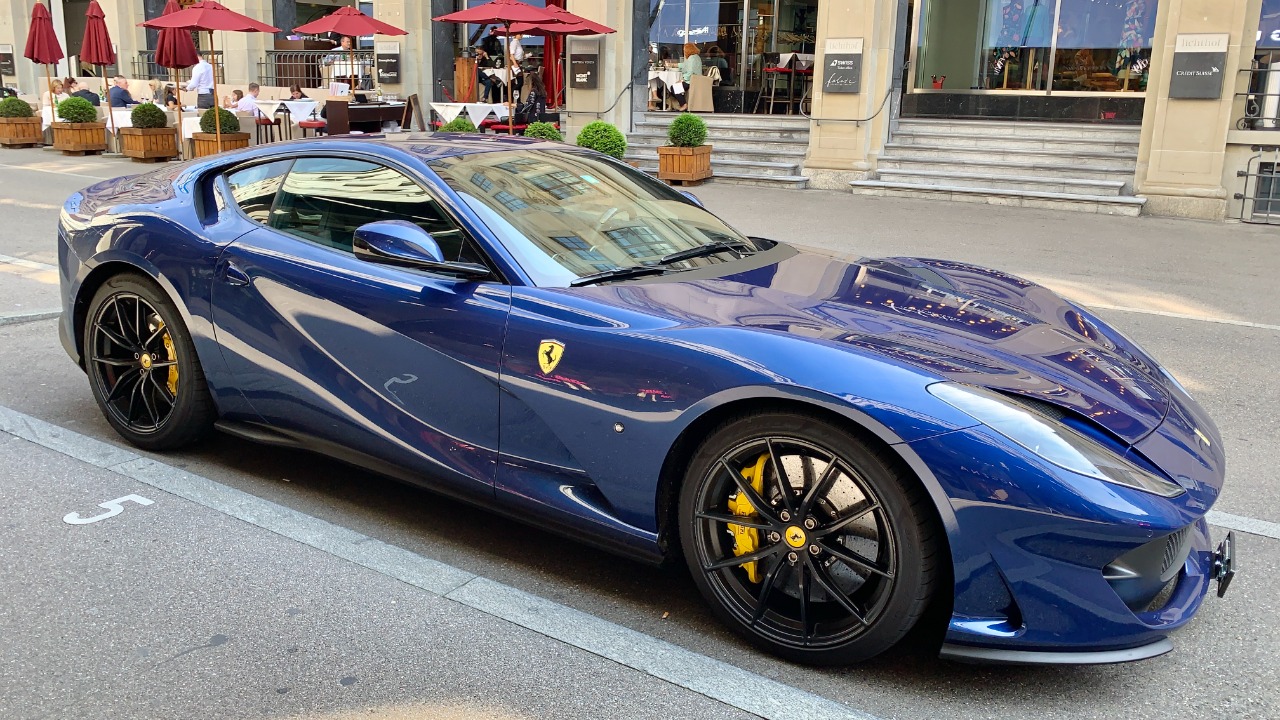
Ferrari’s 812 Superfast uses a 65-degree V-12 displacing 396 cubic inches, or 6.5 liters, tuned to produce 800 cv at 8,500 rpm without any turbocharging or forced induction.
It sits in front of the driver rather than behind, a traditional grand-touring layout Ferrari has kept even as the rest of its lineup shifted toward mid-engine and hybrid architecture. The 812 name itself encodes the specification, eight liters rounded up and roughly twelve hundred horsepower per liter in Ferrari’s shorthand, a naming pattern the brand has used on several of its front-engine V-12 models over the years.
5. Rolls-Royce Phantom: Power Delivered Almost At Idle
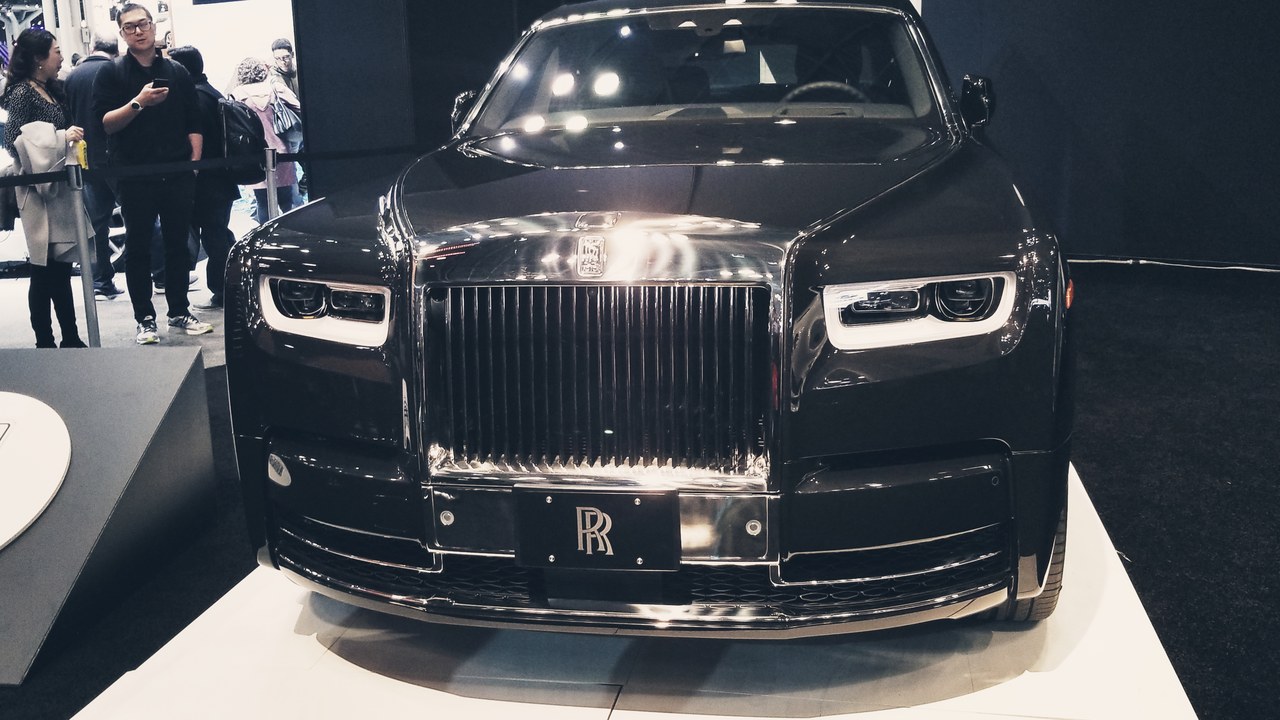
The Rolls-Royce Phantom runs a 6,749cc twin-turbocharged V-12 tuned for effortlessness rather than drama, producing 563 horsepower alongside 664 pound-feet of torque that peaks at just 1,700 rpm.
That low peak means the flagship sedan pulls hardest almost as soon as the engine is turning over, matching Rolls-Royce’s stated goal of a car that never appears to be working hard even at high speed on a highway. Rolls-Royce has used some version of a V-12 in every Phantom generation since the 1990s, treating the cylinder count as a baseline expectation for its flagship rather than a marketing feature to highlight.
6. Rolls-Royce Cullinan: The Same V12 In An SUV
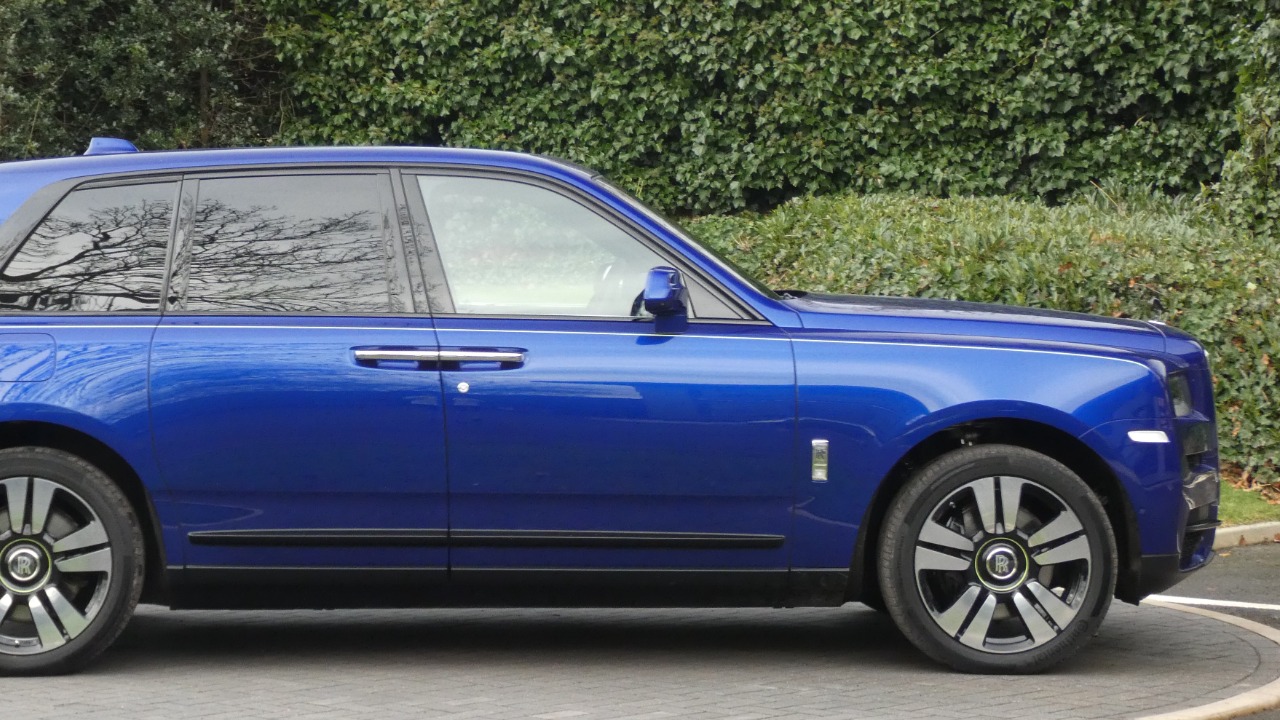
Rolls-Royce fits the Cullinan SUV with the same family of twin-turbocharged 6.7-liter V-12 used across its sedans, rated at 563 horsepower in standard form and 592 horsepower in Black Badge trim.
It is the brand’s first SUV and the only V-12 off-road-capable Rolls-Royce has built, aimed at buyers who want the marque’s traditional engine without giving up ground clearance or a raised seating position. Rolls-Royce positions the Cullinan as the SUV equivalent of the Phantom, carrying over the same engineering philosophy of a quiet, torque-heavy V-12 rather than adopting a smaller engine to suit a taller body.
7. Lamborghini Aventador: The Last Non-Hybrid Flagship
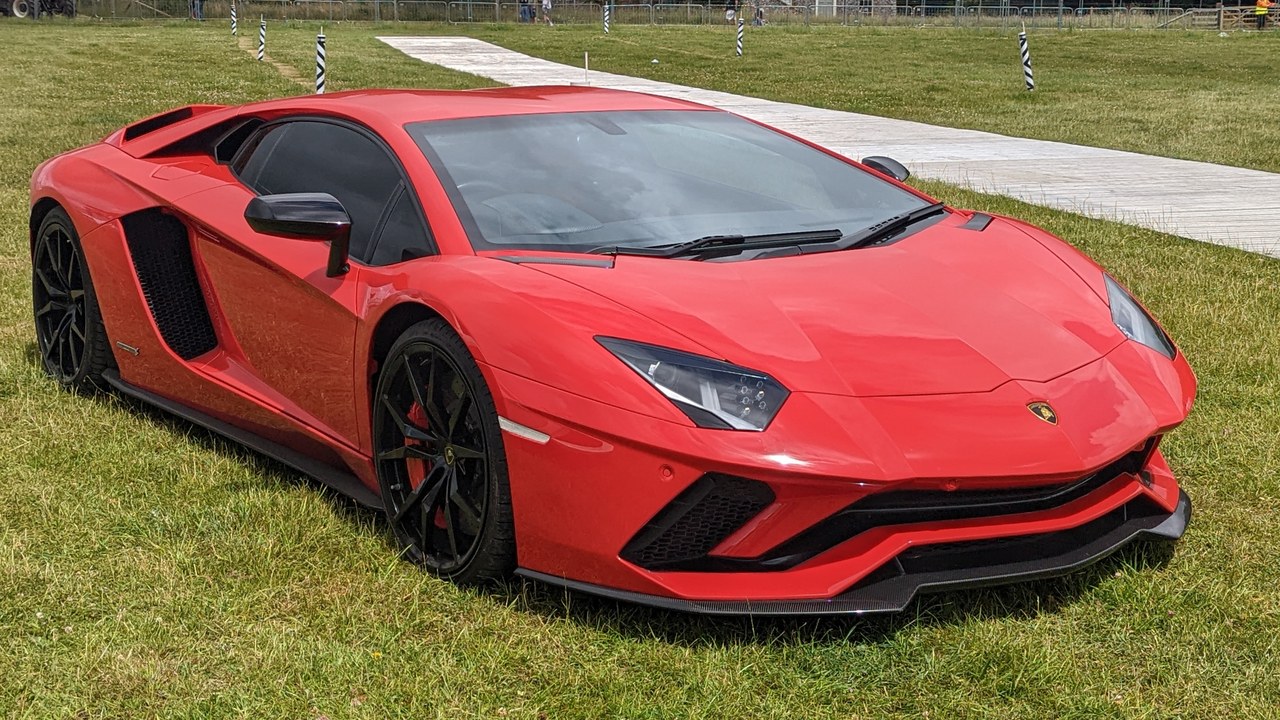
The Lamborghini Aventador carries a naturally aspirated V-12 rated at 769 horsepower, revving freely with no turbochargers, superchargers or electric motors supplementing its output.
Lamborghini has since moved its flagship to the hybrid Revuelto, making the Aventador the automaker’s last purely gasoline-powered halo car and, for now, the end of a naturally aspirated V-12 line that traces back through several earlier Lamborghini generations. The Aventador remained in production for well over a decade, one of the longest runs for any Lamborghini flagship, before the Revuelto took over as the brand’s V-12 hybrid successor.
8. Pagani Huayra: An AMG Engine In An Italian Body
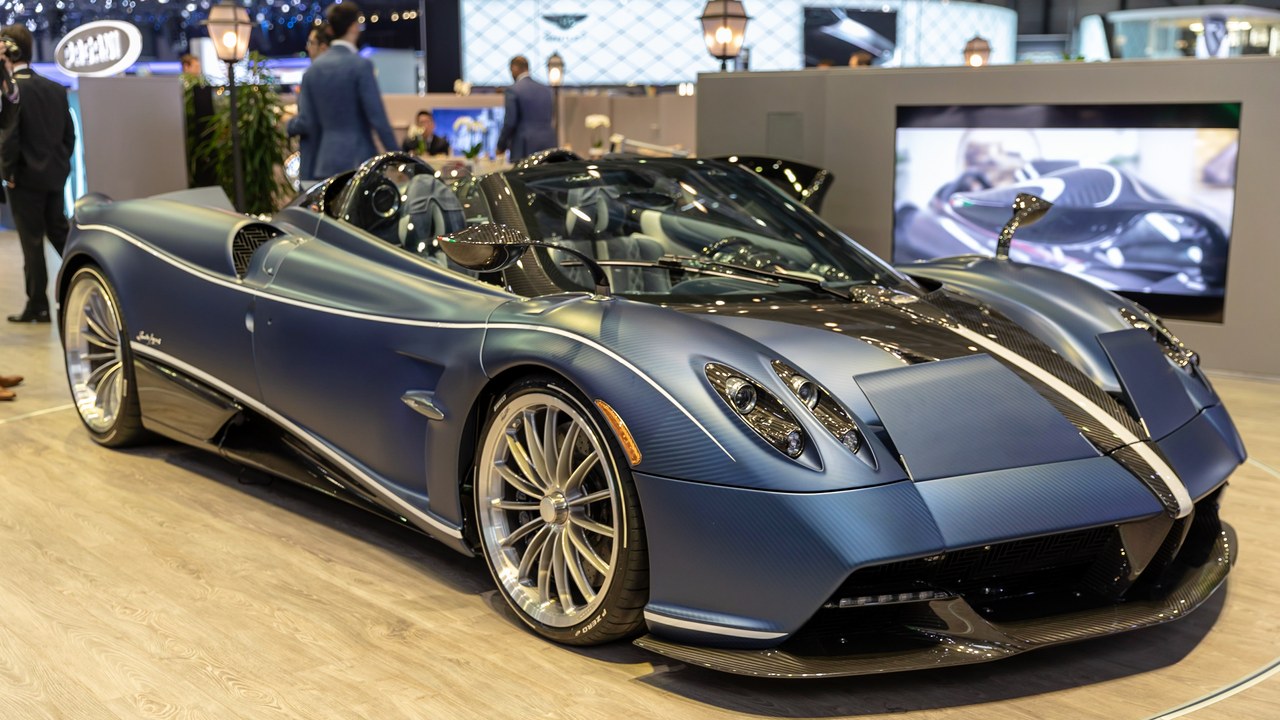
The Pagani Huayra uses a twin-turbocharged 5,980cc V-12 built by Mercedes-AMG specifically for Pagani, producing 791 horsepower and 774 pound-feet of torque at a relatively low point in the rev range.
Pagani builds only a small number of cars each year, hand-assembling the carbon-fiber body around an engine sourced from a mainstream manufacturer rather than developing one in-house, a rare arrangement among cars in this class. Pagani has used Mercedes-AMG-built V-12 engines across every model it has produced since founding the company, treating the outsourced engine as a foundation rather than a compromise on an otherwise handbuilt car.
9. BMW M760i xDrive: Sixteen Miles Per Gallon, By Design
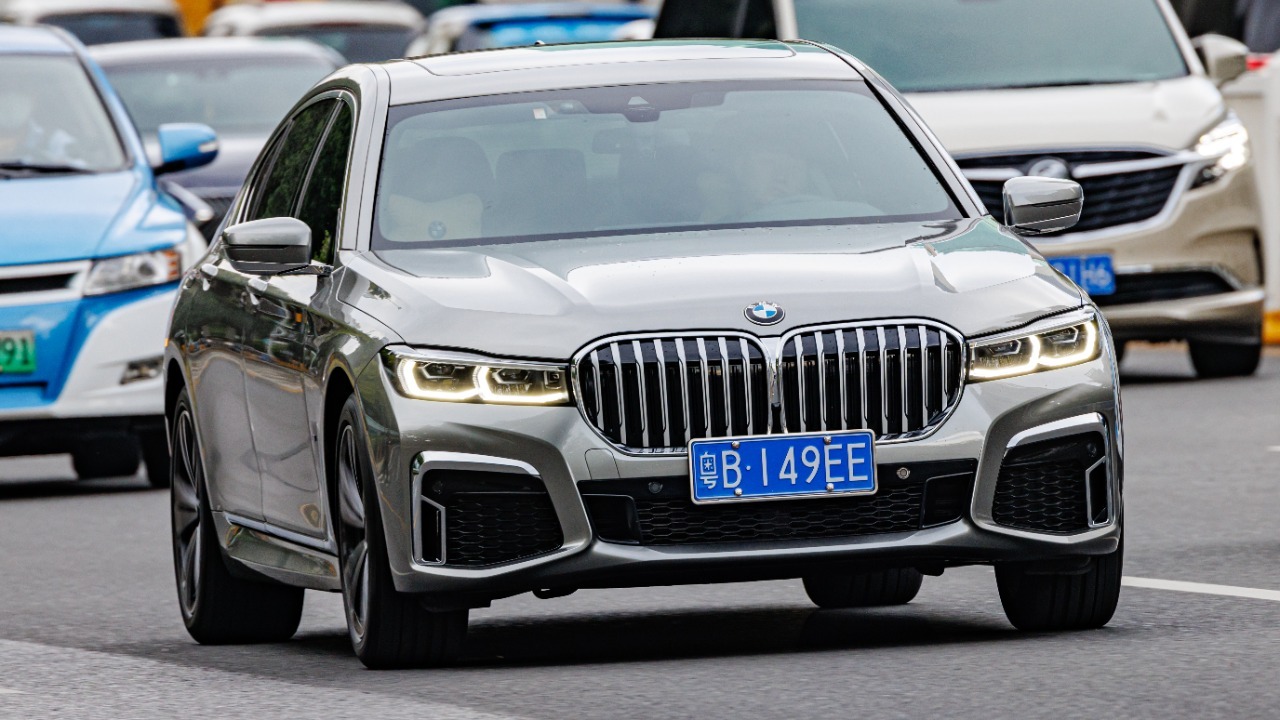
Federal fuel-economy records for the BMW M760i xDrive list a turbocharged 6.6-liter twelve-cylinder engine rated at 16 miles per gallon combined, low enough to trigger the federal gas-guzzler tax.
The M760i put a twelve-cylinder engine inside BMW’s standard 7 Series body rather than a dedicated supercar shell, offering the cylinder count in a full-size sedan built for chauffeur-driven comfort rather than outright lap times or track performance. BMW offered the M760i as the range-topping variant of its 7 Series sedan, positioning the twelve-cylinder engine as the ultimate expression of the model line rather than a separate performance sub-brand.
10. Mercedes-Benz S600: Mercedes’ Quietest Flagship Engine
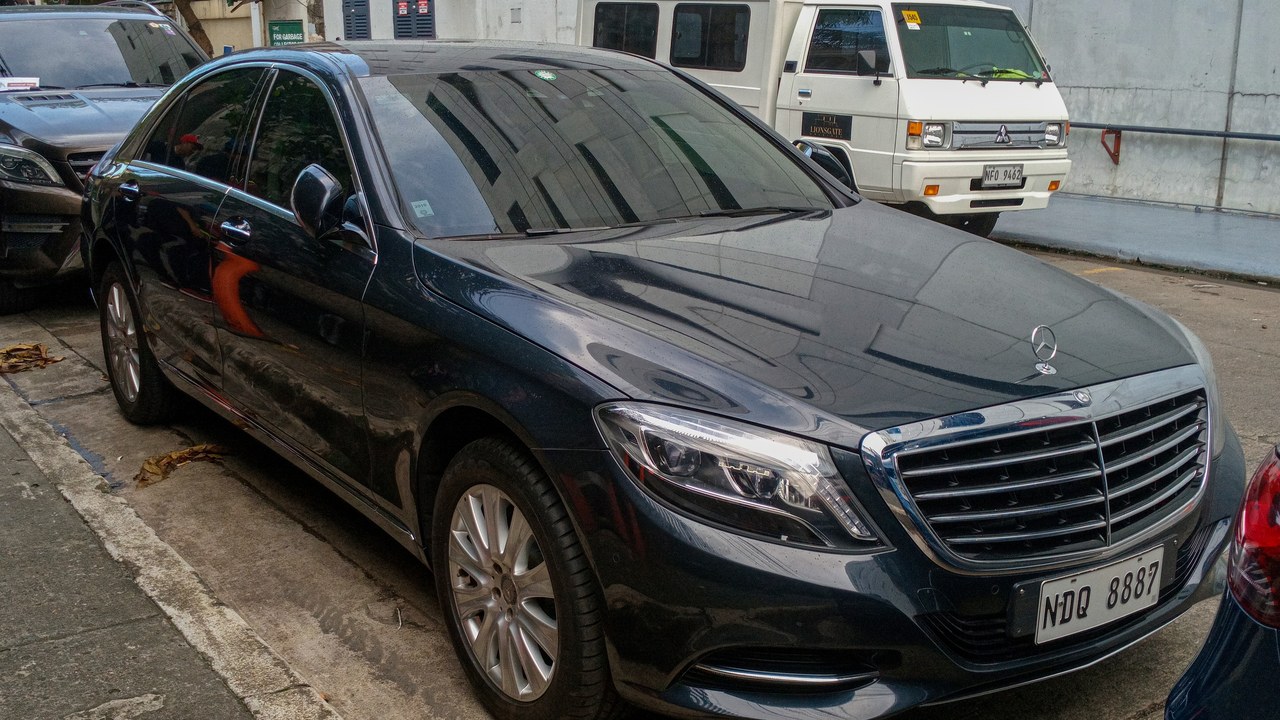
EPA records for the Mercedes-Benz S600 list a turbocharged 6.0-liter twelve-cylinder engine rated at 16 miles per gallon combined and 14 in the city, figures logged well below the average for a full-size luxury sedan.
Mercedes built the S600 as the flagship of the long-running S-Class range, reserving the twelve-cylinder engine for the top trim while V-8 and V-6 versions handled the rest of the lineup at far better fuel economy. Mercedes eventually folded the badge into its Maybach sub-brand for later generations, keeping the twelve-cylinder engine reserved for the most expensive version of the S-Class rather than offering it more broadly.
11. Jaguar XJS V12 Coupe: A Coupe Taxed As A Guzzler
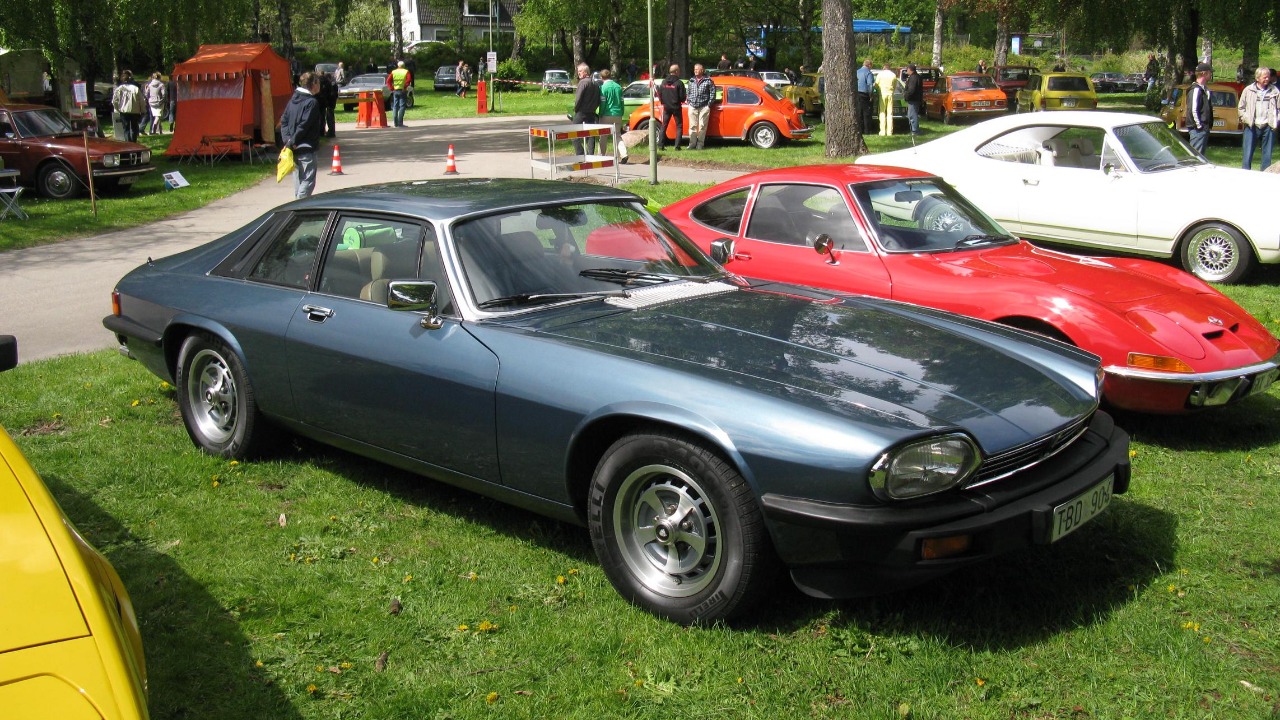
EPA records for the Jaguar XJS V12 Coupe list a 6.0-liter twelve-cylinder engine rated at 13 miles per gallon combined, low enough for the federal government to apply its gas-guzzler tax at the time of sale.
The XJS carried Jaguar’s V-12 through a long production run spanning multiple decades, outliving several of the sedans it was originally related to and remaining available used long after the factory line closed. Jaguar built the XJS as a grand tourer rather than an outright sports car, and the V-12 version remains sought after on the used market decades after the factory line closed.
12. BMW 850CSi: A Manual Gearbox With Twelve Cylinders
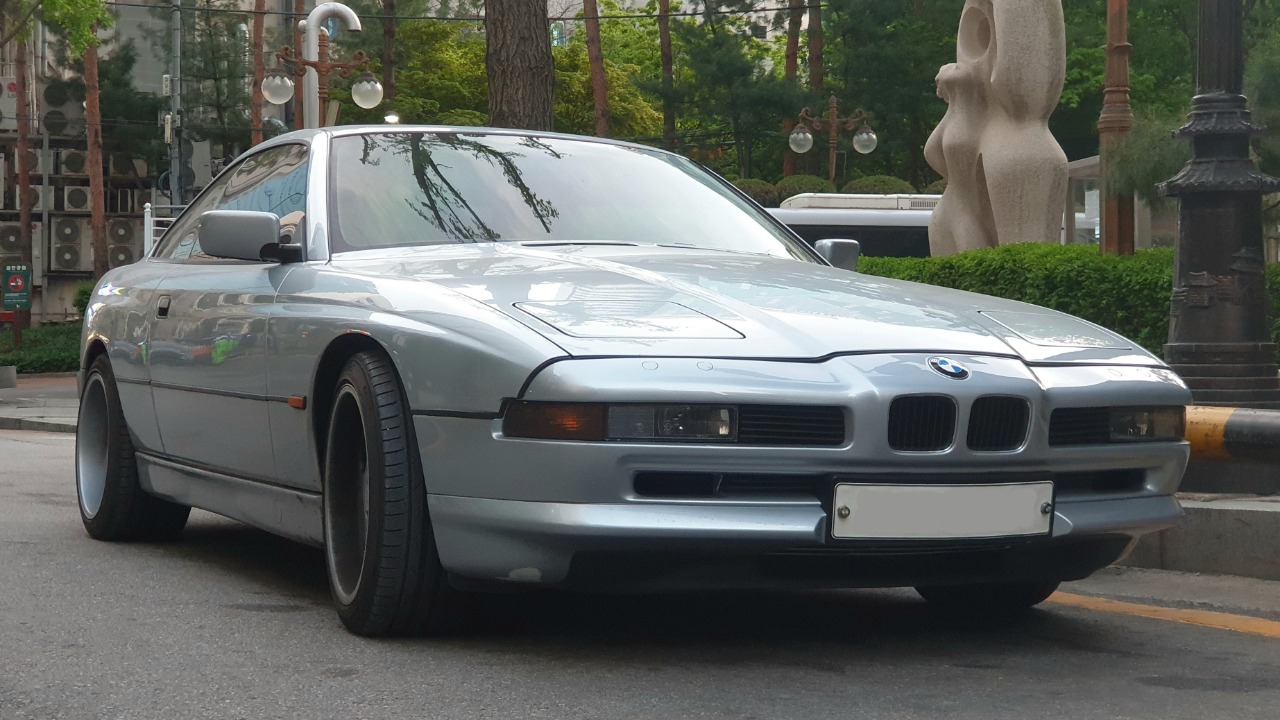
EPA records for the BMW 850CSi list a twelve-cylinder engine paired with a six-speed manual transmission, an unusual combination rated at 13 miles per gallon combined and taxed as a guzzler.
Most twelve-cylinder cars, then and now, are sold exclusively with automatic or dual-clutch transmissions, making the 850CSi’s manual gearbox one of the few ways to shift a V-12 by hand rather than let software do it. BMW built the 850CSi in limited numbers as the performance flagship of its 8 Series coupe, and the manual-only pairing with a twelve-cylinder engine has never been repeated by the brand since.
More from Morning Overview
