
Federal rules keep many foreign cars out of the United States until they reach a certain age. That quarter-century threshold has turned once-forbidden Japanese and European models into legal, collectible imports. Here are twelve cars that Americans had to wait years to legally bring home.
1. Nissan Skyline GT-R: The R34 Question
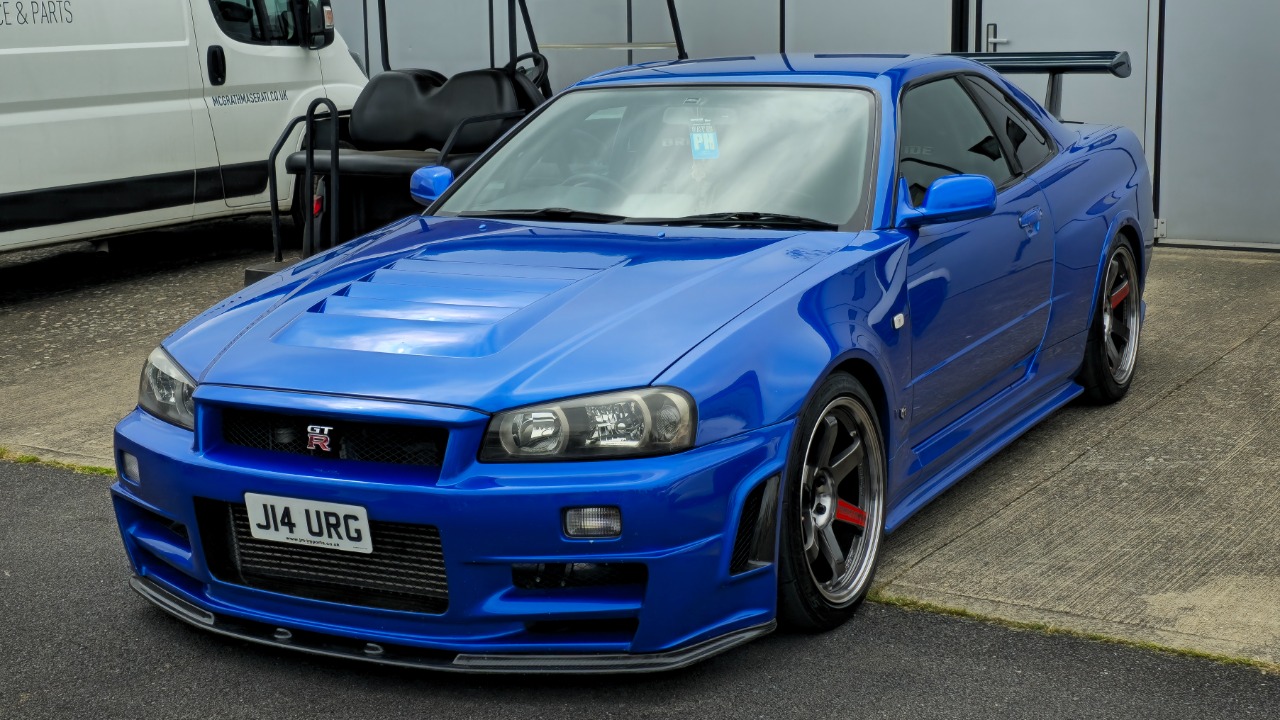
Among the Japan-only names flagged in a cars turning 25 guide, the Skyline R34 variants stand out as heroes that never had an official American showroom run. Hypercars.io lists them as newly import-eligible 2001 models, meaning each car qualifies once 25 years have passed since it was manufactured.
For a prospective buyer, the date that counts is the month of manufacture rather than the model year, so individual cars can fall on either side of a calendar boundary. Condition, documentation and import paperwork still matter as much as the age rule itself.
2. Mitsubishi Lancer Evolution: Rally Homologation Reaches Eligibility

Hypercars.io names the Lancer Evolution VII as a Japan-only 2001 model among the 2001 models that become import-eligible. A rally-bred sedan sold new only abroad, it joins the group of performance cars that the federal age rule finally opens to American owners.
The appeal is straightforward: a turbocharged, all-wheel-drive four-door that was long out of reach in the United States. Buyers should still expect the usual import work, including shipping, customs entry and state registration, once the car passes the 25-year line.
3. Subaru Impreza WRX STI: Blue-Collar Rally Hero
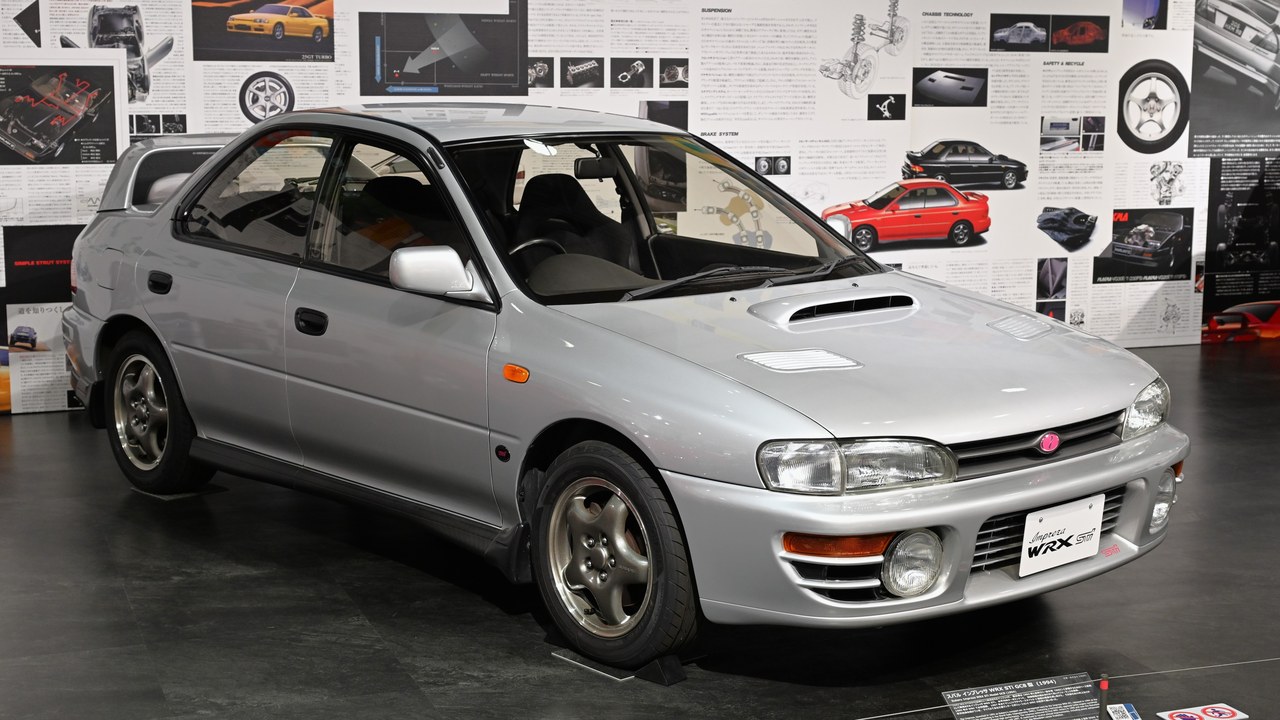
The Impreza WRX STI in its GDB form appears on the Hypercars.io list of 2001 models reaching import eligibility. That placement reflects the same rule applied to the Skyline and Lancer Evolution: age counted from the manufacture date, not from the year of registration.
Enthusiasts have waited for this generation because the STI formula, with its turbocharged flat-four and all-wheel drive, was rarely offered in the same specification on the American market. Anyone shopping should verify the build date on the plate before agreeing to a price.
4. Mitsubishi Delica: The Van Nobody Sold Here
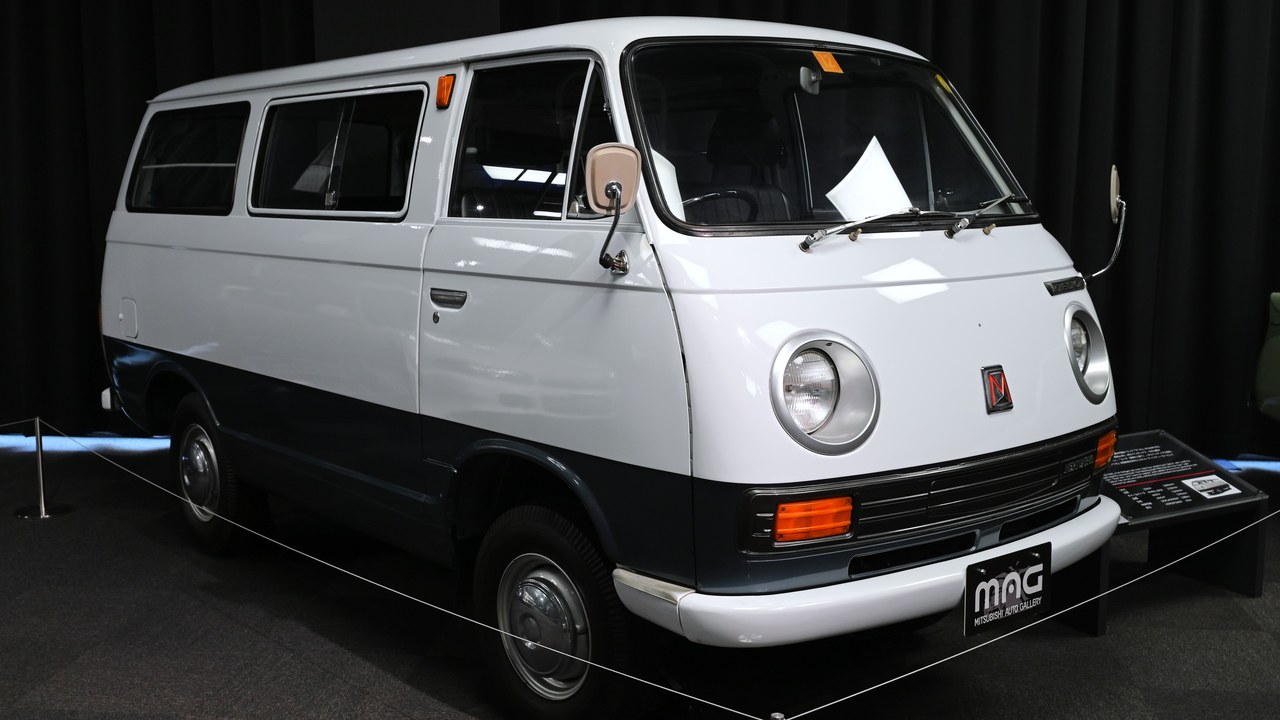
Cheapism’s minivan history overview says the Delica 4WD, built from 1986 to 2007, was never sold new in the United States. Enthusiasts instead buy used imports, which makes the Delica one of the clearest examples of a vehicle whose American ownership depends entirely on the import rules.
Because production spanned two decades, eligibility varies by build date, with the earlier vans clearing the age threshold first. Buyers weighing a Delica should treat the manufacture date as the deciding fact and check it before committing to shipping or registration.
5. Nissan Figaro: Retro Charm on a Clock

A car like the Figaro may enter the country without Federal Motor Vehicle Safety Standards compliance once it is 25 years from manufacture. According to NHTSA importation guidance, a vehicle at least that old can be lawfully imported regardless of whether it meets those standards, counting from its manufacture date.
That single sentence of federal guidance is the engine behind the entire list. For a Figaro, a boutique retro coupe, the practical effect is that eligibility follows the build date, and the car is judged by age rather than by its original safety specification.
6. Honda Beat: A Tiny Roadster Comes Of Age
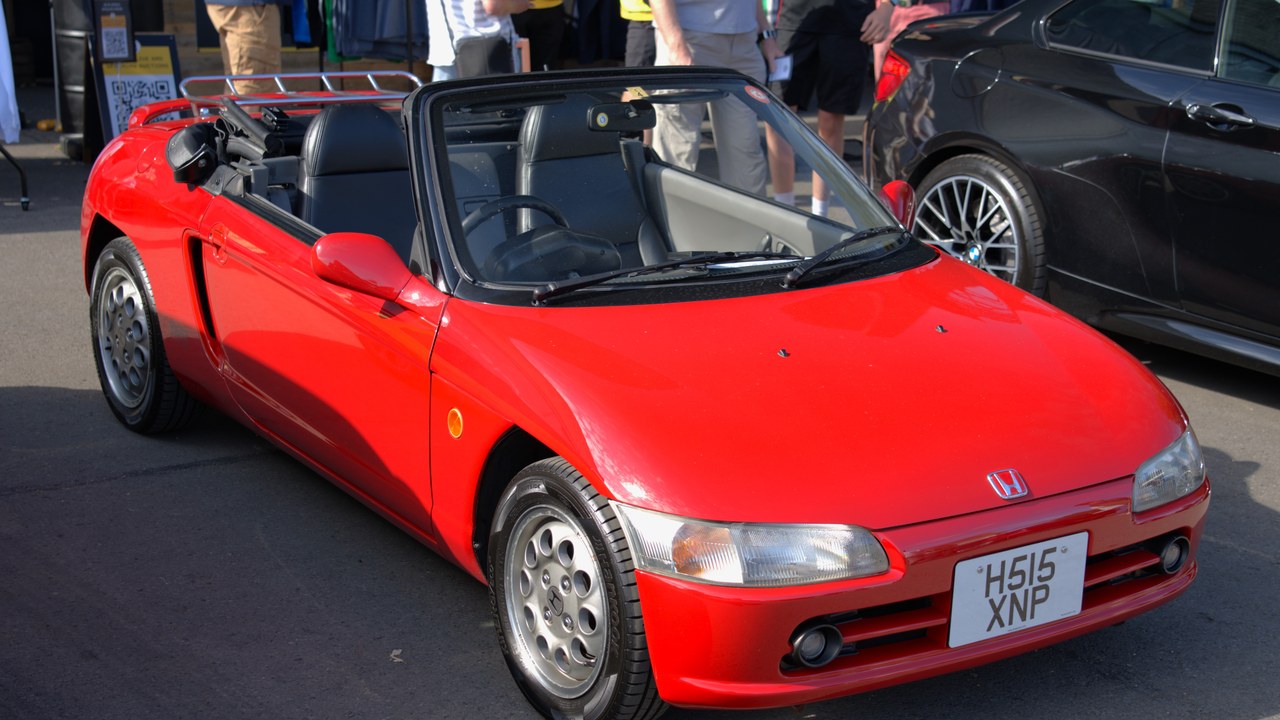
The Honda Beat falls under the same federal rule as the Figaro. NHTSA’s importation FAQ states that a vehicle at least 25 years old can be lawfully imported without regard to Federal Motor Vehicle Safety Standards compliance, with the clock running from the date of manufacture.
For a small open two-seater built for the Japanese domestic market, that rule is what turns a distant curiosity into a car an American can legally own. Buyers still face customs entry and state titling, and the exact build date determines when a given Beat qualifies.
7. Toyota Century: Limousine Dignity, Imported
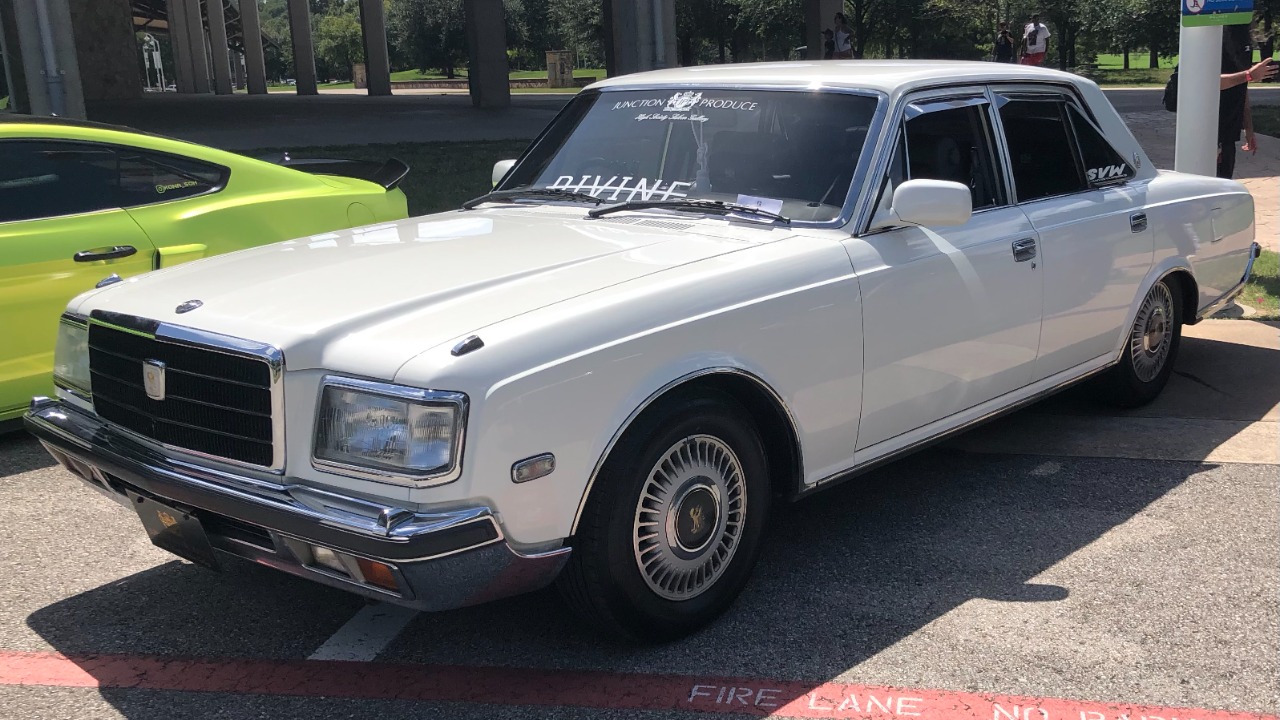
Once 25 years from manufacture, a car like the Century may enter without safety-standard compliance, and NHTSA’s guidance confirms that age is counted from the manufacture date. The Century, a formal Japanese sedan, therefore becomes importable on the same footing as far humbler cars.
The rule makes no distinction between a sports coupe and a chauffeur-driven saloon. What matters to an owner is the build date, the paperwork and the condition of a car that spent its life in a very different market from the one it is now entering.
8. Nissan Silvia: Drift Staple, Newly Legal

Wikipedia’s entry on the Nissan Silvia describes the Japanese-market coupe, spanning the S13 to S15 generations, as a popular import once it reaches 25 years of age. The rule applies to each generation in turn, so older versions cleared the threshold before later ones.
That staggered timeline means a buyer may find the S13 and S14 easier to import than the newest S15, depending on build dates. The age counted is from manufacture, so individual cars matter more than generation labels when confirming eligibility.
9. Toyota Supra: A Famous Coupe, Day One
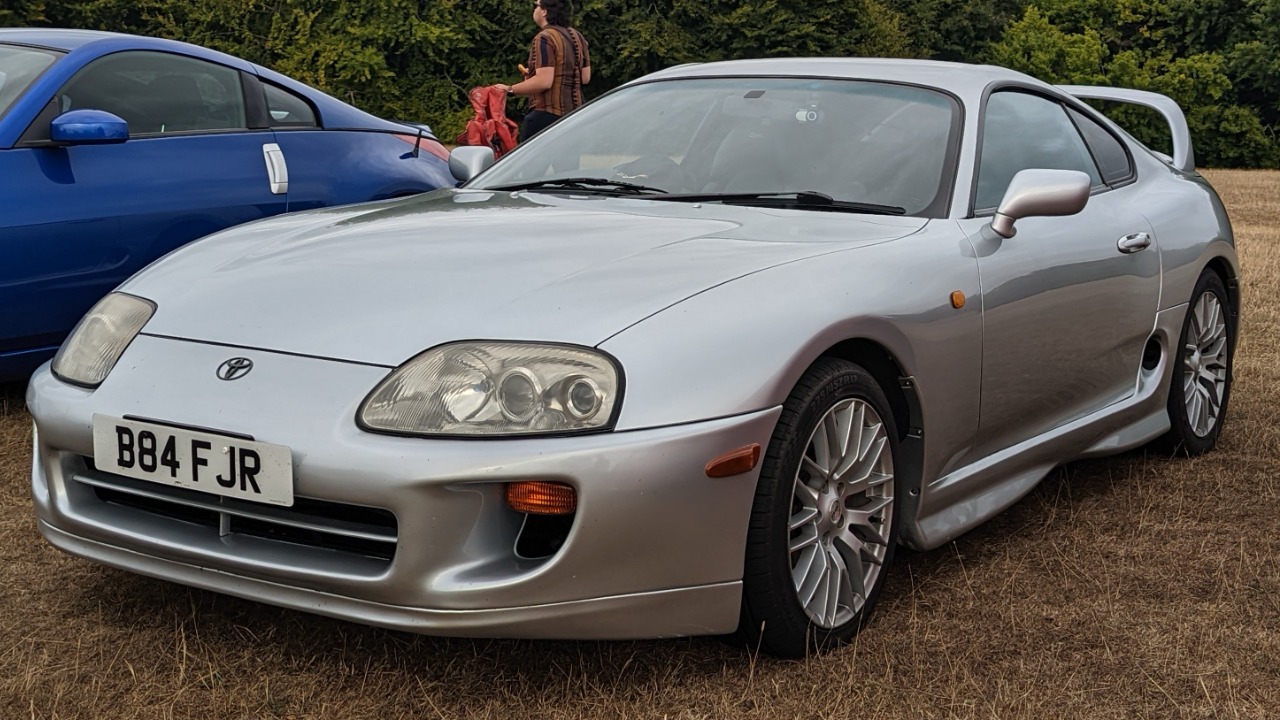
Japanese-market versions of the Supra become eligible at 25 years from manufacture, as Toyota Supra history outlines for the nameplate. The car’s pop-culture reputation, boosted by film and video games, has made the question of its legal import a persistent one among enthusiasts.
The age rule gives a clear answer without turning on fame or value. For a Japanese-market car, the manufacture date sets the line, and owners should also weigh the practicalities of importing a vehicle whose specification differs from the models sold in America.
10. Lancia Delta Integrale: The Homologation Special

The Lancia Delta Integrale was an Italian rally-homologation hatchback that was never sold new in the United States. That absence is exactly why it sits on a list of cars American buyers could not bring in until each example reached the age of 25.
Its racing pedigree gives it a following well beyond its modest size. A buyer pursuing one still has to establish the build date, arrange shipping from Europe and handle registration, because eligibility rests on age and not on rarity or reputation.
11. Mercedes-Benz 190E Cosworth: Compact Sedan, Cosworth Heart
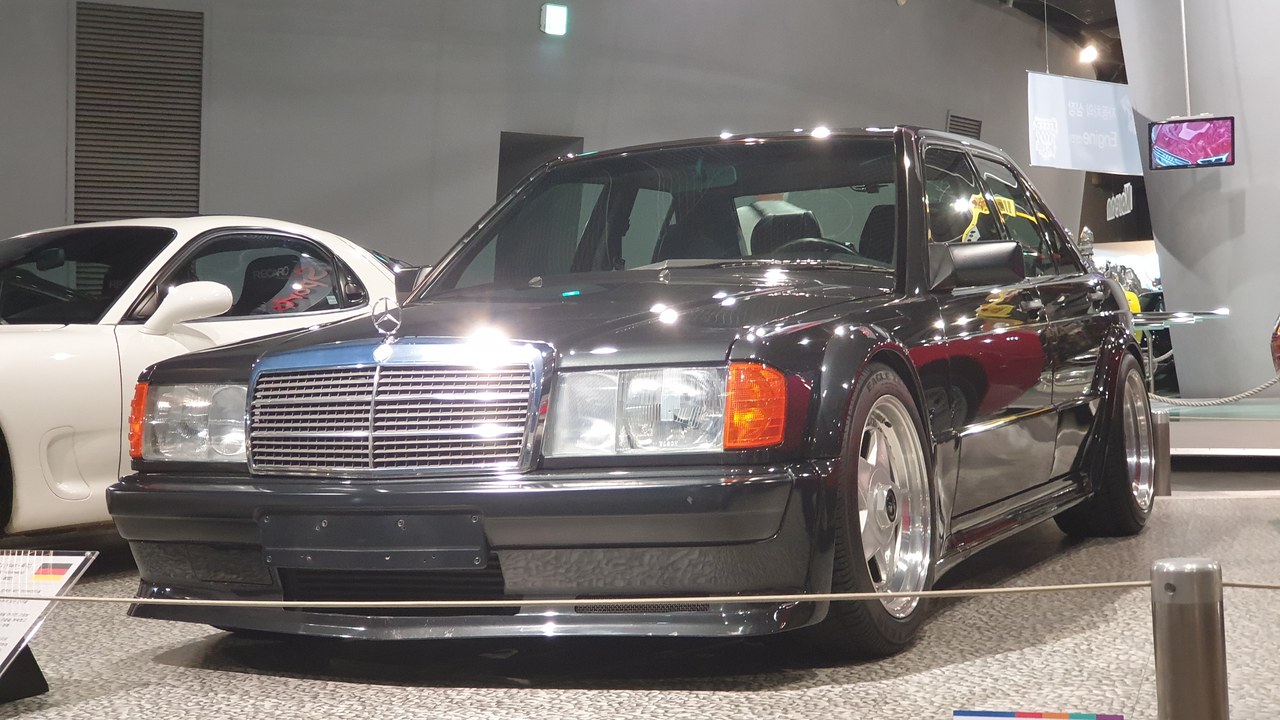
The Cosworth-engined 190E 2.5-16 is a European-market compact sedan, according to the Mercedes-Benz 190E article. Cars of this kind, built for buyers elsewhere, fall under the same federal rule that governs imported vehicles at least 25 years old.
The combination of a small Mercedes-Benz body and a tuned engine from a racing specialist is what makes the model attractive to collectors. As with every car here, eligibility depends on the manufacture date, so a buyer should confirm it before importing.
12. Land Rover Defender 90: Short Wheelbase, Long Wait
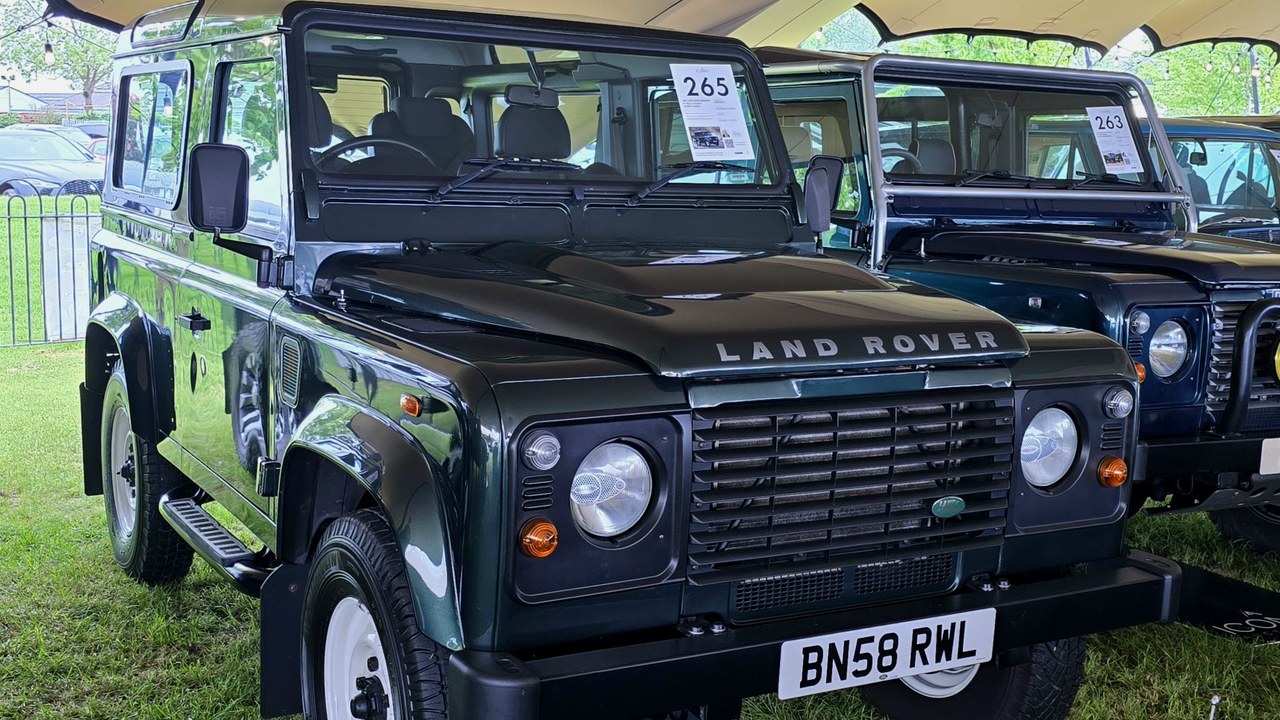
The short-wheelbase Defender 90 is a classic import once 25 years old, as the Land Rover Defender notes. The 90 was the compact version of the British utility vehicle, and its age-based eligibility follows the same manufacture-date rule as the other cars in this group.
A buyer should be aware that eligibility tracks the individual vehicle rather than the model line, so a given 90 qualifies only when that specific chassis reaches the threshold. Condition and documentation remain the practical hurdles after the age question is settled.
More from Morning Overview
- Two passengers died at an Ohio toll plaza, and the NTSB now wants the cash lanes shut
- Long use of a common prostate pill is tied to a higher chance of glaucoma
- Ford is recalling 223,472 F-150 pickups because the fuel tank can leak or detach
- Hybrids have 15% fewer problems than gas cars, while EVs and plug-in hybrids have about 80% more, Consumer Reports finds
