
Plenty of badges on the road trace back to somewhere real, whether a coastal town, a mountain range or a desert city. The origin stories involve neighborhoods, territories, a state and the tallest peak in North America. Here are twelve cars and SUVs whose names come straight from the map.
1. Hyundai Palisade: Palisade Pride
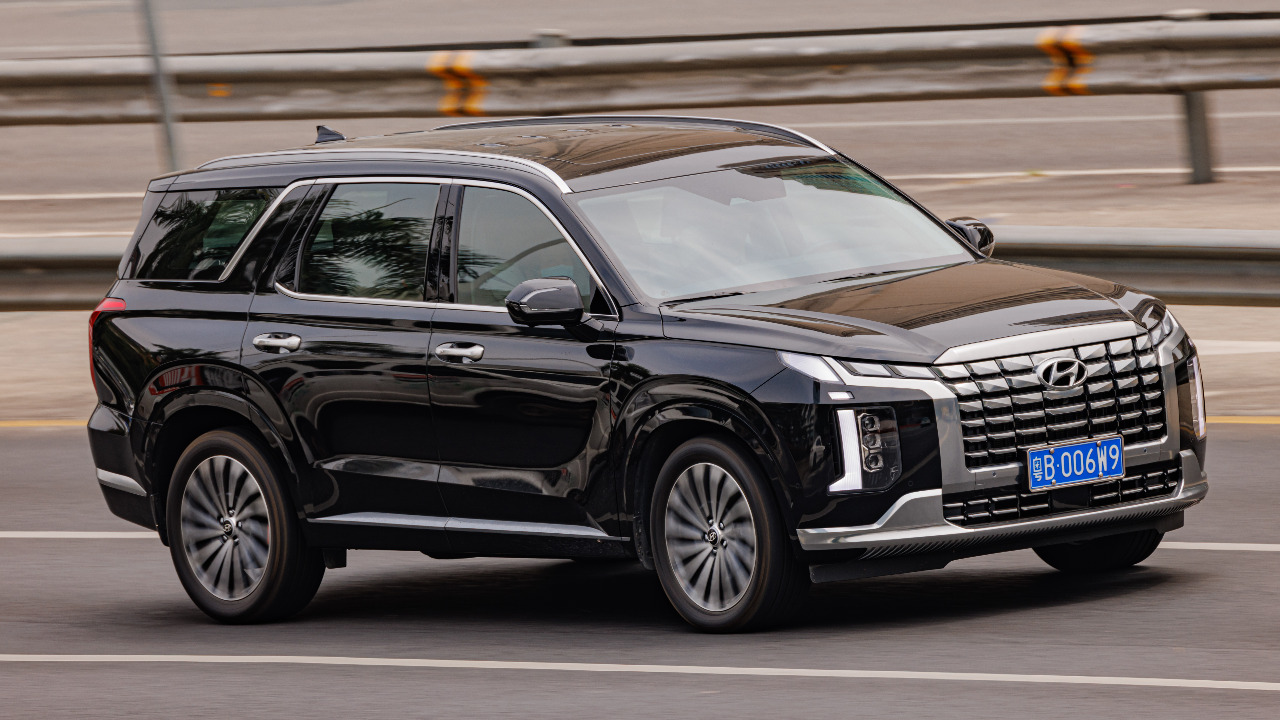
Hyundai says the three-row SUV is named after the affluent Pacific Palisades neighborhood of Los Angeles, according to Capital One roundup of place-named vehicles. The explanation comes with a wrinkle, because the English word palisade also means a line of tall cliffs, a meaning that fits a large, upright SUV just as comfortably.
Pacific Palisades sits on the Southern California coast, and the badge borrows that seaside, upscale image for a family hauler. Buyers curious about the wordplay can take the official neighborhood story at face value, while the cliff meaning remains a coincidence the name happens to carry.
2. GMC Sierra: Mountains On The Tailgate
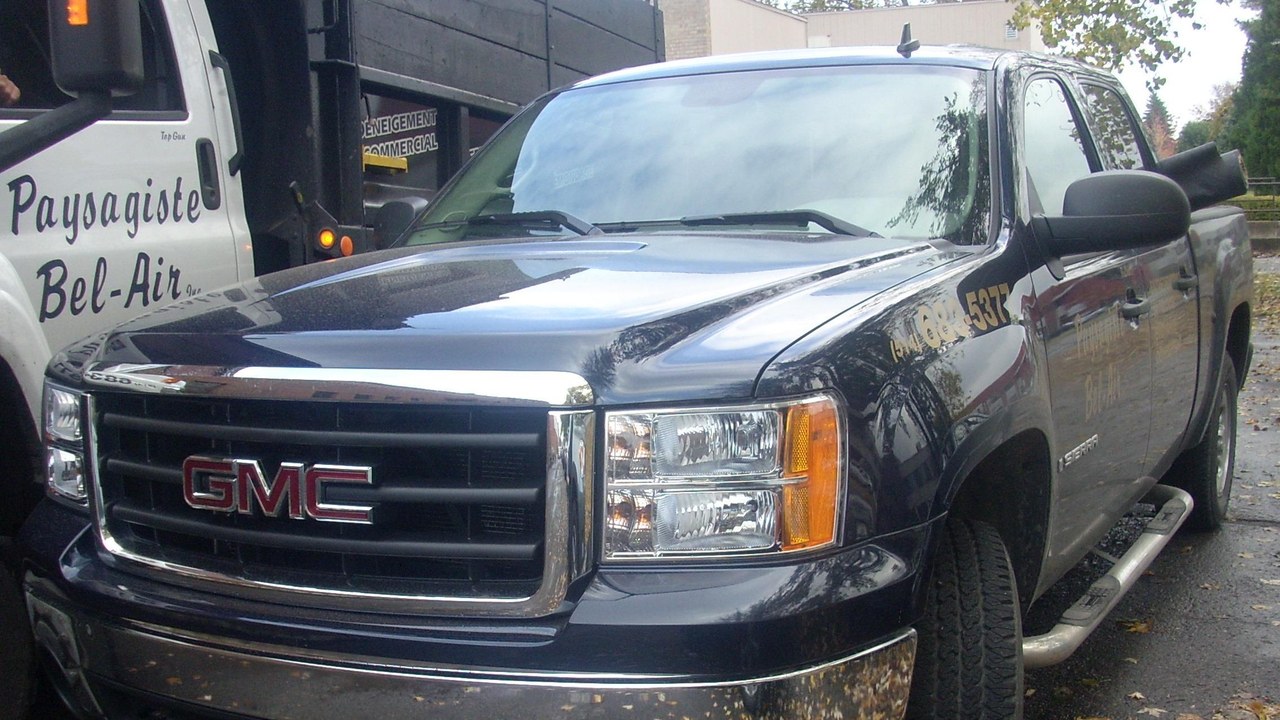
Pickup shoppers are carrying a mountain range around when they choose this truck, since the name comes from the Sierra Nevada of central California, as laid out in Capital One’s place-name roundup. The range runs along the eastern edge of the state and gave the brand a ready-made symbol of rugged, high country terrain.
That geographic root helps explain why the nameplate sits so naturally beside the GMC wordmark on a grille. The word sierra itself is Spanish for a saw, a description of jagged peaks, though the source ties the badge directly to the California range.
3. Chevrolet Malibu: A Beach Town Comes And Goes
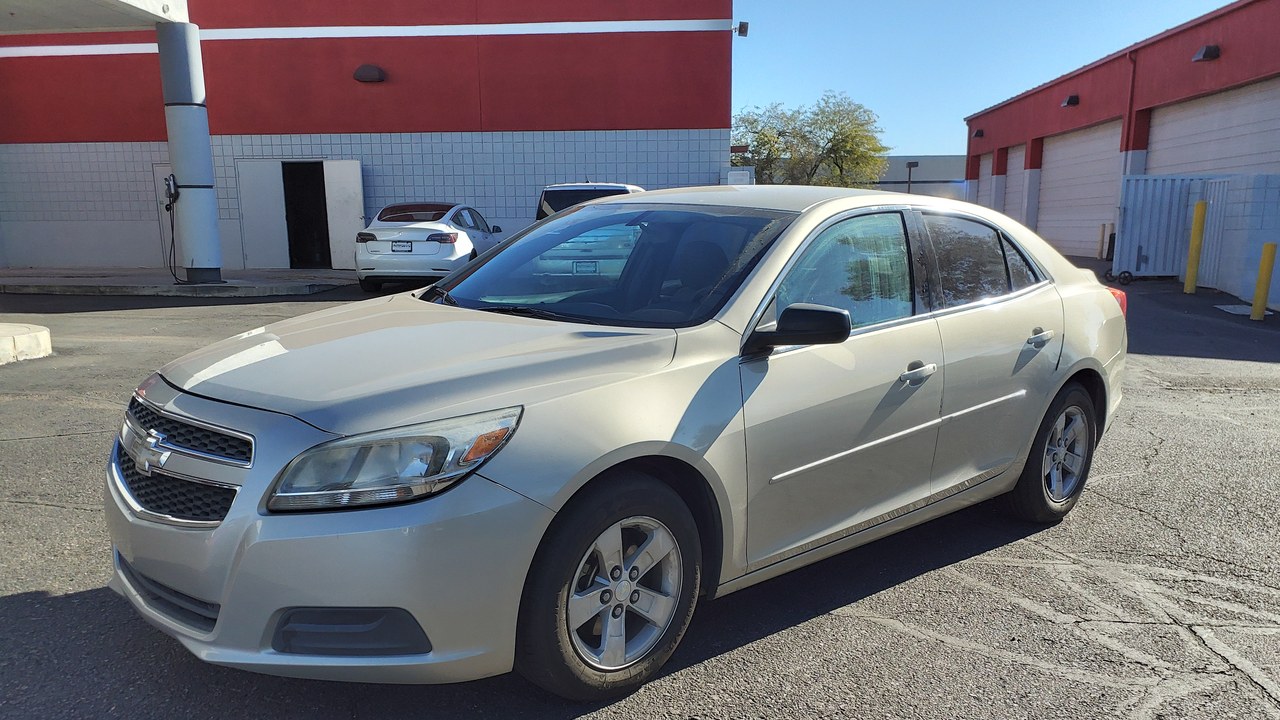
Chevrolet borrowed the name of the California coastal town of Malibu for a midsize nameplate that began in 1964, lapsed in 1983 and returned in 1997, a pattern Capital One’s roundup describes as an on-again, off-again relationship with the town.
The Los Angeles County community brought a sunny, surf-and-sand image to what was an everyday family car. Anyone driving one can trace the badge to a real stretch of Pacific shoreline, and to a name that vanished for fourteen years before Chevrolet brought it back.
4. Hyundai Santa Fe: Capital Of The Southwest
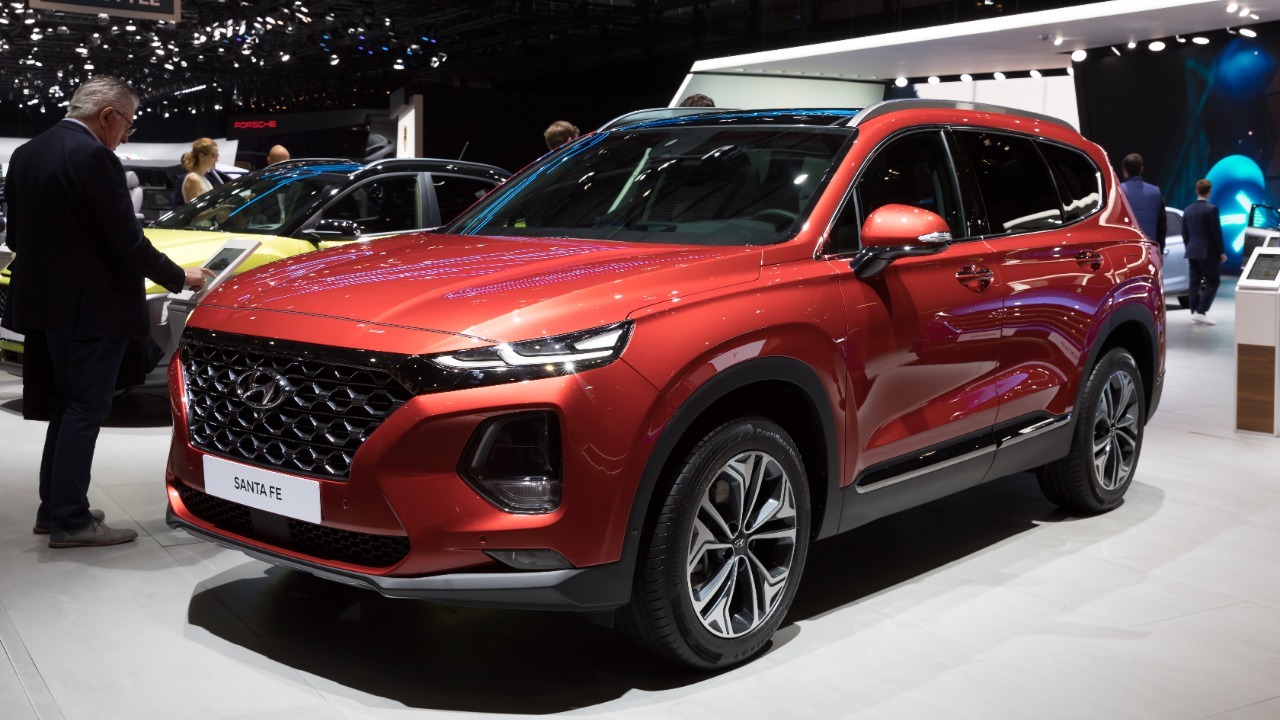
Hyundai’s long-running crossover is inspired by Santa Fe, the capital and cultural centre of New Mexico, according to Guide Auto’s gallery of geographically inspired names. The city is known for its adobe architecture, art scene and high desert setting.
Santa Fe is the oldest state capital in the country, which gives the badge an unusual bit of history for a mainstream family SUV. Owners get a nameplate tied to a real, visitable city rather than an invented word, and the desert-town image suits the vehicle’s outdoorsy positioning.
5. Chevrolet Colorado: The Whole State On A Pickup

Chevrolet’s compact pickup uses the name of the state of Colorado outright, with no town or mountain in between, and Capital One is cited by Guide Auto’s gallery as calling it the only new-car model named after an entire state. Most place-based names pick a city, range or region instead.
That makes the Colorado an outlier in the genre, a nameplate that claims a whole landscape of Rockies, plains and canyons at once. Drivers outside the state can still trace the name to a single, easily located place on the map.
6. GMC Yukon: A Northern Territory Badge
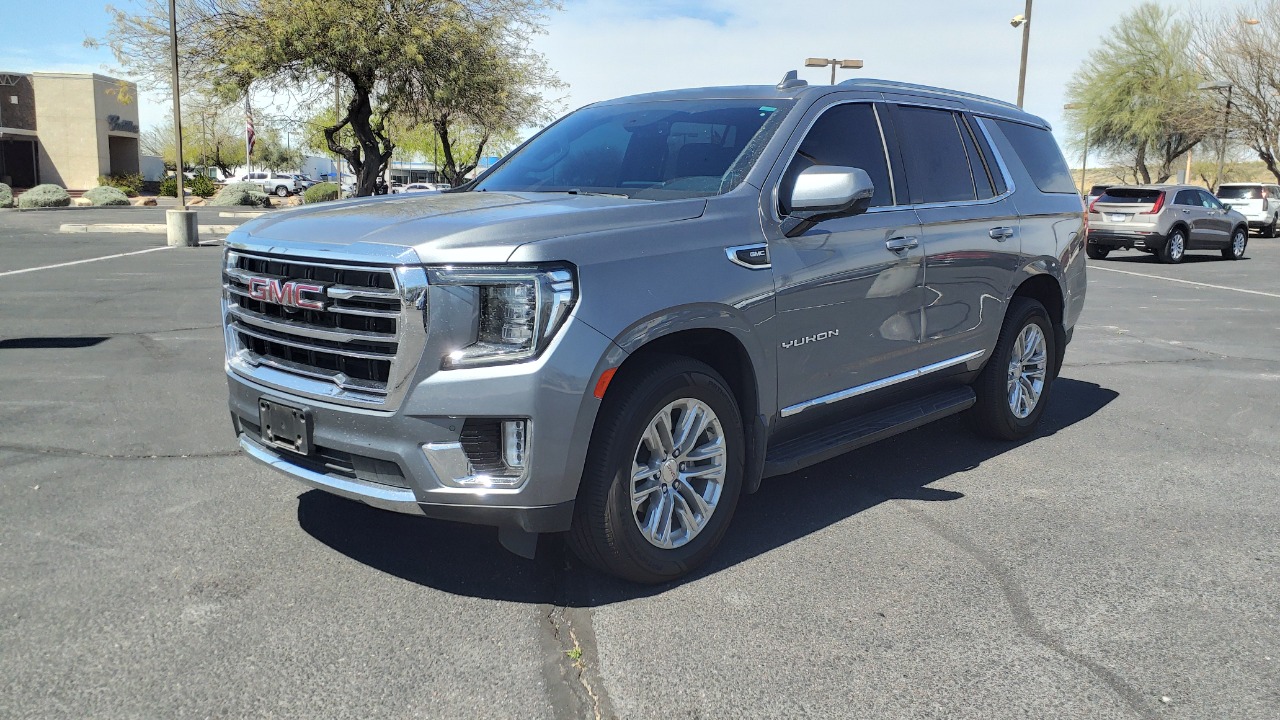
GMC named its full-size SUV for the Yukon, one of Canada’s three northern territories, as noted in Guide Auto’s feature of vehicles with geographic names. The territory sits in the far northwest of the country, beside Alaska, and is associated with wilderness, rivers and cold weather.
The choice fits the brand’s truck-based, go-anywhere image, since few places suggest remote country more clearly than the Yukon. It is also a rare nameplate in this lineup that points to a Canadian location rather than an American one.
7. Toyota Tacoma: Salish Word For A Mountain
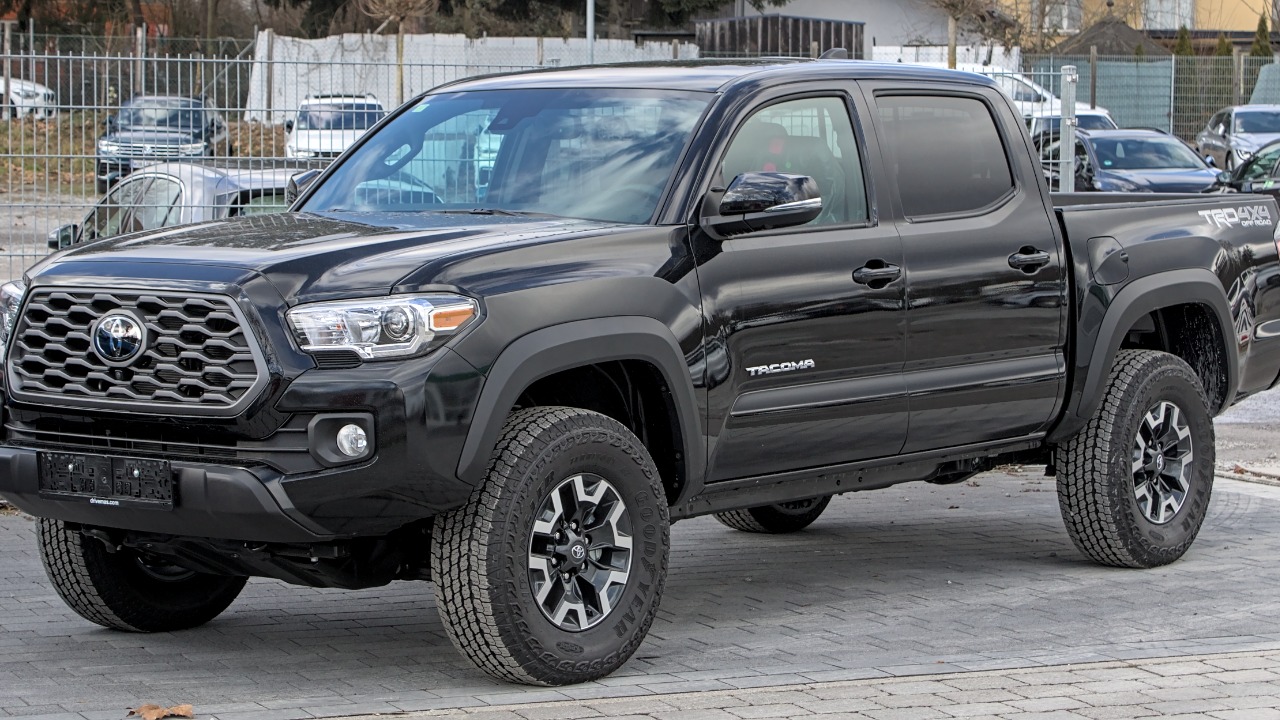
Toyota’s midsize pickup takes its name from Tacoma, Washington, a city just south of Seattle. According to SlashGear’s name-origin report, the word is Salish for the mountain now called Mount Rainier, the peak that supplied water to a tribe.
Toyota reportedly picked the name because research said it suggested the rugged outdoors. The result is a badge with two layers of geography, a modern port city and the volcano behind it, which gives owners a deeper origin story than most truck names offer.
8. GMC Denali: Roof Of North America
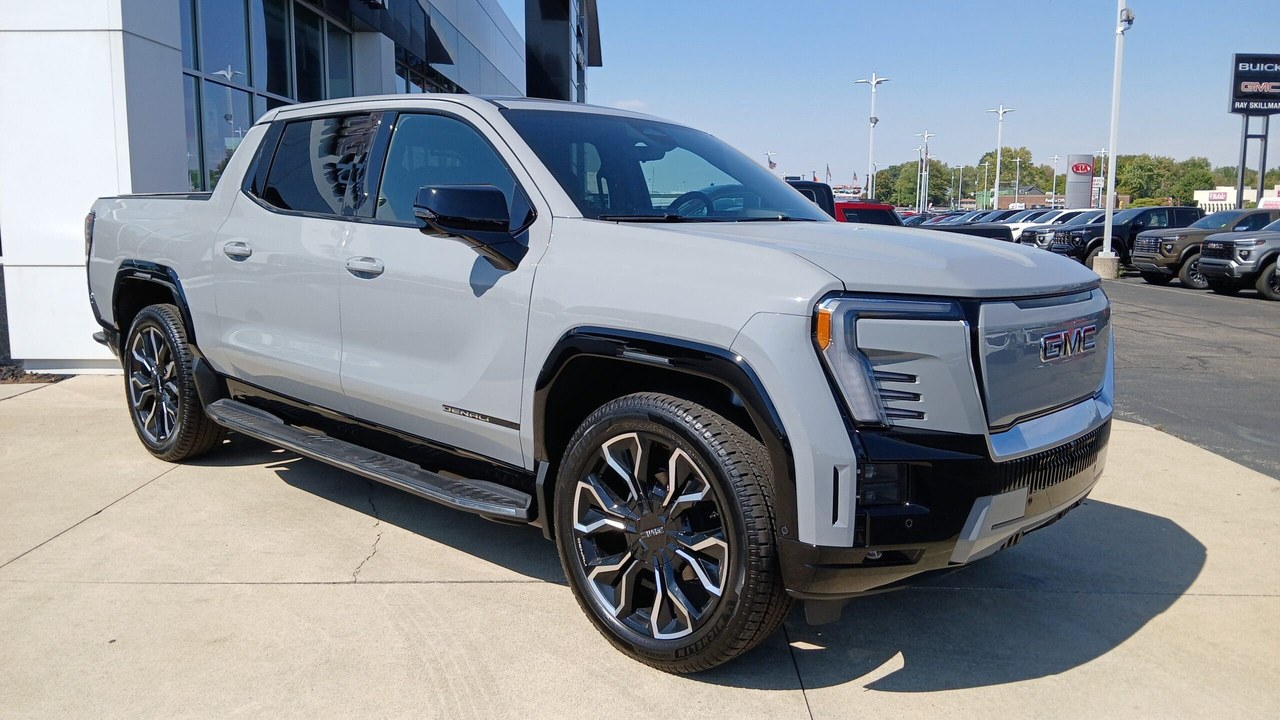
GMC’s top trim borrows the name of Denali, which the National Park Service puts at 20,310 feet above sea level, the tallest mountain in North America. The park service’s explainer explains why the Alaskan peak is considered so large.
The trim signals the highest rung of the GMC range, and the mountain makes the ambition literal. Denali is the official name of the peak in Alaska, so the badge points to a real summit that climbers and park visitors can find on any map of the state.
9. Dodge Durango: Mining Town In The San Juans
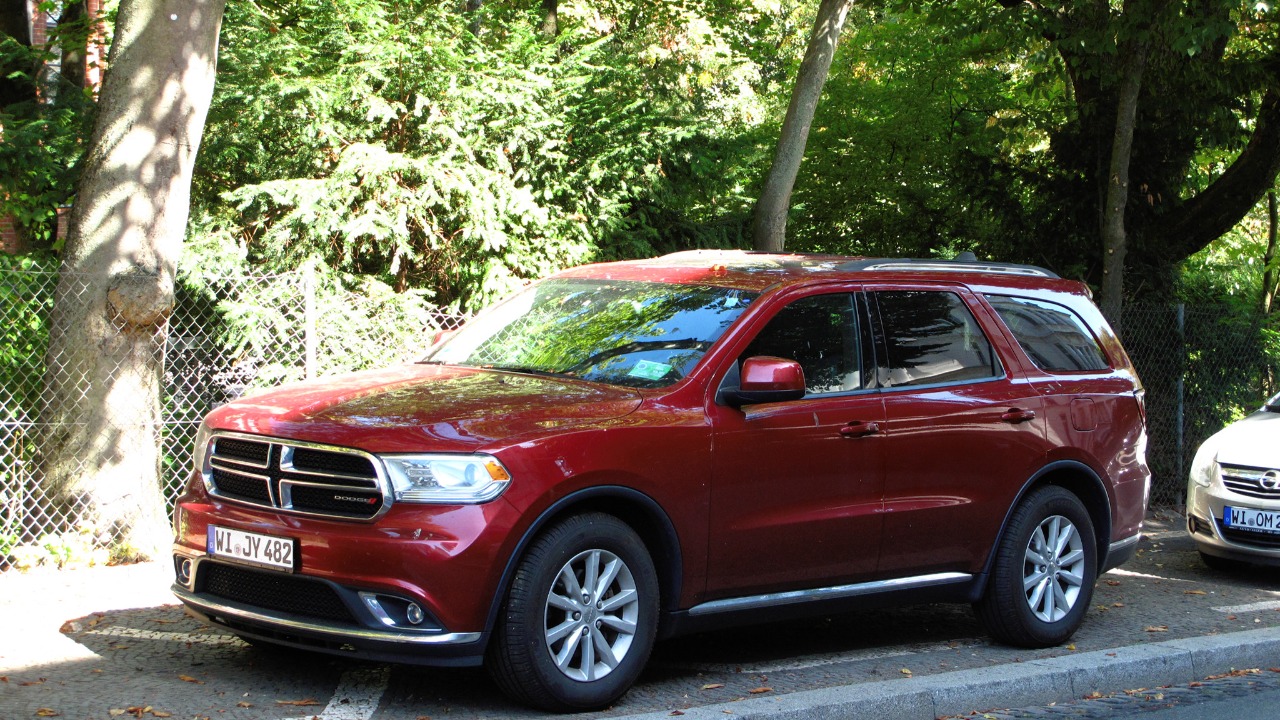
Dodge named its three-row SUV after Durango, Colorado, a mining town turned tourist destination in the San Juan Mountains, as summarized in Wikipedia’s Durango article of the model. The town is surrounded by rugged peaks that match the truck’s tough image.
Durango’s history as a mining hub and its current role as a gateway to mountain recreation give the nameplate a working-class heritage with an adventurous edge. Drivers can visit the Colorado town the badge refers to, which differs from the Mexican city of the same name.
10. Hyundai Tucson: Desert City Namesake
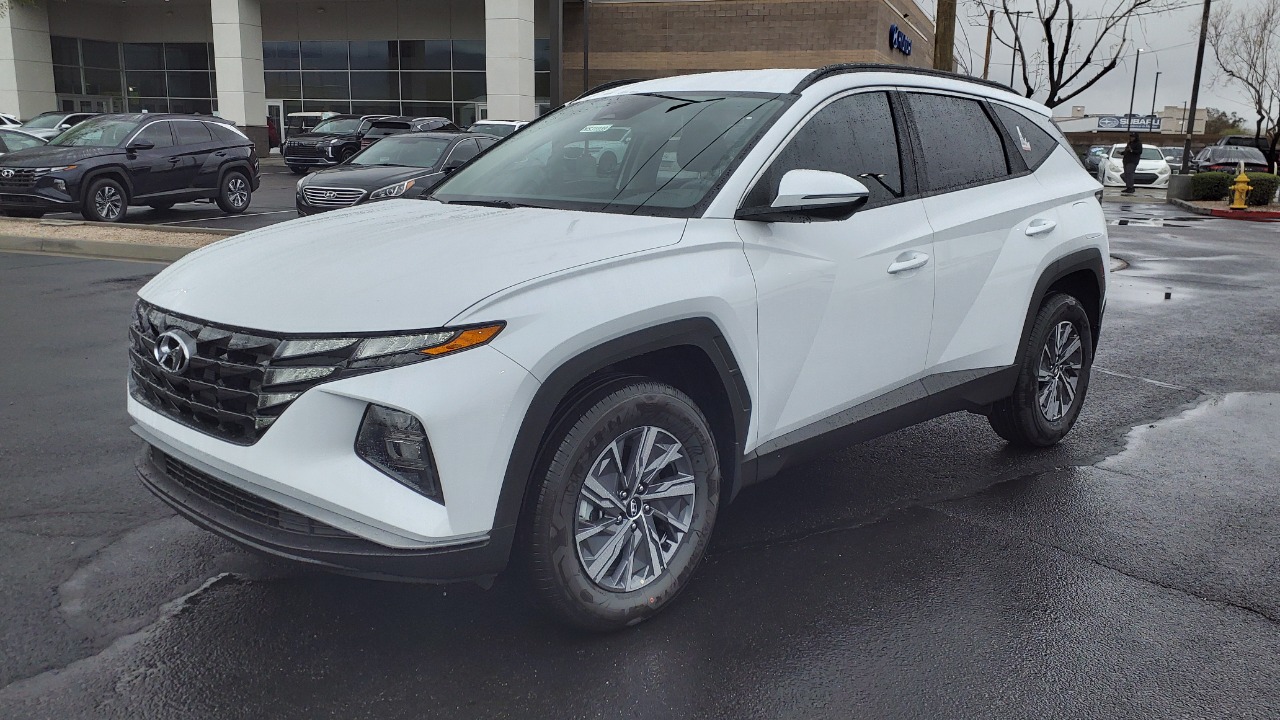
Hyundai’s compact SUV carries the name of Tucson, the Arizona city in the Sonoran desert near Saguaro National Park, a link covered in Wikipedia’s Tucson article on the model. The city is known for its dry climate and its cactus-studded surroundings.
Hyundai has paired desert-city names with its SUVs, and Tucson fits the pattern of sunny, outdoor-leaning locations. Owners looking for the origin of the badge can find it in southern Arizona, within sight of the giant saguaro cacti that define the region.
11. GMC Acadia: From New France To The Badge
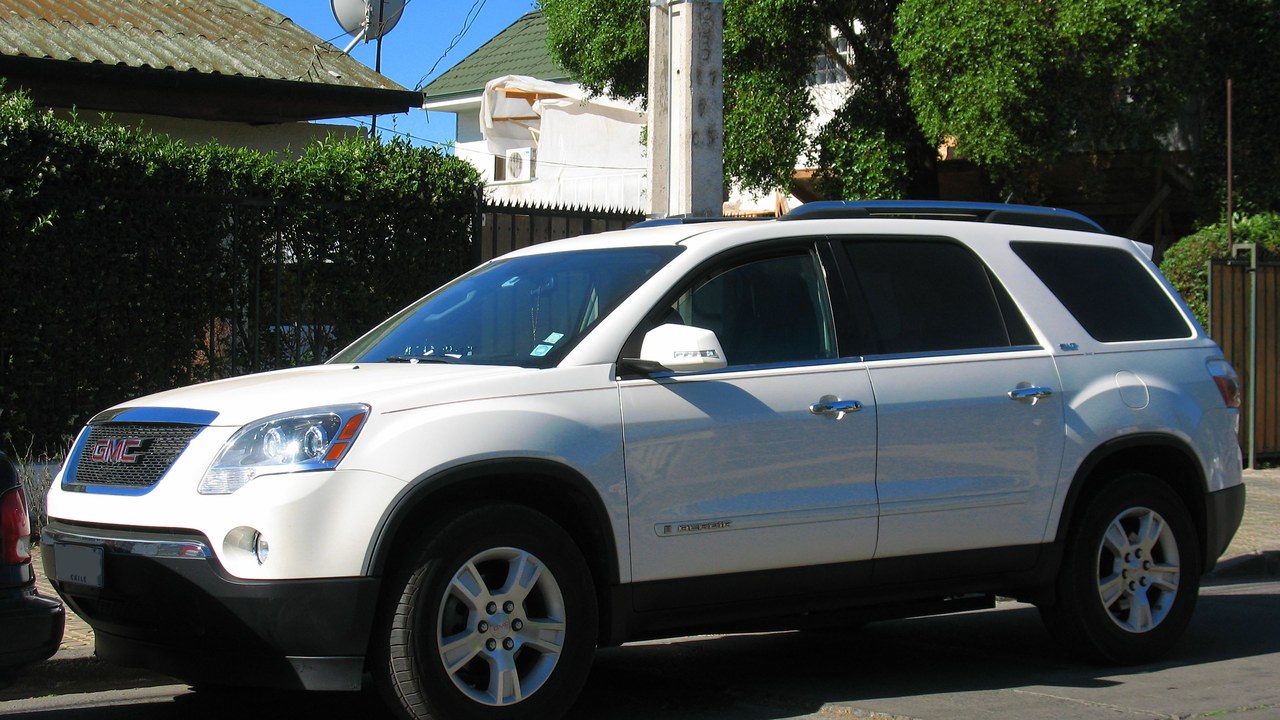
GMC’s three-row crossover is named for Acadia, the 17th-century New France colony spanning parts of Canada and Maine, with Capital One’s list also linking it to Acadia National Park. The park sits on the rocky Maine coast.
The double meaning gives the nameplate both a colonial-era history and a modern scenic destination. A buyer reading the badge can follow it either to the historic region or to the national park, which is likely the more popular trip for vacationers.
12. Hyundai Kona: An Island District Of Hawaii
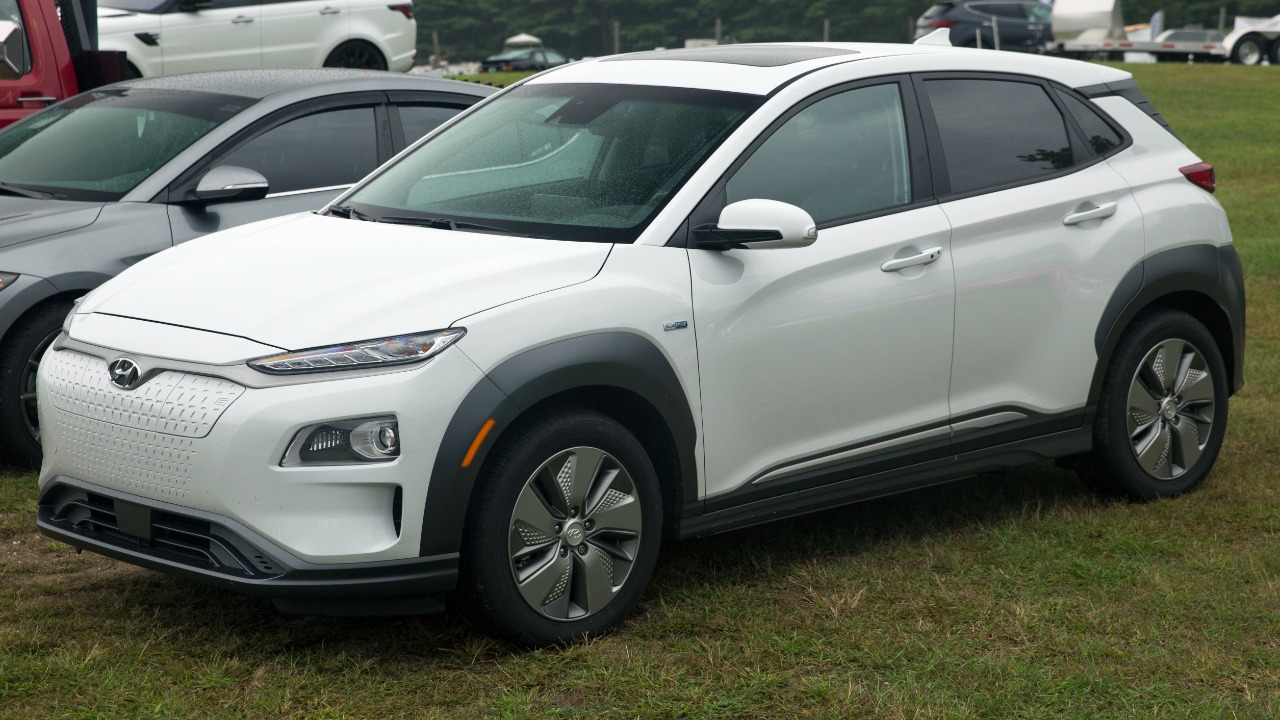
Hyundai’s small SUV is named for Kona, a region in the western part of the Island of Hawaii, per Guide Auto’s naming gallery of geographically inspired names. The district is known for its coastline, volcanic landscape and coffee farms.
The tropical name suits a compact crossover aimed at city drivers who want a little adventure. It also shows that place-named vehicles reach beyond the mainland, since this badge points to a Pacific island rather than a state, a mountain or a desert town.
More from Morning Overview
- Long use of a common prostate pill is tied to a higher chance of glaucoma
- Ford is recalling 223,472 F-150 pickups because the fuel tank can leak or detach
- Hybrids have 15% fewer problems than gas cars, while EVs and plug-in hybrids have about 80% more, Consumer Reports finds
- Regulators cleared the first U.S. small modular reactor, 4 months early
