
Car enthusiasts have long debated which modern models will eventually earn classic status, and a shortlist keeps circulating among collectors, mechanics and online forums. Low production numbers, discontinued nameplates and enduring driving appeal all factor into those predictions, though nothing is guaranteed until decades pass. Here are twelve cars that enthusiasts widely expect to become future classics.
1. Mazda MX-5 Miata: The Affordable Roadster Icon
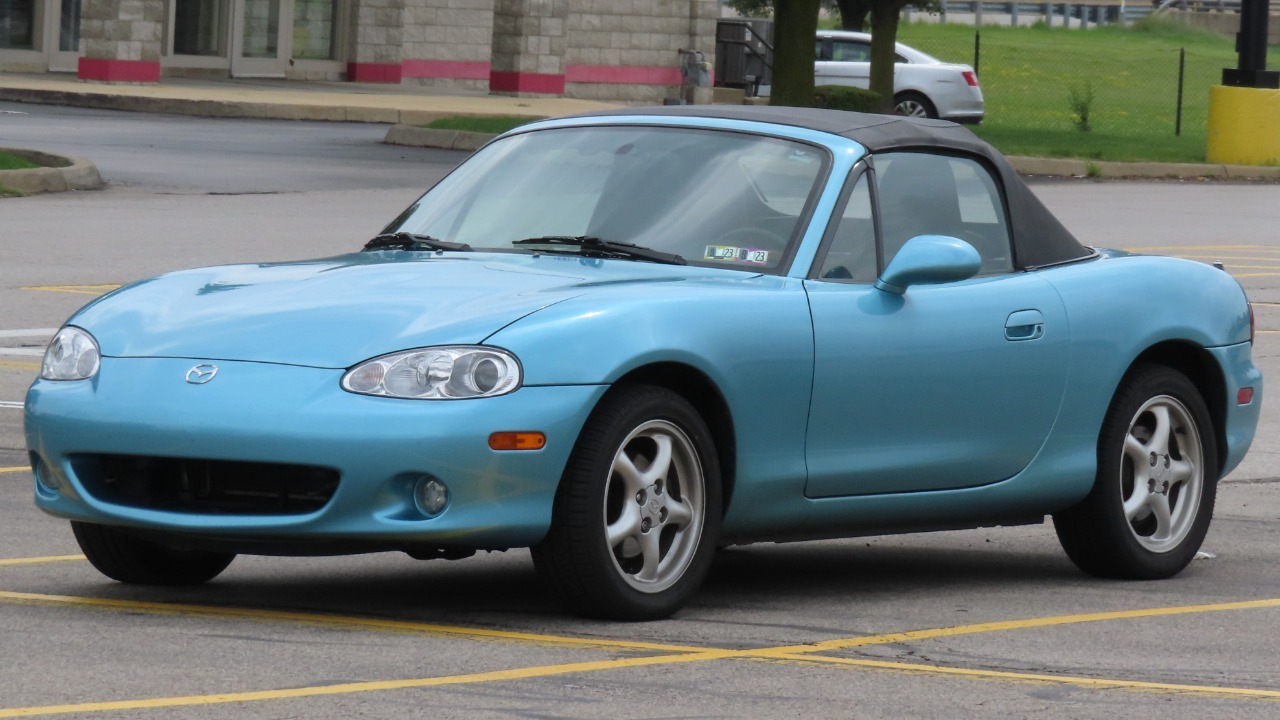
The Mazda MX-5 Miata roadster has held the title of best-selling two-seat sports car for decades, and its lightweight, simple mechanical layout keeps it easy and cheap to maintain long after warranties expire. Early first-generation examples already command rising prices among collectors who prize their nimble handling over raw power.
Because Mazda built so many, clean unmodified cars remain the ones enthusiasts chase hardest, a pattern common among affordable future classics. Its blend of low running costs and driving purity gives it staying power that flashier sports cars often lack.
2. Toyota GR Supra: A Revival Enthusiasts Demanded
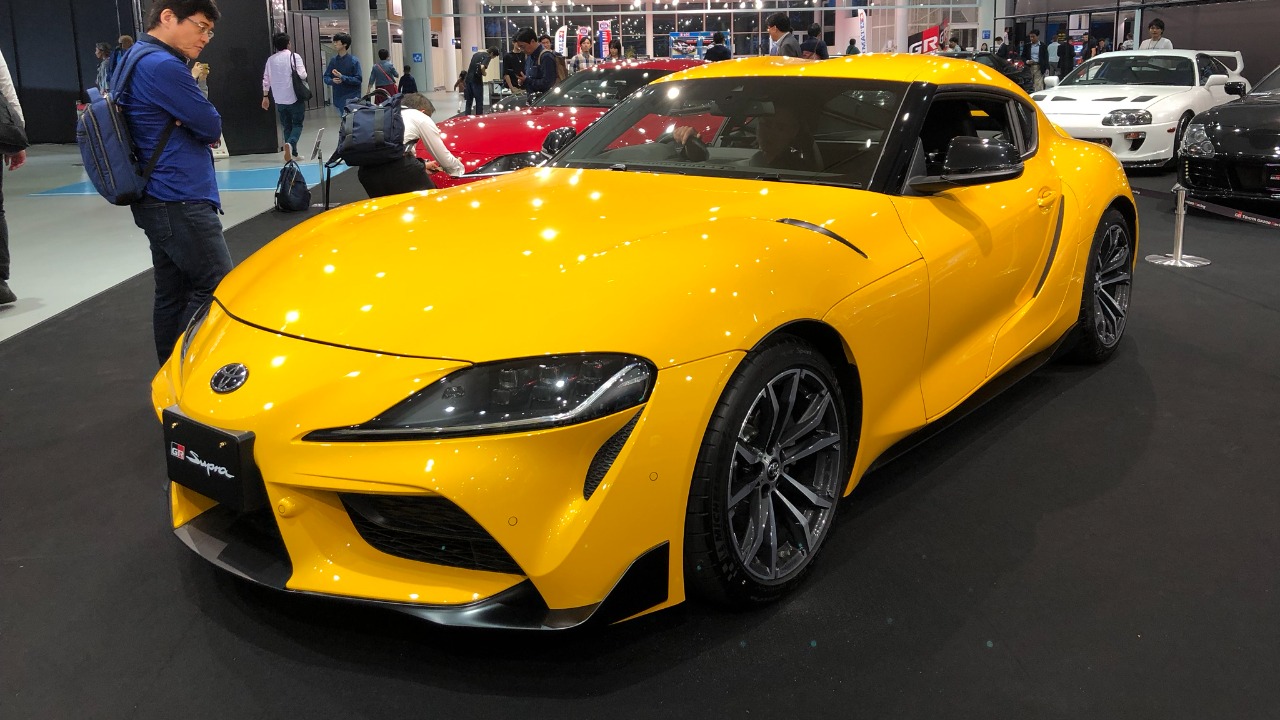
Toyota ended a two-decade gap in its sports-car lineup when it revived the GR Supra nameplate, built jointly with BMW on a shared platform. Enthusiasts debated that partnership fiercely, yet demand for the turbocharged six-cylinder version has stayed strong enough that clean examples are already treated as collector-grade.
The Supra name carries decades of goodwill from earlier generations, which adds pressure on this version to prove itself as a worthy successor. That inherited reputation, combined with a shrinking pool of new gas-powered sports coupes, is part of why owners expect values to hold rather than fall.
3. Honda Civic Type R: The Hot Hatch Benchmark
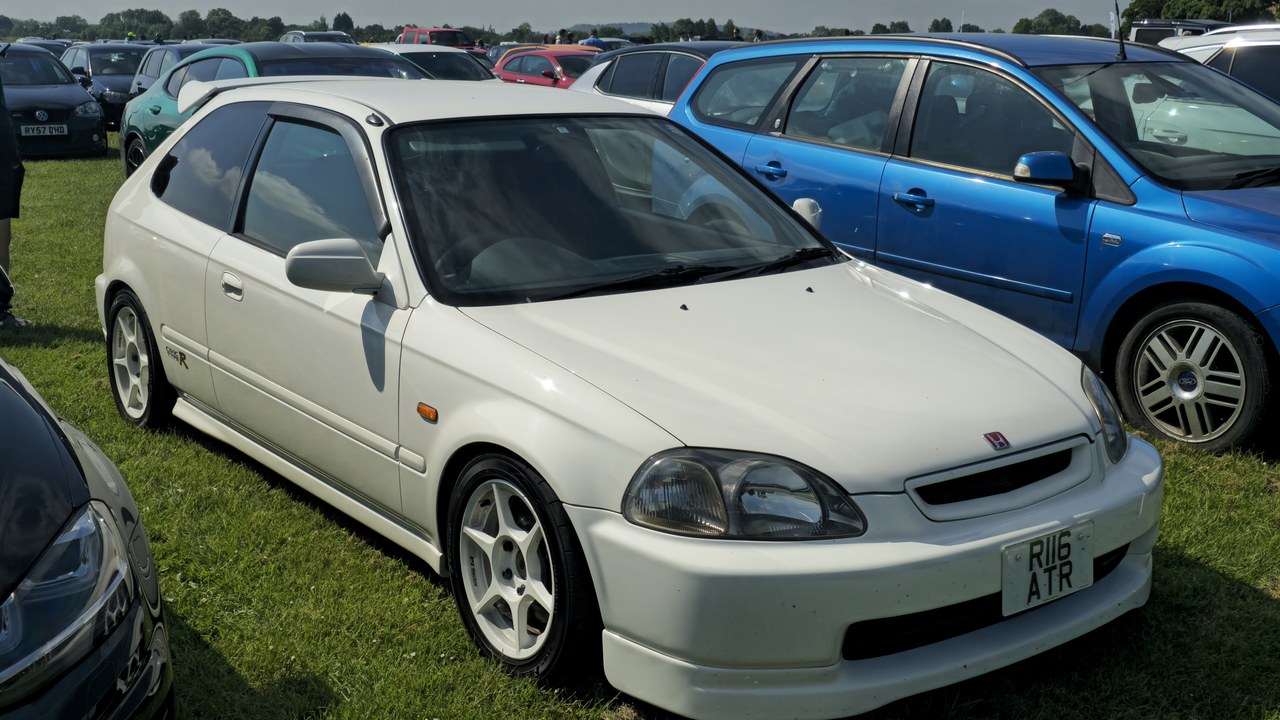
The Civic Type R hatchback has spent multiple generations setting the pace for front-wheel-drive performance, pairing a high-strung turbocharged engine with sharp, track-tuned handling. Its cult following treats the car less like a commuter hatch and more like an accessible benchmark other hot hatches are measured against.
Limited production runs and Honda’s reputation for engineering rigor give the Type R a following that extends well beyond typical hatchback buyers. Enthusiasts point to that combination of scarcity and performance credibility as the reason unmodified, well-kept examples are already trading at a premium.
4. Ford Mustang: The Last Naturally Aspirated V8
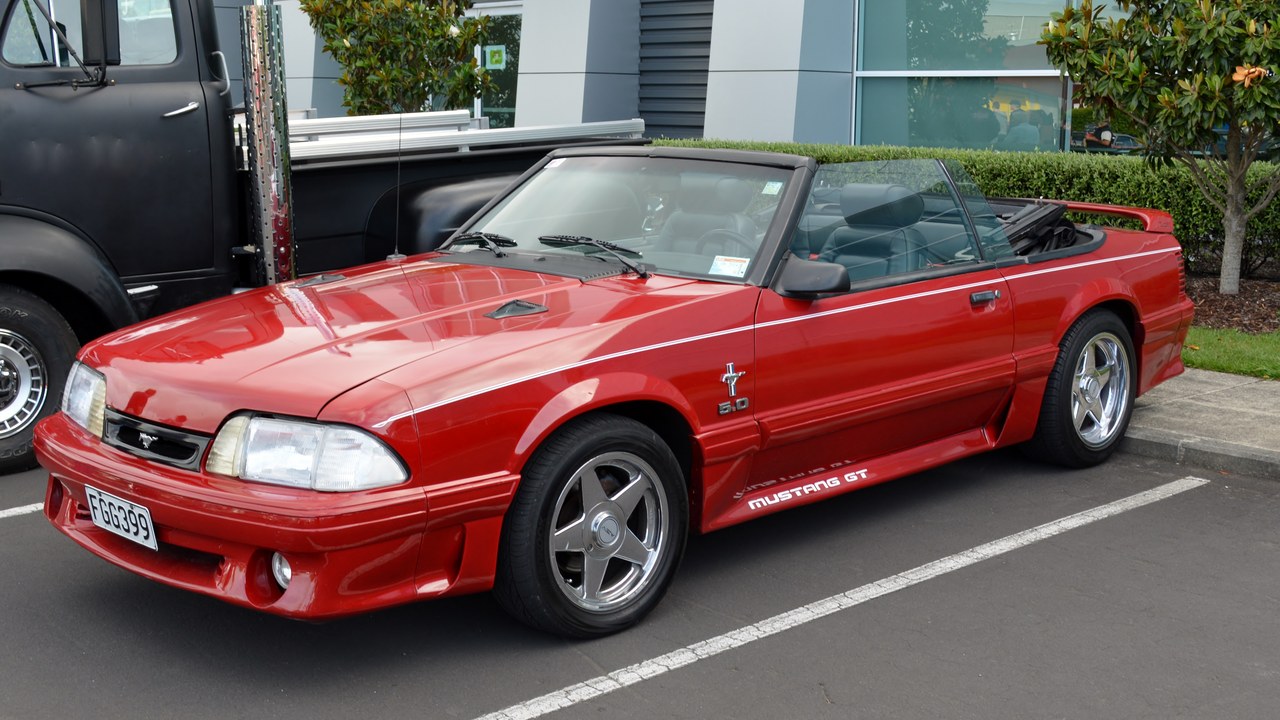
The current-generation Mustang keeps a naturally aspirated V8 alive in a market that has largely moved to turbocharged and electrified powertrains, a distinction enthusiasts do not expect to last. Its status as a pony car built on a platform Ford has continually refined over decades gives the Mustang lineup a strong claim on future collector interest.
Manual-transmission GT models are drawing particular attention, since that combination of stick shift and big-displacement V8 is disappearing across the industry. Enthusiasts view low-mileage examples as a hedge against a future where few new cars offer that driving experience at all.
5. Chevrolet Corvette (C8): A Historic Architecture Shift
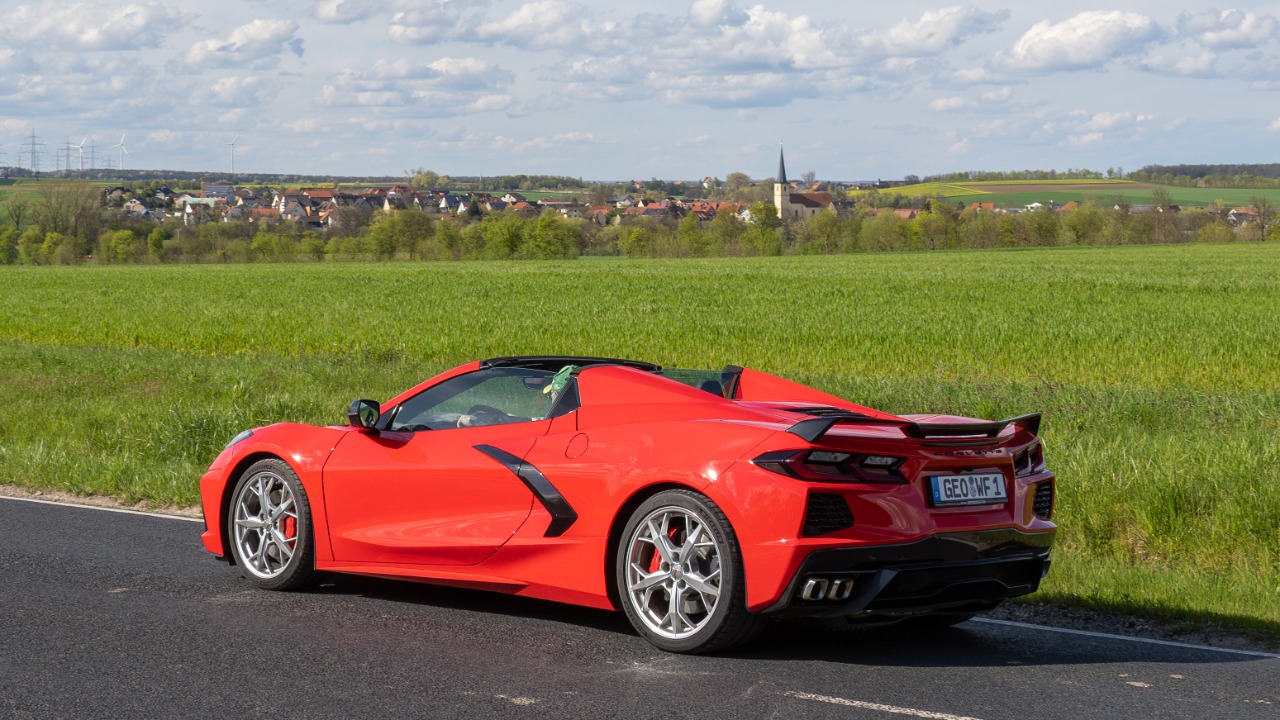
Chevrolet moved the engine behind the driver for the first time in the Corvette’s history with the C8 generation, ending nearly seven decades of front-engine design. That architectural break alone makes the car a milestone in the model’s lineage, independent of how it performs against rivals.
Supercar-level acceleration at a fraction of the price of comparable mid-engine cars has already made the C8 a favorite among enthusiasts who see it as the last Corvette built before hybrid and electrified variants expand the lineup further. Early, unmodified coupes are the versions collectors mention most.
6. Subaru WRX STI: A Discontinued Rally Icon
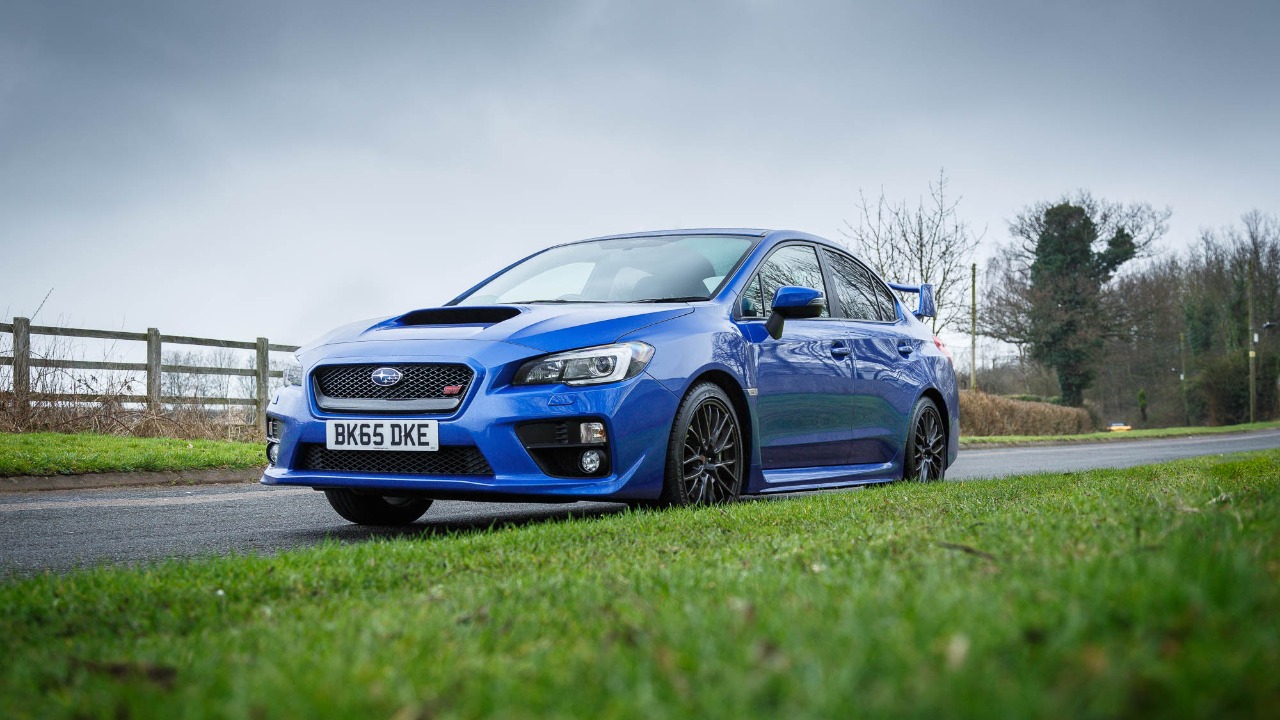
Subaru discontinued the WRX STI sedan, ending a nameplate built on decades of rally-derived all-wheel-drive engineering and a turbocharged flat-four engine. Once a production run stops entirely, enthusiasts treat that as a strong signal that remaining examples are only going to get scarcer.
Its rally pedigree, distinctive boxer-engine sound and reputation for all-weather grip give the STI an identity that ordinary sport sedans do not share. Owners and forums already describe well-maintained, unmodified cars as the ones worth holding onto rather than trading in.
7. Toyota GR86: The Purist’s Lightweight Coupe
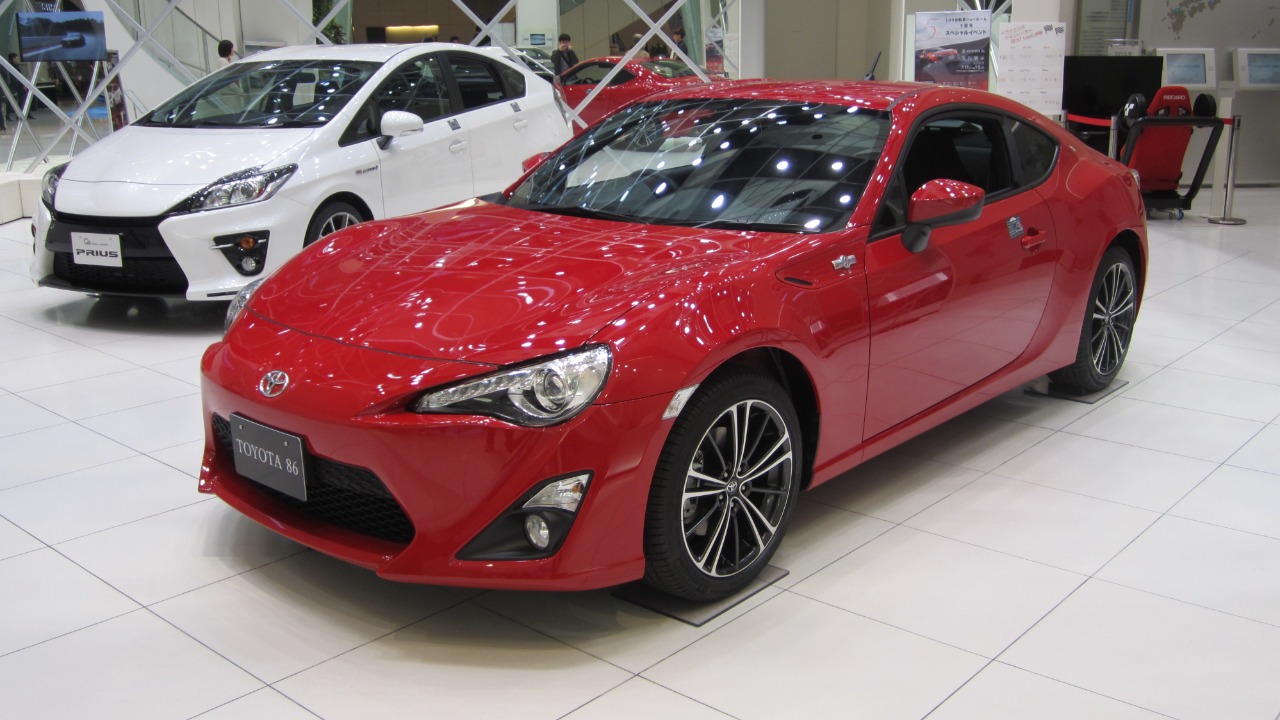
The GR86 coupe, developed jointly with Subaru, keeps weight low and horsepower modest by modern standards, a formula that favors handling balance over outright speed. Driving purists point to that restraint as exactly what makes the car satisfying on a twisty road rather than just on a spec sheet.
A widely available manual transmission and rear-wheel-drive layout put it in an increasingly small category of affordable sports cars. Enthusiasts expect that shrinking category itself, not any single record or award, to be what eventually pushes the GR86 toward classic status.
8. Nissan GT-R (R35): Already A Living Legend
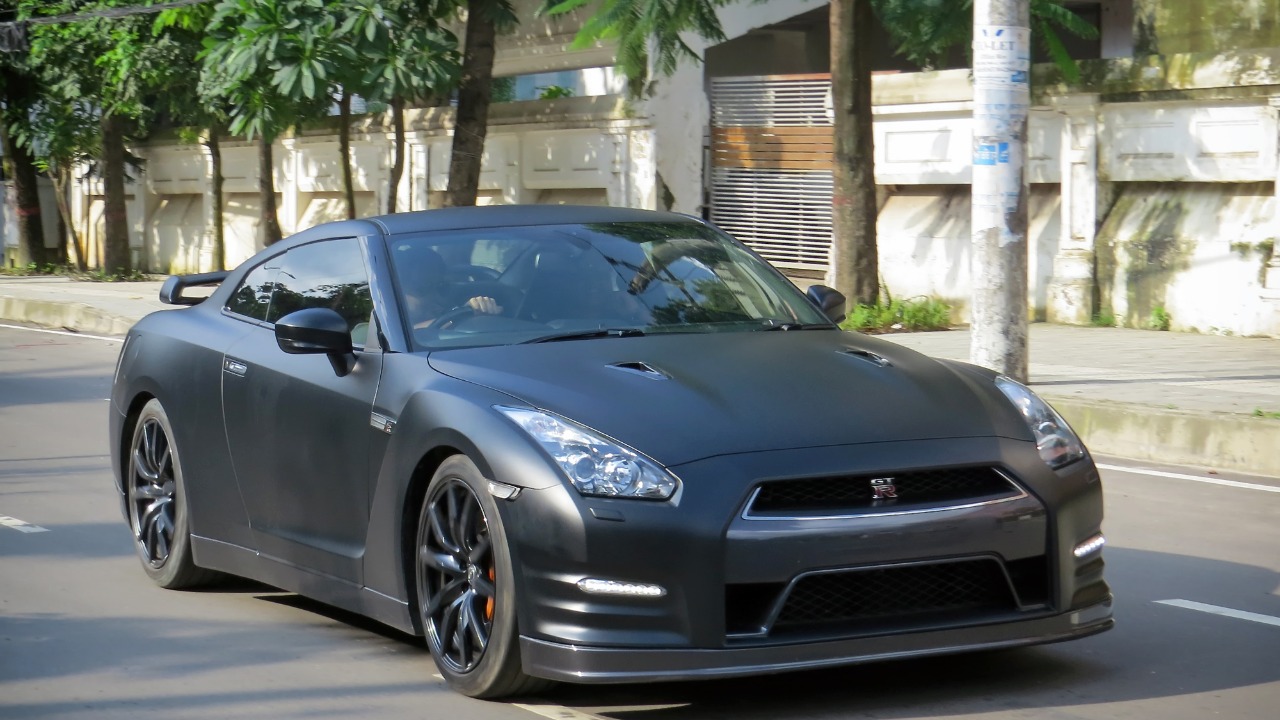
Nissan is winding down production of the R35-generation GT-R after a run of roughly a decade and a half, a rare case of a modern performance car being built almost entirely unchanged for that long. Enthusiasts already treat it as a legend rather than merely a fast car, thanks to its computer-controlled all-wheel-drive system and consistent drag-strip and track performance.
Because the model stayed in production for so long, condition and mileage vary widely across the used market, which collectors say makes well-documented, low-mile cars the ones to watch. Once the final examples leave dealer lots, that gap between ordinary and pristine cars is expected to widen further.
9. Dodge Challenger: The Last Old-School Muscle Car
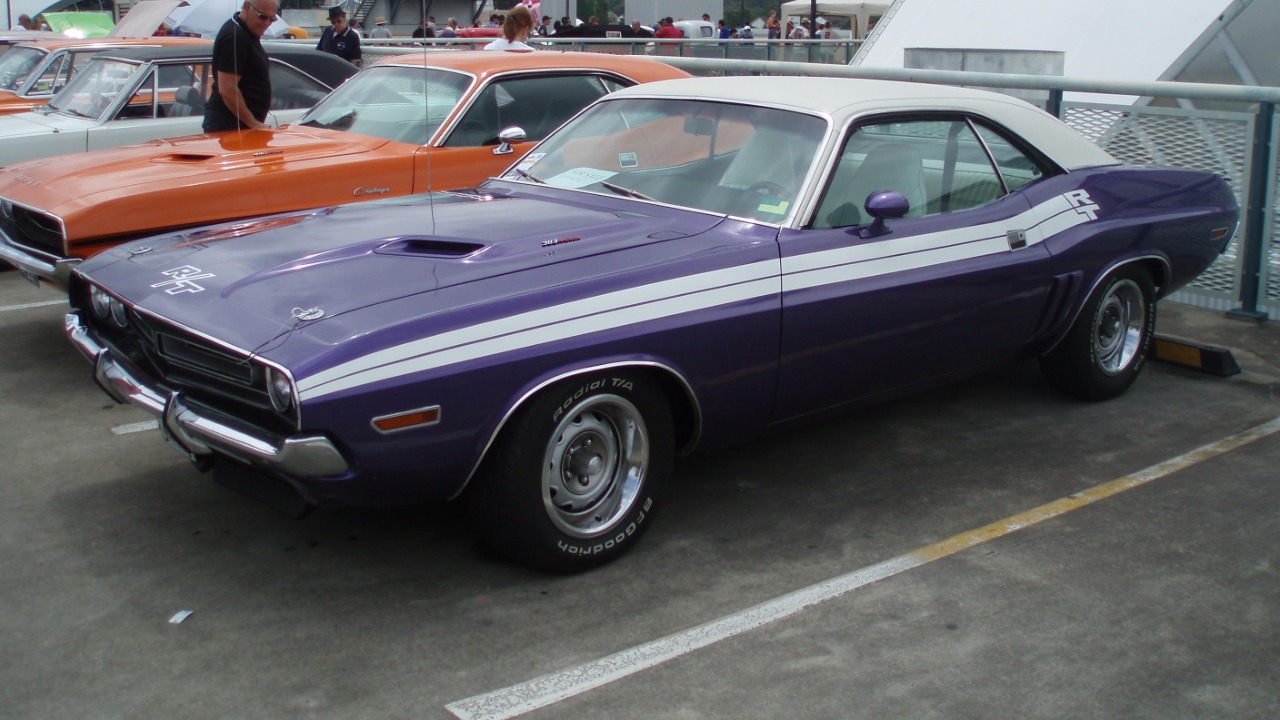
Dodge ended production of the Challenger without a direct like-for-like successor, closing out a body style built on a platform that dated back to the mid-2000s. Its available supercharged V8 engines put it among the last new cars sold with that kind of old-school muscle-car formula intact.
As the broader muscle-car segment shifts toward electrified and smaller-displacement power, enthusiasts view the final Challenger years as a closing chapter rather than just another model changeover. High-output V8 trims from the car’s last seasons are already the versions collectors mention first.
10. Porsche 911: An Unbroken Collector Lineage
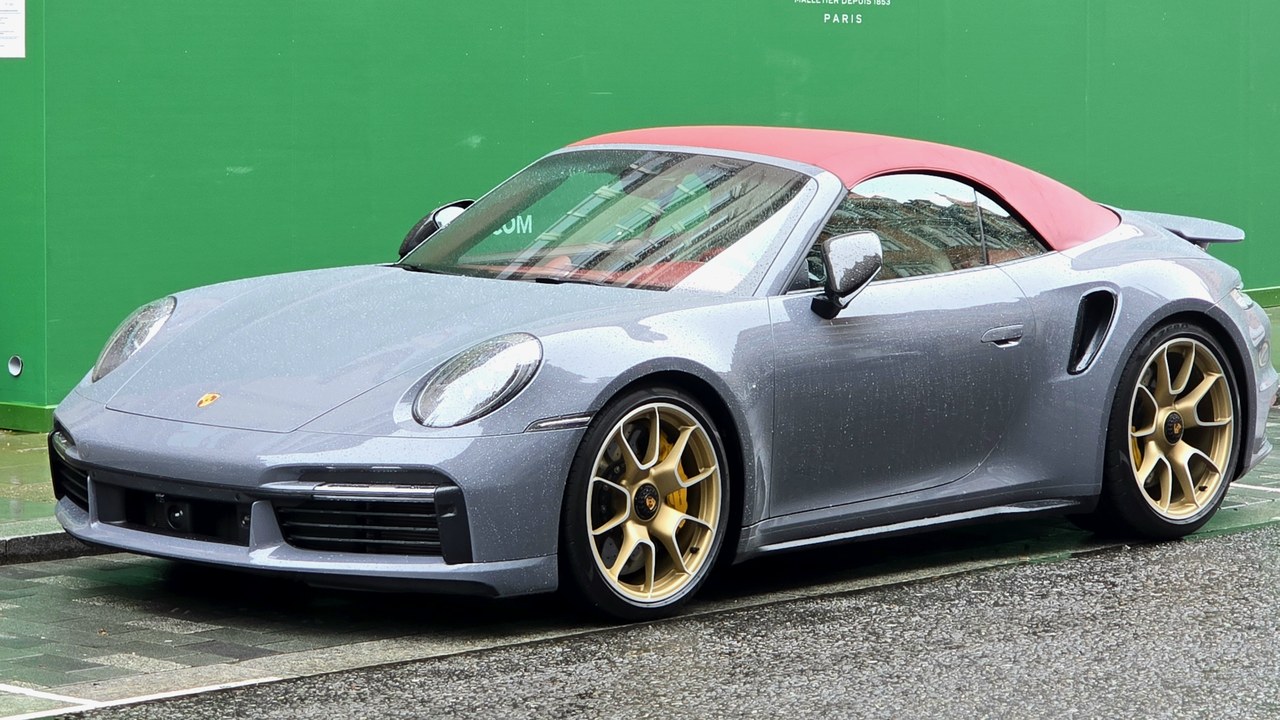
The current 992-generation 911 extends a model line Porsche has built continuously since the 1960s, a continuity almost no other sports car can claim. Every generation of 911 has eventually attracted collector interest, and enthusiasts see no reason the pattern breaks with this one.
Naturally aspirated GT-division variants within the 992 lineup are drawing the most attention, since those cars preserve a driving character enthusiasts expect future turbocharged and electrified 911s to move away from. That expectation, more than any single feature, is why current cars are already being bought with an eye toward resale value.
11. Honda S2000: Values Already Climbing Fast

The S2000 paired a high-revving four-cylinder engine capable of spinning past 8,000 rpm with a rear-wheel-drive chassis tuned specifically for sharp handling, an engineering approach Honda has not repeated since the model ended production. Enthusiasts already describe clean, unmodified examples as some of the fastest-appreciating Japanese sports cars on the used market.
Because the engine’s performance depends on revving hard rather than relying on turbo boost, low-mileage cars that avoid abuse are especially prized. That scarcity of well-cared-for examples is a big part of why prices for the S2000 have climbed well beyond what it originally sold for new.
12. Acura NSX: The Reborn Hybrid Supercar
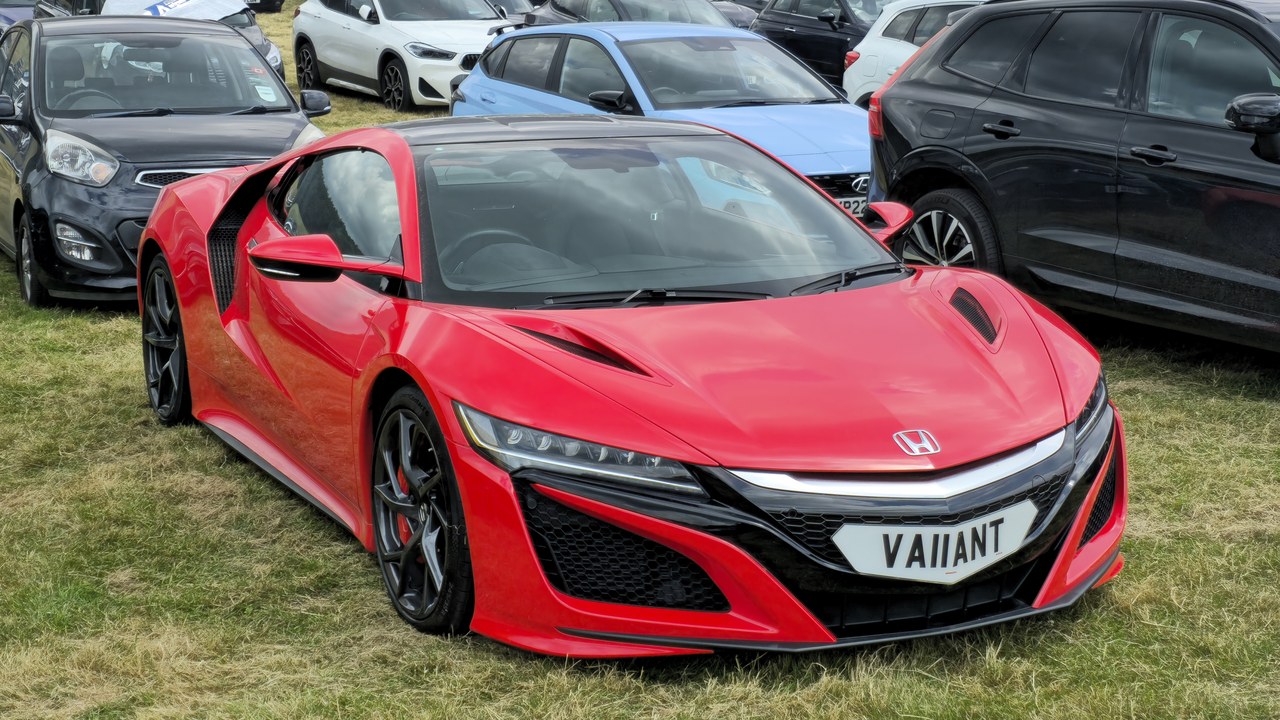
The second-generation Acura NSX combined a twin-turbo V6 with three electric motors, an unusual hybrid supercar layout Honda’s own engineering team designed and built largely in the United States. That combination of hybrid technology and low-volume production already makes it stand out among modern supercars marketed under the Acura and Honda badges worldwide.
Production ended after a limited run, and no direct successor with the same hybrid layout has been announced. Enthusiasts expect that combination of limited numbers, advanced engineering and a discontinued nameplate to push well-kept examples into serious collections over time.
More from Morning Overview
