
Plenty of car badges have been retired, only to reappear after a pause of a few years or several decades. Each revival raises the same question of what the returning name actually carries over from the original. These twelve nameplates all died and came back, and the gaps between them vary widely.
1. Ford Bronco: A Quarter Century Away
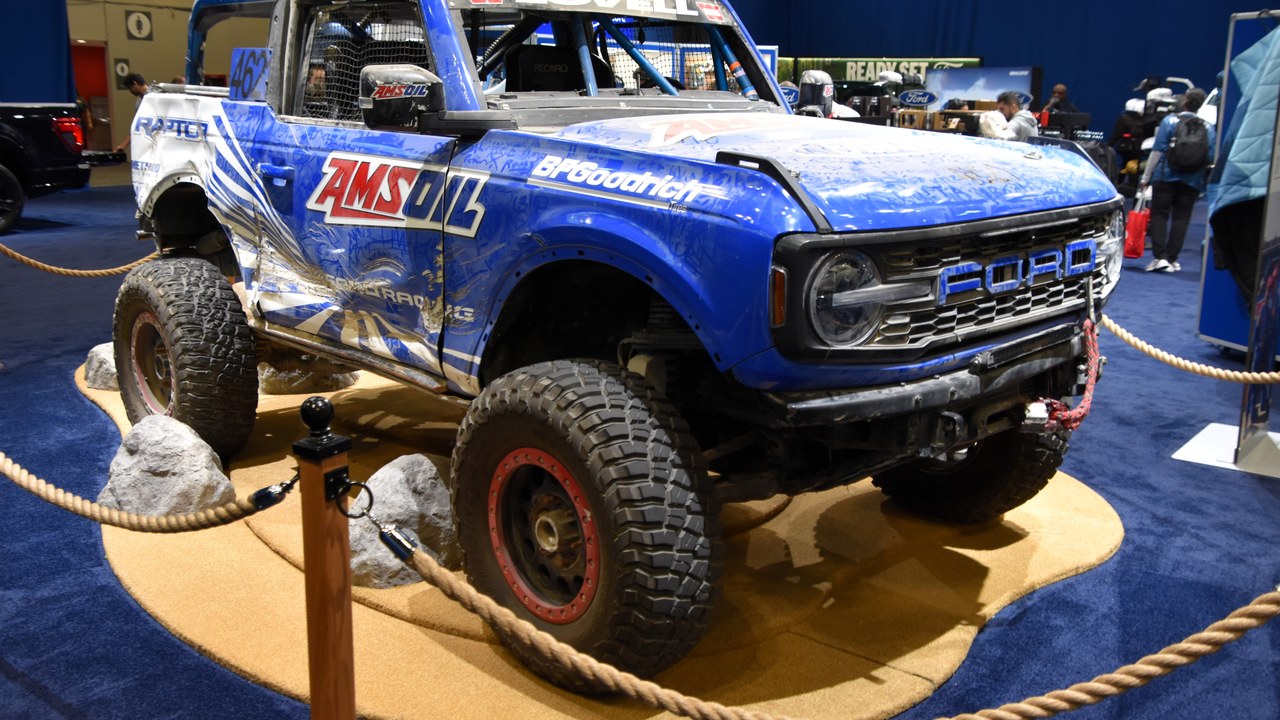
Production of the Bronco ended in 1996, and the nameplate did not return until the 2021 model year, a gap of 25 years. According to a KBB comeback roundup, anticipation of the comeback lasted for decades, which gave the revival a long runway of goodwill before a single unit reached a showroom.
Buyers weighing the new truck are buying into a badge that was dormant for a generation. The revived model is a ground-up design rather than a continuation of the old one, so the heritage lives mainly in the name and styling.
2. Nissan Z: Back After Three Years
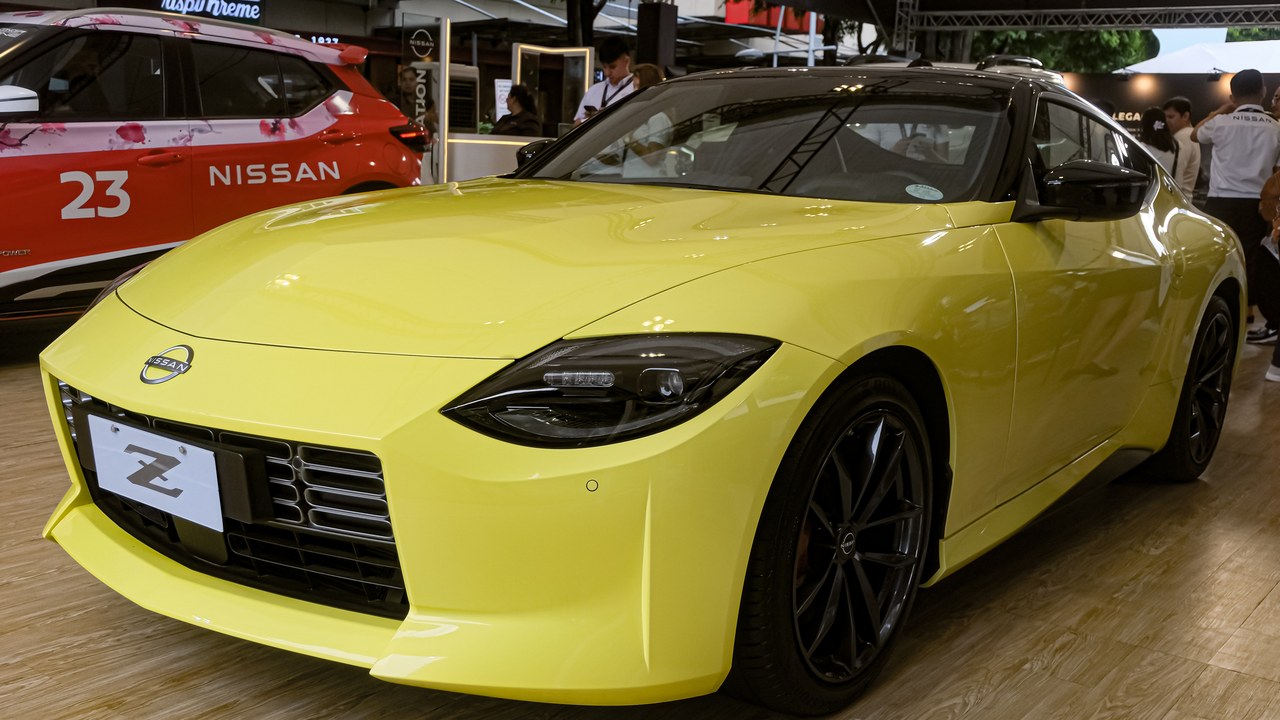
The 370Z was retired in 2020, and Nissan revived the sports coupe under the simpler Z name in 2023. The comeback stories feature lists the car among nameplates that vanished and then returned, with the break lasting only a few model years rather than decades.
That short gap matters for shoppers. The revival keeps the long-running two-seat coupe formula alive, and the return of the lineage came quickly enough that many owners of earlier Z cars were still active enthusiasts when it arrived.
3. Honda Prelude: The Longest Wait
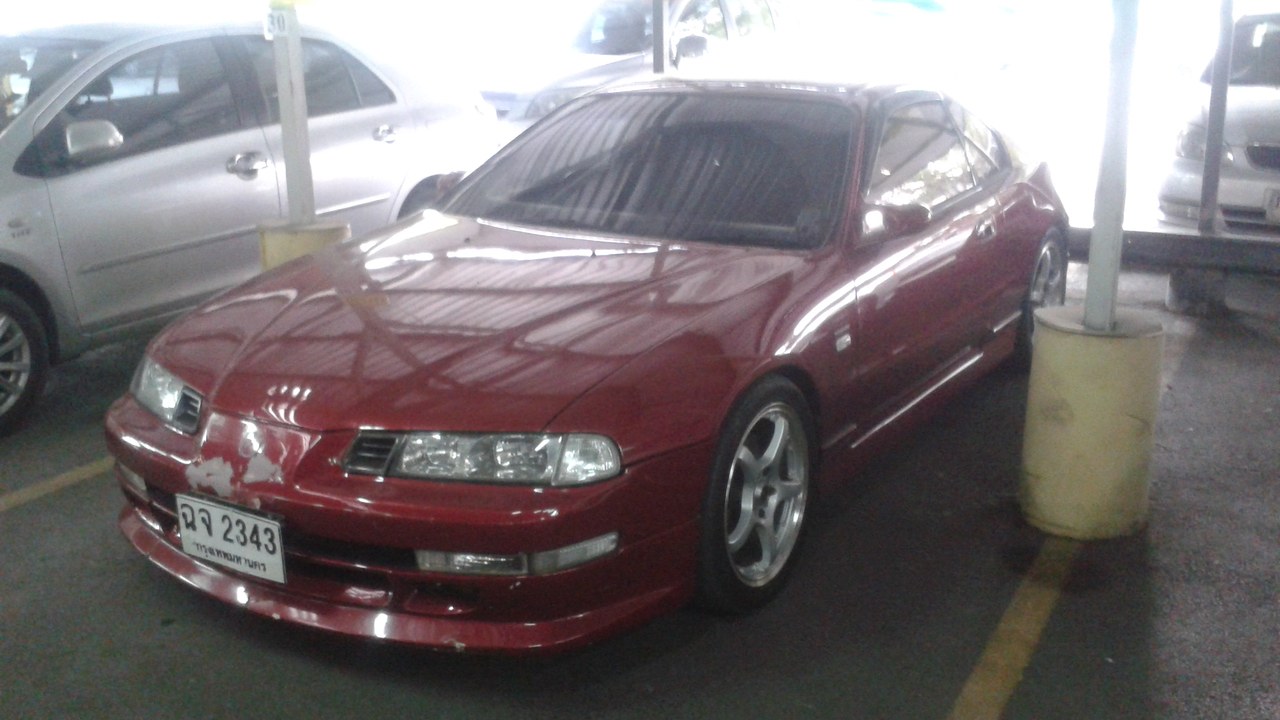
Honda ended Prelude production in 2001, and KBB notes that the coupe then remained absent for more than two decades before returning for the 2026 model year. Few nameplates on this list sat idle for as long, which makes the Prelude one of the longest dormancies among the dozen.
A gap of that length means the revival speaks largely to nostalgic buyers, since a generation of drivers grew up without the car on sale. Anyone comparing it with the original should treat the name as a link to the past and the car itself as a fresh design.
4. Chevrolet Camaro: Eight Years Off The Road
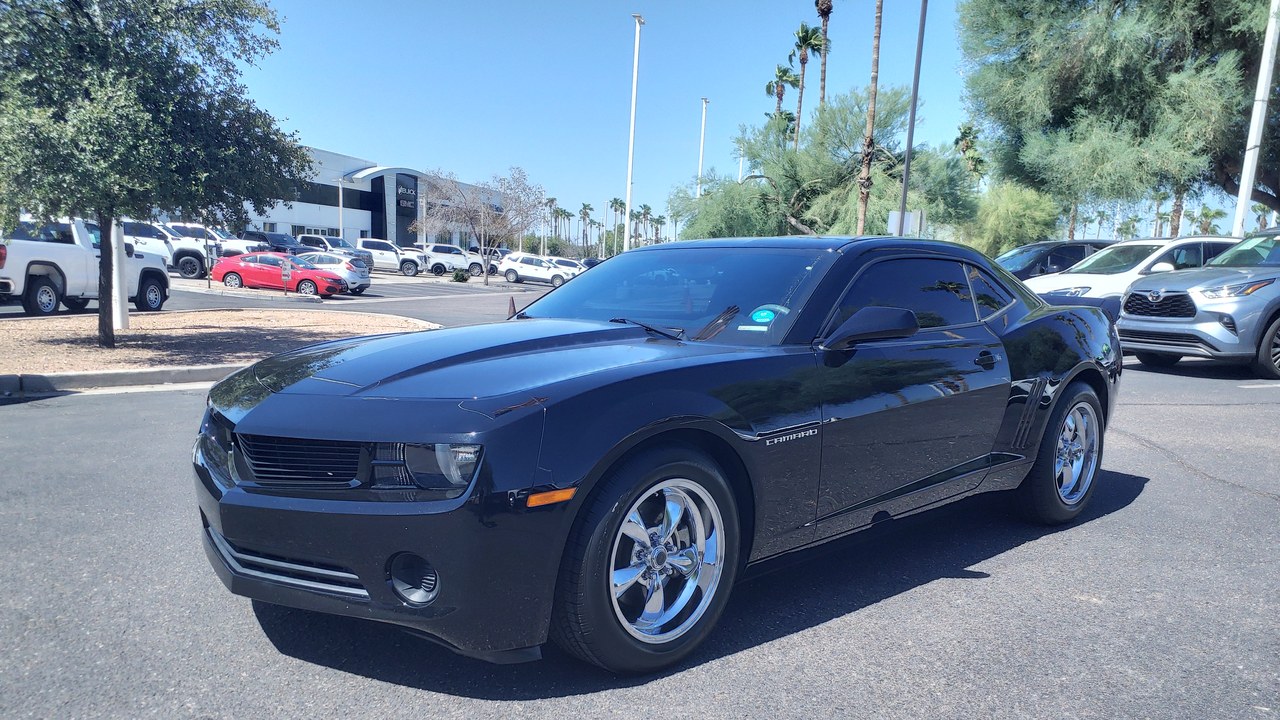
After an eight-year hiatus running from 2002 to 2010, Chevrolet brought the Camaro back, a return documented in the KBB roundup of revived models. The pause was short enough that the muscle car re-entered a market still primed for retro-styled rear-drive coupes.
The comeback showed that a dormant nameplate can regain momentum quickly when the styling cues are recognisable. For used shoppers, the revived generation is the version most often seen today, so the badge now covers more years of return than of original production.
5. Chevrolet Blazer: Same Name, New Shape
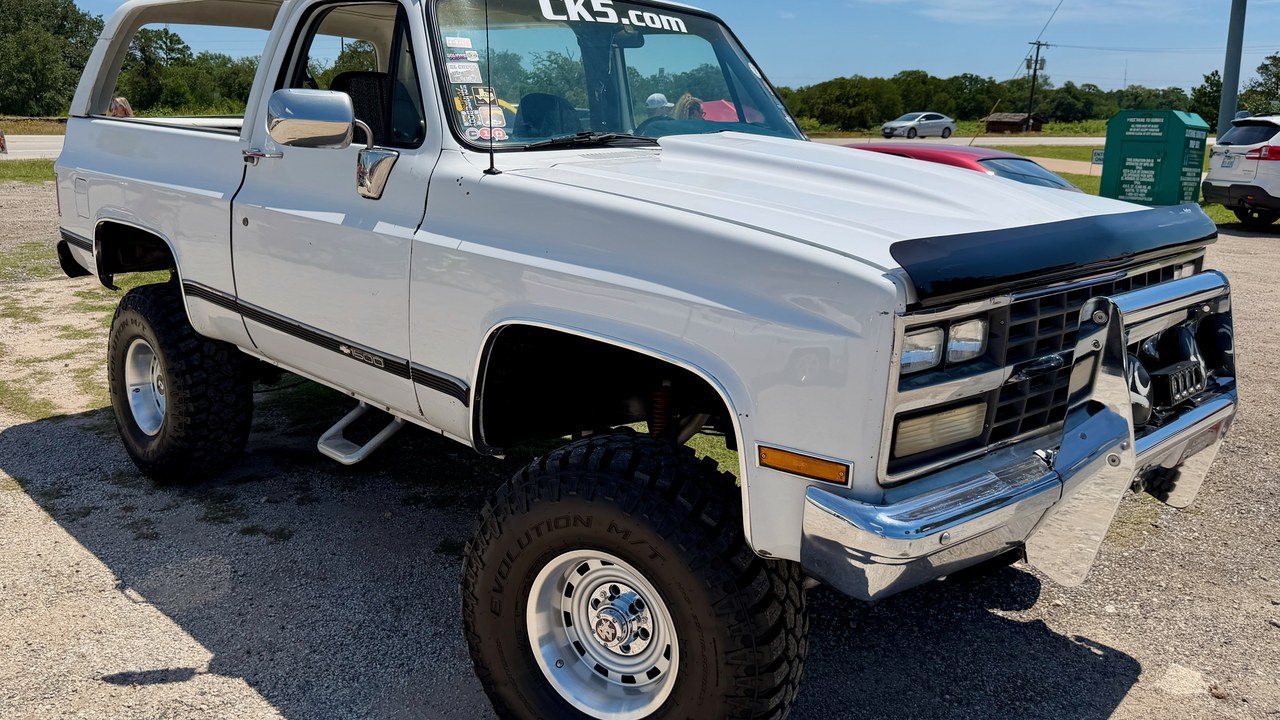
The K5 Blazer ran from 1969 to 1993, and the Blazer name came back for 2019, according to Hagerty’s list of returning nameplates. The revival moved the badge from a boxy full-size utility to a different kind of vehicle entirely, preserving the name while the format changed.
That distinction matters for buyers who expect the old truck. The modern Blazer shares a name and a family lineage with the K5 but is a different type of machine, so heritage here is a matter of branding more than of layout.
6. Dodge Charger: Coupe Becomes Sedan
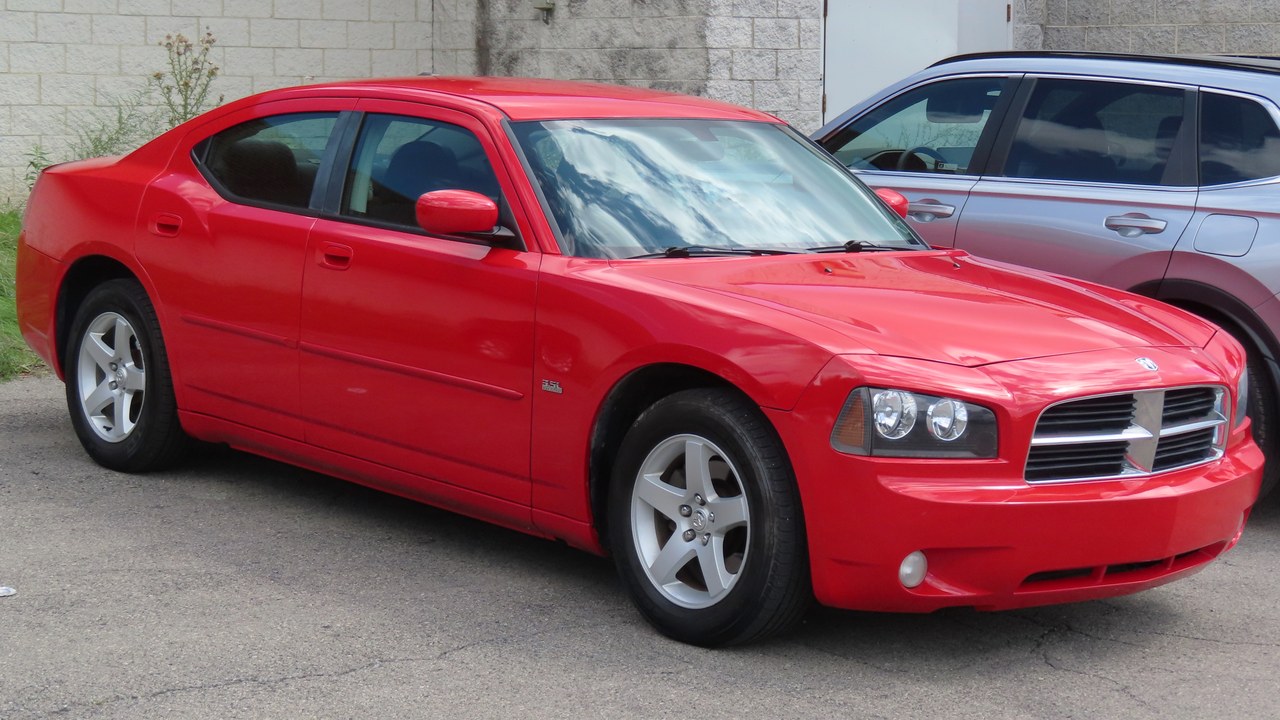
The original Charger stayed in production through 1978 and was reinvented in 2006 as a rear-wheel-drive four-door sedan, as Hagerty’s comeback feature describes. The gap lasted nearly three decades, and the return changed the body style from coupe to sedan.
The reinvention divided traditionalists but kept the name in front of buyers for another generation. Anyone shopping for a Charger should check which era is on offer, because the badge covers two quite different kinds of car.
7. Dodge Challenger: Retro Reborn
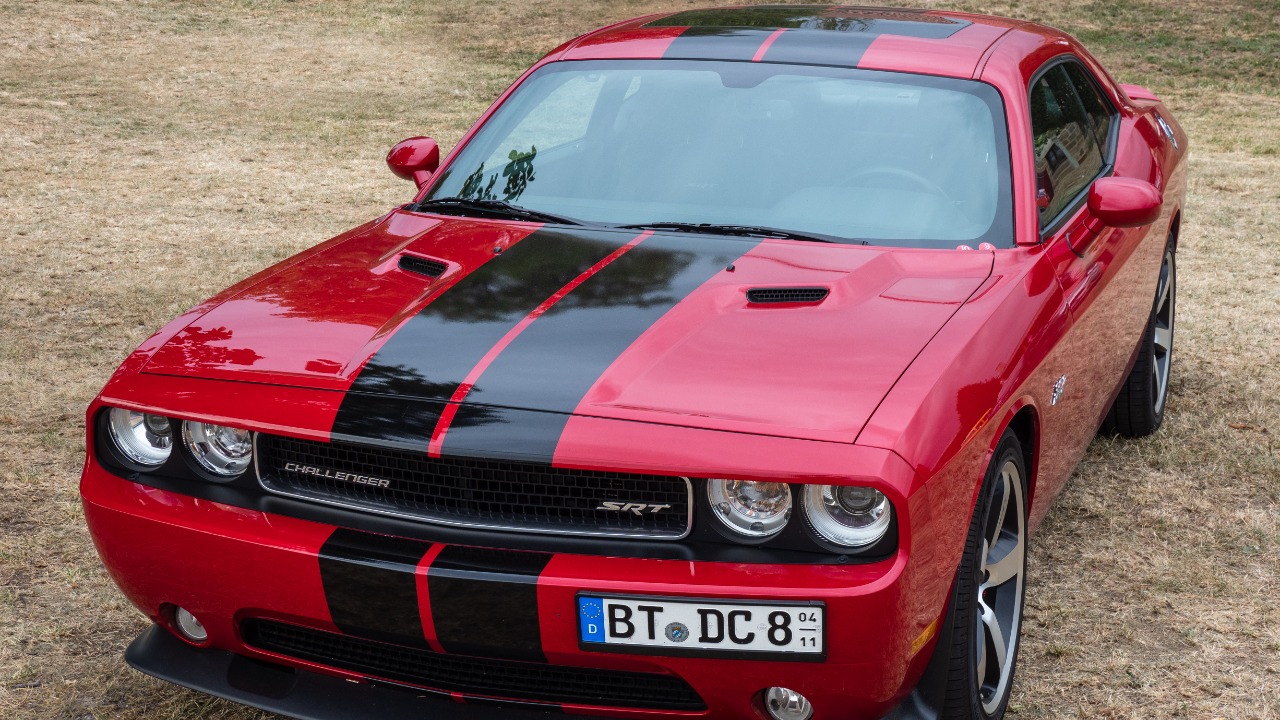
Dodge sold the original Challenger from 1970 to 1974, then launched a modern interpretation in 2008, a revival noted by Hagerty’s overview. The retro-styled coupe leaned directly on the look of the early cars, in contrast with the sedan-based reinvention of its Charger sibling.
The return came after a gap of more than three decades, and that long absence made the new car a nostalgia purchase from the start. Buyers can treat the badge as a deliberate echo of the early seventies original.
8. Land Rover Defender: Reinvented In Four Years
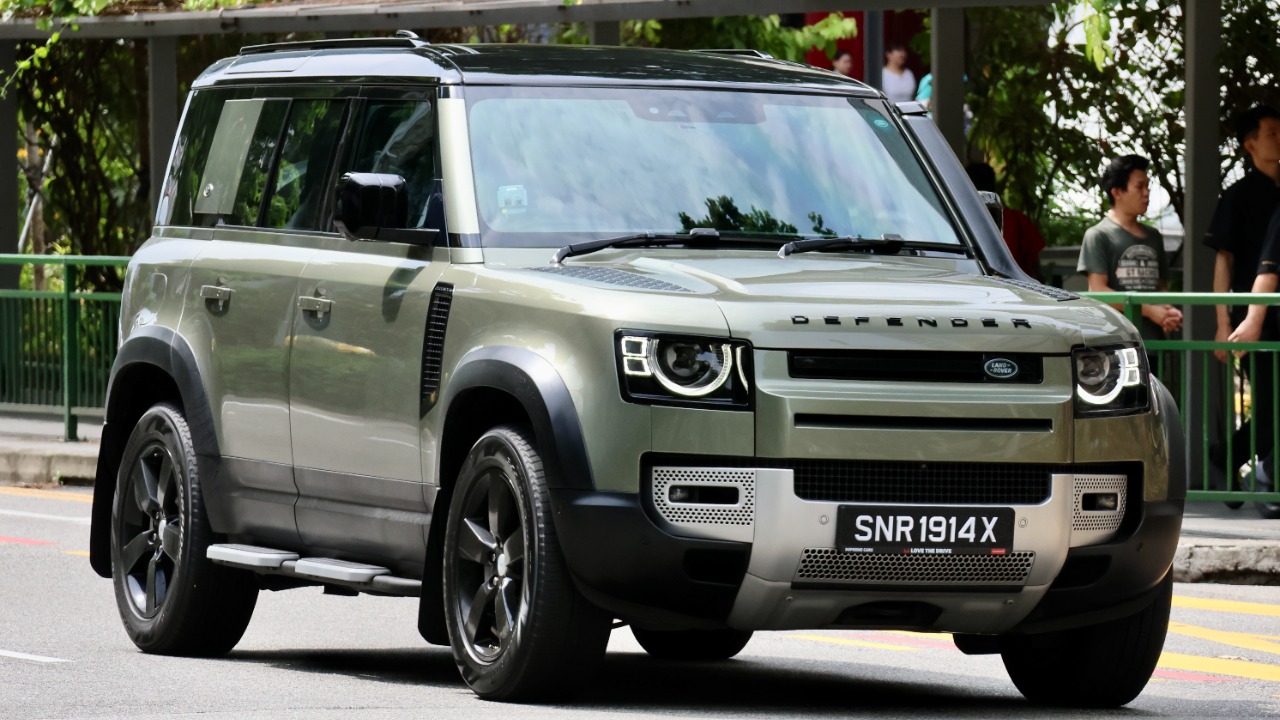
Production of the rugged original Defender ended in 2016, and an all-new Defender returned four years later, in 2020, as Hagerty’s account records. The short break and the sharp change in design made the revival more of a reinvention than a continuation.
For owners and buyers, the new model keeps the utilitarian name while adopting a thoroughly modern body and platform. The gap was brief by the standards of this list, yet the car that came back shares little with the one that left.
9. Ford Ranger: Eight Years Without It
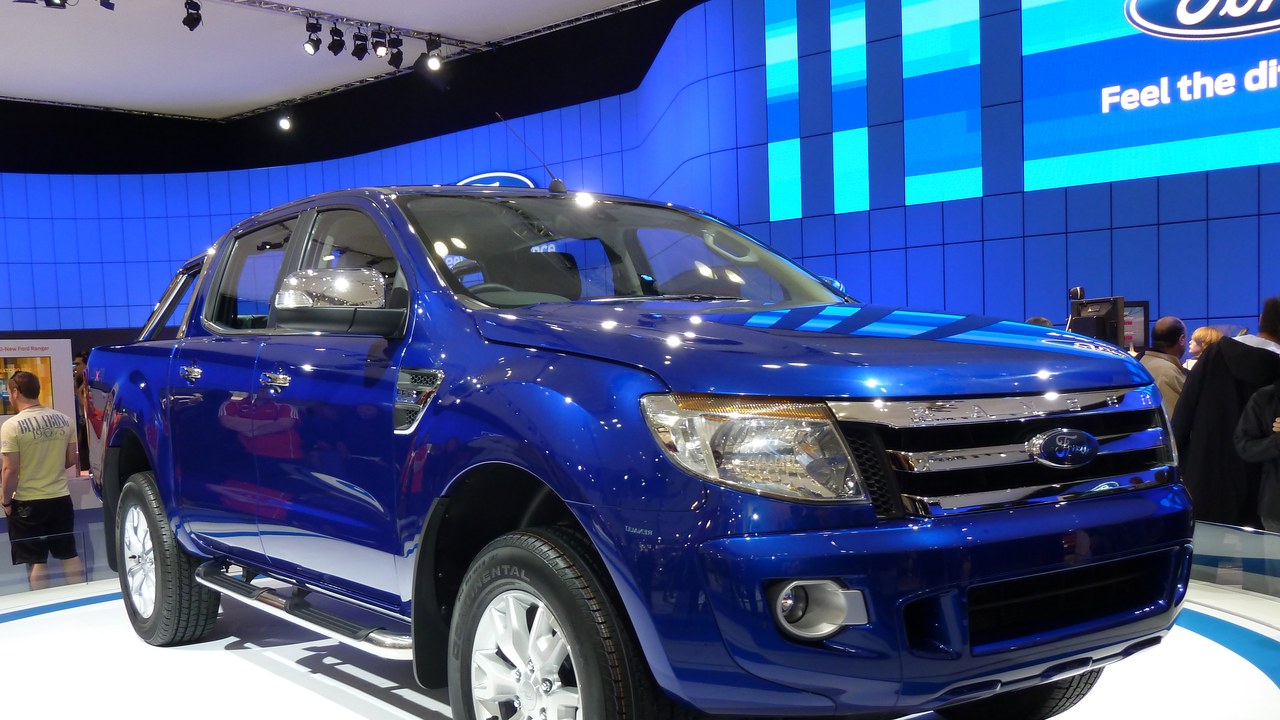
Ford stopped selling the Ranger in the United States in 2011, and an all-new Ranger returned for the 2019 model year, according to a 247/Wall St. special report on second-life cars. The compact pickup vanished for roughly eight years while Ford leaned on larger trucks.
The return filled a gap in the mid-size truck segment that rivals had kept alive in the meantime. Shoppers should note that the revived model is a different design from the one that left, built on the platform Ford had sold abroad.
10. Toyota Supra: Two Decades Dormant
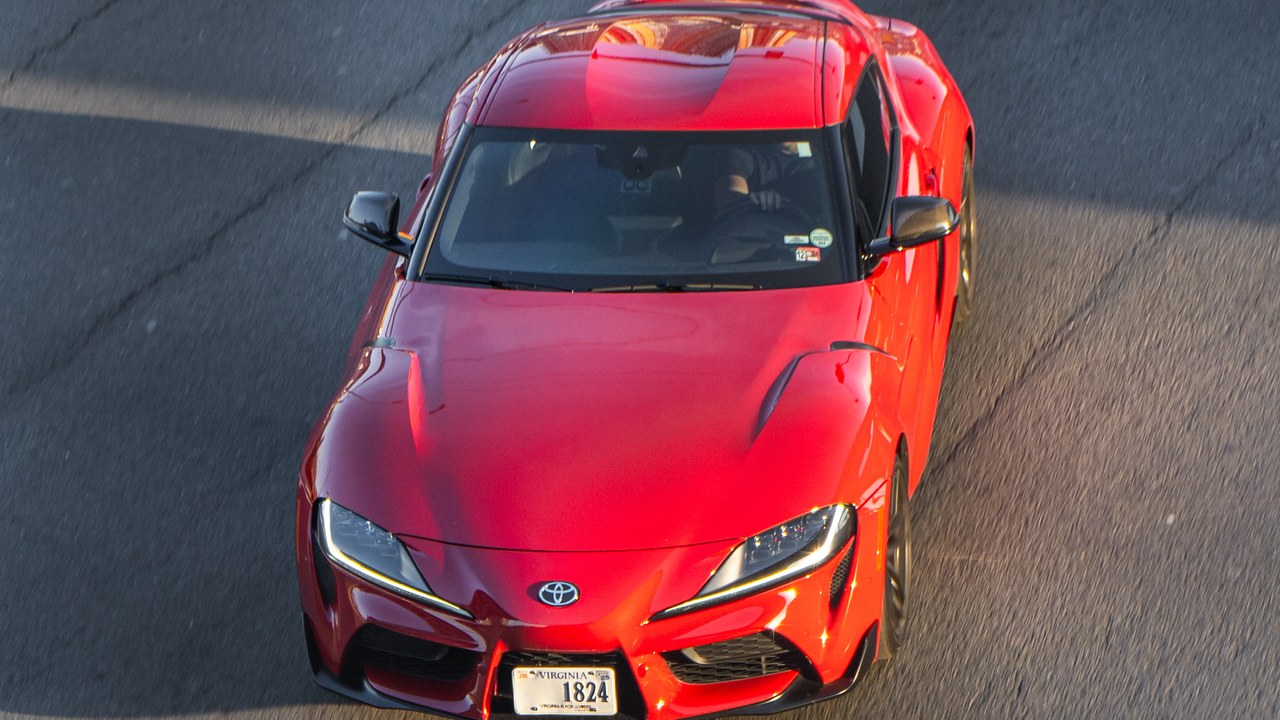
The first run of the Supra lasted from 1978 to 1999, and the revival arrived in 2019, as the 247/Wall St. comeback report lays out. That left a gap of about two decades for a name that built a devoted following among sports car fans.
The return came with a new generation designed in collaboration with another manufacturer, a detail that shaped the debate over how much of the old heritage survived. Buyers get the badge and a driver-focused coupe, if not the original formula.
11. GMC Hummer EV: Gas Guzzler Goes Electric
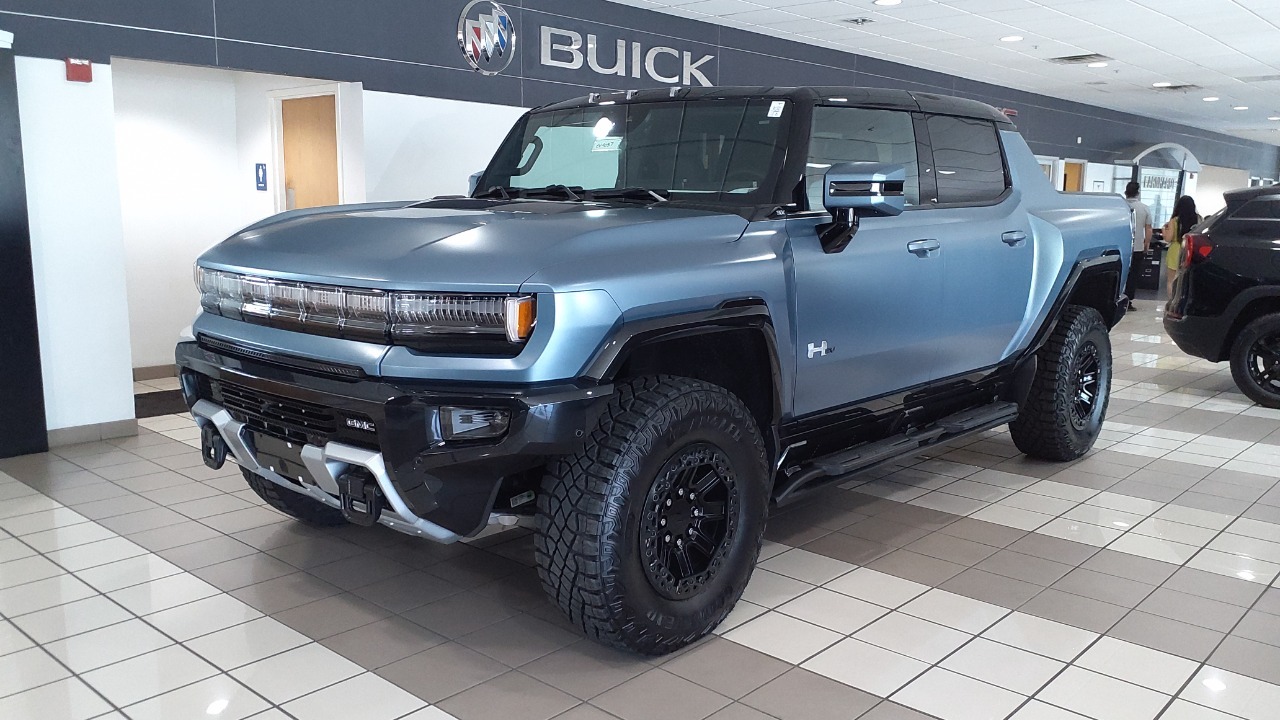
The Hummer name was dropped in 2010 and returned in 2021 as an electric pickup, according to the 247/Wall St. feature of comebacks. The brand that once stood for oversized fuel-hungry trucks came back under the GMC banner with a battery powertrain instead.
The revival swaps the old identity for a new one, keeping the rugged styling and the badge while changing the technology underneath. Buyers should view it as a reinterpretation of the name rather than a return of the original vehicle.
12. Jeep Wagoneer: Nearly Three Decades Gone
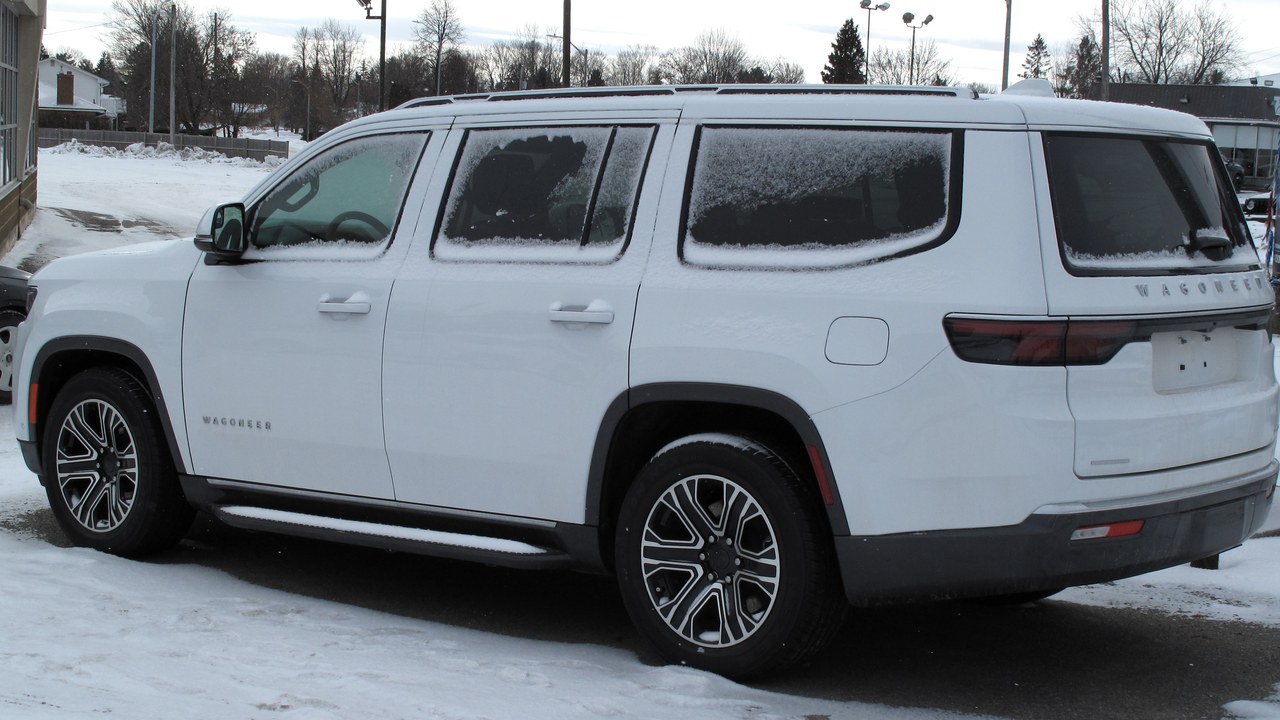
The Wagoneer went out in 1993, and the resurrected Wagoneer entered production for the 2022 model year, a revival covered in the 247/Wall St. special report. The break lasted nearly three decades, one of the longest absences among the dozen nameplates.
The new model targets the large premium sport utility segment and carries a far higher price positioning than the old version. Anyone expecting the wood-trimmed original should recognise that only the name has returned.
More from Morning Overview
- The FBI told the rest of ShinyHunters to surrender after a 24-year-old was arrested
- Two passengers died at an Ohio toll plaza, and the NTSB now wants the cash lanes shut
- Long use of a common prostate pill is tied to a higher chance of glaucoma
- Ford is recalling 223,472 F-150 pickups because the fuel tank can leak or detach
