
The Insurance Institute for Highway Safety released its first crash-avoidance ratings for commercial vehicles on October 8, 2026. Cargo vans and heavy-duty pickups, the everyday tools of trades and delivery fleets, mostly struggled to stop for cars, pedestrians and motorcycles. Here are eleven of the models graded, with the result each one earned.
1. Chevrolet Express 2500: No Braking System At All
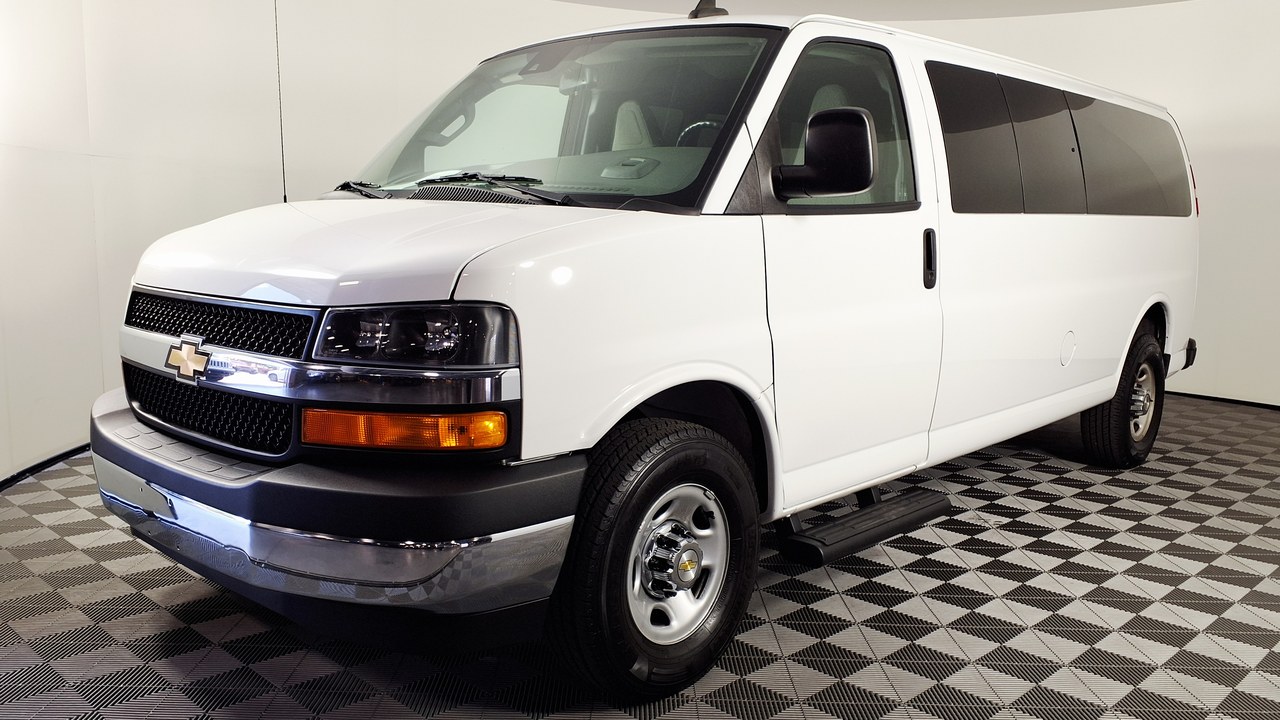
The Chevrolet Express 2500 landed at Poor in both the vehicle-to-vehicle and pedestrian tests, according to Claims Journal’s coverage of the October 8 results. The van lacks automatic emergency braking entirely, so nothing slowed it in either scenario.
Fleets that still run Express vans have no braking technology here to fall back on. Protection against rear-end and pedestrian crashes depends on driver attention, following distance and speed, which is a thin margin for a vehicle that spends its days in city traffic.
2. GMC Savana 2500: Optional Warning Only
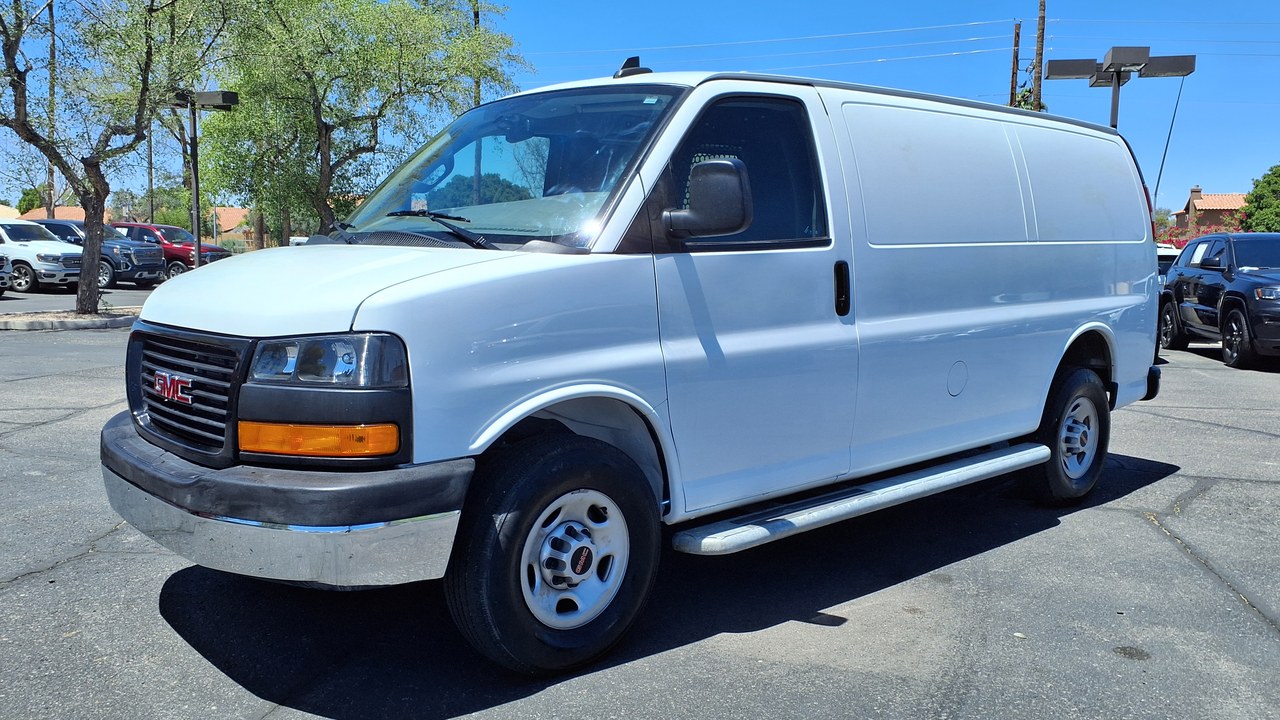
Mechanically related to the Express, the GMC Savana 2500 earned the same pair of Poor ratings, as reported by Claims Journal. Its only crash-avoidance equipment is an optional forward collision warning, which alerts a driver but does not brake the van.
A buyer ordering a Savana would have to add that option just to get an alert, and even then the van would not stop itself. Together with its Express twin, it shows how little automatic protection this GM van platform offered in the tests.
3. Ford Transit: Silent Around Motorcycles
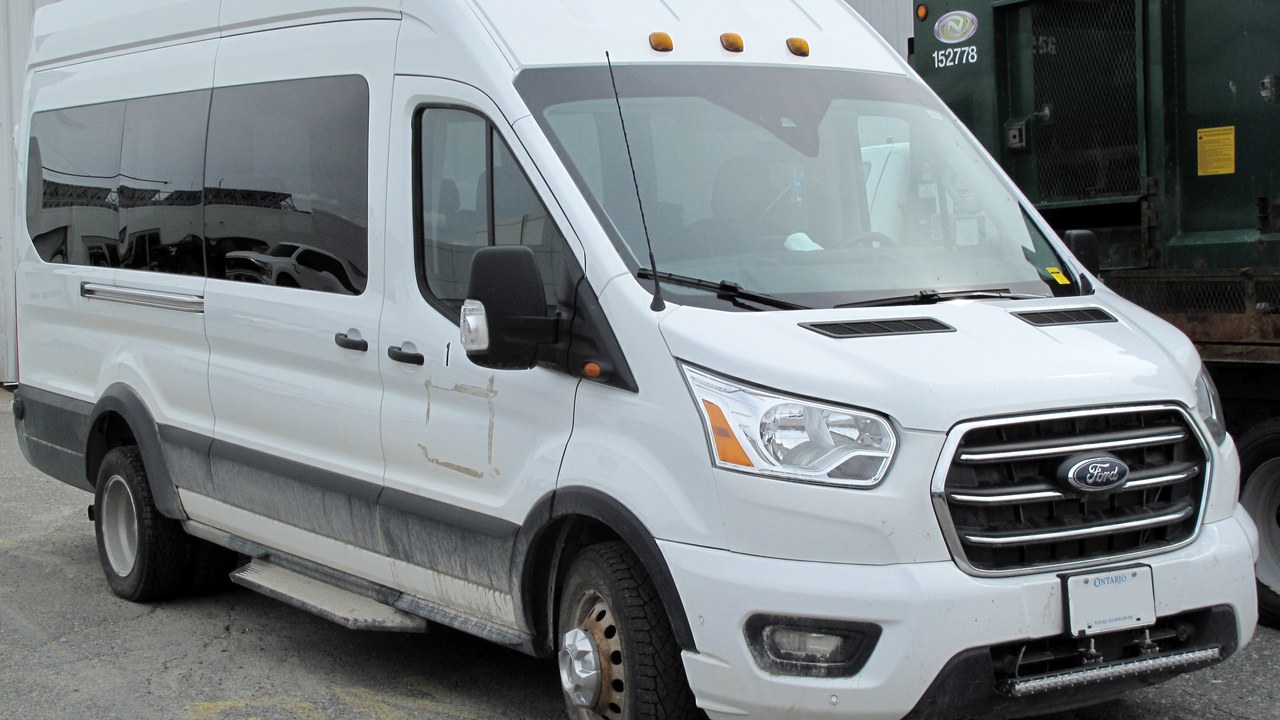
The 2025 Ford Transit T250 rated Poor for vehicle-to-vehicle front crash prevention in the IIHS Transit T250 rating. Testers also recorded that it gave no timely warning in any of its motorcycle runs.
The Transit is a common sight among tradespeople and parcel carriers, so the finding reaches a lot of road miles. Motorcyclists are the road users least likely to be seen by a distracted van driver, and here the van’s warning system offered no backup.
4. Ram ProMaster: No Slowing at 43 MPH
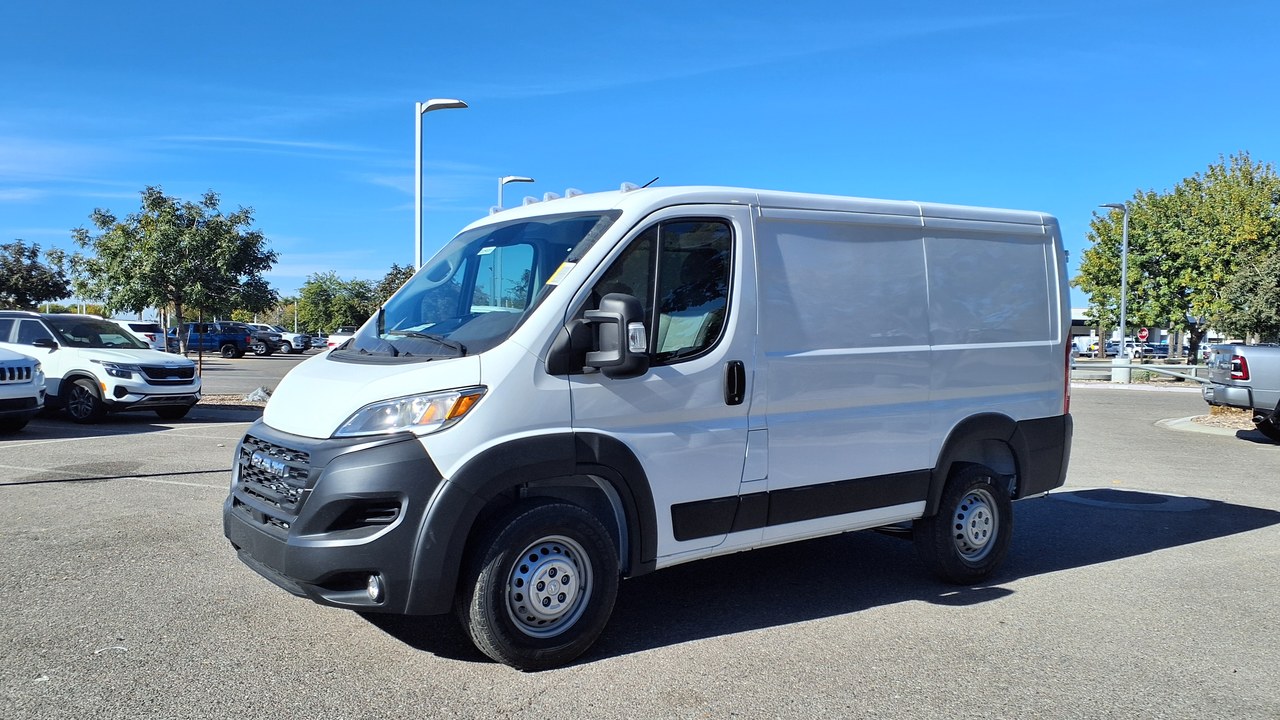
The Ram ProMaster 2500 also rated Poor for vehicle-to-vehicle prevention, and the IIHS ProMaster 2500 page gives the clearest picture of what that means. Approaching a car target at 43 mph, the van showed no speed reduction.
A van that carries on at full speed toward a stopped or slower vehicle leaves the whole job of avoiding the crash to the driver. For a fleet manager comparing large vans, that result belongs next to price and cargo volume.
5. Chevrolet Silverado 3500HD: Poor in the Car Test
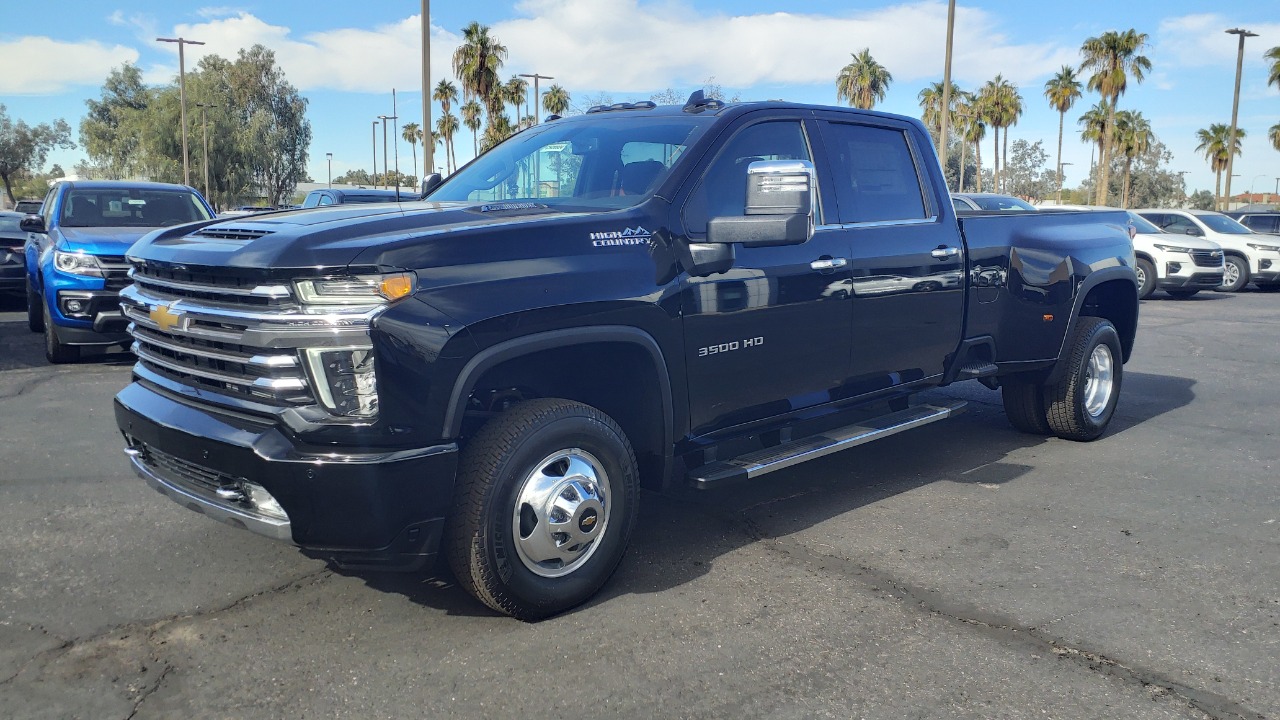
Among the four Class 3 pickups, the Chevrolet Silverado 3500HD was graded Poor in IIHS’s vehicle-to-vehicle crash prevention test, a result summarized in the Institute’s release on work vehicles. It sits in the bottom tier alongside two of its rivals.
Heavy-duty trucks tow and haul at weights that lengthen stopping distances, which makes early automatic braking more valuable, not less. The rating suggests owners should not count on the system to cover for a distracted moment.
6. GMC Sierra 3500: Same Grade as Its Chevy Twin
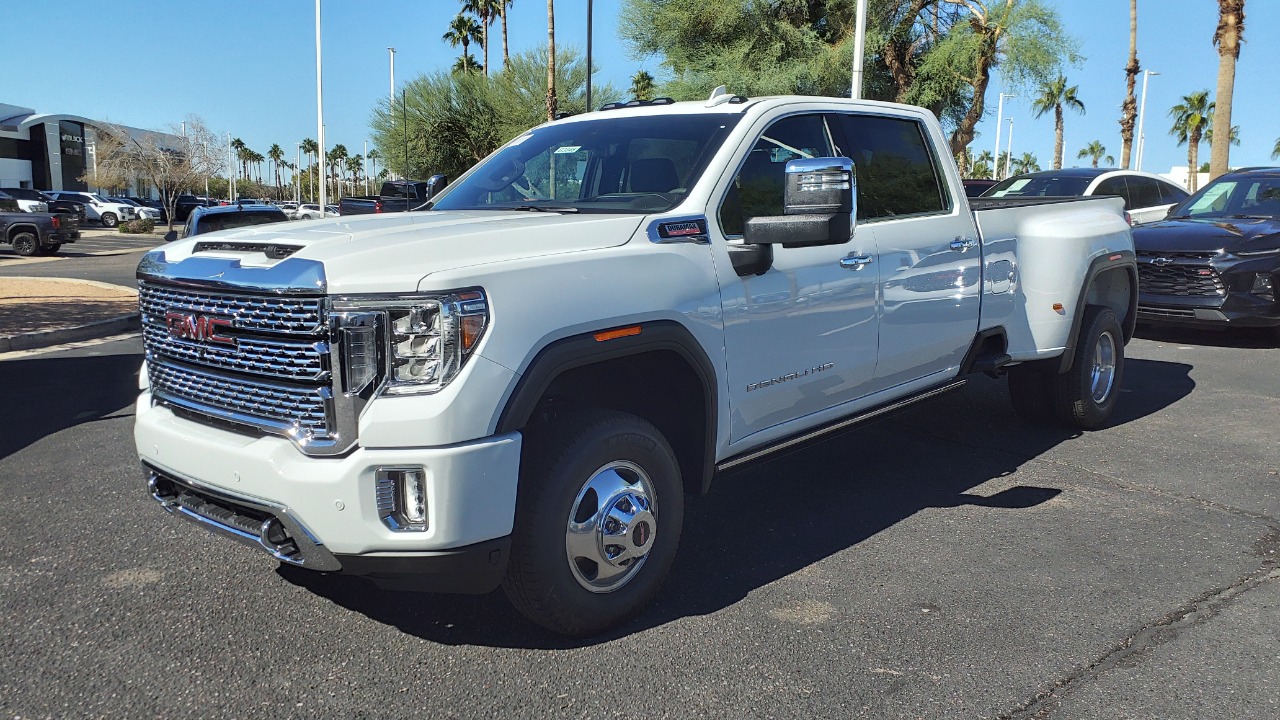
The GMC Sierra 3500 matched its General Motors sibling with a Poor rating in the vehicle-to-vehicle crash prevention test, according to the IIHS work-vehicle findings. Three of the four heavy pickups tested landed at that level.
Trim level does not appear to change the picture in the published result. A contractor choosing between the two GM trucks will find no difference in either on this measure, so the decision comes down to price, equipment and dealer support.
7. Ford F-350: Better With Pedestrians
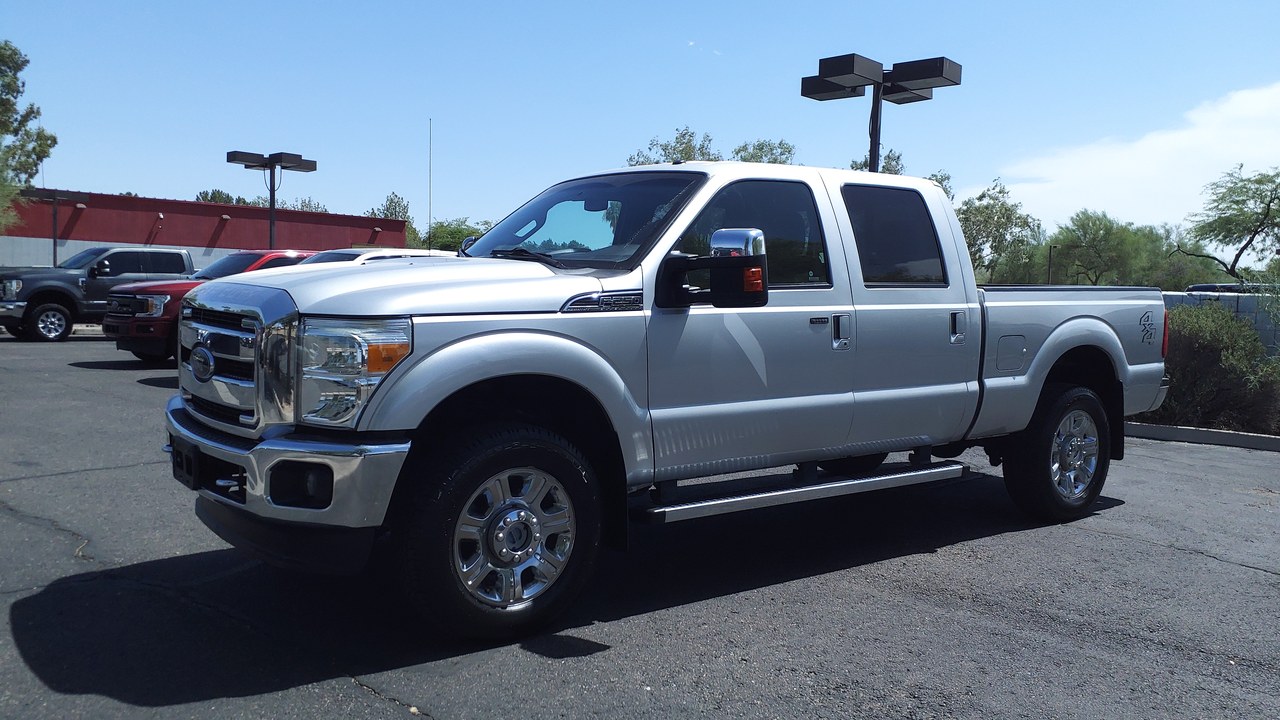
The Ford F-350 produced a split result: Poor for vehicle-to-vehicle crash prevention but Acceptable for pedestrian crash prevention, per the IIHS crash-avoidance summary. The pedestrian grade was the stronger of its two results.
The gap shows that a system can handle people on foot better than it handles a car ahead. Owners should read the two grades separately, since highway following and urban walking-speed scenarios stress the technology in different ways.
8. Ram 3500: Best of a Weak Class
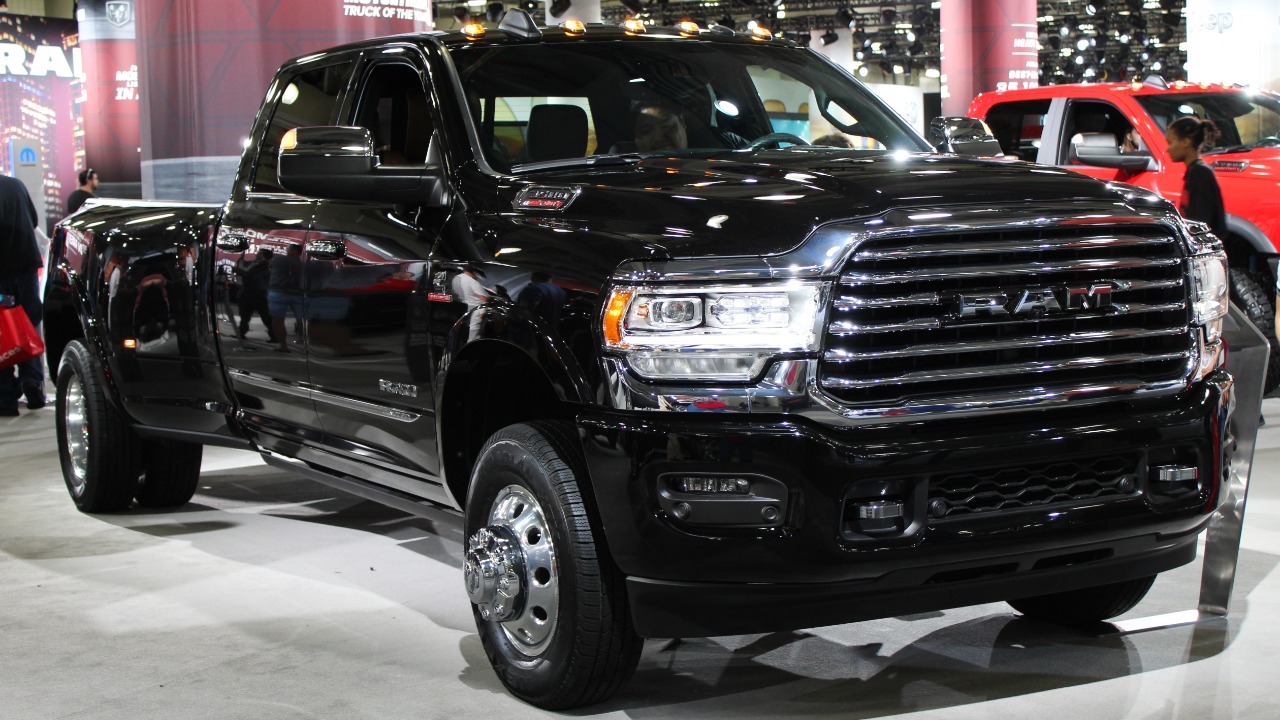
The Ram 3500 earned Marginal in the vehicle-to-vehicle test, which the IIHS pickup results identify as the best showing among the four Class 3 pickups. The other three finished at Poor.
Marginal is still the second-lowest of the four rating levels, so the Ram’s lead is relative rather than reassuring. For a buyer shopping heavy-duty trucks, it is the strongest of a weak field and nothing more, and no Class 3 pickup reached Acceptable in the car test.
9. Rivian Delivery Van: Good With Pedestrians

The Rivian RCV-Delivery 500 earned a Good pedestrian crash prevention rating, one of the top marks handed out in the October 8 results described by Claims Journal. The electric van is built for last-mile delivery, where drivers make frequent stops near sidewalks.
That duty cycle makes the grade meaningful. A delivery van spends much of its day around people on foot, and a system that reacts to them is more useful there than in long-haul driving.
10. Chevrolet BrightDrop: Avoided Both Targets
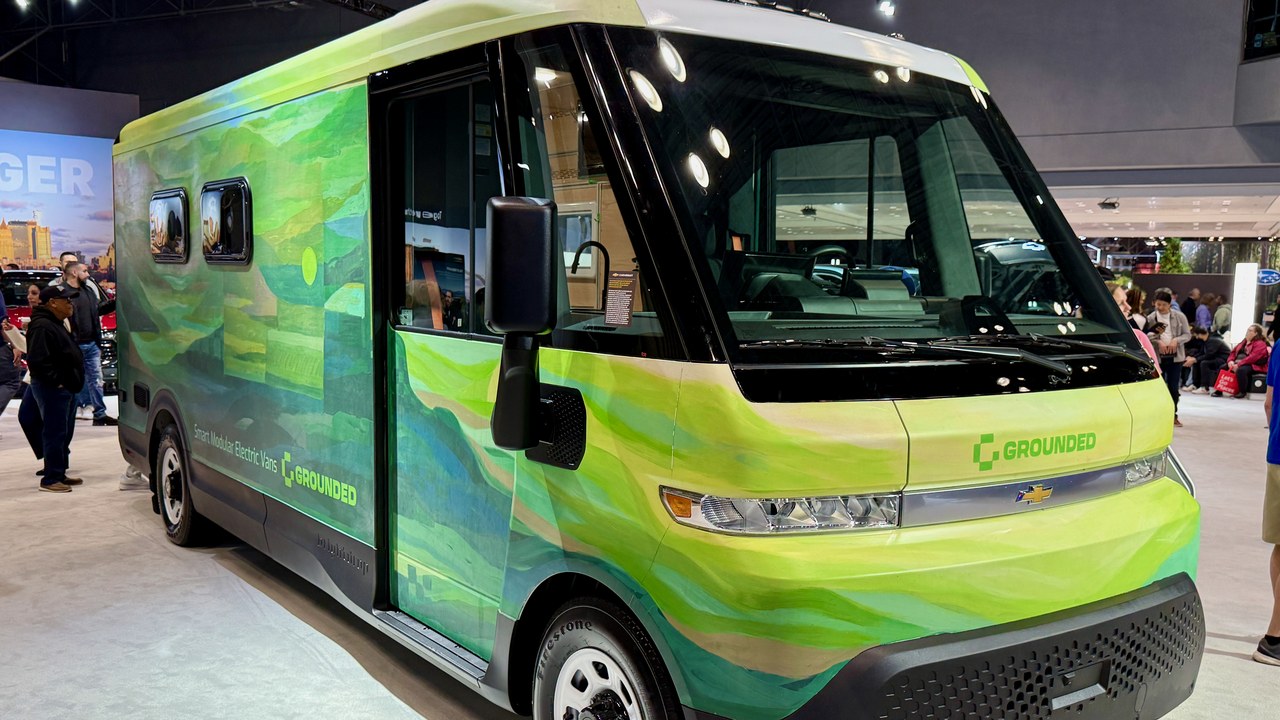
The Chevrolet BrightDrop 400 rated Acceptable for vehicle-to-vehicle prevention and Good for pedestrians, as shown on its IIHS BrightDrop rating page. It avoided the car and motorcycle targets in runs at 31 and 37 mph.
Avoiding the motorcycle target matters because most of the systems tested missed motorcycles. Among the vans graded, the electric BrightDrop shows that a delivery-focused design can earn strong marks on both car and pedestrian tests, with the Sprinter the only van to do better against cars.
11. Mercedes-Benz Sprinter: The Only Good Grade
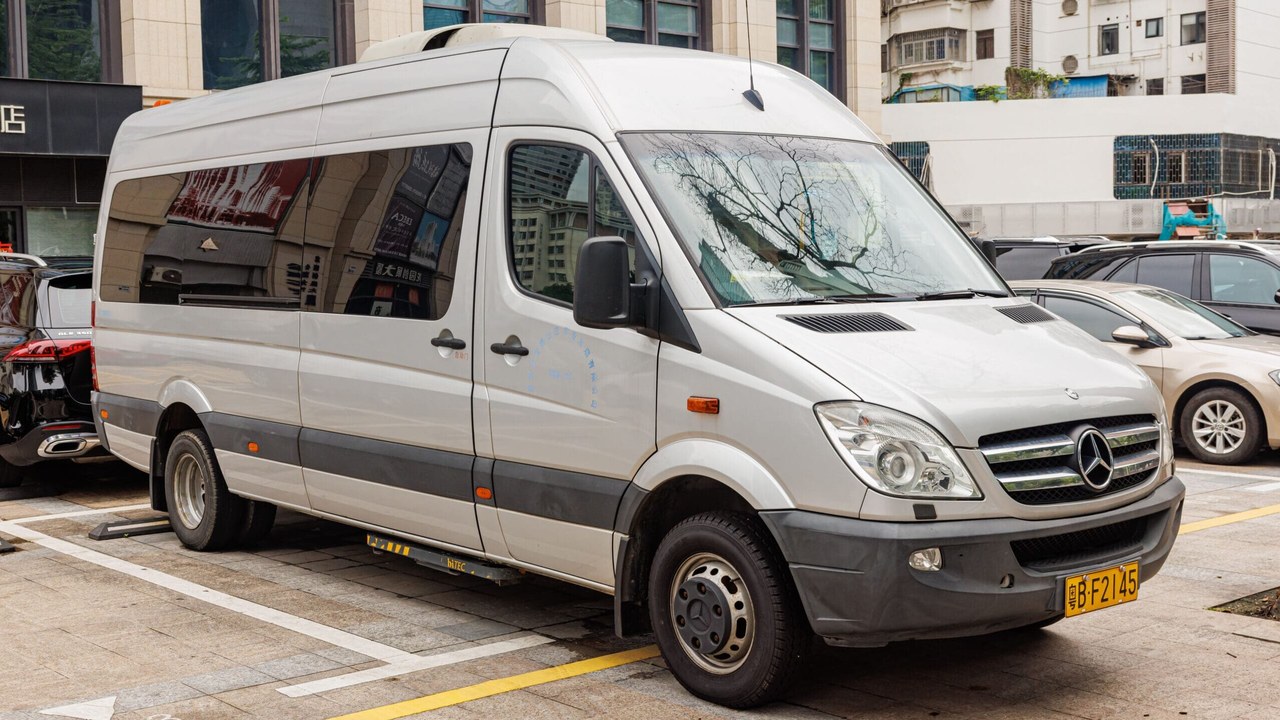
The Mercedes-Benz Sprinter 2500 was the only vehicle of the eleven to be rated Good in vehicle-to-vehicle crash prevention, and it added an Acceptable rating for pedestrians, Claims Journal reported. No pickup came close to that result.
Cargo vans were the best performers overall, and the Sprinter led them. A fleet that prioritizes automatic braking now has a clear benchmark in the large-van segment, one that most competing vans in this round of testing did not match.
More from Morning Overview
- The NSA says three phone features should be off whenever you aren’t using them
- Hurricane Hunter radar shows four warning signs that a tropical cyclone is about to strengthen, a University of Miami study found
- Tropical Storm Rachel is dumping up to 12 inches on four Mexican states on its way to major hurricane strength
- The FTC says Lens.com doubled the price shoppers saw in Google ads
