
American museums preserve more ordinary automobiles than most visitors expect. The collections at the Smithsonian and The Henry Ford span a postwar sedan, family wagons, compact imports and a final-generation Thunderbird. Here are thirteen cars from those collections, each documented by the museum that holds it.
1. Tucker 48: The Sedan That Almost Was
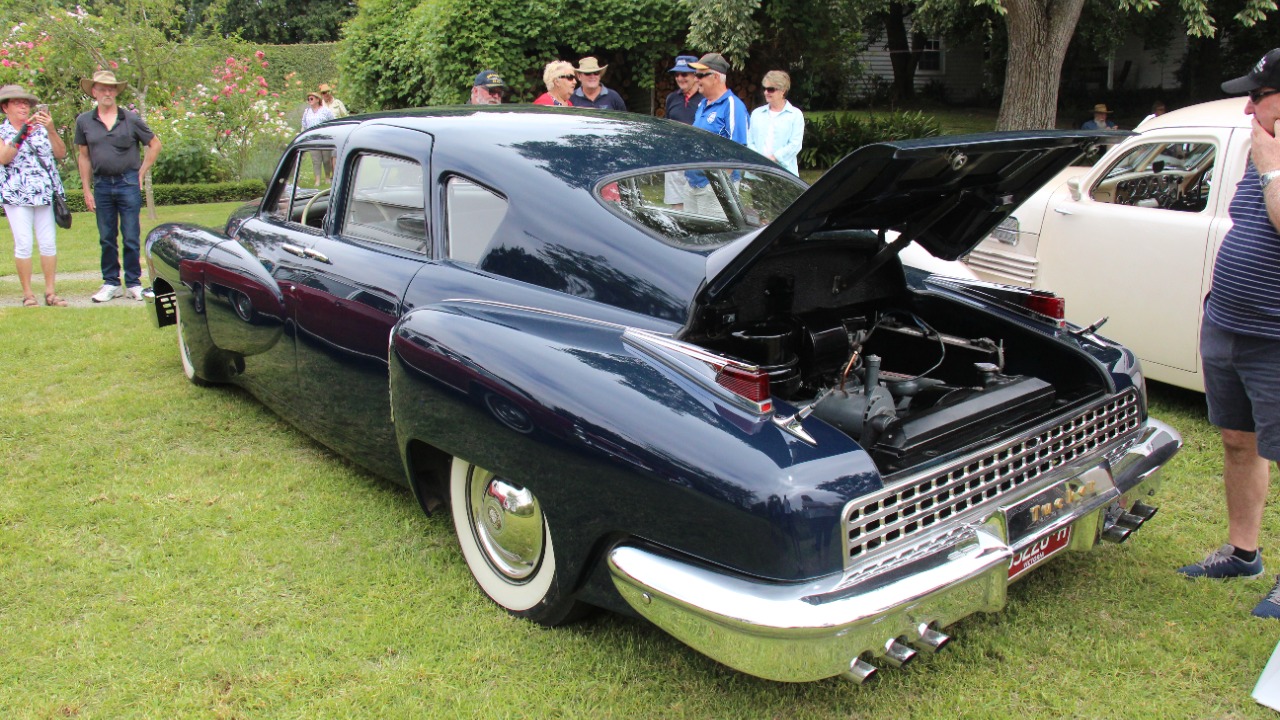
Among the Smithsonian’s holdings in Washington sits a Smithsonian collection record of a 1948 Tucker sedan, an automobile from the short-lived postwar effort to challenge Detroit’s established makers.
Anyone planning a visit to the National Museum of American History can treat the Tucker as a rare survivor of an ambitious independent venture. The car stands among the museum’s other automobiles, which together trace American motoring across several decades, so it is easy to compare against ordinary family cars nearby. Checking the museum’s collection page before travelling is sensible, since displays rotate.
2. Ford Country Squire: Wood Panels And Family Trips
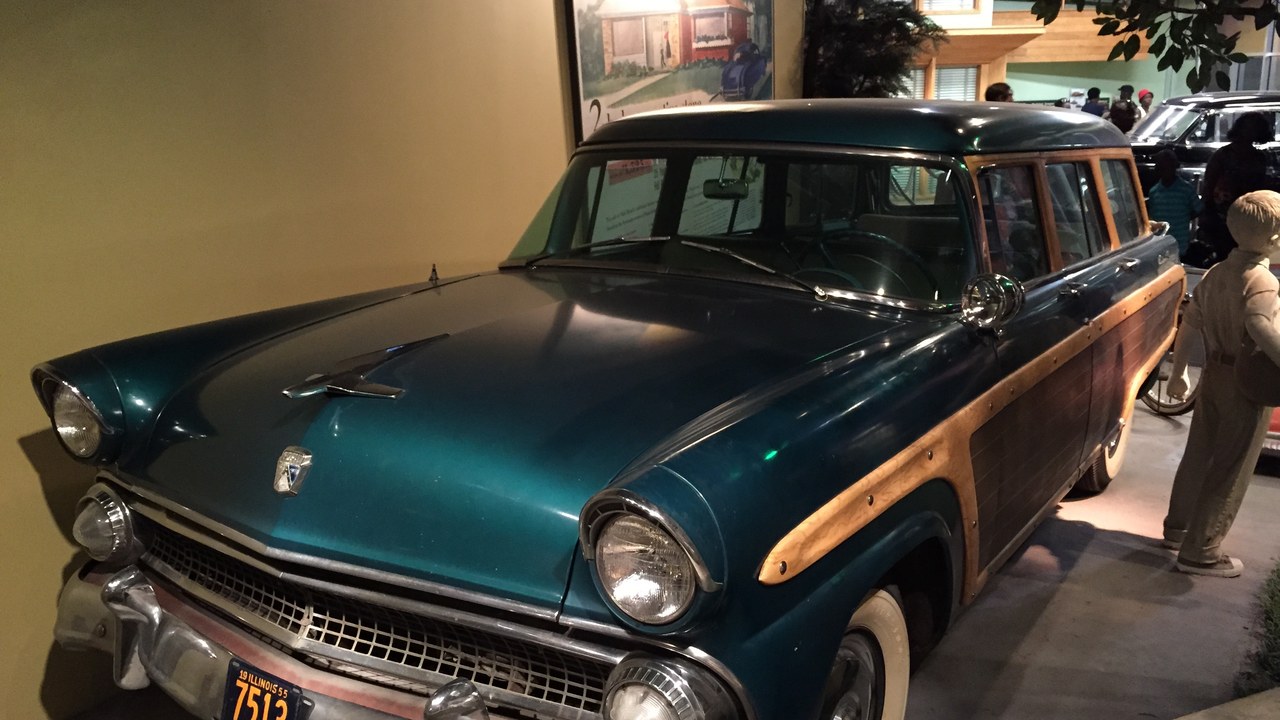
A 1955 Ford Country Squire station wagon is catalogued in the Smithsonian collection record at the National Museum of American History, part of the Smithsonian’s automobile collection.
The Country Squire stands for the suburban family hauler of the postwar years, a vehicle built for luggage, children and road trips rather than speed. Station wagons of this kind often wore simulated wood trim as a styling signature. The museum’s record gives a reliable way to confirm the exact model year before judging any similar wagon seen at a car show.
3. Chevrolet Corvette Sting Ray: Fiberglass Icon In The Collection
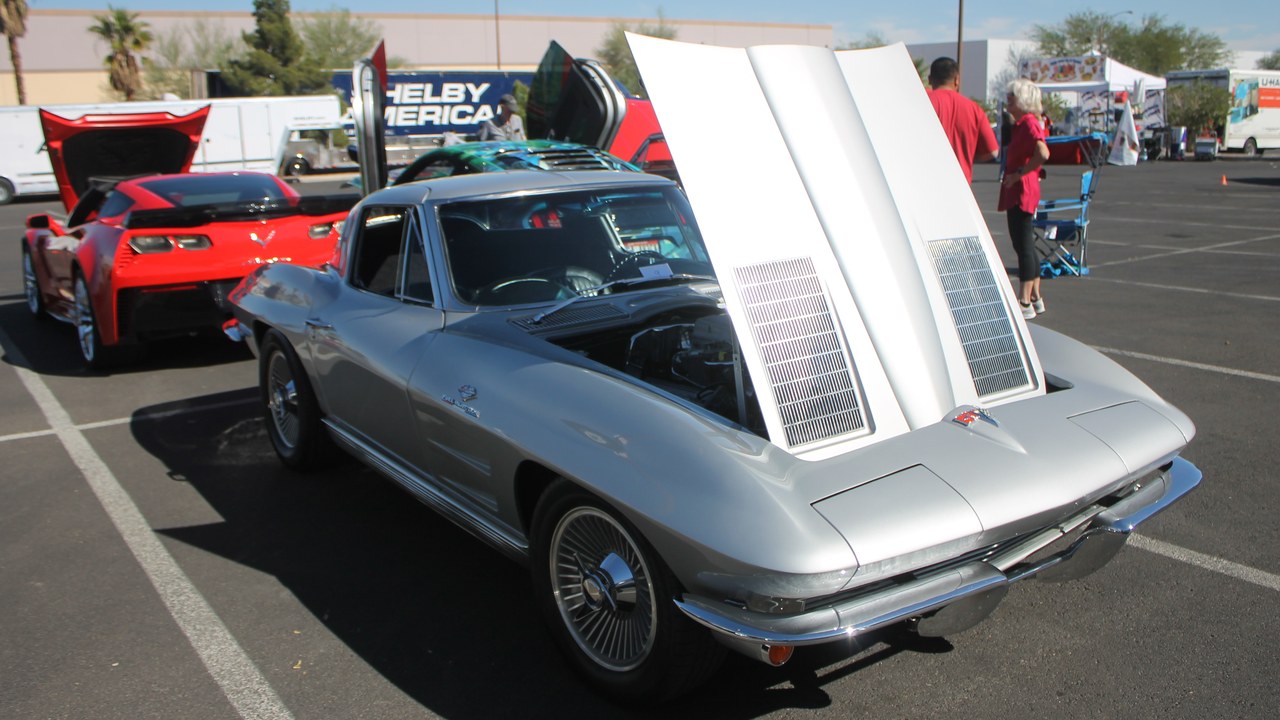
Listed as Smithsonian collection record, a 1963 Chevrolet Corvette Sting Ray convertible belongs to the Smithsonian’s automobile collection at the National Museum of American History.
The Sting Ray name marks the second-generation Corvette, a design that remains among the most recognisable American sports cars. Having a convertible in a national museum shows how a performance model can become an object of historical interest. Readers hoping to see it should consult the museum’s collection record, because loans and gallery changes can affect what is on view at any given time.
4. Volkswagen Super Beetle: The Beetle With A Longer Nose
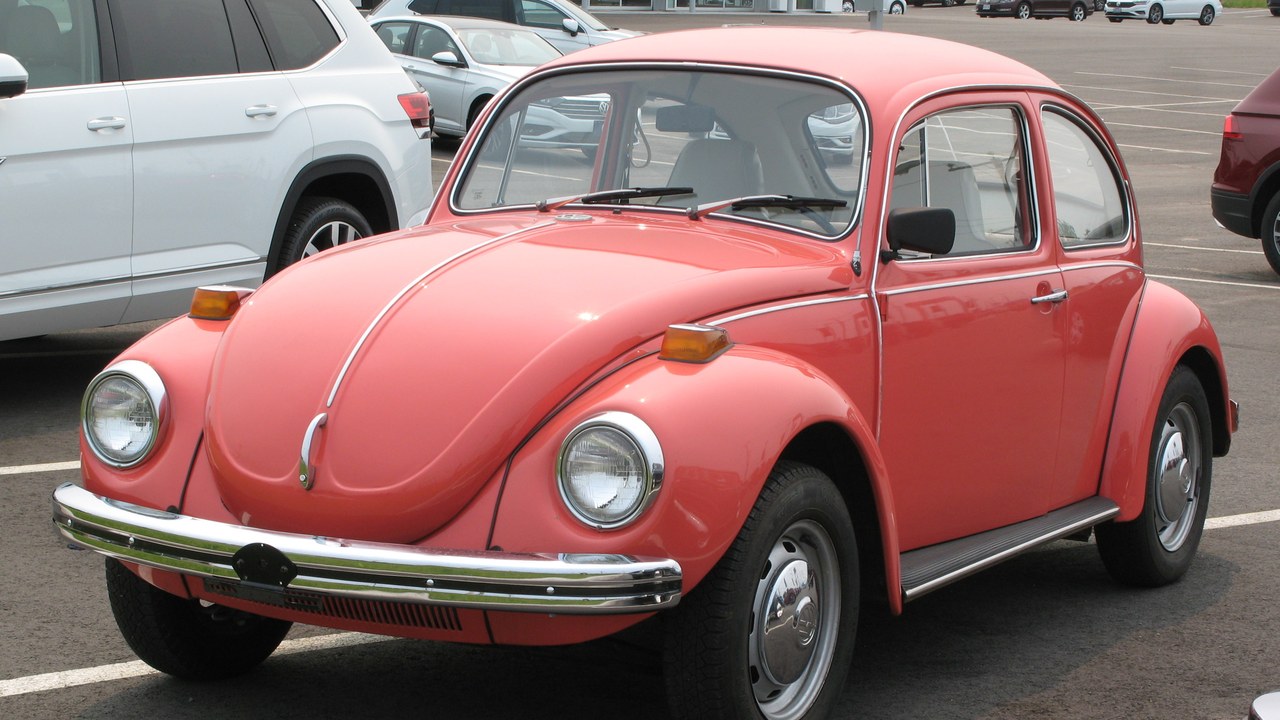
The Smithsonian’s automobile collection record includes a 1972 Volkswagen Super Beetle, an example of the imported small car that carved out a loyal American following.
The Super Beetle was the more elaborate version of Volkswagen’s long-running rear-engine design, so the museum’s example offers a chance to compare it with the plainer cars most people remember. For a visitor, the car shows how foreign compacts entered the American mainstream. The National Museum of American History’s online record identifies the model year and is the safest guide to its status.
5. Honda Civic CVCC: Small Car, Cleaner Engine
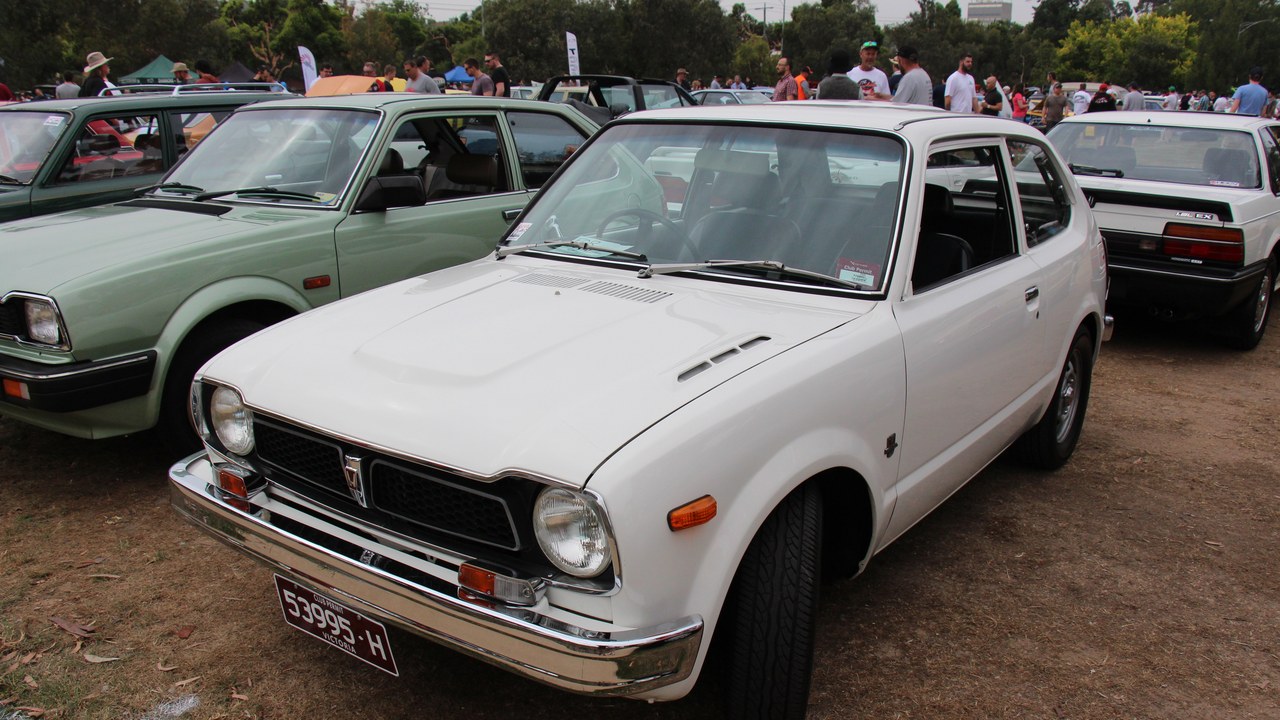
A 1977 Honda Civic CVCC hatchback is held in the Smithsonian automobile collection at the National Museum of American History.
The CVCC badge refers to Honda’s compound-vortex engine design, associated with the cleaner-running small cars that reached American buyers in the 1970s. The Civic helps explain why Japanese compacts gained ground at a time of rising concern about fuel and emissions. Collectors and students of the period will find the museum’s catalogue entry a handy reference for how an early, modest hatchback is documented.
6. Dodge Caravan: Birth Of The Family Minivan
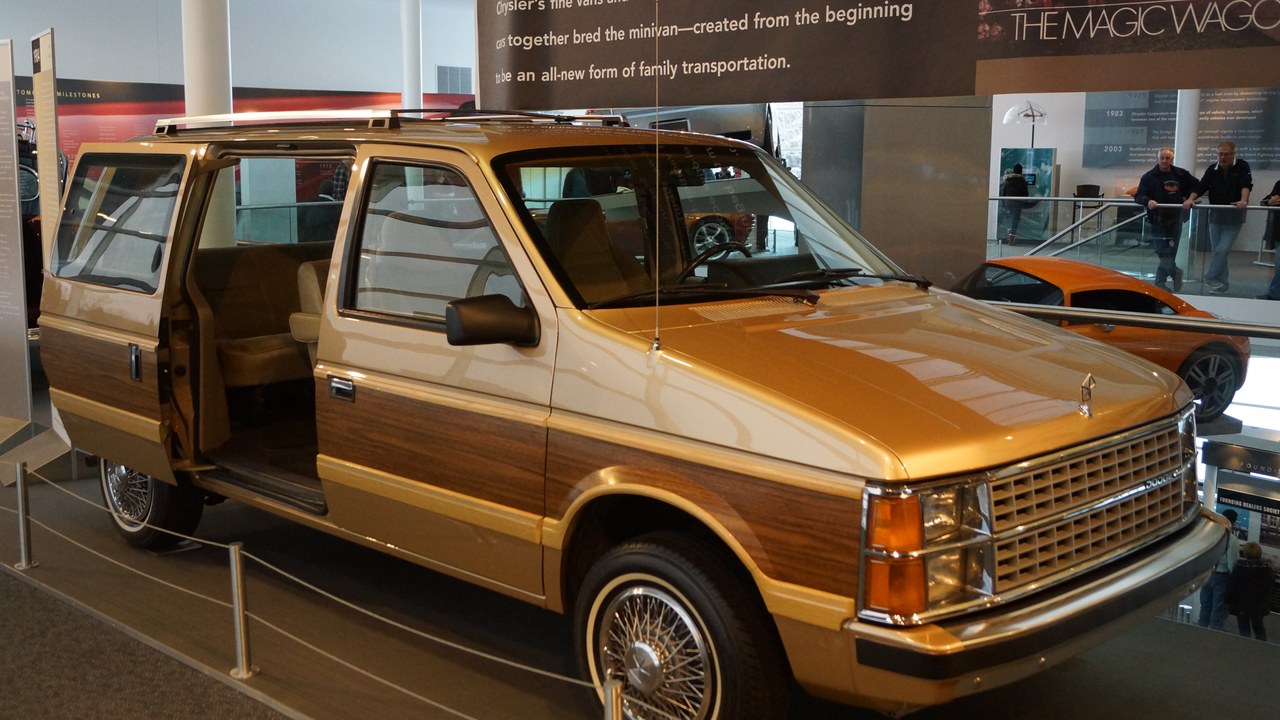
The Smithsonian’s automobile collection listing includes a 1986 Dodge Caravan, an early example of the vehicle type that reshaped family transport.
Chrysler’s minivans are widely credited with changing what American households expected from a people carrier, trading the full-size wagon for something easier to park and load. The museum’s Caravan therefore serves as a marker of a genuine shift in everyday motoring. Visitors can verify the vehicle’s details in the online collection record before planning a trip to Washington to see it.
7. Ford Model A: A Ford For The Masses
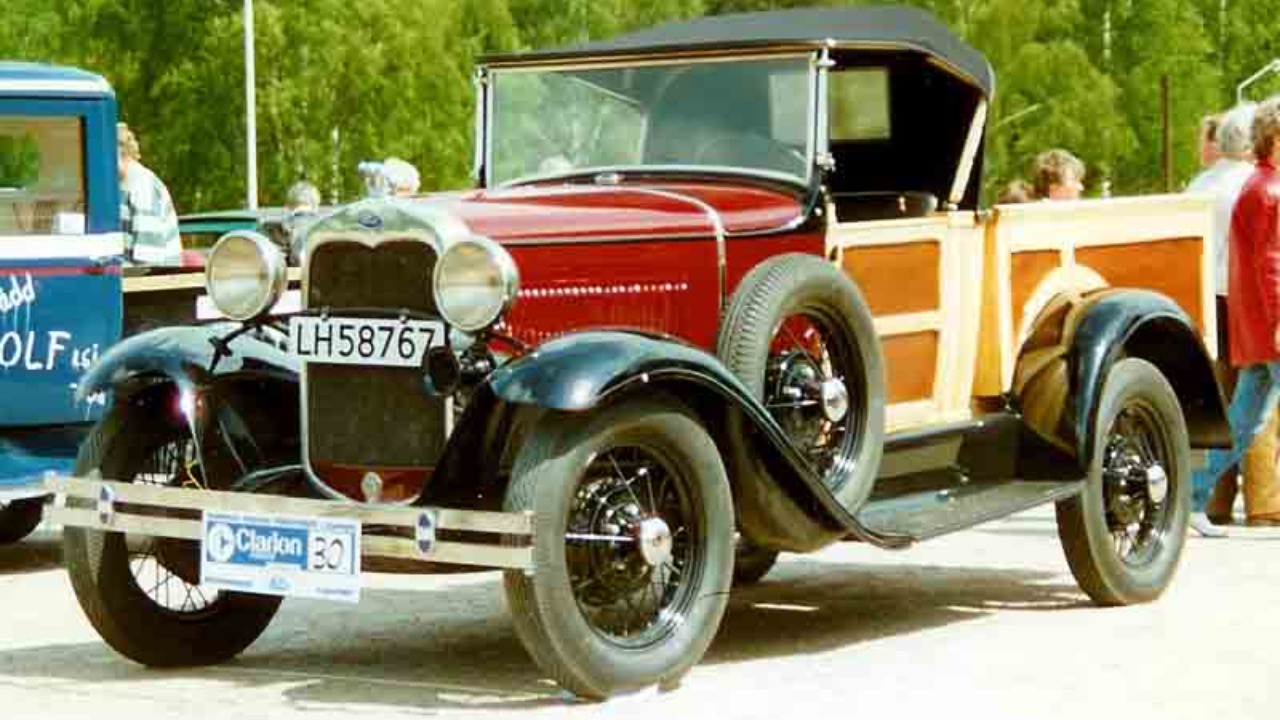
A 1931 Ford Model A roadster is recorded in the Smithsonian’s Smithsonian automobile collection, held by the National Museum of American History.
The Model A succeeded the long-running Model T and gave Ford a more modern, practical car for ordinary buyers. A roadster, with its open body, shows the lighter and sportier side of that range. Because the museum’s entry names the specific body style and year, it helps separate this car from the many Model A variants that appear at antique shows.
8. Lincoln-Zephyr: Rescued By A Streamlined Sedan
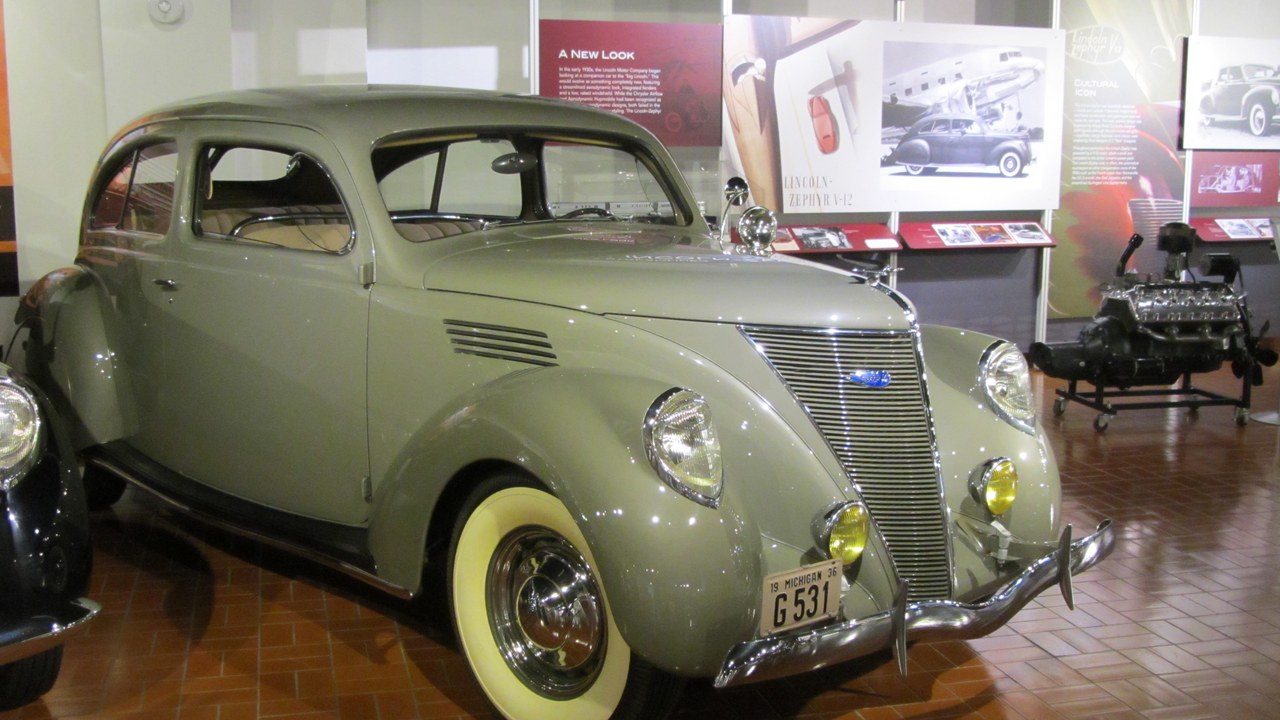
The Henry Ford holds the first 1936 Zephyr, a Depression-era Lincoln priced at about a third of a Model K, and the museum’s cars article states that ‘Zephyr sales carried Lincoln through the economic crisis’.
That cheaper, streamlined model kept the Lincoln name alive when sales of large luxury cars had collapsed. The car shows how a company can survive a downturn by pricing down rather than trading on prestige alone. Visitors to the Dearborn museum can see the very first Zephyr, a stronger draw than a later example of the same design.
9. 1949 Ford: Postwar Fresh Start
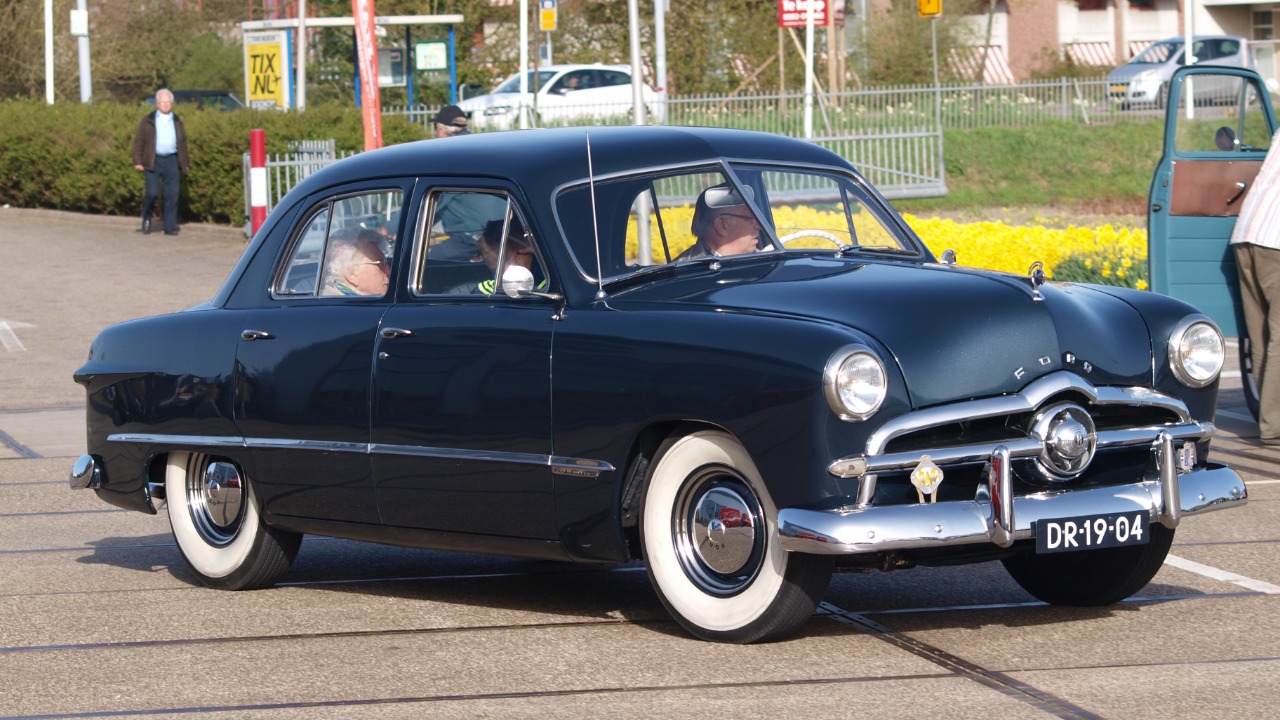
The Henry Ford’s Cars at The Henry Ford article describes its 1949 Ford as the first all-new postwar car from a Big Three automaker, and as the first new Ford under Henry Ford II.
Those two claims make the car a milestone for the company, marking a break from prewar designs that had been carried forward after the war. It also signals the start of a new generation of leadership at Ford. Anyone interested in how Detroit reset after the war will find this sedan a useful single object to study in person.
10. Honda Accord: Ohio’s First Accord
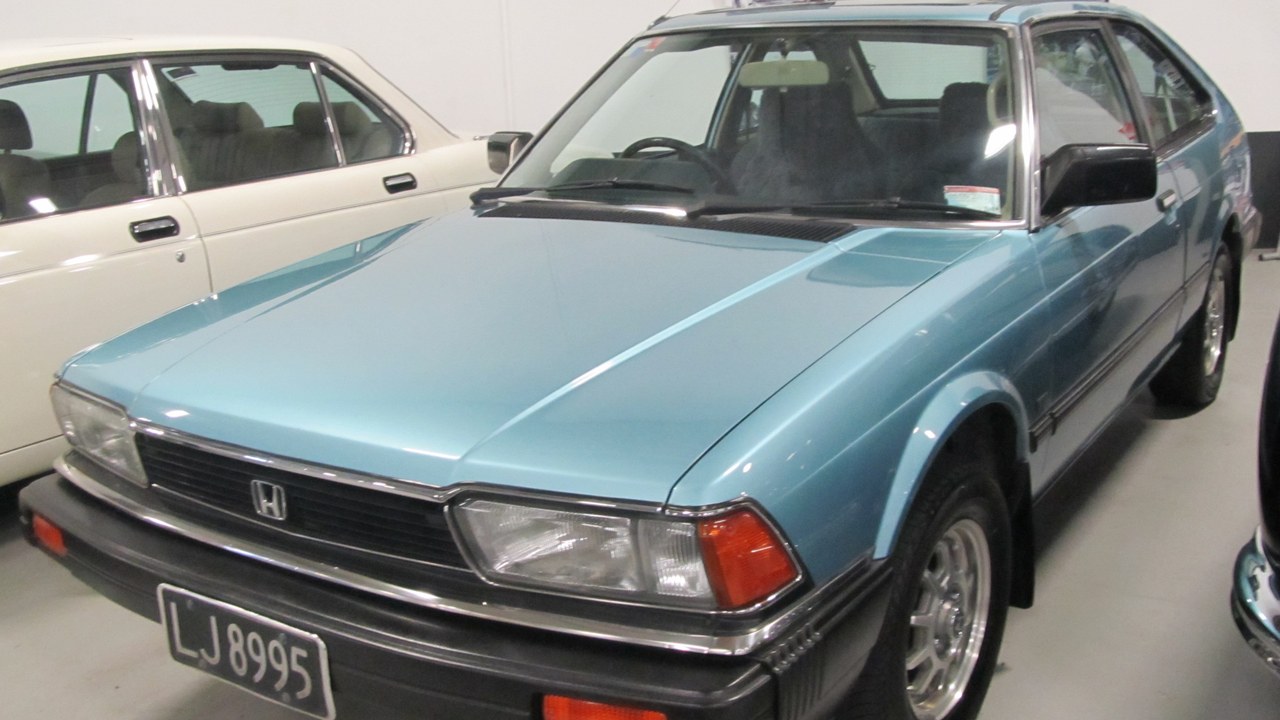
The 1983 Accord at The Henry Ford was the first car built at Honda’s Marysville, Ohio, plant, which opened in 1982, according to the museum’s cars article.
The car is on loan from Honda of America Manufacturing, so its place in the collection depends on that arrangement. It marks the moment a Japanese automaker began building passenger cars in the American Midwest, a significant step in the industry’s history. Since loans can end, checking with the museum before a visit is sensible for anyone travelling specifically to see it.
11. Ford Thunderbird: Last Of The Line, First Of Its Kind
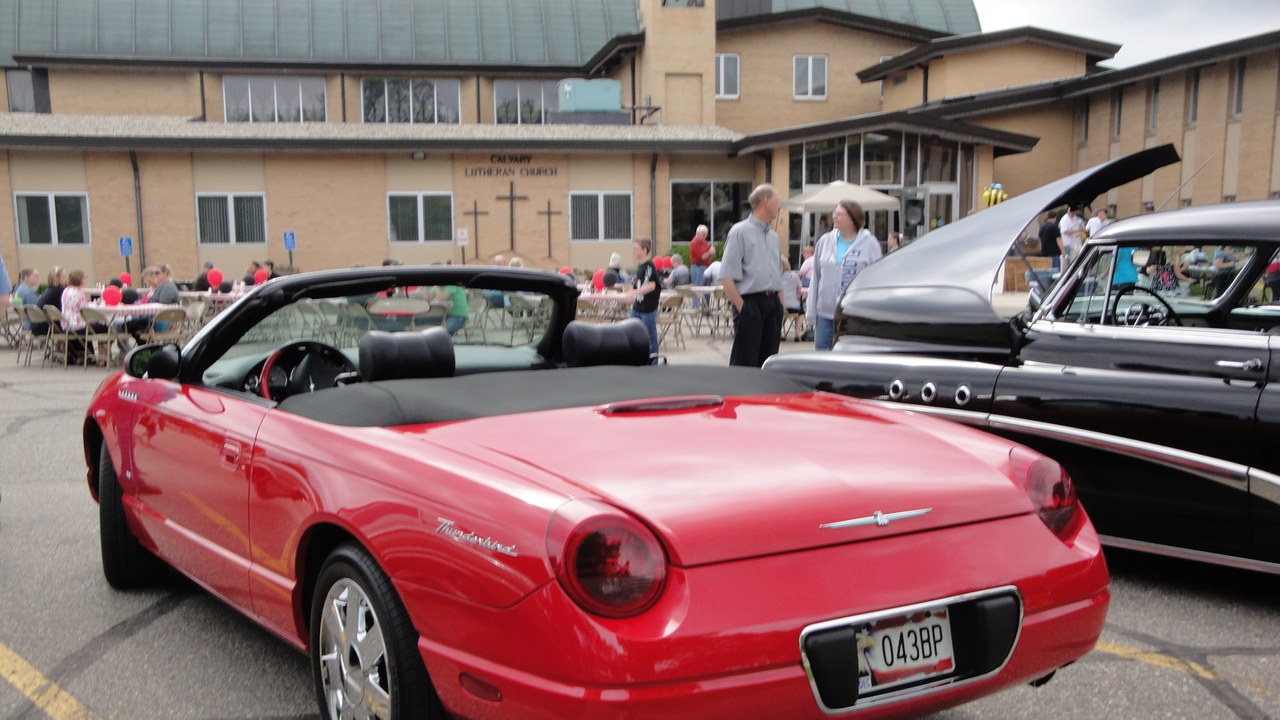
The Henry Ford holds the 2002 Thunderbird, described in the museum’s cars article as ‘the first of the last of the Thunderbirds’ and the first of the 11th generation.
That phrasing captures a car at the end of a long nameplate history, a retro-styled two-seater arriving as the line approached its conclusion. For admirers of the Thunderbird, the museum’s example is a bookend rather than a classic from the nameplate’s peak. It offers a clear point of comparison with the earlier Fords displayed elsewhere in the same museum.
12. Edsel Citation: A Famous Flop, Serial Number One
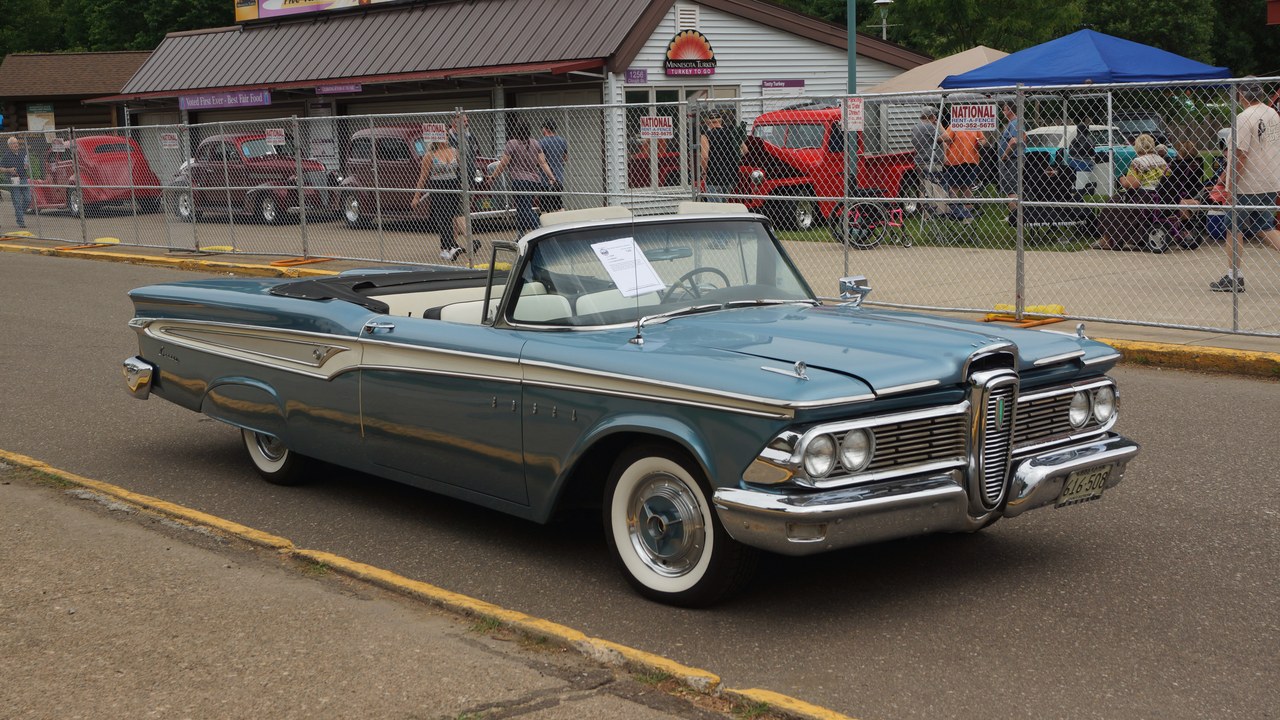
The Henry Ford holds the 1958 Edsel Citation, identified in the museum’s cars article as Edsel Serial #1, and notes that the Edsel line lasted only three model years.
Having the very first car off the line gives the Citation special weight, since the Edsel became a byword for commercial disappointment. The short three-year run makes any surviving example a point of interest for students of automotive marketing. Visitors can use the serial number as a quick way to confirm they are looking at the museum’s historic car.
13. Pontiac Grand Prix: Personal Luxury In Pontiac Form
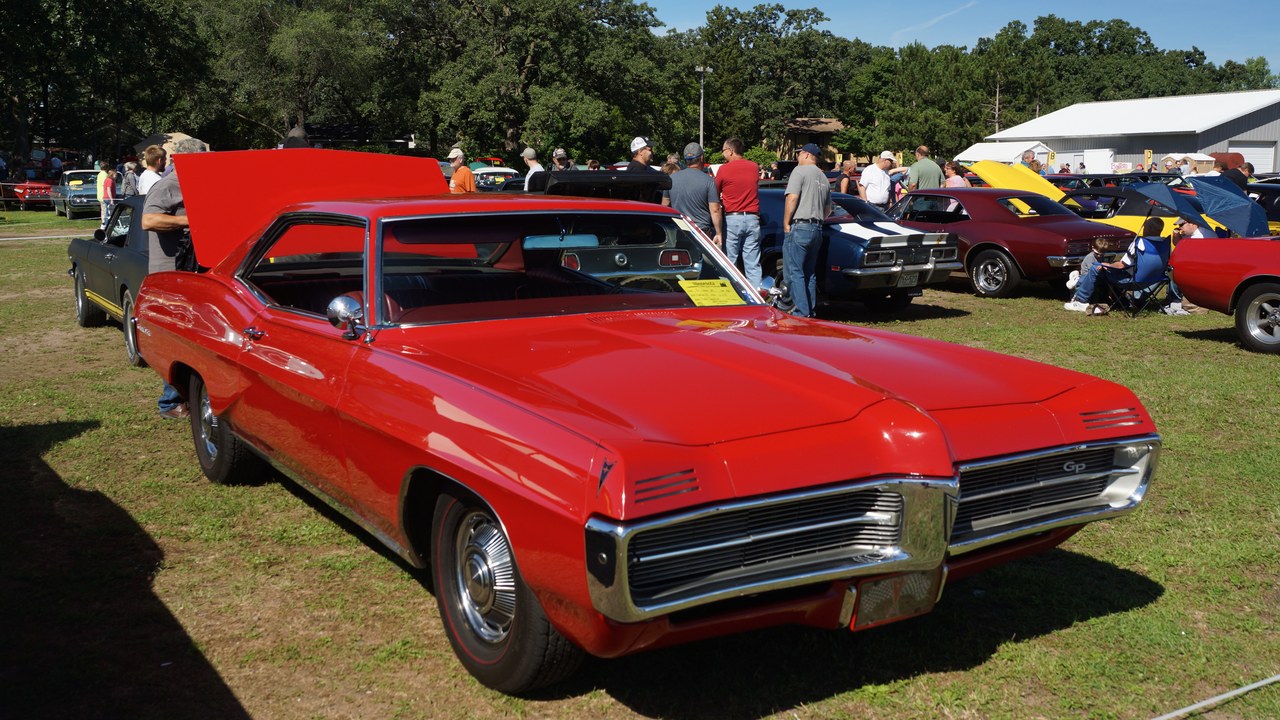
The Smithsonian’s collection record lists a 1967 Pontiac Grand Prix, held by the National Museum of American History.
The Grand Prix was Pontiac’s entry in the market for larger, more comfortable coupes, and the museum’s 1967 car records one stage of that model’s development. Later Grand Prix generations looked quite different, so the model year matters when identifying a car. The collection record is the reliable reference for anyone checking details before visiting.
More from Morning Overview
- Doctors warn a silent liver disease now affects one in three American adults
- The FBI told the rest of ShinyHunters to surrender after a 24-year-old was arrested
- Two passengers died at an Ohio toll plaza, and the NTSB now wants the cash lanes shut
- Long use of a common prostate pill is tied to a higher chance of glaucoma
