
Depreciation hits some vehicles far harder than others, and luxury badges are no protection against it. Electric powertrains, complex tech, and heavy lease volume all accelerate the slide once a vehicle leaves warranty and hits the used market. Here are eleven vehicles that shed over half their sticker price within five years.
1. BMW i7: Steepest Value Drop
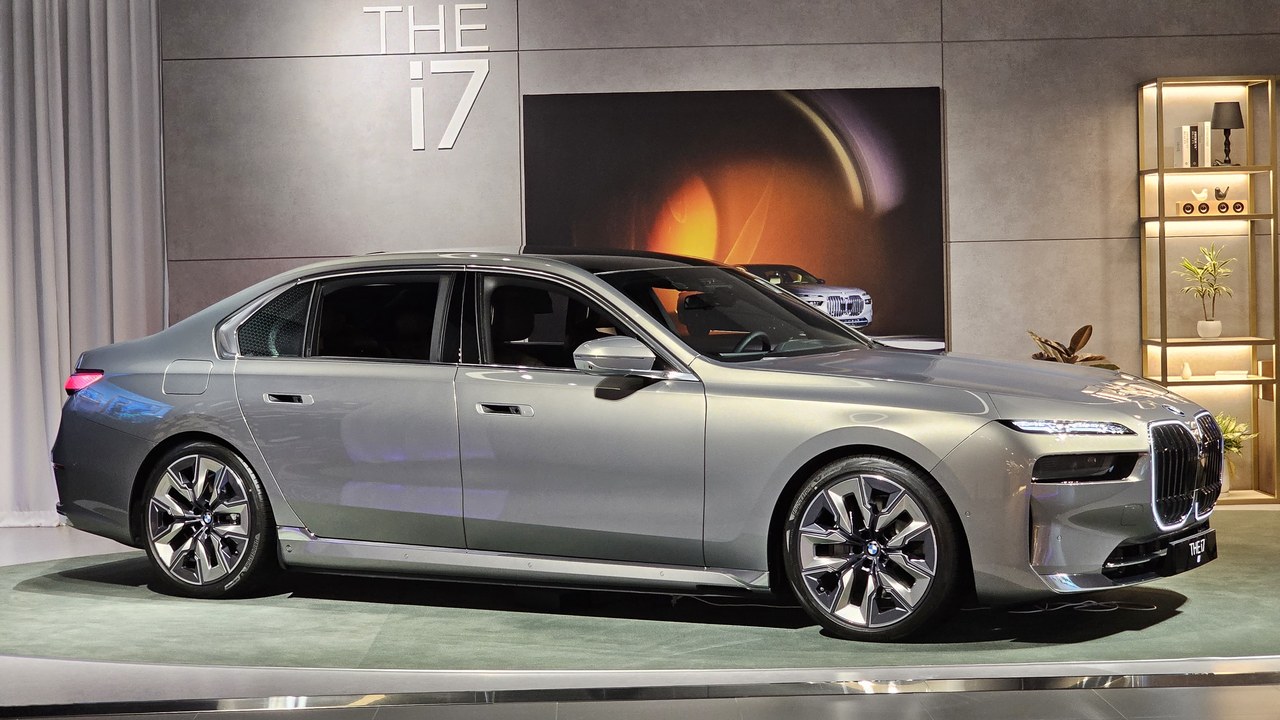
A depreciation study found the BMW i7 retains only about 26% of its original sticker price after five years, the steepest drop of any vehicle tracked in the ranking. The flagship electric sedan launched with luxury pricing and heavy technology content, both of which buyers discount hard once a vehicle ages out of its factory warranty.
For a buyer, the freefall means a lightly used i7 can often be had for a fraction of its original window sticker, though the same forces that tank resale value also apply to battery and electronics repair costs down the line.
2. BMW 7 Series: Flagship Sedan Freefall
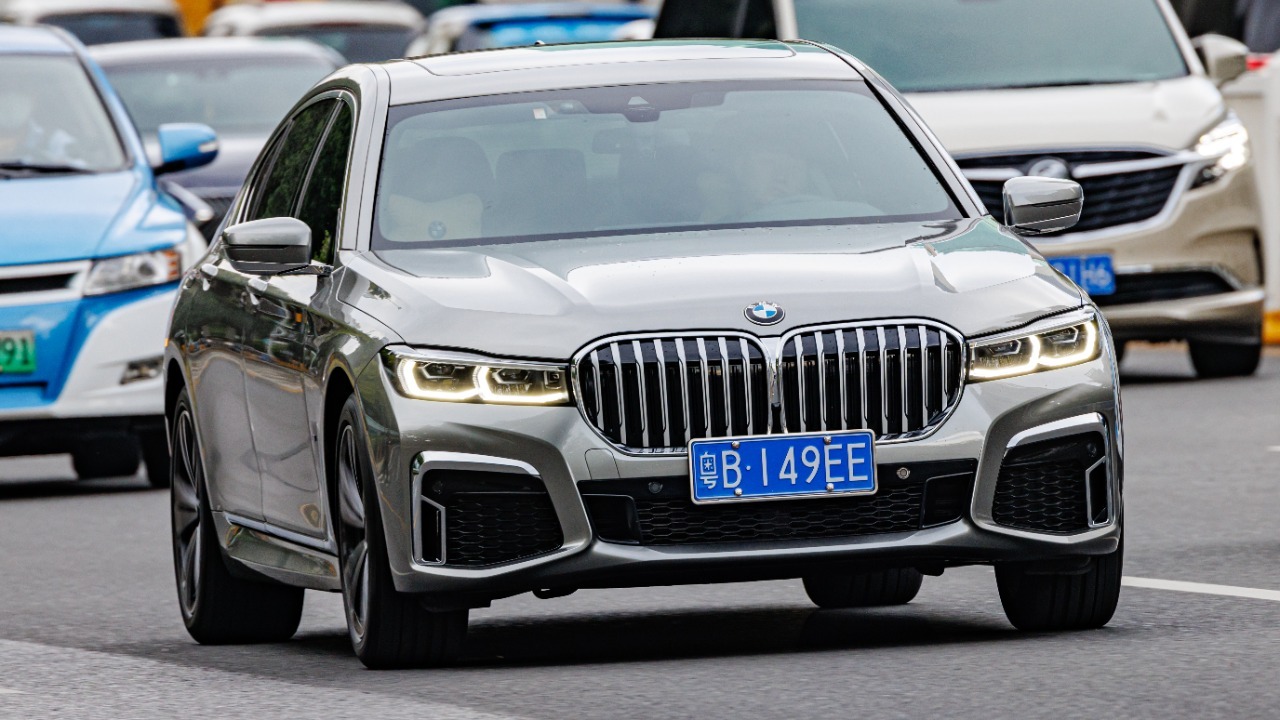
The standard BMW 7 Series appears alongside its electric i7 sibling on the same value-retention ranking, confirming the freefall is not limited to the electric powertrain. Flagship luxury sedans across the segment depreciate faster than mainstream cars because so many leave the factory as leases or dealer demonstrators rather than owner-financed purchases.
That lease-heavy path floods the used market with low-mileage examples within a few years, pushing prices down well before the car shows real wear. A buyer shopping used gets thousands of dollars of luxury equipment for a comparatively modest price, provided they budget for the maintenance a car this complex eventually needs.
3. Nissan Leaf: Battery Fade Tanks Value
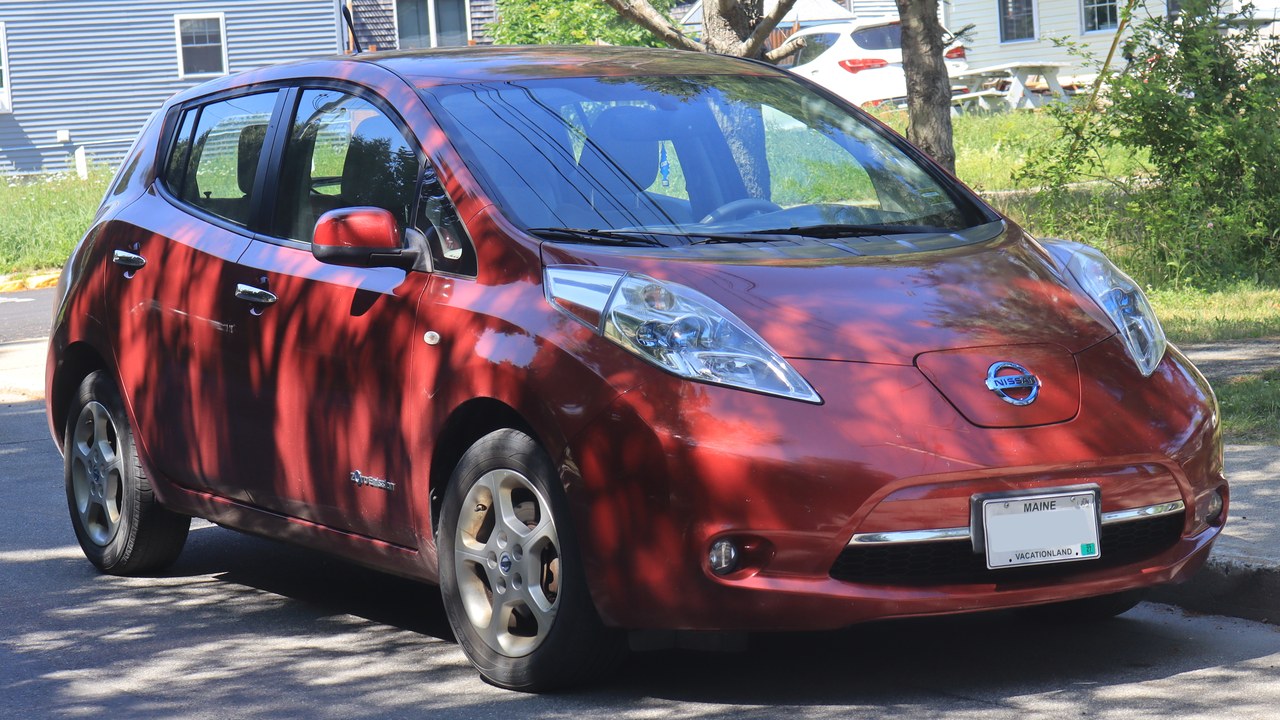
Nissan’s Leaf was one of the first mass-market electric cars, and the same depreciation ranking lists it among the steepest value losers on the used market. Its older battery chemistry loses usable range faster than newer packs, and a shrinking range directly lowers what a used example commands.
Shoppers weigh a Leaf’s low price against the real cost of an eventual battery replacement, since a pack that has lost significant capacity can leave a car with a fraction of its original driving range. That uncertainty keeps resale values depressed even on examples with modest mileage.
4. Jaguar I-Pace: Luxury EV, Fast Decline

Jaguar’s I-Pace shows up in the same study of five-year-old vehicles as one of the fastest-depreciating luxury EVs on sale. The brand carries less resale cachet than German or American luxury rivals, and low overall sales volume means fewer buyers competing for used examples.
That combination lets a used I-Pace trade for a steep discount off its original window sticker within a few years of ownership. The tradeoff is a smaller dealer network and fewer independent shops familiar with servicing its electric drivetrain.
5. Maserati Ghibli: Exotic Badge, Steep Drop
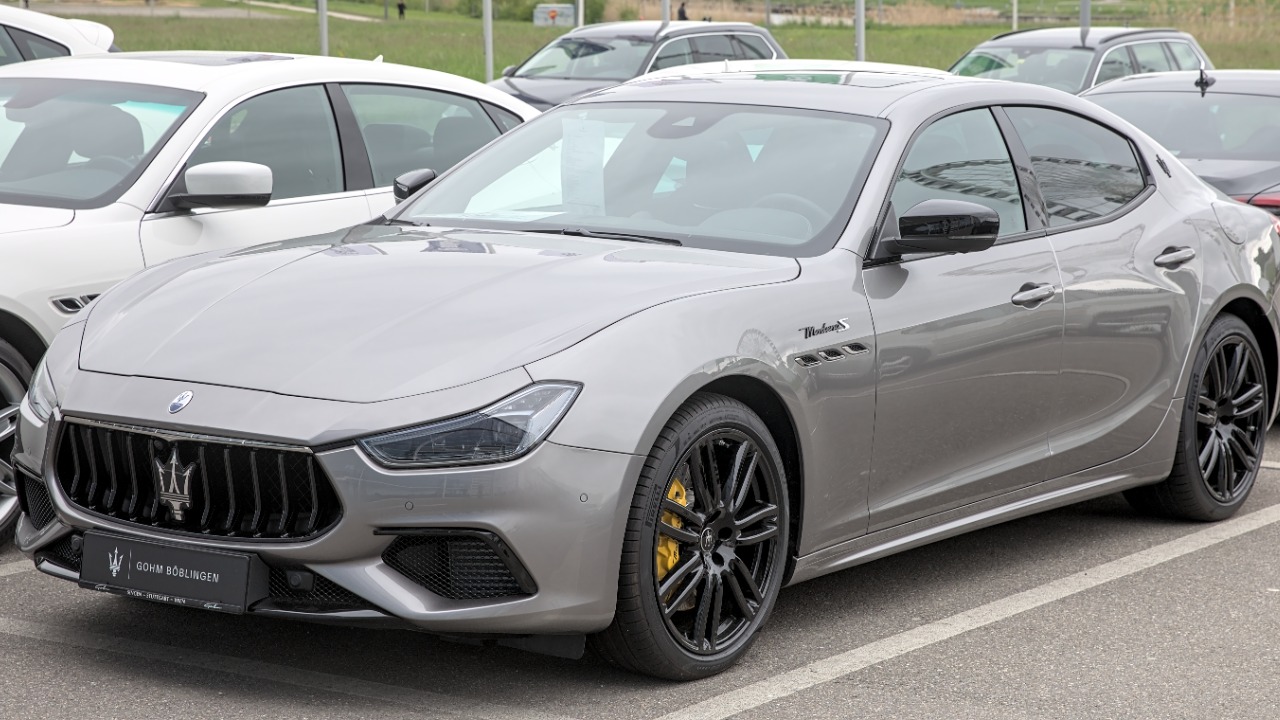
An exotic Italian badge draws buyers to the Maserati Ghibli at the showroom, but a separate value-retention study from iSeeCars puts it among sedans that shed most of their purchase price within a handful of years. That same rarity works against owners once it comes time to sell, since exotic-brand resale depends on a small and skittish buyer pool.
Limited production and a small dealer footprint shrink the pool of used buyers even further, while repair costs on an exotic drivetrain scare off many shoppers who might otherwise consider a heavily discounted example.
6. Audi A6: Premium Sedan, Hard Hit
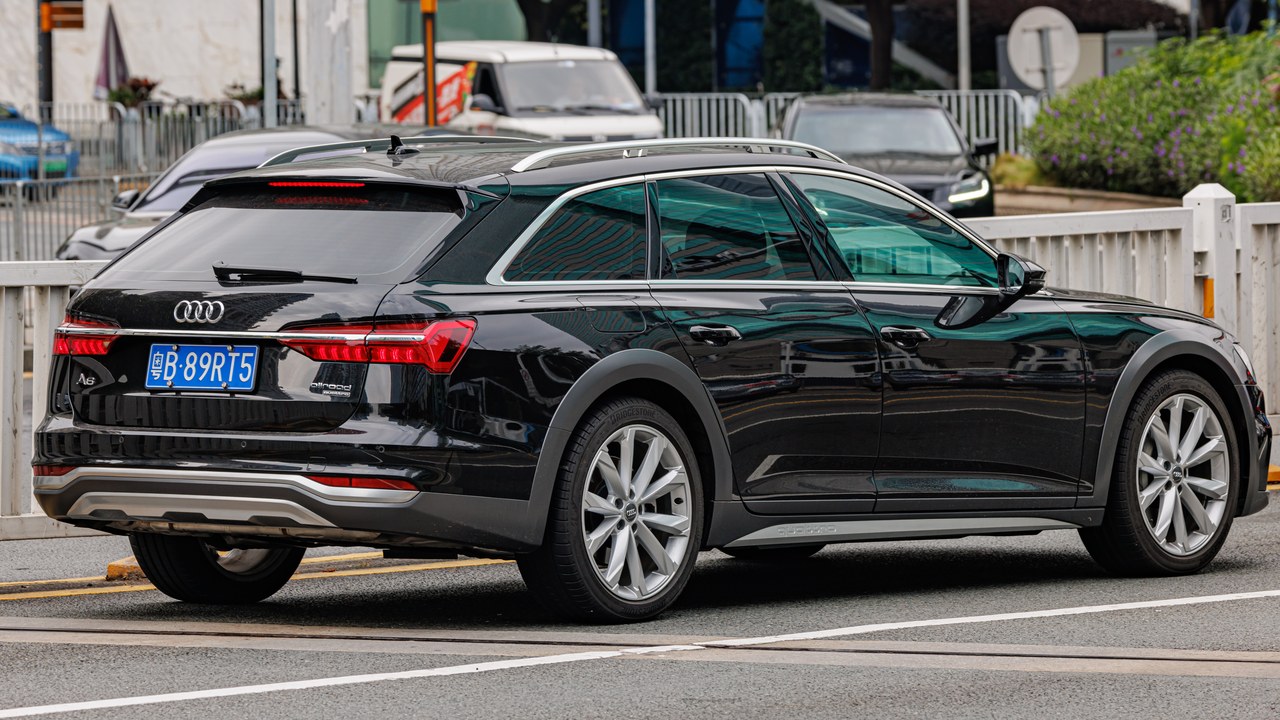
Audi’s A6 sits among the premium midsize sedans that depreciation studies rank as hit hardest by value loss, despite a reputation for build quality and a long production history documented on its model history page. Buyers pay a premium for German engineering and cabin tech at purchase, then watch both features get discounted heavily once the car ages past its warranty.
A used A6 can look like strong value on paper for someone chasing luxury features on a mainstream budget. The same complexity that depresses resale price also raises the odds of an expensive electronics or suspension repair down the road.
7. BMW 5 Series: Lease Volume Drags Value
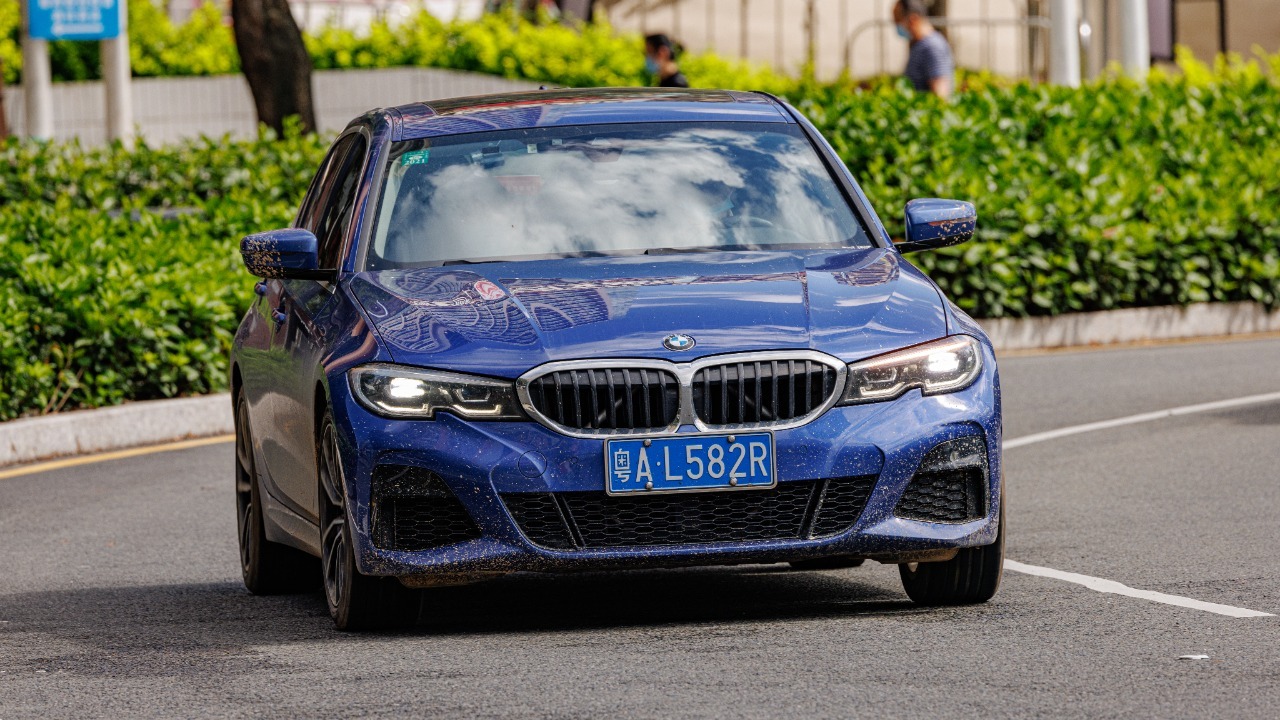
BMW’s 5 Series carries the same lease-heavy sales pattern documented on its production history that pushes flagship-adjacent sedans down in value fast. Most examples leave the factory financed through a lease rather than a loan, so a wave of nearly identical used cars returns to dealer lots on a predictable schedule.
That glut of low-mileage returns gives dealers little reason to hold prices firm, and the technology packages that command a premium when new age out of relevance within a few model-year cycles. A shopper willing to buy one just off lease often gets far more equipment than the price would suggest.
8. Mercedes-Benz S-Class: Flagship Loses Fast
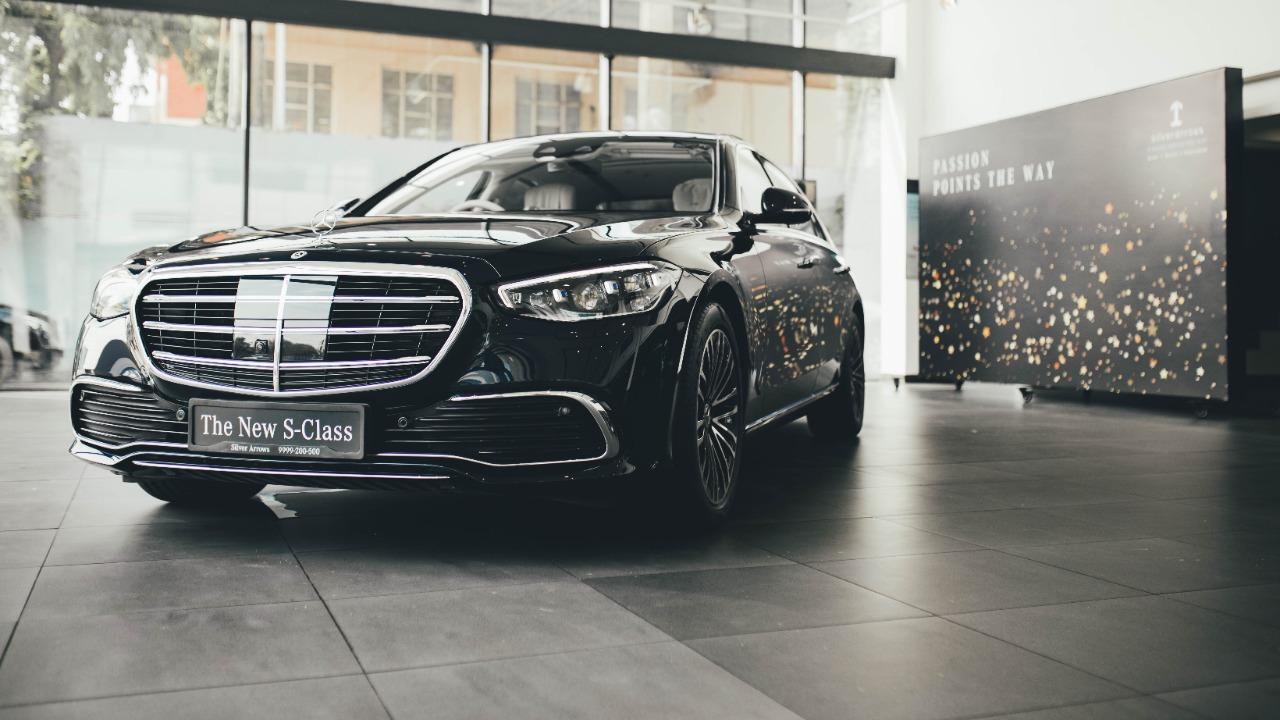
Mercedes-Benz built the S-Class as its range-topping showcase for new technology, a positioning laid out on its model page, and that same bleeding-edge focus works against it on the used market. Once the factory warranty runs out, buyers grow wary of repair bills tied to air suspension, advanced driver electronics and other flagship-only hardware.
That caution shows up directly in resale numbers, with a used S-Class often priced closer to a mainstream luxury sedan than its original flagship sticker. The car that impressed at the dealership becomes a bargain a few years later, provided a buyer budgets for its upkeep.
9. Porsche Taycan: Sports EV, Sharp Decline
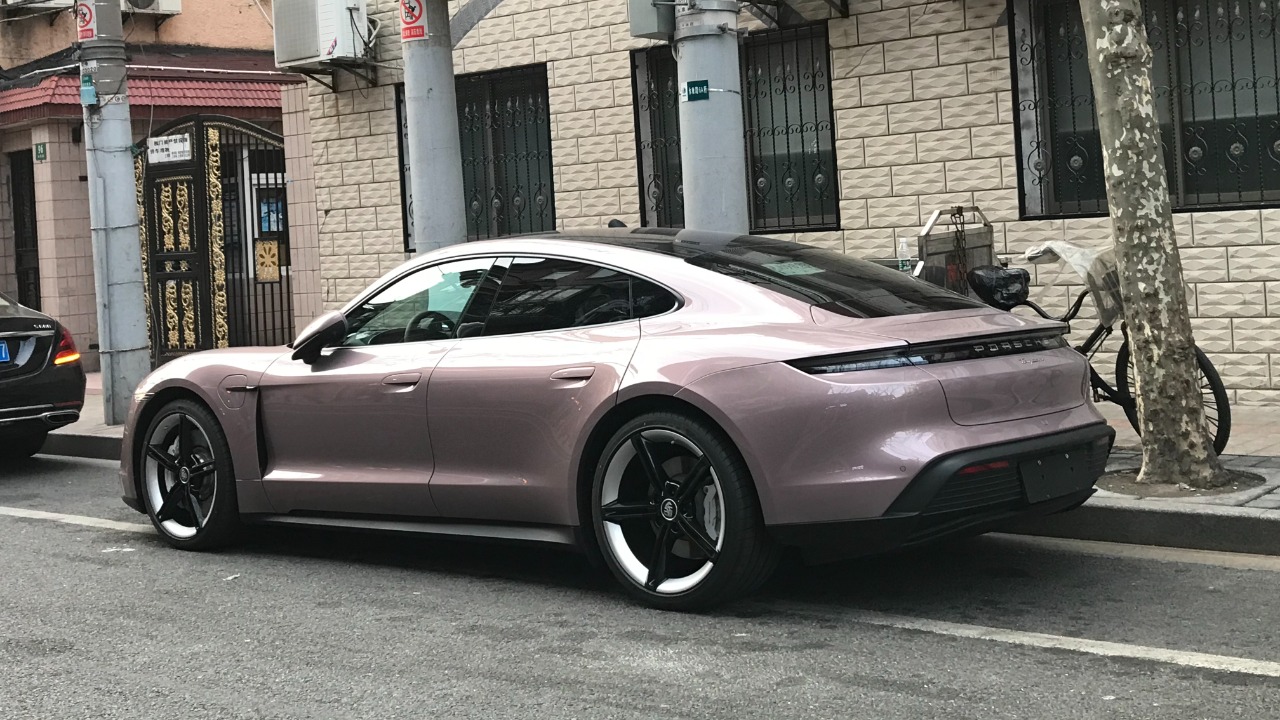
Depreciation on the Porsche Taycan ranks among the steepest of any high-end EV, even with the sports-car pedigree detailed on its model page. A crowded field of newer electric performance cars, combined with rapid gains in charging speed and range from rival brands, makes an older Taycan look outdated to used-market shoppers faster than a comparable gasoline Porsche.
For a buyer chasing sports-sedan handling with electric power, the discount can be substantial compared with a new Taycan’s original price. The tradeoff is a battery pack that ages on the same curve as any other EV, another factor that keeps resale values under pressure.
10. Tesla Model S: Newer Rivals Erode Value
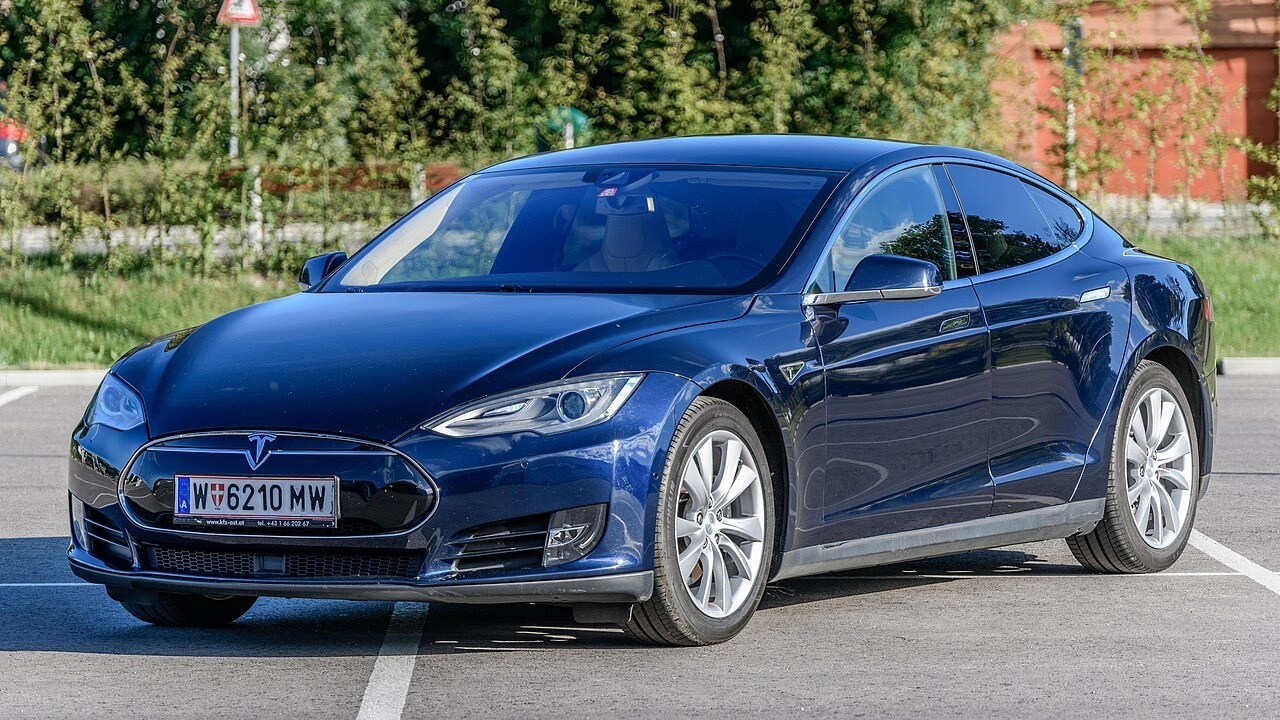
Tesla’s Model S built its reputation as the flagship of the lineup detailed on its Wikipedia entry, but that flagship status has not protected its resale value as newer electric sedans arrived with longer range and updated tech. Frequent over-the-air updates and price cuts on new Teslas also ripple backward into the used market, pulling down what older Model S examples can command.
An older Model S can be an affordable way into a long-range EV, though buyers weigh battery degradation and the pace of Tesla’s own price cuts before committing.
11. Infiniti QX80: Big SUV, Bigger Discount
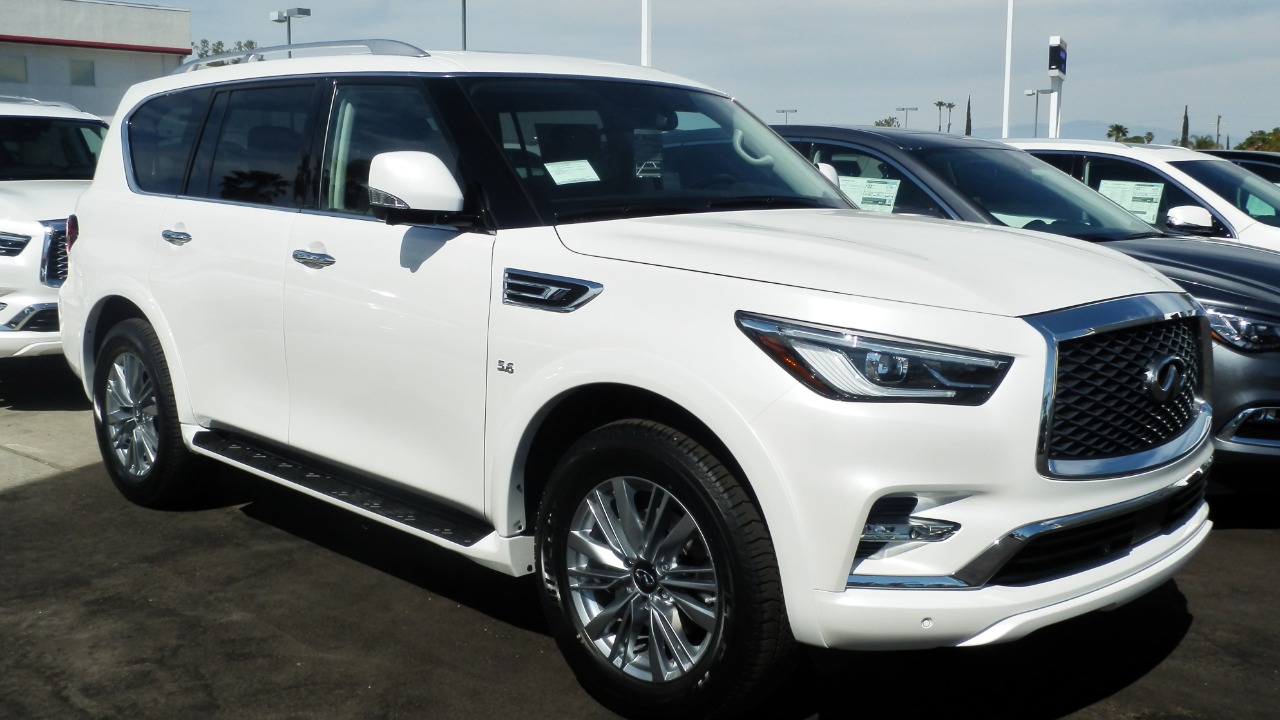
The Infiniti QX80, a full-size luxury SUV whose specifications are laid out on its model page, depreciates well past the halfway mark within five years. Infiniti carries less resale strength than Lexus or the German luxury brands, and a full-size SUV’s thirst for fuel makes it a harder sell once gas prices climb.
That steep discount can put three rows of luxury seating and a strong V8 within reach of a buyer who would never consider the SUV new. Fuel and maintenance costs on a vehicle this large remain the tradeoff for the lower purchase price.
More from Morning Overview
