
Hybrid batteries once carried a reputation for expensive, unpredictable failure, but the technology has matured into one of the more durable parts of a modern vehicle. Owners now routinely drive deep into six-figure mileage on original packs, particularly in models built by manufacturers with the longest hybrid manufacturing history. Here are nine hybrids with a track record for long battery life.
1. Toyota Prius: The Original Hybrid Blueprint
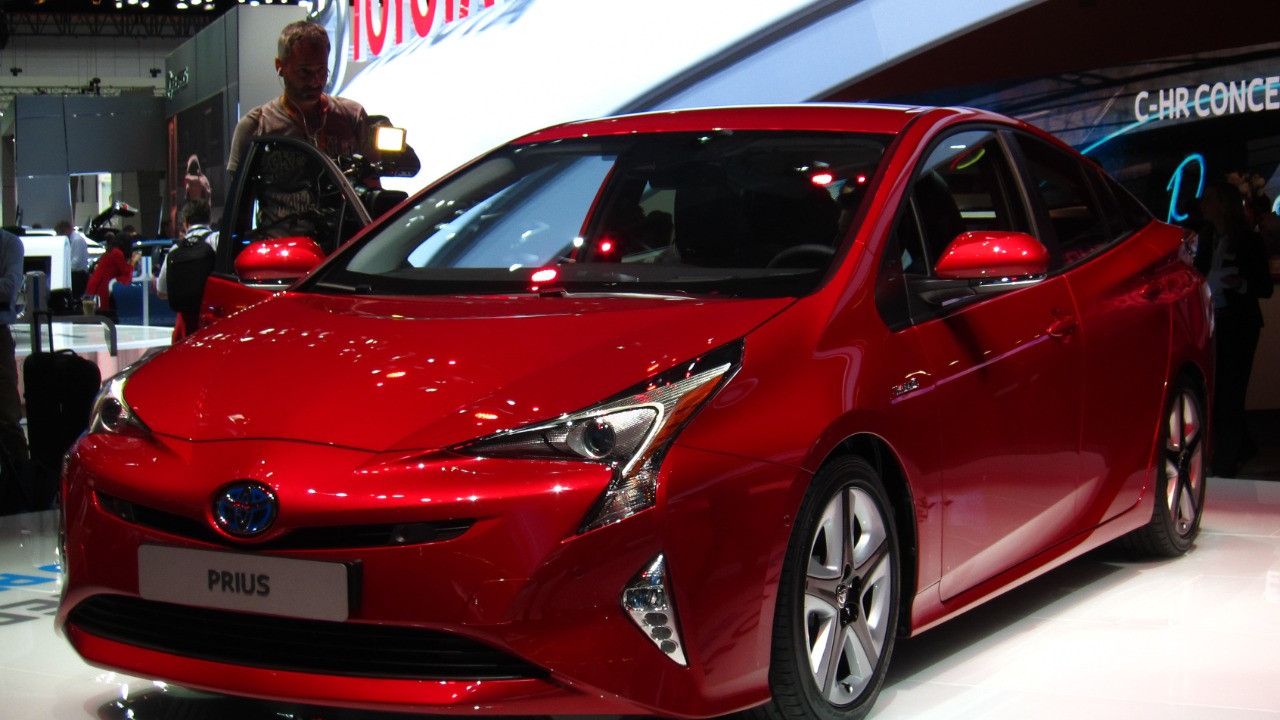
The Prius launched the modern hybrid category, and it remains the model most often cited when engineers explain why the format proved durable. An independent longevity study found Prius battery packs regularly surpassing 200,000 miles without a replacement, a figure that once seemed implausible for a car built around a large battery pack.
That track record changed the calculus for used-car buyers, who once assumed any hybrid with high mileage was a looming repair bill. A well-maintained Prius with six figures on the odometer is now treated as a normal used car rather than a battery gamble, since Toyota’s early packs were built conservatively rather than pushed for maximum range.
2. Toyota Camry Hybrid: Toyota’s Reliability In Sedan Form
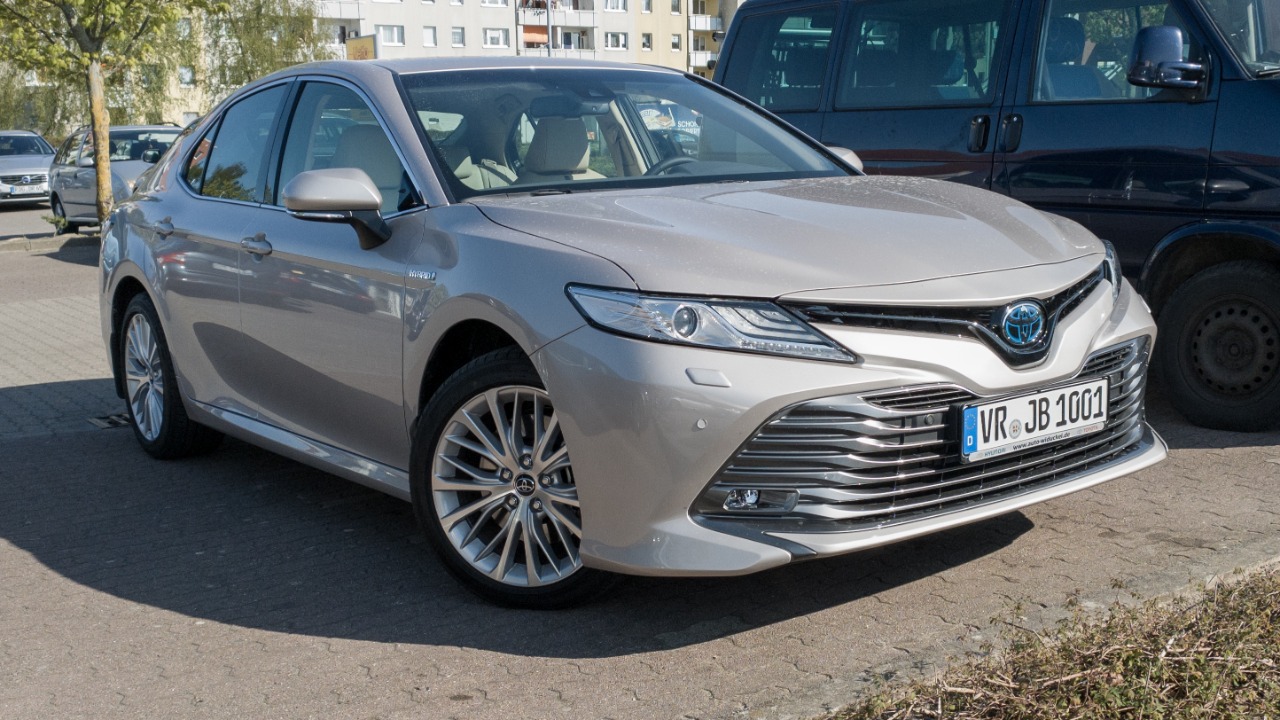
Toyota’s own hybrid system carries into the Camry, and the payoff shows up in the data: a study of long-lived vehicles found hybrids overall have roughly a 9.6 percent chance of reaching 250,000 miles, a share led by Toyota’s lineup.
For buyers who want Prius-level mechanical durability without the hatchback shape, the Camry Hybrid delivers that same reliability in a body that looks and drives like an ordinary family sedan. The tradeoff is a higher purchase price than the standard four-cylinder Camry, a premium the battery’s track record is meant to offset over time.
3. Toyota Highlander Hybrid: A Three-Row Take On Durability
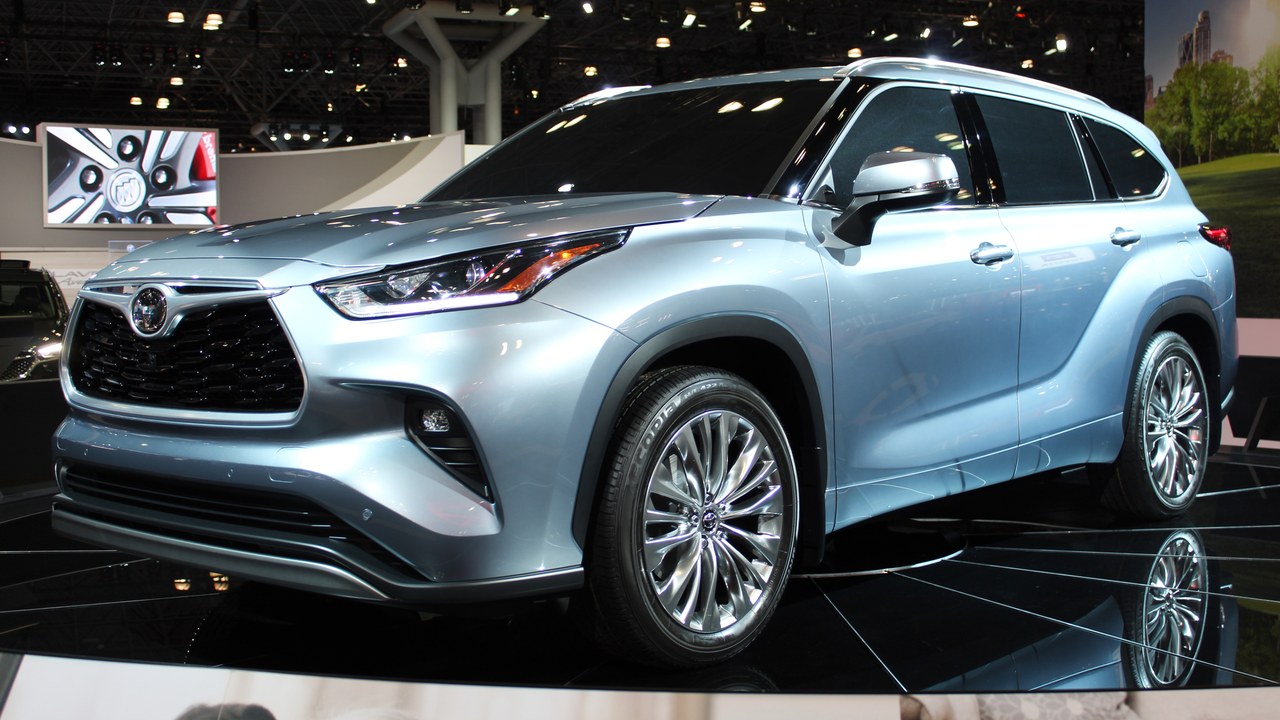
Toyota extended the same hybrid engineering that built the Prius and Camry’s reputation into a full three-row SUV, and the Highlander Hybrid carries that inherited durability with it rather than standing as a separate, unproven system. The broader longevity research behind that reputation credits Toyota’s hybrid lineup as a whole, a group the Highlander shares its core hardware with.
Families cross-shopping three-row SUVs often assume a hybrid powertrain adds complexity and risk to an already expensive vehicle. The Highlander Hybrid’s battery record argues the opposite: the added components have not translated into the added failure rate that skeptical buyers expect from a bigger, heavier hybrid.
4. Lexus RX Hybrid: Luxury Wrapped Around Toyota Bones
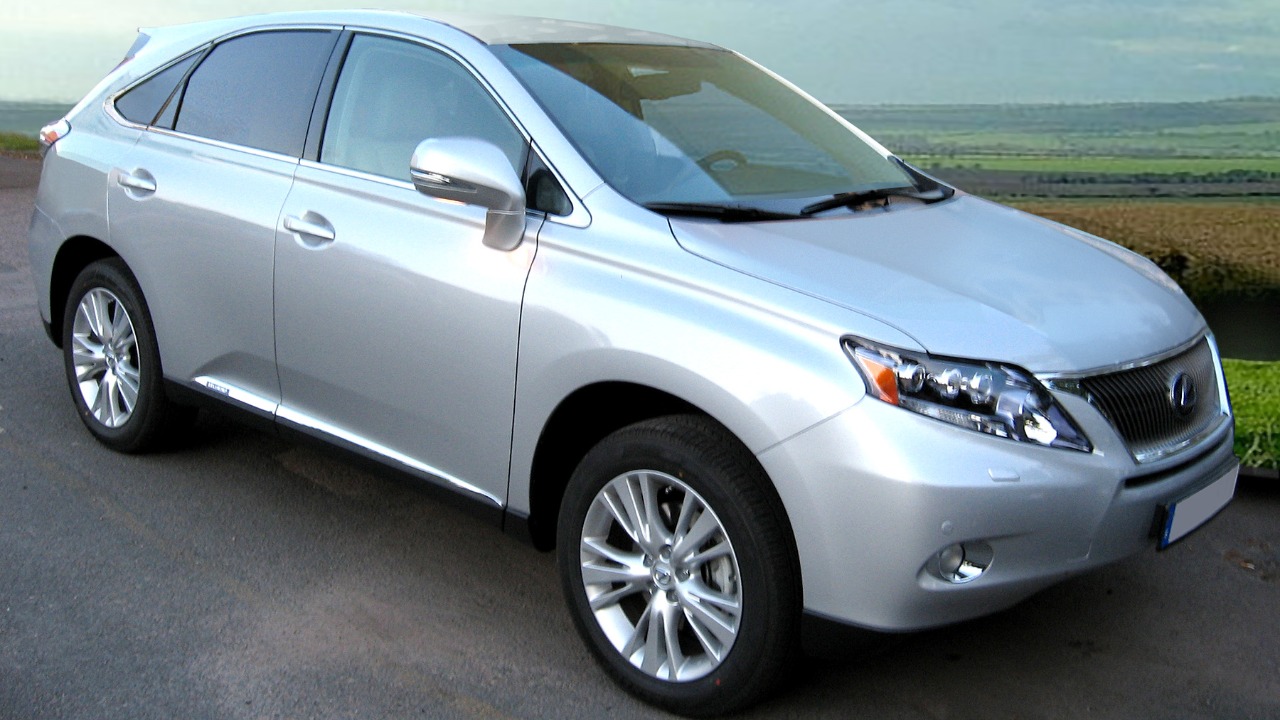
The RX Hybrid pairs Lexus trim and cabin materials with a hybrid drivetrain lineage borrowed from Toyota’s mainstream models, the same engineering base behind the Prius and Camry Hybrid’s reputation for long-lived packs. Its production history spans multiple generations built on that shared hybrid architecture rather than a standalone luxury-only system.
Buyers paying a premium for the RX name are effectively buying Toyota’s hybrid durability with a nicer interior around it. That shared parts bin cuts both ways: it means proven mechanicals, but it also means a used RX Hybrid’s battery health gets judged by the same standards as its far cheaper Toyota siblings.
5. Honda Accord Hybrid: Honda’s Different Route To Longevity
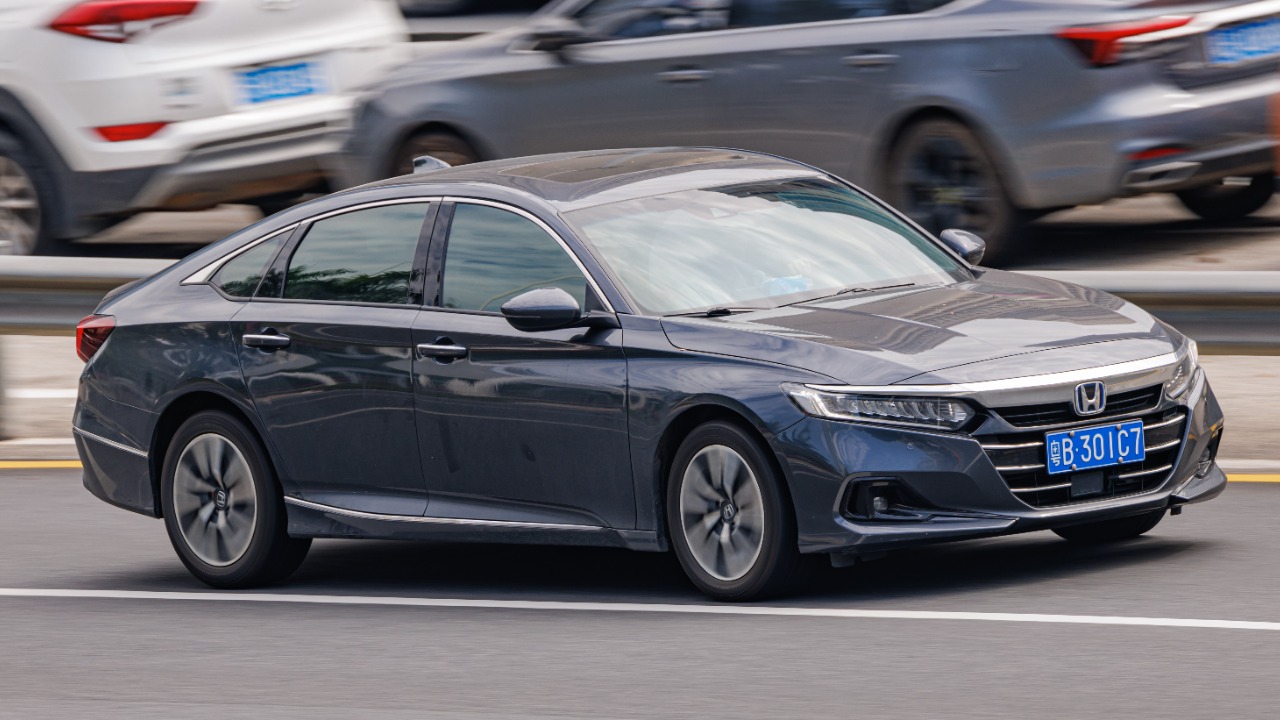
Honda built the Accord Hybrid around a two-motor hybrid system that works differently from Toyota’s planetary-gear approach, and it has earned its own reputation for holding up over high mileage. The Accord’s long production history gave Honda multiple generations to refine that two-motor design into a known quantity for reliability-minded buyers.
That matters because shoppers often treat Toyota’s hybrid system as the only proven option and view every other automaker’s hybrid as a first attempt. The Accord Hybrid’s separate engineering path shows durable hybrid design is not a Toyota-exclusive achievement, giving sedan buyers a genuine second choice.
6. Toyota RAV4 Hybrid: The Hybrid SUV Everyone Else Chases
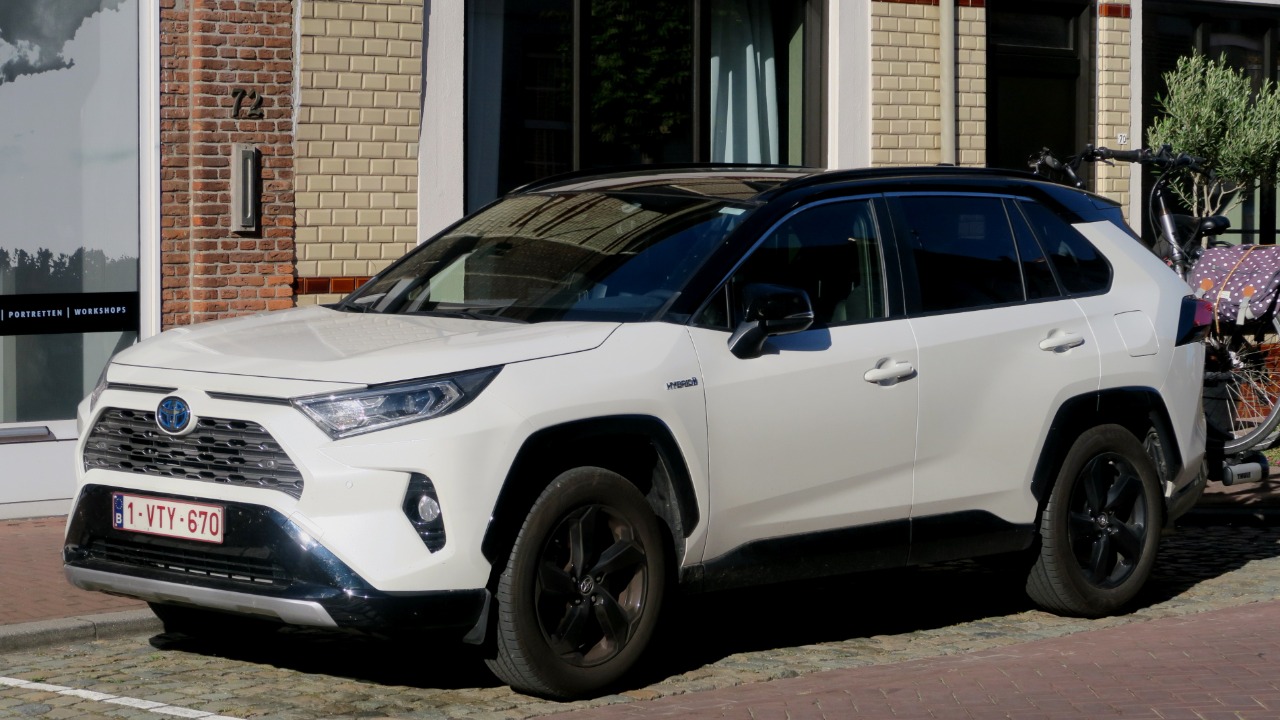
Toyota built the RAV4 Hybrid on the same core hybrid system already proven in the Prius and Camry, then wrapped it in the compact SUV body that now dominates the market. Its model history shows that inherited powertrain carrying across every RAV4 generation rather than arriving as an unproven one-off trim.
That combination made it the best-selling hybrid SUV in the country, and the sales volume means there is an unusually large pool of high-mileage examples for shoppers to judge the battery against. That pool has not turned up the widespread early-failure pattern buyers might expect from a newer hybrid application, which is part of why resale value has stayed strong.
7. Ford Escape Hybrid: An Early Bet That Paid Off
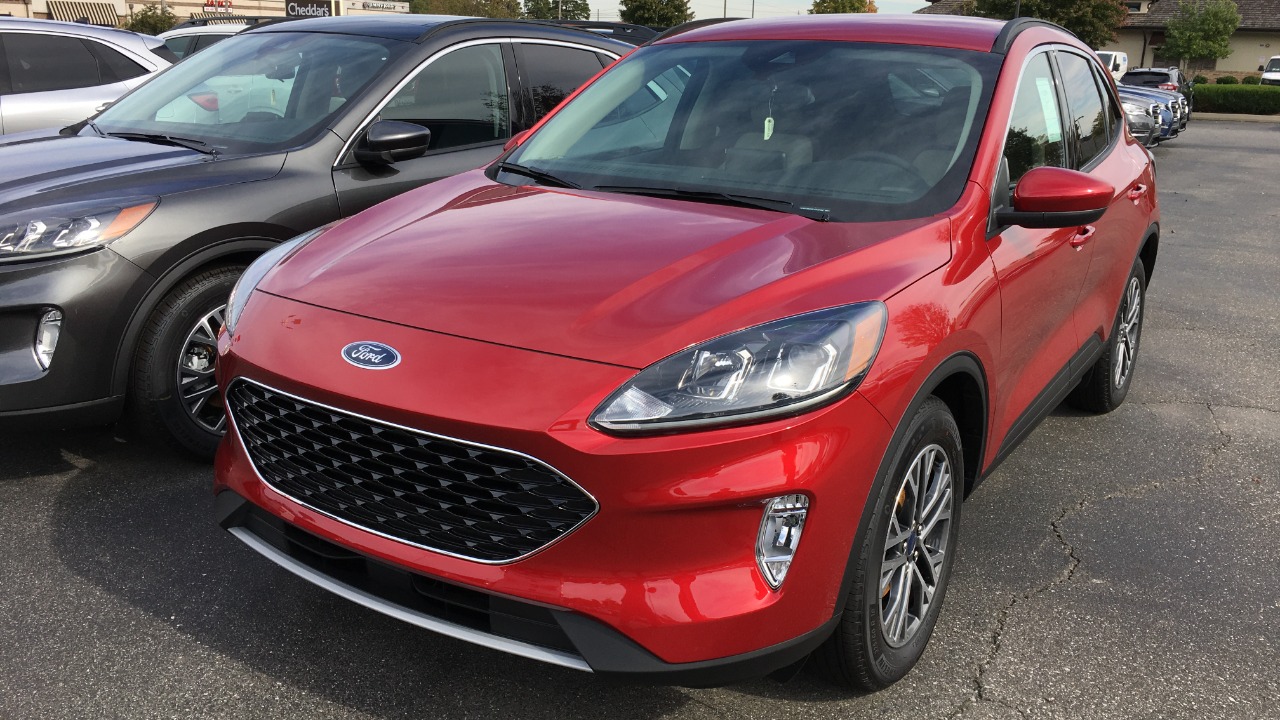
Ford entered the hybrid SUV segment early, and the Escape Hybrid’s long production run gave the model time to prove its battery durability rather than relying on a single generation’s reputation. The Escape’s model history shows Ford carrying the hybrid powertrain across multiple redesigns instead of abandoning it after one attempt.
That longevity matters for buyers wary of a non-Toyota hybrid: a powertrain an automaker keeps refining across generations is a different bet than one it quietly drops. The Escape Hybrid’s durable batteries reflect Ford treating the hybrid system as a long-term commitment rather than a compliance-only experiment.
8. Hyundai Ioniq: Efficiency Backed By A Long Warranty
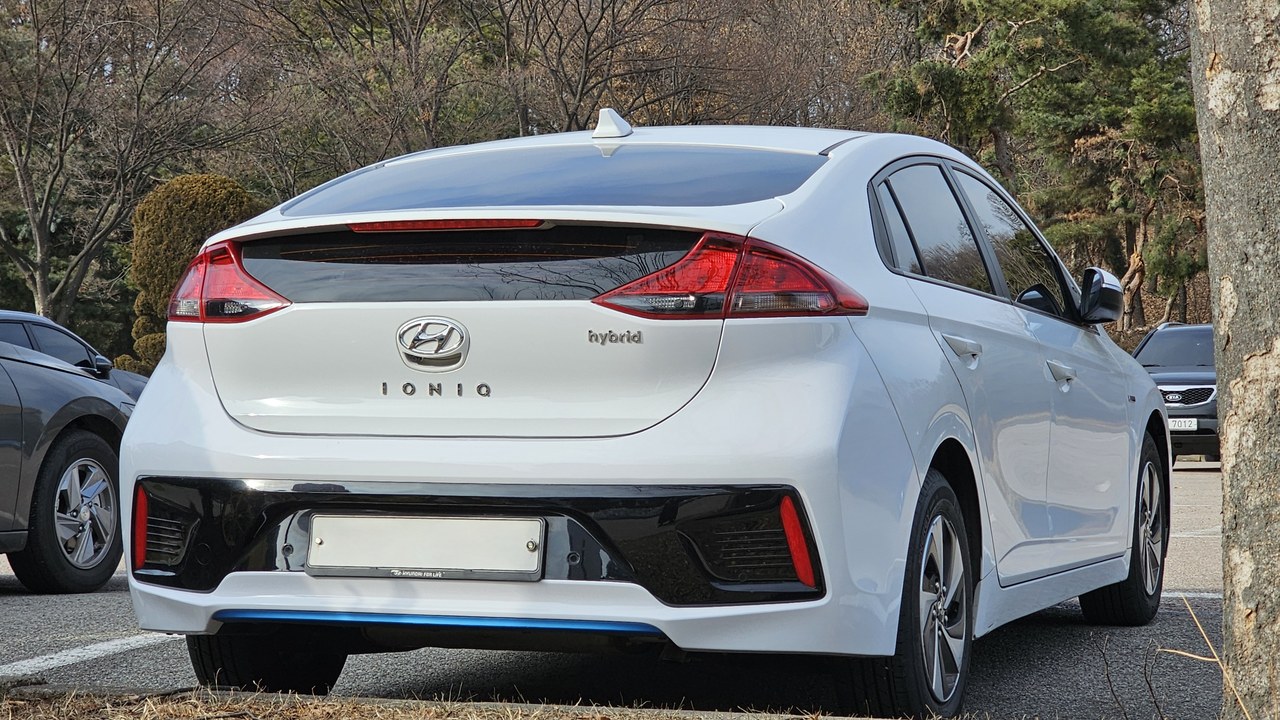
The Ioniq was Hyundai’s dedicated hybrid model, built specifically to compete on efficiency rather than adapted from a gas-only platform, and its battery pack came with one of the longer warranty terms in the industry. Its production run covered both hybrid and plug-in hybrid variants sharing that same warranty-backed battery approach.
That warranty coverage functions as a public commitment to durability, since automakers set those terms based on their own expected failure rates rather than marketing alone. A used Ioniq shopper inherits whatever coverage remains on that warranty, a form of built-in protection most gas-only used cars simply do not offer.
9. Lexus ES Hybrid: Camry Durability In A Lexus Suit
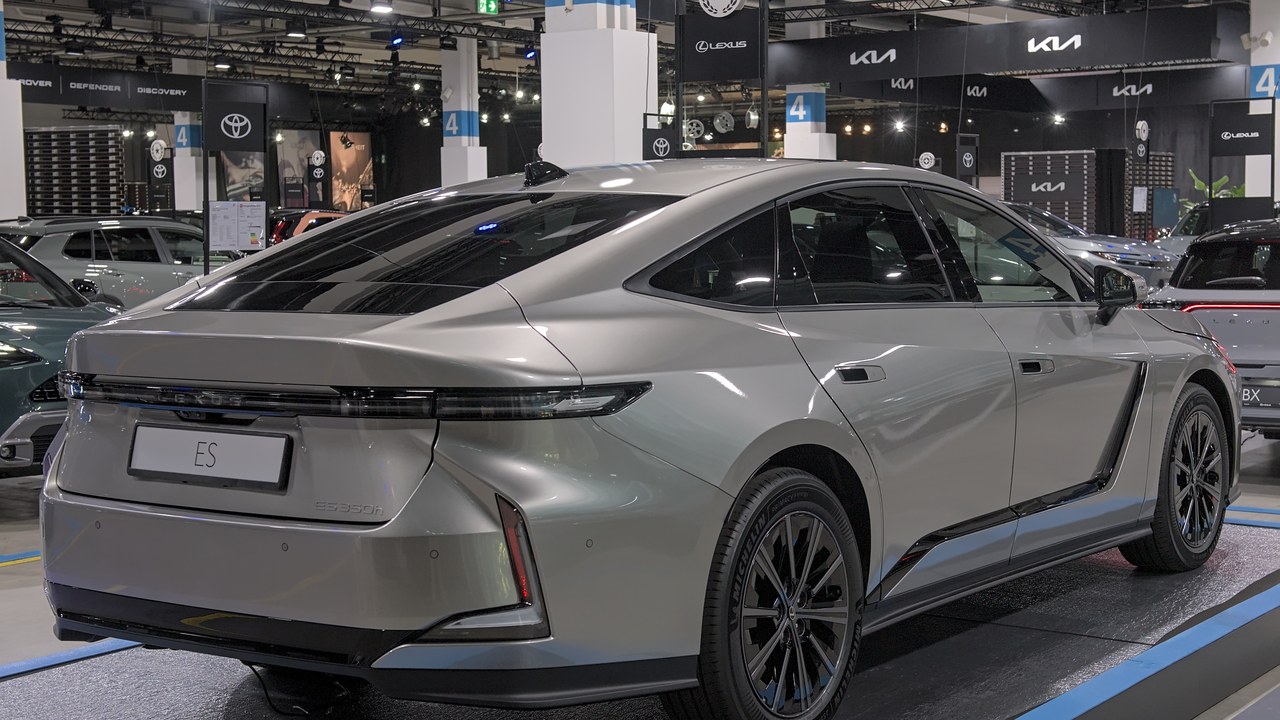
The ES Hybrid shares its platform and hybrid powertrain with the Toyota Camry Hybrid, which means it inherits the same battery durability record rather than starting from a clean sheet. Its own production history ties the ES directly to that shared Toyota-Lexus hybrid platform across its model generations.
For buyers who want Lexus comfort and quiet without gambling on unproven luxury-hybrid engineering, the ES Hybrid is effectively the Camry Hybrid’s track record dressed in a more upscale cabin. The tradeoff is the same one that applies across Lexus’s hybrid lineup: a higher price for componentry that costs less under a Toyota badge.
More from Morning Overview
- More than 60,000 people flee the Spokane area as complex fires overrun 600 structures
- 11 engines built to run well past 200,000 miles
- Card skimmers hidden on gas pumps and ATMs are draining accounts, and here’s the tell
- The FBI says hackers are hijacking outdated home routers, and it named the models to check
