
Not every SUV with all-wheel drive can handle a rutted fire road, let alone a rock ledge or a river crossing. A smaller group of models earns its reputation the hard way, through low-range transfer cases, real skid plates, and suspension travel built for abuse rather than showroom polish. From boxy icons to compact featherweights, these eleven off-road SUVs were engineered to survive punishing trails.
1. Jeep Wrangler: The Rock-Crawling Reference Point
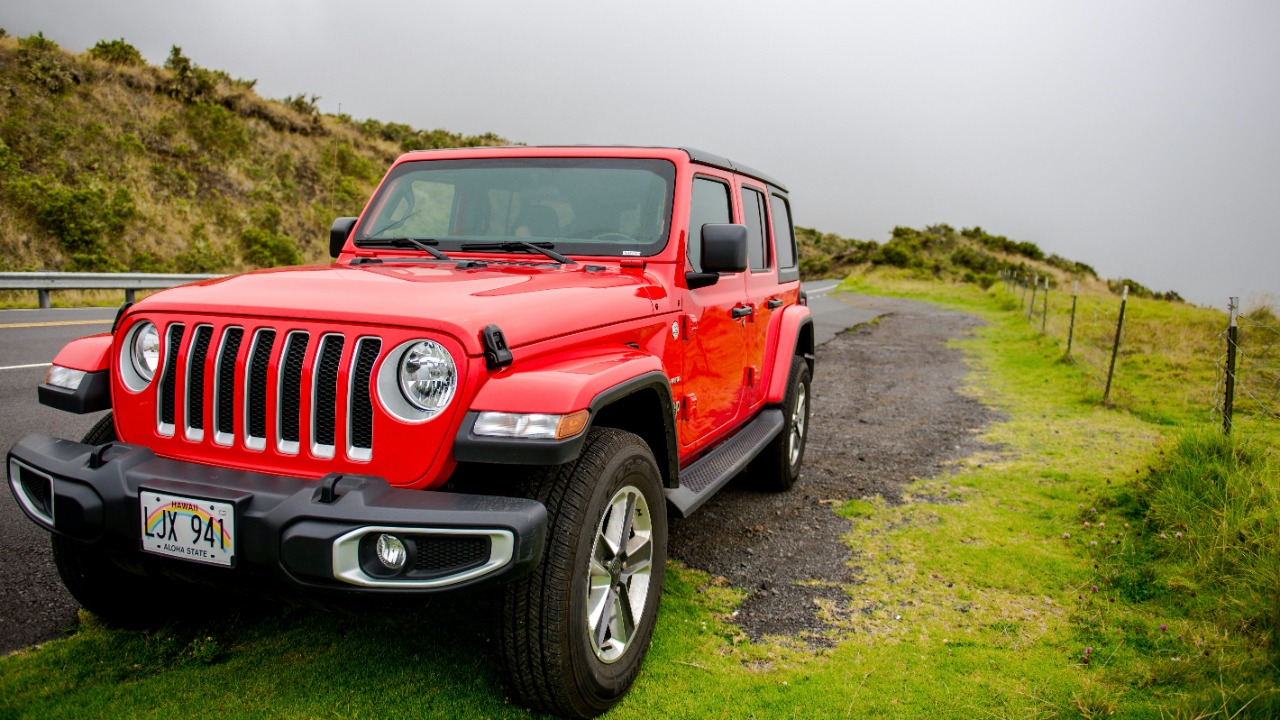
A two-speed transfer case, solid front and rear axles, and locking differentials on upper trims give it articulation few factory-built SUVs can match. Removable doors and a fold-down windshield trace back to its military ancestry, and decades of aftermarket support mean nearly any trail upgrade already exists off the shelf.
Short-wheelbase two-door versions squeeze through tight rock gardens that stop longer rigs cold, though that compact size costs cargo room and ride comfort on long highway hauls.
2. Toyota Land Cruiser: Global Proof of Durability
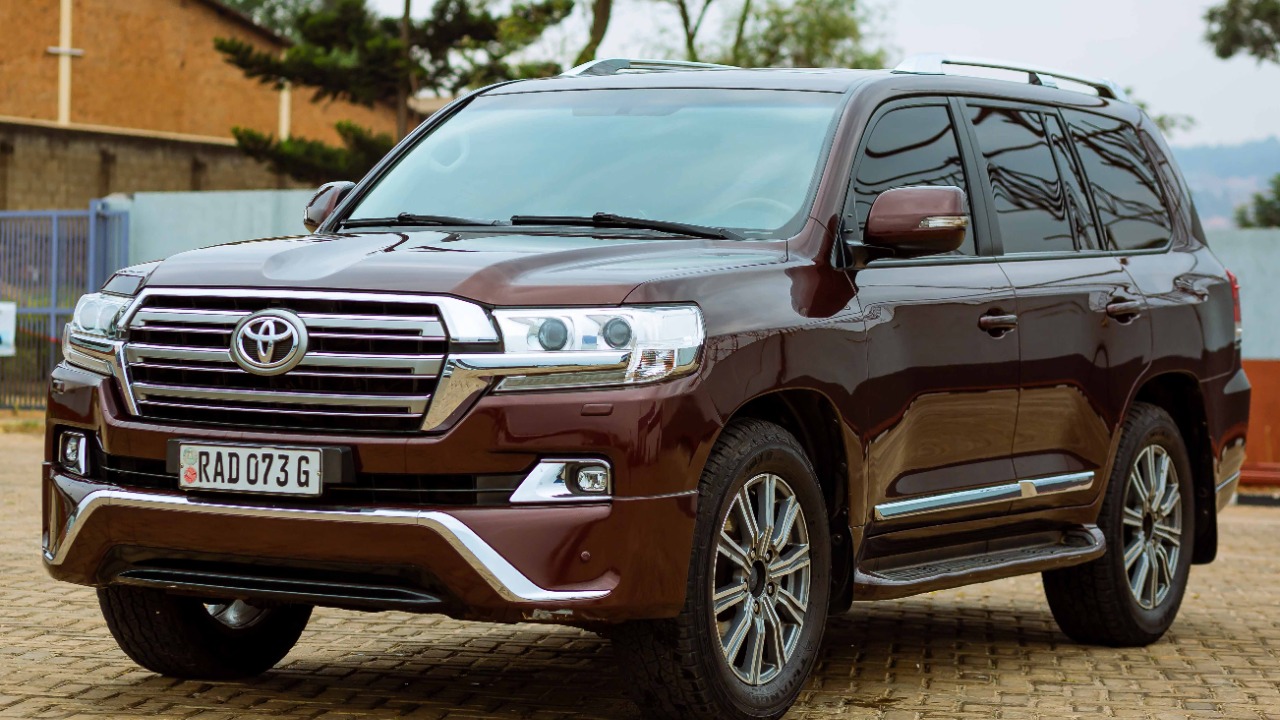
Decades of body-on-frame construction, a low-range transfer case, and full-time four-wheel drive have built a reputation for surviving deserts, mountains, and war zones without breaking down, making it the vehicle aid agencies and militaries reach for when failure is not an option. A torquey, unstressed drivetrain lets it lope over broken terrain that would rattle lighter crossovers apart.
That toughness comes at a price in the U.S. market, where the nameplate has grown larger and pricier, pushing budget-minded trail drivers toward the related 4Runner instead.
3. Ford Bronco: A Modern Trail Icon
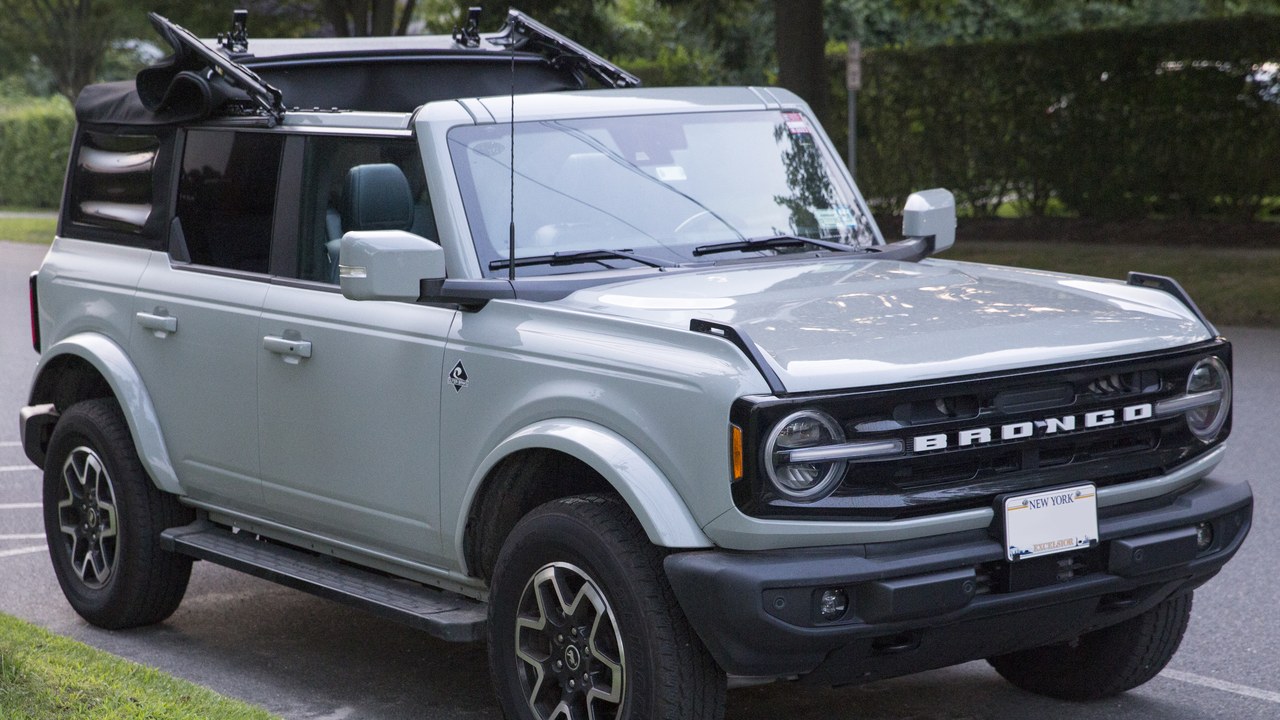
Available front and rear locking differentials, a two-speed transfer case, and a wide stance built on a fully boxed frame let it climb obstacles that stump most unibody crossovers. Removable doors and roof panels echo the original 1966 model, while a raised air intake and skid plates on off-road trims protect the drivetrain from rocks and water crossings.
Independent front suspension trades some of the axle articulation that hardcore Jeep loyalists prize for a smoother highway ride, a tradeoff Ford made deliberately to widen the Bronco’s everyday appeal.
4. Land Rover Defender: British Toughness Reengineered
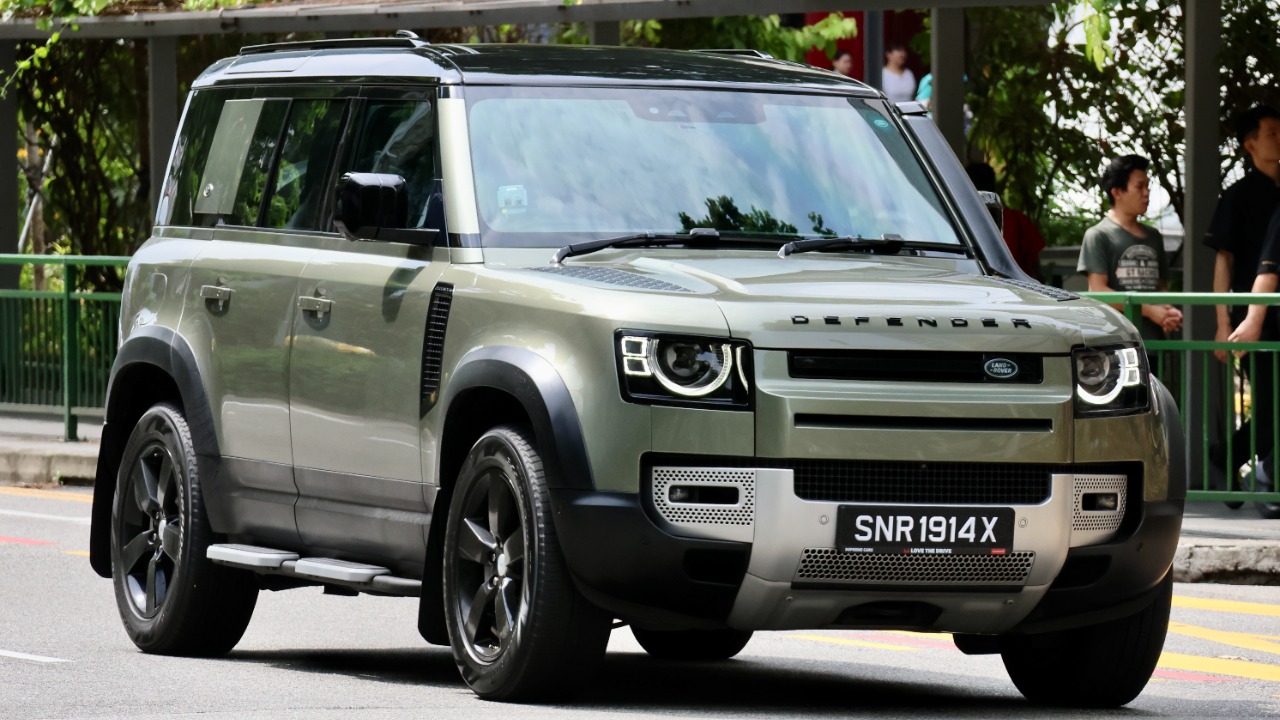
A stiff monocoque chassis reinforced for off-road loads, adjustable air suspension, and a low-range transfer case give it real wading depth and approach angles rivals in the luxury SUV class rarely match. Terrain Response software adjusts throttle, traction control, and differential lock behavior for mud, sand, or rock without requiring the driver to fuss with separate switches.
That electronic sophistication has drawn scrutiny for long-term reliability, a fair caveat for buyers weighing the Defender’s genuine capability against the simpler mechanicals of its rivals.
5. Toyota 4Runner: Body-On-Frame Loyalty Pays Off
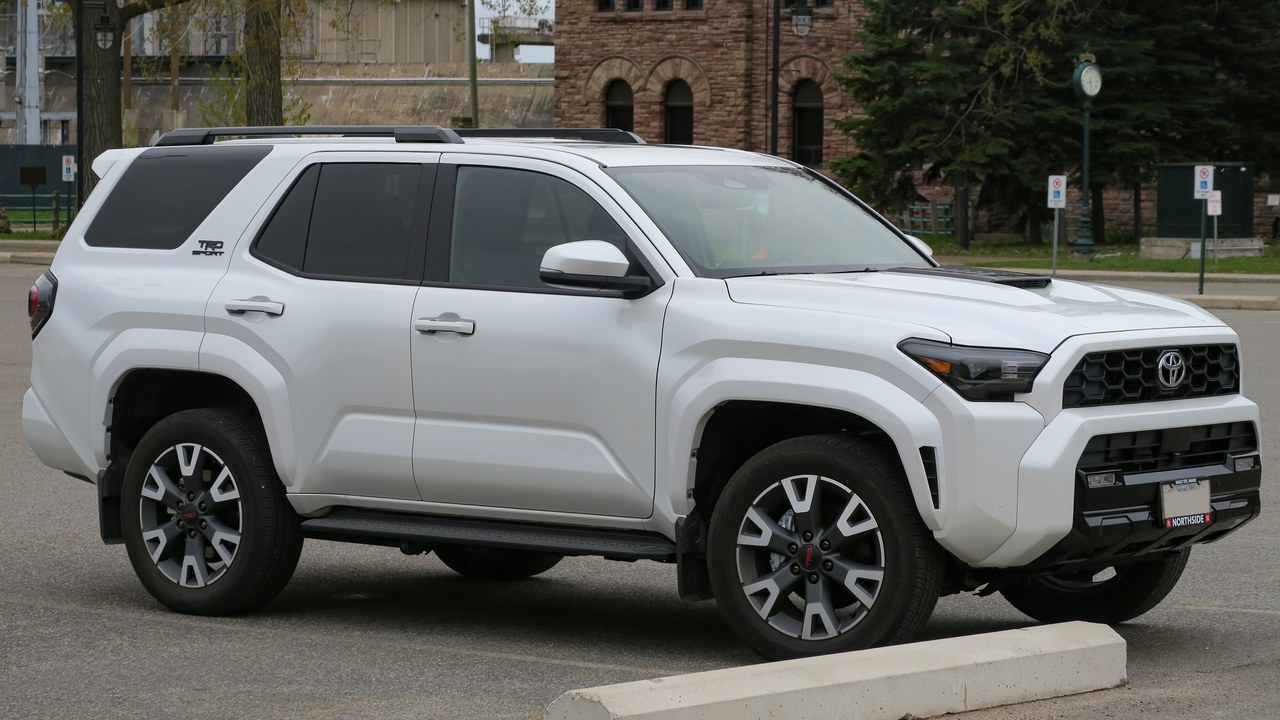
A body-on-frame platform shared with the Tacoma pickup, part-time four-wheel drive, and an available locking rear differential give it the bones serious trail drivers look for in a mid-size SUV. Higher-end trims add a multi-terrain select system and a crawl control feature that manages throttle and brakes automatically over rocks and loose sand.
That truck-based simplicity means a stiffer ride and thirstier fuel economy than car-based crossovers, a tradeoff longtime owners accept for the reliability the 4Runner has built its following on.
6. Mercedes-Benz G-Class: Luxury That Actually Off-Roads
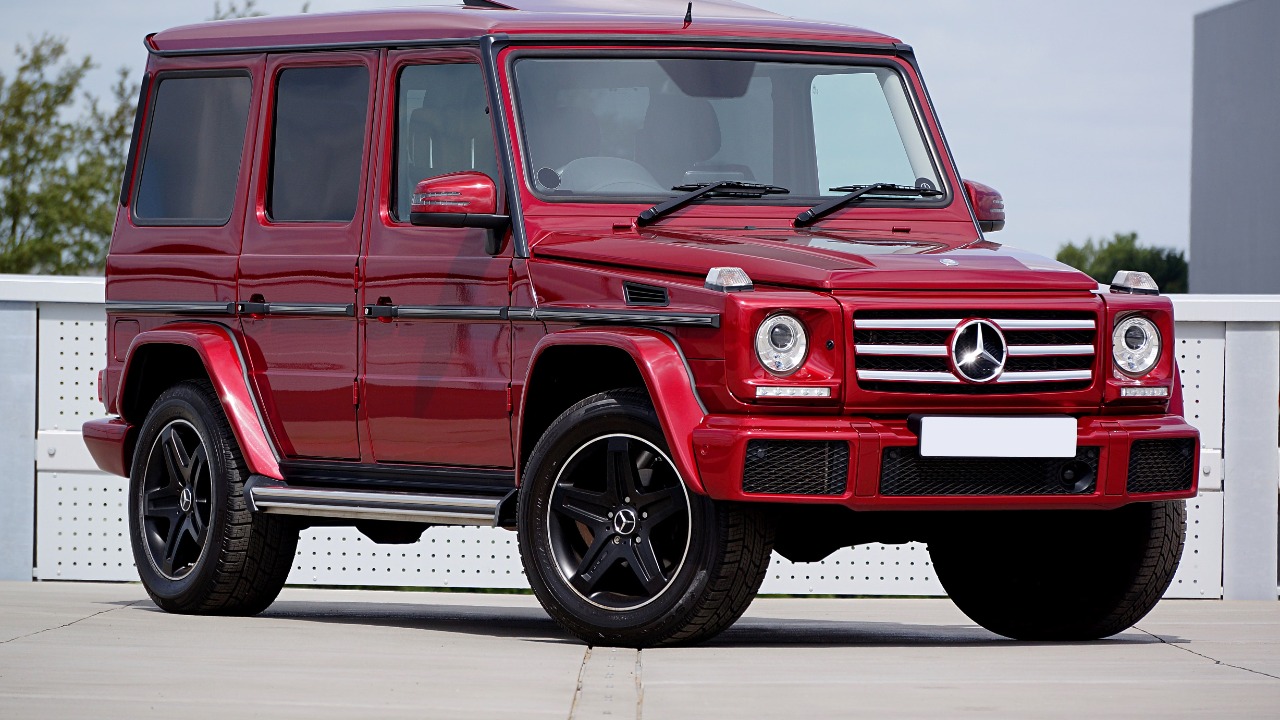
A boxy body-on-frame design, largely unchanged in silhouette for decades, pairs with three locking differentials, front, center, and rear, to give it a mechanical seriousness rare among six-figure luxury SUVs. A low-range gearbox and portal-style ground clearance let it tackle steep, rutted climbs that most badge-conscious buyers never test but that off-road engineers built the platform to survive.
Its upright shape and low-range hardware sacrifice the aerodynamic efficiency and fuel economy of newer luxury SUVs, a cost buyers accept for a cabin wrapped around genuine trail capability.
7. Jeep Grand Cherokee: Family-Friendly Trail Capability
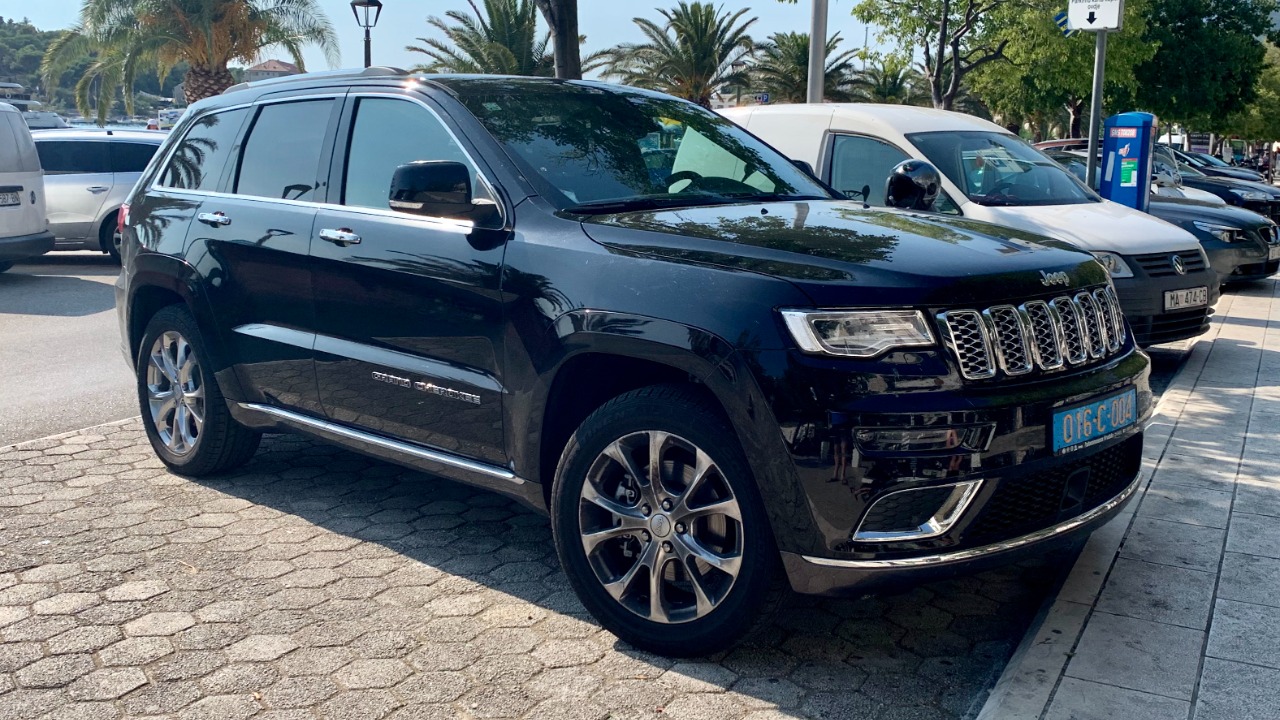
An available Quadra-Lift air suspension raises ground clearance and improves approach and departure angles at the touch of a button, while Selec-Terrain traction software adjusts throttle and stability control for snow, mud, sand, or rock. A two-speed transfer case on off-road trims adds genuine low-range gearing that many three-row family SUVs skip entirely.
The tradeoff is complexity: air springs and electronic transfer cases add cost and long-term repair risk that buyers of simpler, coil-sprung SUVs generally avoid.
8. Chevrolet Tahoe Z71: Full-Size Muscle for Trails
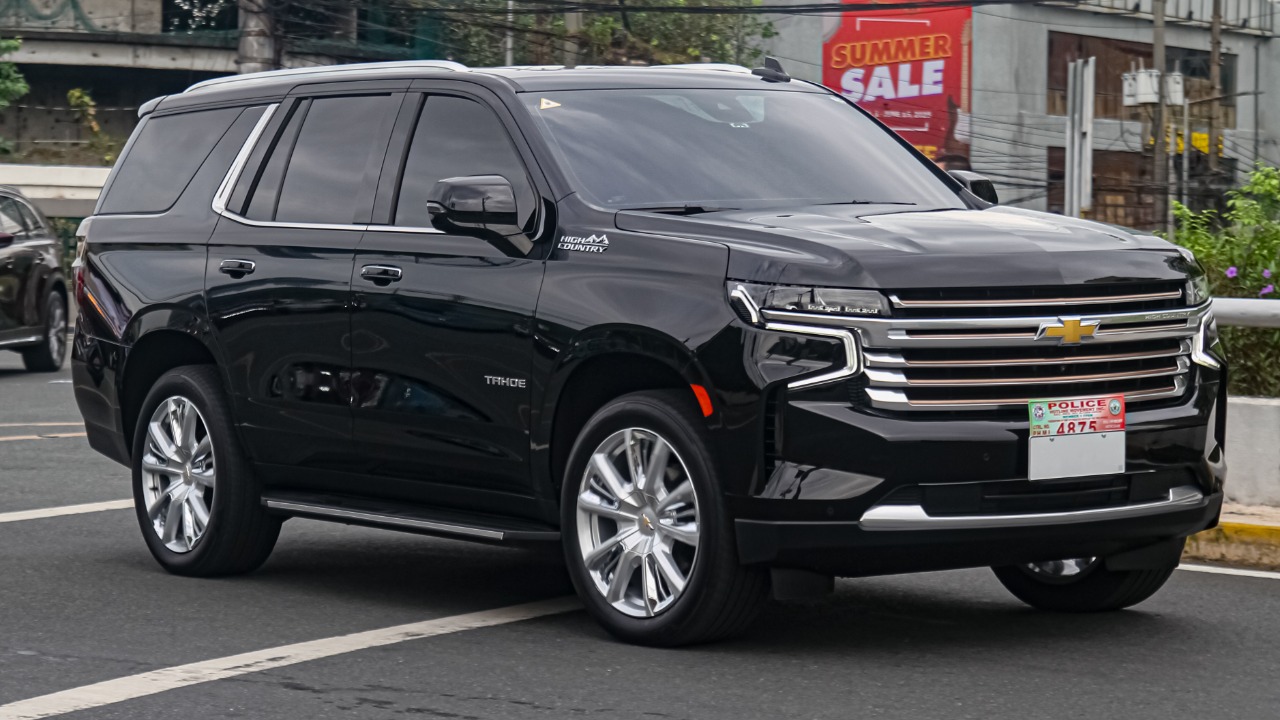
Its Z71 off-road package adds a two-speed transfer case, skid plates, hill descent control, and a locking rear differential to the Tahoe’s standard truck-based frame, giving a three-row SUV genuine trail hardware most family haulers never offer. Wider all-terrain tires and a slightly raised suspension improve articulation without turning it into a dedicated rock crawler.
Its size and weight limit where it can go compared with smaller off-roaders, since tight switchbacks and narrow trails favor nimbler, shorter-wheelbase competitors.
9. Nissan Xterra: A Cult Favorite’s Simplicity
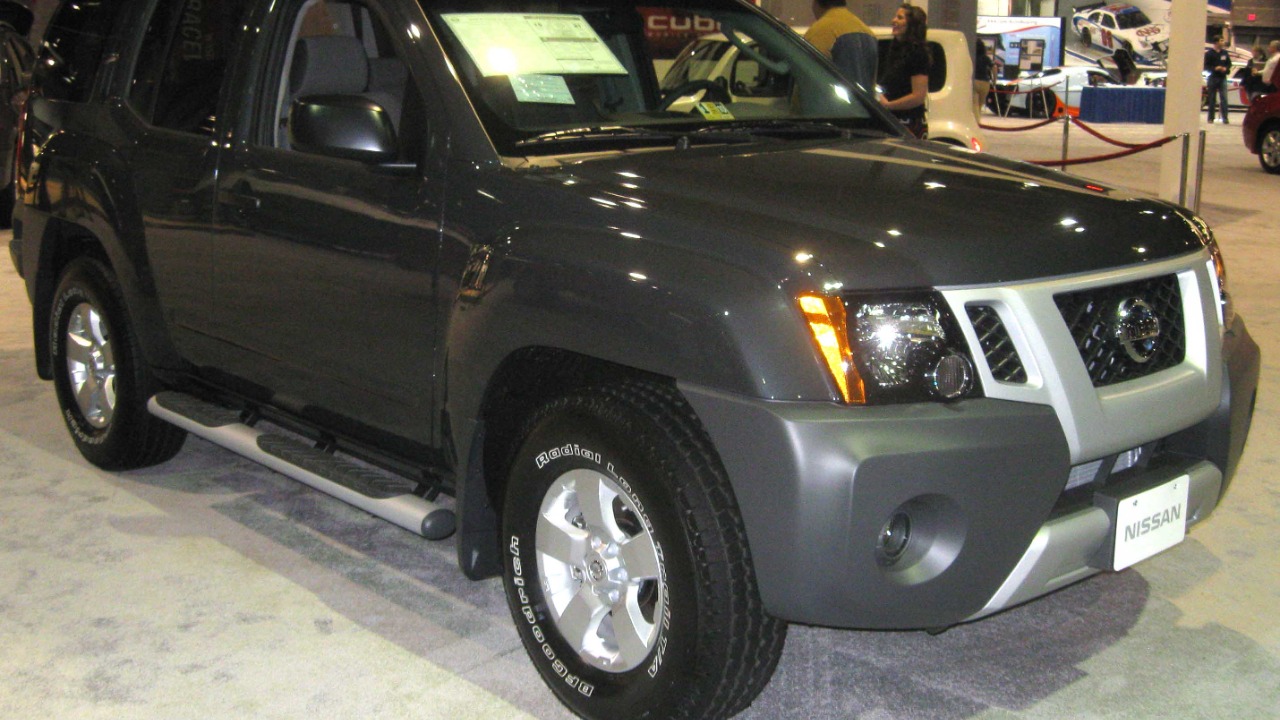
A solid rear axle and body-on-frame construction gave it durability that unibody crossovers of its era could not match, while an available locking rear differential and skid plates on Off-Road trims made it a genuine budget alternative to pricier trail SUVs. Its boxy shape and rear-mounted spare tire kept ground clearance and departure angles generous.
Nissan discontinued the Xterra in North America years ago, so buyers now hunt the used market, where high-mileage examples with off-road options command a real premium among trail enthusiasts.
10. Lexus GX: Land Cruiser Bones, Quiet Cabin
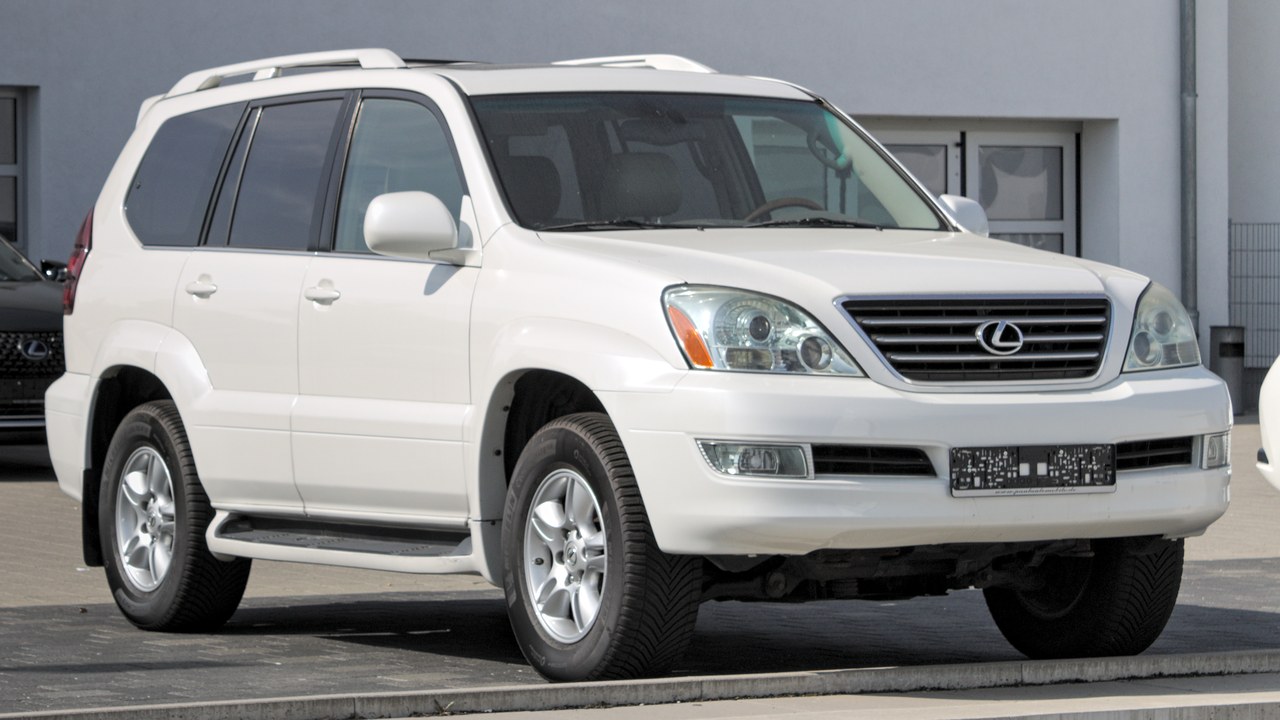
Built on the same body-on-frame platform as the Land Cruiser Prado, it pairs a low-range transfer case and a torque-sensing locking center differential with a quieter, more insulated cabin than its Toyota sibling. Kinetic Dynamic Suspension System hardware on off-road trims lets the sway bars disconnect for extra wheel travel over broken terrain.
That extra refinement adds weight and cost, so buyers looking purely for capability per dollar often step down to the mechanically related, cheaper 4Runner instead.
11. Suzuki Jimny: Small Footprint, Big Ability
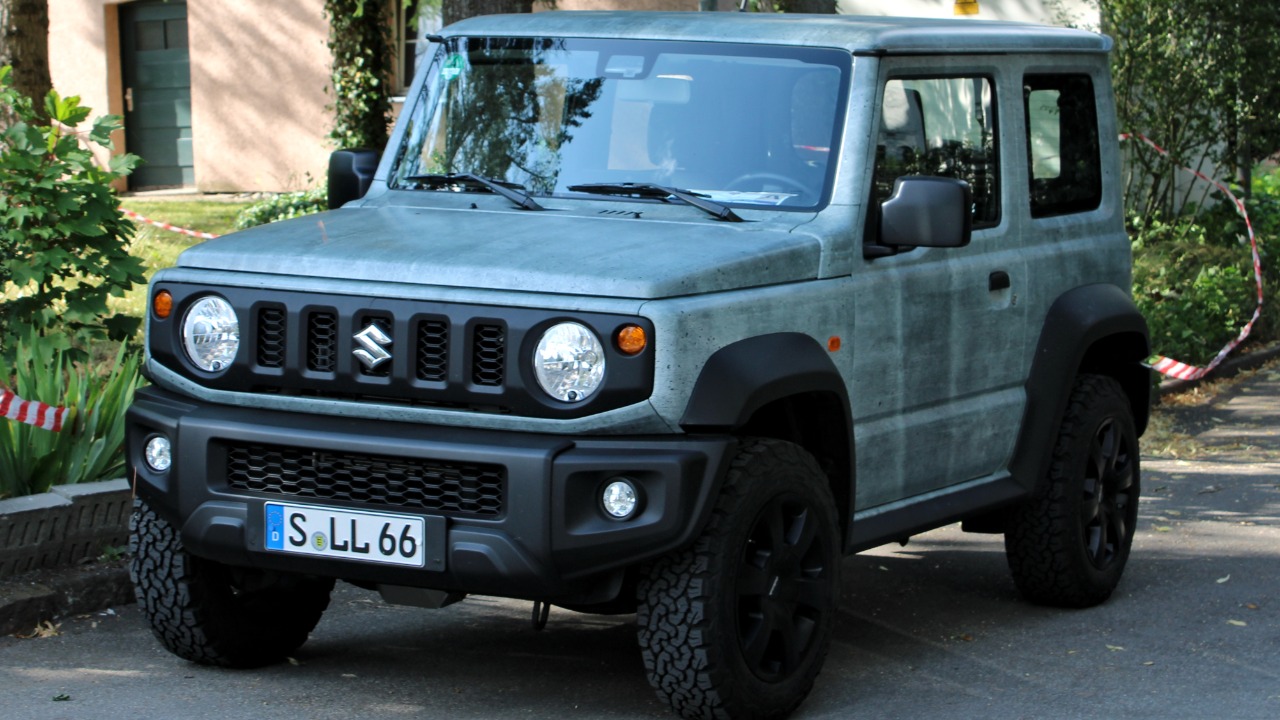
A genuine ladder-frame chassis and a low-range transfer case, rare in a vehicle this compact, let its short wheelbase and tight turning circle squeeze through tree-lined trails that stop larger, wider SUVs cold. Part-time four-wheel drive with a locking center differential keeps it planted on loose surfaces despite its light weight.
That light weight and narrow track come with less passenger and cargo room than nearly any rival on this list, and the model has never been sold new in the United States.
More from Morning Overview
- More than 60,000 people flee the Spokane area as complex fires overrun 600 structures
- 11 engines built to run well past 200,000 miles
- Card skimmers hidden on gas pumps and ATMs are draining accounts, and here’s the tell
- The FBI says hackers are hijacking outdated home routers, and it named the models to check
