
Reliability among motorcycles isn’t measured by spec sheets, it’s measured by how many owners still ride the same bike a decade and 50,000 miles later. Certain engines and platforms have built reputations that stretch across continents, commuter routes and years of neglect, from Honda’s touring flagship to Kawasaki’s cult dual-sport. Here are eleven motorcycles that have earned a reputation for running long after their rivals have needed a rebuild.
1. Honda Gold Wing: The Touring Flagship Built For Continents
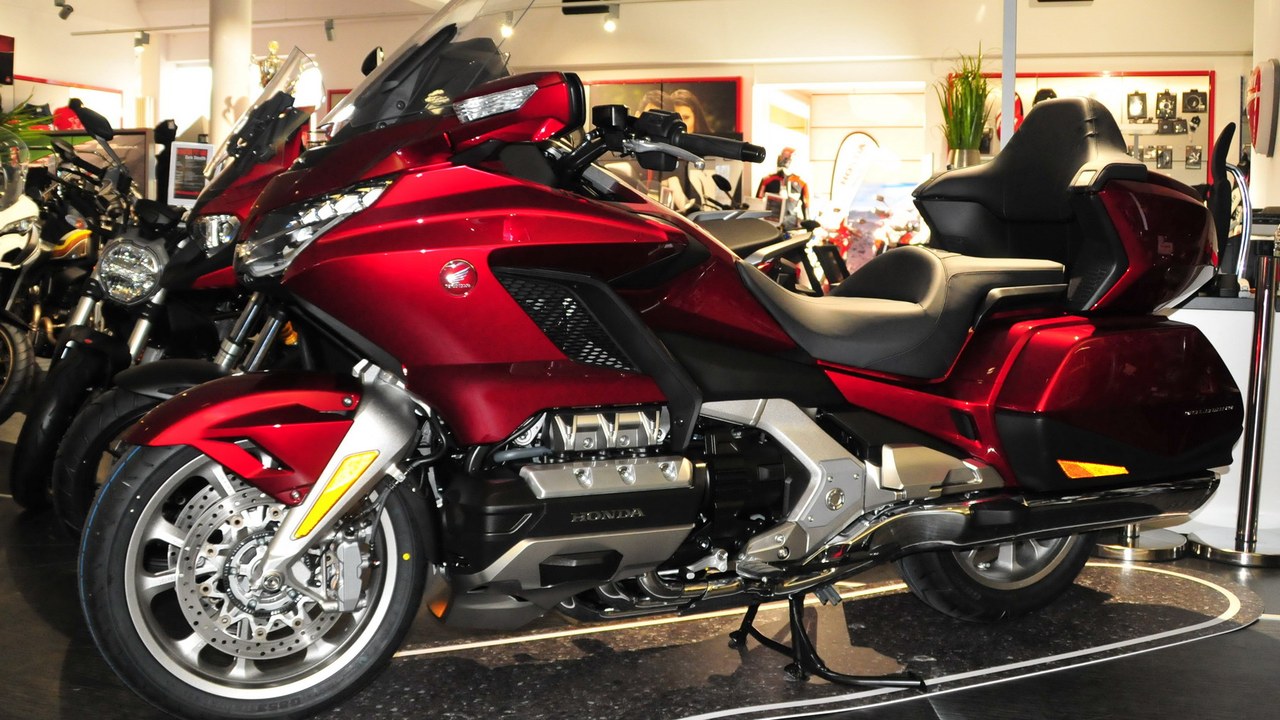
Honda’s reputation for engines that keep running underpins the Gold Wing’s standing as touring’s benchmark for reliability, an image that lines up with independent vehicle longevity research that repeatedly ranks the brand among the most durable on the road. Riders routinely report Gold Wings crossing six figures on the odometer with only routine maintenance.
For a buyer weighing a used flagship tourer, that track record matters more than horsepower figures, since the water-cooled six-cylinder engine is built for sustained highway loads rather than short bursts. The trade-off is weight and price, not durability.
2. Kawasaki KLR650: The Dual-Sport That Refuses To Quit
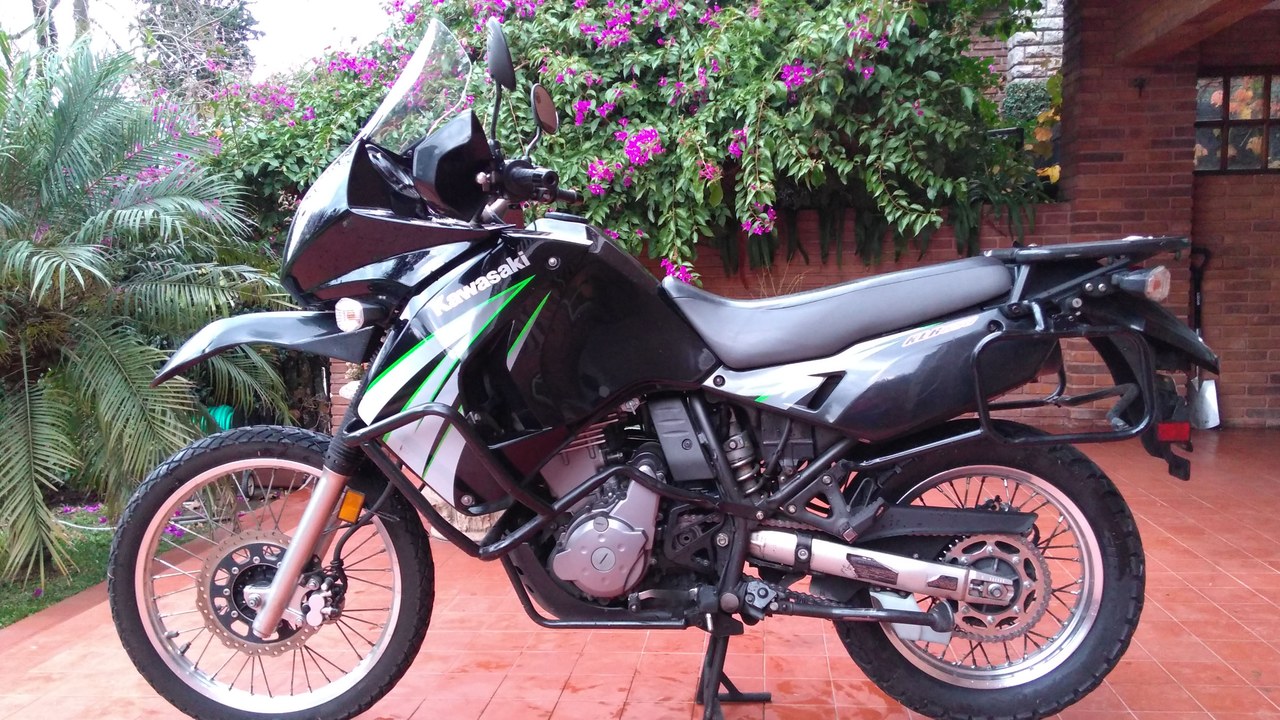
Kawasaki built the KLR650 on a largely unchanged platform for decades, a rare feat that let mechanics learn the bike inside and out while keeping parts cheap and plentiful. Its air-cooled single-cylinder engine trades refinement for simplicity, tolerating neglect, poor fuel and thousands of miles of washboard road.
Overlanders favor it precisely because failures are predictable and fixable roadside with basic tools, not because it is the fastest or smoothest dual-sport available. That reputation, built over generations of riders, still supports strong resale value on used examples.
3. Suzuki DR650: The Thumper Mechanics Trust Anywhere
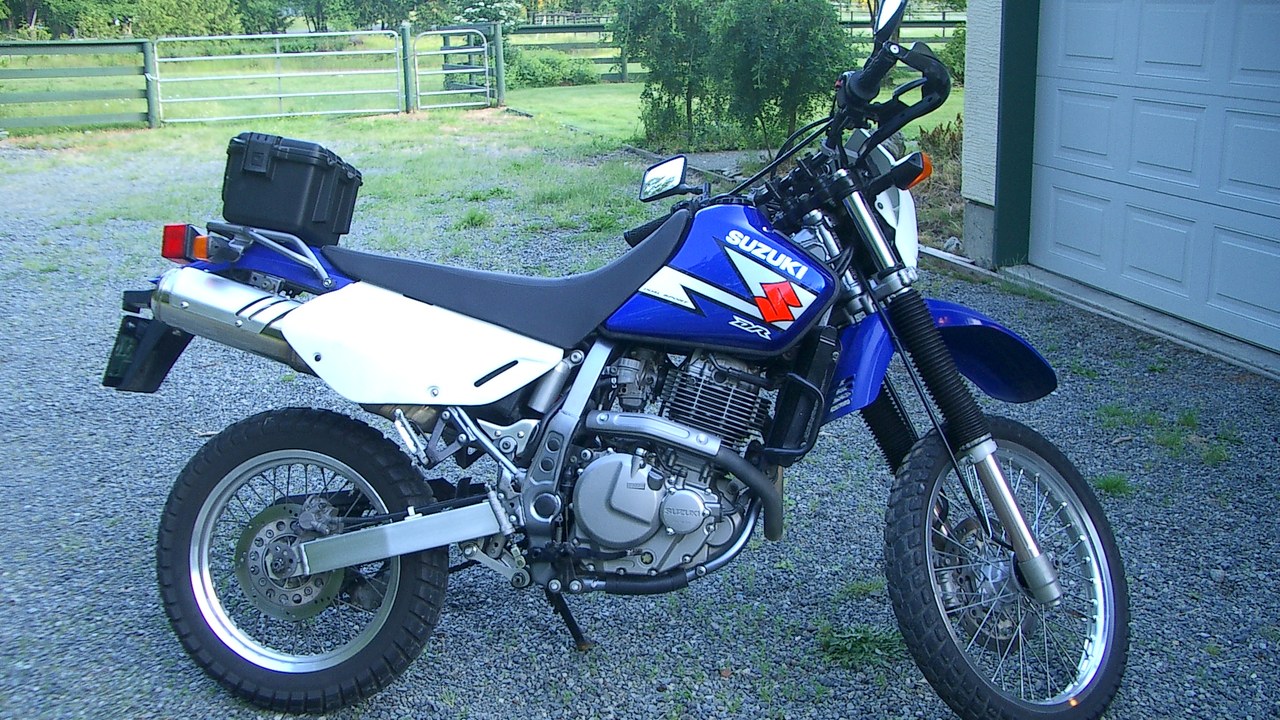
The Suzuki DR650‘s air-cooled single dates back to the late 1980s, and Suzuki has resisted major redesigns because the original engineering already does the job well. Its low compression and simple carbureted fuel system shrug off high altitude, poor fuel quality and long stretches without a dealership nearby.
Adventure riders who tour remote back roads gravitate toward it because a roadside fix rarely requires more than tools already carried in the saddlebag. That mechanical simplicity, more than any spec sheet number, explains its cult following among long-distance travelers.
4. Honda Africa Twin: Built To Survive The Long Expedition
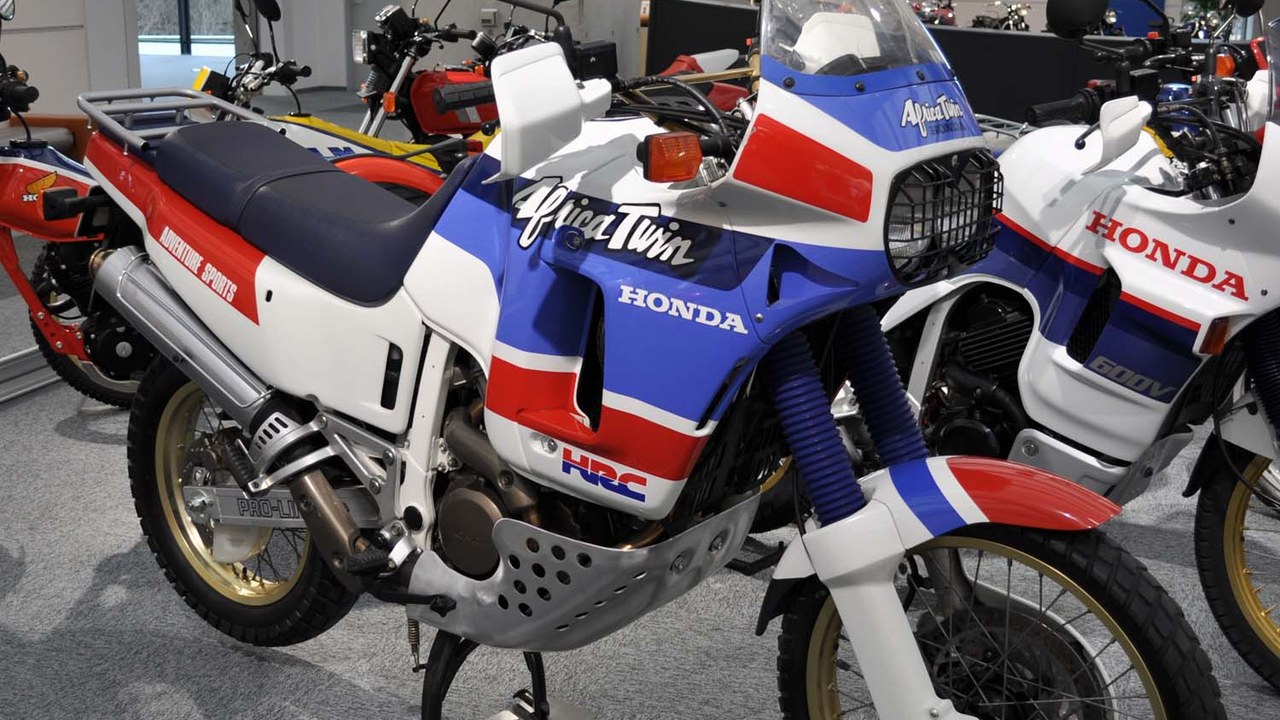
Honda designed the Africa Twin‘s parallel-twin platform around the punishing expeditions that inspired its name, giving the engine long service intervals and a chassis meant to absorb repeated impacts. The rugged suspension and rally-derived geometry are chosen specifically to survive sand, mud and thousands of unpaved miles.
Long-distance tourers who cross continents on it report the drivetrain outlasting tires and brake pads several times over. That durability is a big reason it remains a default pick for round-the-world attempts.
5. Yamaha Ténéré 700: The Parallel-Twin Built For Distance
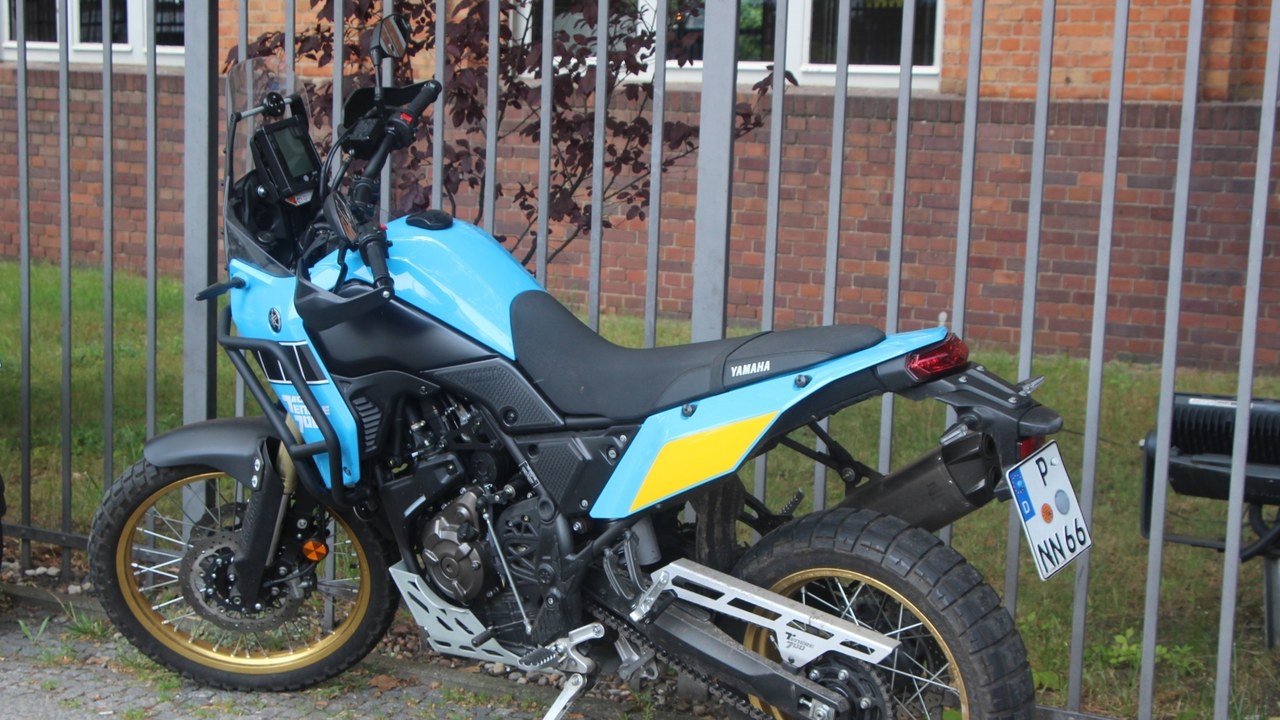
Yamaha borrowed the Ténéré 700’s engine from its naked and sport models specifically because that motor already had a record of shrugging off high mileage with minimal fuss. A simple steel frame and long-travel suspension are engineered to take repeated hard landings rather than fold under them.
Riders who take it deep off-road say the engine rarely demands anything beyond scheduled service, even after seasons of abuse. That pairing of a proven motor and a rugged chassis built its distance-riding reputation.
6. BMW R1250GS: The Round-The-World Benchmark
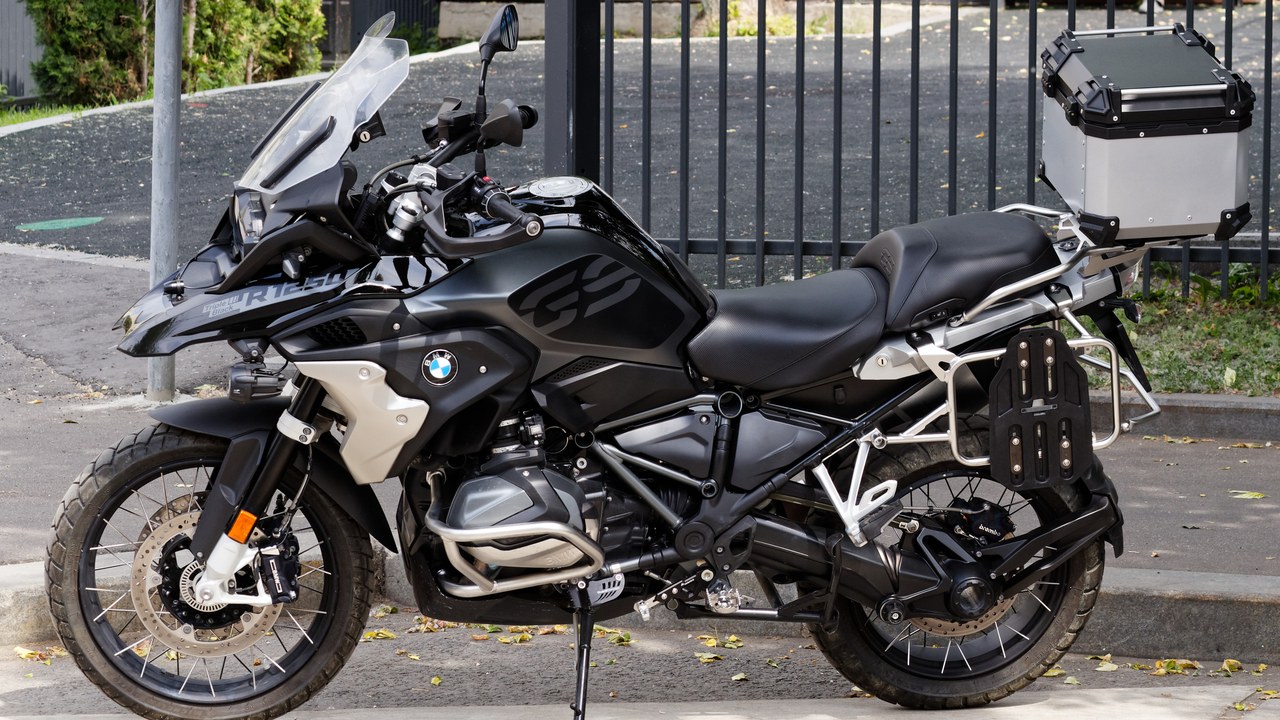
BMW’s boxer engine on the R1250GS has powered generations of round-the-world attempts, and its shaft final drive eliminates the chain maintenance that fails other adventure bikes on long tours. Owners frequently report six-figure mileage with the original engine internals still intact.
That reputation is why rental fleets on multi-continent tours default to the GS over rivals, since a breakdown thousands of miles from a dealer is exactly the scenario the bike is built to avoid. Maintenance costs run higher, but reliability rarely shows up in resale complaints.
7. Triumph Bonneville: The Modern Classic That Keeps Running
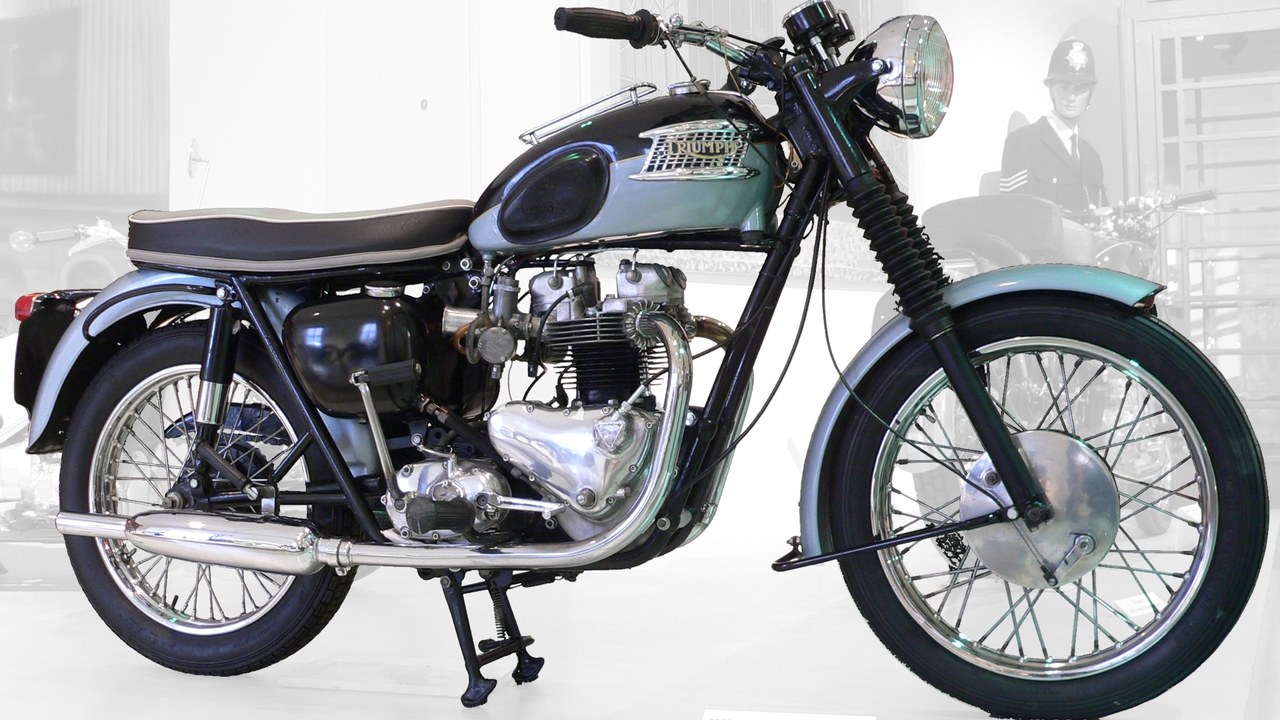
Triumph reengineered the Bonneville from the ground up, replacing the old air-cooled twin’s vibration and oil-leak habits with a liquid-cooled unit built for daily commuting durability. The redesign kept the classic silhouette while trading fragile carburetors for fuel injection that starts reliably in cold weather.
Commuters who ride one year-round report engines passing well past 50,000 miles on factory internals, a mileage that would have been unusual for the model’s earlier air-cooled ancestors. That shift quietly rebuilt the badge’s reputation for dependability.
8. Honda CB500X: The Midweight Owners Never Trade In
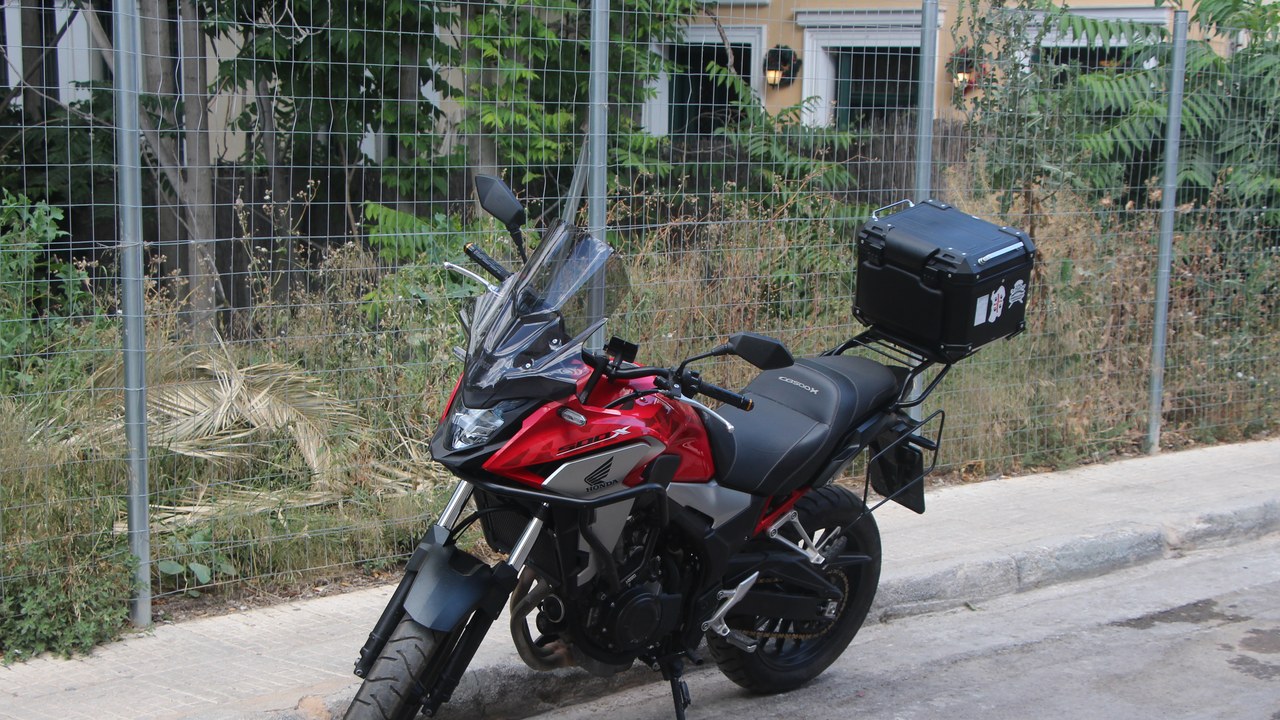
Honda built the CB500X‘s twin-cylinder engine as a scaled-down version of its larger, well-proven platforms, and the bike inherits that same low-stress reliability at a smaller displacement. Its modest power output keeps internal wear low even under a new rider’s heavy-handed throttle inputs.
Owners frequently keep the bike for a decade or more rather than trading up, since it rarely develops the mechanical faults that push riders toward a dealership. That combination of low maintenance and low drama makes it a favorite first bike that becomes a keeper.
9. Yamaha MT-07: The Naked Bike With Little To Fix
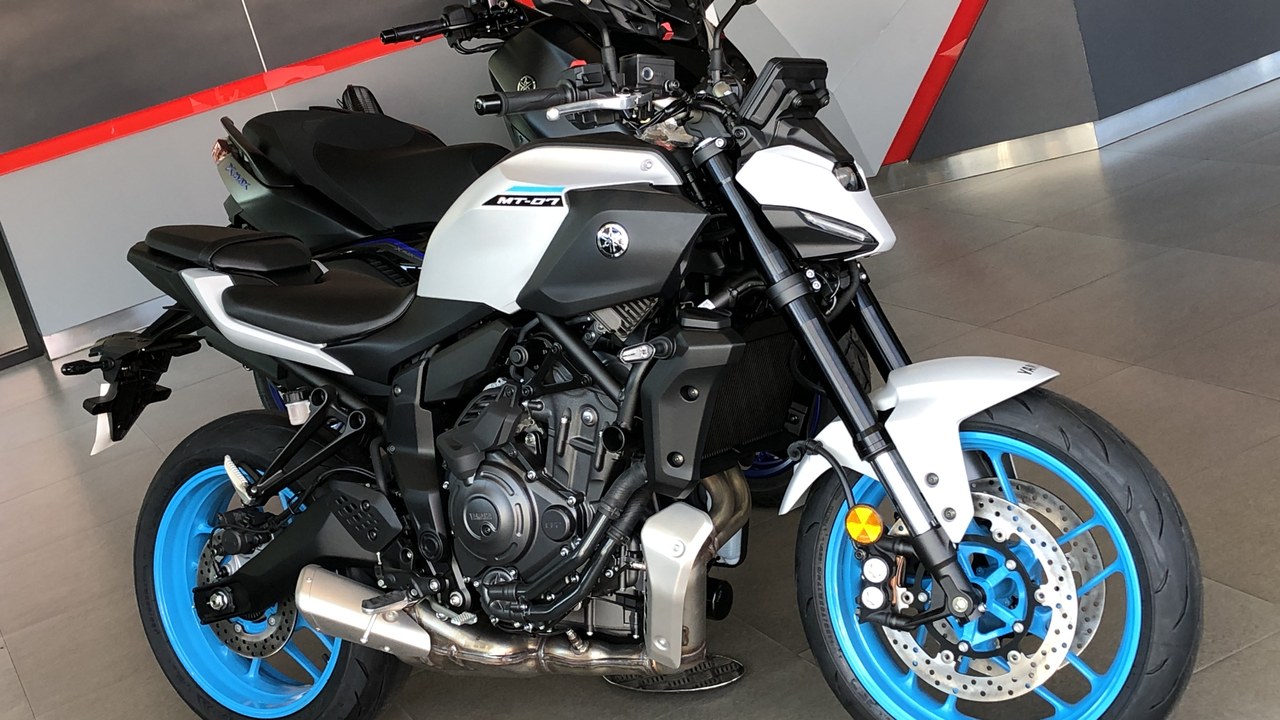
Yamaha’s parallel-twin, shared with the MT-07 and several other models in its lineup, has a well-documented record of high-mileage service with only basic valve and chain maintenance. Its low center of gravity and simple air-and-oil cooling reduce the failure points that plague more complex engines.
Riders who commute on it daily report skipping major repairs well past the odometer marks where competitors start needing engine work. That low-drama ownership experience is why it remains a default recommendation for a first bike meant to last.
10. Suzuki V-Strom 650: The V-Twin Built To Outlast Its Owner
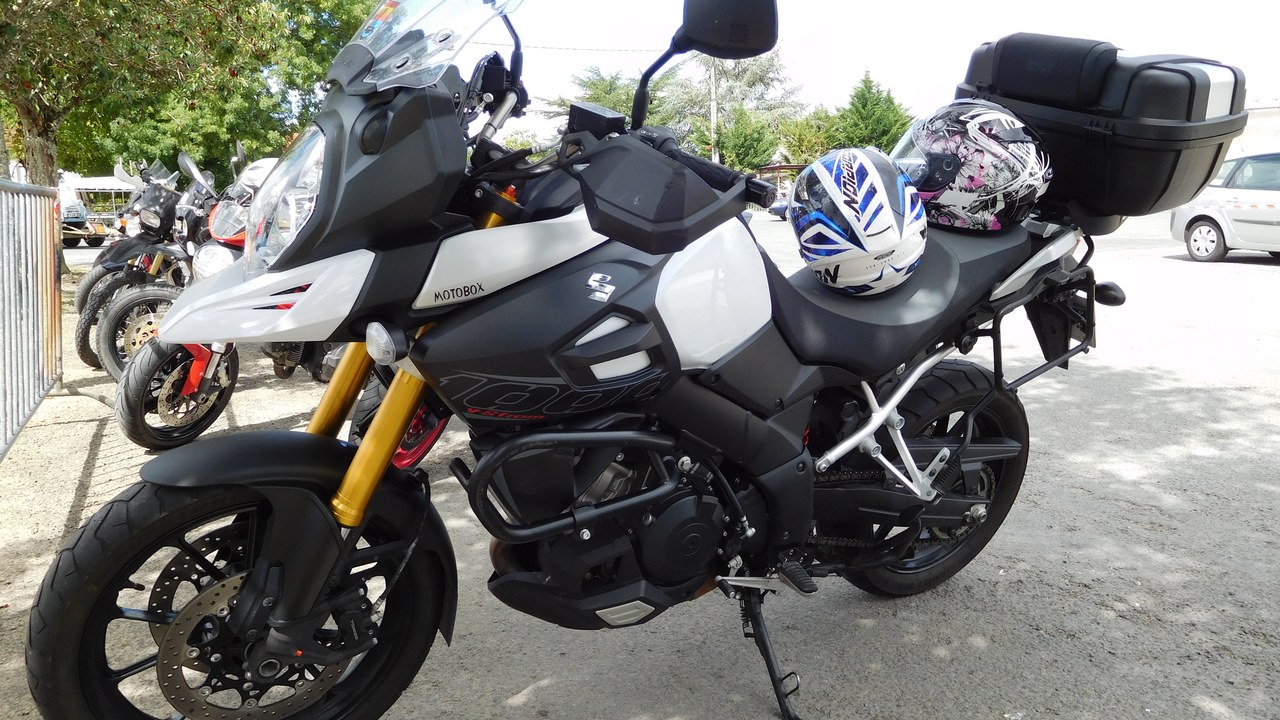
Suzuki’s V-twin in the V-Strom 650 has stayed mechanically similar for well over a decade, a sign the company found little worth changing in an engine already known for shrugging off high mileage. Its modest power delivery and simple fuel injection reduce the stress that shortens engine life in harder-revving rivals.
Owners who commute or tour on one commonly report six-figure odometer readings without a rebuild, a figure rare among midsize adventure-tourers. That track record has made it a favorite among riders who value distance over outright speed.
11. Kawasaki Ninja 650: The Sportbike Riders Keep For Years
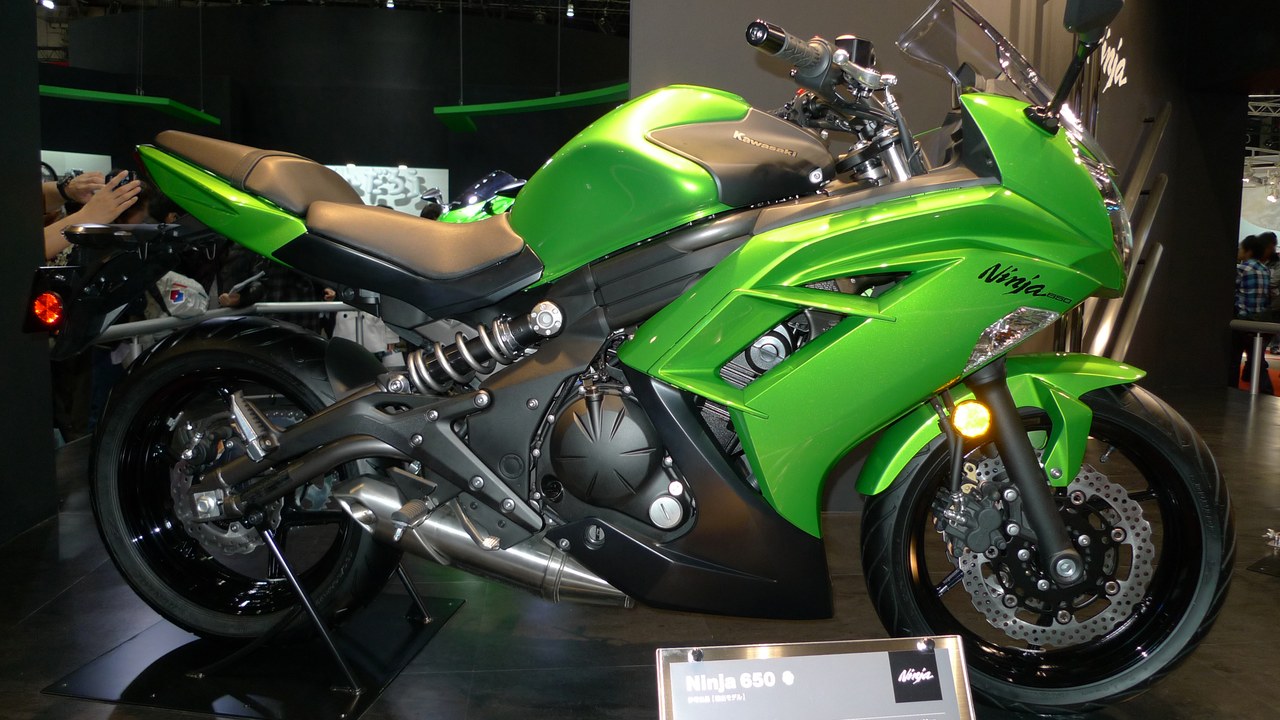
Kawasaki’s parallel-twin in the Ninja 650 trades the high-strung character of a sportbike for a lower-stress design that tolerates daily commuting and cold starts without complaint. Its moderate compression and conservative tuning keep internal wear low even under repeated short trips.
Riders who put tens of thousands of commuting miles on one report the engine outlasting tires, chains and brake pads many times over. That unglamorous durability, more than lap times, explains why used examples remain in high demand.
More from Morning Overview
- Four U.S. startups fired up their first small nuclear reactors, aiming to power AI data centers on-site
- 11 engines built to run well past 200,000 miles
- A handful of car transmissions are so tough that mechanics say they almost never die
- Card skimmers hidden on gas pumps are draining accounts, and there’s a quick way to spot them
