
Luxury flagships often arrive loaded with air suspension, adaptive electronics and low-volume drivetrains that dealers price like jewelry once the factory coverage expires. Owners who financed the purchase on a manageable payment can be blindsided by a single suspension or electrical repair that rivals a used economy car. Here are eleven luxury vehicles known for costly upkeep after the manufacturer’s coverage ends.
1. BMW 7 Series: The Air Suspension Tax
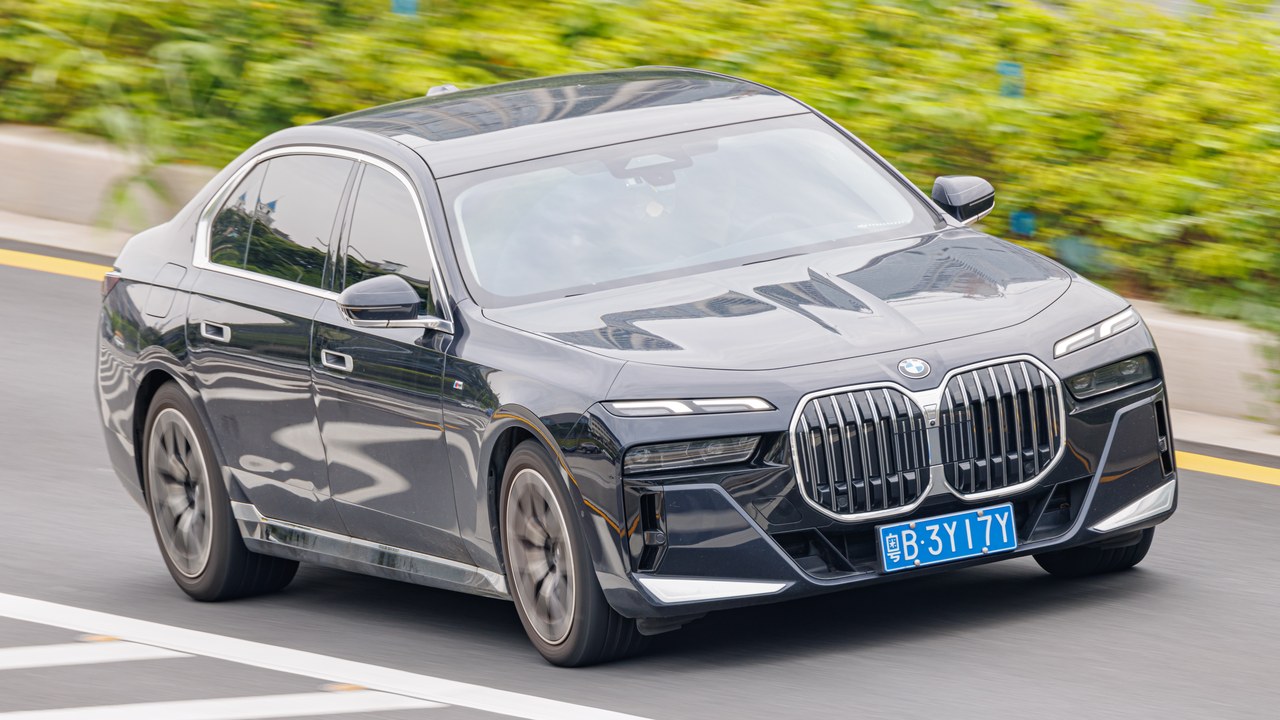
BMW’s flagship rides on a self-leveling air suspension with adjustable dampers, and few components punish a used-car budget harder once the compressor, air struts or height sensors fail outside coverage. An industry longest-lasting vehicles study notes how such systems shorten the years a luxury sedan stays affordable to keep.
Multi-zone climate control, adaptive cruise radar and iDrive electronics add further failure points, and independent shops often decline the job, funneling repairs back to the dealer at premium labor rates. A pre-purchase inspection focused on suspension health is standard advice for anyone shopping a used example.
2. Range Rover: A Repair Bill Regular
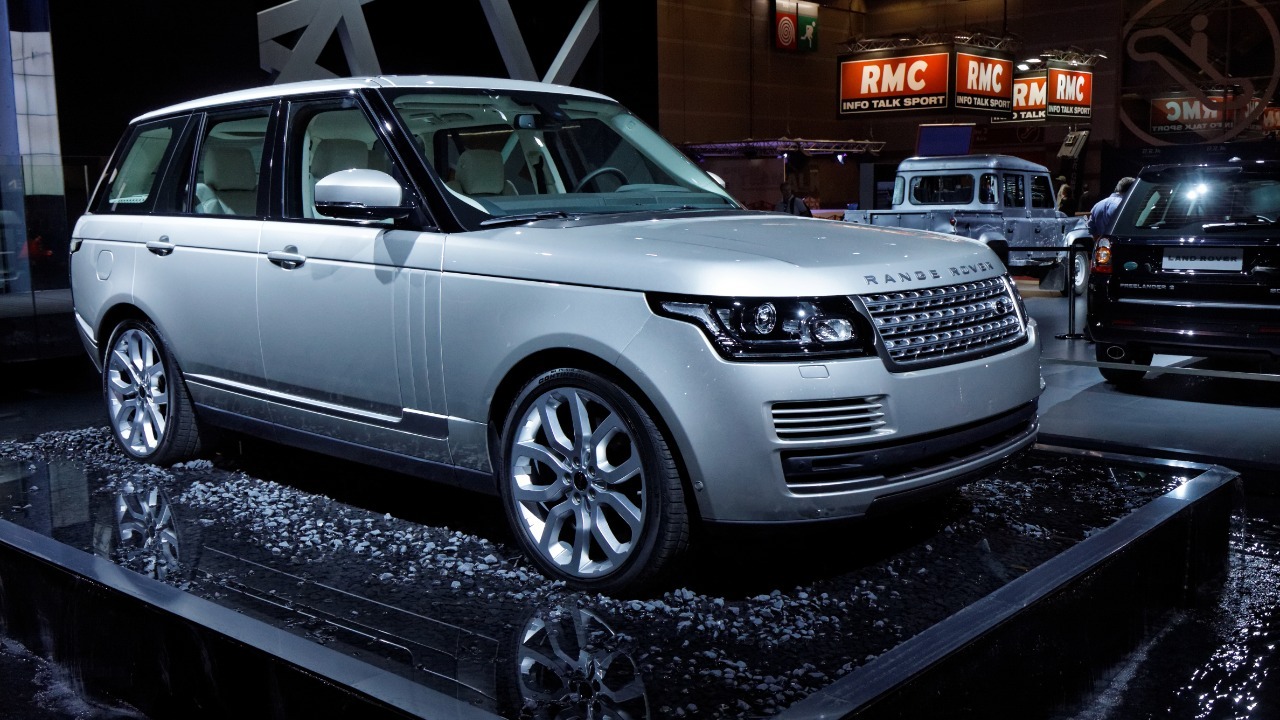
Land Rover’s flagship SUV combines air suspension, a two-speed transfer case and a raft of driver-assist sensors — the same mix that puts it near the top of costliest-SUV rankings for upkeep once the miles add up.
Electrical gremlins and suspension leaks tend to surface in the second ownership cycle, right as factory coverage lapses, and specialist labor at a Land Rover dealer rarely comes cheap. Buyers drawn by steep depreciation often find the savings erased within a year or two of ownership.
3. Audi A8: Quattro’s Hidden Cost
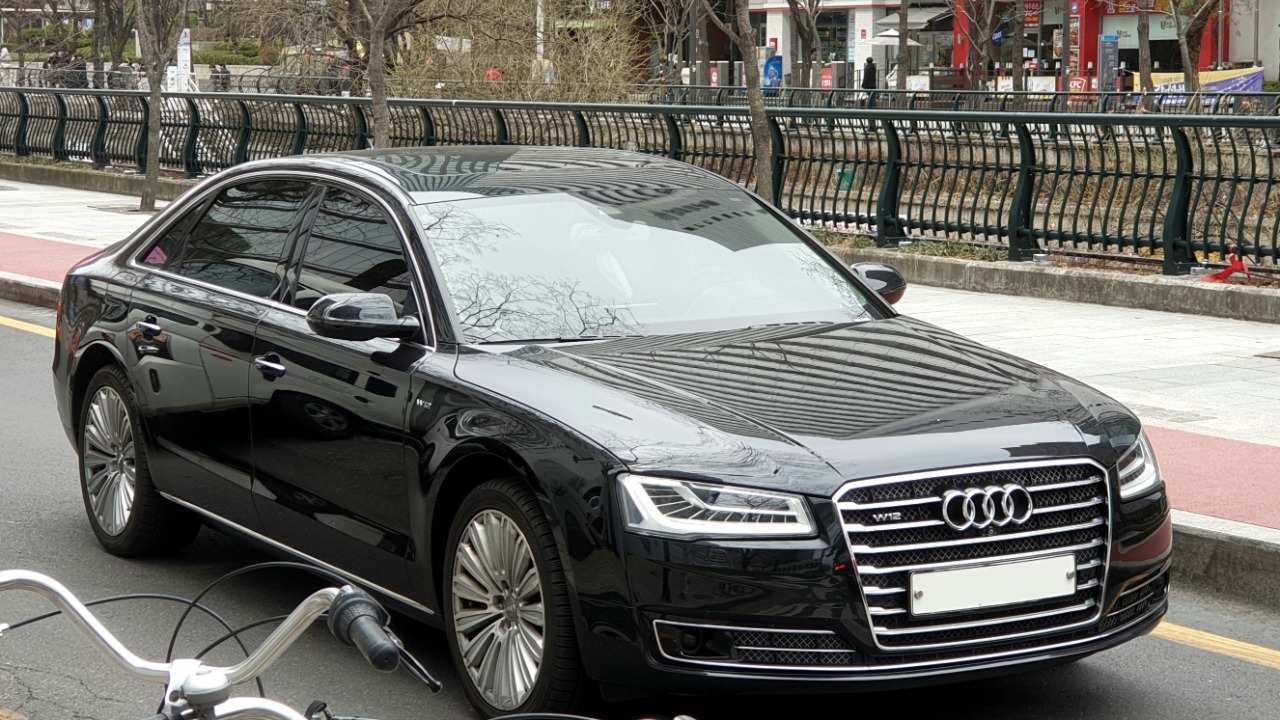
Audi’s flagship sedan pairs quattro all-wheel drive with air suspension and a dense electrical architecture; the A8’s electrical complexity means even routine sensor or module faults require specialized diagnostic time most independent garages don’t stock.
Parts sourced only through Audi’s dealer network add markup on top of already lengthy labor, and a failed air strut or adaptive damper rarely arrives alone. Owners who keep one past 100,000 miles typically budget for repair costs that rival a car payment.
4. Mercedes-Benz S-Class: Flagship Tech, Flagship Bills
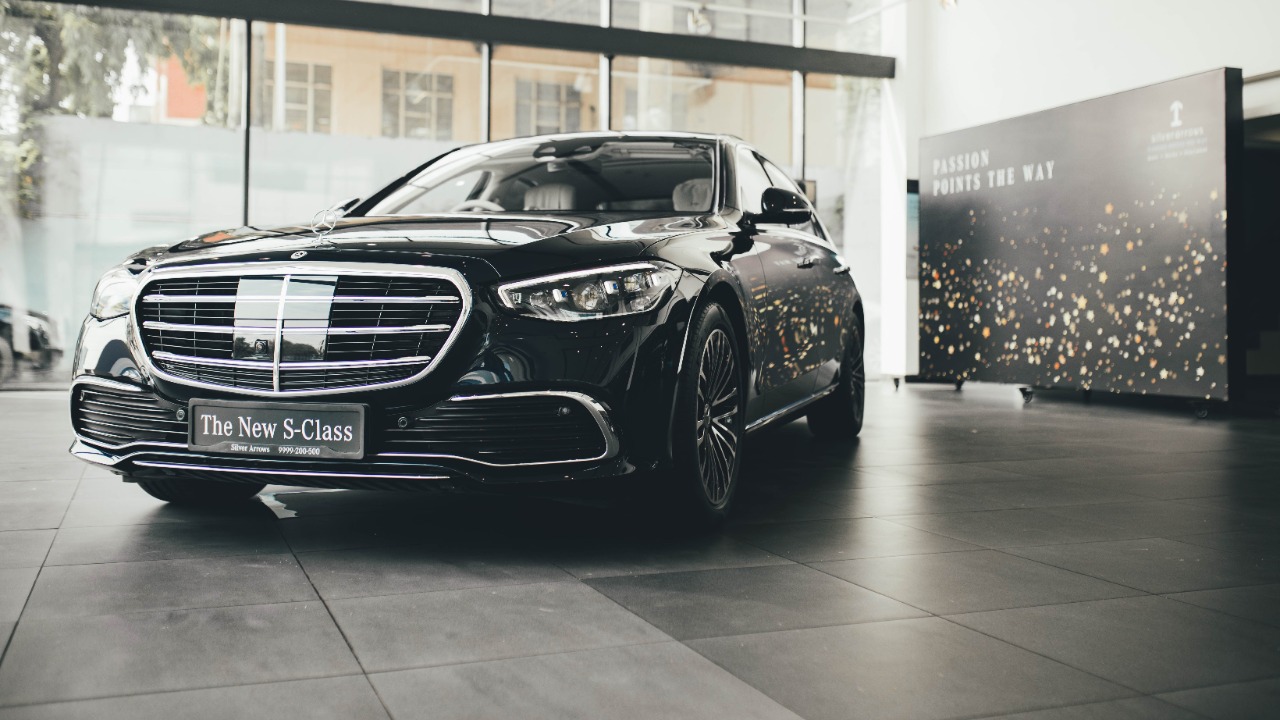
Mercedes’ flagship sedan is a proving ground for new technology, and its air suspension, active body control and multi-camera systems — the S-Class feature set — all carry dealer-level repair pricing once the factory warranty lapses.
Because the S-Class debuts features years before they trickle down to cheaper Mercedes models, replacement parts stay expensive and scarce at independent shops for years afterward. High-mileage examples often need suspension or electronics work simultaneously, multiplying a single visit’s bill.
5. Maserati Quattroporte: Exotic Parts, Exotic Prices
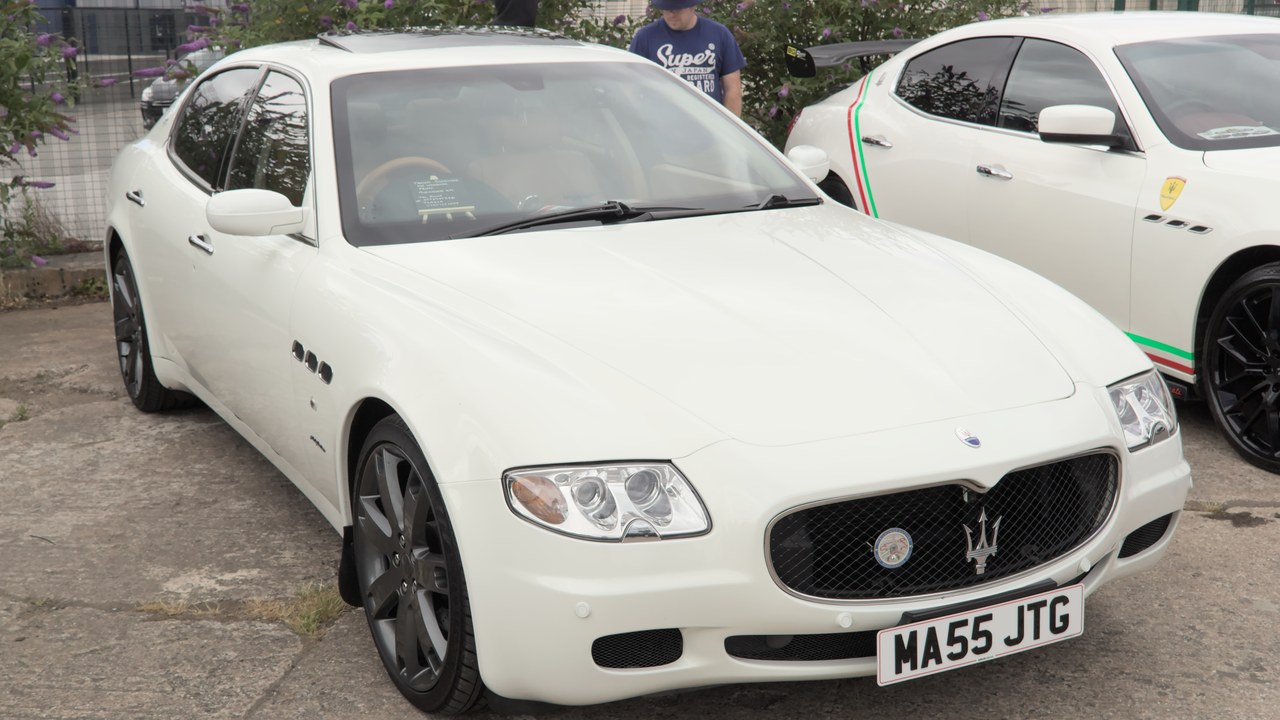
Maserati’s four-door flagship borrows a twin-turbo V8 partly engineered with Ferrari, and the Quattroporte’s low production volume means parts availability lags far behind mainstream luxury brands.
Few technicians outside a Maserati dealer are trained on the car, so even a routine service can mean weeks of waiting and specialist labor rates that rival a small used car’s total value. Buyers chasing exotic looks at a used-sedan price often discover the running costs resemble a genuine sports car’s, not a mainstream luxury sedan’s.
6. Jaguar XJ: Cheap To Buy, Dear To Keep
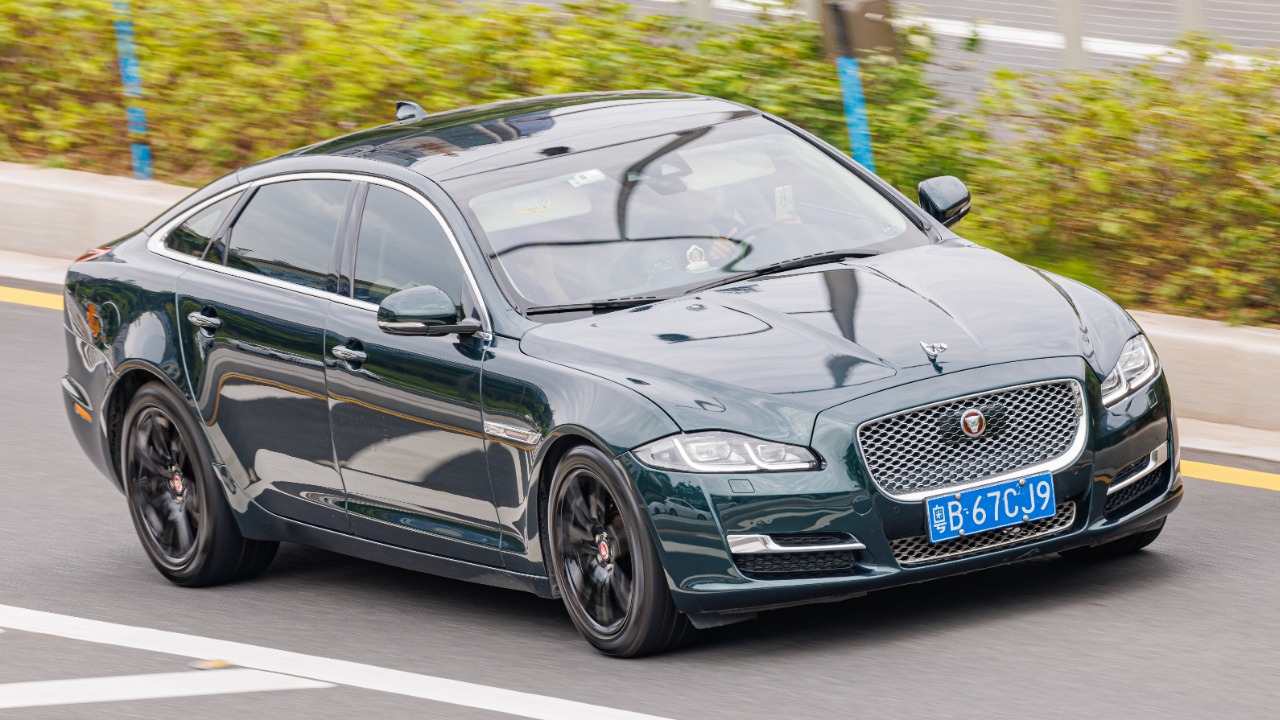
Jaguar’s last XJ generation loses value faster than most rivals, and the XJ’s depreciation curve that makes it tempting on the used market reflects the same complexity that makes it costly to keep running.
Air suspension, an aluminum body structure and dense electronics all require specialist knowledge once coverage runs out, and Jaguar’s dealer network is thinner than German rivals’. A cheap purchase price often hides a maintenance bill that catches up within a year or two.
7. Porsche Panamera: Performance Comes At A Price
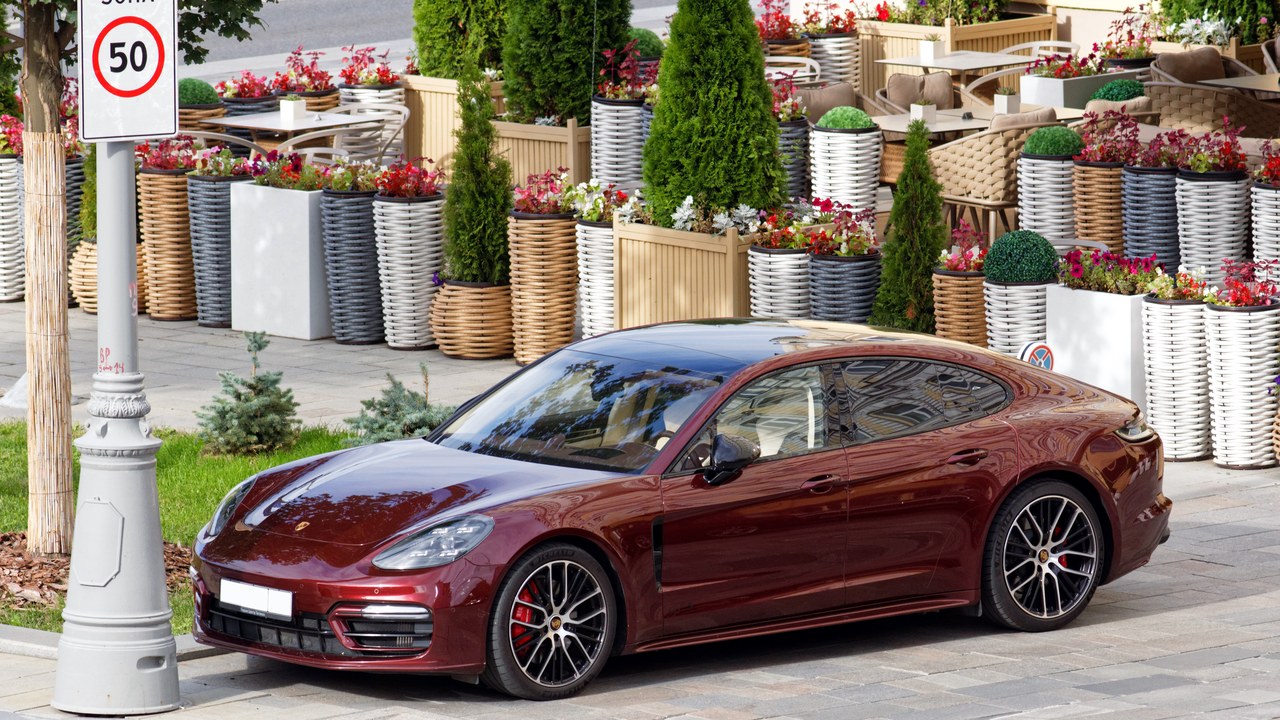
Porsche’s four-door flagship shares its performance-focused hardware with the brand’s sports cars, and the Panamera’s performance hardware carries Porsche-level service pricing once the vehicle is out of warranty.
Even routine items like brake pads or spark plugs cost more than on a comparable sedan, because the labor and parts are priced to match the car’s sporting pedigree. Owners who skip factory-recommended service intervals risk far larger bills down the line.
8. Volkswagen Touareg: Borrowed Complexity, Shared Bills
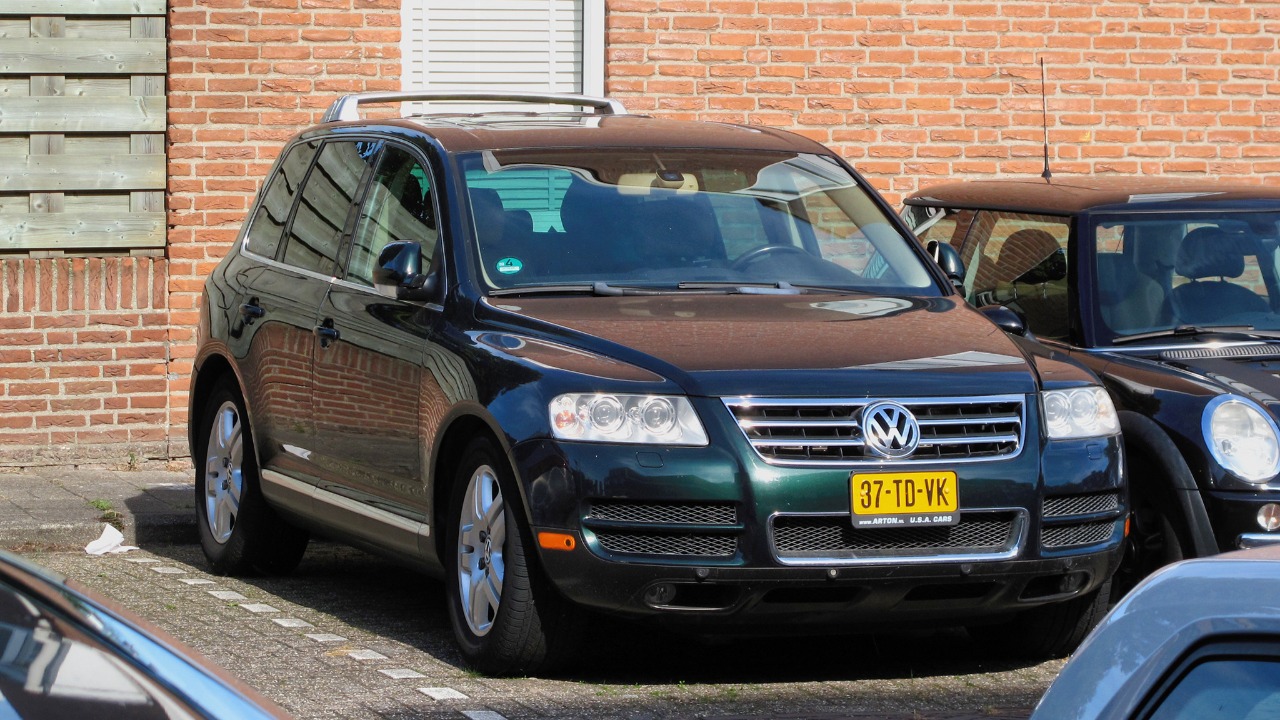
Built on shared underpinnings with the Audi Q7 and Porsche Cayenne, the Touareg’s shared platform brings much of their mechanical complexity, including available air suspension, without the same dealer network depth to service it affordably.
Independent VW shops are common, but many decline the air suspension or advanced electronics work and refer owners back to the dealer. What looks like a bargain luxury SUV on the used market can carry repair costs closer to its German-badged siblings.
9. Bentley Continental GT: Specialist Labor, Specialist Prices

Bentley’s grand tourer pairs a hand-built cabin with a complex all-wheel-drive powertrain, and the Continental GT’s exotic components mean even minor repairs route through a small pool of trained specialists.
Parts often ship from overseas and carry luxury-brand markup, stretching simple jobs into multi-week waits at premium labor rates. Depreciation puts used examples within reach of many buyers, but the maintenance budget still belongs to a car costing several times as much new.
10. Cadillac Escalade: Big SUV, Bigger Bills
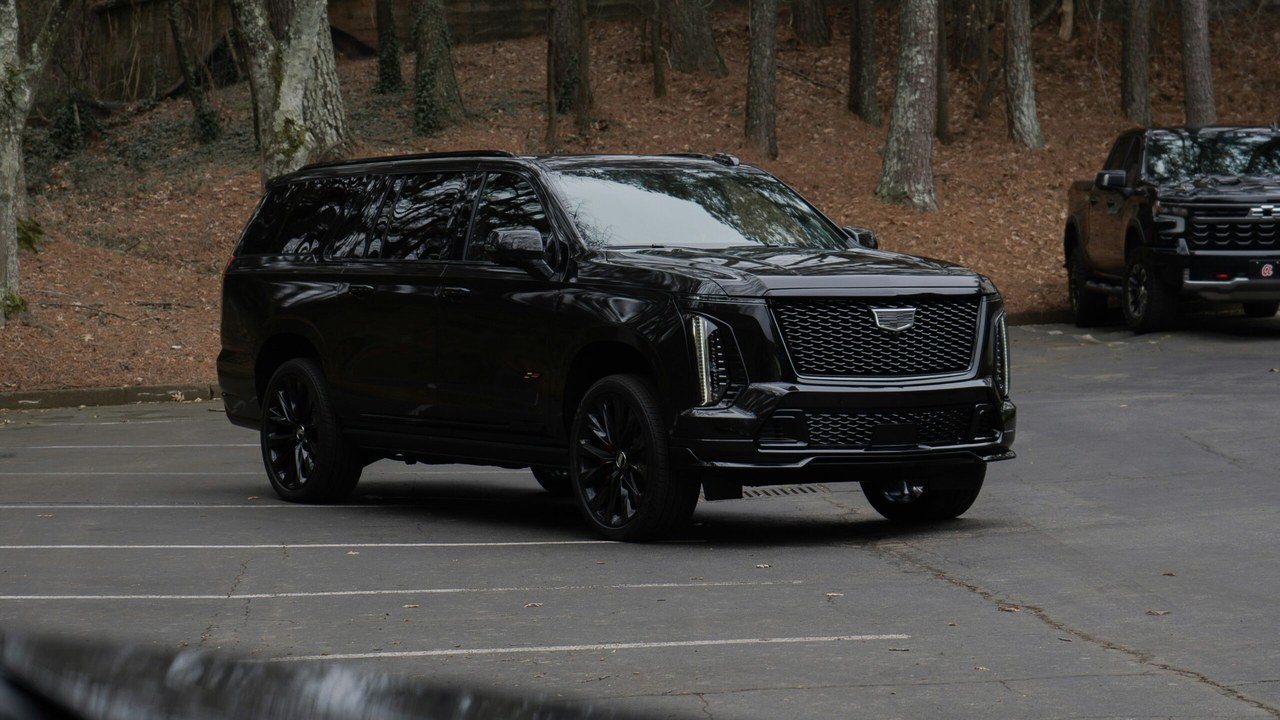
GM’s largest luxury SUV rides on heavy-duty underpinnings with adaptive dampers and available air suspension, and the Escalade’s sheer size drives up costs for everything from tires to brake rotors.
Its magnetic ride control dampers and air springs are pricier to replace than a standard SUV’s suspension parts, and the third-row electronics add more that can fail. Owners who buy one used often find fuel and tire costs alone rival a smaller SUV’s total upkeep.
11. Lincoln Navigator: Flagship Features, Flagship Upkeep
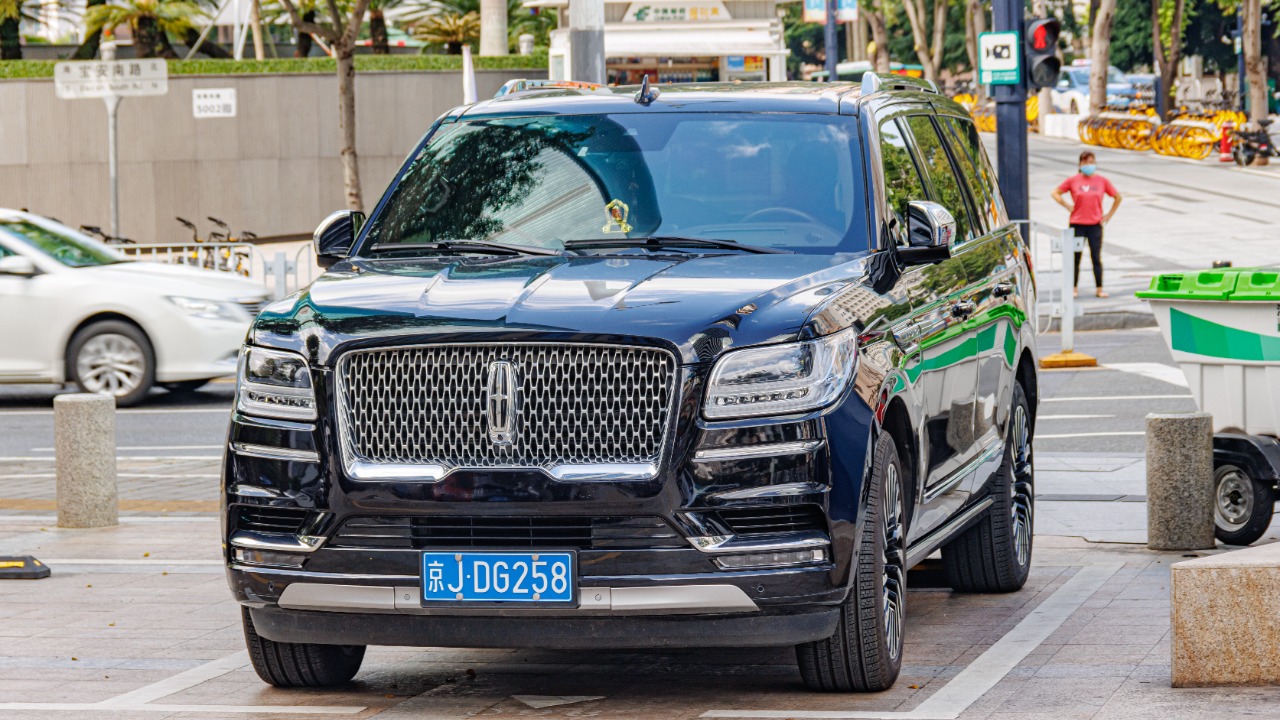
Ford’s flagship SUV shares its platform with the Expedition, and the Navigator’s added features — air suspension, adaptive dampers and extra cabin technology — raise the price of routine parts like tires and brakes even before anything breaks.
Air suspension components and the twin-turbo V6’s turbochargers become expensive line items once the factory coverage ends, and Lincoln’s smaller dealer footprint means fewer independent specialists nearby. A used Navigator’s low purchase price rarely reflects what keeping it running actually costs.
More from Morning Overview
- Consumer Reports names the 2026 models it expects to break down the most
- Supplements now rank as the fifth-leading cause of death from liver disease.
- The NSA is again telling phone owners to switch off one location setting
- Four U.S. startups fired up their first small nuclear reactors, aiming to power AI data centers on-site
