
Winter is hard on cars, and it is the worst season to discover that a safety defect was never repaired. Several new recalls filed this fall involve fire risks, brakes, airbags and parts that can leave a vehicle stranded on a cold roadside. Here are eleven fresh recalls to look up before winter.
Read next on Morning Overview: A $1 billion gas plant planned for Superior, Wisconsin, has been abandoned
1. BMW 3 Series: A Water Pump That Can Short Out
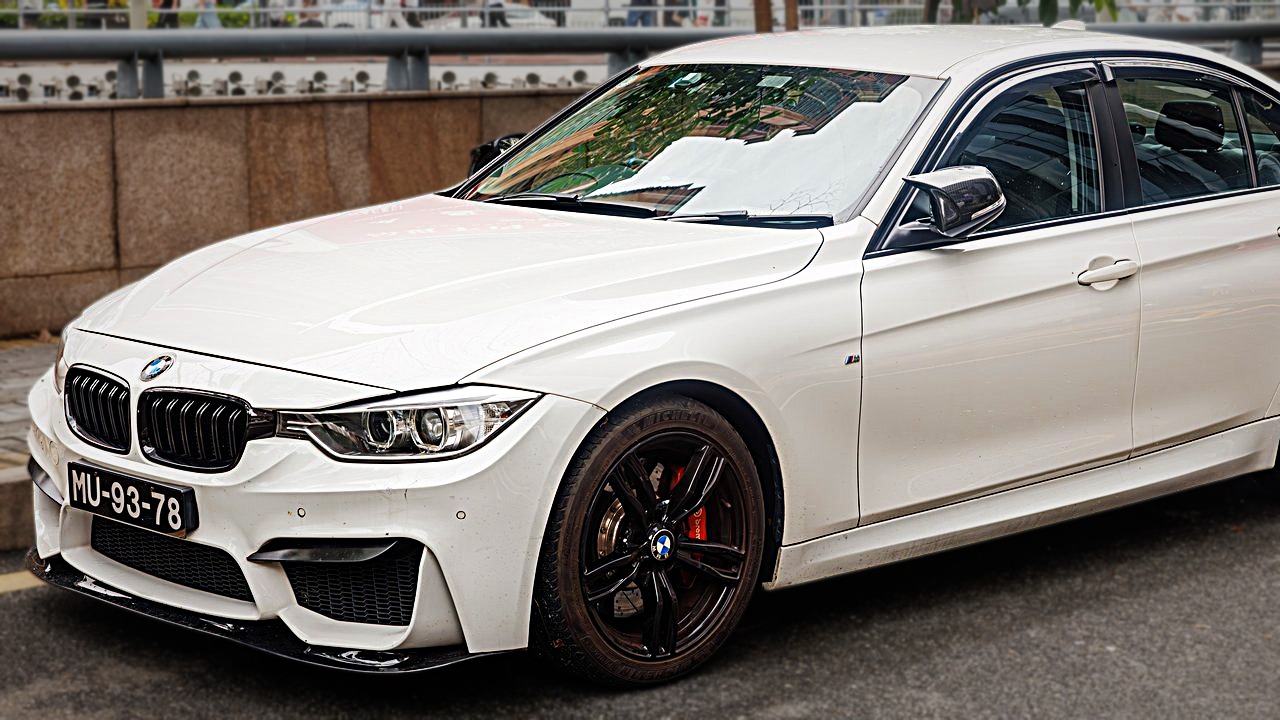
BMW 3 Series sedans from 2012 through 2016 are part of BMW’s 720,796-vehicle recall, filed as NHTSA campaign 26V733000. An electric water pump can short-circuit, which increases the risk of a fire.
These cars are now ten to fourteen years old, and many have changed hands several times. Owners who bought one used may not get a letter, so a quick VIN check is the surest way to learn whether the pump needs replacing.
2. Lincoln Navigator: A Seat That Moves on Its Own
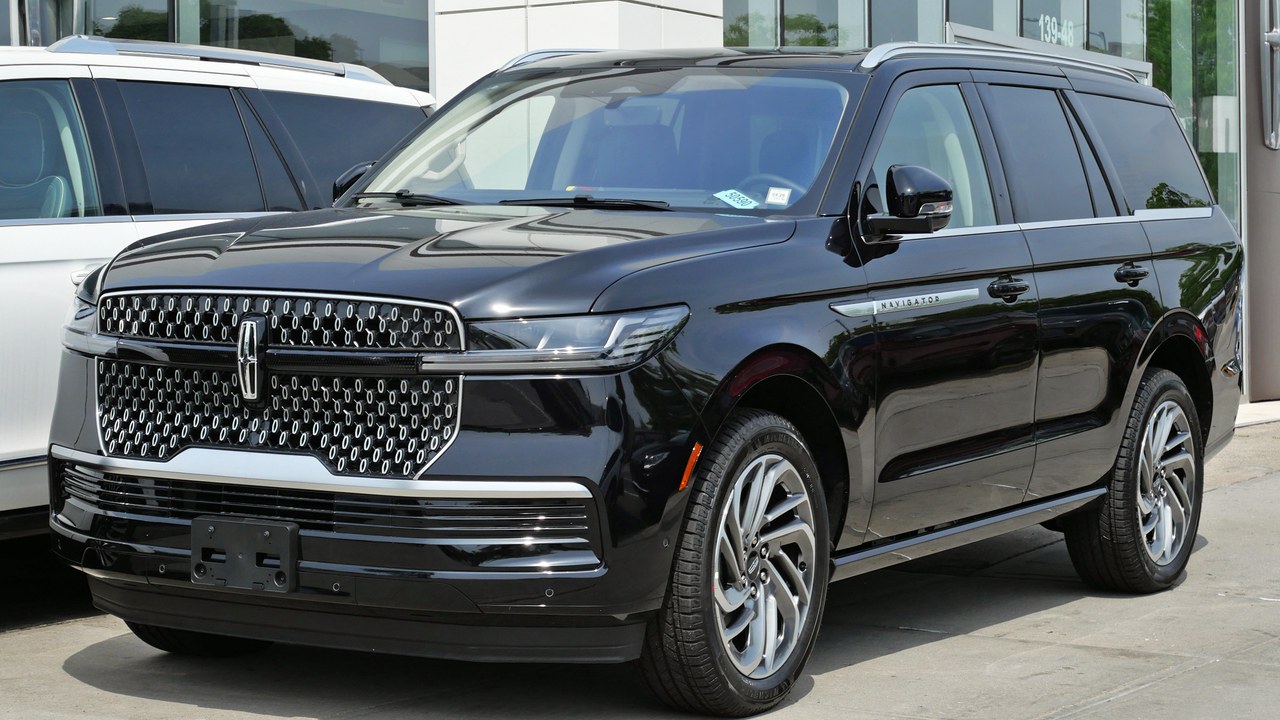
Lincoln is recalling 36,994 Navigators from the 2025 through 2027 model years because residue on the Chauffeur Seat touchscreen can trigger the power seat to move on its own. Dealers will deactivate the feature as the fix.
An unexpected seat movement can pin a passenger’s legs or distract the driver. Owners who rely on the rear-seat comfort features should know that the remedy switches the function off, at least until a permanent solution is available.
3. Ford Maverick Hybrid: A Battery Cable That Can Loosen
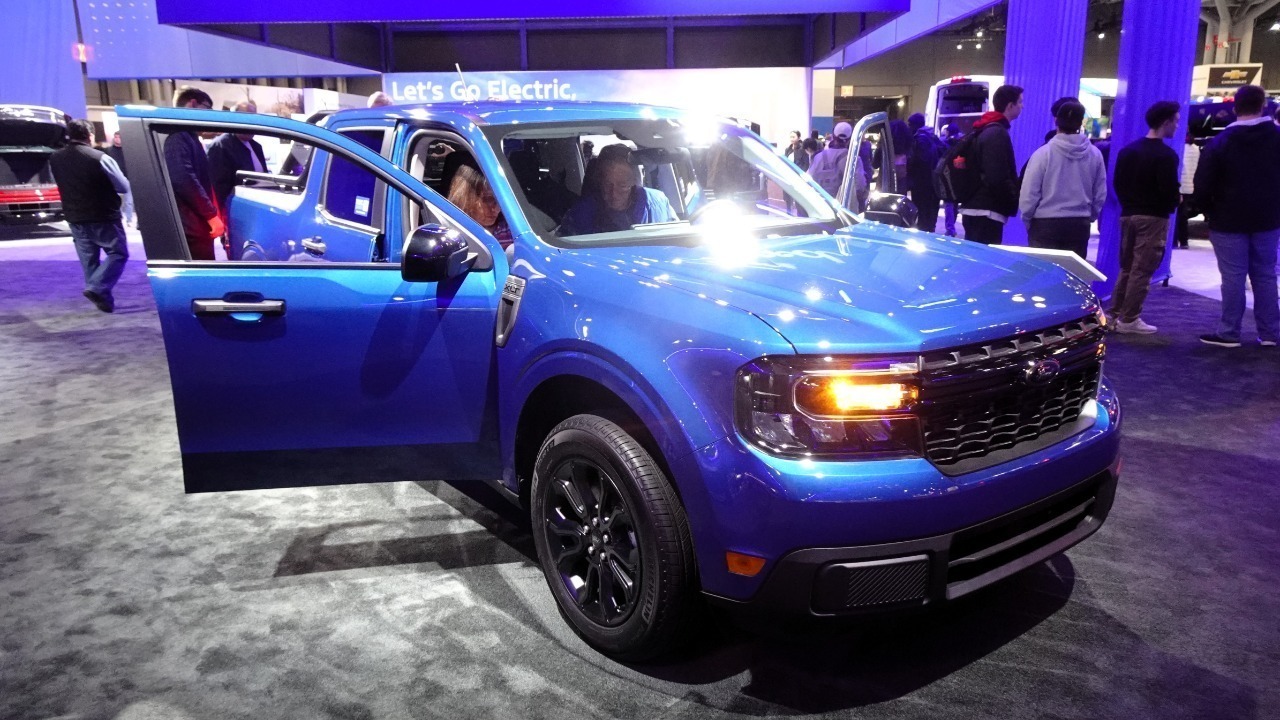
Ford recalled 8,650 2022 Maverick Hybrids under NHTSA campaign 26V724000 because the 12-volt positive battery cable terminal may loosen or detach. A lost connection can shut down vehicle systems.
Cold weather already strains batteries, and a loose terminal adds another way for the truck to leave its owner stranded. Dealers will inspect and secure the connection free of charge, so owners should book the visit before temperatures drop. It takes little time.
4. Cadillac Lyriq: Brakes That Can Briefly Weaken
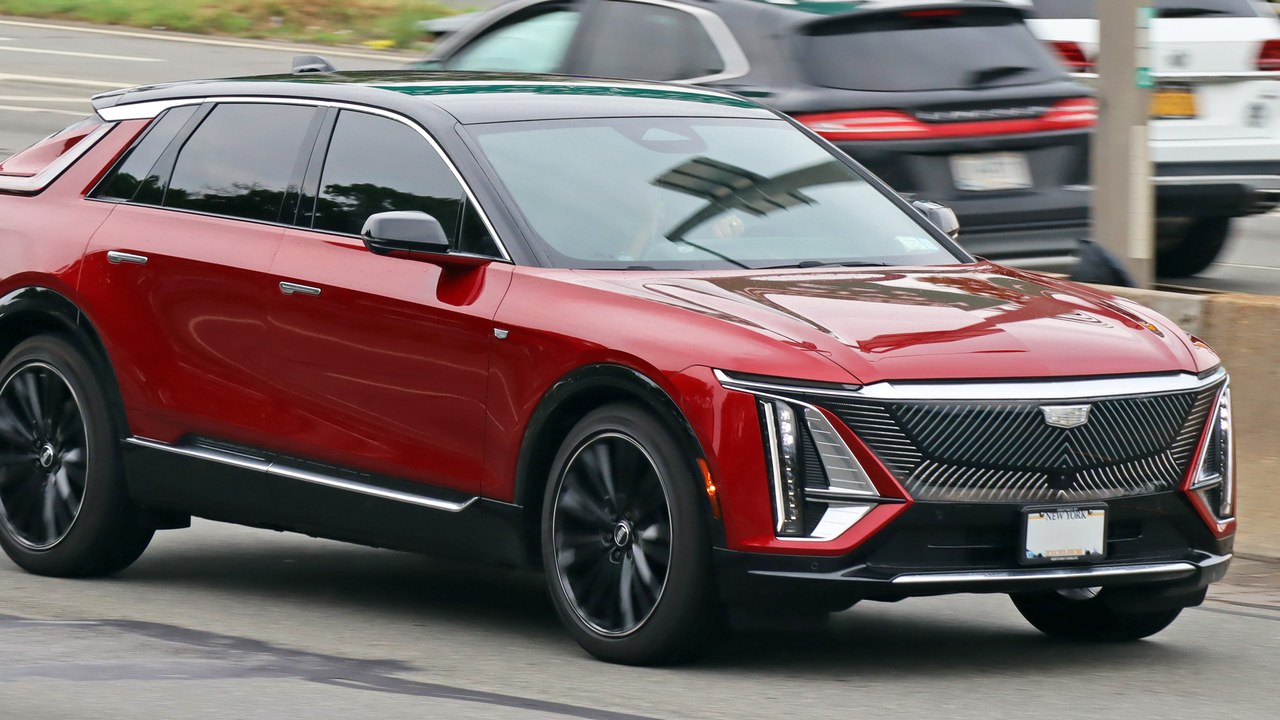
GM is recalling 76,496 electric vehicles, including 2023 through 2027 Cadillac Lyriqs, because brake-module software can cause a sudden, temporary loss of braking pressure at low speed. GM logged 24 complaints and 20 minor collisions.
Low-speed driving in parking lots and driveways is where the problem shows up, and slippery winter surfaces make any brake hiccup more dangerous. The fix is a software update, which GM can push over the air or install at a dealer.
5. Chevrolet Blazer EV: The Same Brake Software Problem
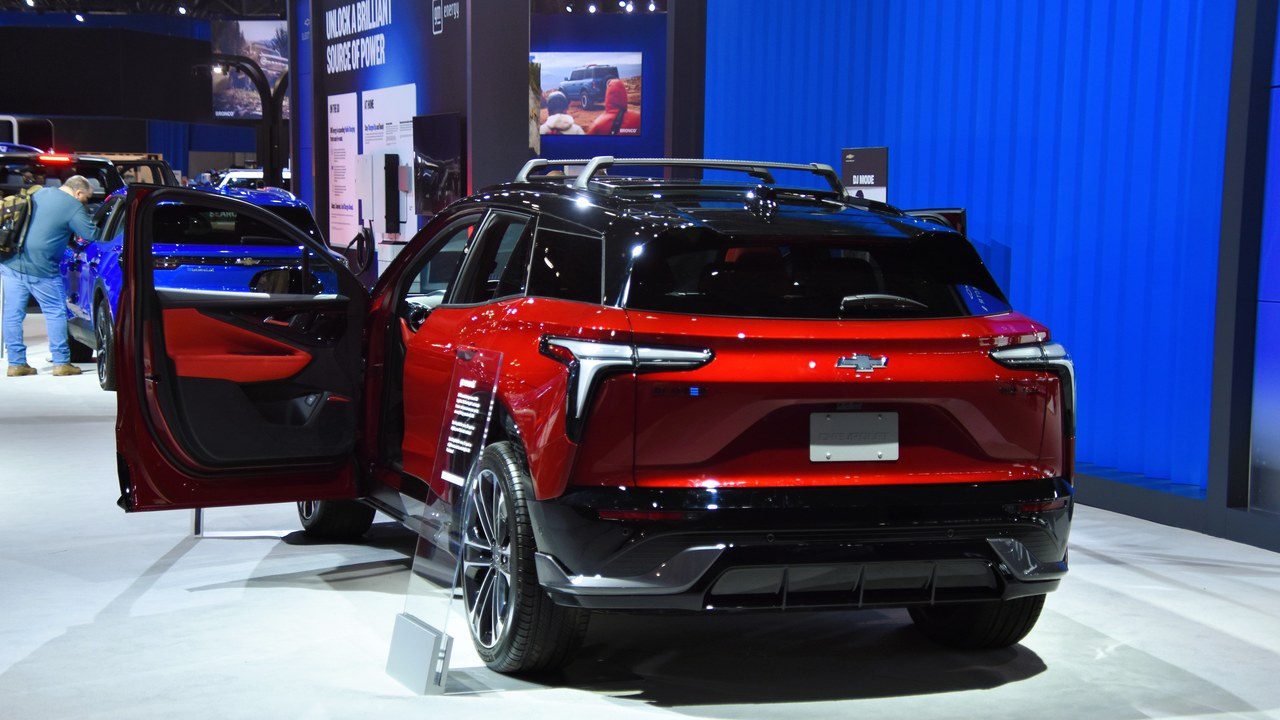
The 2024 through 2027 Chevrolet Blazer EV SS and police models are part of the same 76,496-vehicle GM brake recall. The fix is a free software update delivered over the air or at a dealer.
Police versions of the Blazer EV spend long hours in stop-and-go driving, which is exactly where the brake issue appears. Departments and private owners should confirm the update has installed rather than assume it arrived automatically.
6. Hyundai Kona Electric: Airbags That May Not Deploy
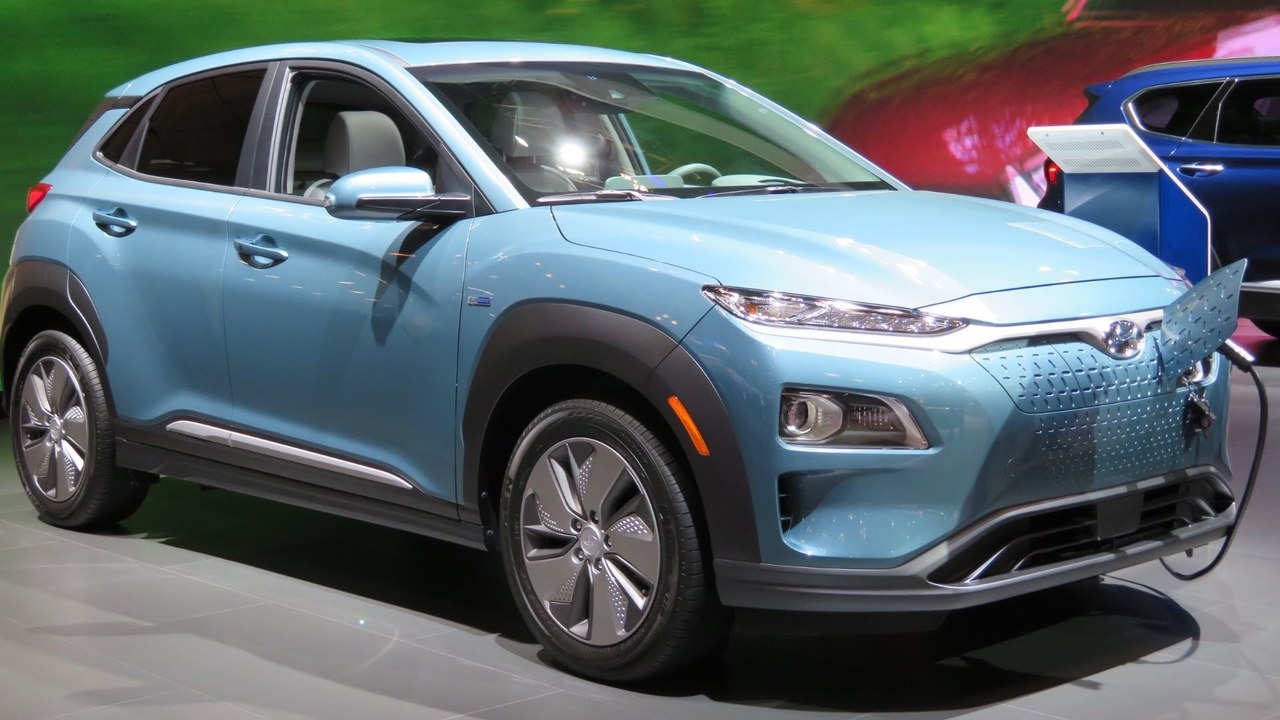
Hyundai is recalling 29,058 2019 through 2023 Kona Electric SUVs in the U.S. because a software glitch in the airbag control unit could stop airbags and seatbelt pretensioners from deploying. Hyundai logged 331 field incidents.
Airbags and pretensioners work together in a crash, and losing both removes much of a vehicle’s protection. Kona Electric owners should not wait for winter road conditions to raise the odds of a crash before getting the update.
7. Hyundai Veloster N: A Hot Hatch With the Same Glitch
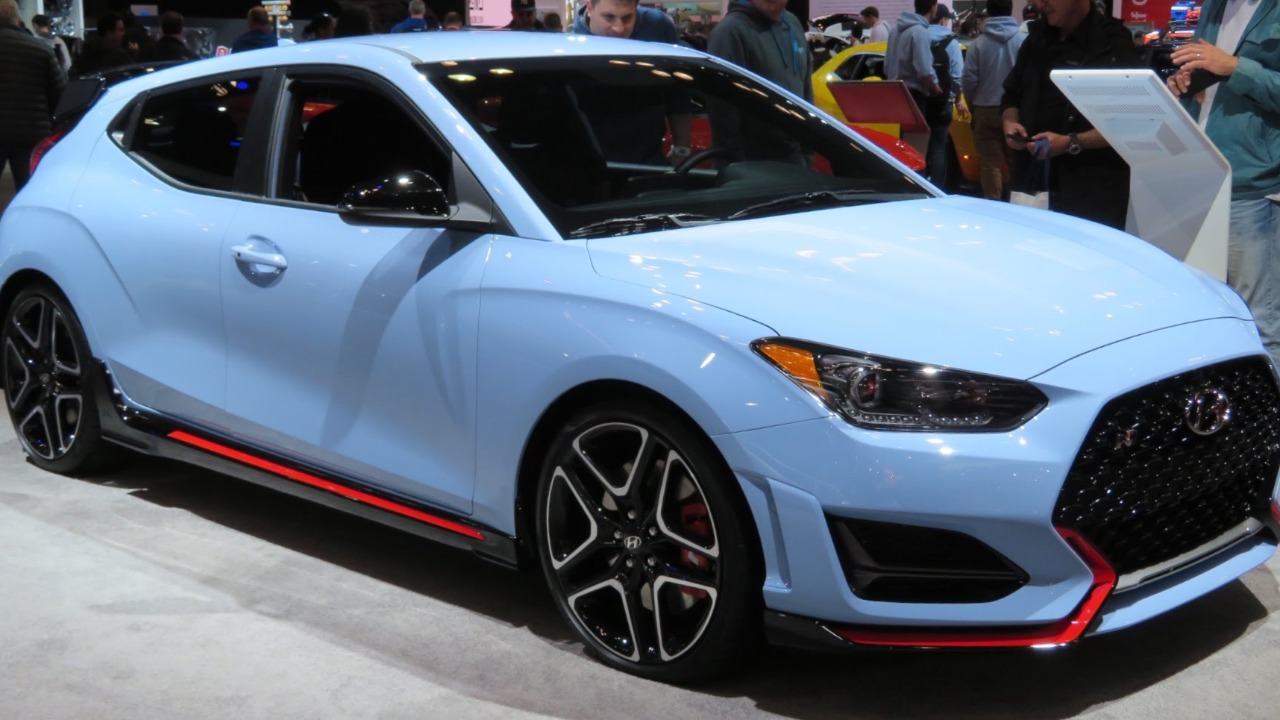
Hyundai is also recalling 8,843 2019 through 2022 Veloster N hatchbacks in the U.S. for the same airbag-software problem. Owner letters are scheduled to go out on January 1, 2027.
That means some owners will drive through most of the winter before the formal notice arrives. Checking the VIN online now gives Veloster N drivers a head start and lets them ask a dealer when the remedy will be available.
8. Dodge Durango: Tail Lights That Can Go Dark
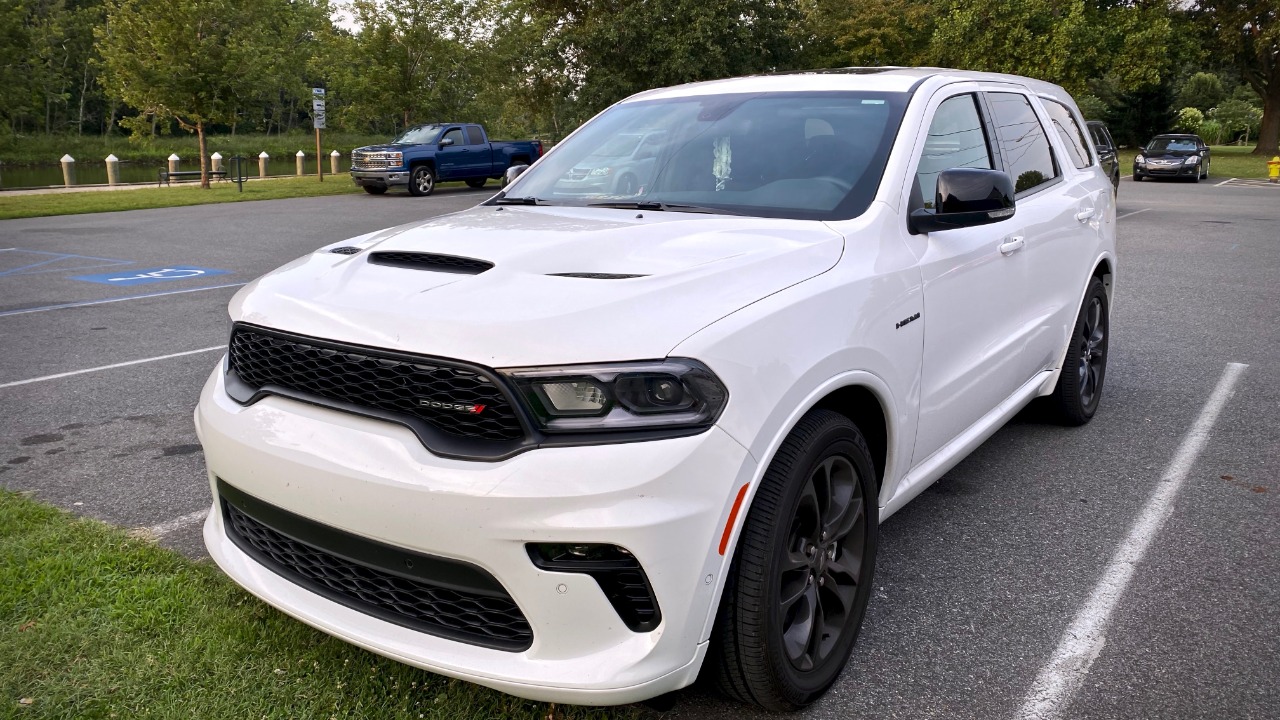
Dodge recalled 13,330 2026 Durangos under NHTSA campaign 26V701000 because damaged tail-light wiring terminals can stop the tail lights from working. That makes the SUV harder for other drivers to see.
Short winter days mean more driving in darkness, often in snow or fog. A Durango with dead tail lights is far more likely to be rear-ended, so owners should walk behind their SUV with the lights on to check them until the repair is done.
9. Subaru Crosstrek: Do Not Drive Until Repaired
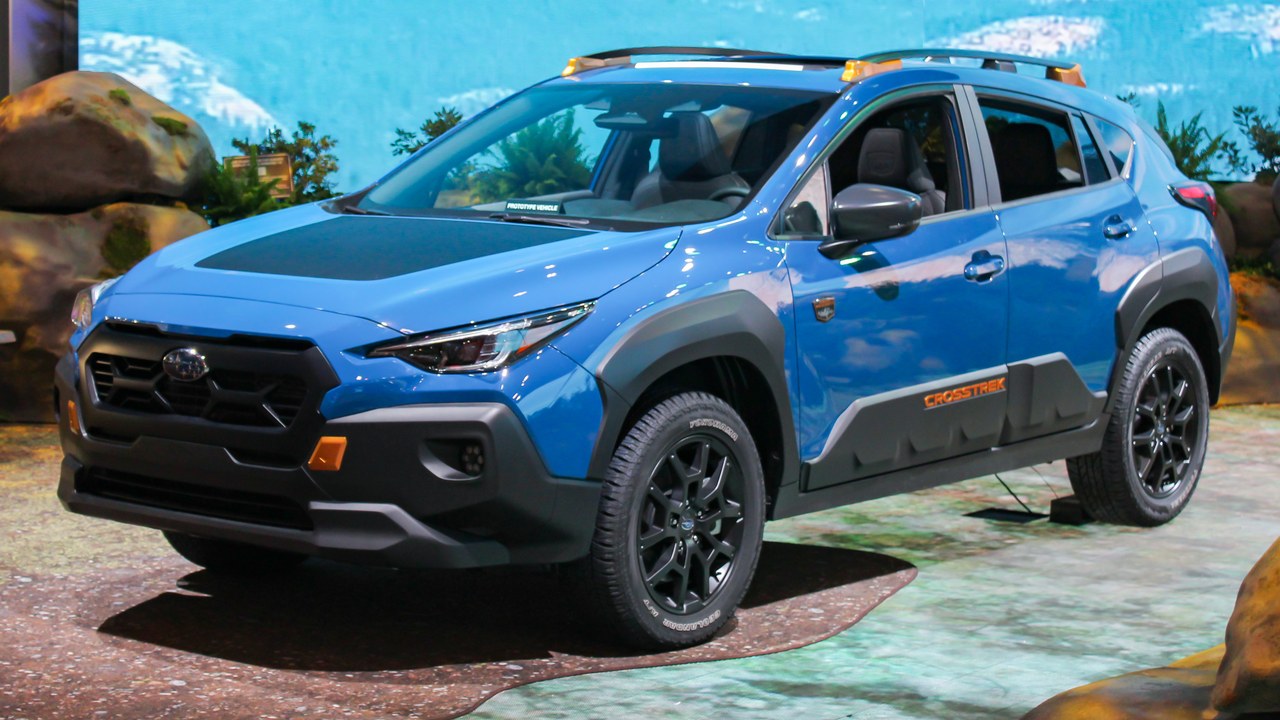
Some 2026 Subaru Crosstrek and Forester models are under NHTSA campaign 26V685000 because a front ball-joint castle nut may be improperly fastened. Owners are told not to drive the vehicles until they are repaired.
A ball joint that separates can let a front wheel fold under the vehicle. Many Crosstrek and Forester owners buy them specifically for winter driving, so affected owners should arrange a tow to the dealer rather than risk a failure on icy roads.
10. Lincoln Corsair Hybrid: A Sudden Shift Into Neutral
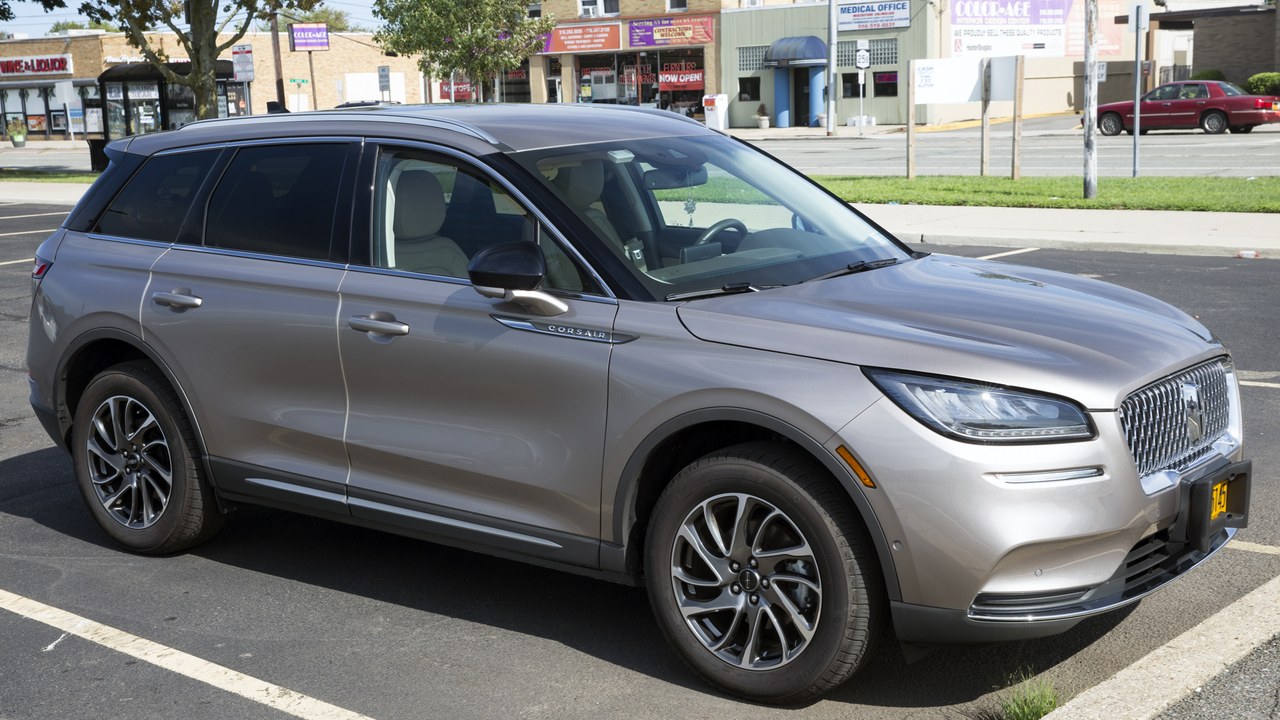
Lincoln is recalling 11,623 Nautilus and Corsair hybrids because the vehicle may unexpectedly shift into neutral while driving. When that happens, the SUV loses drive power without warning.
Losing power while merging or climbing a hill is dangerous at any time of year. On snowy roads, a sudden coast can also leave a vehicle stuck. Owners of the Corsair hybrid should check their VIN and schedule the repair as soon as it is available.
11. Mercedes-Benz S-Class: A Brake Hose That Can Leak
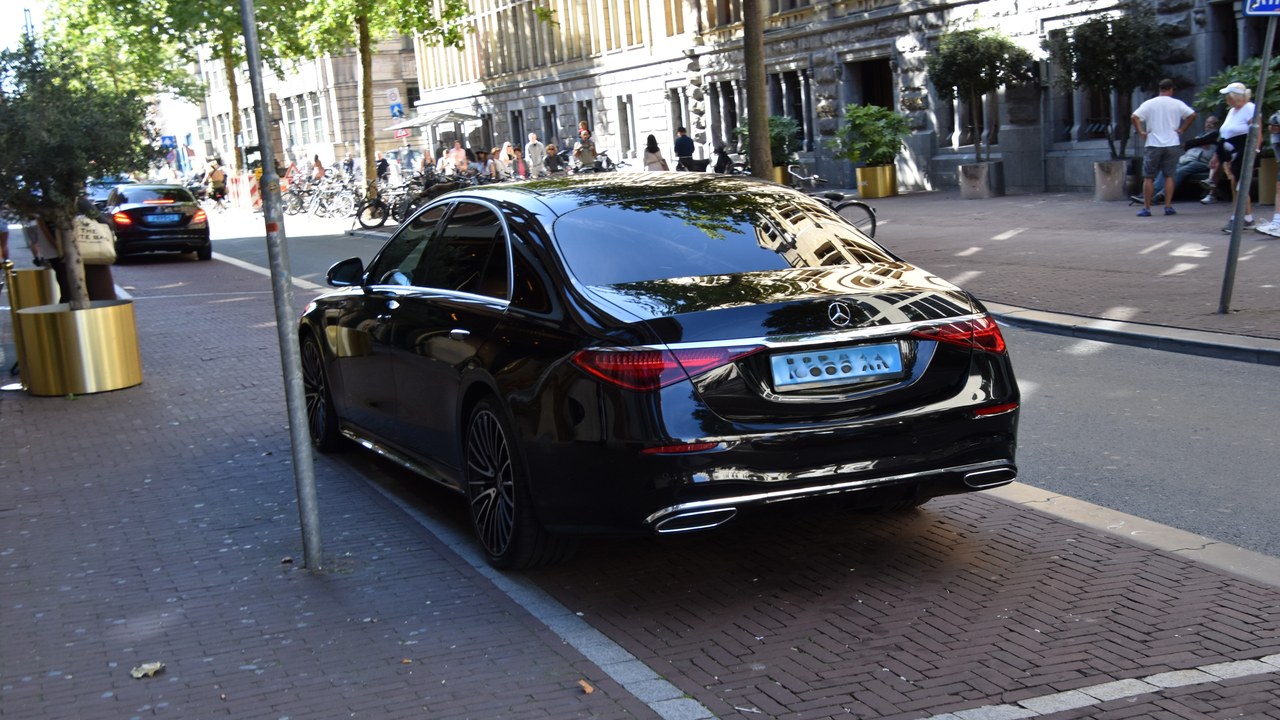
Mercedes-Benz is recalling more than 32,000 S-Class sedans because a brake hose can leak, raising the risk of brake failure. The S-Class is the brand’s flagship luxury sedan.
A slow leak may not be noticeable at first, but losing brake fluid reduces stopping power over time. Owners who notice a soft brake pedal or a warning light should stop driving and contact a dealer, even before the recall notice reaches them.
More from Morning Overview
- Zero Motorcycles unveiled an electric motorcycle targeted at under $8K and a street-legal dirt bike at EICMA
- New FCC rules on how people can stop robocalls and texts take effect Nov. 25
- Neanderthals in Spain carved a wooden object that matches nothing archaeologists have ever found
- The FAA wants $2.39 million from a flight school it says flew a Cessna about 280 times with an unapproved part
