
Suspension and wheel parts carry the full weight of a vehicle, and when one of them breaks, the result can be a sudden loss of control. Corroded subframes, detached springs and badly fitted ball joints have all triggered recalls in 2026. Here are nine suspension and wheel recalls drivers should check.
Read next on Morning Overview: A $1 billion gas plant planned for Superior, Wisconsin, has been abandoned
1. Jeep Grand Cherokee: Springs That Can Come Loose
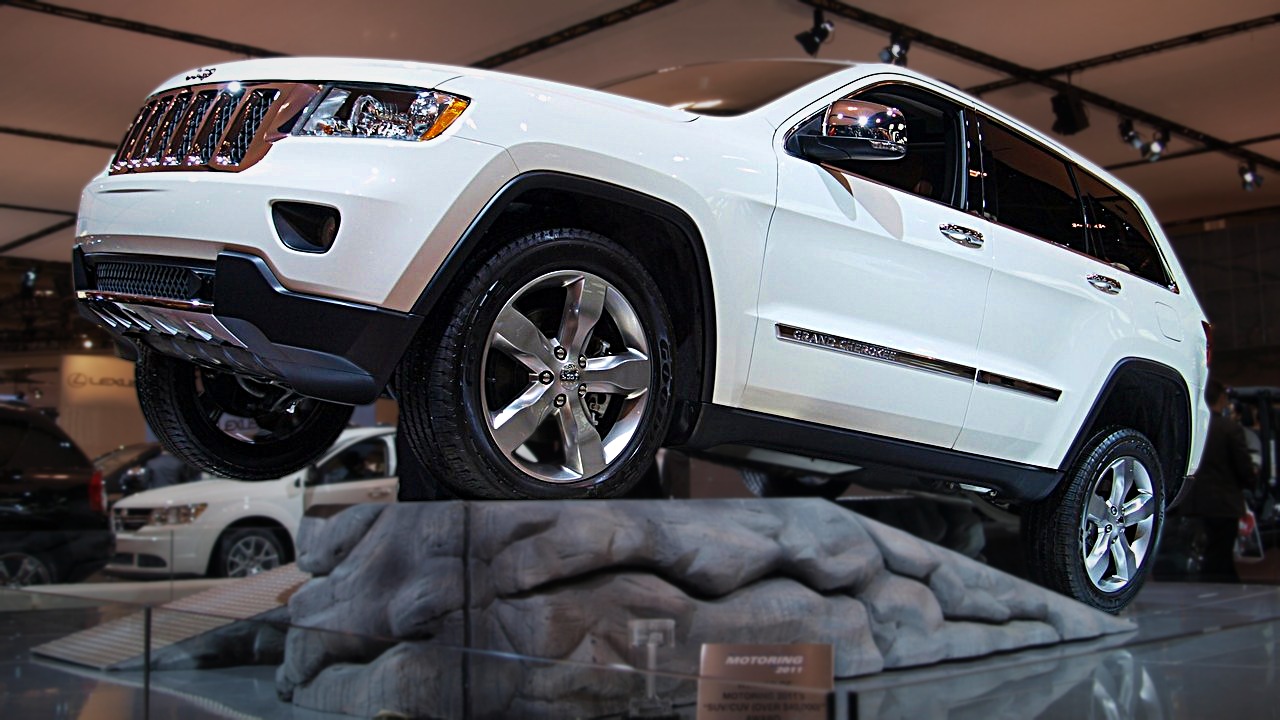
Jeep recalled about 330,000 Grand Cherokees in September 2026 because rear suspension springs could detach from the vehicle. The recall describes a hazard not only to the people inside but also to surrounding traffic, since a loose spring can end up on the road.
A coil spring is a heavy steel part, and one falling from a moving SUV can strike a following car or motorcycle. Grand Cherokee owners should check their VIN and arrange the dealer inspection as soon as parts are available rather than waiting for symptoms to appear.
2. Honda Pilot: Rust Where the Suspension Mounts

Certain 2016 through 2022 Honda Pilots registered in Northeast and Midwest states are part of an 880,514-vehicle recall filed in June 2026 as campaign 26V365000. The rear subframe may corrode at the suspension mounting points, and rear suspension components could then fail.
Road salt is the culprit, which is why the recall targets specific states. A Pilot that spent its early years in a salt-belt state and was later sold elsewhere may still be affected, so owners should check by VIN rather than by where they live today.
3. Honda Ridgeline: A Pickup With the Same Weakness
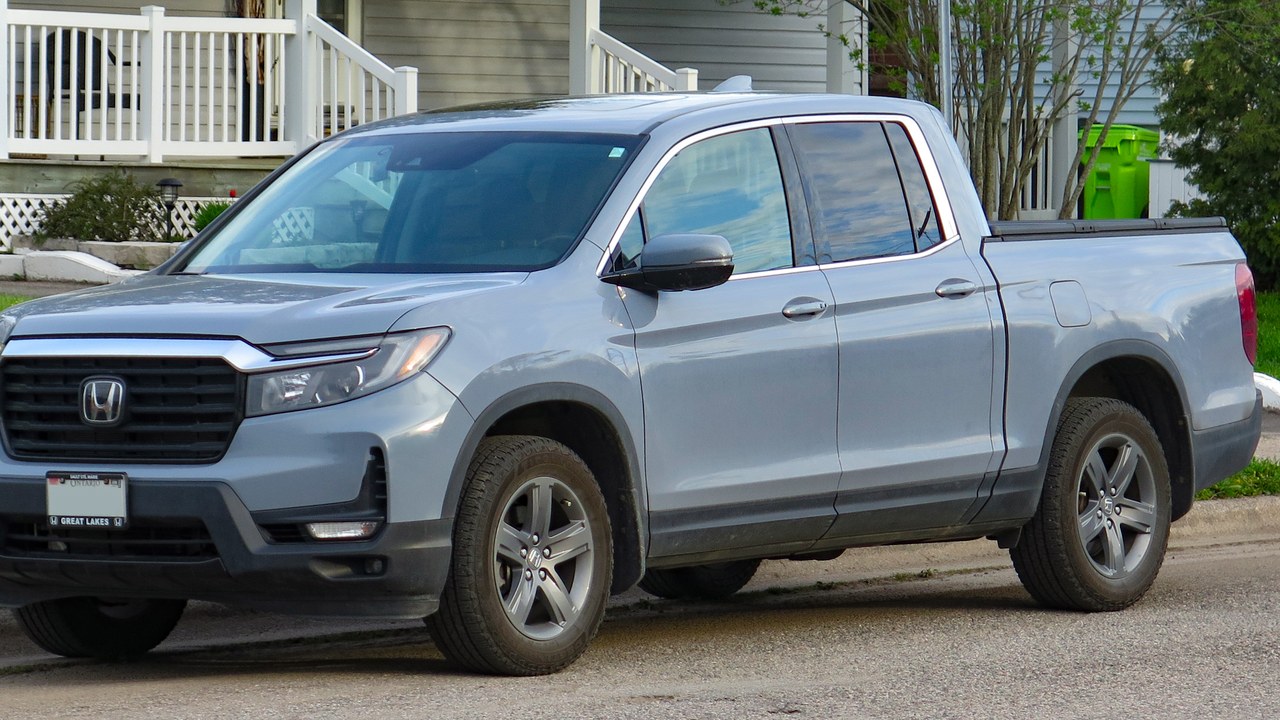
The 2017 through 2023 Honda Ridgeline is part of the same rear-subframe corrosion recall, campaign 26V365000, which covers 880,514 vehicles. The Ridgeline shares its unibody architecture with the Pilot, including the rear subframe at the center of the problem.
Ridgeline owners often load the bed and tow small trailers, which puts extra stress on the rear suspension. A subframe already weakened by rust is more likely to fail under that load, so the inspection is especially important for trucks that work hard. The repair is free of charge.
4. Honda Passport: Another Honda Sibling
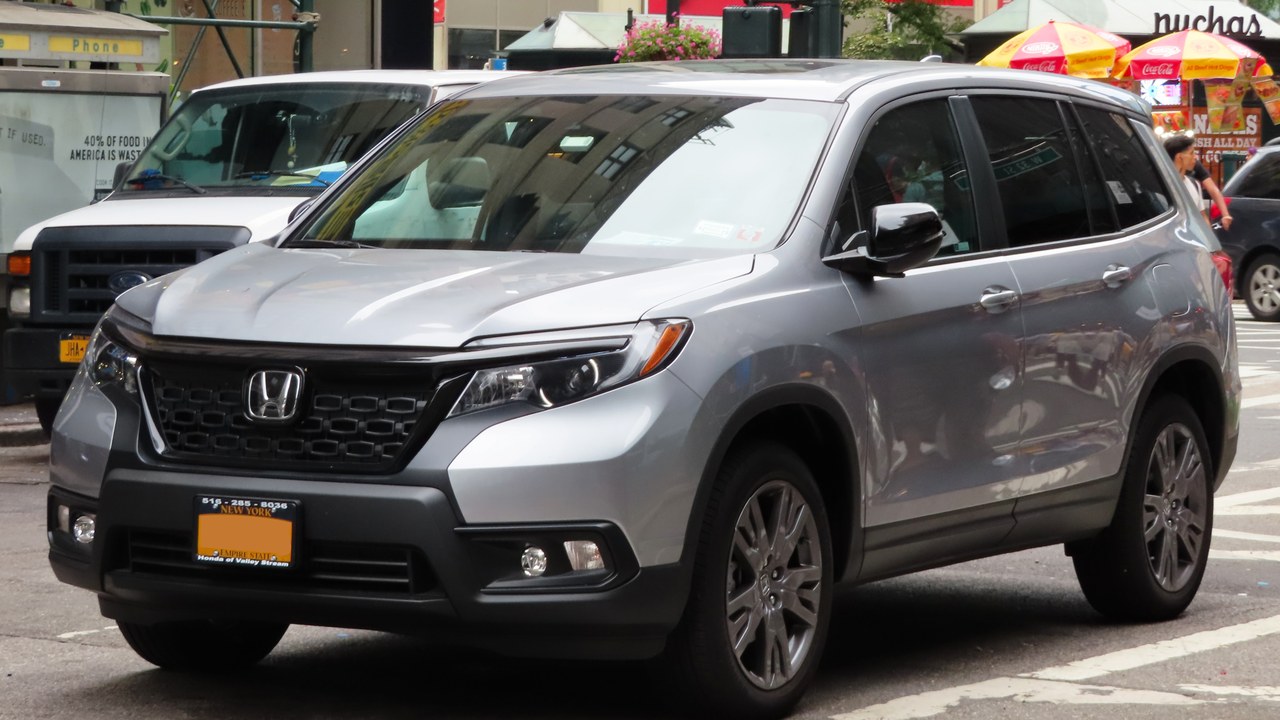
The 2019 through 2023 Honda Passport is included in the same 880,514-vehicle corrosion recall announced in June 2026. Like the Pilot and Ridgeline, its rear subframe may corrode at the points where the suspension attaches.
The Passport is the two-row, more rugged member of Honda’s SUV family and is often bought for trips to snowy mountain destinations. That kind of driving means more exposure to road salt, which is exactly the condition the recall was written to address. A VIN check confirms eligibility. Dealers handle the inspection.
5. Ford Explorer: Two Related Accidents
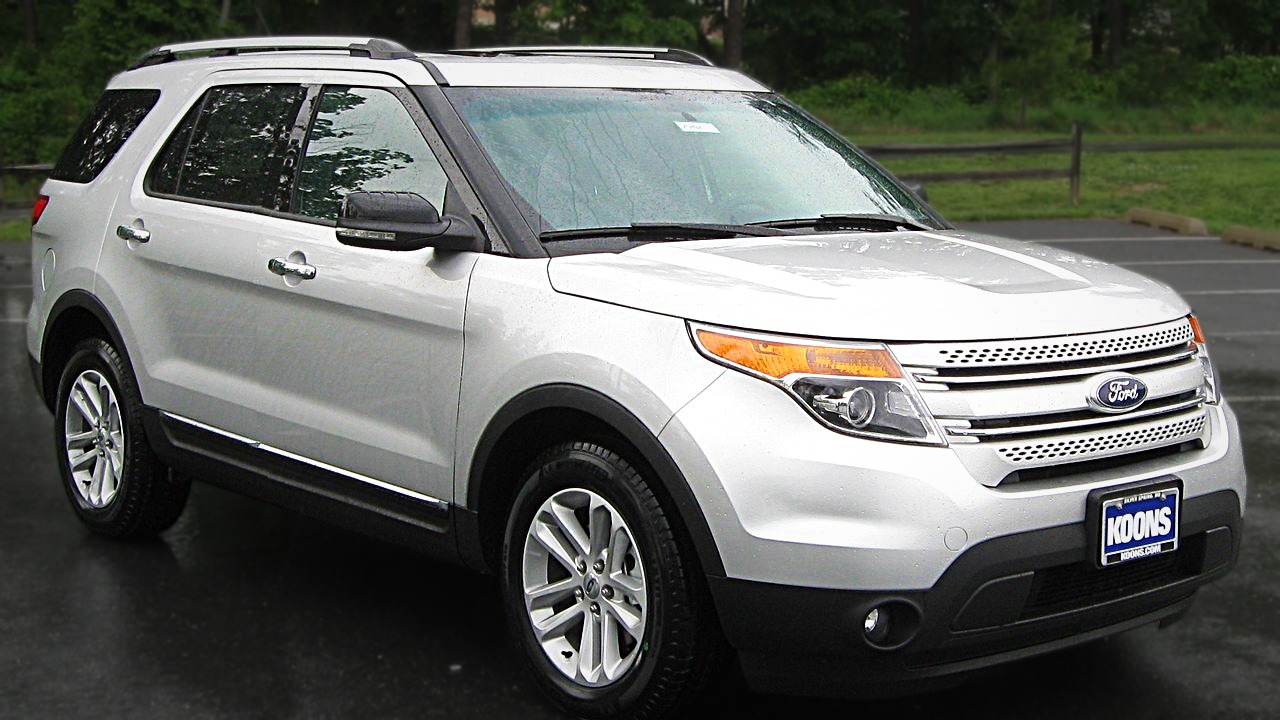
Ford recalled 412,774 2017 through 2019 Explorers in February 2026 under NHTSA campaign 26V101 because a rear suspension toe link can fracture. A broken link can cause a loss of steering control, and Ford said it knows of two related accidents.
The toe link keeps the rear wheels pointed straight, so its failure can make the back of the SUV wander or snap sideways. Owners who notice clunking from the rear or uneven tire wear should have the vehicle checked even before the recall notice arrives.
6. Ford Bronco Sport: Owners Told Not to Drive
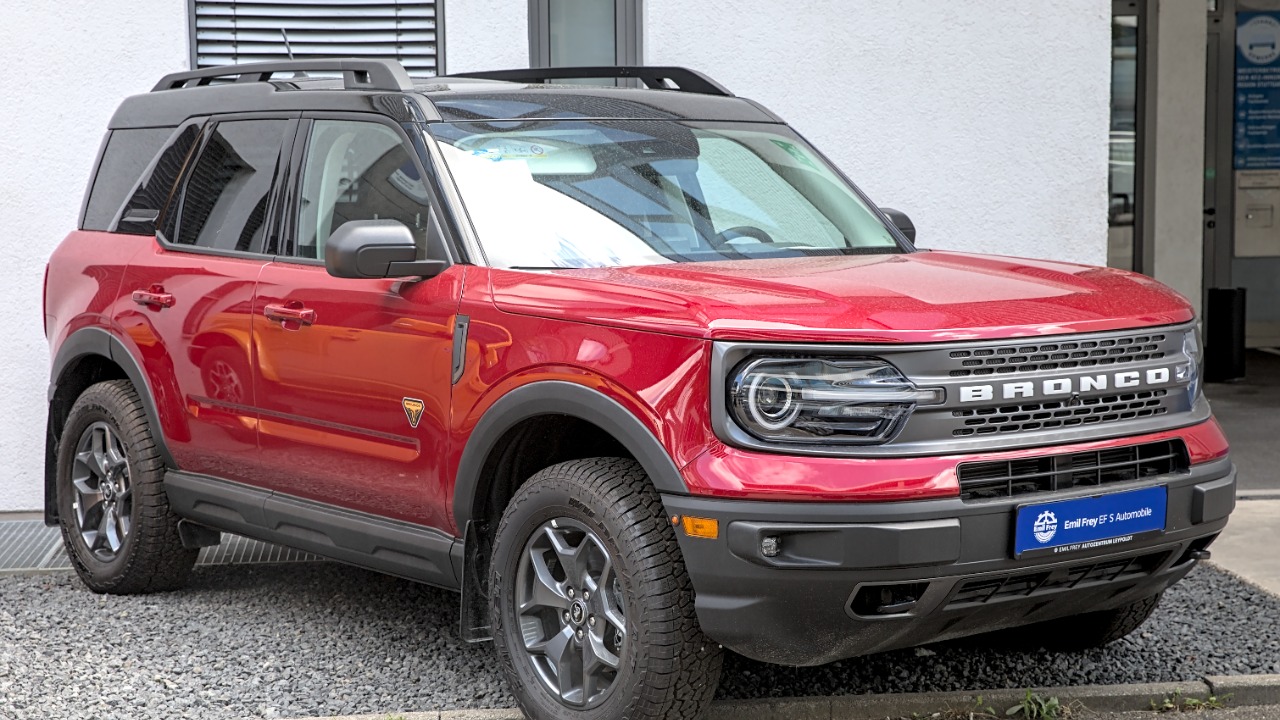
Ford recalled 4,653 2021 through 2026 Bronco Sport and Maverick vehicles around May 2026 under campaign 26V340000 because front lower control arm ball joints may have been incorrectly installed. The arm can disconnect from the wheel knuckle.
Ford issued a do-not-drive advisory, which is rare and signals how serious the defect is. A front wheel that separates from its control arm can collapse the corner of the vehicle, so affected owners should arrange a tow to the dealer rather than drive there. The repair is free.
7. Ford Maverick: A Small Truck With a Big Warning
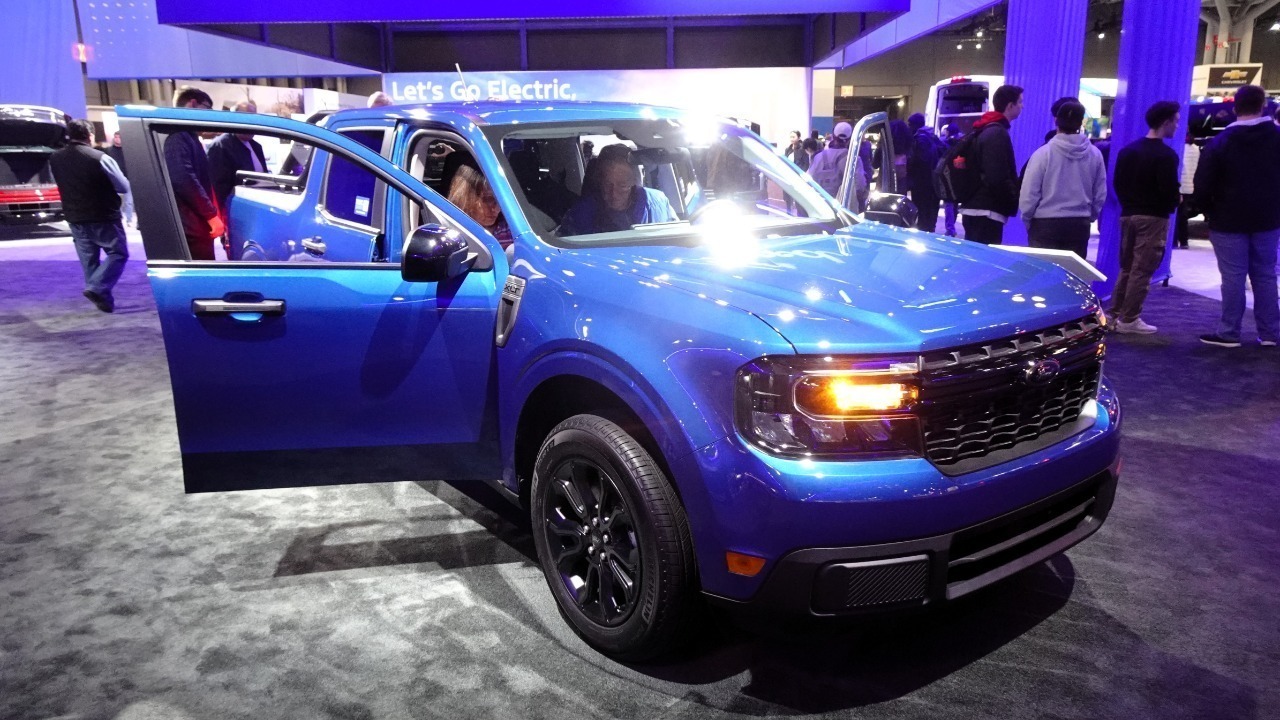
The 2022 through 2026 Ford Maverick is part of the same 4,653-vehicle recall, campaign 26V340000. Its front control arm can disconnect from the wheel knuckle, and owners were told not to drive the trucks until repairs are made.
The Maverick has been one of the best-selling small pickups since its launch, so even a recall of a few thousand units touches a busy segment. Owners who are unsure whether their truck is affected can enter the VIN on NHTSA’s recall site in under a minute.
8. Jeep Wrangler: A Wheel That Can Crack
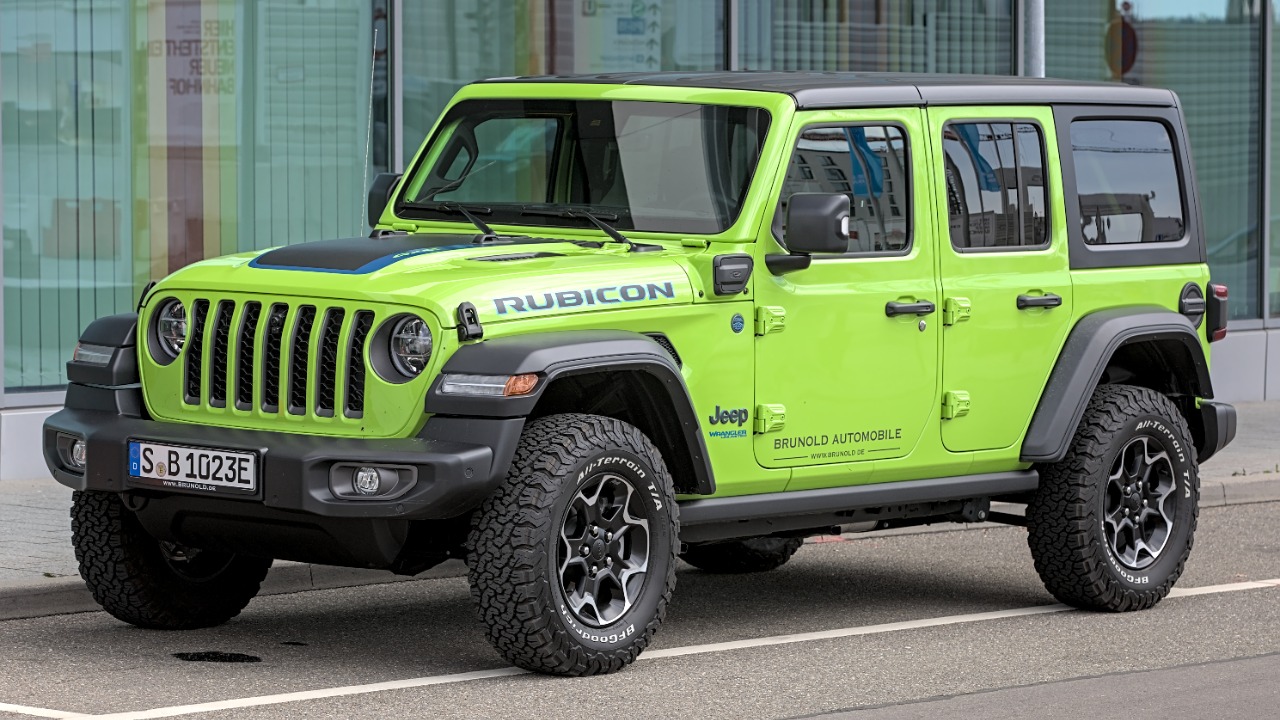
Jeep recalled 606 Wranglers, along with 35 Gladiators, in July 2026 because a steel wheel made with a thin wall can crack and separate. The recall warns that this can compromise vehicle control, and dealers were notified on July 23, 2026.
The number of affected Jeeps is small, but a wheel failure at speed is one of the most dangerous defects a vehicle can have. Owners of base-model Wranglers with steel wheels are the ones most likely to be affected and should check their status right away.
9. Subaru Forester: A Castle Nut That Was Not Secured
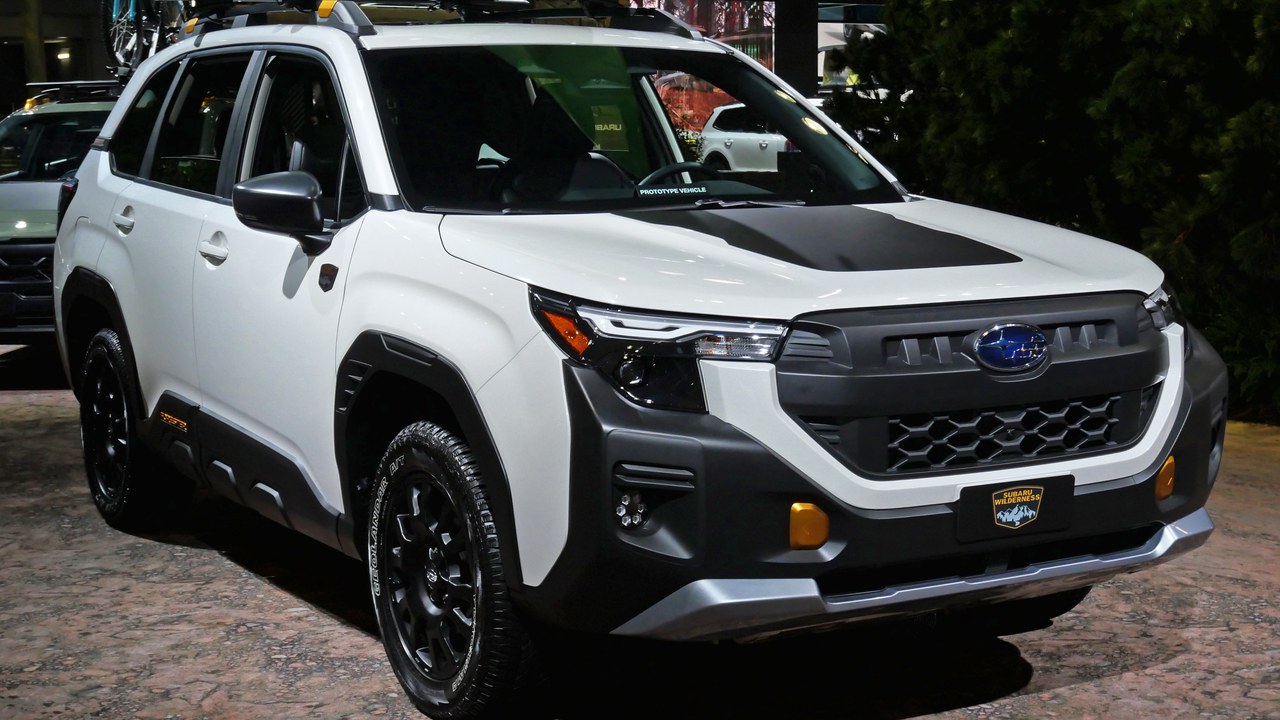
Subaru recalled eight 2026 Forester and Crosstrek vehicles the week of November 2, 2026, under campaign 26V685000 because a poorly fastened castle nut can let the ball joint separate. Owners were told not to drive until the vehicles are repaired.
Eight vehicles is a tiny population, yet the do-not-drive warning shows how seriously Subaru treats a possible ball-joint separation. New Forester owners who receive a letter should arrange a tow and let the dealer secure the nut before the vehicle goes back on the road.
More from Morning Overview
- Zero Motorcycles unveiled an electric motorcycle targeted at under $8K and a street-legal dirt bike at EICMA
- New FCC rules on how people can stop robocalls and texts take effect Nov. 25
- Neanderthals in Spain carved a wooden object that matches nothing archaeologists have ever found
- The FAA wants $2.39 million from a flight school it says flew a Cessna about 280 times with an unapproved part
