
Two hundred thousand miles used to be a retirement number for a car, not a midpoint. The vehicles that get there tend to share dull virtues: simple drivetrains, long production runs with few changes, and platforms borrowed from work trucks. Here are eleven everyday vehicles with unusually good odds of reaching that mark.
1. Toyota Land Cruiser: Seven Decades Of Ladder Frame
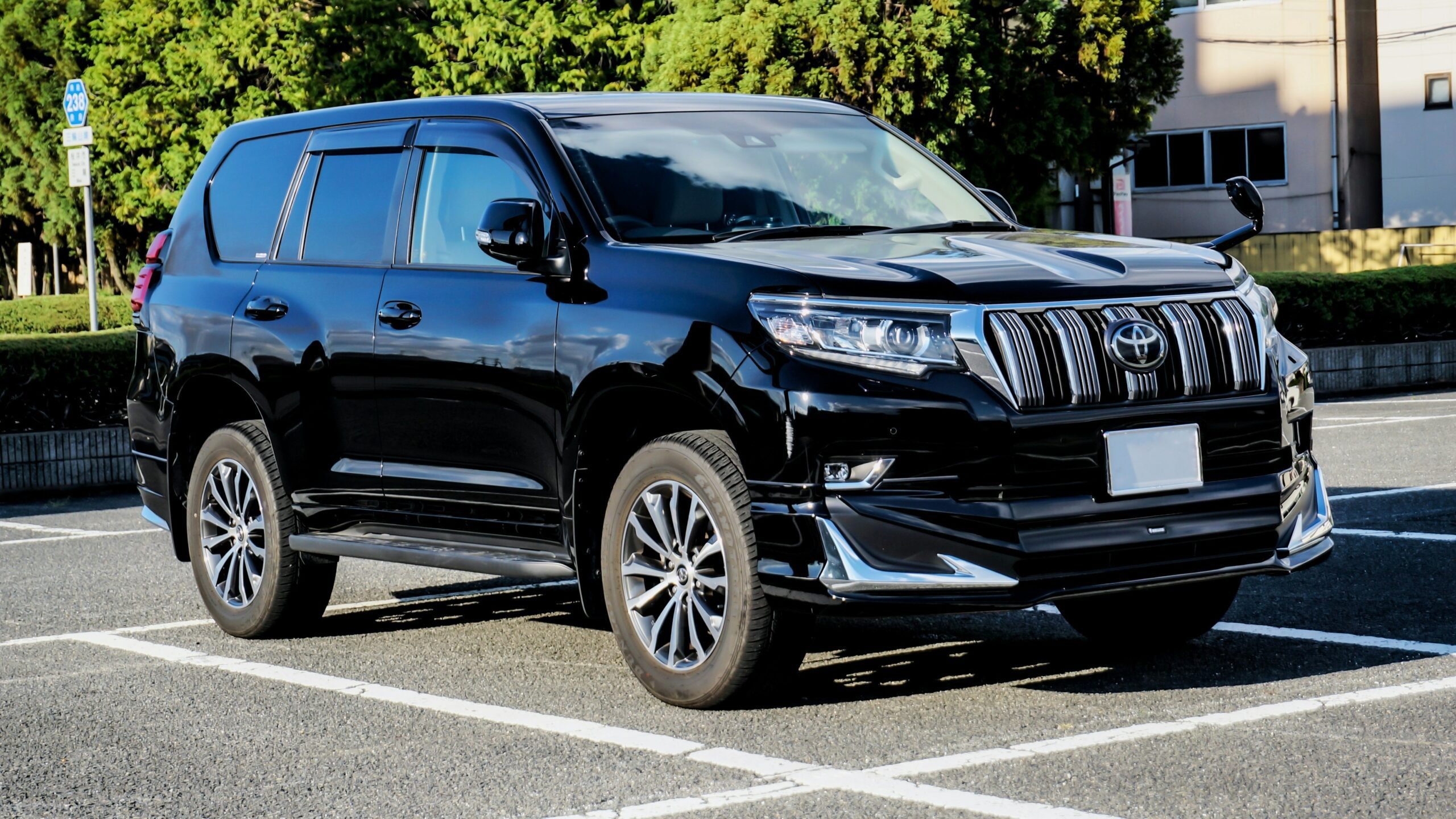
The Land Cruiser has run continuously since 1951, making it Toyota’s longest-running model line and a fixture in more than 170 markets. Generations through the J200 kept a ladder frame, a solid rear axle in most configurations, and mechanical simplicity aimed squarely at places where the nearest dealer might sit several hundred miles away.
That design brief carries costs: heavy, thirsty, and expensive new. Anyone chasing the mileage reputation on a budget lands on a high-odometer example, where deferred maintenance rather than the engine sets the ceiling.
2. Toyota Sequoia: A Pickup Wearing Three Rows
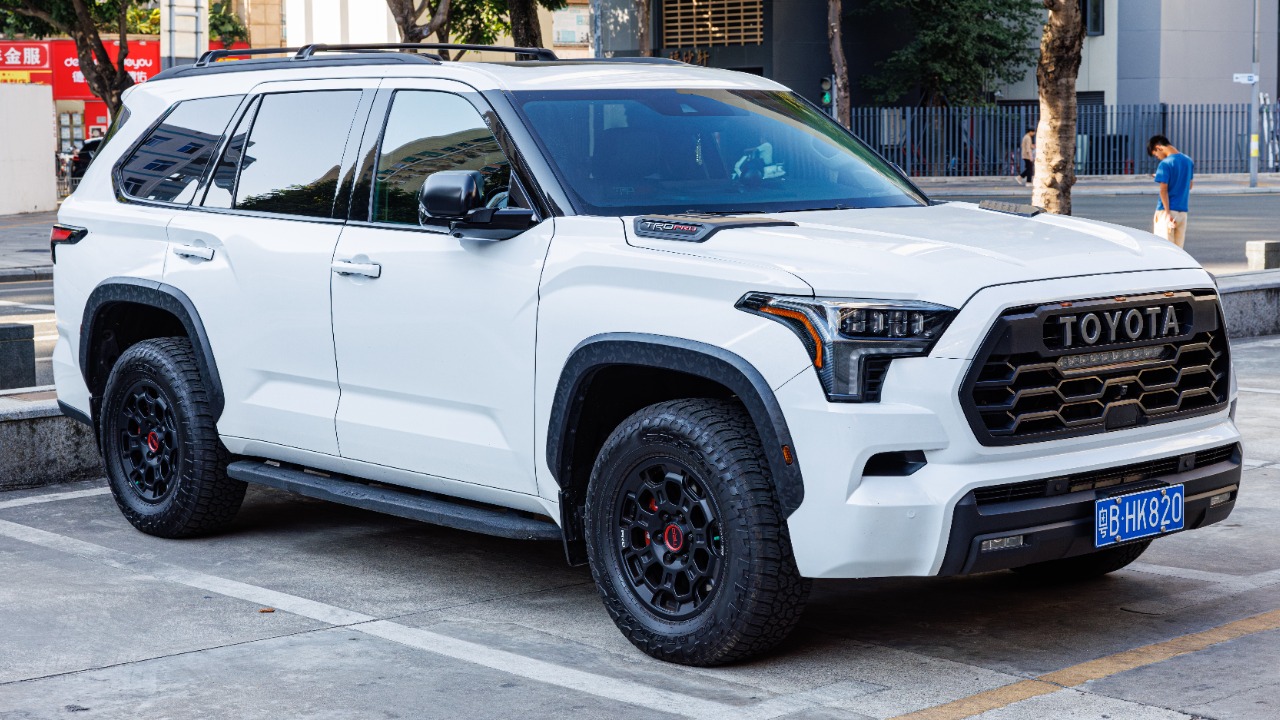
Toyota builds the Sequoia on its full-size Tundra pickup platform, and the second generation ran from 2008 to 2022 around the same 5.7-liter i-Force V8 with only modest updates across that span. Truck-grade running gear under a lighter station-wagon body means most components spend their lives well below their design load.
Fuel economy never improved much across that long run, which is part of why used examples stay affordable. Third-generation cars swapped to a twin-turbo V6 hybrid, a newer system without the older V8’s accumulated track record.
3. Toyota 4Runner: The Generation That Never Changed
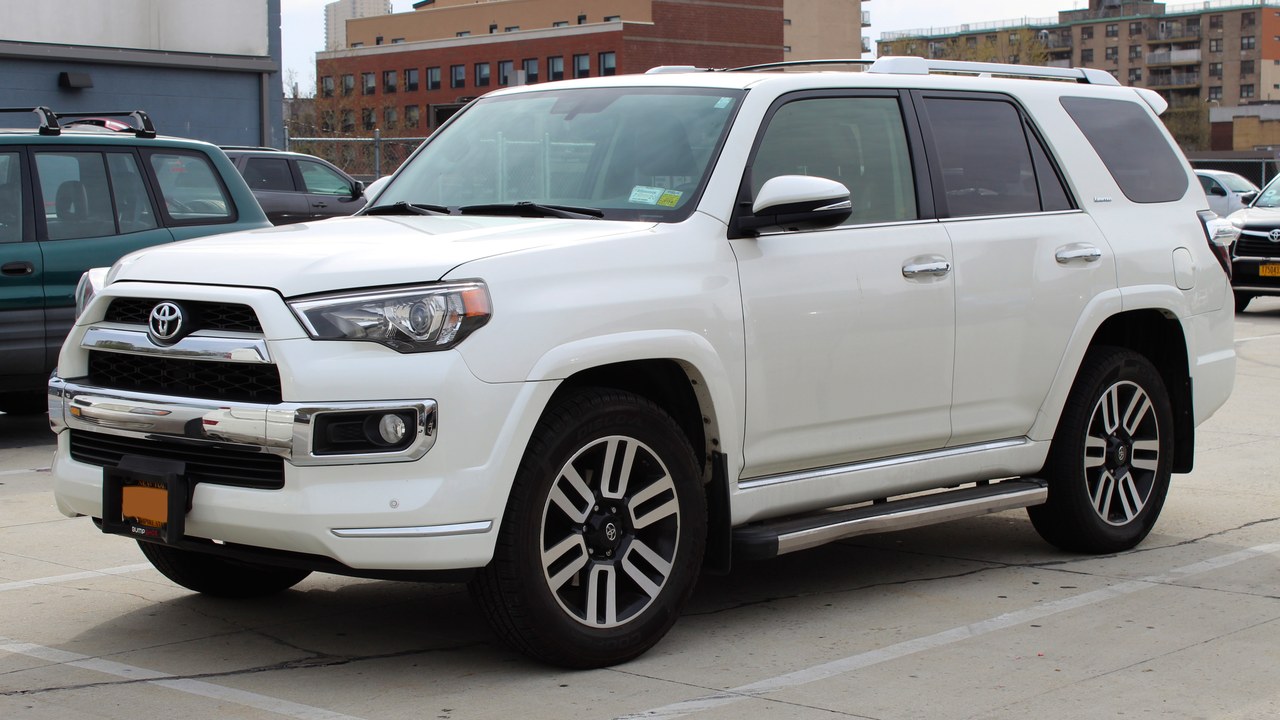
Production of the fifth-generation 4Runner stretched from the 2010 model year to 2024 on a body-on-frame chassis, with the 4.0-liter 1GR-FE V6 essentially unchanged throughout. A freeze that long means parts supply, known failure points and repair procedures are unusually well documented for anything a high-mileage owner will hit.
Ride quality and efficiency stayed frozen alongside everything else. The 2025 redesign moved to turbocharged four-cylinders, so the long-run durability record belongs to the outgoing truck rather than the current one.
4. Chevrolet Suburban: The Oldest Nameplate On The Road
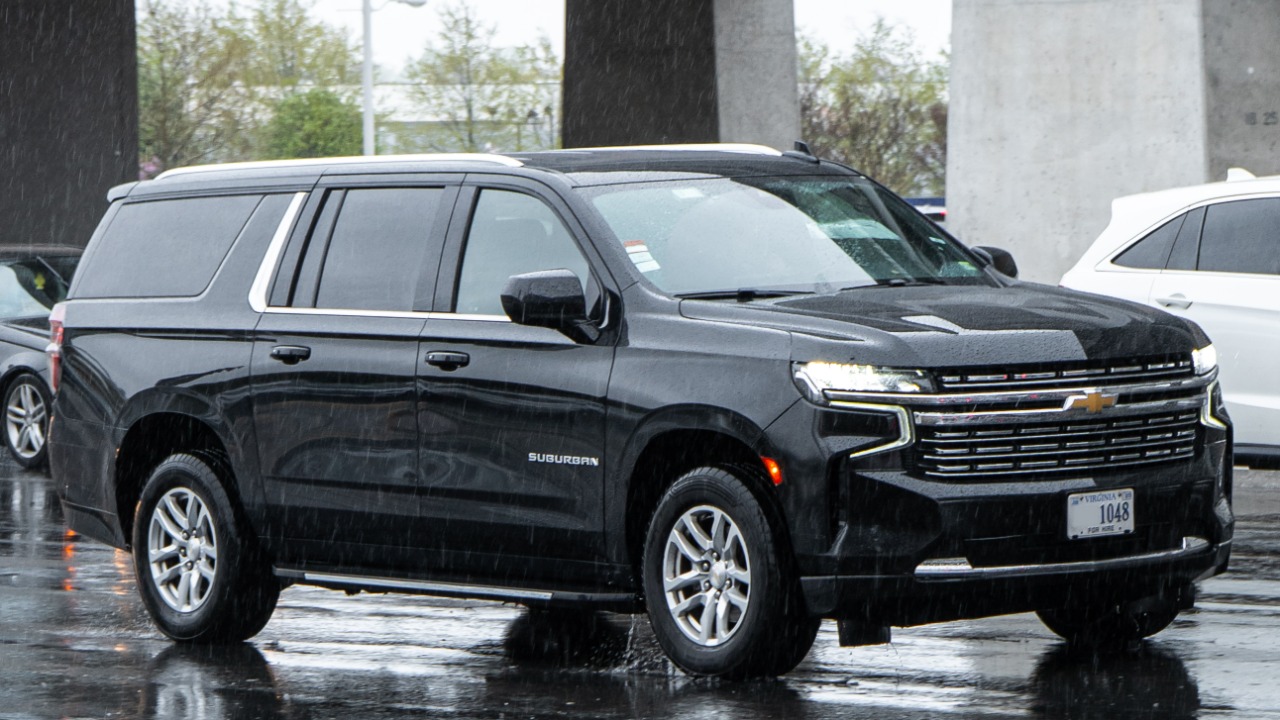
Continuous use of the Suburban nameplate since 1935 makes it the longest-running automobile name in production, and the modern truck still rides on the body-on-frame architecture it shares with the Silverado. Fleet, government and livery operators buy it because the running gear is serviceable at practically any truck shop.
Parts commonality is the real asset. A used Suburban draws components from a pool built for millions of GM pickups, which keeps repair costs at a six-figure odometer reading far below what the vehicle’s size suggests.
5. GMC Yukon XL: The Suburban Under Another Badge
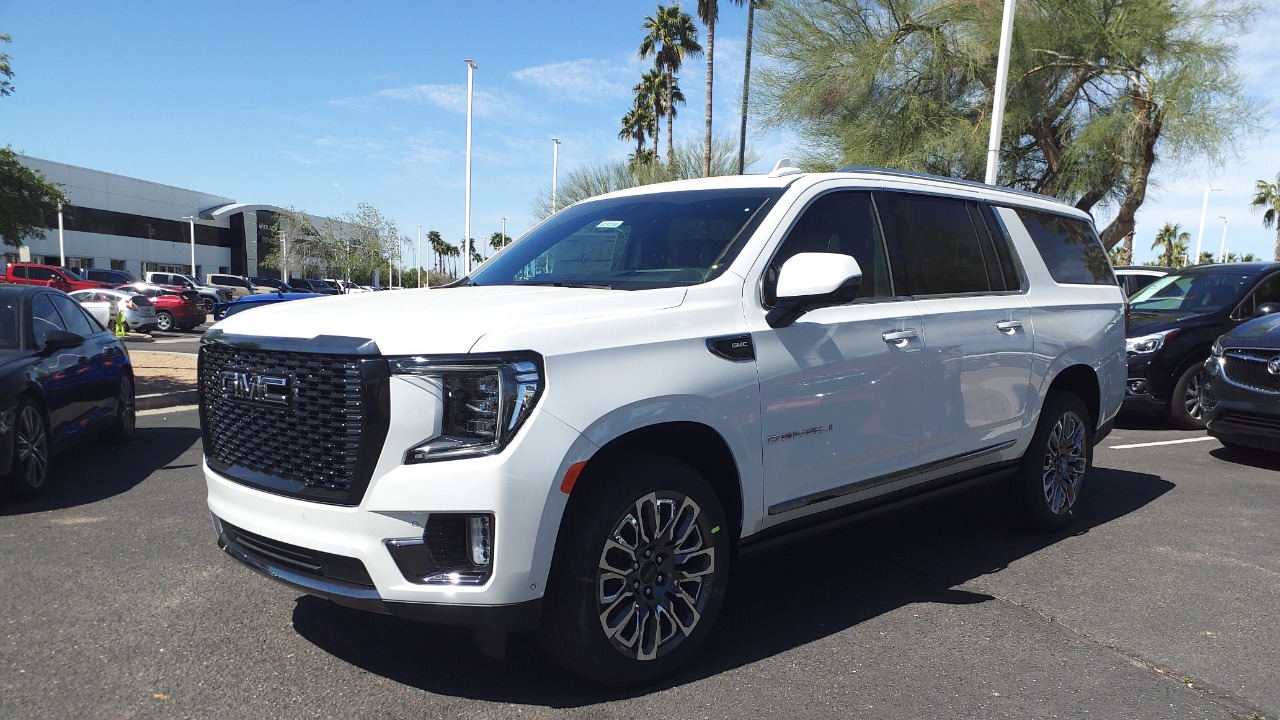
GMC renamed its long-wheelbase GMC Suburban the Yukon XL for the 2000 model year, and the two have shared frame, platform and powertrains ever since. Anything mechanically true of a high-mileage Suburban applies here, with trim, grille and suspension tuning accounting for most of what separates them.
Buyers occasionally pay a Denali premium without gaining any durability. Air-ride suspension and magnetic dampers on the upper trims add failure points that plainer configurations of the same truck simply do not have.
6. Honda Ridgeline: A Truck Built Like A Minivan
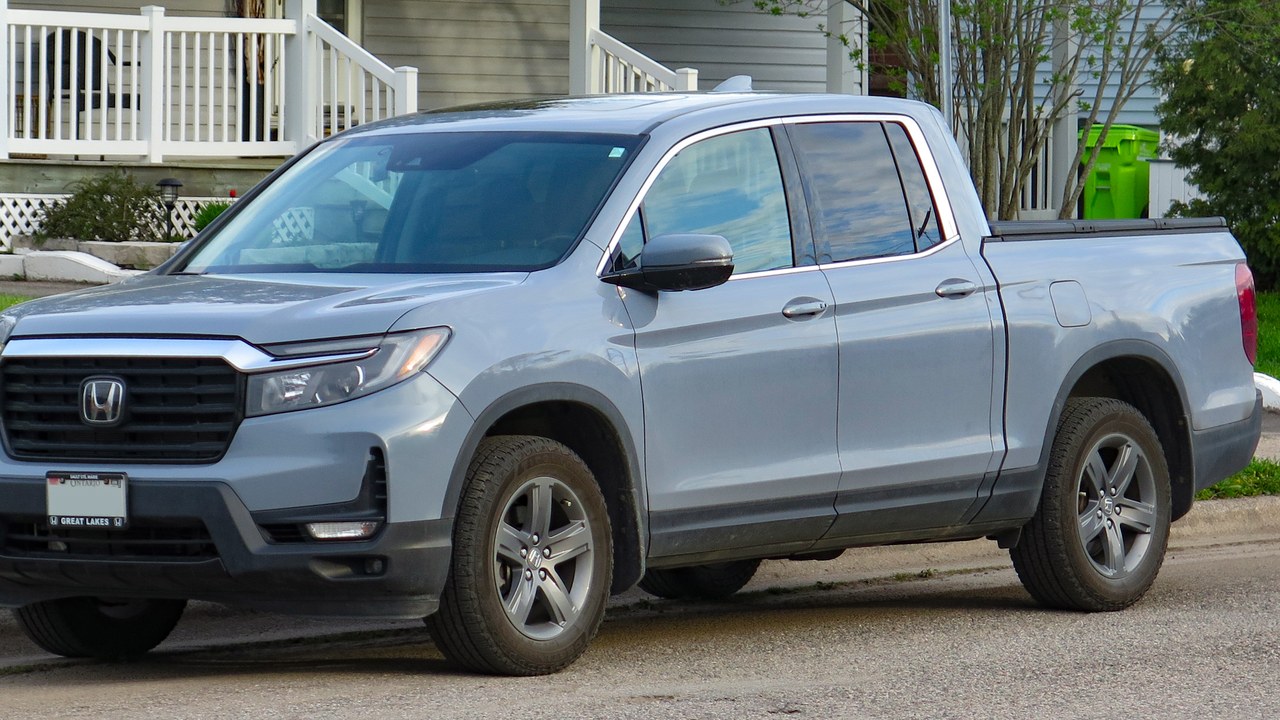
Instead of a separate ladder frame, the Ridgeline uses a unibody structure and independent rear suspension derived from the Pilot and Odyssey architecture. That removes several classic pickup wear items outright: no body mounts to work loose, no exposed frame rails to rust through at the rear spring hangers.
The same choice caps towing and payload below any conventional midsize pickup. Owners who genuinely tow find those limits quickly; those hauling furniture, mulch and bicycles rarely stress the structure at all.
7. Toyota Tacoma: Resale Value As A Signal
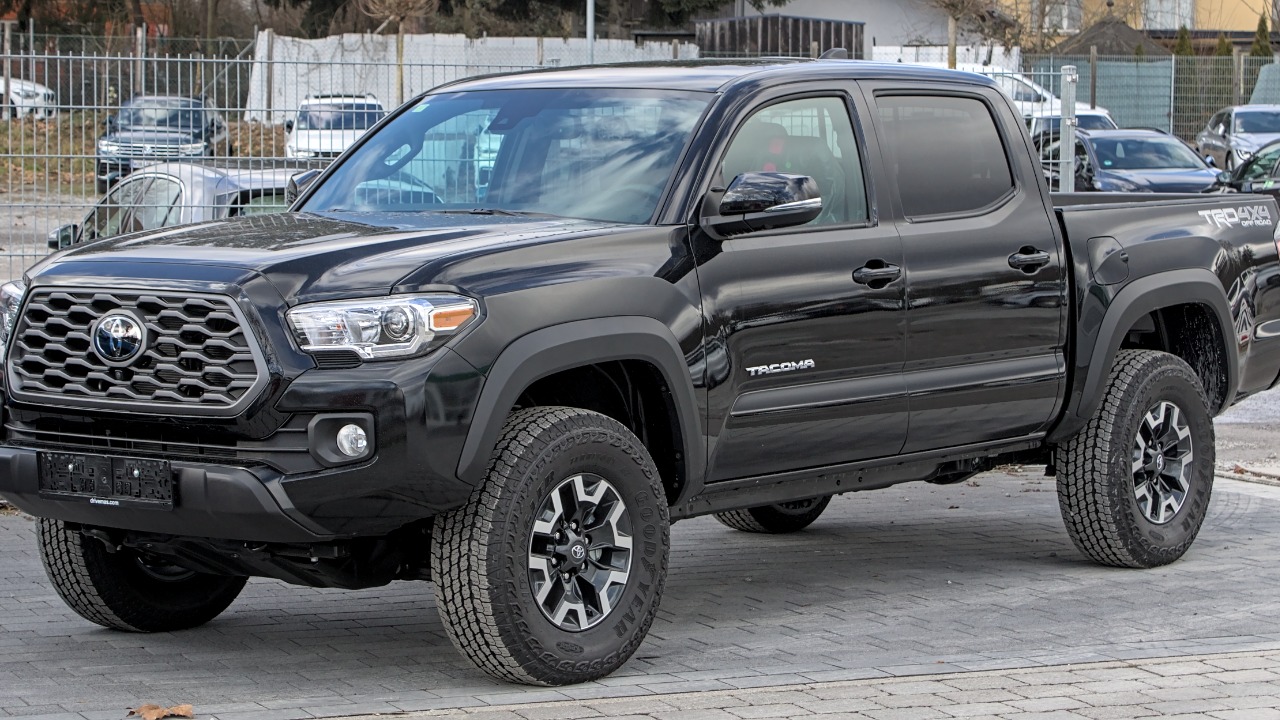
Running from 2005 to 2015, the Tacoma’s second generation carried the same 4.0-liter V6 already proven in the heavier 4Runner, built at volumes in San Antonio and Tijuana that keep salvage and aftermarket parts abundant. Resale prices track that reputation closely.
Frame corrosion is the glaring exception. Toyota extended coverage and repurchased affected trucks from the mid-2000s, so any Tacoma out of a road-salt state deserves a rail inspection before the engine gets credit for anything.
8. Toyota Highlander: The Camry That Grew Taller
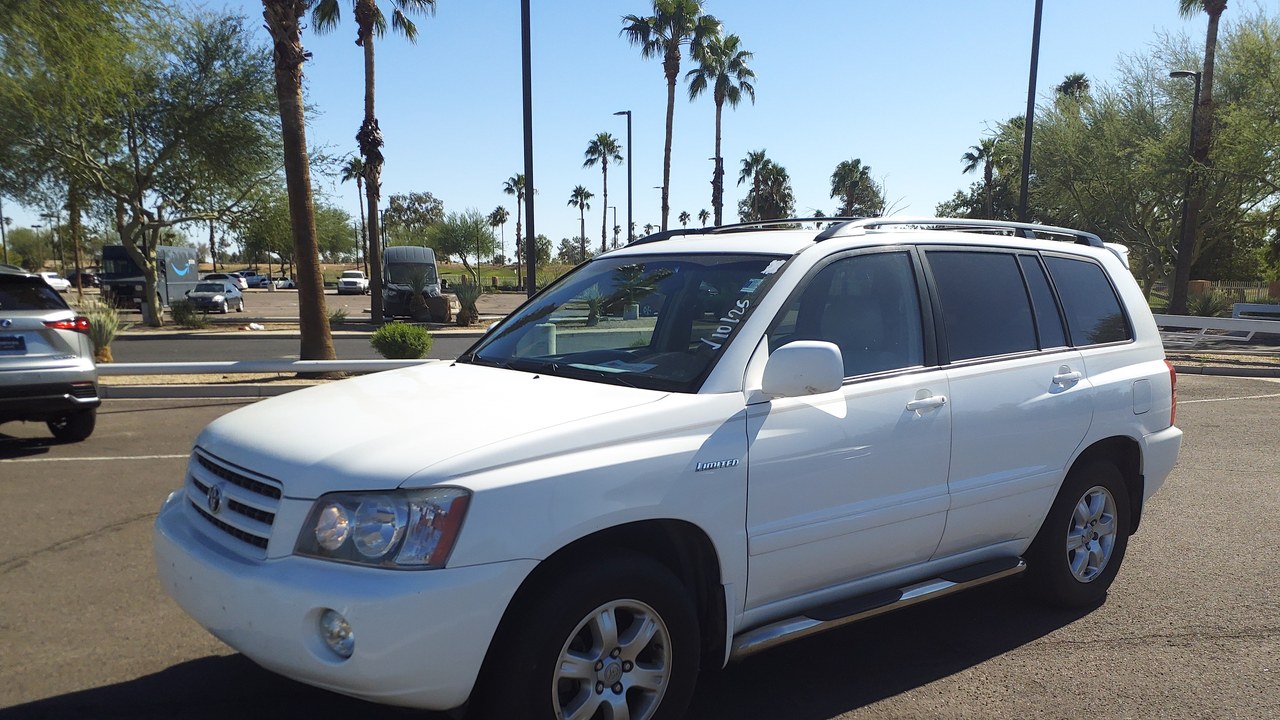
Underneath, the Highlander sits on Toyota’s mid-size car platform rather than a truck frame, sharing its architecture family with the Camry. The hybrid version has been sold since the 2006 model year, giving that electrically assisted drivetrain nearly two decades of field history and a mature supply of replacement packs.
Hybrid batteries do degrade, and a pack replacement is the largest single bill most owners face. Against that, the engine spends much of its life under reduced load and regenerative braking spares the friction brakes.
9. Honda Odyssey: The Minivan That Earns Its Keep
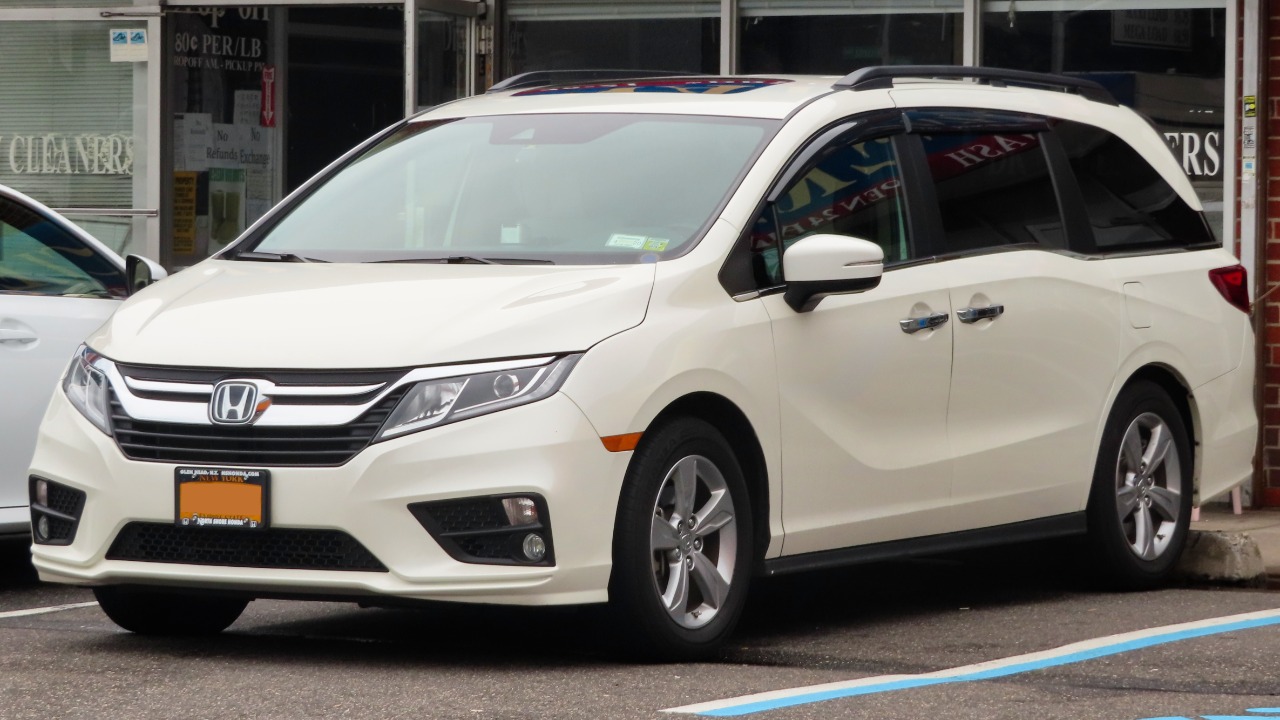
North American Odysseys have used Honda’s J-series V6 since 1999, a port-injected engine on a timing-belt schedule owners can plan around. Sliding-door hardware, power tailgate motors and interior trim usually surrender long before the drivetrain does, which is the cheap kind of failure.
Transmissions are the exception worth checking. Honda extended warranty coverage on the automatics in 1999 to 2001 vans after widespread failures, and that history makes service records the first document to read on any high-mileage example.
10. Toyota Avalon: The Sedan Nobody Thrashes
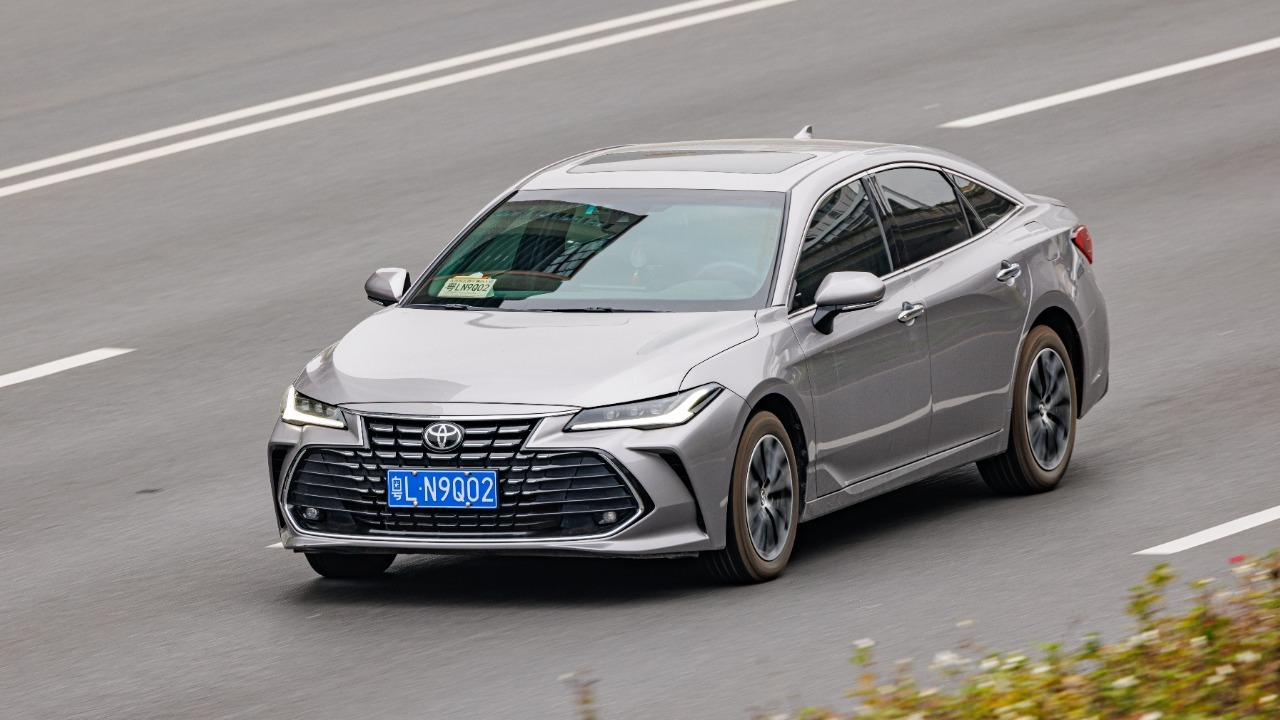
Assembled in Georgetown, Kentucky, the full-size Avalon shared its platform family with the Camry and paired a naturally aspirated V6 with a conventional automatic instead of turbocharging or a dual-clutch gearbox. Toyota ended North American sales after the 2022 model year, so every example is now a used car with a settled specification.
Its mission does as much work as its engineering. Highway miles are the cheapest kind an odometer collects, and a comfort-first full-size sedan collected mostly those.
11. Ford Expedition: The F-150 With A Back Seat
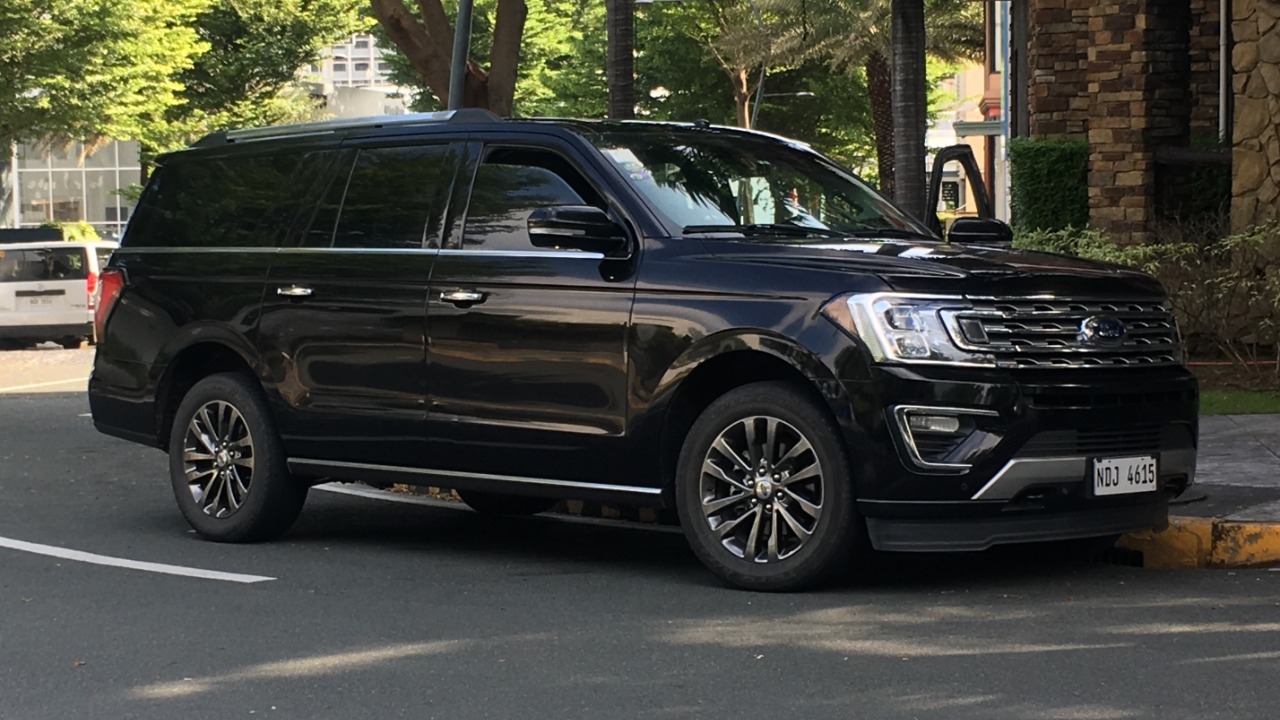
Ford derives the Expedition from the F-150, sharing frame architecture and, from the 2015 model year, the 3.5-liter EcoBoost V6 that powers its best-selling pickup. Independent rear suspension arrived in 2003, and the aluminum body introduced for 2018 removed the rust path that ended plenty of earlier full-size SUVs.
Turbocharging adds hardware a naturally aspirated V8 never had. Cooling-system and turbo service matter more here than on the Toyotas alongside it, and neglected trucks show it once the odometer passes six figures.
More from Morning Overview
- 7 SUVs built to cruise past 300,000 miles without a major repair
- A magnitude-6.0 earthquake struck southern Mexico near El Progreso.
- The sun launched material at 3.3 million miles an hour, and Earth is in its path
- The NSA is telling every phone owner to switch off Wi-Fi, Bluetooth and NFC in public.
