
Cold air thickens fluids, chills battery cells and forces the heater to draw power, and every electric car pays for it in miles. Recurrent’s telematics data shows the penalty varies widely from one model to the next, with some losing nearly a third of their range at freezing. Here are eleven cars, ranked from the steepest loss to the mildest.
The day in tech, in one email: TLDR is the daily newsletter with links and TLDRs of the most interesting stories in startups, tech and programming.
We may earn a commission if you sign up.
1. Chevrolet Bolt EV: Steepest Winter Drop
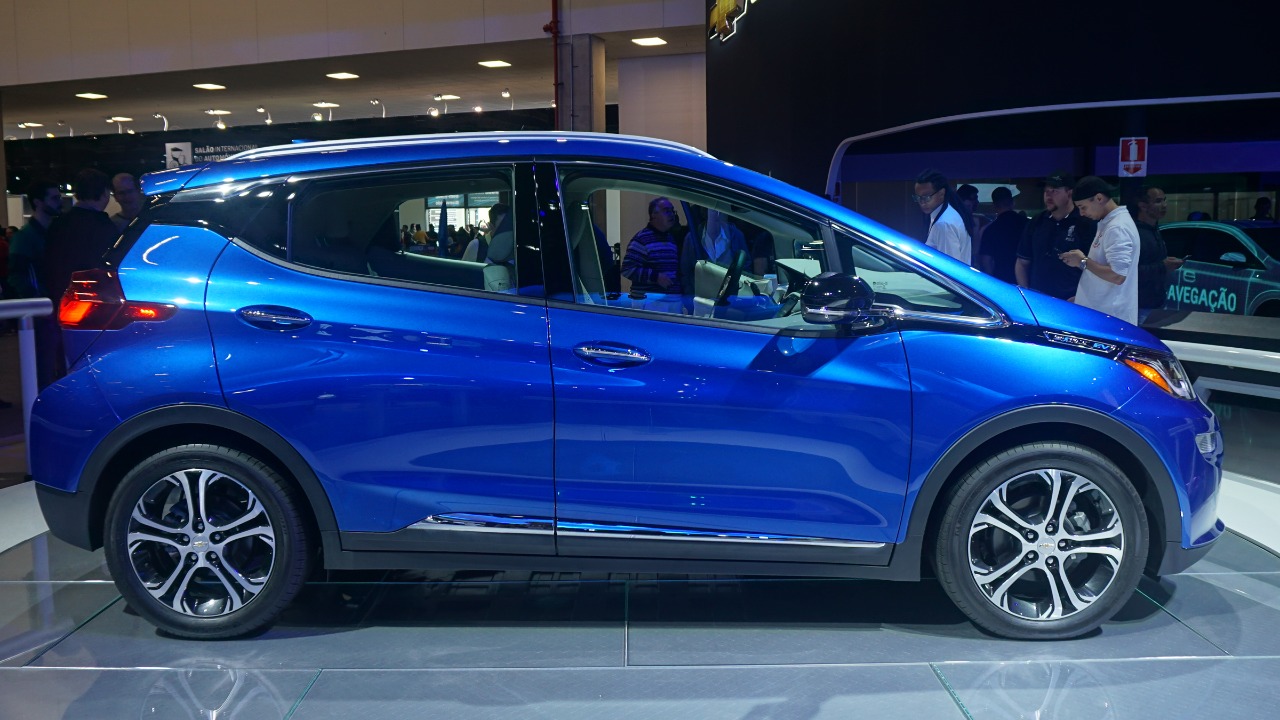
The Bolt EV gives up 32 percent of its range in freezing temperatures, the steepest loss in Kelley Blue Book’s cold-weather range table, which is built on Recurrent telematics data and labeled as an estimate.
For an owner in a snowy region, that gap shows up on long winter trips, when a car rated for a comfortable distance in mild weather may need an extra charging stop. Budgeting for roughly two-thirds of the advertised figure is the safer habit.
2. Volkswagen ID.4: Thirty Percent Gone
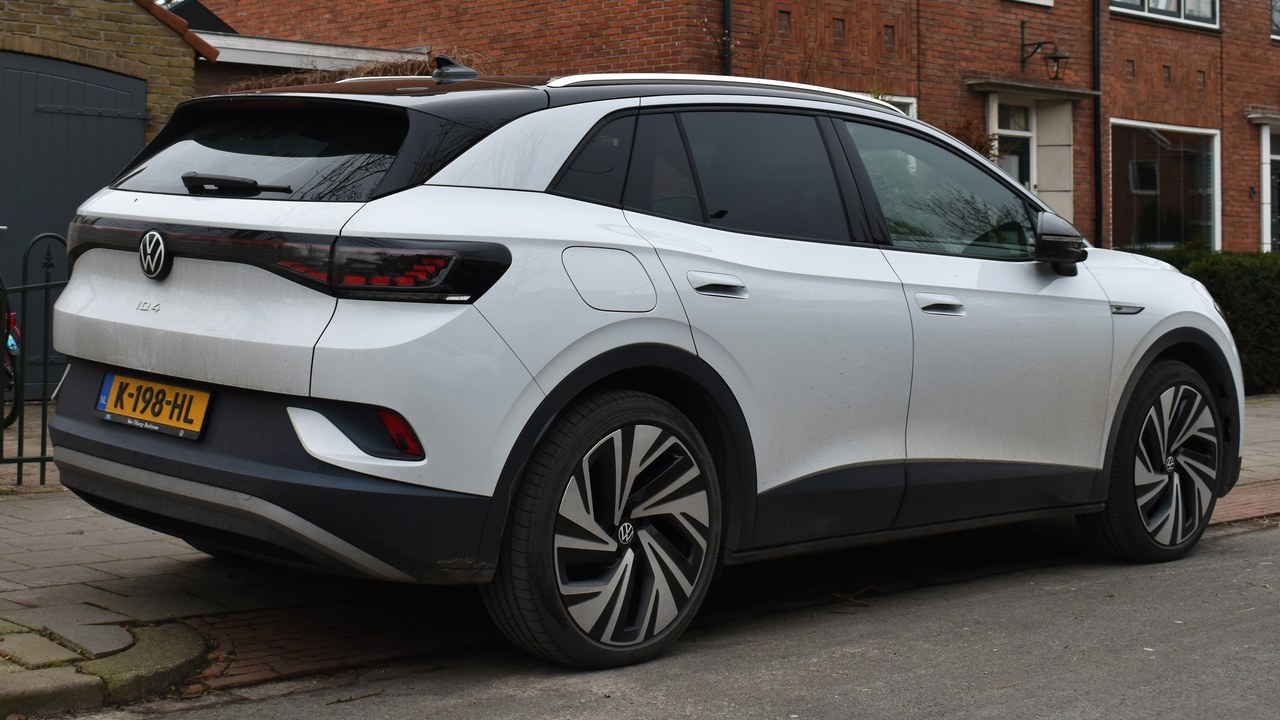
The ID.4 loses 30 percent of its range in freezing conditions compared with 70 degrees, according to Green Car Reports coverage of the Recurrent winter study that compared real-world telematics across many models.
A compact crossover that looks generous on paper can therefore behave like a much smaller-battery car in January. Buyers in cold states should read the winter figure alongside the window-sticker number, and expect the shortfall to widen further on highway runs at higher speeds.
3. Ford Mustang Mach-E: Same Cold Penalty
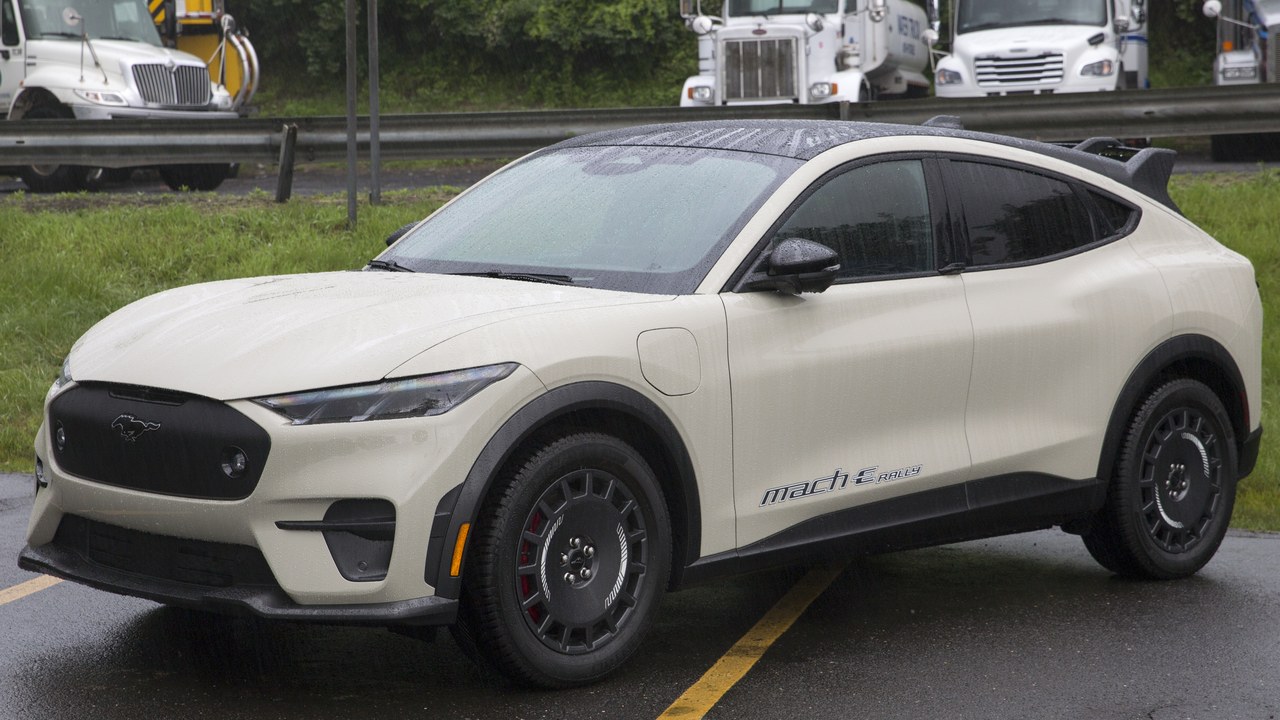
The Mustang Mach-E also drops 30 percent of its range in freezing weather, matching the Volkswagen figure in the Recurrent winter findings summarized by Green Car Reports.
That puts the best-known electric Mustang among the harder-hit models despite its reputation for strong performance. Owners who park outdoors overnight can recover some of the loss by preconditioning the cabin while the car is still plugged in, which shifts the heating load onto the grid instead of the battery.
4. Cadillac Lyriq: Heavy Luxury, Big Chill
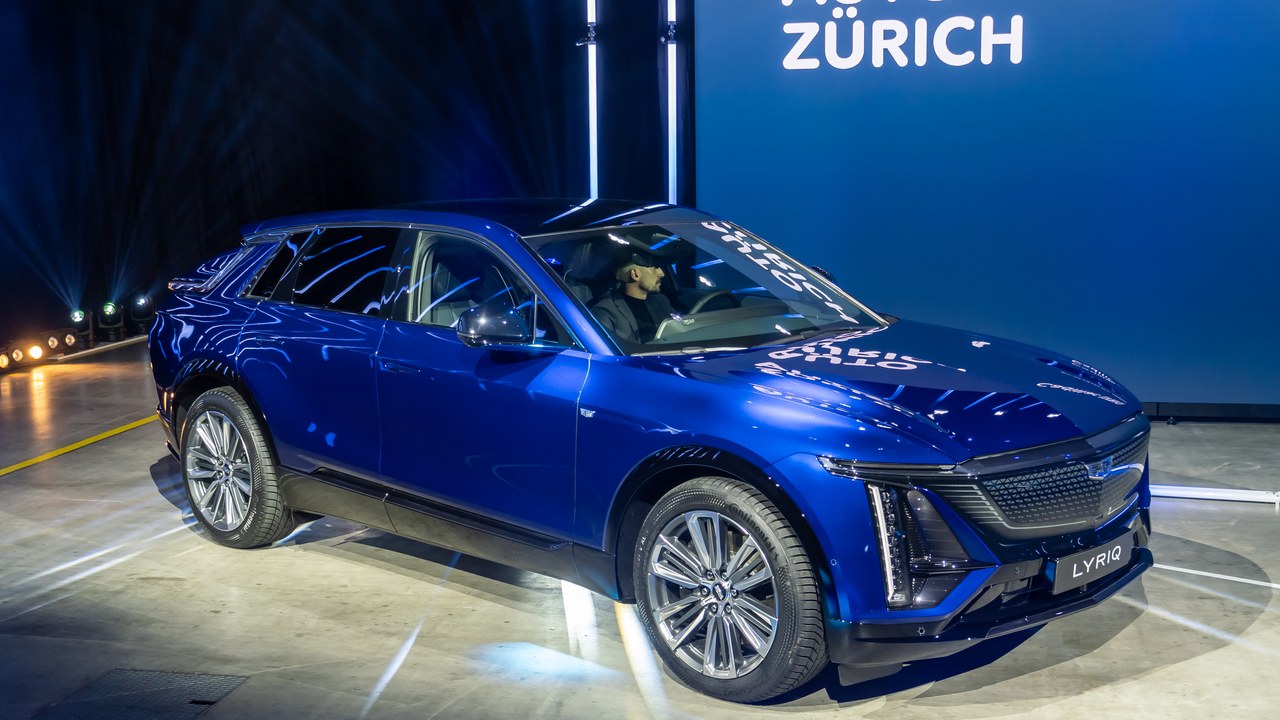
The Lyriq holds just 72 percent of its ideal-weather range at 32 degrees, a 28 percent loss, in Recurrent’s data on more than 18,000 EVs as tabulated by InsideEVs.
Cadillac’s large crossover carries a big battery, so the absolute mileage left after a cold snap remains respectable for many drivers. Still, a quarter of the rated distance vanishing means shoppers in northern states should size their charging habits around winter, not the brochure.
5. Chevrolet Equinox EV: Heat Pump, Still Hurting
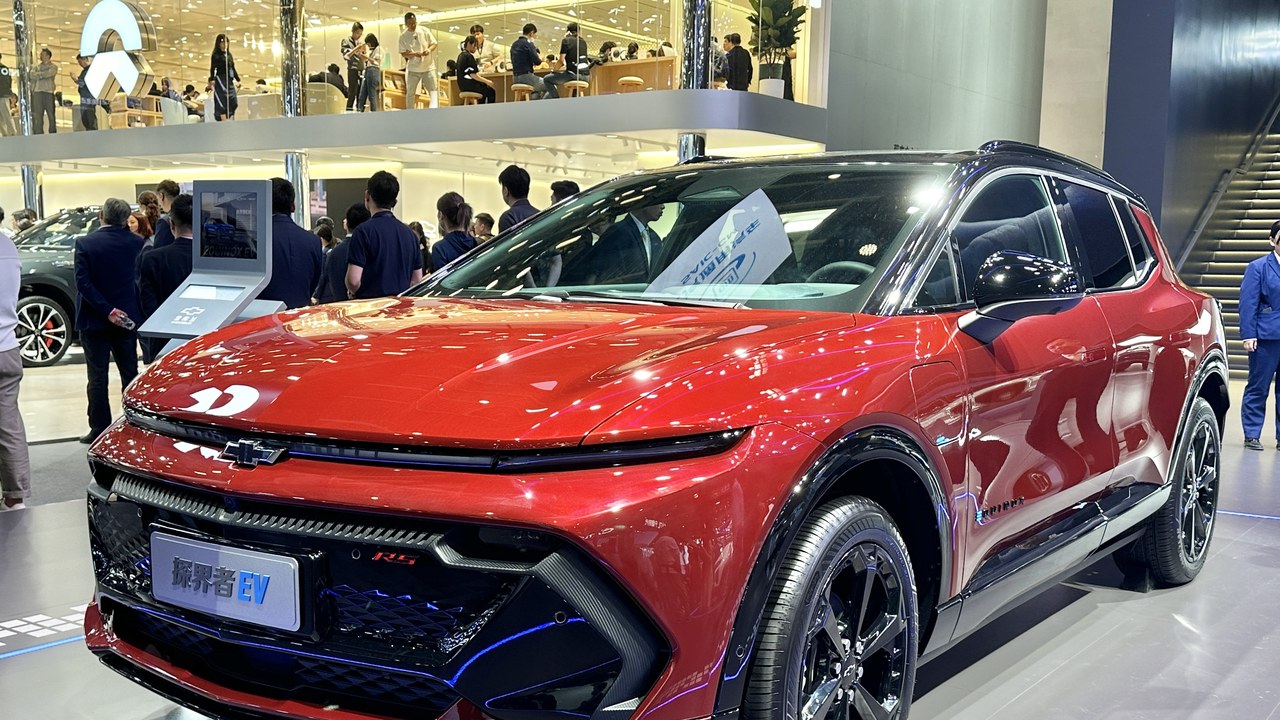
The Equinox EV retains 74 percent of its range at 32 degrees, a 26 percent shortfall despite having a heat pump, based on the InsideEVs cold-weather table drawn from Recurrent data.
The result shows that a heat pump softens the winter penalty without erasing it, because cold batteries and thicker drivetrain fluids still cost energy. Equinox shoppers comparing trims should treat the efficient heating hardware as a help rather than a guarantee of summer-like mileage.
6. Ford F-150 Lightning: No Heat Pump, Big Truck

The heat-pump-less F-150 Lightning keeps 74 percent of its range at 32 degrees, a 26 percent loss, according to Recurrent figures published by InsideEVs covering the 32-degree benchmark.
Towing or hauling in the cold would likely deepen the drop, since a large frontal area already works the battery hard. Truck buyers who rely on the Lightning for winter work should plan charging stops conservatively and keep the battery warm by leaving the truck plugged in when parked.
7. BMW i3: Carbon Body, Cold Reality

The carbon-bodied i3 loses an estimated 24 percent of its range in freezing temperatures, a figure listed in Kelley Blue Book’s winter comparison built from Recurrent telematics.
Its lightweight shell and small size help efficiency, yet the cold still claims close to a quarter of the distance. Because the i3 started with a modest battery, a loss of that size leaves limited headroom, so used-car shoppers in cold regions should check the battery generation before buying.
8. Volkswagen e-Golf: Compact Hatch, Winter Toll
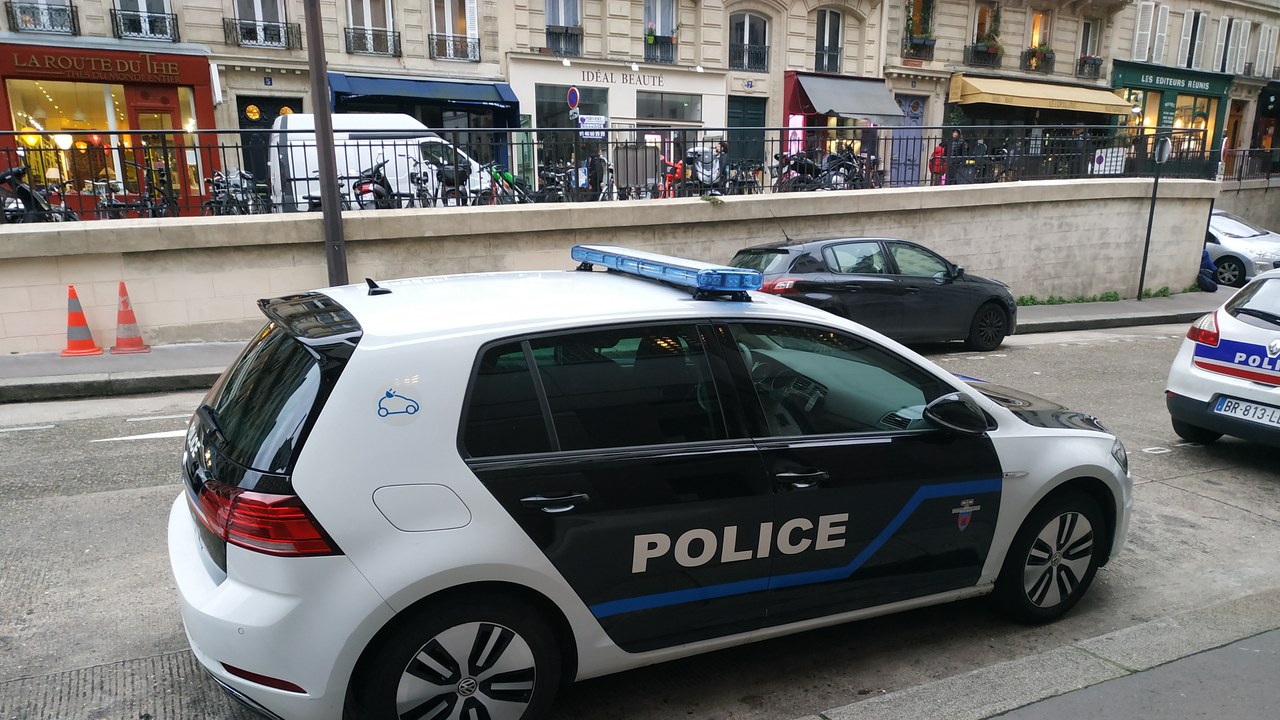
The e-Golf gives up 23 percent of its range once temperatures hit freezing, one of the lower entries in the winter range report that Green Car Reports drew from Recurrent data.
As an older compact with a small pack, the car has little buffer once heating and cold-battery losses stack up. Anyone considering a used e-Golf for a snowy commute should treat the freezing-weather number, not the original rating, as the realistic planning distance.
9. Nissan Leaf: Air-Cooled and Exposed
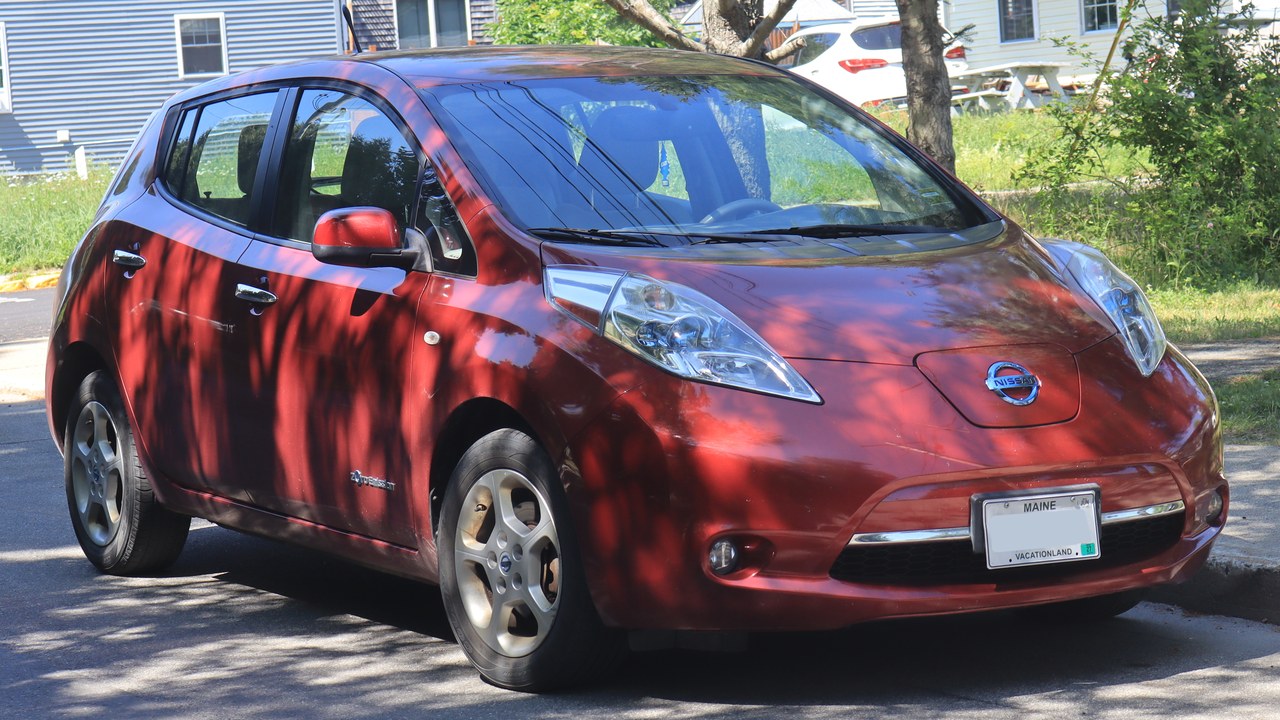
The air-cooled Leaf loses 21 percent of its range in freezing weather, according to the Recurrent study coverage published by Green Car Reports.
Nissan’s passive battery cooling leaves the pack without liquid thermal management, which is why the Leaf is singled out as air-cooled in the winter data. Shoppers eyeing a cheap used example should weigh its modest starting range against that additional winter shortfall, and expect short, frequent charging stops.
10. Hyundai Kona Electric: Nearly One in Five

The Kona Electric shows an estimated 19 percent range loss in freezing temperatures, based on the Kelley Blue Book data table that draws on Recurrent telematics.
That is a milder penalty than most models on this list, which helps explain the small Hyundai’s popularity with commuters in colder states. Even so, nearly a fifth of the range disappearing means winter trips of any length deserve a charging plan, particularly when the cabin heater runs the whole way.
11. Kia EV9: Big Three-Row, Smaller Loss
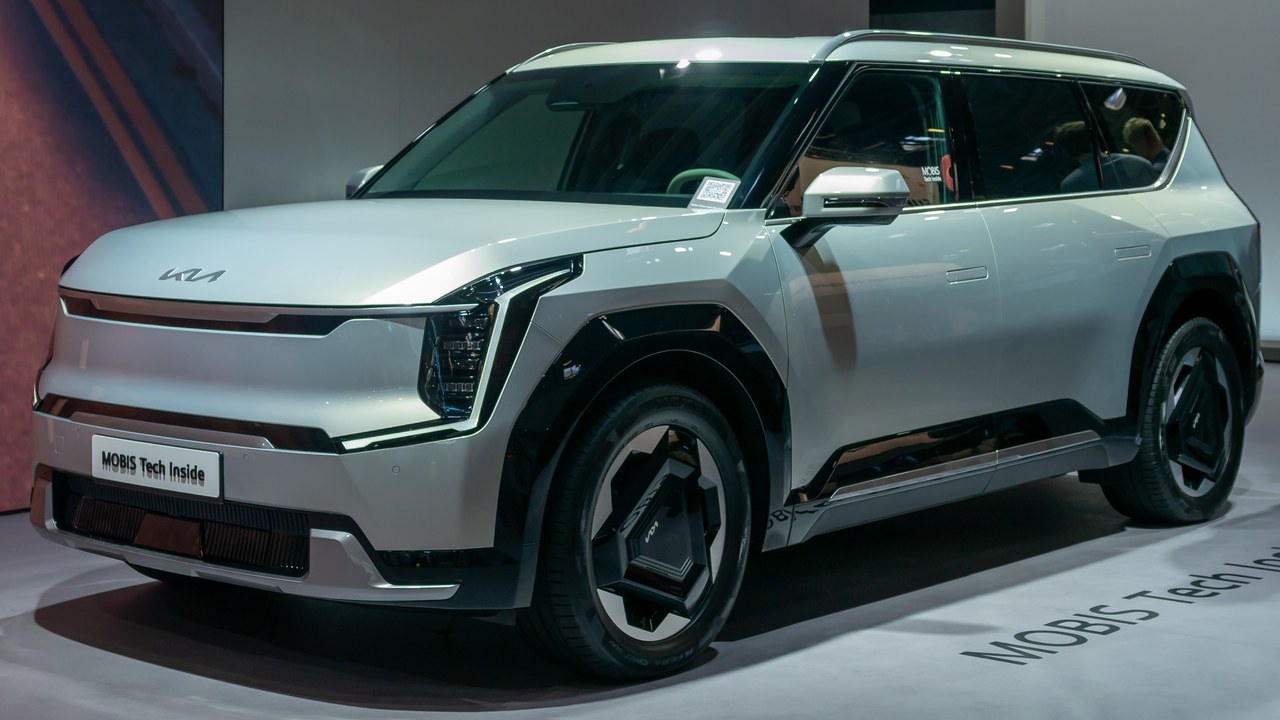
The three-row EV9 keeps 82 percent of its range at 32 degrees, an 18 percent loss, the mildest result in the InsideEVs range-retention table built on Recurrent data from more than 18,000 EVs.
A heat pump and a large battery likely help the Kia hold up better than smaller rivals. Families in cold climates still lose nearly a fifth of the advertised distance, so long winter drives with a full cabin and cargo still call for charging stops built into the route.
The day in tech, in one email: Get TLDR →
We may earn a commission if you sign up.
More from Morning Overview
- The NSA says three phone features should be off whenever you aren’t using them
- Hurricane Hunter radar shows four warning signs that a tropical cyclone is about to strengthen, a University of Miami study found
- Tropical Storm Rachel is dumping up to 12 inches on four Mexican states on its way to major hurricane strength
- The FTC says Lens.com doubled the price shoppers saw in Google ads
