
Cars lose value the moment they leave the lot, but some lose it far faster than others. Studies of first-year, twelve-month and five-year depreciation keep pointing at the same group of electric vehicles, along with a few surprising gas-powered entries. Here are ten cars and trucks that are shedding value fastest right now.
The tech news worth your time: 400,000+ professionals from Google, Apple and OpenAI read Techpresso, a daily email with the most interesting tech news and insights.
We may earn a commission if you sign up.
1. Mercedes-Benz EQS: Steepest First-Year Fall
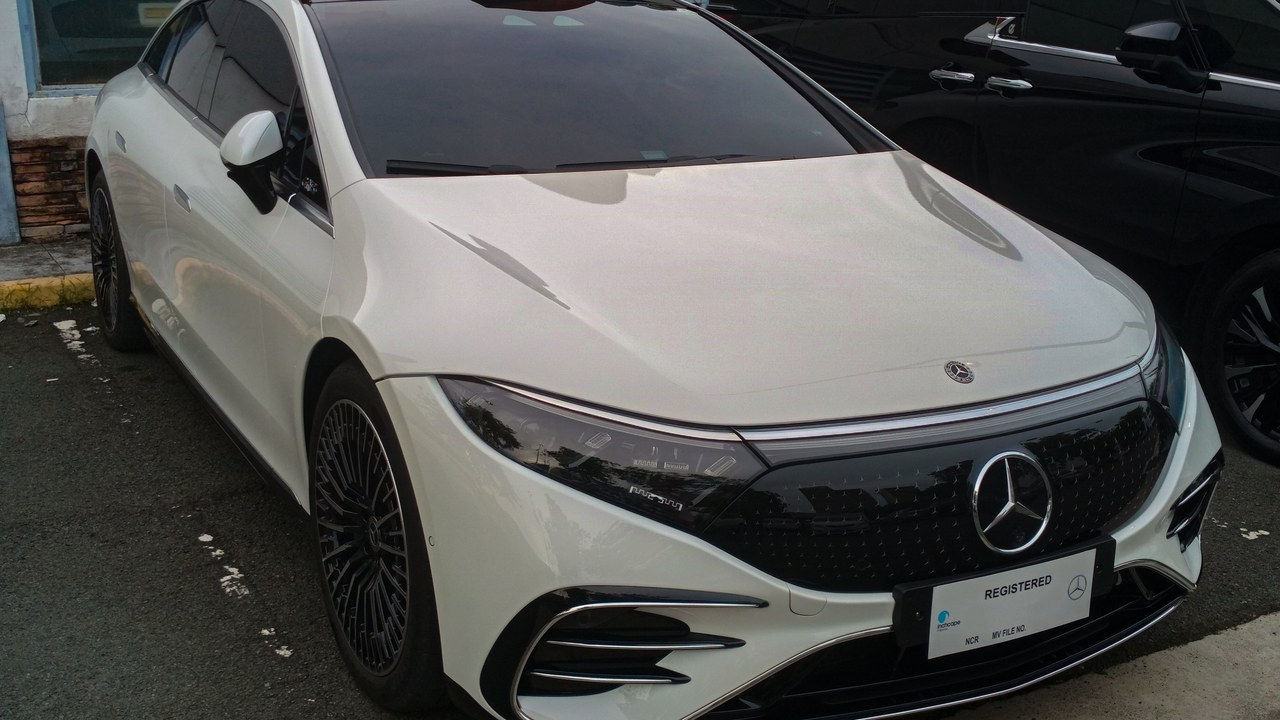
Depreciation studies tend to punish expensive electric flagships, and the Mercedes-Benz EQS leads that pattern. A Jalopnik analysis reported in MoneyLion’s report found the EQS shedding 47.8% of its value in the first year, the steepest first-year drop among the models listed. That figure measures loss from the original new price.
For used shoppers the flip side is obvious: a barely broken-in luxury electric sedan can change hands for roughly half of what its first owner paid. Anyone buying new should treat the first twelve months as the costliest stretch of ownership, and anyone buying used may find the best bargain sitting right there on the lot.
2. Nissan Leaf: Nearly Half Gone in a Year

Affordable pricing did not shield the Nissan Leaf from the same slide. According to the Jalopnik study summary compiled in the same first-year ranking, the Leaf gives up 45.7% of its value within a year of leaving the showroom, just behind the EQS.
The result shows that cheap electric hatchbacks can depreciate nearly as hard as six-figure ones, because the used market discounts them heavily. For a buyer, that gap between sticker price and resale value is the real cost of ownership to weigh. A one-year-old Leaf can therefore be a strong value for someone content to let the first owner pay the premium.
3. Hyundai Ioniq 5: Popular and Still Sliding
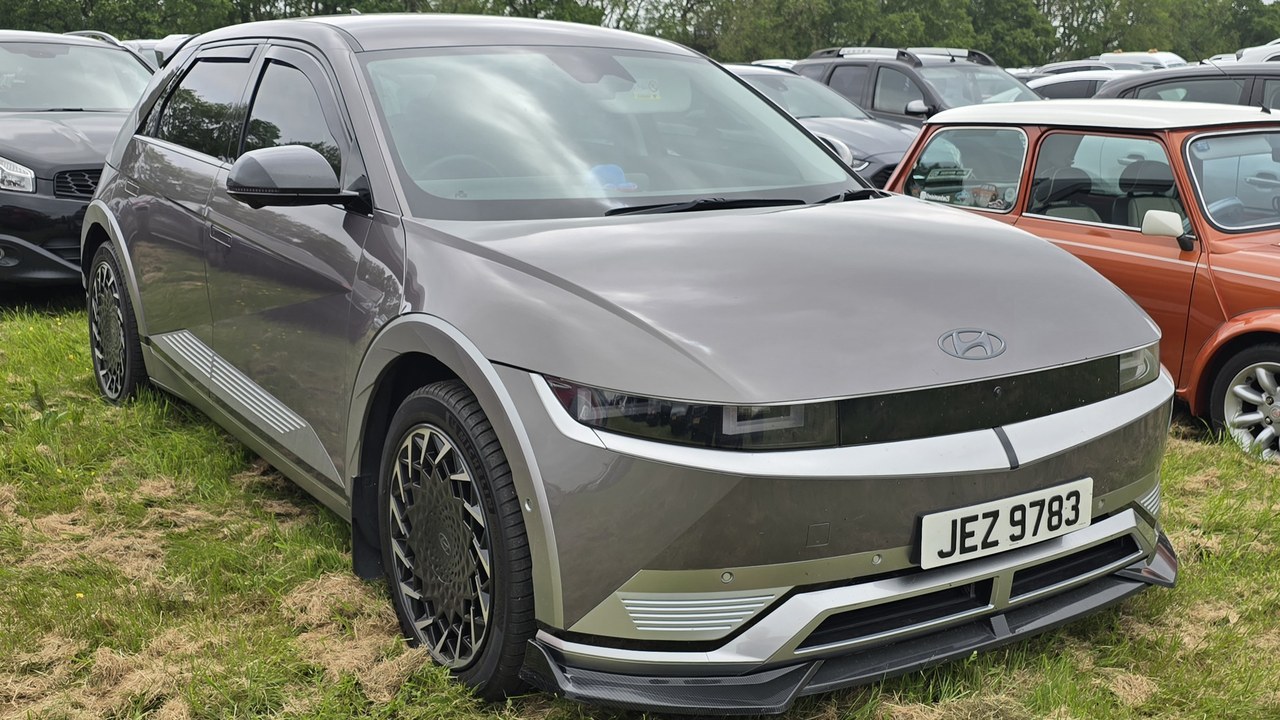
Popularity has not insulated the Hyundai Ioniq 5 from steep early losses. In the MoneyLion roundup, the crossover-styled EV drops 32.9% in its first year of ownership, placing it third among the models highlighted for fast first-year depreciation.
A loss of roughly a third inside twelve months means the original buyer effectively pays a large fee for newness. Shoppers who prefer to buy used can capture most of the car’s design and charging-speed appeal at a markedly lower price than the original owner. Buyers who lease or plan to sell early should weigh that drop carefully before assuming a well-liked model will hold its value.
4. Dodge Durango: Worst Among Gas Models
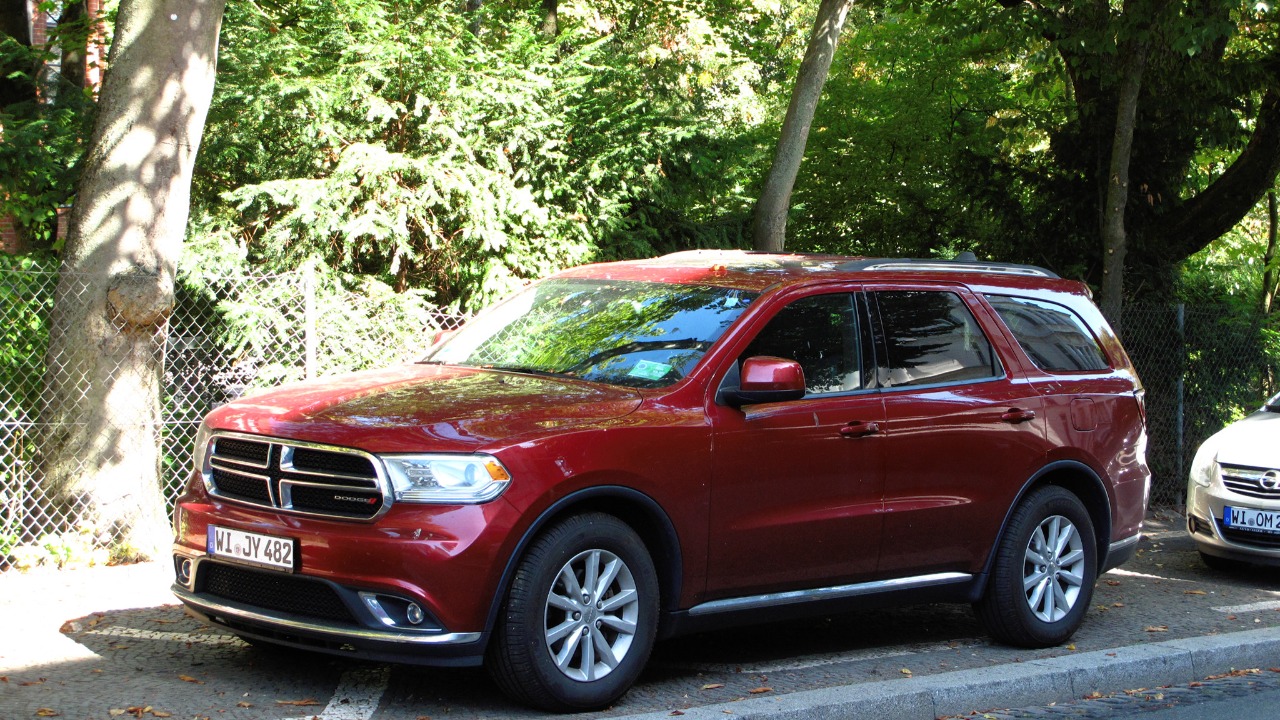
Not every steep drop belongs to an electric vehicle. The Dodge Durango sheds 30.8% of its value in year one, according to MoneyLion’s depreciation roundup, and the V8 version is flagged as the worst non-electric result in the analysis.
That makes the three-row SUV an outlier among combustion vehicles, where first-year losses are generally smaller than what the electric entries show. The takeaway for owners is that a thirsty V8 powertrain can weigh on resale value as much as unproven battery technology does elsewhere. Bargain hunters, meanwhile, may find an almost-new Durango offers considerable room to negotiate once that first-year discount has already been absorbed.
5. Tesla Model S: Twelve-Month Slide in Used Prices
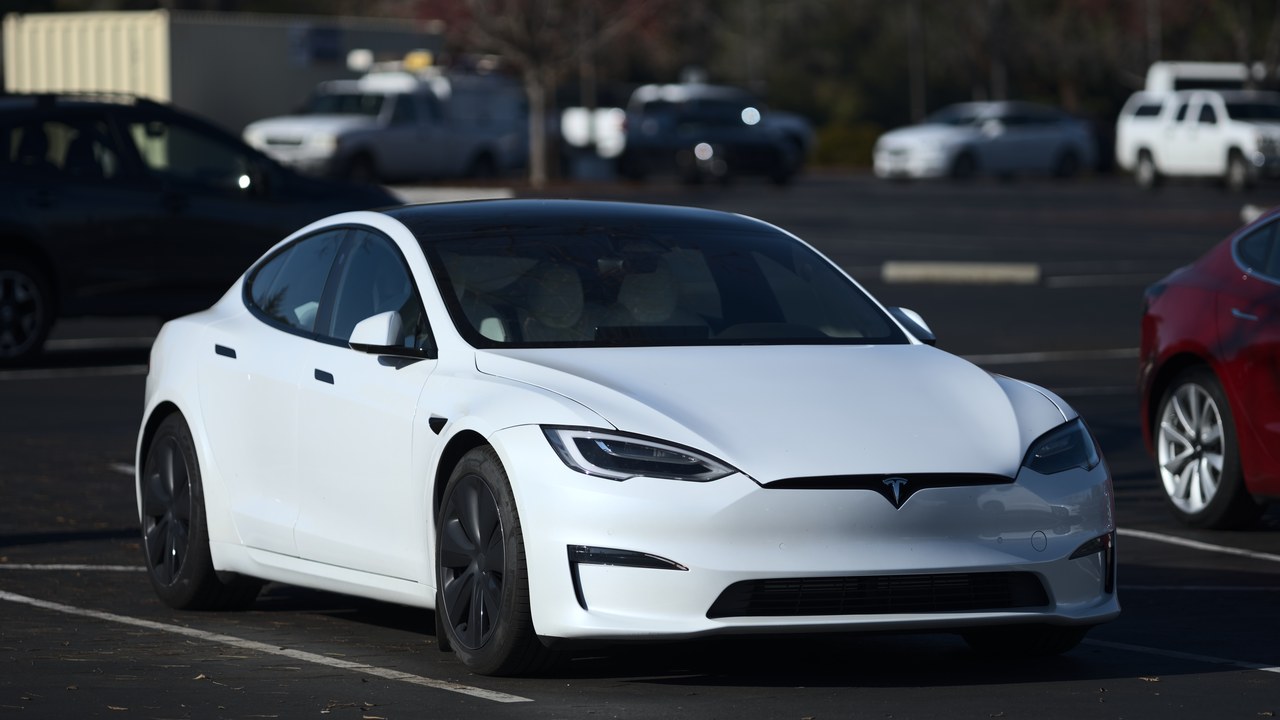
Used-market data tells a related but different story for the Tesla Model S. iSeeCars measured a 15.8% decline, or $8,768, in used Model S values over twelve months, and AutoGuide’s ranking puts it first in its ranking of falling values.
The scope matters here: this is the change in used asking prices across a year, not depreciation measured from the original sticker price. For owners, it means a used Model S bought a year ago would be worth noticeably less today, a real consideration for anyone planning to sell. For shoppers, a falling market can mean a better entry price into a once-expensive electric sedan.
6. Tesla Model X: Biggest Dollar Drop
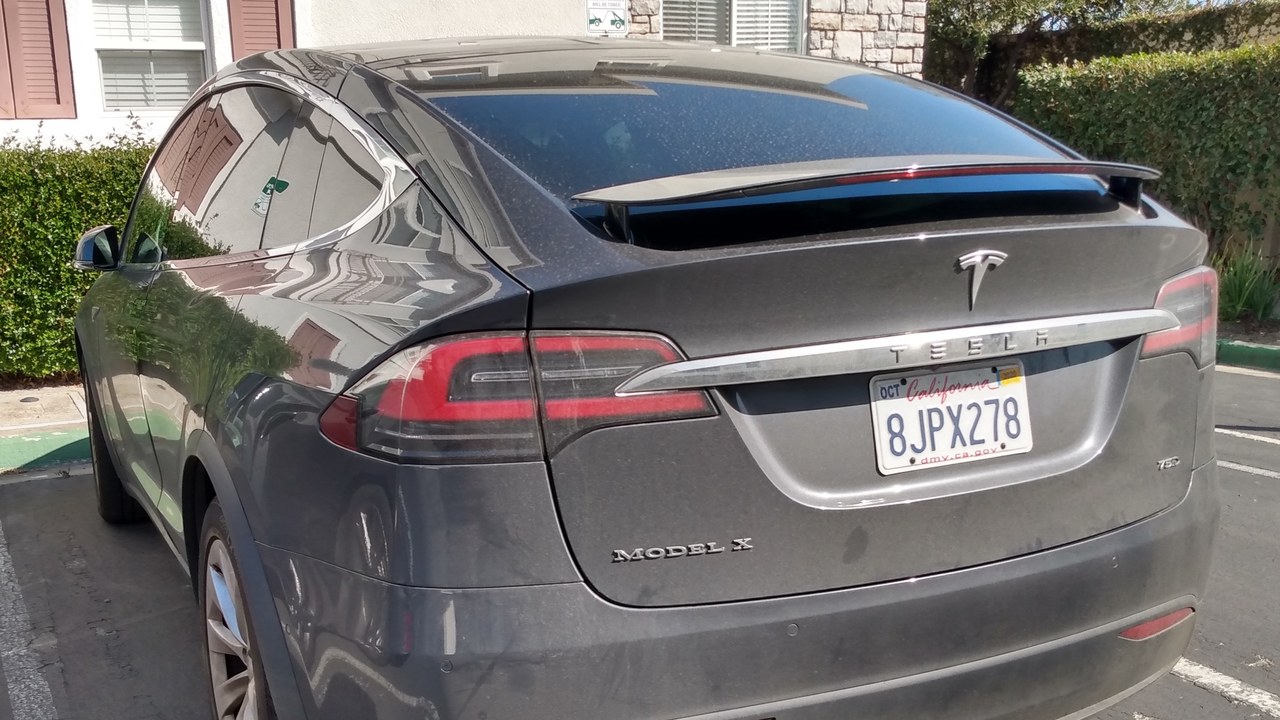
Measured in dollars rather than percentages, the Tesla Model X leads the study. The same iSeeCars data shows the SUV losing 15.5%, a $9,544 hit, which AutoGuide’s data identifies as the biggest dollar drop among the vehicles measured.
Because the Model X starts at a high price, even a modest percentage decline translates into a large sum. That is a reminder for owners that a similar percentage on a pricier vehicle costs far more cash when it comes time to sell or trade in. Prospective used buyers can read the same number as an opportunity, since the market is clearly willing to discount these SUVs.
7. Jeep Gladiator: Pickup Slips Quietly
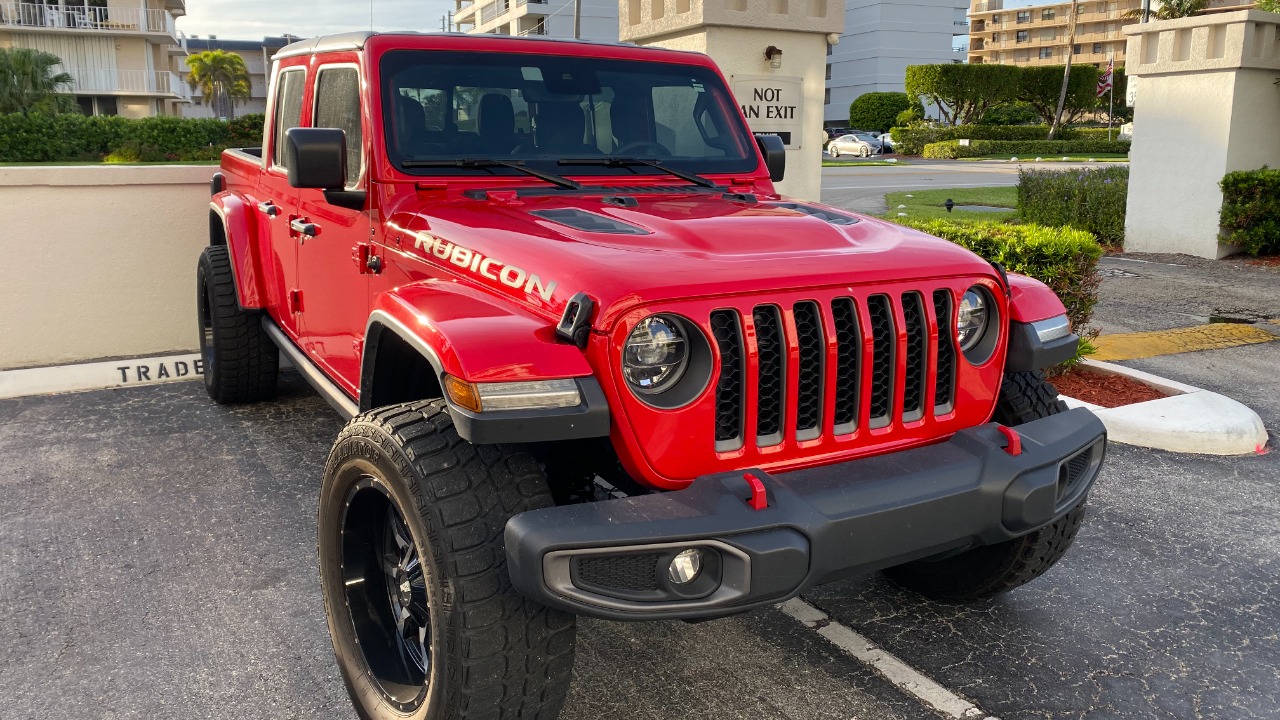
Jeep’s midsize truck appears on the list with a far gentler decline than the electric models around it. Over the last year, the Gladiator pickup fell 9.6%, about $3,642, in the iSeeCars data summarized by AutoGuide’s summary.
That is well under half the dollar loss seen for the Model X, which suggests that a rugged, well-liked body-on-frame truck holds value better than expensive electric rivals even when it still makes the list. Owners should read it as a mild correction rather than a collapse. Shoppers considering a used Gladiator may still find slightly softer prices than a year earlier, which helps on a vehicle that rarely comes cheap.
8. Porsche Taycan: Luxury Electric Cools Off
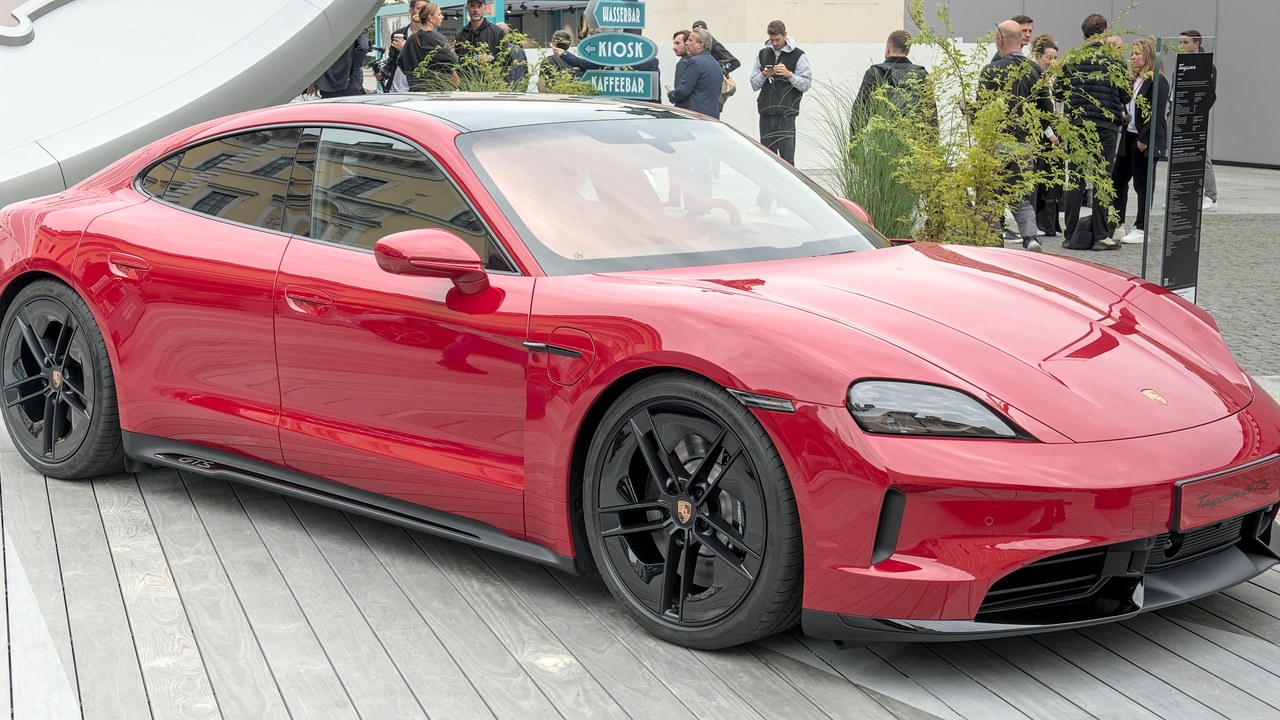
Porsche’s electric sedan also appears in the twelve-month data. Used Taycan values dropped 7%, or $5,862, according to AutoGuide’s list, a smaller percentage than the Teslas but still a notable sum on a performance car.
The figure reflects how quickly used prices adjust when buyers weigh a luxury electric car against newer competitors and ongoing price changes in the segment. For an owner, a 7% annual slide is manageable compared with the first-year drops seen elsewhere in this ranking. For a buyer, it signals that the Taycan has settled into more predictable territory after the steeper early losses typical of new electric models.
9. Volkswagen ID.4: Five-Year Loss Tops Sixty Percent
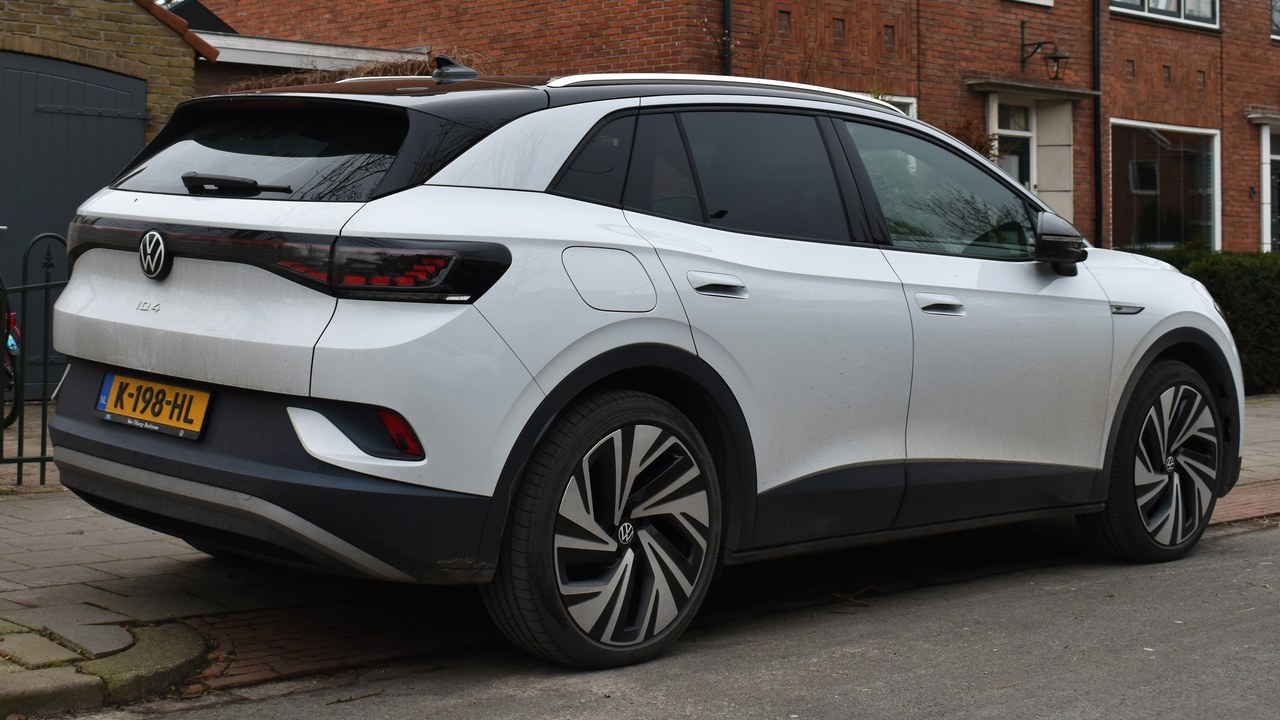
Over a longer horizon, the Volkswagen ID.4 stands out. iSeeCars data reported by MoneyLion’s five-year breakdown shows the electric crossover giving up 62.1% of its value over five years, an average of $28,010.
The number comes from a pool of roughly 950,000 five-year-old used sales, so it reflects real transactions rather than estimates. For a long-term owner, it means the car retains well under half of its original price by the time a typical loan ends. Buyers who wait out the first several years can pick up an ID.4 for far less than its original window sticker demanded.
10. Land Rover Range Rover: Largest Dollar Loss in Five Years
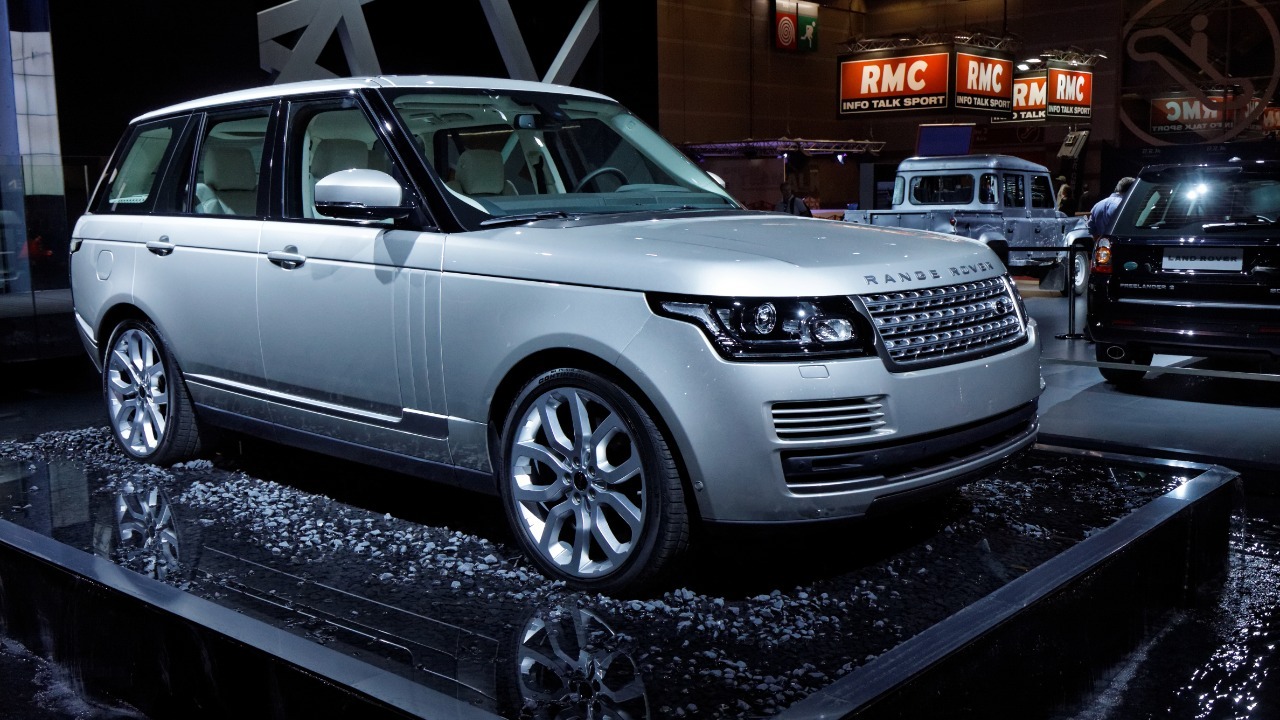
No vehicle in the five-year study lost more cash than the Range Rover. The luxury SUV loses 61.7% across five years, an average of $69,856, according to MoneyLion’s five-year study, the largest dollar loss iSeeCars measured.
The percentage is nearly identical to the ID.4’s, yet the dollar amount is far larger because of the starting price. For an original owner, that is a steep cost of keeping a flagship SUV for half a decade. For a used buyer, a five-year-old Range Rover can represent a substantial discount, though maintenance costs on older luxury models remain a separate matter to budget for.
The tech news worth your time: Subscribe to Techpresso →
We may earn a commission if you sign up.
More from Morning Overview
- Ford is recalling 223,472 F-150 pickups because the fuel tank can leak or detach
- Hybrids have 15% fewer problems than gas cars, while EVs and plug-in hybrids have about 80% more, Consumer Reports finds
- Regulators cleared the first U.S. small modular reactor, 4 months early
- Lake Powell sank to a record 3,517 feet, nearing the level that stops Glen Canyon Dam’s turbines
