
Child-seat anchors are meant to make installation simple, yet IIHS testing showed that many popular vehicles made the job harder than it should be. Two evaluation rounds, one of 102 vehicles and a later one of 170, flagged a handful of models as poor. Here are eleven cars, minivans and pickups that earned that rating, starting with the one IIHS called most glaring.
Stay ahead on AI: Join 600,000+ professionals who read The Deep View, the daily newsletter that keeps you up to date with artificial intelligence.
We may earn a commission if you sign up.
1. Toyota Sienna: Most Glaring of the Bunch
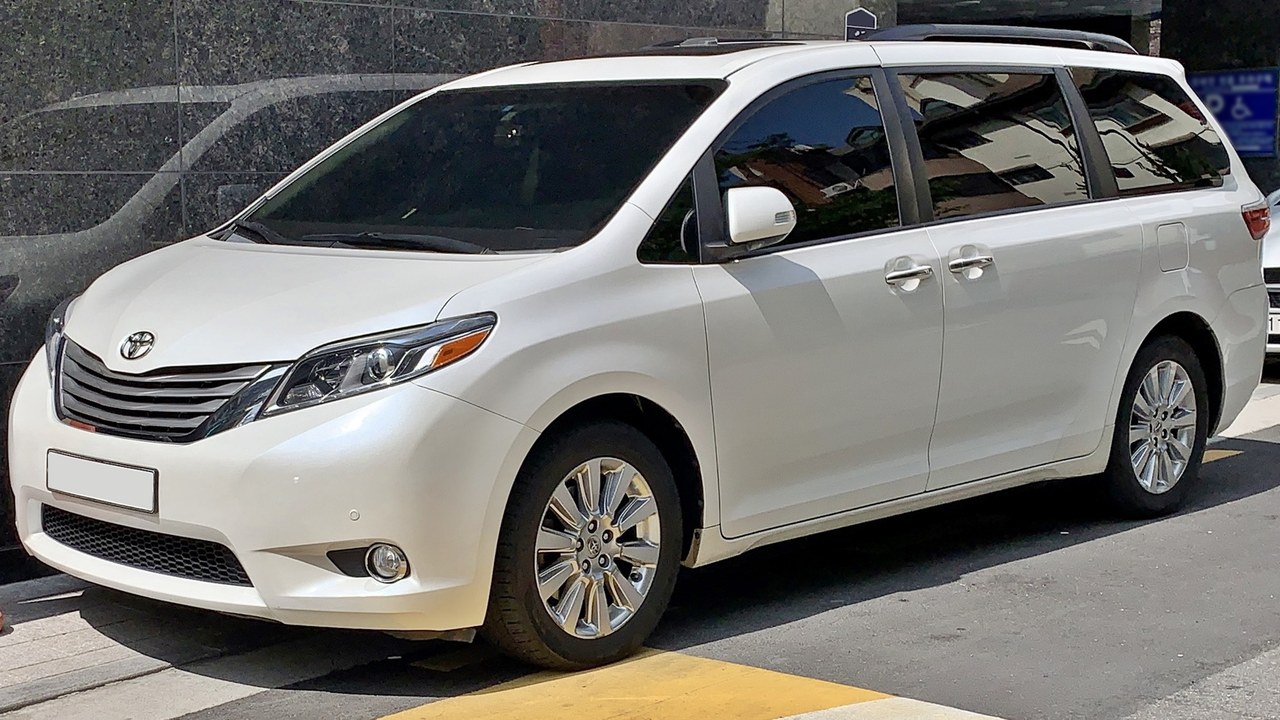
In its first LATCH ease-of-use evaluation, covering 102 vehicles, the Institute for Highway Safety gave the minivan a poor mark and said IIHS singled out the Sienna as the worst example in the group. Only 3 of those 102 vehicles earned a good rating, with 44 acceptable, 45 marginal and 10 poor.
The rating measures how easy the child-seat anchors are to find and use, not how well the van protects passengers in a crash. For a family hauling several car seats, though, buried or awkward anchors turn every installation into a struggle, which is exactly what the rating was built to expose.
2. Lexus ES: A Luxury Sedan Stumbles
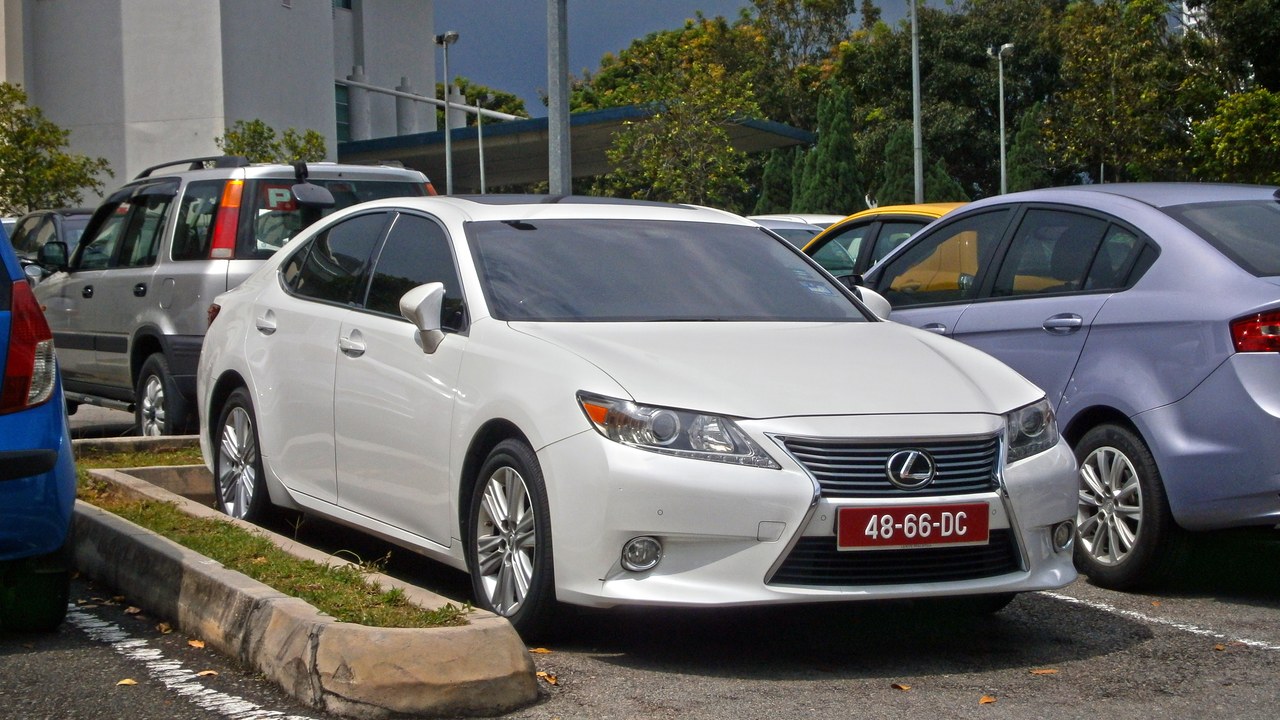
Luxury badges guaranteed nothing here. Among 102 vehicles evaluated, the Lexus ES among ten poor performers, one of only 10 models that IIHS rated poor for LATCH ease of use. Just 3 vehicles in the whole round managed a good score, which put the ES in the bottom tier of a very short list.
A poor rating points to anchors that are hard to reach, hard to see or hard to connect without struggling. Buyers planning to install a child seat should test the fit in person, since a high price says nothing about rear-seat engineering.
3. Mazda 6: Midsize Family Sedan, Poor Anchors
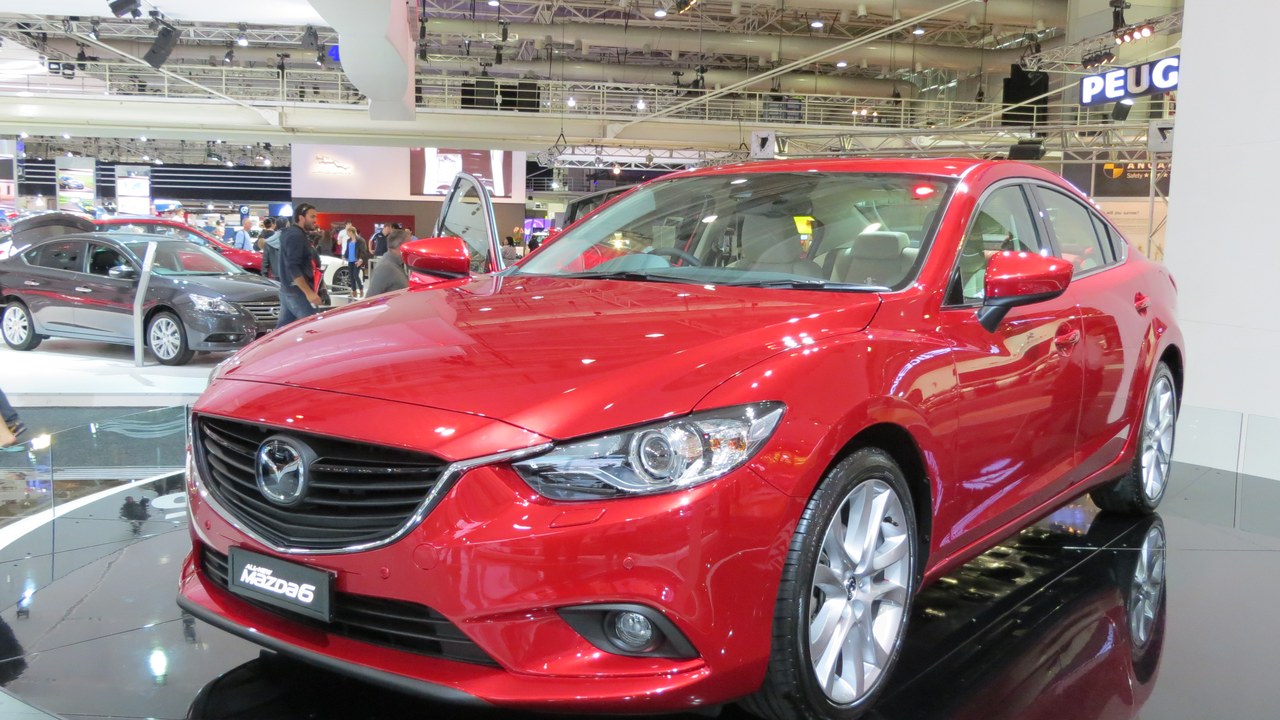
Mazda sells its midsize sedan as a driver-focused family car, yet the Mazda 6 landed in the bottom 10 of 102 vehicles with a poor LATCH ease-of-use rating. In that first evaluation, 44 vehicles were acceptable and 45 marginal, so a poor mark meant the model trailed nearly the whole field.
Shoppers installing a child seat should know that the rating covers hardware usability only, and crash protection is judged separately. Even so, anchors that fight back can lead to loose installations, so a trial fit with the actual seat before purchase is the practical response.
4. Nissan Altima: Popular Sedan, Poor Rating
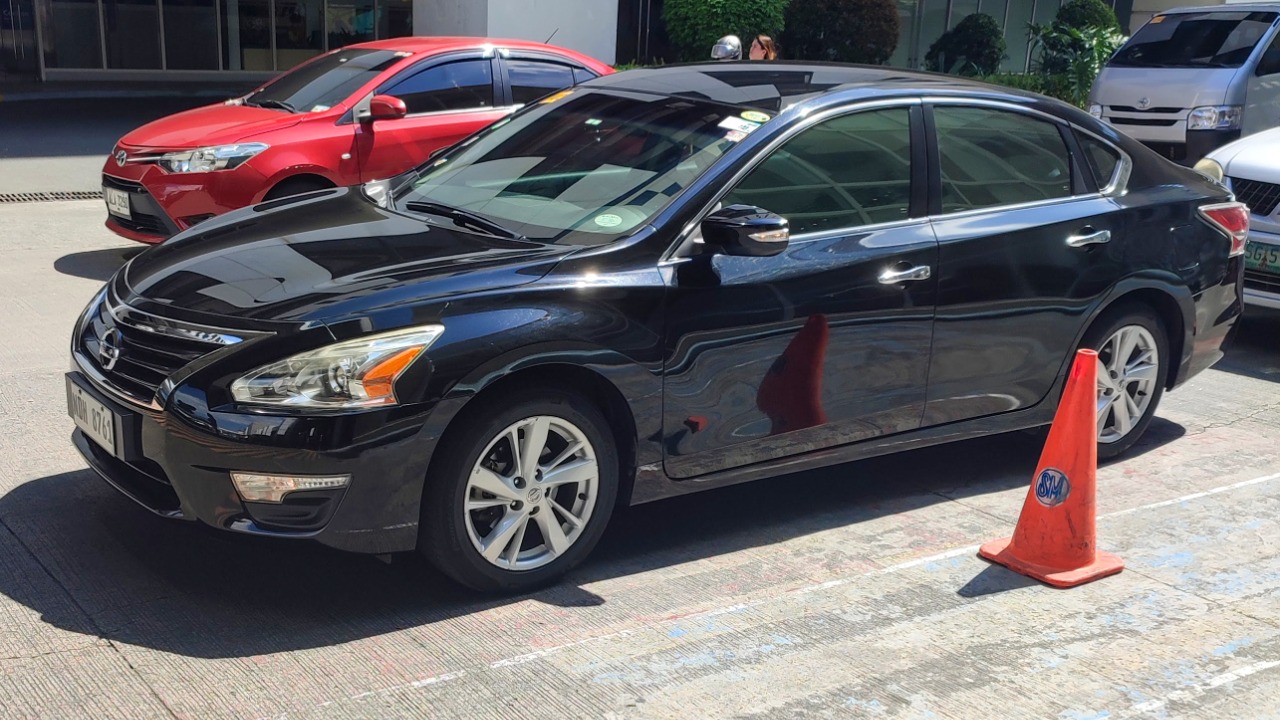
A mainstream midsize sedan showed up on the wrong side of the scorecard, because IIHS found the Nissan Altima earned a poor LATCH ease-of-use rating in its 102-vehicle round. Only 10 vehicles in that group ended up with the lowest grade, so the Altima was an outlier among mainstream family cars.
Family sedans like this one often carry infants and toddlers, so the finding mattered to many households. A poor result does not mean the anchors are absent or unsafe, only that connecting a seat can take more effort, patience and sometimes tools than parents expect.
5. Toyota Tundra: Big Truck, Tricky Anchors
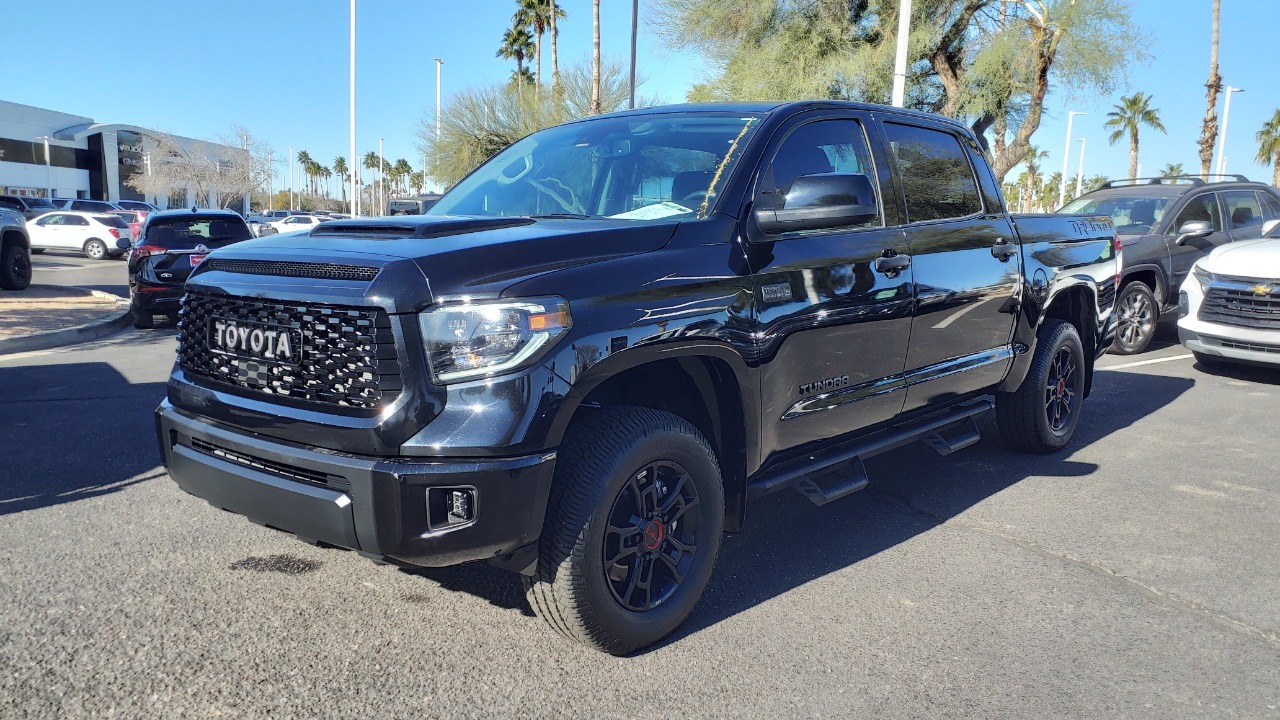
Size offered no shortcut to easy child-seat installation, and large pickups IIHS rated poor, with the Toyota Tundra among them, in the 102-vehicle LATCH evaluation. Of the full group, 3 earned a good grade, 44 acceptable, 45 marginal and 10 poor.
Crew-cab pickups often serve as family vehicles, with a roomy rear bench that seems ideal for car seats. The poor mark is a reminder that room alone does not make anchors accessible, so owners who carry children should check where the hardware sits before settling on a seat.
6. Chevrolet Silverado 1500: An Eight-Vehicle Blacklist
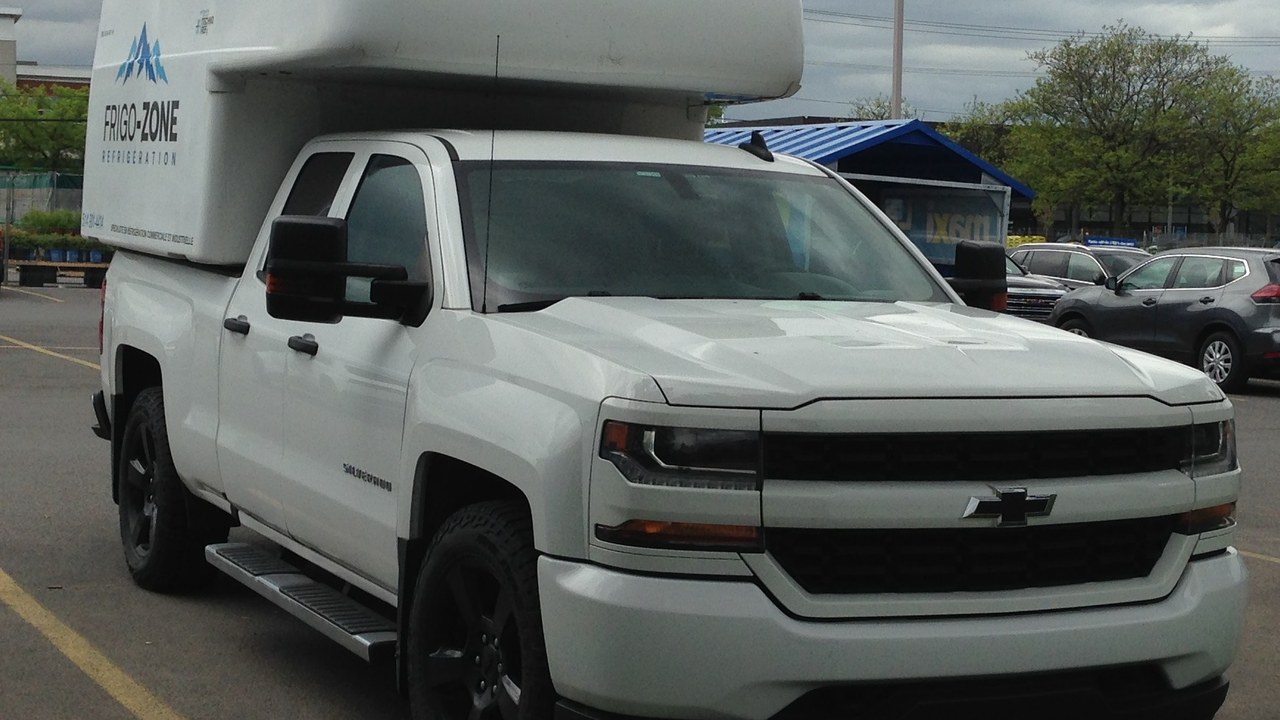
A later and much larger IIHS round, announced in September 2016, covered 170 models, and IIHS listed the Chevrolet Silverado 1500 Crew Cab among just eight vehicles scoring poor. The same release counted 3 good-plus, 9 good, 77 acceptable and 73 marginal ratings, which left the poor group a small and conspicuous club.
Those ratings describe the model years tested in 2016, not later redesigns, so a newer Silverado cannot be assumed to share the result. Anyone shopping used should look up the specific model year rather than assume the result carries over.
7. Hyundai Accent: Small Hatchback, Hard Hardware
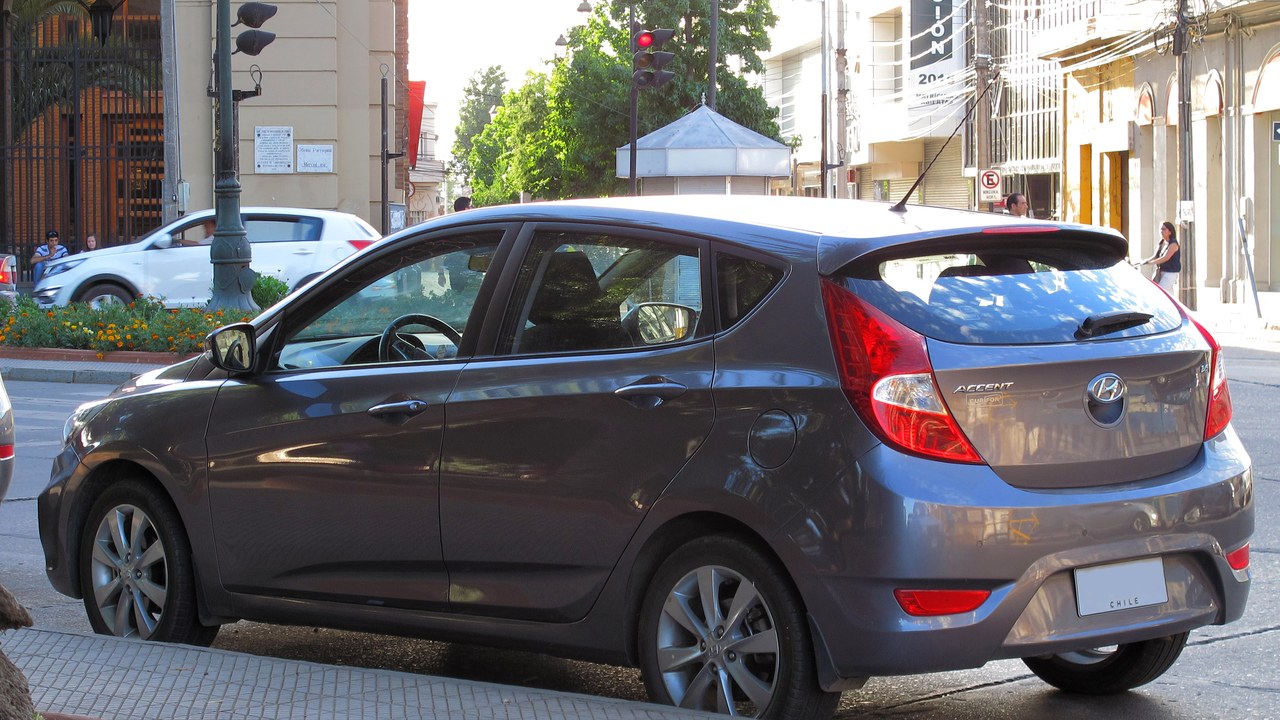
Subcompact price tags often attract first-time parents, which makes it notable that IIHS named the Accent hatchback among the eight poor-rated vehicles when it evaluated 170 models in 2016. Only three vehicles in that entire round earned the top good-plus grade, so the Accent sat at the opposite extreme.
The finding speaks to the hardware in that era’s model, and the evaluation says nothing about crash performance. Families considering a used Accent with an infant seat can reduce frustration by test-fitting before buying, because a cramped rear seat and recessed anchors make a difficult combination.
8. Ford Fiesta: Two Body Styles, Same Problem
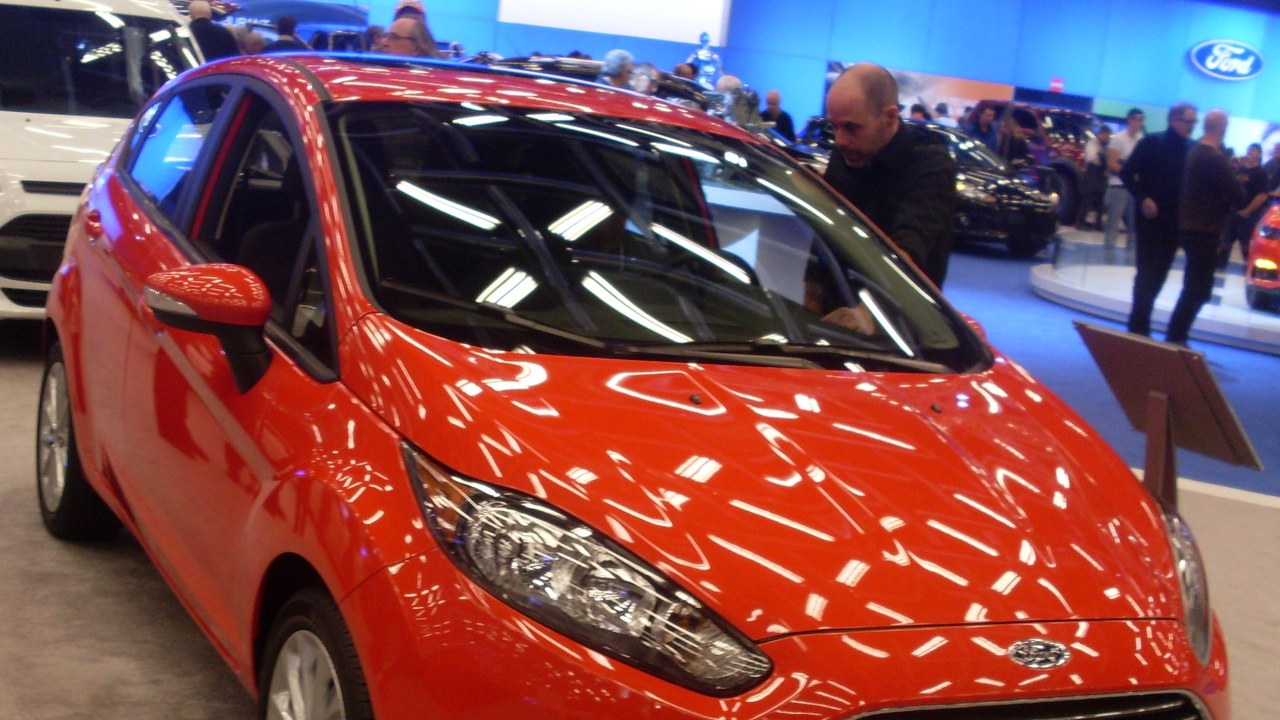
The poor-rated list was not limited to one body style, because the IIHS release table shows the Ford Fiesta in both hatchback and sedan form, taking two of its eight poor entries. The sedan and the hatchback both missed the mark in a round that rated 170 vehicles and put 73 in the marginal category.
That result suggests the shortfall came from the shared rear-seat design rather than a trim detail. Owners of a Fiesta from that period who struggle with a child seat are therefore not imagining the difficulty, and a different seat with a simpler connector style may help.
9. Infiniti Q70: Luxury Sedan, Poor Mark
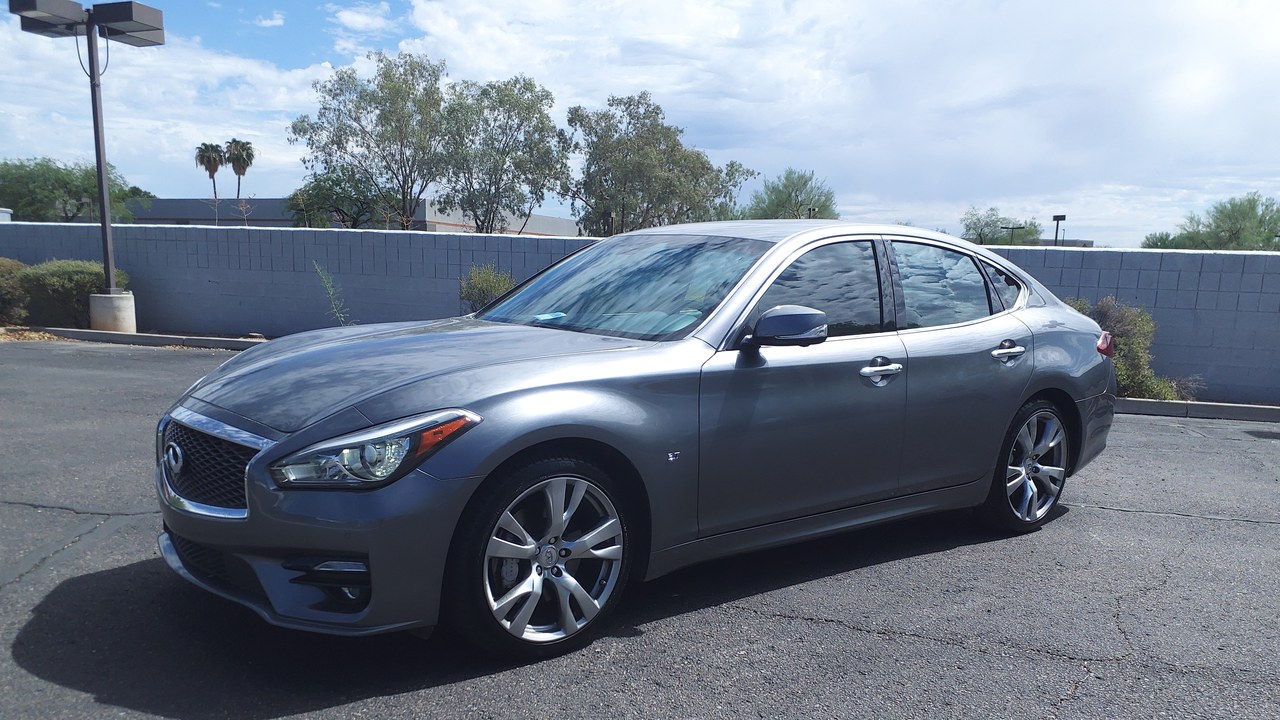
Infiniti sold its sedan on comfort and refinement, but the IIHS table places the Infiniti Q70 in the poor row, one of just 8 poor results out of 170 vehicles rated in 2016. Standing out in that small group was hardly the distinction a luxury brand seeks.
The rating reflects ease of use for child-seat anchors, not crash protection, and applies to the model tested at that time. A family buying one used should plan extra time for installation, and it makes sense to confirm that the preferred seat actually connects cleanly.
10. Infiniti QX50: Compact Crossover, Poor Anchors
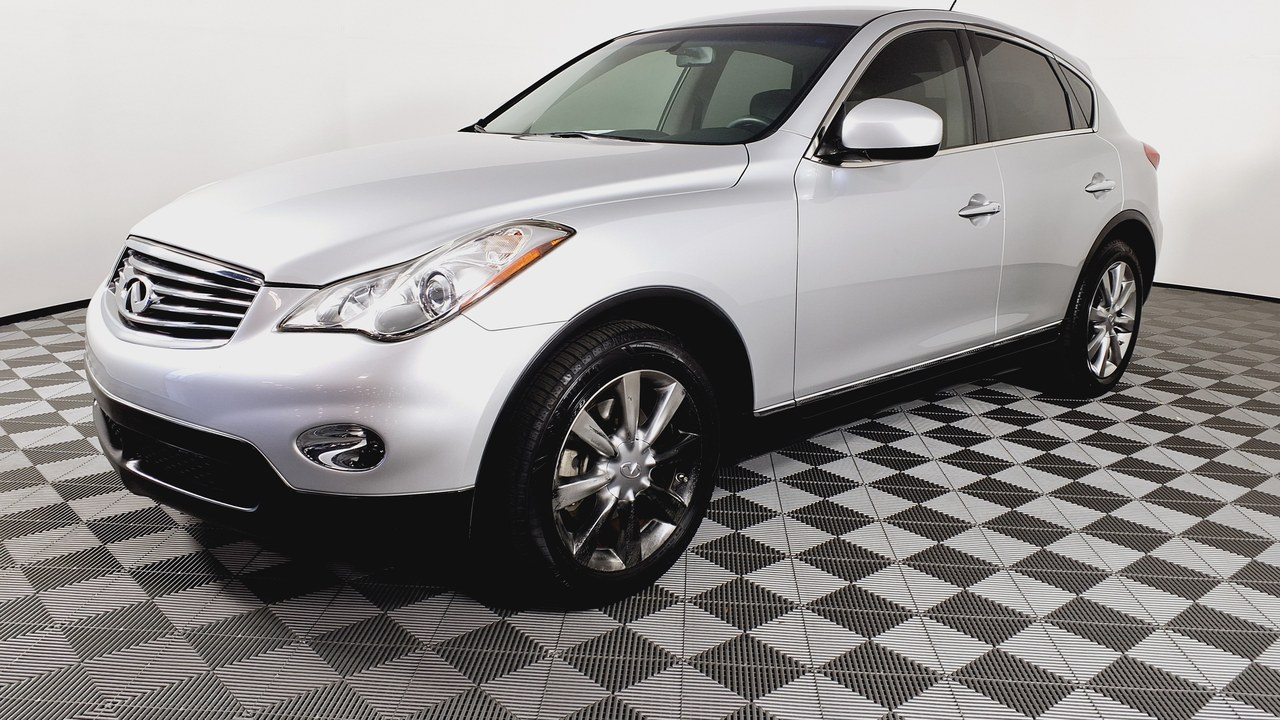
Small luxury crossovers are popular with young families, yet the Infiniti QX50 is listed as poor in the same IIHS table that found only 3 vehicles good-plus out of 170. For a vehicle sold on practicality, the result stood in sharp contrast to the brand image.
The IIHS rating applies to the 2016 model tested, and later model years may differ. Buyers comparing an older crossover with newer ones should treat the result as specific to that round, while still test-fitting any car seat before committing.
11. Subaru BRZ: Last on the List
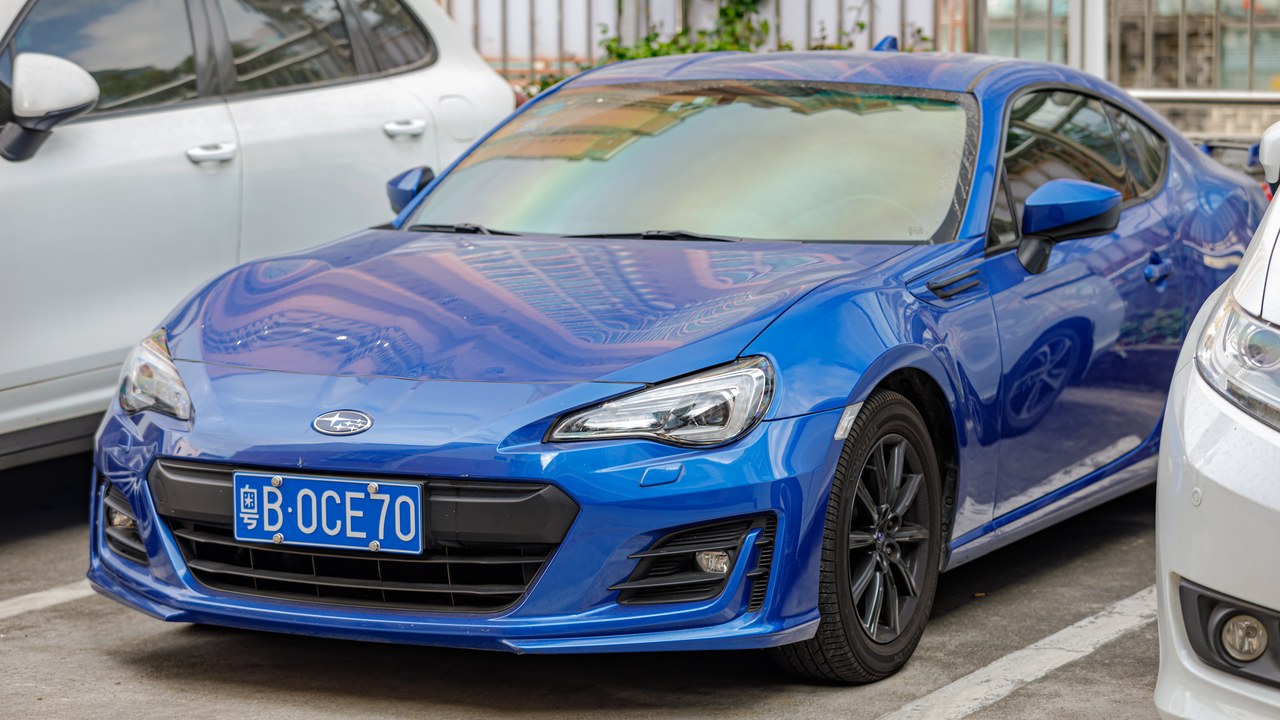
Child seats and sports coupes rarely go together, and the data shows why: the Subaru BRZ closes the poor row as the eighth and last poor result among 170 rated vehicles. It shares that short list with pickups, hatchbacks and luxury sedans.
Rear seats in a coupe like this are a token gesture, so the poor mark surprises few. The rating applies to the model from that 2016 round, and a driver who must carry a child seat in a car like this faces tight space and awkward anchors.
Stay ahead on AI: Subscribe to The Deep View →
We may earn a commission if you sign up.
More from Morning Overview
- Long use of a common prostate pill is tied to a higher chance of glaucoma
- Ford is recalling 223,472 F-150 pickups because the fuel tank can leak or detach
- Hybrids have 15% fewer problems than gas cars, while EVs and plug-in hybrids have about 80% more, Consumer Reports finds
- Regulators cleared the first U.S. small modular reactor, 4 months early
