
Dealers hate watching inventory age, yet some models stay parked far longer than the rest. Two different measures appear below, average days to sell from iSeeCars and market day supply from CarEdge, and they are not interchangeable. Here are eight vehicles that sit longest on dealer lots.
Save more, waste less: The Cool Down’s newsletter sends smart, simple changes that help you and the planet in your everyday life.
We may earn a commission if you sign up.
1. Jeep Cherokee: Slowest Of The Slow
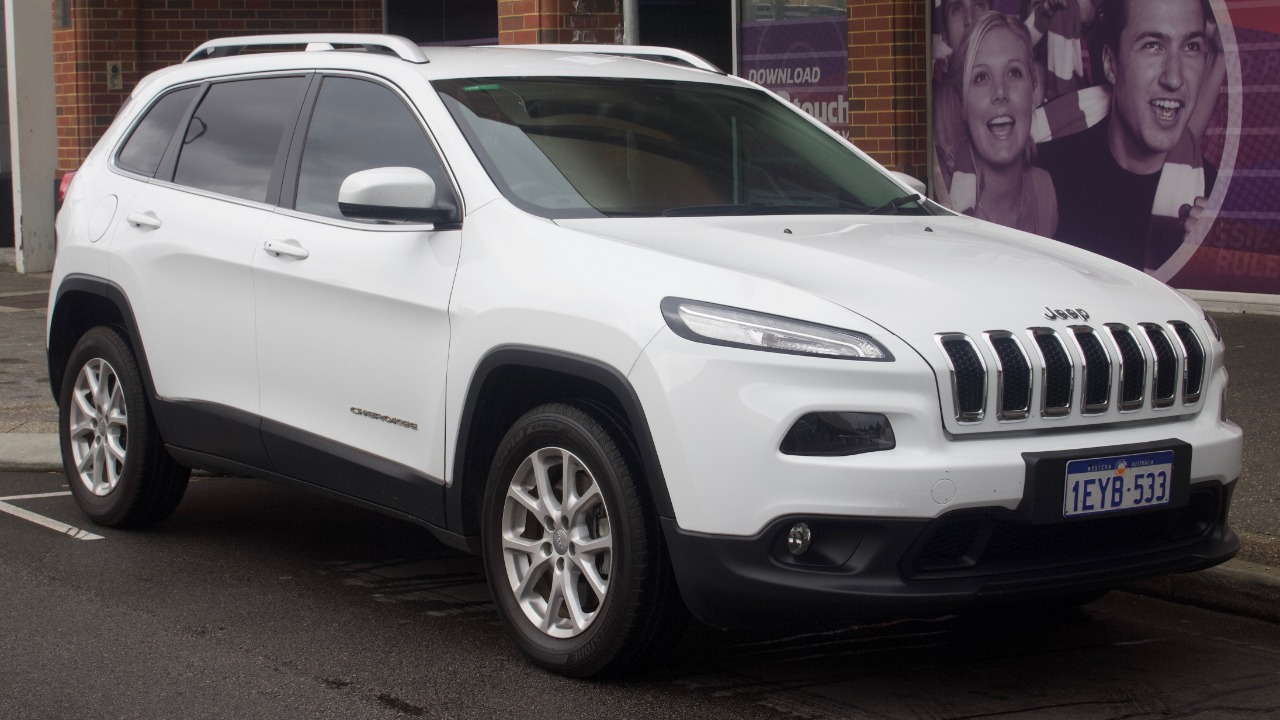
An iSeeCars analysis, as reported by AutoGuide in September 2023, put the Jeep Cherokee at 128.7 average days on market, the longest wait among the ten slowest sellers it listed. That figure is roughly four months of sitting between a dealer taking delivery and a customer signing. It topped the ranking outright rather than merely appearing on it.
For a shopper, a number like that usually signals room to negotiate, since lots carrying aging stock tend to feel pressure to move it. The caveat is that the figure describes one study window, so current dealer inventory can look quite different.
2. Buick Envision: Parked For Weeks
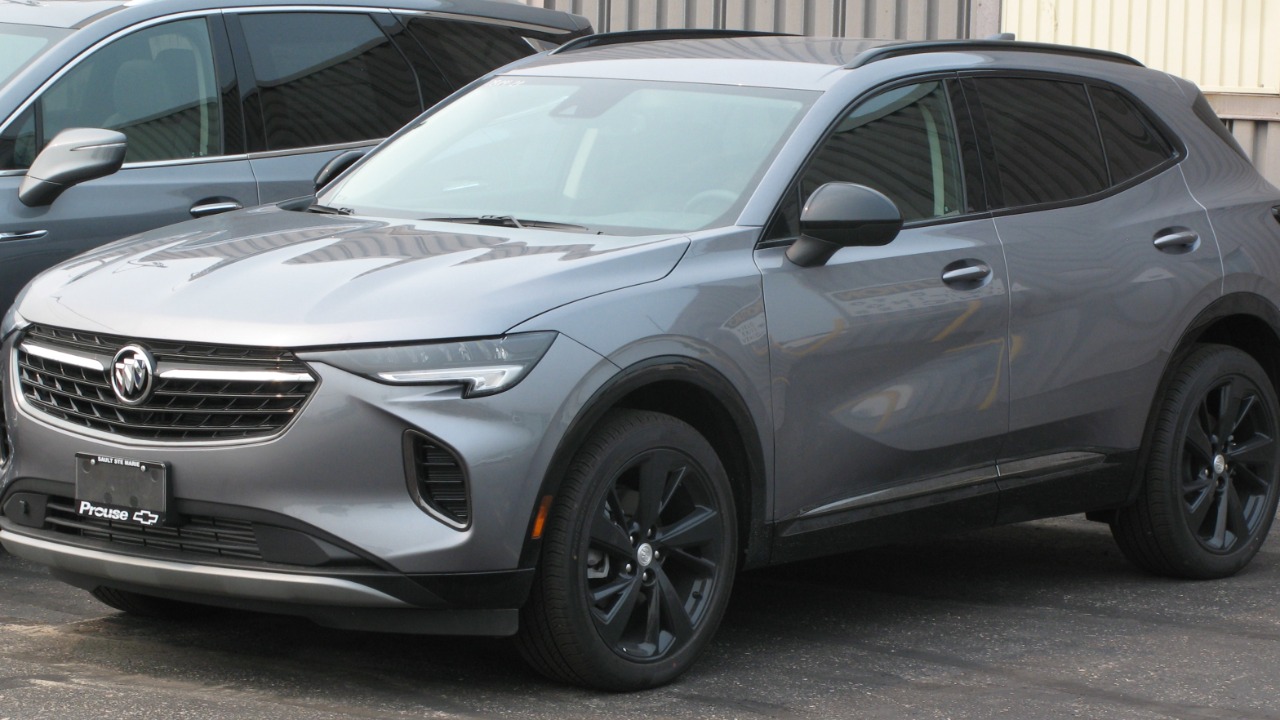
The same list showed the Buick Envision averaging 117.0 days on dealer lots before a buyer turned up, according to the iSeeCars data compiled by AutoGuide. That placed the compact crossover just behind the Cherokee in the ranking, and well beyond what most dealers consider a healthy turn for a nameplate that should be competing in a busy segment.
The takeaway for buyers is that an Envision on a lot has often been there a while, which can translate into incentives or flexibility on price. Anyone interested may want to compare several dealers, because stock age varies from one lot to the next.
3. Lincoln Nautilus: Luxury Lingers
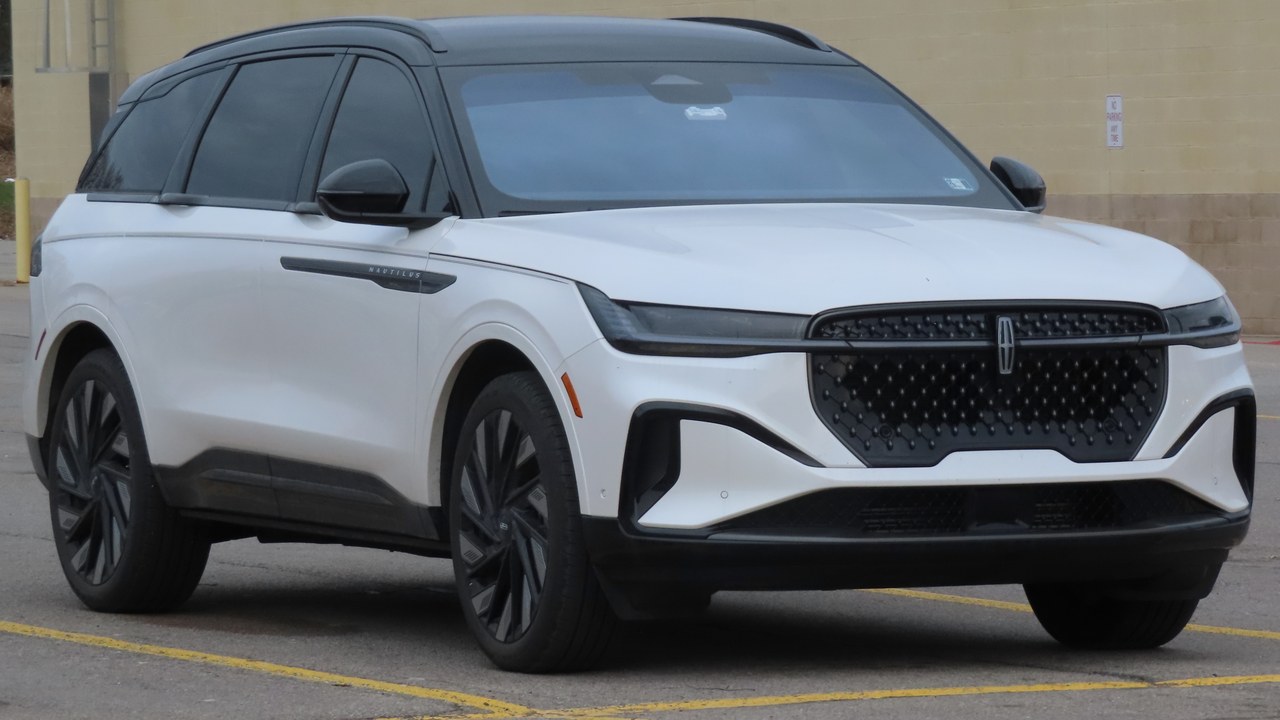
Lincoln’s midsize crossover is described by iSeeCars as the slowest-selling new vehicle in its study, averaging 80.6 days to sell. The study’s overall average was 42.8 days, so the Nautilus took nearly double the typical time to find a buyer. Luxury shoppers evidently browse for longer, or simply choose rivals first.
Because the gap against the average is so wide, the Nautilus is a model where patience on the buyer’s side may be rewarded. A longer sitting period does not say anything about quality, though, and the vehicle itself is not implicated by the number.
4. Lincoln Corsair: Smaller But Still Slow
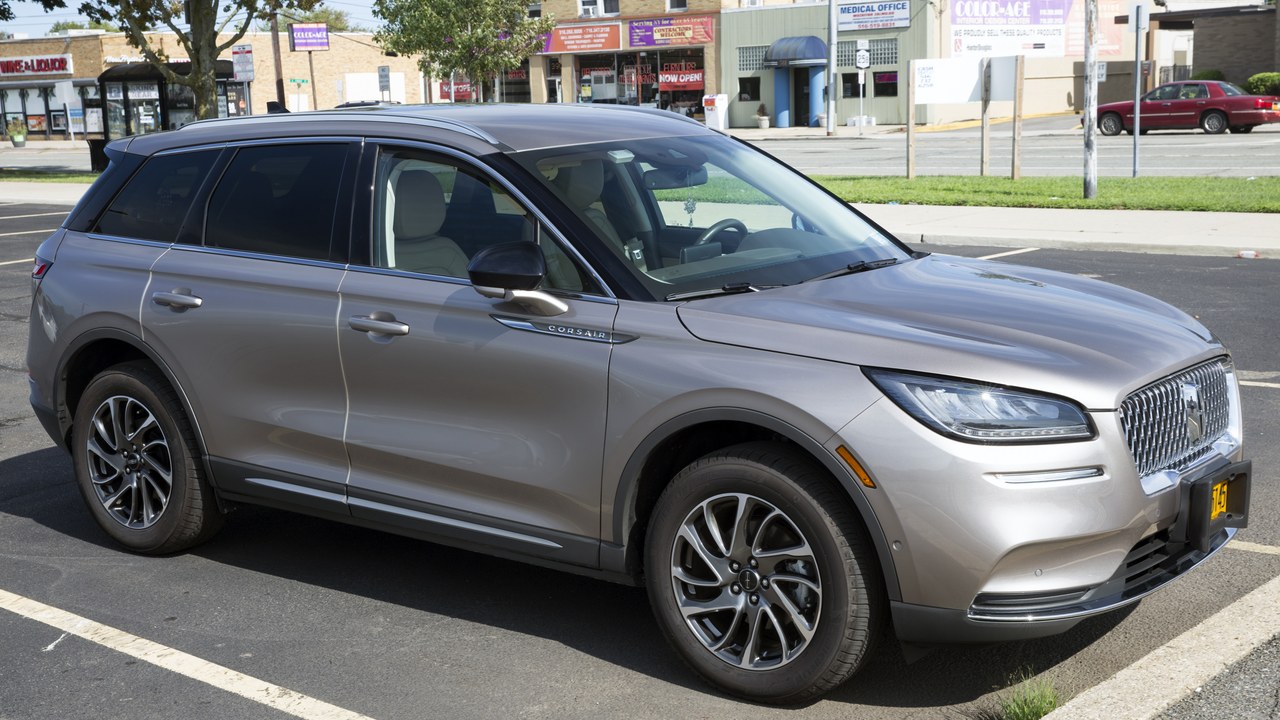
Right behind its bigger sibling, the Lincoln Corsair needed 72.0 average days to sell in the same study, making it the second Lincoln in the five slowest sellers. Against the 42.8-day average for new vehicles, that is a wait of about four extra weeks per unit. Two models from one brand sharing that stretch of the list suggests a brand-level pattern.
For buyers, the Corsair therefore sits in the same negotiating territory as the Nautilus, with dealers likely eager to turn inventory. The honest limitation is that averages blend every trim and region, so a particular car on a particular lot may have moved faster or slower.
5. Ford Explorer: Volume Is No Shield
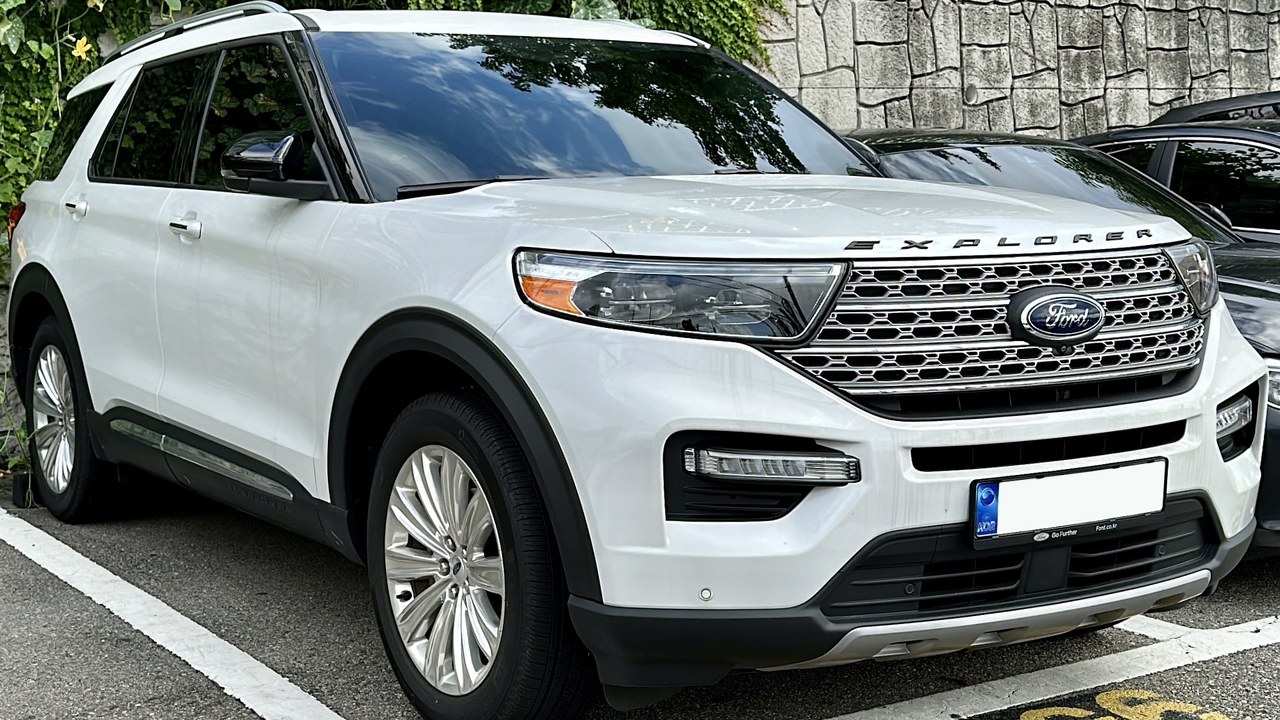
High sales volume did not protect the Ford Explorer, which averaged 60.4 days on the lot in the iSeeCars study. It is among the best-known three-row SUVs in America, so a stay of that length stands out against the 42.8-day average for new vehicles. A big seller can still carry heavy inventory if production and showroom stock run ahead of demand.
The lesson for shoppers is that popularity and speed of turnover are separate things. An Explorer that lingers may be an opportunity, while the broader point is that even mainstream badges end up on lists of cars that dealers struggle to clear.
6. Dodge Charger: Supply Piles Up
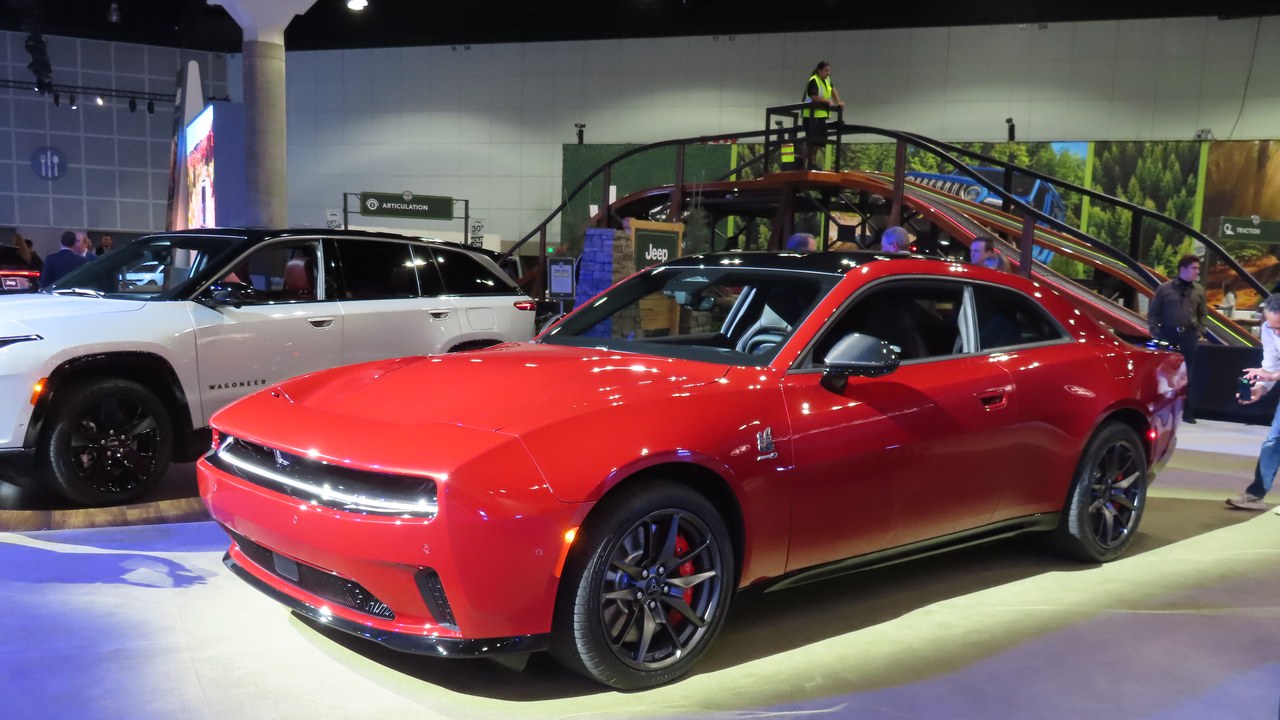
CarEdge’s October 2026 data shows 245 days of market day supply on Charger lots, a measure that divides on-lot inventory by a 45-day average daily sales rate. The 2025 to 2027 Dodge Charger sits ninth in the ranking, and that supply figure is the largest quoted in this list. Put plainly, current stock would take well over eight months to sell.
For anyone considering one, that much inventory points to plenty of choice and plausible discounting. The measure is a supply ratio and not a count of days each car has sat, so it describes how crowded lots are, which differs from the earlier days-to-sell figures.
7. Chevrolet Blazer EV: Electric And Overstocked
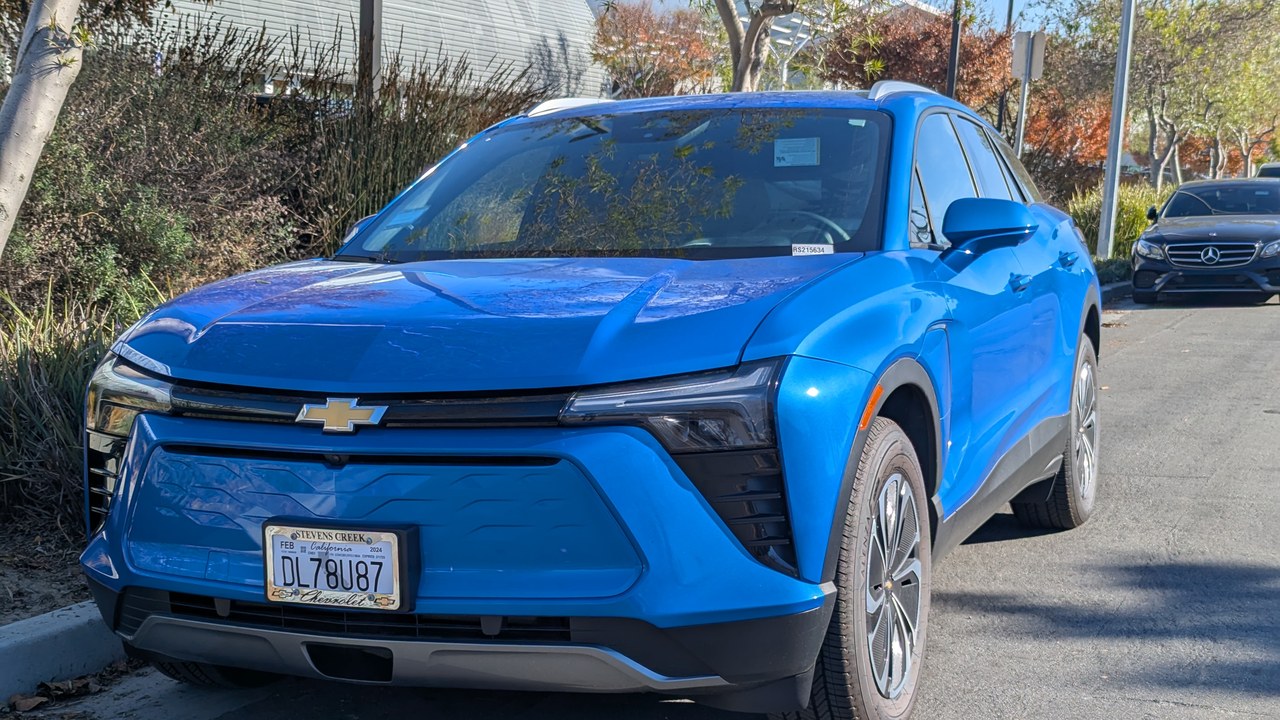
The electric Blazer carries 238 days of market day supply in the CarEdge ranking, which is more than seven months of inventory at the recent selling pace. That is close to the Charger’s total, and it shows an EV crossover piling up on lots rather than flying off them. The measure compares on-lot stock to average daily sales.
Buyers of electric vehicles may find this useful, since heavy stock often brings manufacturer incentives and dealer flexibility. The figure reflects October 2026 conditions only, so it can change quickly as production, pricing or demand shifts over the coming months.
8. Jeep Compass: Compass Points To Surplus
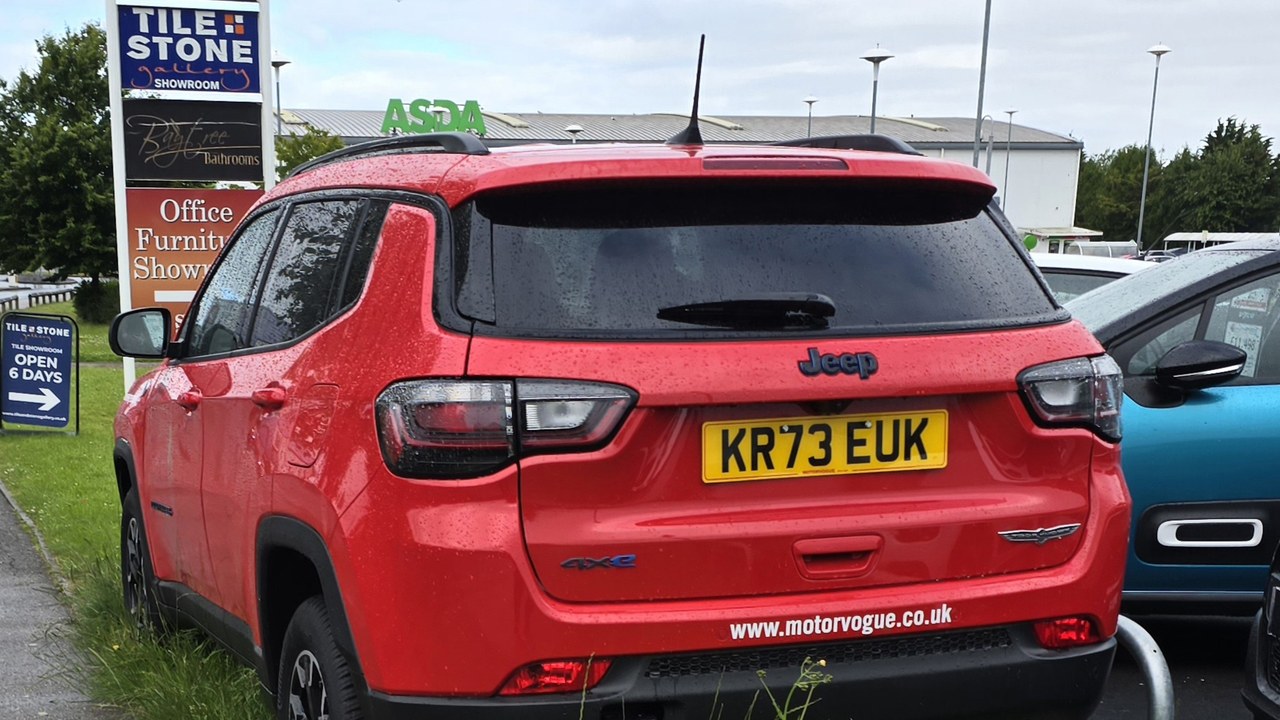
Jeep appears twice on the broader list, and the Compass sits on 190 days of market day supply in CarEdge’s October 2026 ranking. That is about six months of inventory at the current rate of sales. The Compass is the lowest of the three CarEdge figures here, yet it remains several times what a healthy lot would normally carry.
The sensible reading for buyers is that dealers have room to deal on a model with that much stock behind it. Comparing quotes across lots is worth the effort, and the Cherokee’s earlier entry shows the brand has faced slow turns before.
Save more, waste less: Subscribe to The Cool Down →
We may earn a commission if you sign up.
More from Morning Overview
- Regulators cleared the first U.S. small modular reactor, 4 months early
- Lake Powell sank to a record 3,517 feet, nearing the level that stops Glen Canyon Dam’s turbines
- Seven of Earth’s nine planetary boundaries are breached, and all seven are worsening
- The NSA says three phone features should be off whenever you aren’t using them
