
Chevrolet’s Camaro spent decades chasing the Mustang, trading blows on sales charts and racetracks along the way. The nameplate went from a plain four-seat coupe to supercharged track weapons before the final car rolled out. Here are twelve Camaros that mark the milestones, from the 1967 launch to the 2024 send-off.
Free newsletter: The Cool Down makes it easy to help yourself while helping the planet, with smart, simple changes to save more and waste less in your everyday life.
We may earn a commission if you sign up.
1. Chevrolet Camaro (1967): Pony Car Arrives
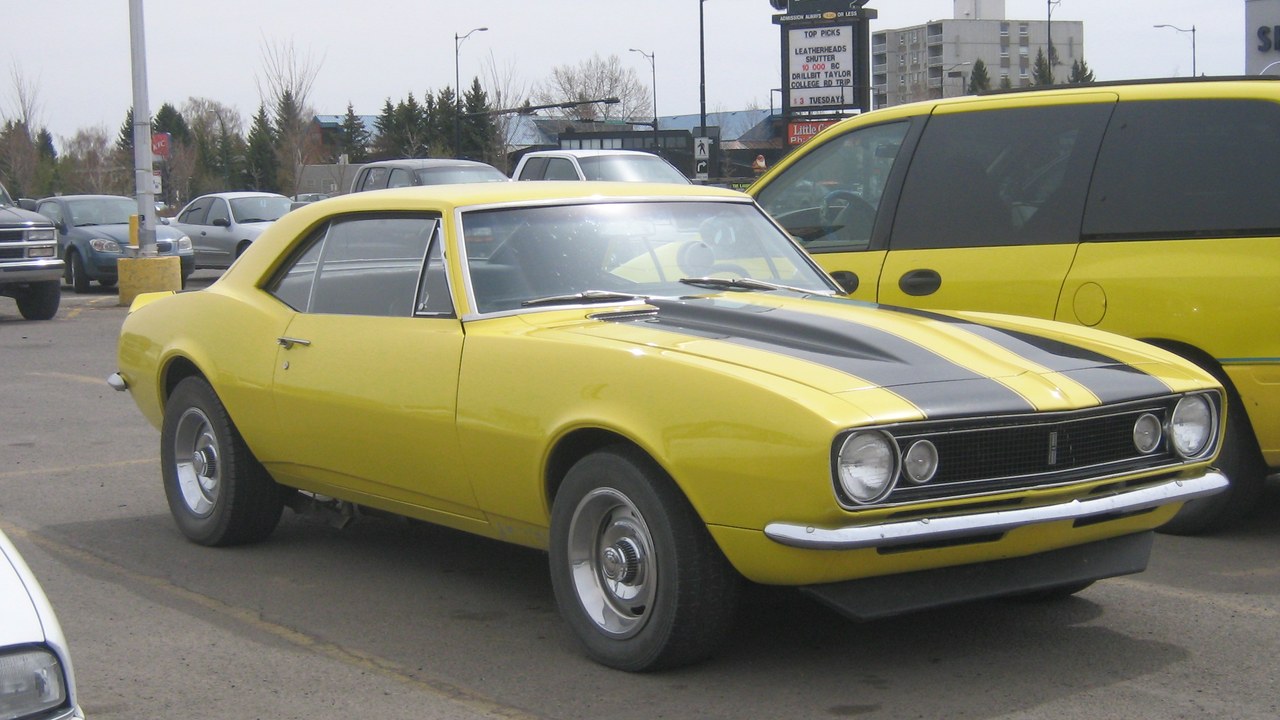
The Camaro debuted Sept. 12, 1966, as a four-seat coupe and convertible with a $2,466 base price. Chevy sold 220,917 that first year, against 472,121 Ford Mustangs.
The numbers show a strong start that still trailed the Mustang by a wide margin. Anyone looking at a first-year car is looking at the model that began the Chevy-versus-Ford rivalry in the pony car class. The plain, affordable coupe is the foundation on which every later Camaro on this list was built.
2. Chevrolet Camaro Z-28 (1967): Built for the Track
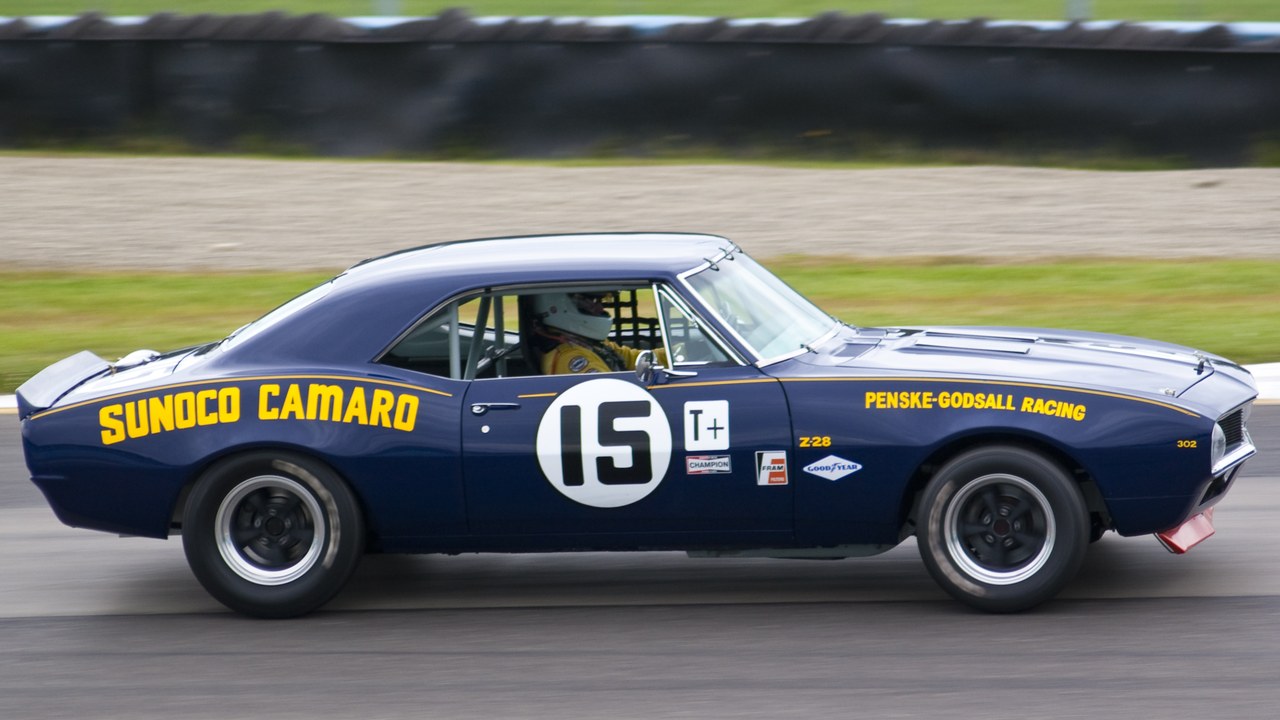
The Z-28 was built to qualify for SCCA Trans Am racing, and its 302-cubic-inch V-8 was rated at 290 hp. Only 602 were built for 1967, and Z-28s won three of 12 Trans Am events.
A homologation special like this ties the Camaro’s road cars directly to its racing program. The tiny production number makes an original 1967 Z-28 a significant find for collectors. Three wins from twelve events was a respectable debut for a car whose purpose was to meet a rulebook.
3. Chevrolet Camaro COPO ZL-1 (1969): The Rarest of the Decade
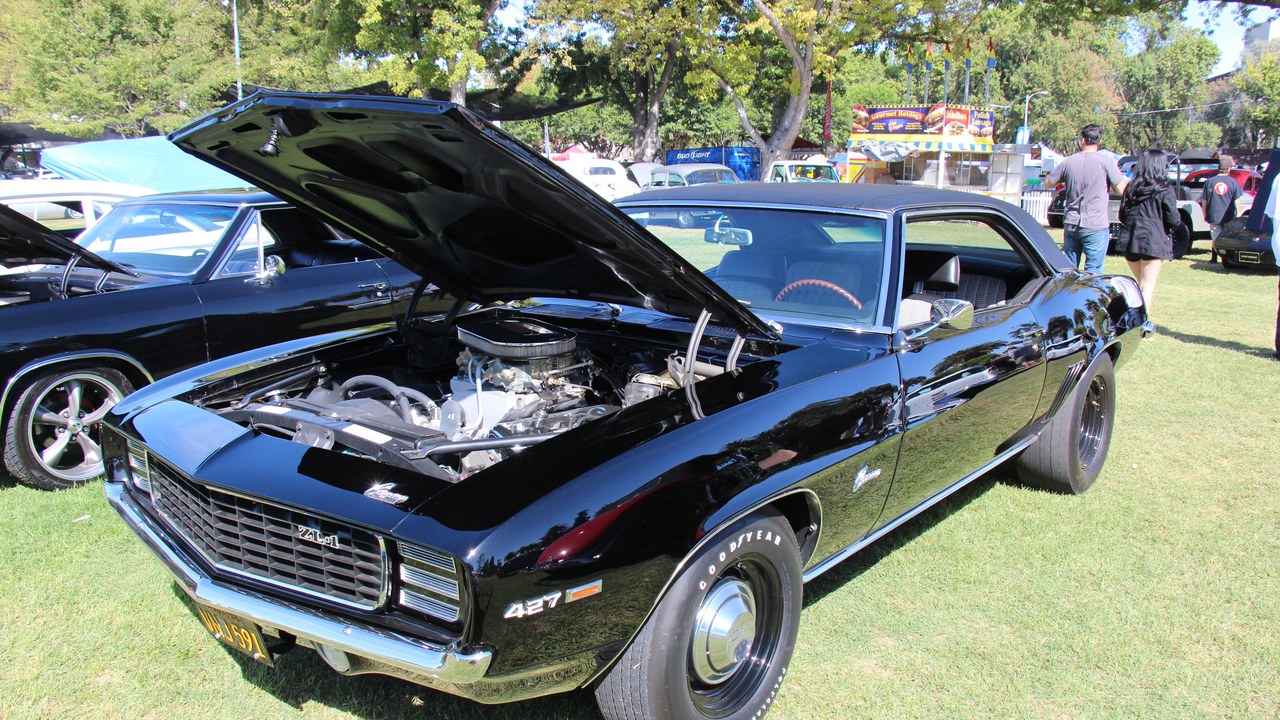
The COPO ZL-1 is the rarest 1960s Camaro, a drag-racing special with an aluminum-block 427 V-8. It was officially rated at 430 hp, though real output likely topped 500, and only 69 were built.
Underrating horsepower on paper was common in the era, so the gap between rating and reality is part of the legend. With just 69 made, few people will ever see one in person, let alone drive one. The car remains a reference point for how extreme a factory Camaro could get in 1969.
4. Chevrolet Camaro Z28 (1970 1/2): Midyear Redesign
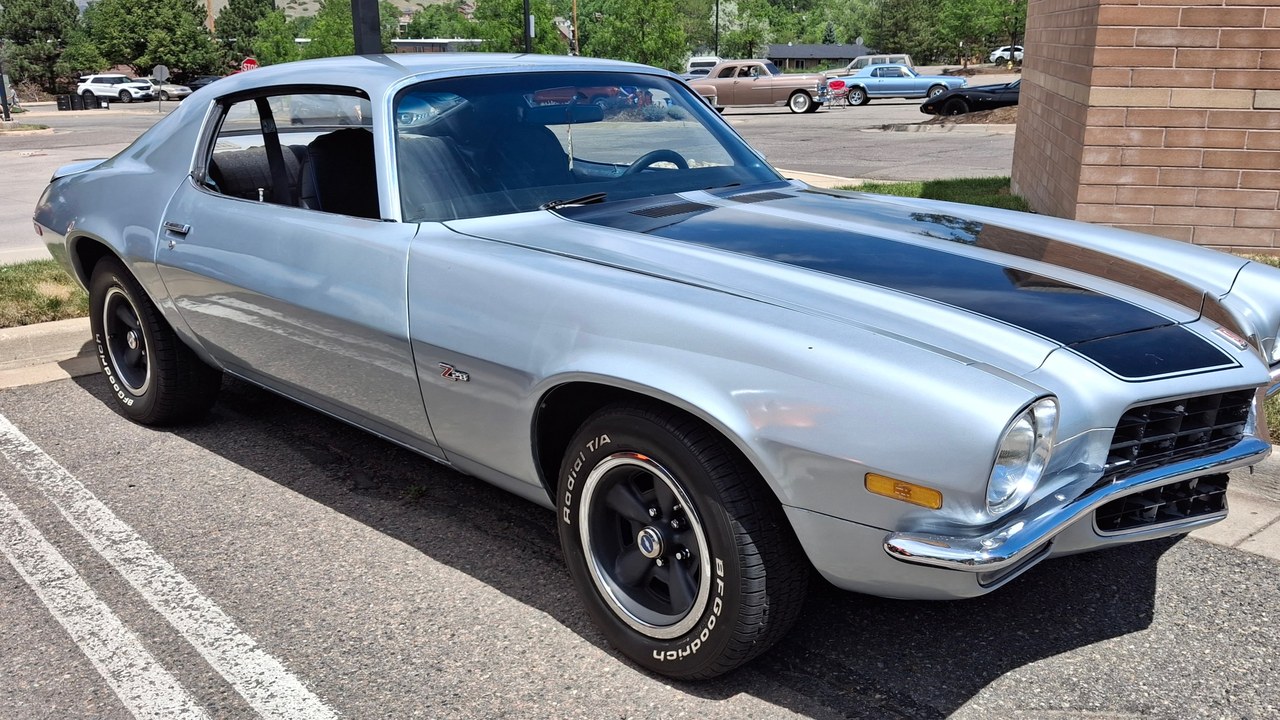
The second generation arrived midyear as a fastback-only 1970 model with no convertible, and the Z28 borrowed Corvette’s LT-1 350. The generation went on to set Camaro’s all-time sales record of 282,571 in 1979.
A car launched halfway through the model year and kept in production for years ended up with the best sales total the nameplate ever posted. The Z28’s Corvette engine gave performance buyers a reason to pay attention. Shoppers who want a classic Camaro with long-term popularity behind it will find this generation easy to understand.
5. Chevrolet Camaro Z28 (1982): Downsized and Reset
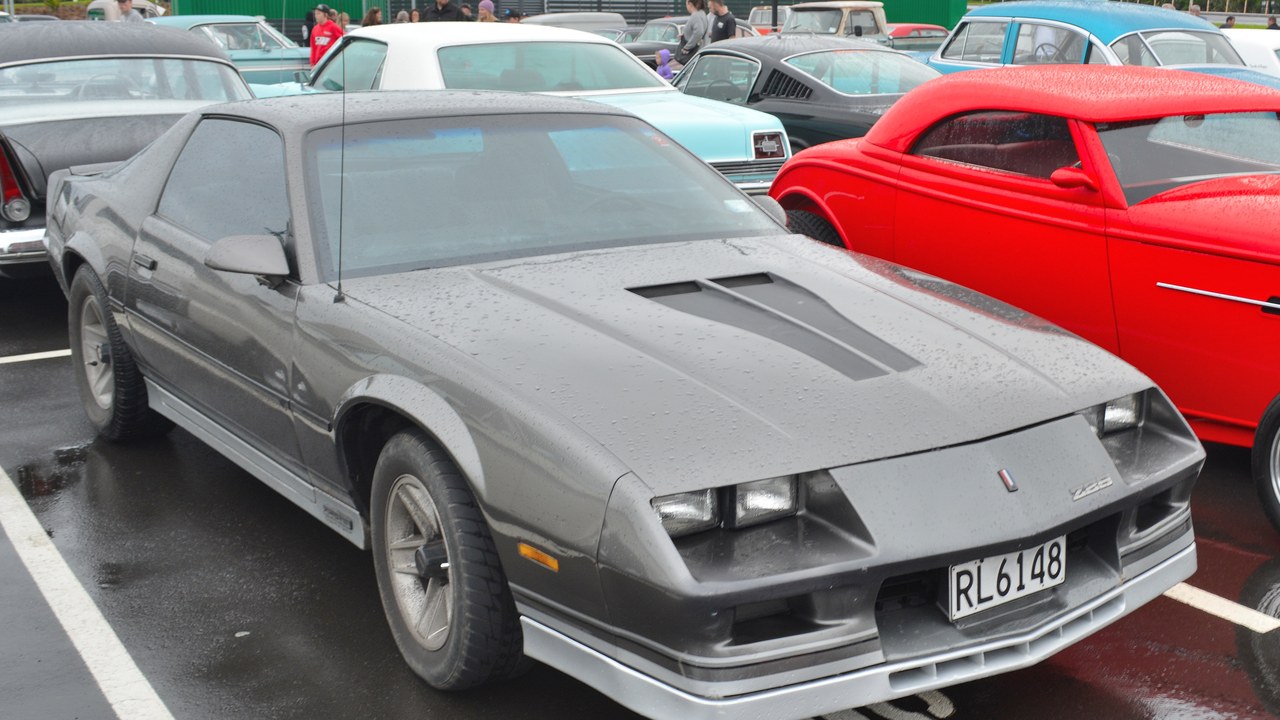
The downsized third generation switched to a coil-spring rear suspension. Buyers mostly skipped the 90-hp Iron Duke four, while the Z28’s 145-hp 5-liter V-8 grew to a 190-hp H.O. for 1983.
The change was a new beginning for the Camaro, with the V-8 carrying the performance image. The jump from 145 to 190 hp in a single year shows how quickly the engineers worked to restore power. For used buyers, the Z28 with the 5-liter is the version that matches the car’s sporty reputation.
6. Chevrolet Camaro IROC-Z (1987): Named for a Racing Series
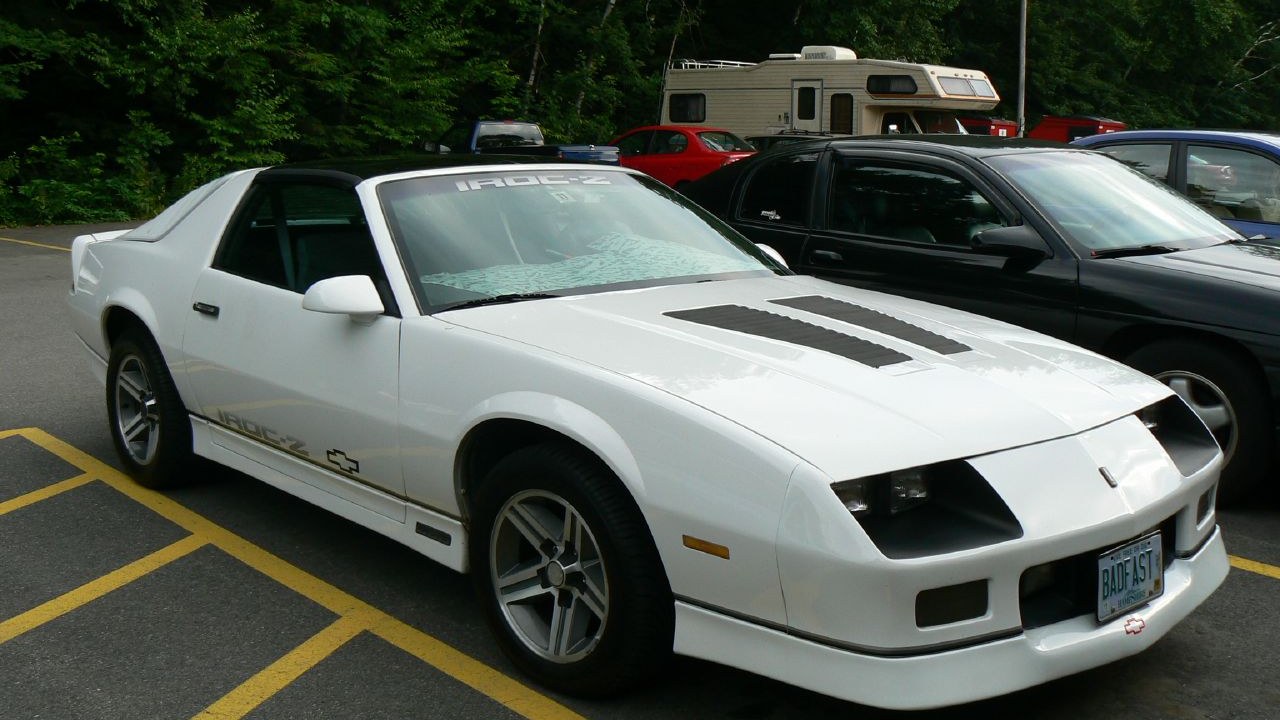
The IROC-Z took its name from the International Race of Champions. For 1987 it offered a 225-hp 5.7-liter V-8, a $1,045 option good for 0-60 mph in 6.3 seconds, and the convertible returned for the first time since 1969.
A racing-series name and a big V-8 made the IROC-Z one of the defining Camaros of the 1980s. The returning convertible widened the appeal for buyers who wanted open-air driving. Because the engine was an option, a car’s original window sticker matters when judging one today.
7. Chevrolet Camaro Z28 (1993): Rakish and Quick
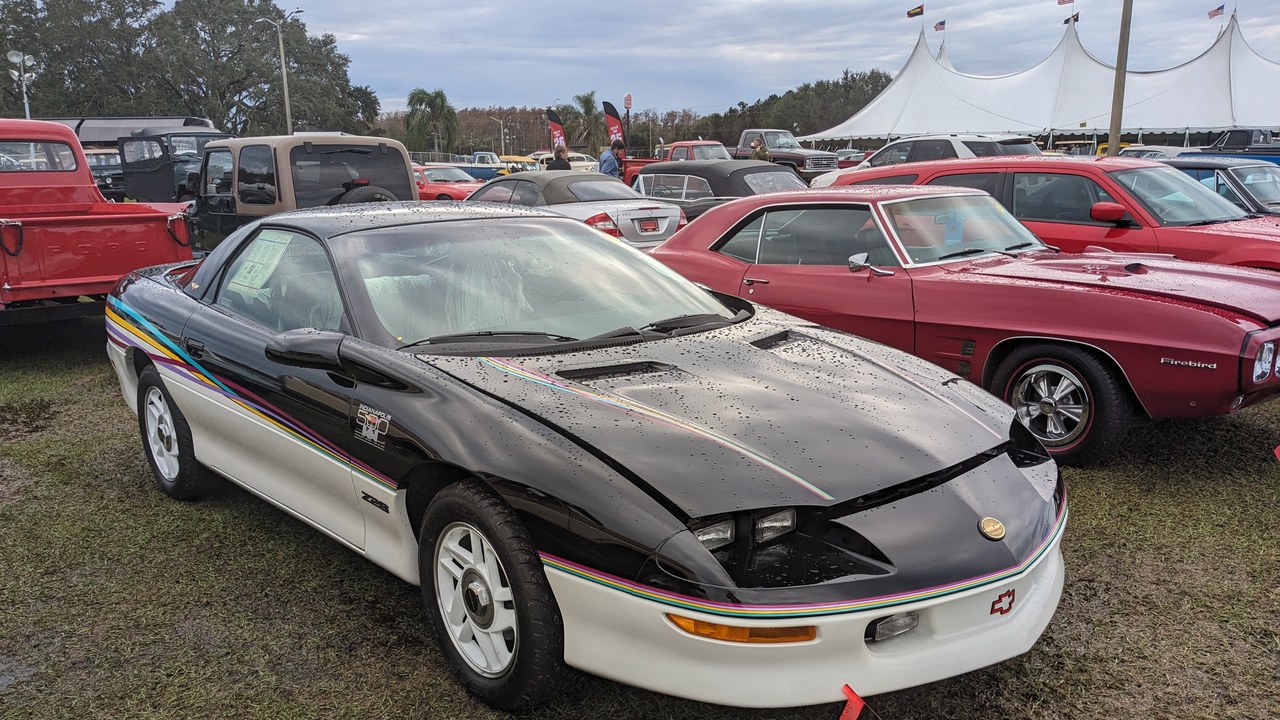
The fourth-generation Z28 packed a 275-hp 5.7-liter V-8 and a six-speed stick, and a 1998 restyle added the aluminum LS1. Sinking sales led Chevy to cancel the Camaro after 2002.
The fourth generation had real performance, yet buyers were not showing up in the numbers needed to keep it alive. That outcome makes the final Z28s of this era both capable and a closing chapter. Anyone shopping for a late-1990s Camaro gets a quick car whose production run ended on a down note.
8. Chevrolet Camaro SS (2010): The Revival
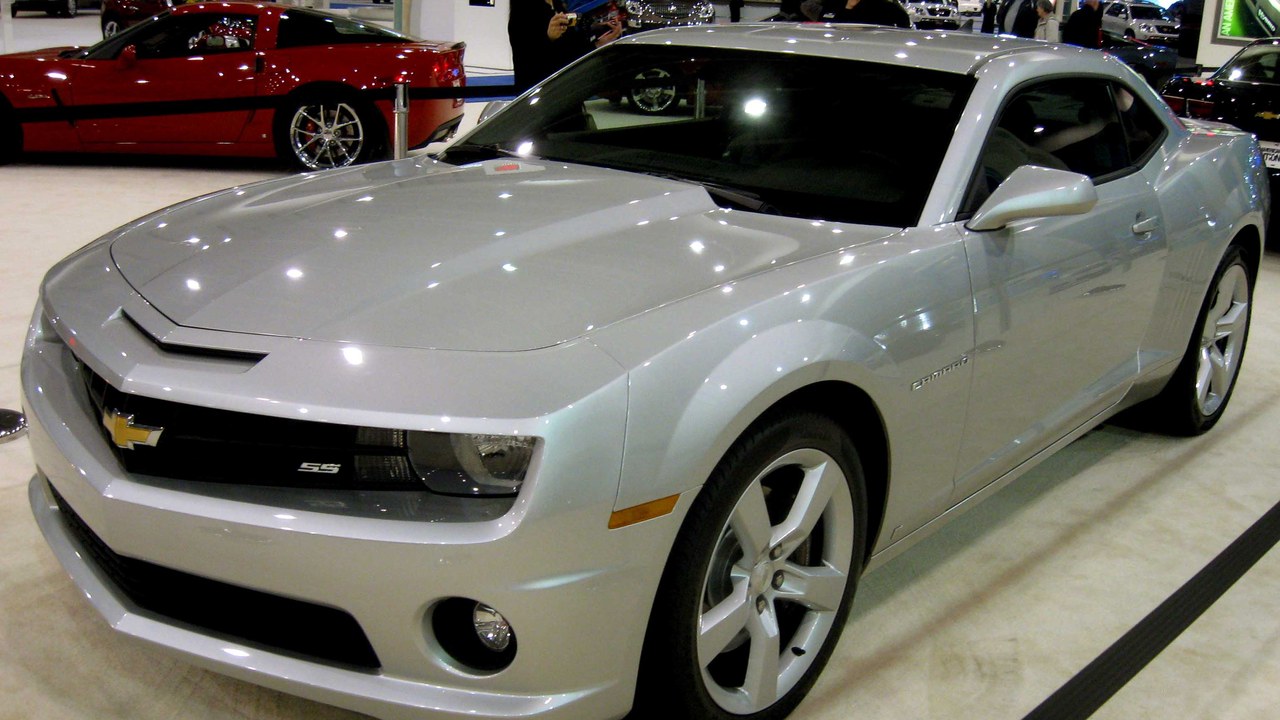
The revived Camaro began production on March 16, 2009, at Oshawa, Ontario. The SS used a 426-hp 6.2-liter LS3 V-8, and GM sold 61,648 Camaros in calendar 2009.
Bringing the nameplate back after the 2002 cancellation was a major moment for Chevy fans. The SS gave the return a big-power flagship from the first model year. For buyers, the 2010 SS is the car that proved the Camaro could come back and attract a crowd.
9. Chevrolet Camaro ZL1 (2012): Supercharged and Fast
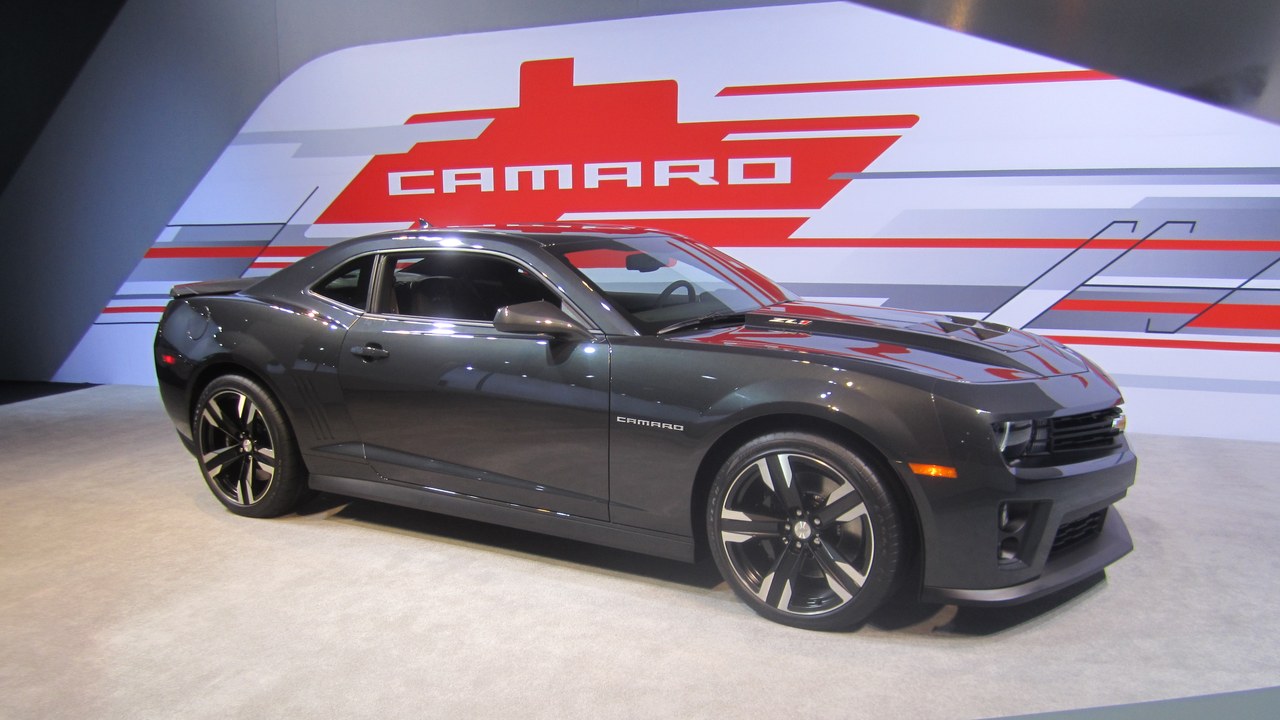
The 2012 ZL1 had a supercharged LSA V-8 making 580 hp and 556 lb-ft of torque. Chevy built 1,971 for 2012, and a ZL1 lapped Germany’s Nurburgring in 7:41.27 in fall 2011.
The Nurburgring lap time was a marketing talking point that showed the Camaro could match serious sports cars on a famous circuit. At 1,971 units, the 2012 ZL1 is not rare in the way earlier ZL-1s were, but it is still a limited run. Buyers get a supercharged V-8 with a documented track record.
10. Chevrolet Camaro Z/28 (2014): Z/28 Without Compromise
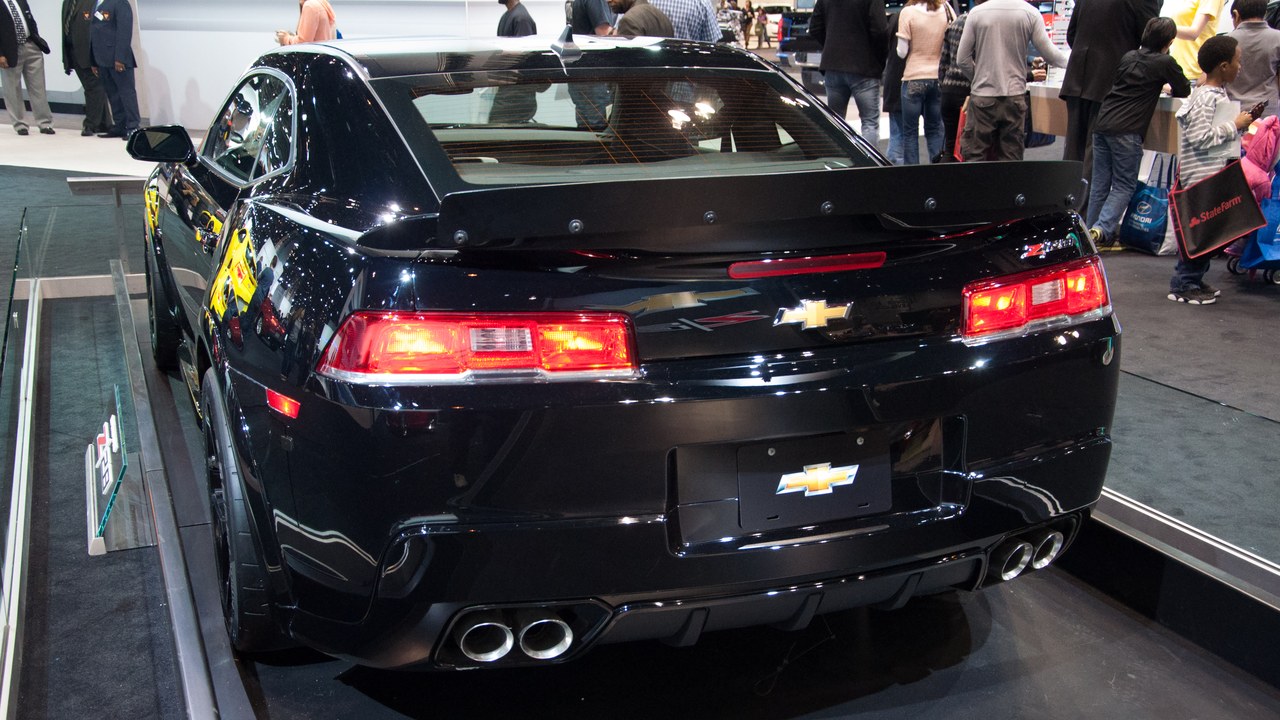
The Z/28 was unveiled at the 2013 New York Auto Show with a 7.0-liter LS7 V-8. It reached 60 mph in 3.95 seconds, topped out at 188 mph and won Motor Trend’s 2014 Best Driver’s Car award.
Taking a driver’s-car honor reflects handling and feel, not just straight-line speed. The big naturally aspirated V-8 gives the car a character different from the supercharged ZL1s on this list. Enthusiasts who prize track focus over comfort will see the 2014 Z/28 as one of the sharpest Camaros produced.
11. Chevrolet Camaro ZL1 (2017): Lighter and Meaner
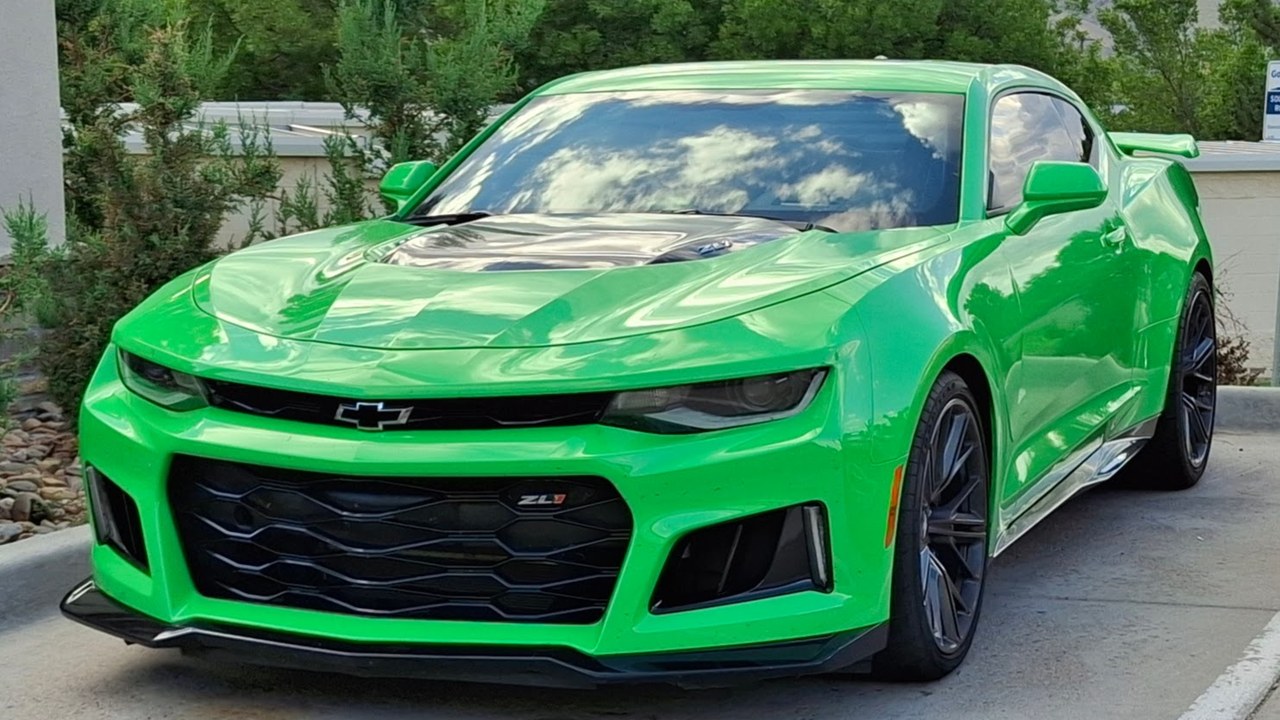
The sixth generation dropped a few inches and 200 pounds, with engines running from a 275-hp turbo four to a 455-hp LT1. The new ZL1 used a 650-hp supercharged V-8 and could hit 193 mph.
Shedding weight while adding power was the core idea behind the redesign. The wide engine lineup let buyers choose anything from an economical turbo four to a track-ready flagship. The 2017 ZL1 stands as the top of the range, giving the final generation a halo car worthy of the name.
12. Chevrolet Camaro Collector’s Edition (2024): The Final Bow
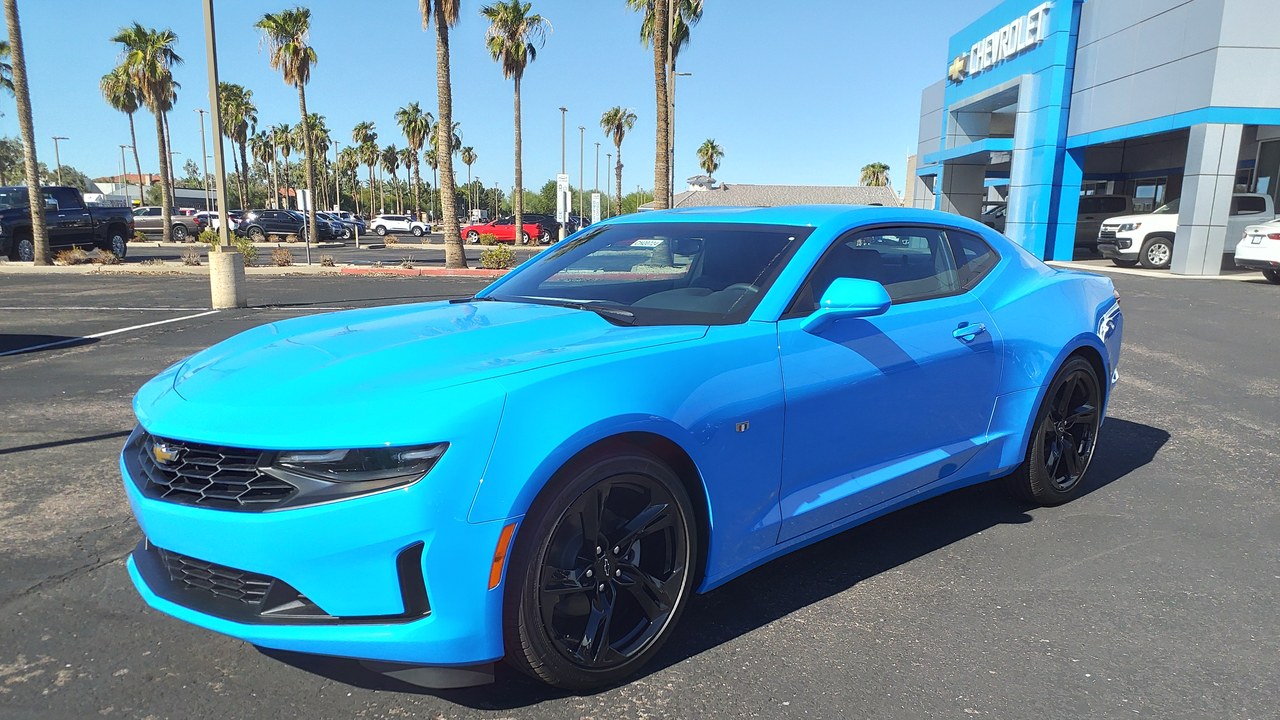
Chevrolet retired the sixth-generation Camaro after the 2024 model year, with the final car off the line in January 2024. The Collector’s Edition send-off came on RS, SS and a limited number of ZL1s.
The Collector’s Edition closes the story that began in 1966 with a base coupe. Buyers who wanted a keepsake of the end of the line had three trims to choose from, including the rare ZL1 allocation. The special edition marks a deliberate and fitting finish for a long-running nameplate.
More from Morning Overview
- Hurricane Hunter radar shows four warning signs that a tropical cyclone is about to strengthen, a University of Miami study found
- Tropical Storm Rachel is dumping up to 12 inches on four Mexican states on its way to major hurricane strength
- The FTC says Lens.com doubled the price shoppers saw in Google ads
- Common allergy, bladder and sleep pills tied to sharply higher dementia odds
