
Some vehicles simply outlast the trade-in cycle, holding their value and their owners’ loyalty well past the decade mark. Reliability records, low running costs, and straightforward mechanical designs let these models rack up mileage without becoming a burden. Here are eleven cars that owners across the country tend to keep parked in the driveway for fifteen years or longer.
1. Toyota Camry: The Long-Haul Sedan Standard
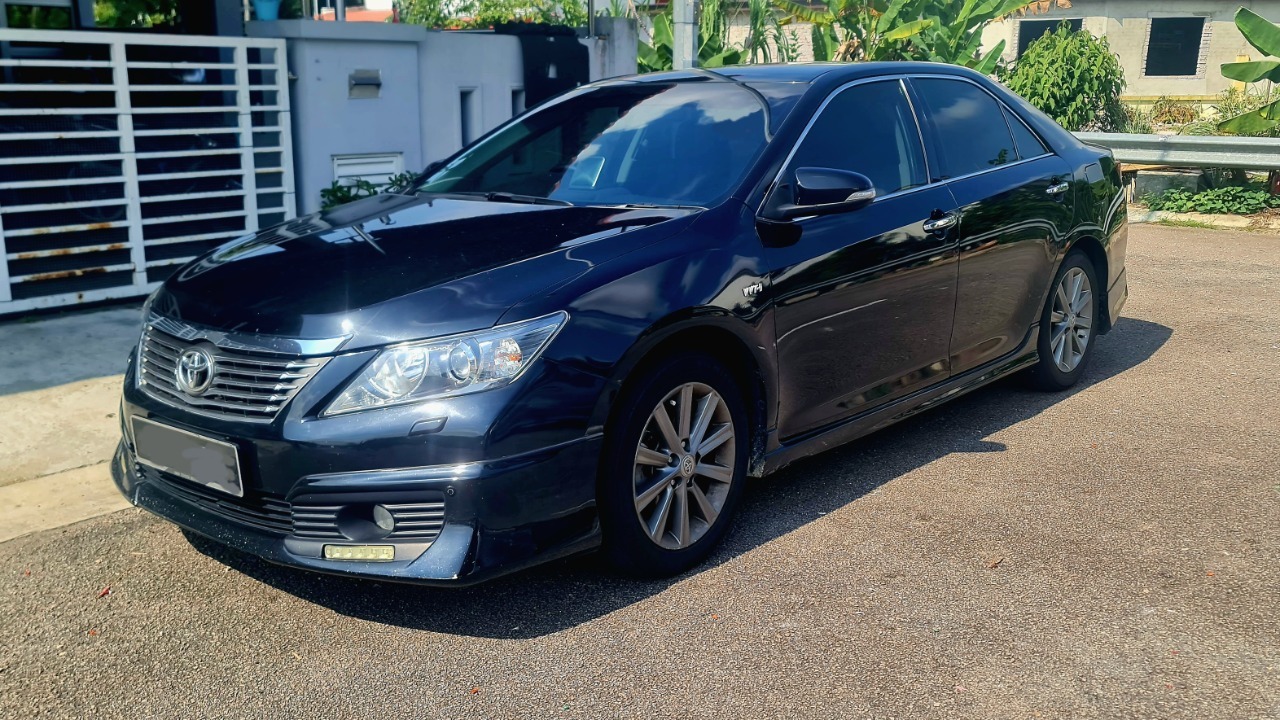
The Toyota Camry has spent decades as the default midsize sedan for households that would rather service a car than shop for a new one. Its long production history reflects a design philosophy built around simple maintenance and predictable parts availability, which keeps repair bills manageable well past the warranty years.
Owners who buy a Camry new often describe it as the car they forgot to replace, handing it down to a teenager or a second household member rather than trading it in. That pattern of quiet, unremarkable reliability is exactly why so many stay on the road past the fifteen-year mark.
2. Honda Accord: Family Favorite Built To Last
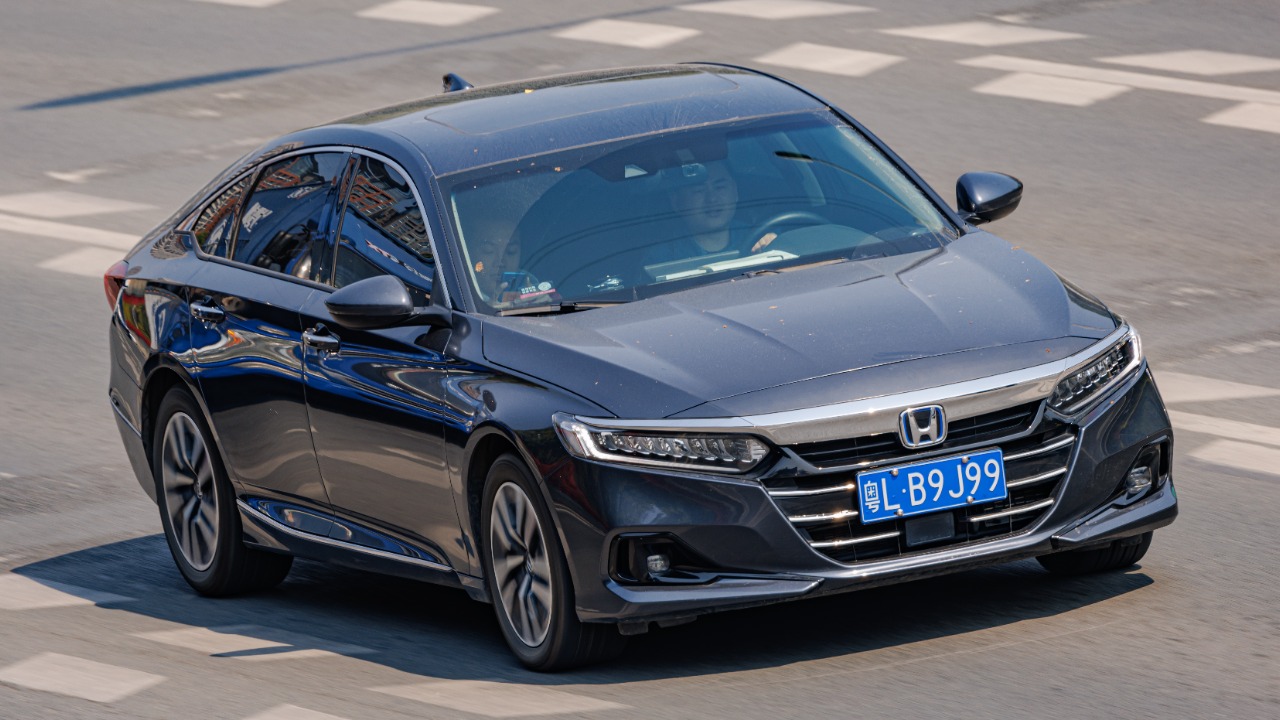
The Honda Accord earns its reputation as a family fixture through a drivetrain that shrugs off high mileage with minimal drama. Honda’s midsize sedan lineup has long prioritized engine longevity and simple electronics over flashy features, so the car keeps running well after the interior starts to show its age.
Because parts stay cheap and independent mechanics know the platform cold, an aging Accord rarely becomes an expensive gamble the way some competitors do. That combination of low-cost upkeep and steady performance is what lets one Accord serve a single family through multiple teenage drivers.
3. Toyota Corolla: Cheap To Run And Keep
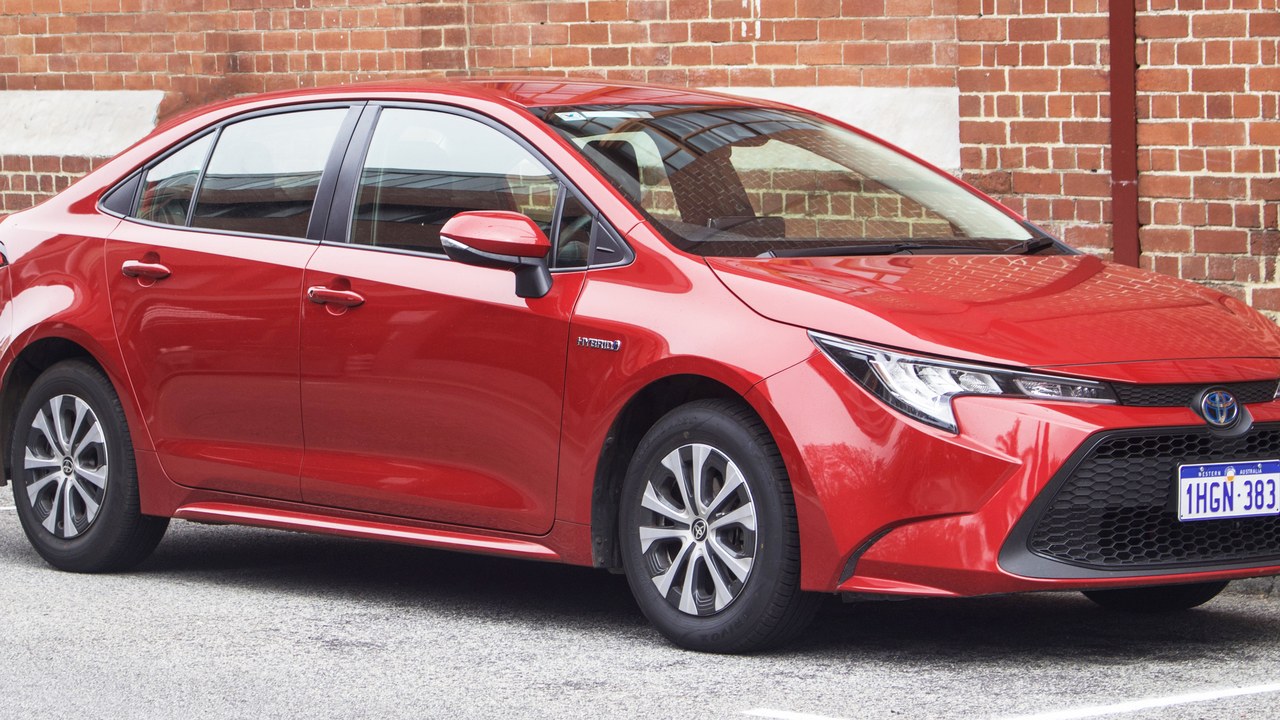
Few compacts match the Toyota Corolla for stretching a modest purchase price into a decade and a half of daily use. The Corolla nameplate has built its identity on unglamorous, proven mechanicals rather than novelty, which keeps fuel and maintenance costs low enough that trading it in rarely makes financial sense.
Owners who buy a Corolla for its low sticker price often stay because the running costs remain just as low a decade later. That steady economy, more than any single feature, is why the car ends up parked in driveways far longer than newer, flashier compacts.
4. Honda CR-V: The Compact SUV Nobody Trades
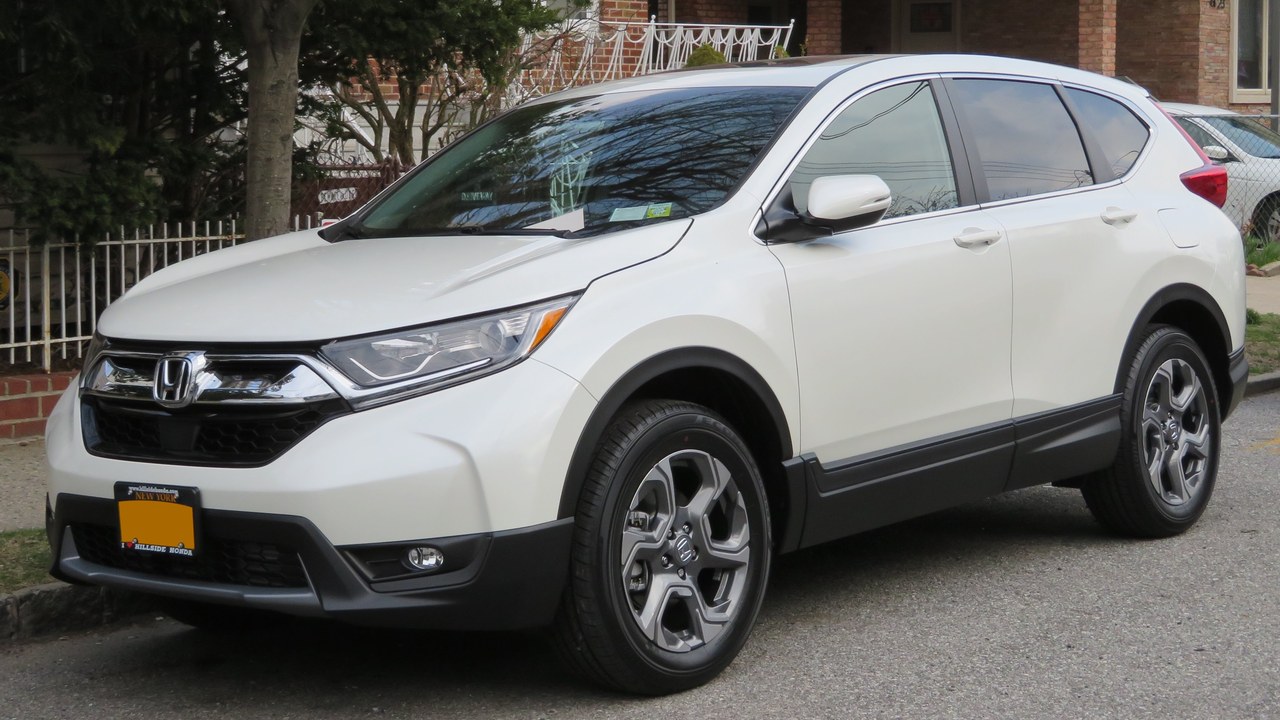
The Honda CR-V became a default choice for buyers who wanted SUV height without SUV headaches, and that practicality is exactly what keeps it around. Honda’s compact crossover model pairs a fuel-efficient engine with cargo space generous enough to cover a household’s changing needs as kids grow and gear piles up.
Because the CR-V rarely demands major repairs before high mileage, owners tend to keep driving it long after the loan is paid off. That absence of expensive surprises is the main reason the model shows up so often among vehicles still running well past fifteen years.
5. Toyota RAV4: America’s Steady Best-Seller
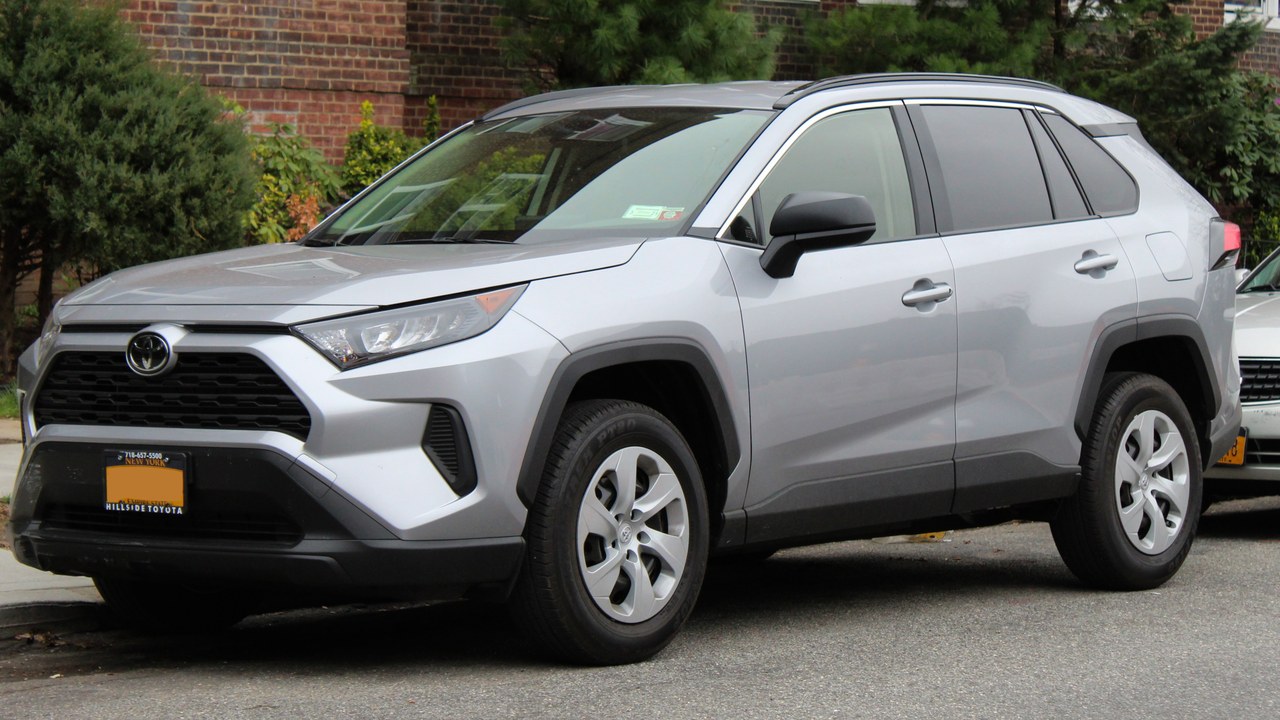
The Toyota RAV4 sells in huge numbers every year, and a large share of those buyers simply never feel the need to replace it. Toyota’s compact SUV line has built a reputation for consistent, low-drama ownership that carries the vehicle well past the point most competitors get traded in.
That popularity feeds on itself, since a widely owned model is also easier and cheaper to get serviced anywhere in the country. The RAV4’s long ownership cycle reflects a simple trust that the vehicle will keep working without turning into a financial burden.
6. Subaru Outback: All-Weather Wagon Owners Won’t Sell
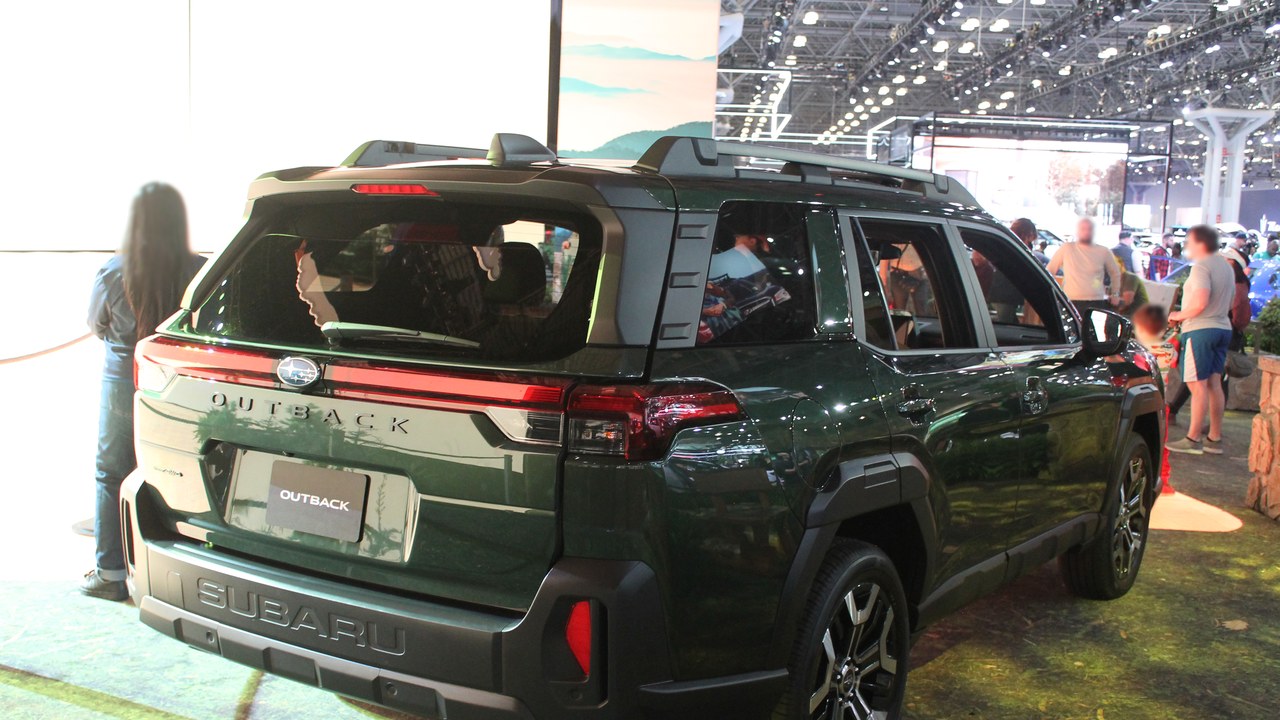
The Subaru Outback built its following among drivers who need real all-weather capability without stepping up to a full-size SUV. Subaru’s all-wheel-drive wagon pairs raised ground clearance with standard traction in rain, snow, and gravel, which makes it hard to justify replacing once it has proven itself through a few rough winters.
Owners in rural and mountain regions especially tend to hold onto an Outback because a replacement offers little practical upgrade for the same job. That loyalty, built through years of dependable all-weather driving, is a major reason the wagon so often clears fifteen years of service.
7. Toyota Highlander: Three-Row Reliability Families Trust
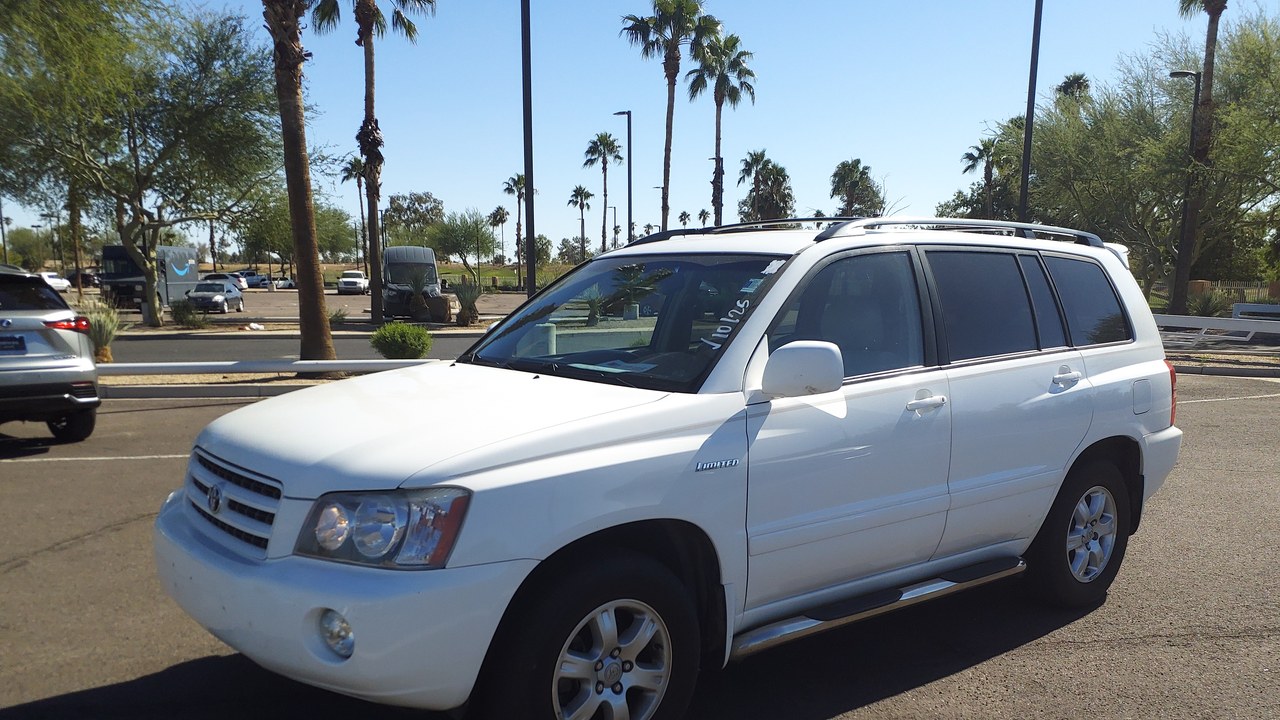
The Toyota Highlander became the three-row SUV that families buy once and keep through an entire run of school years and road trips. Toyota’s midsize SUV model combines seating flexibility with the brand’s reputation for mechanical durability, so the vehicle keeps working long after the kids it originally hauled have grown up.
Because a Highlander rarely strands its owners with major failures, many households see little reason to shop for a replacement while it still runs well. That extended service life is why the model consistently appears among SUVs still on the road well past a decade and a half.
8. Honda Odyssey: The Minivan Parents Keep
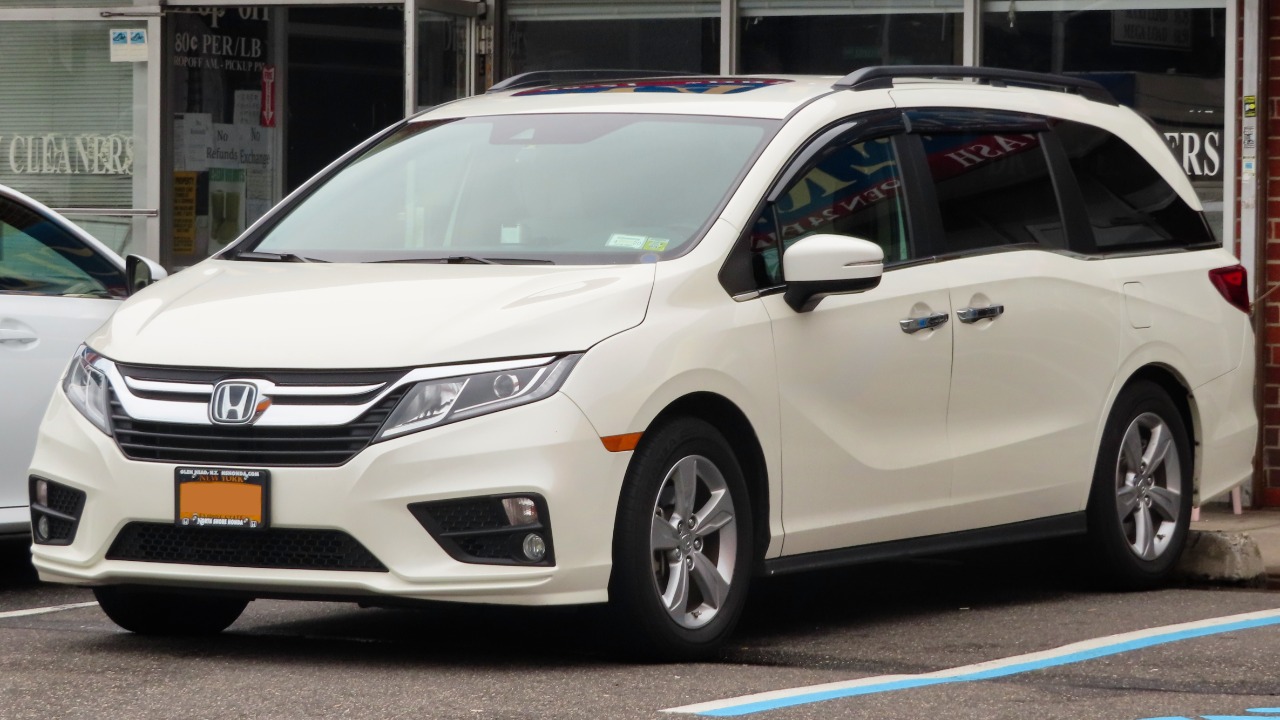
The Honda Odyssey earns unusual loyalty among parents who need a minivan for years of car pools and family trips rather than a single season. Honda’s minivan lineup is engineered for high-mileage durability, which lets a single Odyssey carry a family from toddler seats through teenage driver’s-ed lessons.
Because minivans hold their utility value even as styling trends move on, owners often see no reason to replace an Odyssey that is still running well. That practical mindset is why the model frequently stays in a driveway well beyond the fifteen-year mark.
9. Toyota Tacoma: The Truck With Legendary Retention
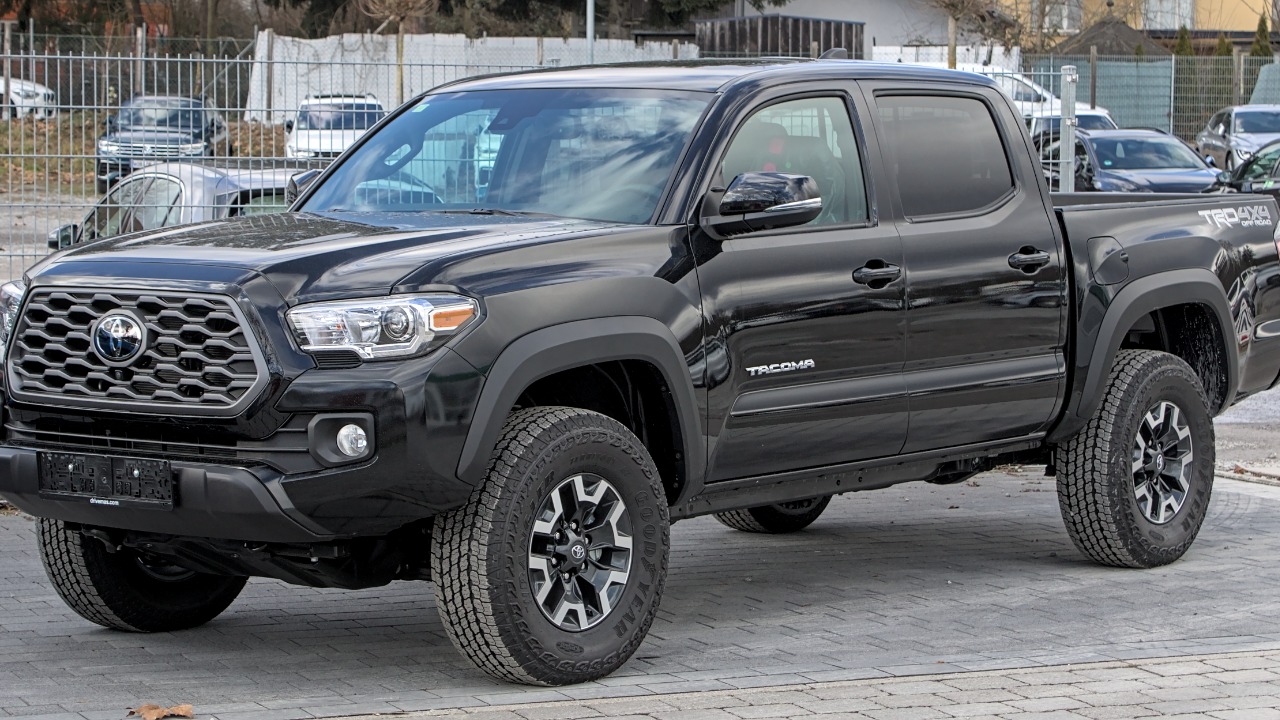
The Toyota Tacoma has built a reputation strong enough that owners often refuse to sell it even when a newer model is available. Toyota’s midsize pickup line is known for a frame and drivetrain that tolerate rough use, so the truck keeps earning its keep on job sites and trailheads for many years.
That durability has helped the Tacoma hold resale values that make trading it in feel like a poor financial decision. Owners who bought one for towing or off-road use tend to keep driving it long after other trucks from the same era have been scrapped.
10. Toyota 4Runner: Body-On-Frame Loyalty For Life
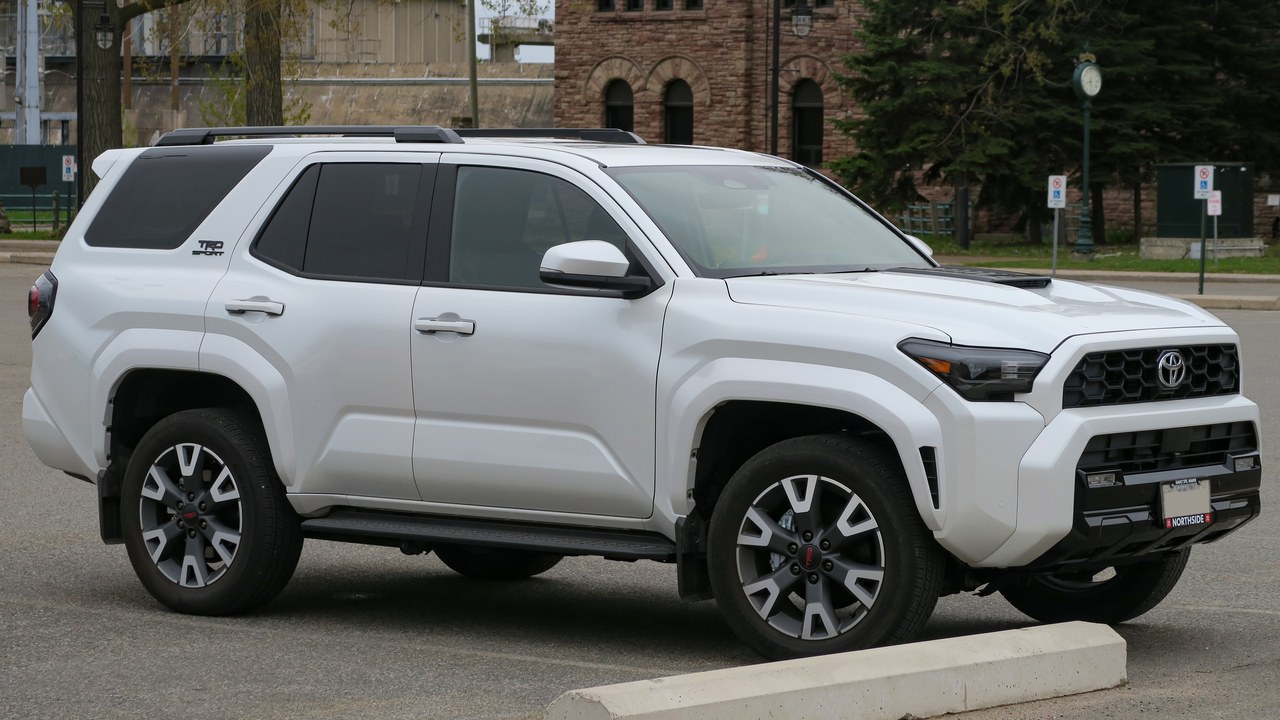
The Toyota 4Runner keeps its old-school body-on-frame construction specifically because that simpler design tends to survive decades of hard use. Toyota’s midsize SUV nameplate attracts owners who value off-road capability and mechanical simplicity over the latest cabin technology, and that same simplicity is what keeps repair bills low at high mileage.
Because the 4Runner resists the electronic complexity that ages many modern SUVs, owners often keep one running well past the point they would have replaced a different vehicle. That stubborn durability is a major reason the model shows up so often among long-term keepers.
11. Lexus RX: Luxury That Ages Gracefully
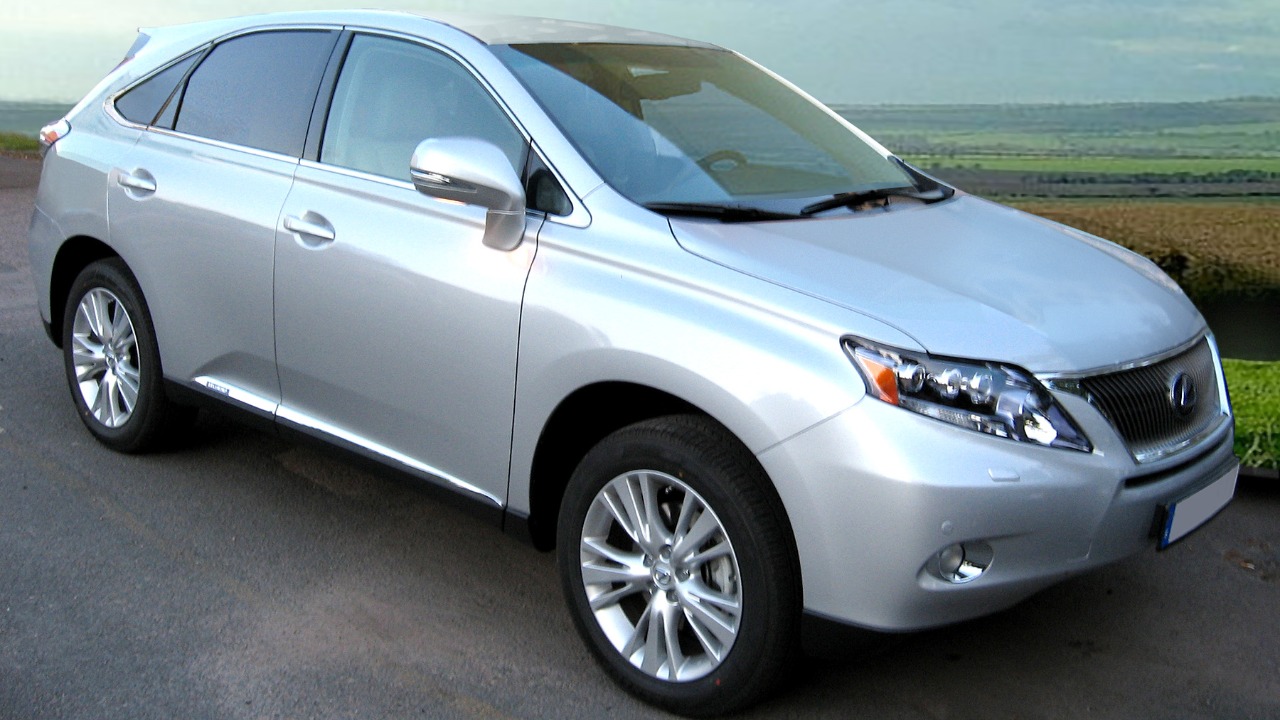
The Lexus RX manages something unusual for a luxury crossover: owners keep it long after the warranty runs out instead of trading it in for a newer model. Lexus’s luxury SUV lineup borrows heavily from Toyota’s mechanical reliability, which softens the usual worry about expensive luxury-vehicle repairs as the miles climb.
That blend of comfort and dependability lets an RX remain a daily driver well past the point most luxury vehicles get replaced. Owners who bought one for the smooth ride tend to stay for the low-drama ownership experience for many years afterward.
More from Morning Overview
