
Automakers regularly prune their lineups, and several once-popular models were cut loose even as they kept selling reasonably well. Badge closures, a broader shift toward SUVs and crossovers, and plain cost pressure ended production for cars that plenty of drivers still remember fondly. Here are ten cars that built real followings before their makers quietly let them go.
1. Chevrolet Camaro: Pony Car Era Ends
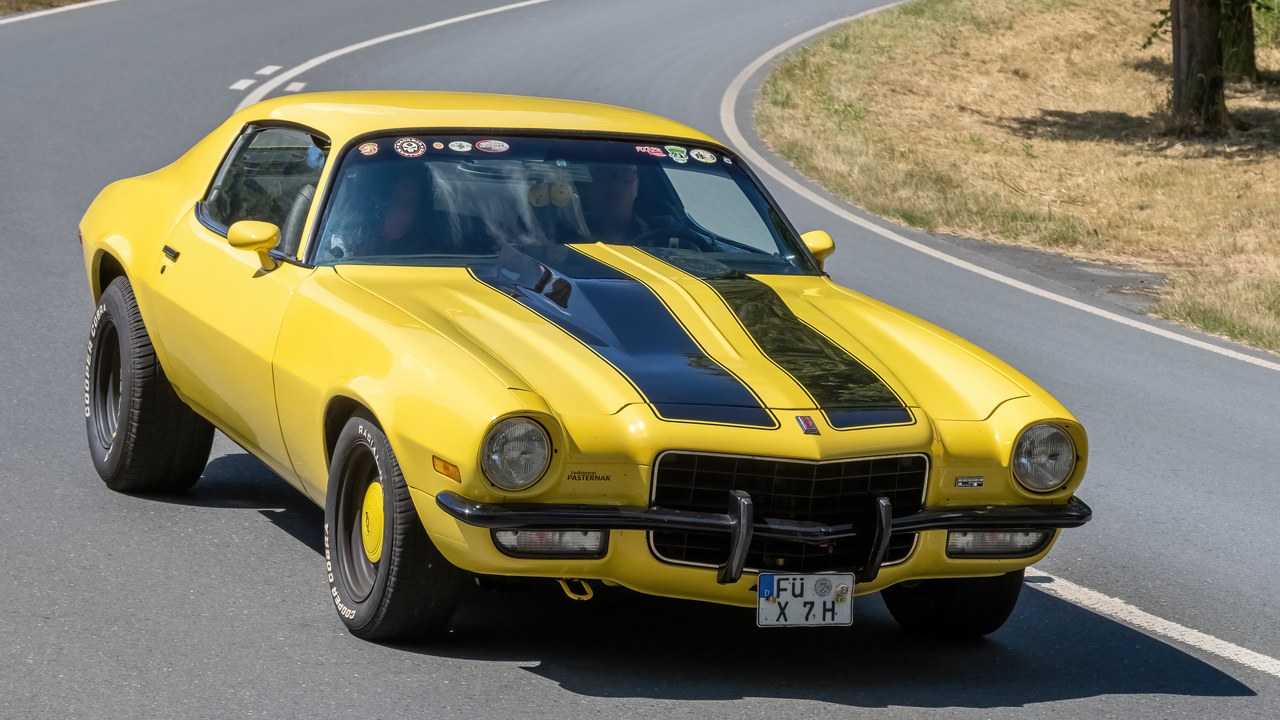
Chevrolet ended Camaro production after the sixth generation closed out, retiring a nameplate that had anchored the brand’s pony-car lineup for close to sixty years. The car spent decades trading sales figures and drag-strip bragging rights with the Mustang and Challenger, and its exit left Ford as the last domestic brand still building a traditional two-door muscle coupe for the street.
General Motors has floated an electric successor for the future, but the assembly line sits idle for now, and the nameplate survives only as a design study rather than a car anyone can buy.
2. Dodge Dart: Compact Sedan Cut Short
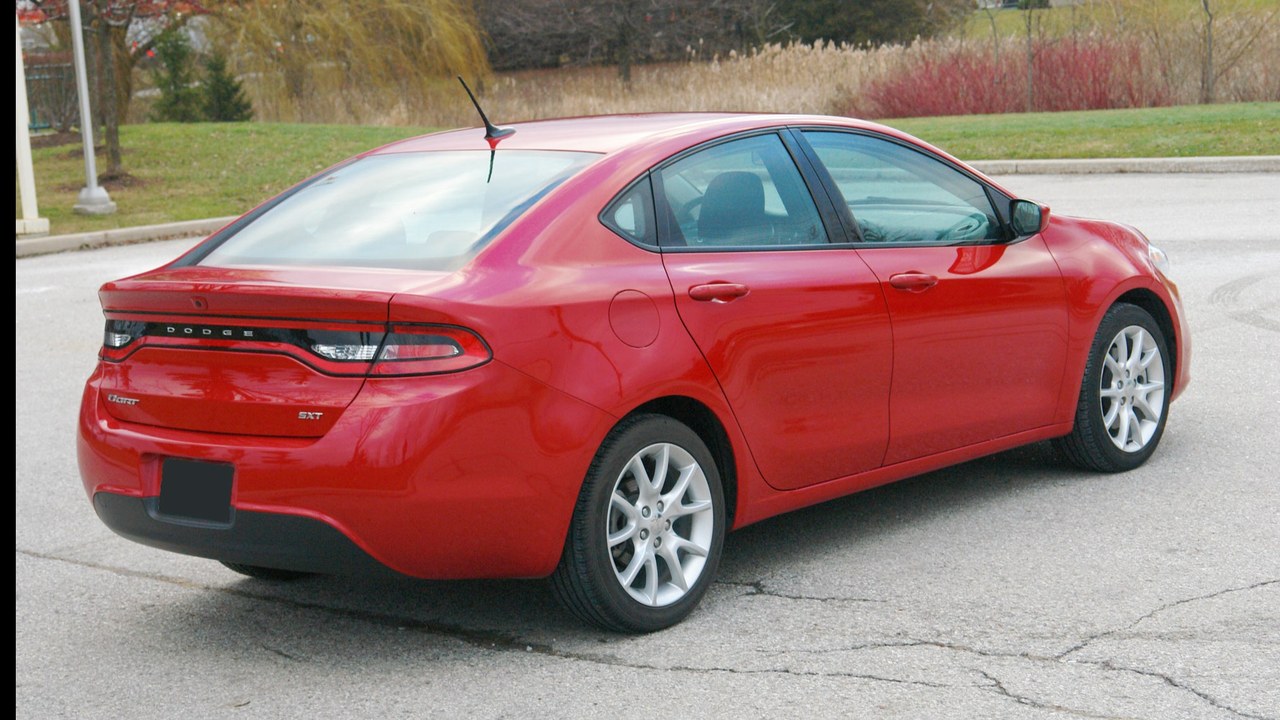
Dodge revived the Dart nameplate for a compact sedan built on a shared Fiat platform, hoping to compete with Japanese and Korean small cars, but the model never found the sales volume the company needed. Fiat Chrysler pulled the plug after just a few model years, folding compact-car development into a broader retreat from sedans.
The company redirected its factory capacity toward Jeep and Ram products instead, betting that trucks and SUVs would carry far better margins than a crowded compact-sedan segment ever could.
3. Ford Fiesta: Subcompact Leaves America
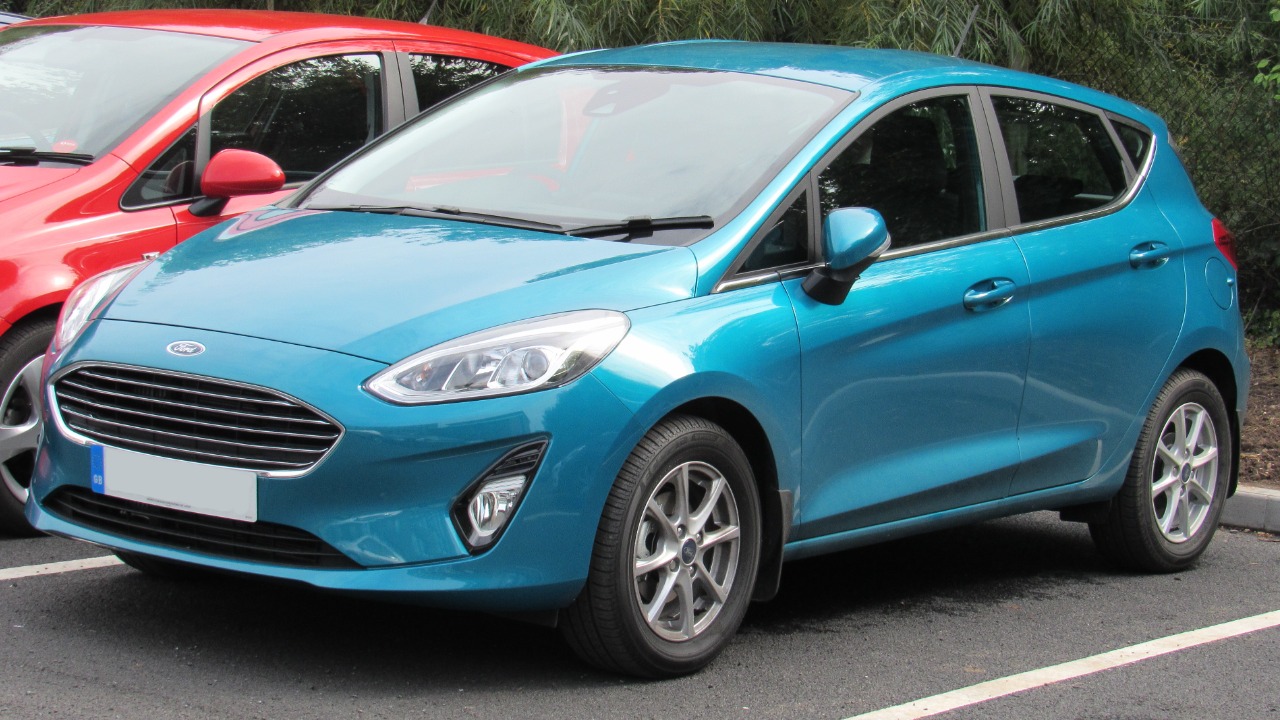
Ford pulled the Fiesta hatchback from the North American market as part of a company-wide decision to stop selling traditional passenger cars in the region, keeping only the Mustang in the lineup. The subcompact had built a following among buyers who wanted an affordable, nimble city car rather than a crossover.
Production continued in other markets for a time, but American showrooms never got another generation, closing off a budget option that many first-time buyers had relied on for years.
4. Volkswagen Beetle: Reborn Beetle Retires
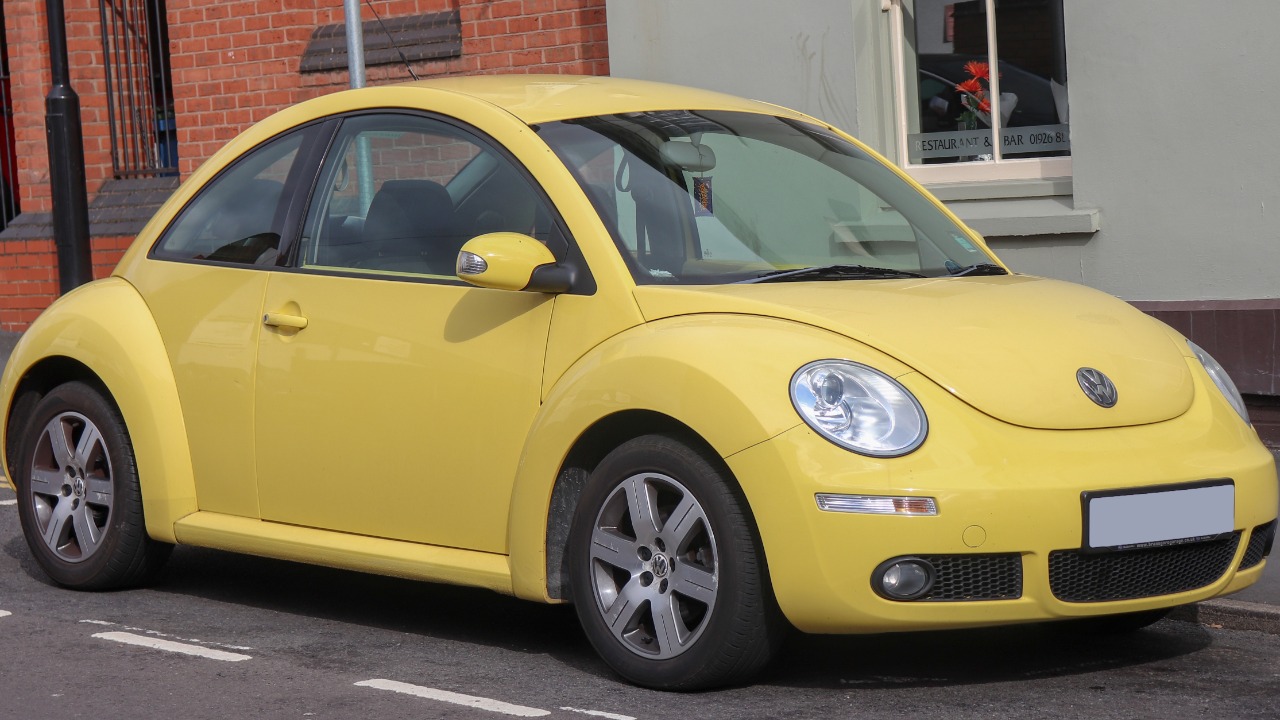
Volkswagen closed its Puebla, Mexico plant’s Beetle production line, ending the modern reboot of a car that had already lived one full life as an air-cooled icon decades earlier. The company marked the occasion with special final-edition trims rather than announcing any kind of direct replacement model.
Executives said shifting consumer taste toward SUVs made a third act for the shape too risky to fund, leaving the nameplate retired with no successor ever announced, even as later interest in electric revivals of classic shapes grew across the industry.
5. Chevrolet Malibu: Midsize Sedan Sent Home
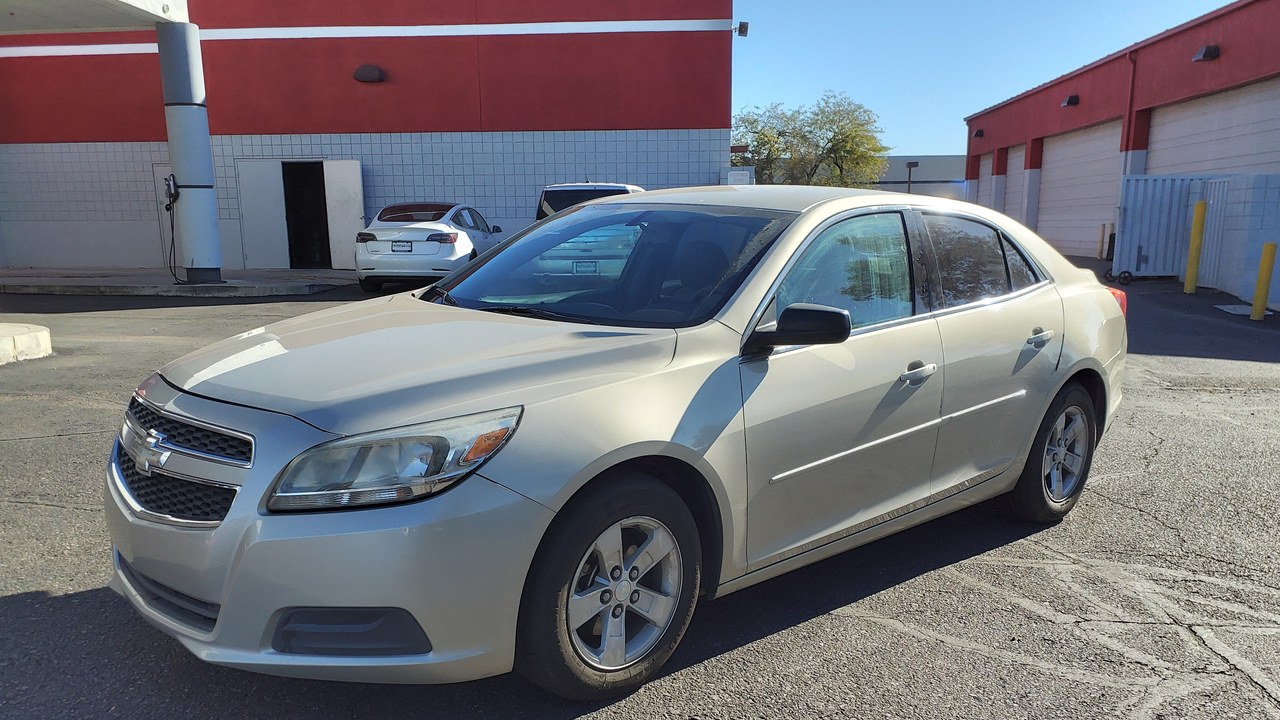
General Motors confirmed it would stop building the Malibu sedan, a nameplate that had been a fixture of family driveways since the 1960s. The decision fit a broader pattern at the company of shrinking car offerings while it poured investment into SUVs, trucks, and electric models instead.
Dealers kept selling remaining inventory as the plant converted to other products, and shoppers who wanted a traditional midsize sedan from the brand were left with far fewer choices on the lot, pushed instead toward crossovers the company was eager to sell in higher volume.
6. Ford Taurus: Once-Ubiquitous Sedan Dropped
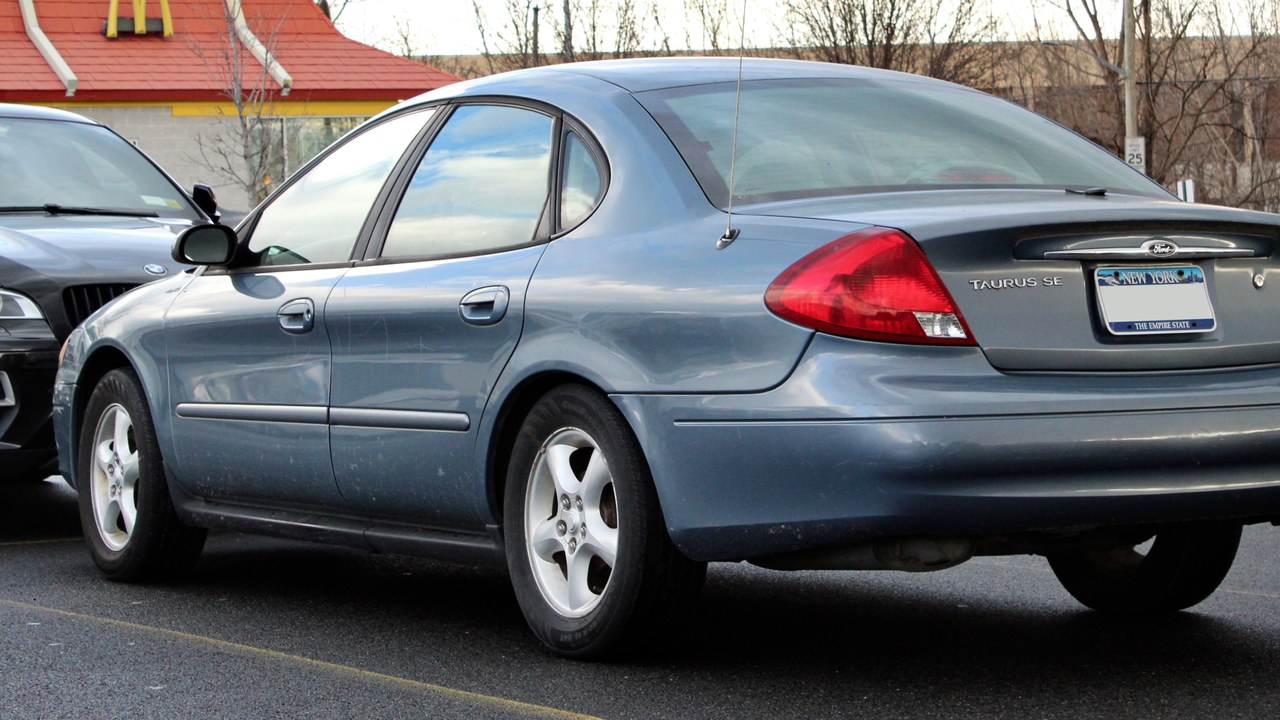
Ford discontinued the Taurus sedan in the United States, closing the book on a nameplate that had once been the best-selling car in the country and a common sight in rental fleets and driveways alike. The final versions had grown into a full-size sedan far removed from the original 1980s design.
Ford folded the car’s production capacity into its truck and SUV lineup, arguing that sedan demand no longer justified keeping a dedicated assembly line running in North America, even though rental fleets and highway patrol departments had relied on the Taurus for years.
7. Chrysler 200: Short-Lived Midsize Exit
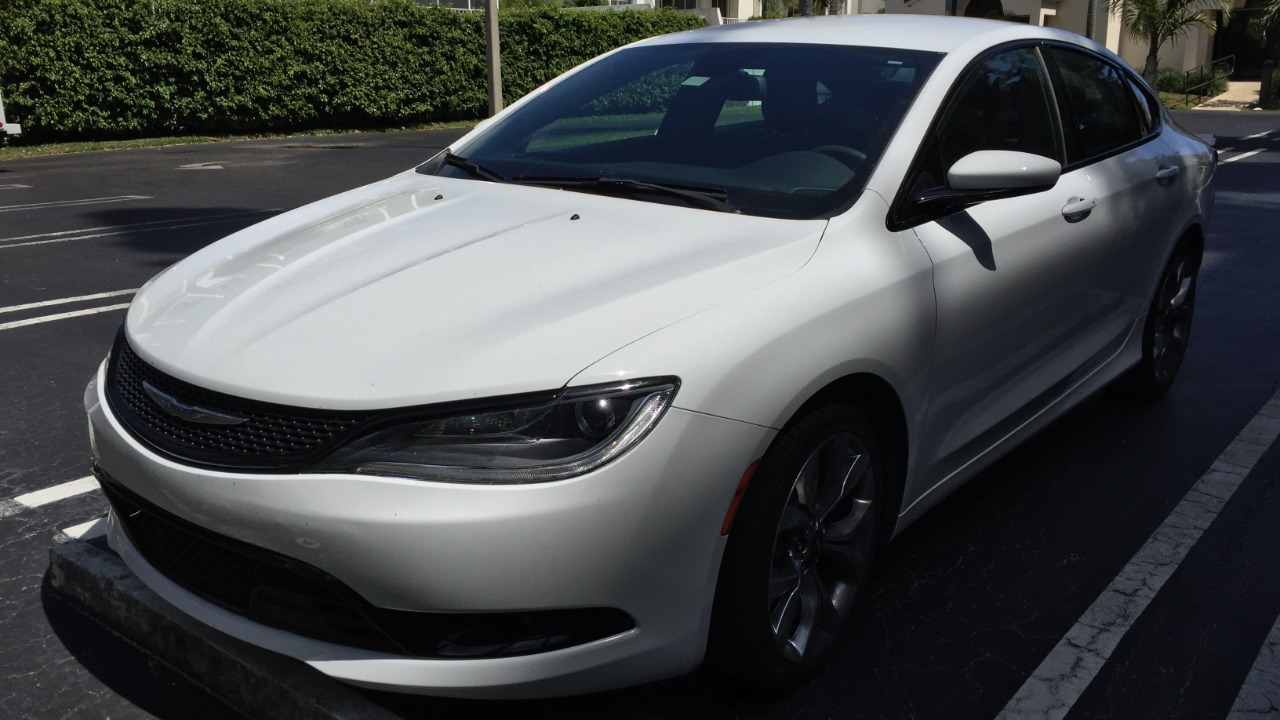
Chrysler discontinued the 200 sedan only a few years after a full redesign, surprising buyers who had just seen the car reinvented with new styling and an available all-wheel-drive option. Fiat Chrysler cited weak sedan sales industry-wide as the reason for cutting the model rather than funding another generation.
The factory that built the 200 was converted to produce Ram pickups instead, another sign of the industry’s broader pivot away from passenger cars toward trucks and SUVs, a shift that left the redesigned sedan with barely enough time to find its footing.
8. Chevrolet SS: Sleeper V8 Sedan Killed
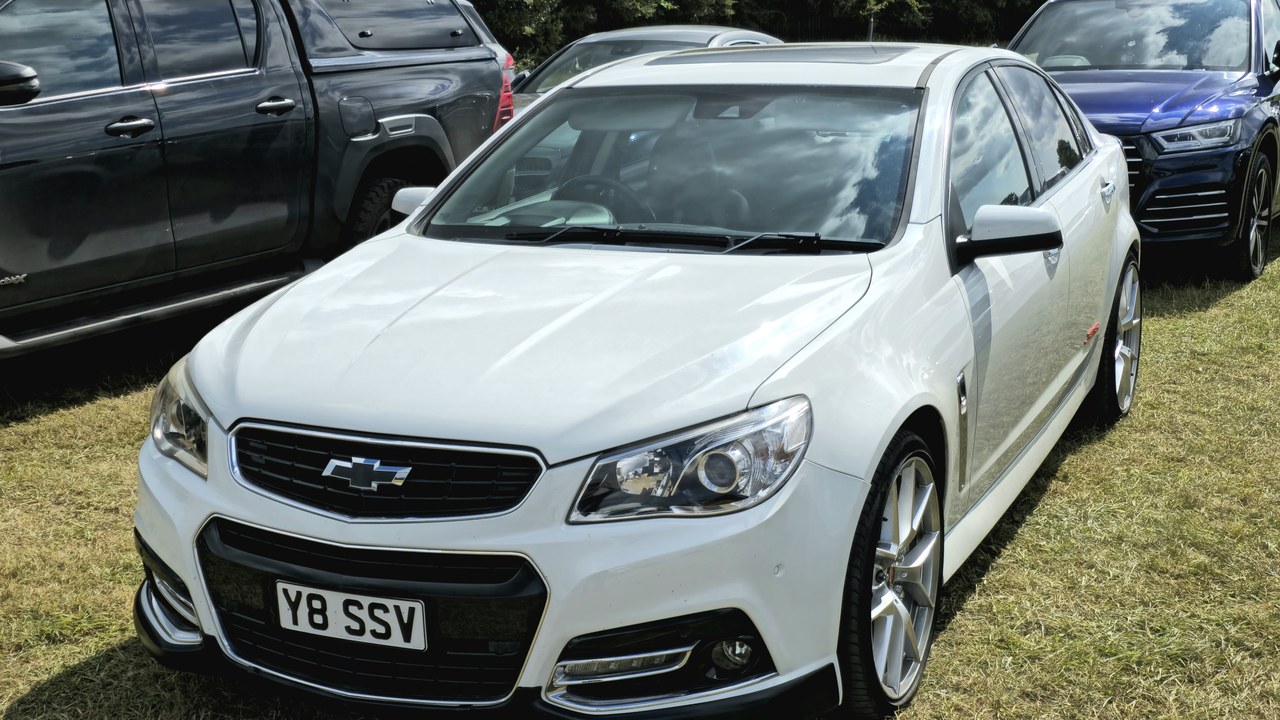
Chevrolet quietly ended the SS sedan, a rear-wheel-drive, V8-powered four-door imported from Holden in Australia that enthusiasts prized for combining muscle-car performance with a low-key appearance. Sales never matched more mainstream models, and the car never got the marketing push that flashier Chevrolet nameplates received.
Its cancellation also tracked with Holden’s own shrinking manufacturing footprint, since the sedan had no other factory able to build it once Australian production wound down for good, leaving American performance-sedan shoppers with one fewer overlooked option.
9. Scion tC: Sport Coupe Brand Folded
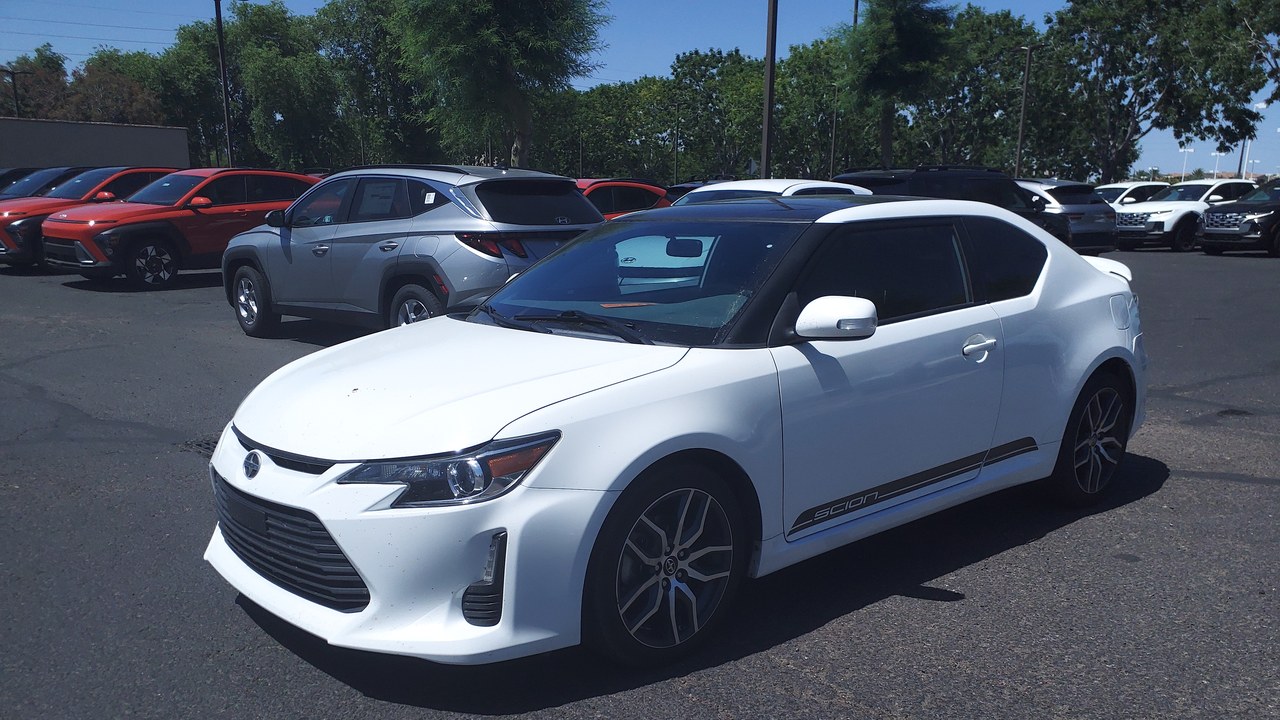
Toyota discontinued the Scion tC coupe when it folded the entire Scion brand back into the parent Toyota lineup, ending a budget-friendly sport coupe that had appealed to younger buyers looking for style without a luxury price tag. Remaining Scion models were rebadged as Toyotas or dropped entirely from the lineup.
No direct Toyota successor ever filled the tC’s spot in the lineup, leaving buyers who wanted an affordable, sporty coupe with noticeably fewer options than before, since Toyota’s own remaining coupes carried a noticeably higher price tag by comparison.
10. Pontiac G8: Rear-Drive Sedan Disappears
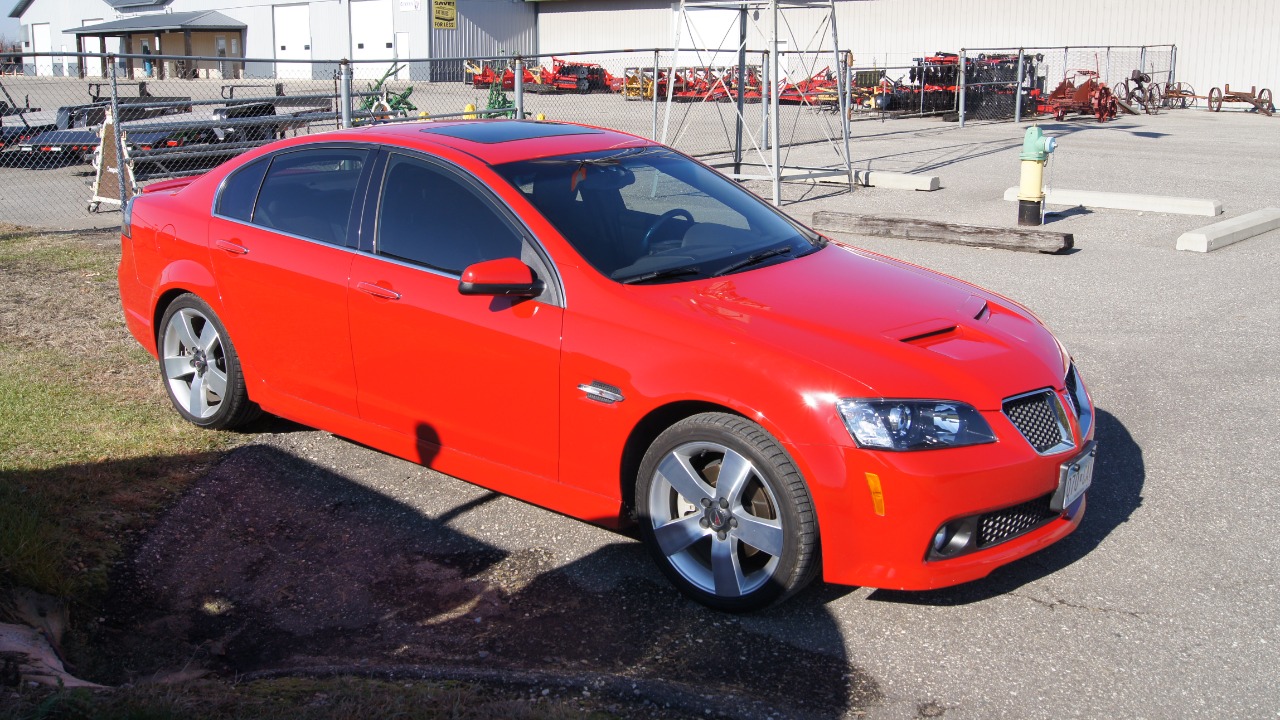
General Motors killed the Pontiac G8 sedan when it eliminated the entire Pontiac brand during its 2009 bankruptcy restructuring, cutting short a rear-wheel-drive sedan built in Australia that performance fans had praised for its handling and available V8 power. The brand’s closure ended G8 production almost as soon as it had started.
GM never brought the G8’s Australian-built platform back under another badge in North America, so the car’s abrupt exit left a lasting gap in affordable rear-drive performance sedans.
More from Morning Overview
- Supplements now rank as the fifth-leading cause of death from liver disease.
- The NSA is again telling phone owners to switch off one location setting
- Four U.S. startups fired up their first small nuclear reactors, aiming to power AI data centers on-site
- 11 engines built to run well past 200,000 miles
