
Every year, one list settles the argument over which vehicles actually left American driveways in the largest numbers, cutting through marketing claims with real registration and sales data. Pickup trucks and SUVs continue to dominate that list, leaving traditional sedans an afterthought outside of one holdout nameplate. Here are ten vehicles that defined the American road in 2025.
1. Ford F-Series: America’s Perennial Favorite
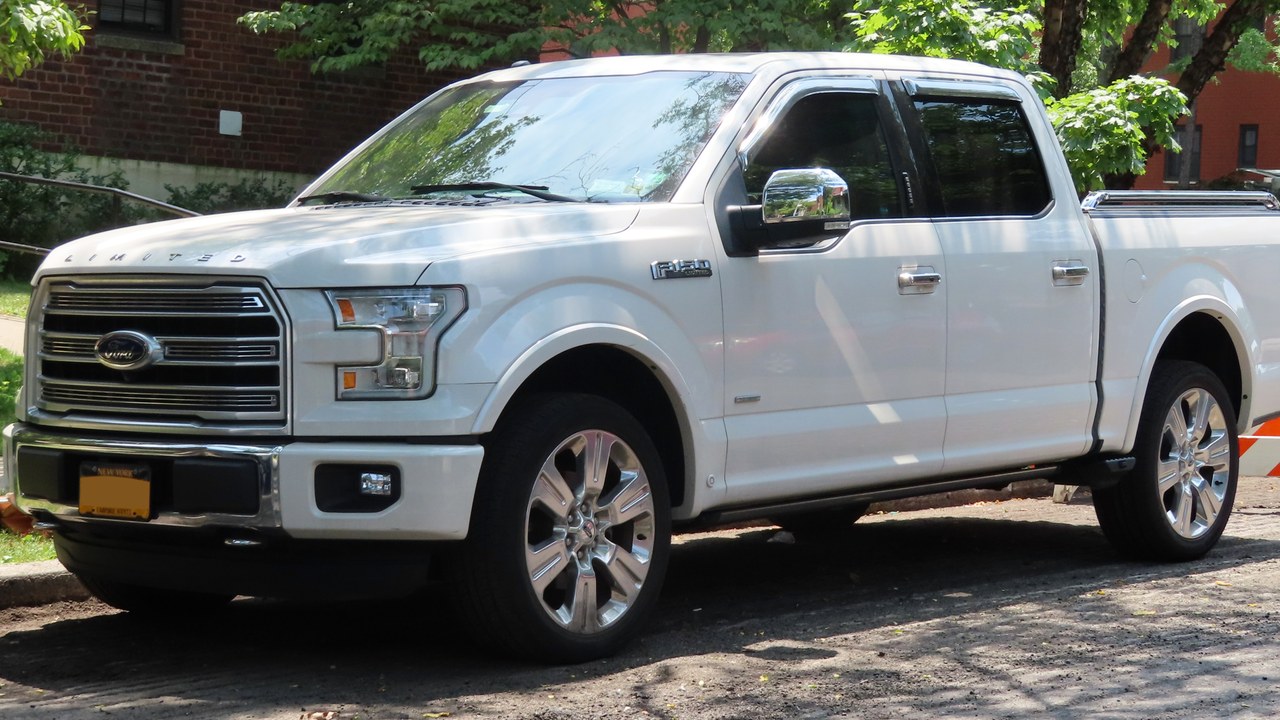
Ford’s own full-year sales report put F-Series deliveries at 828,832 for 2025, an 8.3% jump that extended its run as the best-selling vehicle in the country for 44 consecutive years and the best-selling truck in America for 49, a streak that stretches back more than four decades.
That kind of streak turns a truck into an institution, giving buyers confidence that parts, service expertise and resale value will stay abundant for decades to come, since the F-Series has anchored Ford’s lineup as a full-size workhorse trusted on job sites and farms across the country.
2. Chevrolet Silverado: Second Place, Comfortably
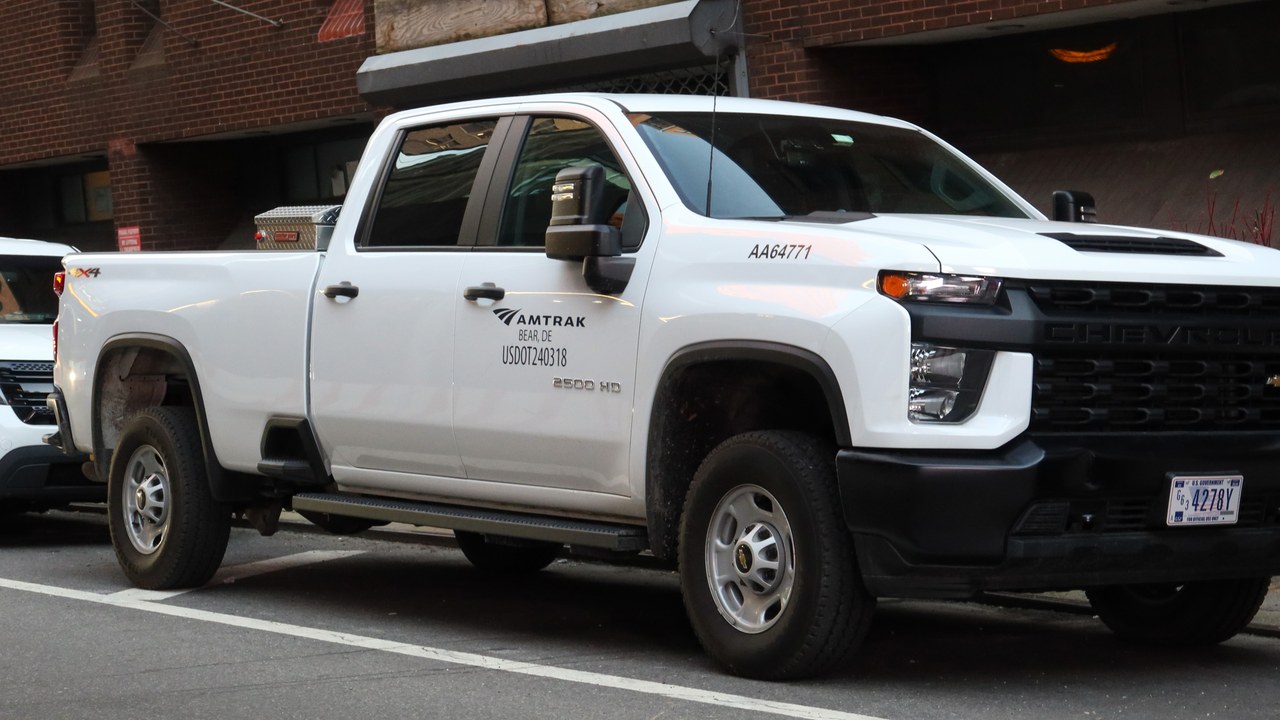
GM’s own 2025 sales tally credits the Silverado with 588,709 deliveries across its light-duty, heavy-duty and electric variants, keeping Chevrolet’s full-size pickup comfortably in second place behind only the F-Series, extending a rivalry between the two American truck stalwarts that has played out in showrooms for generations.
For anyone cross-shopping full-size trucks, the spread across three powertrain options means a Silverado buyer can choose gas power, diesel-capable HD hauling, or an EV drivetrain without leaving the same nameplate, a flexibility few rivals match, whether the buyer needs job-site towing capacity or a quieter daily commute.
3. Toyota RAV4: America’s Top-Selling SUV
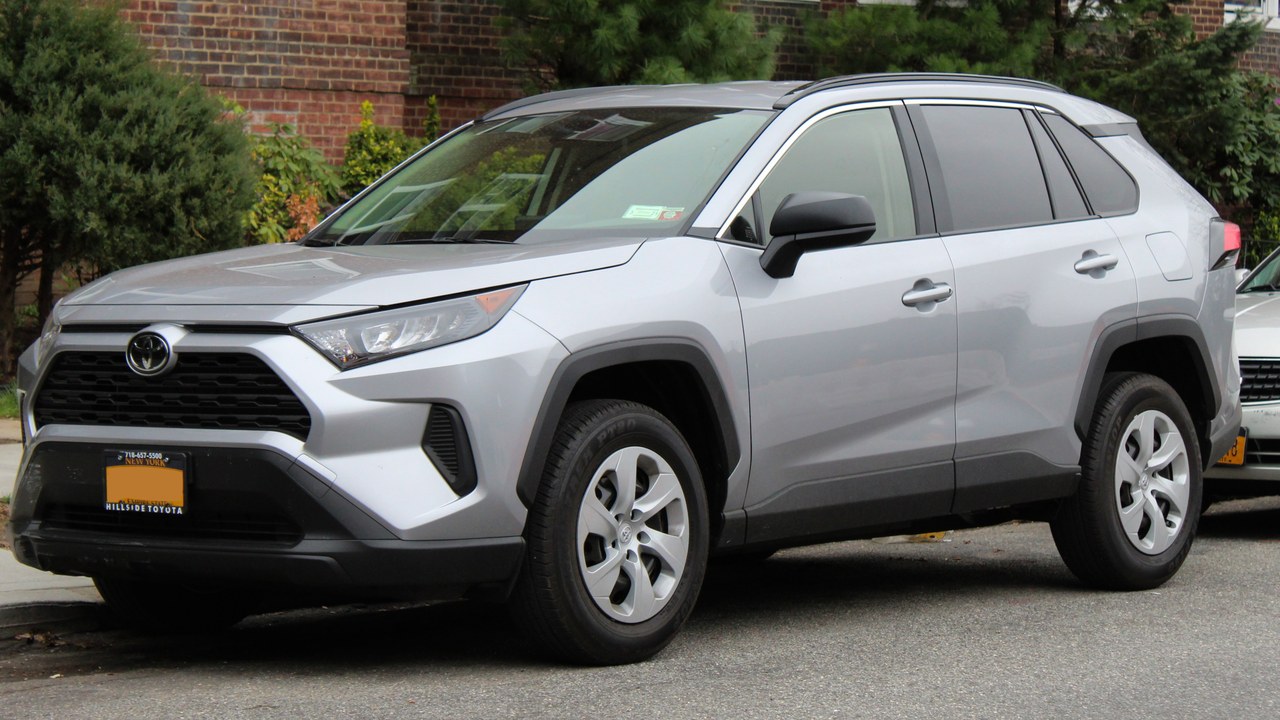
Toyota’s RAV4 posted 479,288 sales in 2025 according to a year-end sales tally, making it the highest-volume SUV in the country and the third best-selling vehicle of any kind, ahead of every sedan and every other crossover on the market.
Its compact footprint, available hybrid powertrain and reputation for low-drama reliability keep it a default choice for families who want SUV space without a truck-sized price tag or fuel bill, which explains why it keeps outselling nearly everything besides pickups.
4. Honda CR-V: A Hybrid Tipping Point
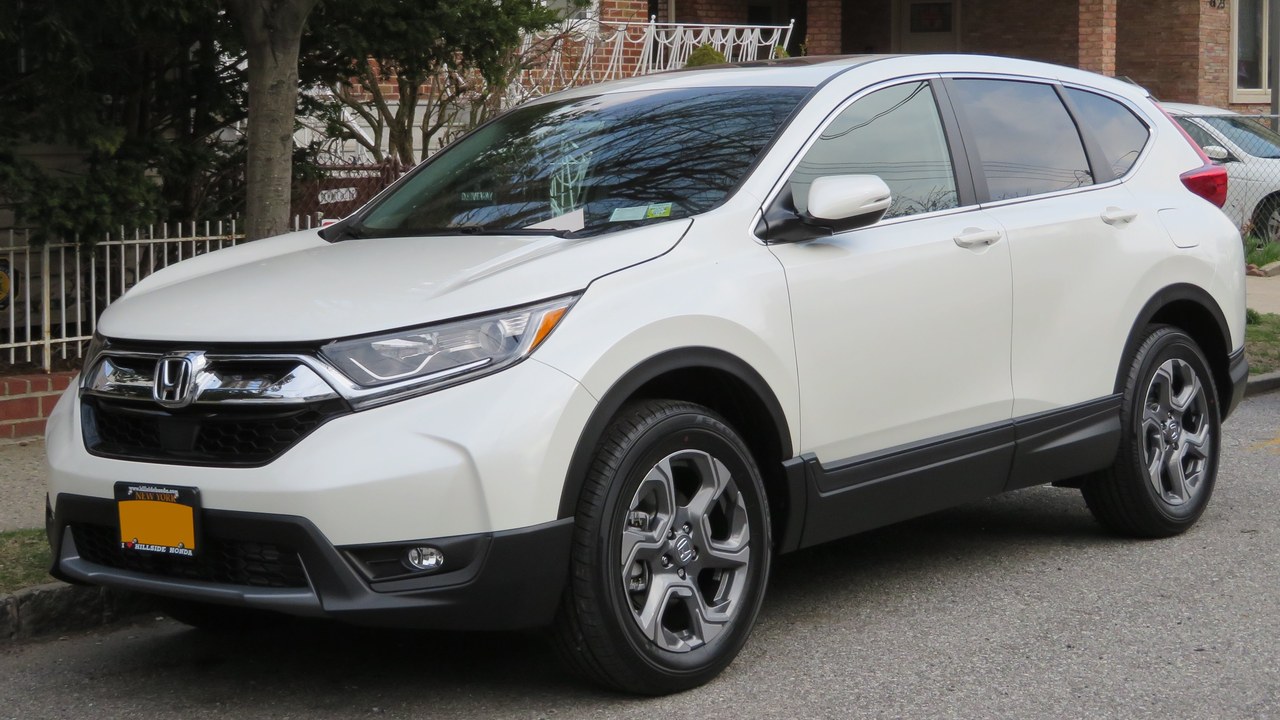
Honda’s own 2025 sales release shows the CR-V topped 400,000 U.S. deliveries for a second straight year, with 54% of those sales going to hybrid versions of the compact crossover rather than the standard gas engine, a shift that has reshaped Honda’s best-selling model lineup in just a few years.
That hybrid share signals how thoroughly electrified powertrains have moved into the mainstream, no longer a niche trim but the version most CR-V buyers now choose at the dealership over the conventional model, a shift few analysts expected to happen this quickly among ordinary crossover shoppers.
5. Ram pickup: Ram Holds Its Ground
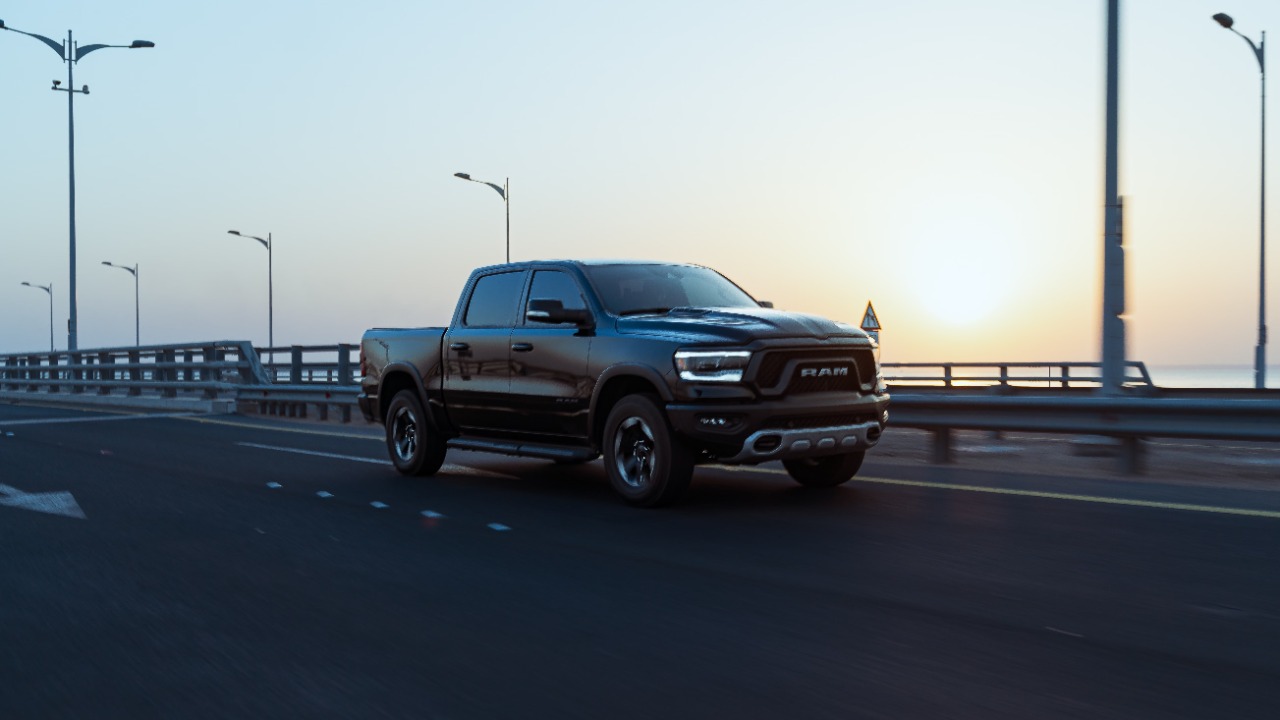
Ram’s pickup lineup moved 374,059 units in 2025, per full-year sales data, enough to hold the fifth spot overall and keep all three Detroit truck brands bunched inside the top six best-selling vehicles in the country, a clustering that has held steady for years now.
The result underscores how much of the American new-vehicle market still runs through pickup beds, with buyers favoring capability, towing power and interior upgrades over smaller, cheaper vehicles that once filled showroom floors, a trend that shows little sign of reversing anytime soon.
6. GMC Sierra: GM’s Upscale Twin
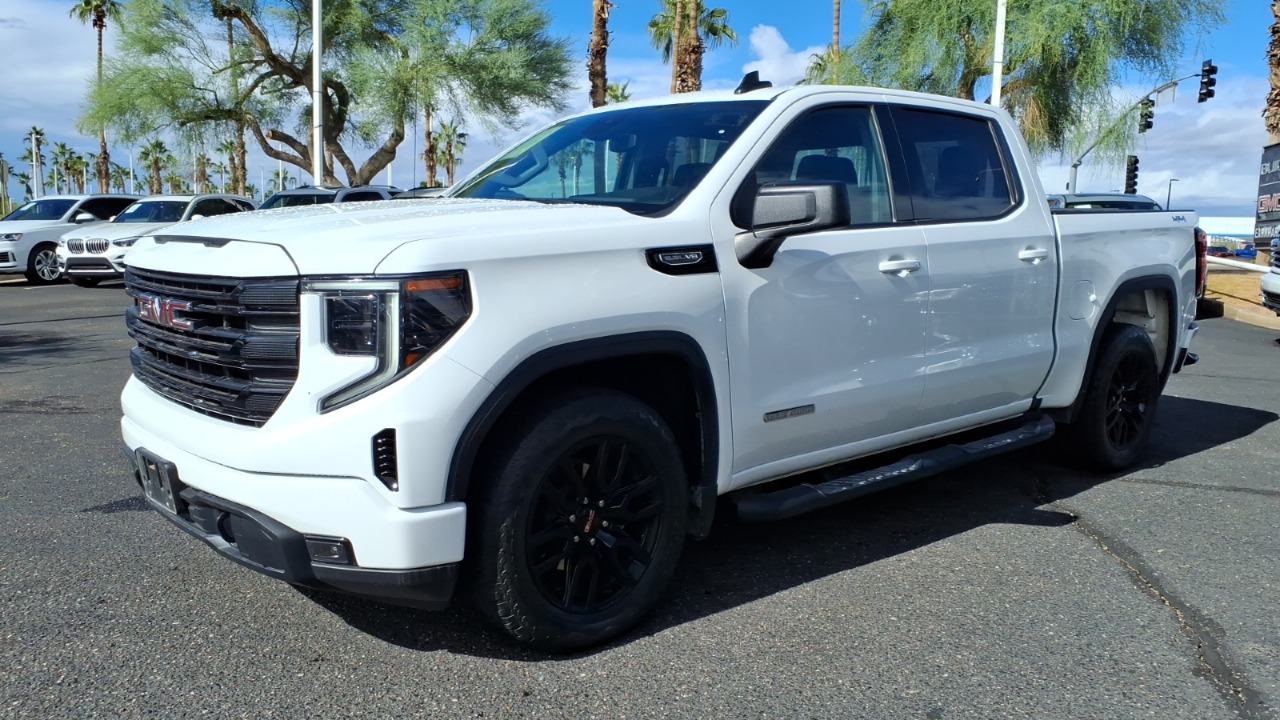
GMC’s Sierra tallied 356,218 sales in 2025, a 9.5% gain that GM Authority’s sales breakdown attributes to combined heavy-duty and electric versions selling alongside the standard light-duty model, which still makes up the bulk of Sierra volume even as electrified variants slowly gain traction.
As the pricier sibling to the Silverado, the Sierra’s growth shows buyers are willing to pay up for the same underlying platform dressed in more premium trim, styling and features, a strategy General Motors has leaned on for decades to keep its two truck brands apart.
7. Chevrolet Equinox: EV Demand Doubles
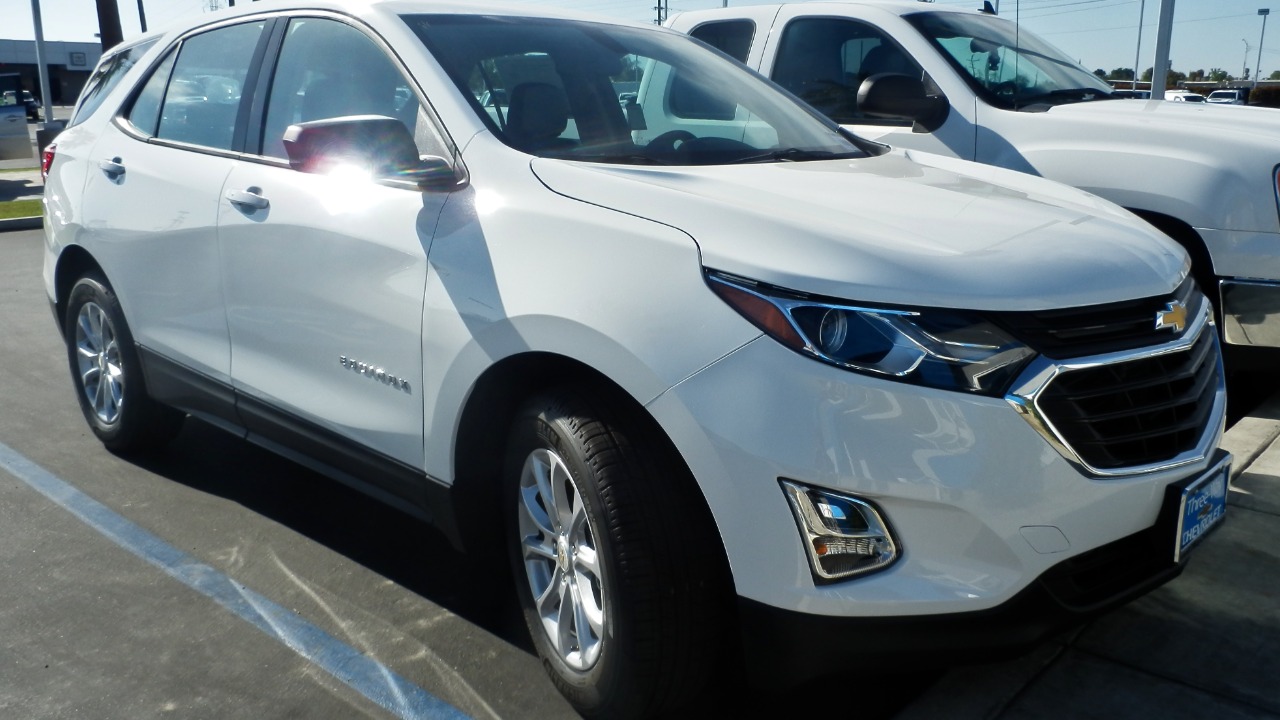
Chevrolet’s Equinox reached 332,301 combined sales in 2025, and GM’s sales figures show the Equinox EV alone more than doubled its volume year over year even as the gas version also posted solid growth of its own.
For a compact crossover long treated as a value pick, that combination of gas and electric growth suggests Chevrolet has found a formula that works at both ends of the powertrain spectrum, a balancing act that has proven difficult for automakers selling both versions of one model.
8. Toyota Camry: Last Sedan Standing
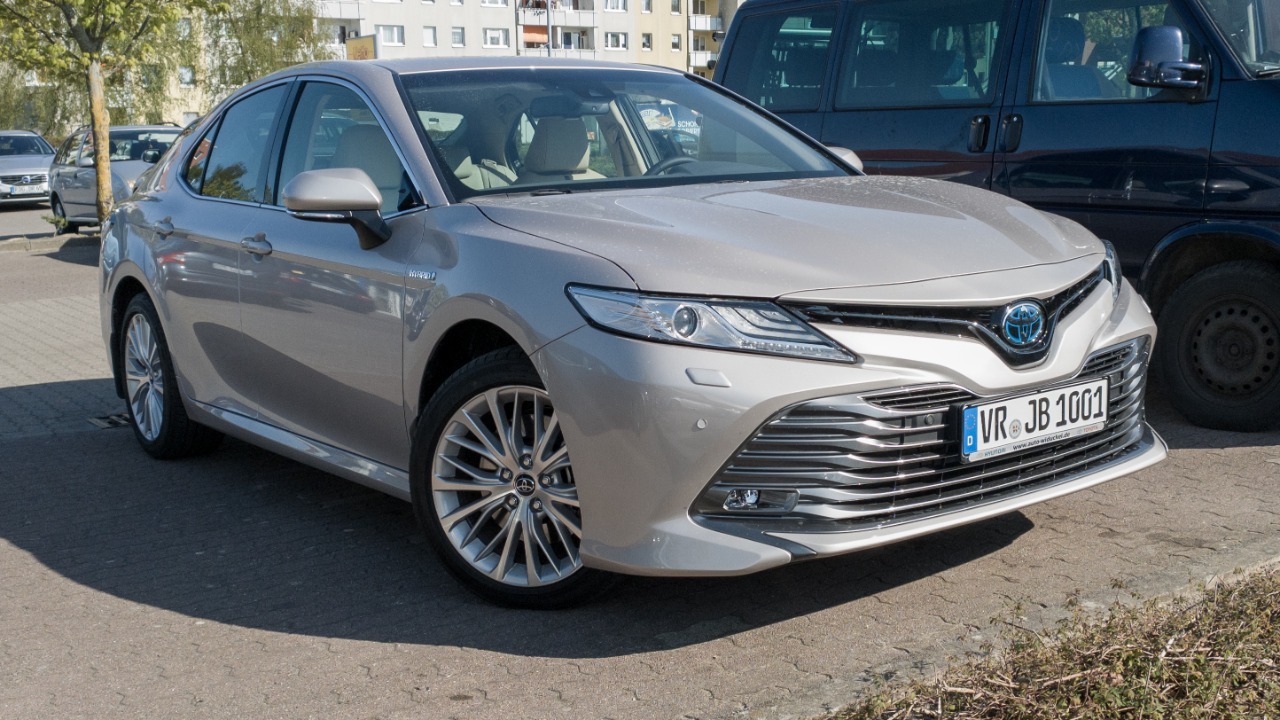
The Camry sold 316,185 units in 2025, according to year-end sales rankings, making it the only traditional sedan to crack the top ten and the best-selling car that isn’t a truck or SUV, a distinction that grows rarer with each passing year.
Its presence on the list is a reminder that sedans have not vanished so much as consolidated, with buyers who still want one gravitating toward the handful of nameplates, like the Camry, that have kept the format worth building for a new generation of shoppers.
9. Tesla Model Y: Best-Selling Electric Vehicle
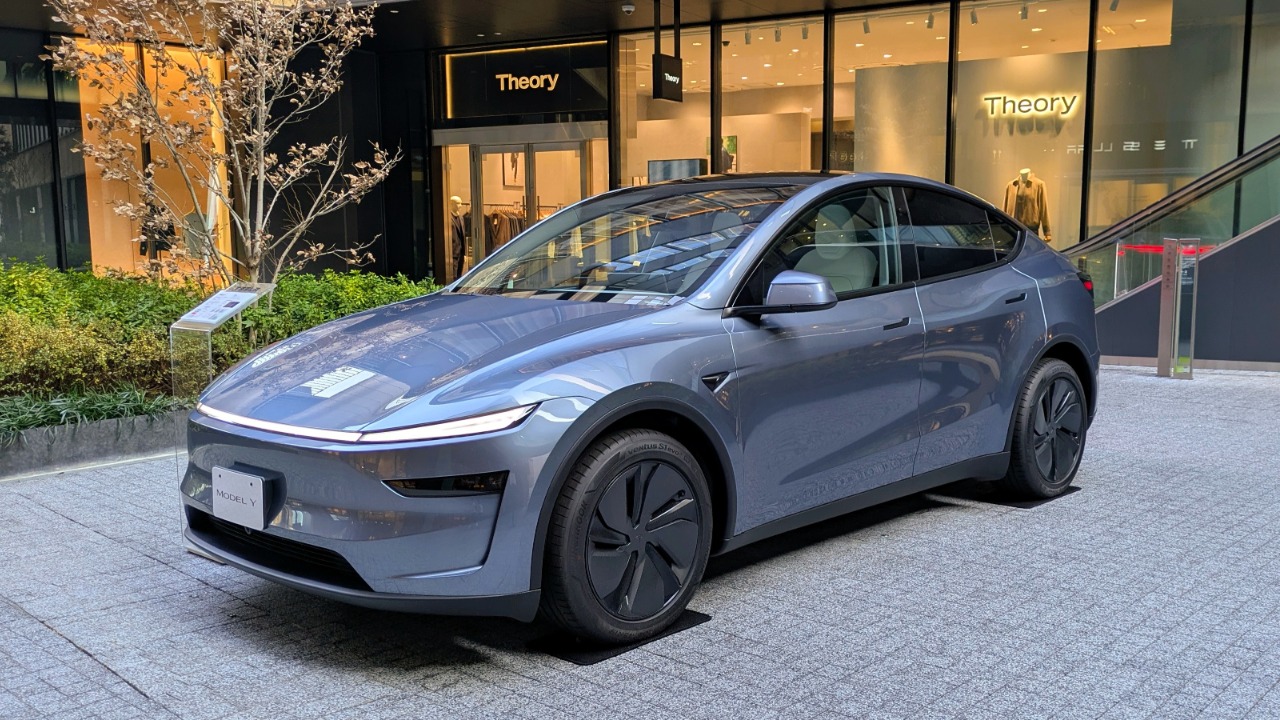
Because Tesla does not publish official U.S. model-level sales figures, Carscoops’ sales estimate puts the Model Y at roughly 317,800 deliveries in 2025, enough to land it among the ten best-selling vehicles in the country despite Tesla selling only a handful of models.
That reliance on outside estimates instead of a company disclosure is itself telling, leaving the exact ranking of the top-selling EV a matter of informed approximation rather than an official, audited count that rival automakers report every month.
10. Toyota Tacoma: A Record Year For Tacoma
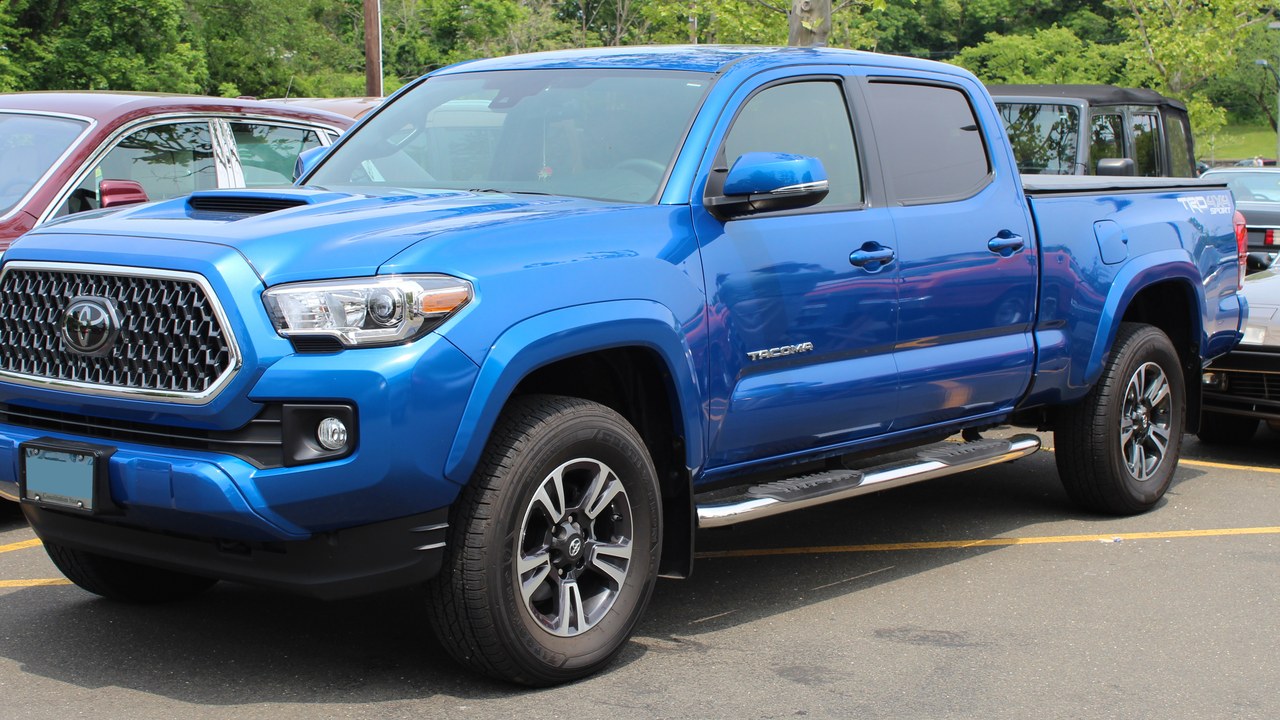
The Tacoma closed out 2025 with 274,638 sales, per year-end sales data, its best-ever result and enough to round out the list of the ten vehicles Americans bought most that year, a fitting cap to a long climb in popularity.
The midsize truck’s showing reflects how strongly buyers have gravitated toward Toyota’s smaller pickup as an alternative to full-size trucks that can be harder to park in the city and more expensive to fuel, especially as household budgets stay tight.
More from Morning Overview
