
New cars keep dropping features that once felt permanent, quietly engineered out as safety rules, digital sensors and phone-based tech take their place. Some disappeared for cost and weight, others because the habits they served, like smoking or checking oil by hand, faded on their own. Here are ten things vanishing from new-car lineups, from spare tires to CD players.
1. Full-size spare tire: The Roadside Backup Fading Out
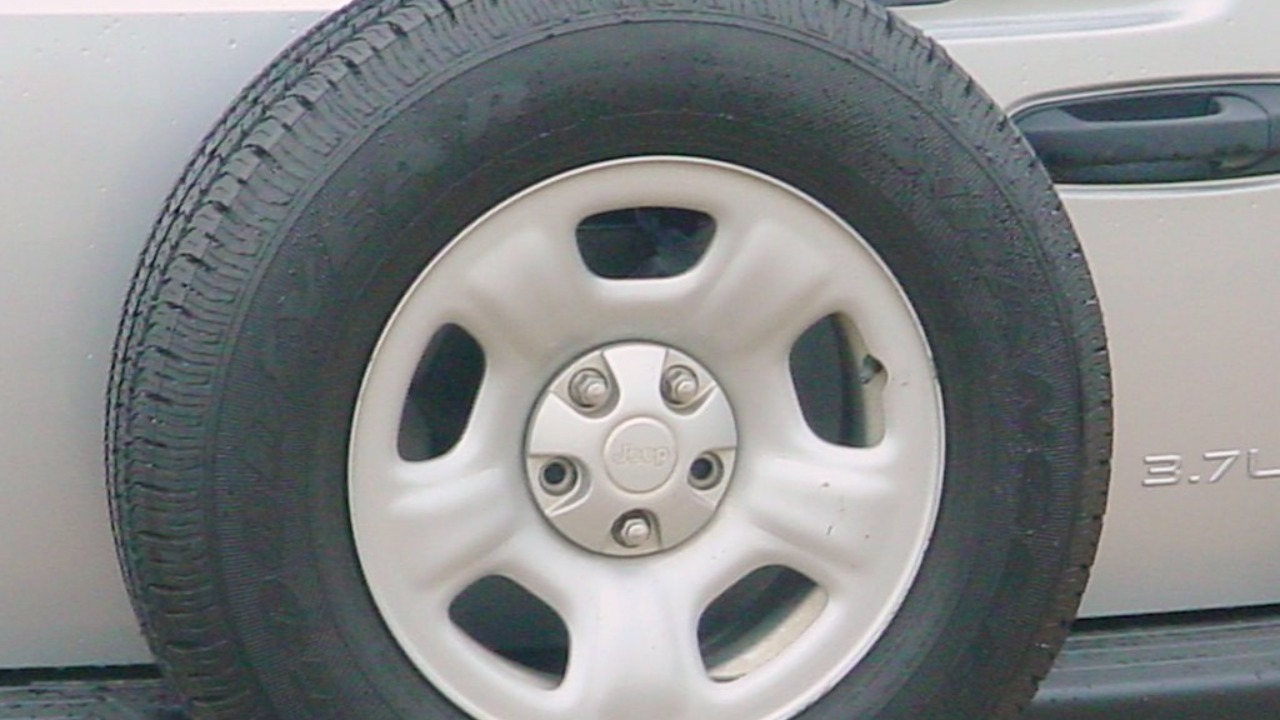
AAA’s 2017 survey found that nearly a third of new vehicles, 28 percent, left the factory without a full-size spare tire as standard equipment, automakers swapping it for a compact space-saver, a tire-inflator kit, or nothing at all to save weight and free up cargo room.
Losing the full spare means a flat tire can strand a driver rather than end in a quick swap, pushing many toward run-flat tires, roadside assistance memberships, or a costly tow to the nearest shop.
2. Manual transmission: The Stick Shift’s Long Goodbye
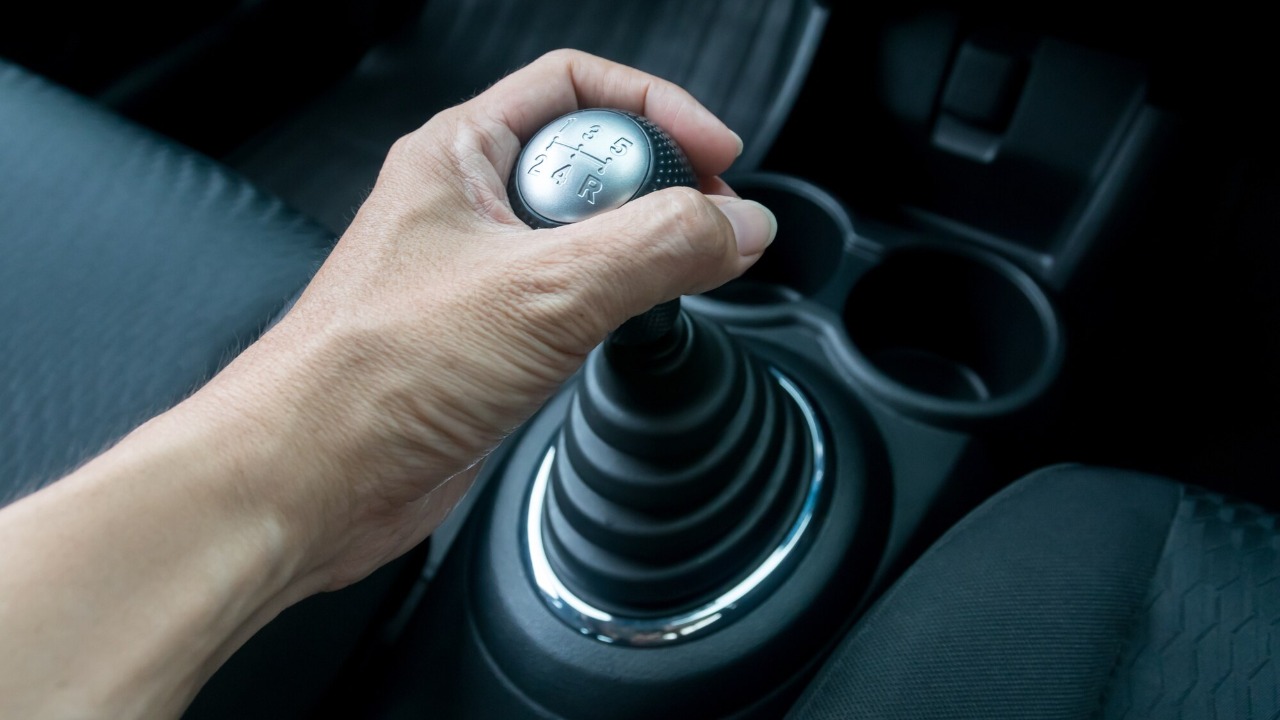
Manual transmissions once powered close to 35 percent of new vehicles sold in 1980, but Gear Patrol reports the manual transmission has made up less than 1 percent of United States production every year since the 2021 model year.
Automatic and dual-clutch gearboxes now deliver quicker shifts and better fuel economy with less driver effort, leaving the clutch pedal mostly to sports cars and a shrinking handful of enthusiast trims. Some automakers have dropped manual options from their lineups entirely, reserving three pedals for a handful of performance nameplates aimed at driving purists rather than everyday commuters.
3. CD player: Disc Slots Give Way to Streaming
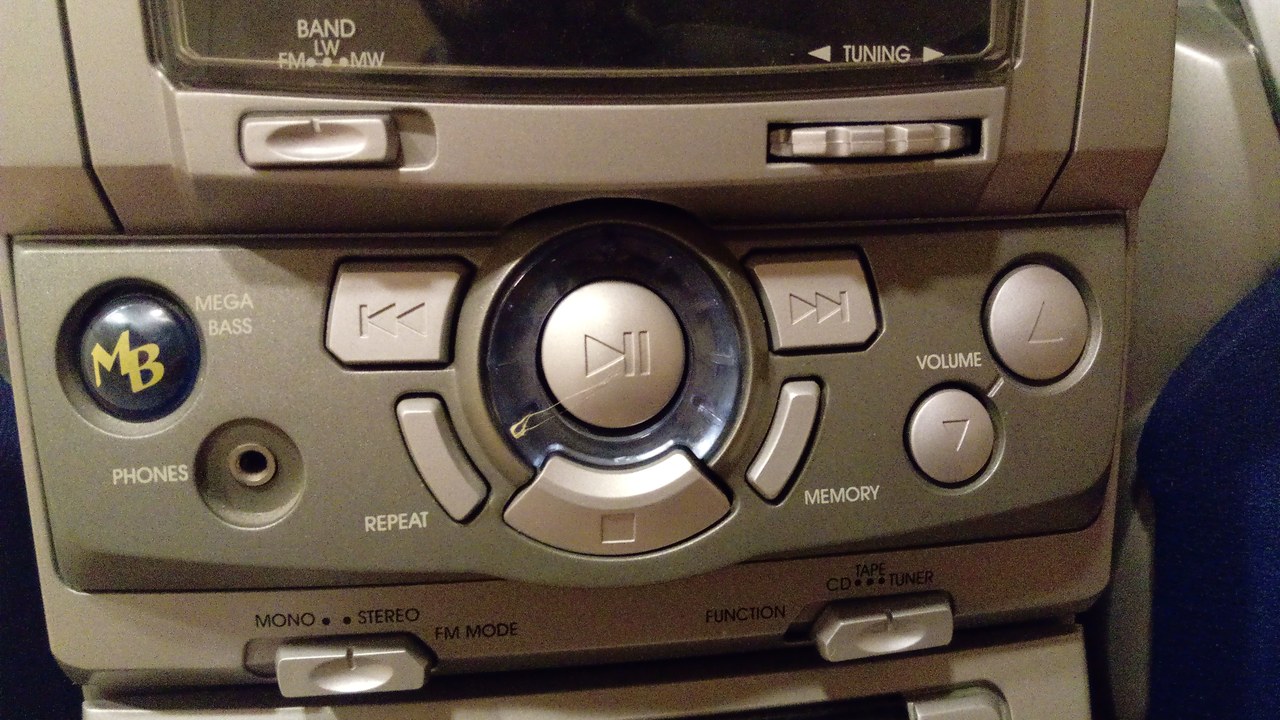
The in-dash CD player, once a dashboard staple, has given way to aux inputs, USB ports and Bluetooth streaming as automakers redesign infotainment systems around phones rather than discs.
Drivers who still own CDs now need a separate player or an adapter, while most new-car buyers simply stream music straight from a smartphone without ever inserting a disc. Automakers have also begun removing physical audio inputs altogether, betting that nearly every driver already keeps a phone paired to the infotainment system for music and navigation alike.
4. Oil dipstick: Digital Sensors Replace the Dipstick

Many automakers now omit the oil dipstick entirely, according to Gear Patrol, relying instead on digital oil-monitoring systems that read levels and quality electronically and display the results on the dashboard.
That shift means fewer drivers ever check oil by hand, trading a simple visual habit for a sensor and a warning light that only appears once a problem is already underway. The sensors can flag a low level or degraded oil before a driver would ever notice, though some owners still miss the reassurance of pulling a dipstick and checking it themselves.
5. Cigar lighter receptacle (cigarette lighter): USB Ports Take Over the Socket
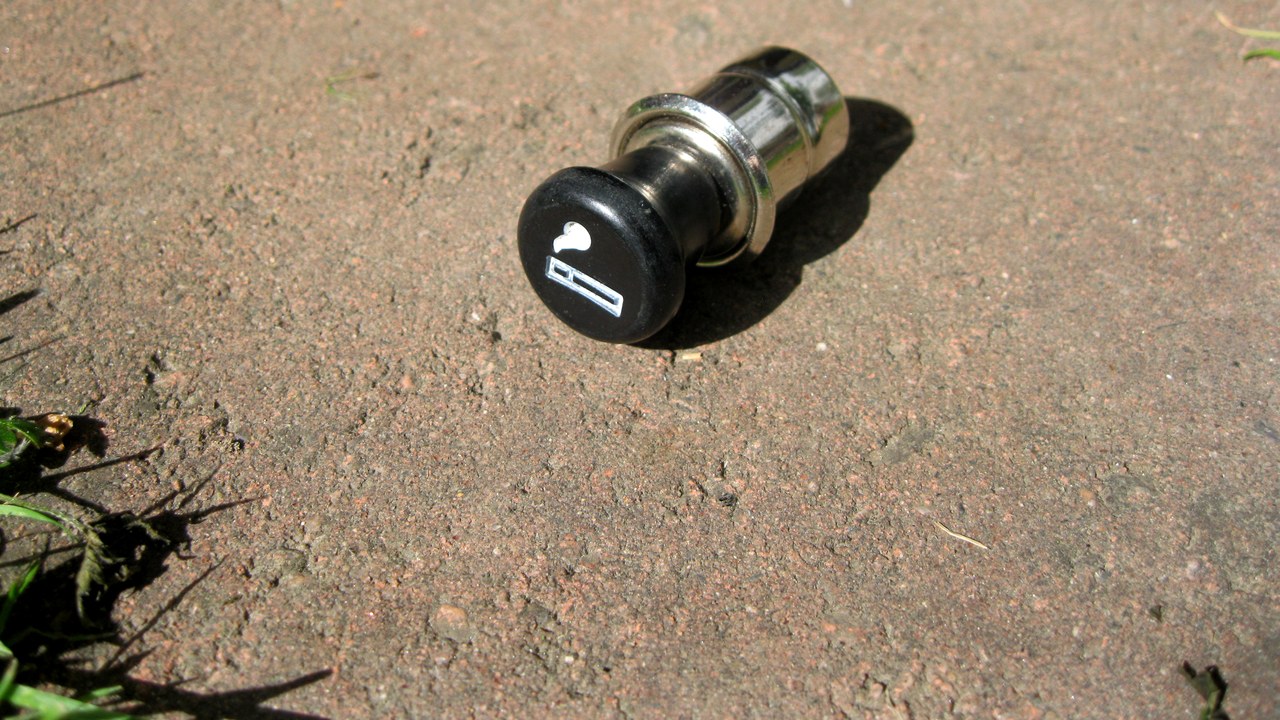
The round 12-volt cigarette lighter port that once lit smokers’ cigarettes is being phased out in favor of USB-A and USB-C charging ports as Gear Patrol notes smoking has fallen out of fashion among drivers.
Some cars still keep the round socket for accessories like air compressors, but newer models increasingly assume every passenger is charging a phone rather than lighting anything at all. The accessory socket persists mostly out of habit and legacy compatibility, even as its original purpose all but disappeared from daily driving.
6. Car ashtray: Ashtrays Lose Their Console Spot

Most automakers have dropped the built-in car ashtray altogether, AAA reports, choosing to devote that console space to more tech-focused features like cupholders, wireless chargers and extra storage instead.
The change reflects how few buyers ever smoked in their cars to begin with, and any driver who still wants an ashtray now has to buy a clip-on version separately. A handful of automakers still offer a small ashtray as a dealer-installed accessory, but it is no longer assumed equipment the way it was decades ago.
7. Front bench seat: Bucket Seats Replace the Bench
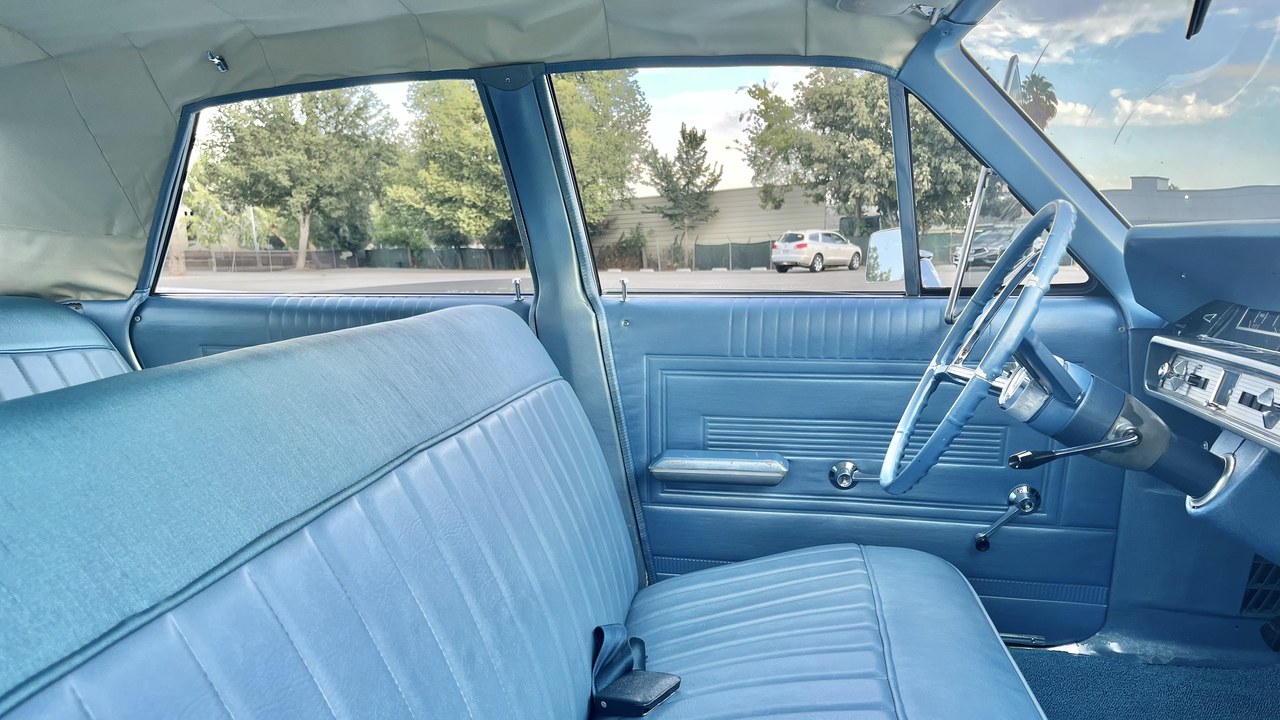
The front bench seat that once let three people ride up front has largely disappeared, AAA notes, replaced by individual bucket seats designed around modern airbags and other safety systems.
Bucket seats also better support side-impact protection and seatbelt geometry, so the tradeoff sacrifices front-row capacity for structural safety engineering that a flat bench could not accommodate. A few full-size pickups still offer a front bench as an option, but it has become the exception rather than the default configuration buyers expect.
8. Metal ignition key: Fobs Replace the Stamped Key
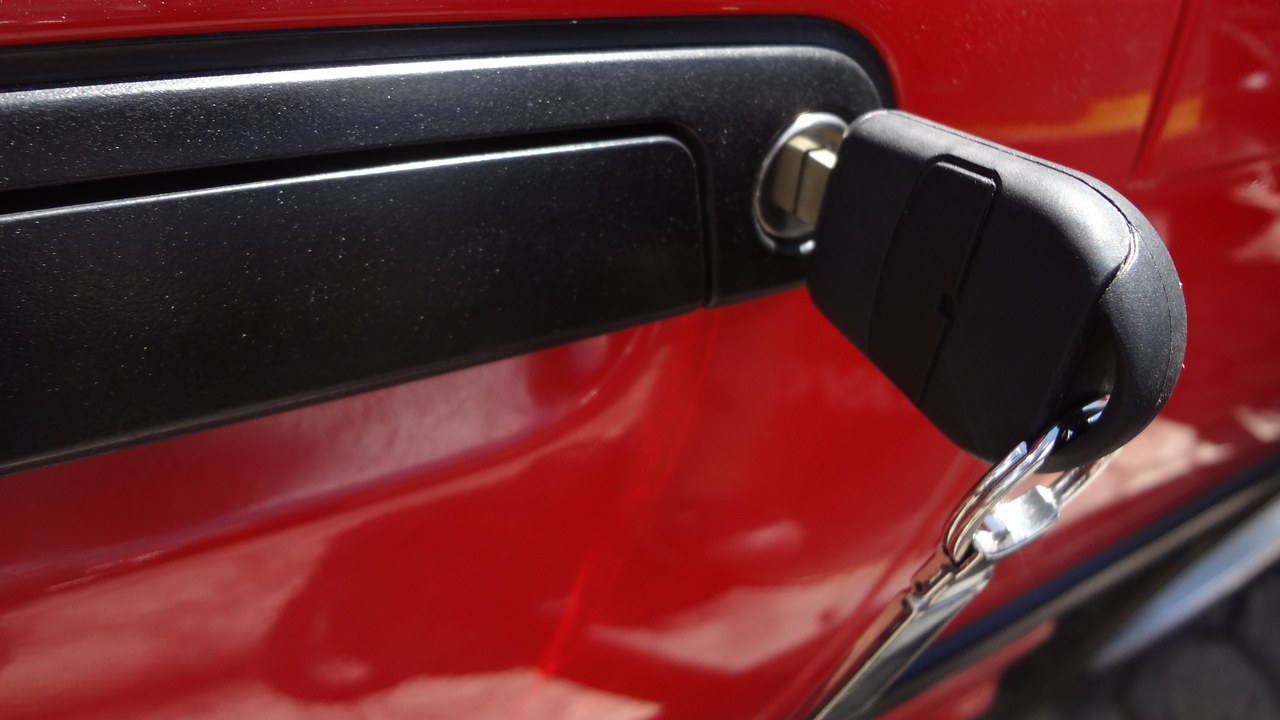
The stamped metal ignition key is becoming a thing of the past, according to AAA, as automakers switch to key fobs paired with push-button start systems across most new trims.
The change trims a step from getting in the car, but it also means a dead fob battery, rather than a worn key, is now the more common way to get locked out. Some brands keep a small emergency blade tucked inside the fob for when the battery finally dies, a nod to the key it quietly replaced.
9. Vent window: Air Conditioning Ended the Vent
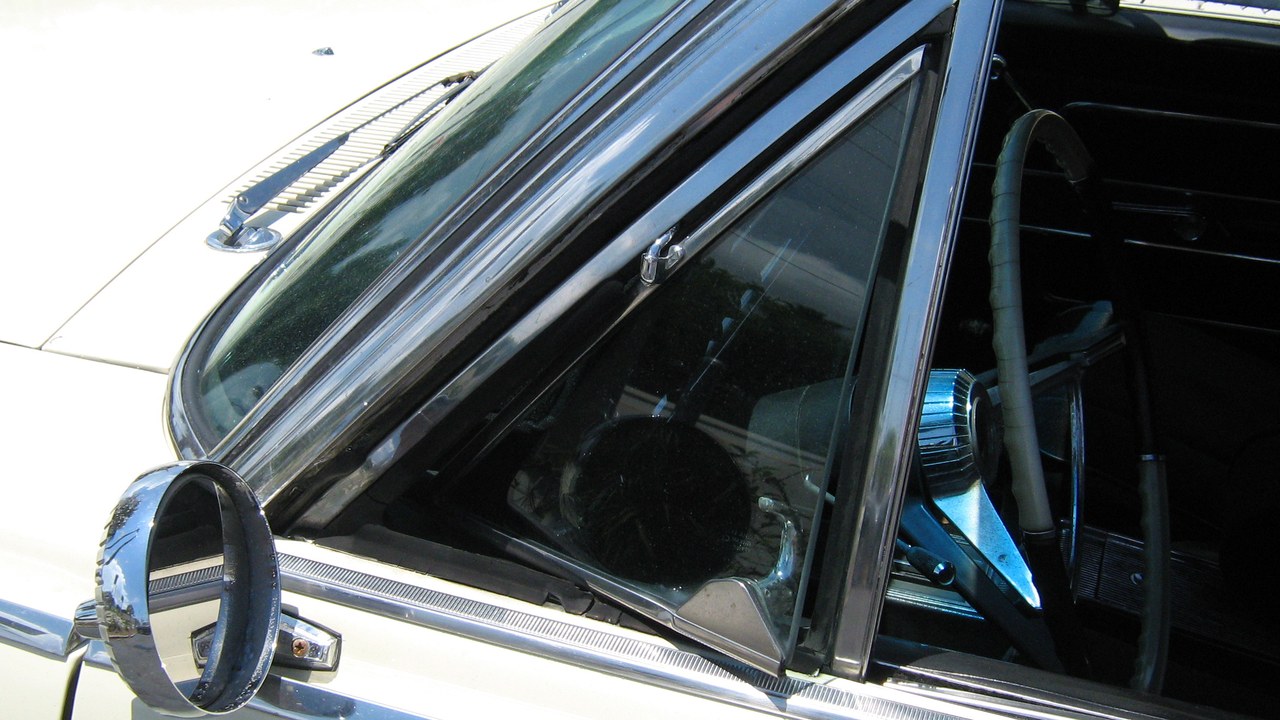
The small hinged vent window that once let drivers steer in fresh air without a full window down disappeared largely because air conditioning became standard equipment, AAA explains, making the extra hinge unnecessary.
Modern cabins instead rely on climate control systems and cabin air filters, so a feature once central to keeping cool on a hot commute simply stopped being worth the manufacturing cost. A handful of modern models occasionally revive a version of the vent for airflow or styling reasons, but it never returned as standard equipment.
10. Pop-up headlights: Federal Rules Closed an Era
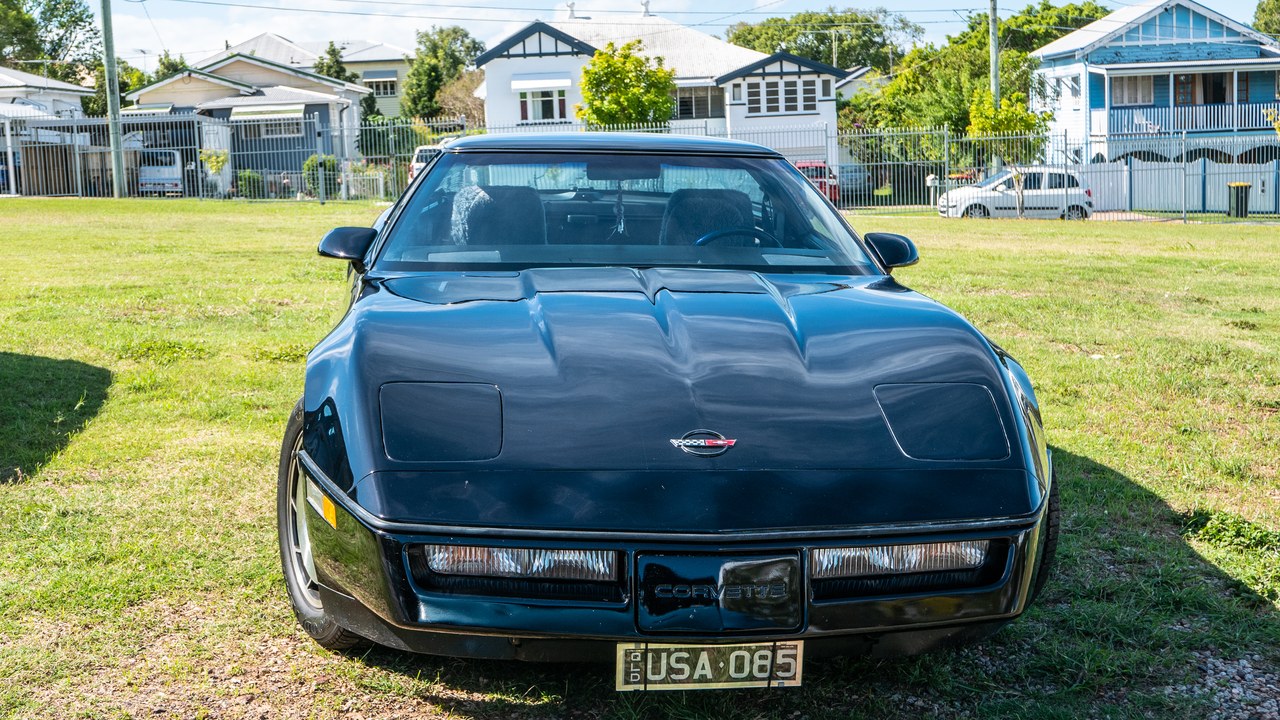
No single regulation banned pop-up headlights outright, but federal lighting standards and pedestrian-safety priorities made the hidden, motorized lamps obsolete for new-vehicle design over time, particularly as international regulators aligned on similar rules.
Fixed headlight housings now meet those same standards without moving parts to break, ending a distinctive design trick once found on sports cars from the 1980s and 1990s. A few automakers experimented with compliant successors before abandoning the mechanism altogether, and no mainstream new vehicle sold today uses retractable headlamps.
More from Morning Overview
- A handful of car engines are so tough mechanics say they almost never wear out
- The NSA is again telling phone owners to switch off one location setting
- Supplements now rank as the fifth-leading cause of death from liver disease.
- Herbal supplements are landing Americans in the hospital with liver damage, doctors warn
