
Some sport utility vehicles get traded at the first sign of a real repair bill, while others quietly stay in the same driveway through two decades of school runs, job changes and long road trips. The difference usually comes down to sturdy engineering, shared parts and mechanics who already know the failure points. Here are ten SUVs owners tend to keep well past fifteen years.
1. Toyota Land Cruiser: The Benchmark For Staying Power
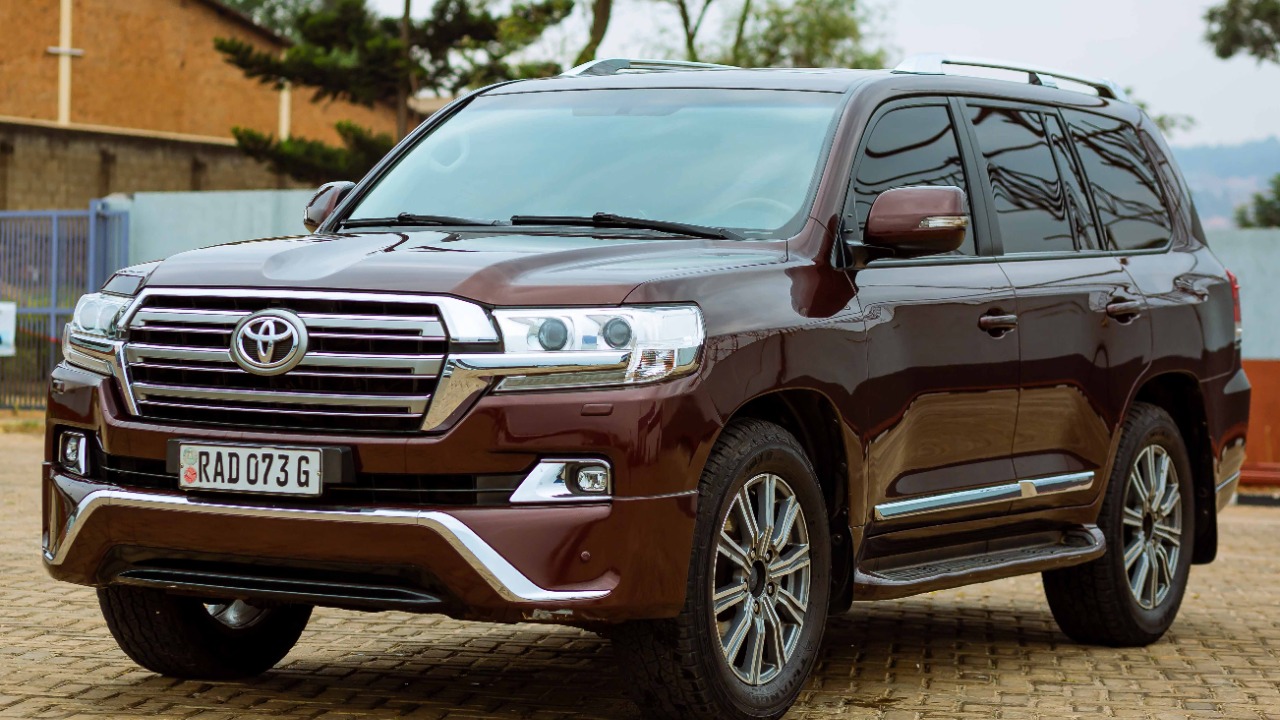
Toyota has built the Land Cruiser continuously since 1951, and the recipe barely changed for decades: a ladder frame, solid axles and drivetrains engineered for terrain where a tow truck is not coming. The long-running Land Cruiser line earned its reputation in Australian mining camps, African aid fleets and Middle Eastern deserts, places that punish anything fragile.
That overbuilt design costs weight and fuel economy, which is part of why the model left the American lineup for a stretch. Owners who already had one rarely cared. Resale values stay high enough that trading a sound example toward something newer tends to feel like a downgrade.
2. Toyota 4Runner: The Body-On-Frame Holdout
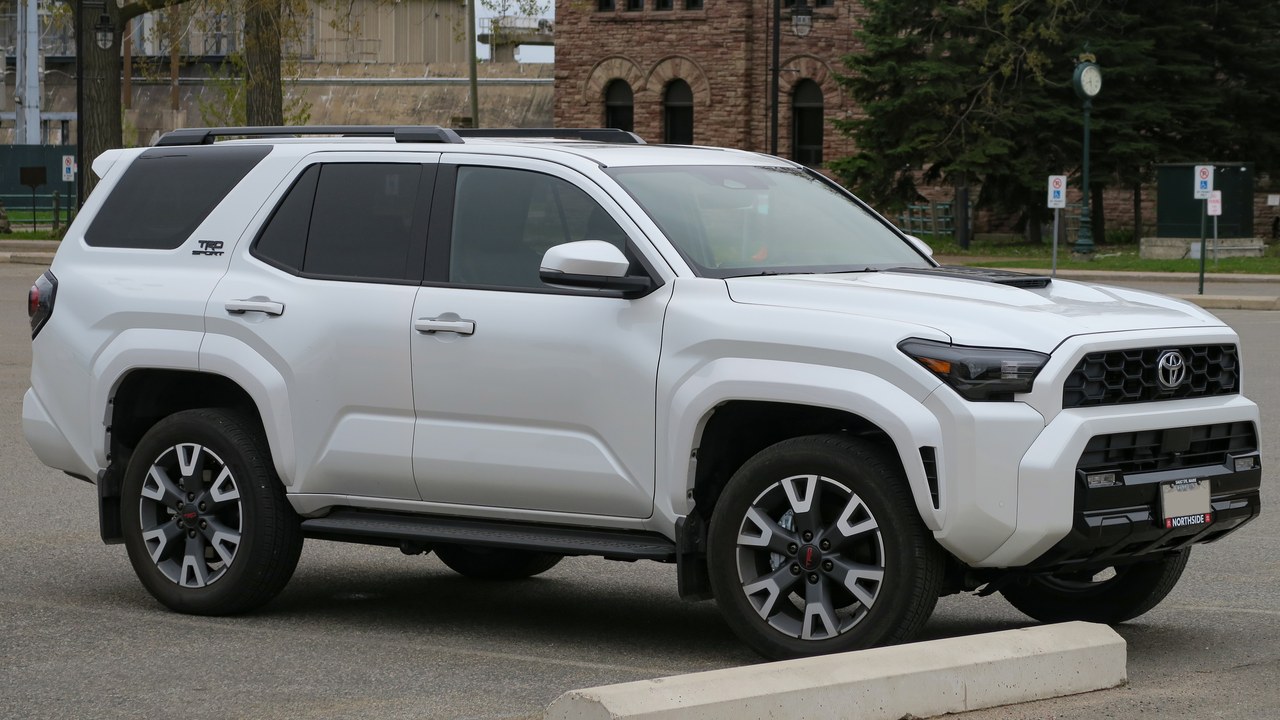
While rivals migrated to car-based platforms, the 4Runner kept a truck frame, a live rear axle and a naturally aspirated V6 that generations of mechanics already knew. Toyota has let each version of the 4Runner’s truck platform run for many years with only modest updates, so shop knowledge and parts supply had time to spread everywhere.
The tradeoffs show up on pavement as heavy steering, a tall ride and thirsty highway numbers. Buyers who wanted a smooth commuter left the nameplate long ago. The ones who stayed treat two hundred thousand miles as a midpoint rather than an ending, and used prices reflect it.
3. Toyota Sequoia: A Full-Size Toyota That Refuses To Retire
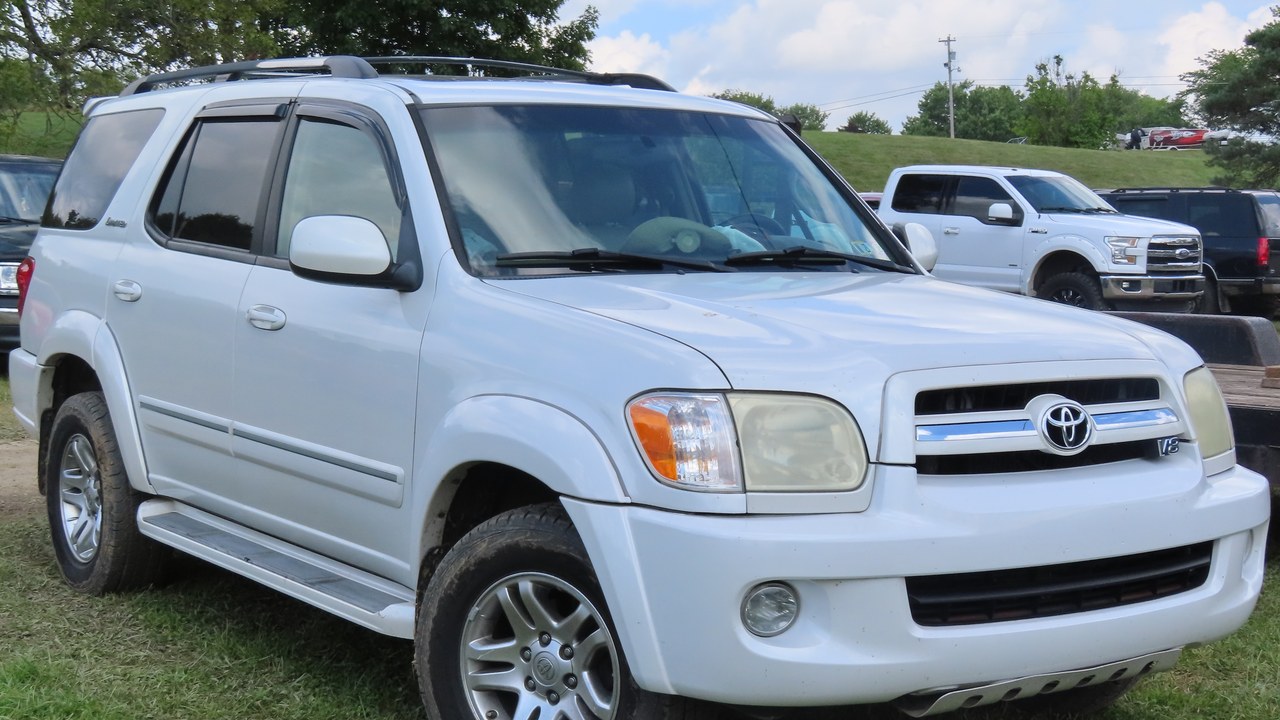
Underneath the three rows, the Sequoia shares its architecture with the Tundra pickup, which gives the family hauler a truck’s frame and a truck’s service life. Toyota has kept the full-size Sequoia in production for long stretches with minimal redesign, an unusual choice in a segment that refreshes constantly.
Fuel economy is the price of that hardware, and the cabin aged visibly against newer rivals. Households towing boats and trailers weigh those complaints differently. A large Toyota that still starts every morning after fifteen winters is hard to justify replacing with a monthly payment.
4. Honda CR-V: The Crossover That Simply Keeps Going
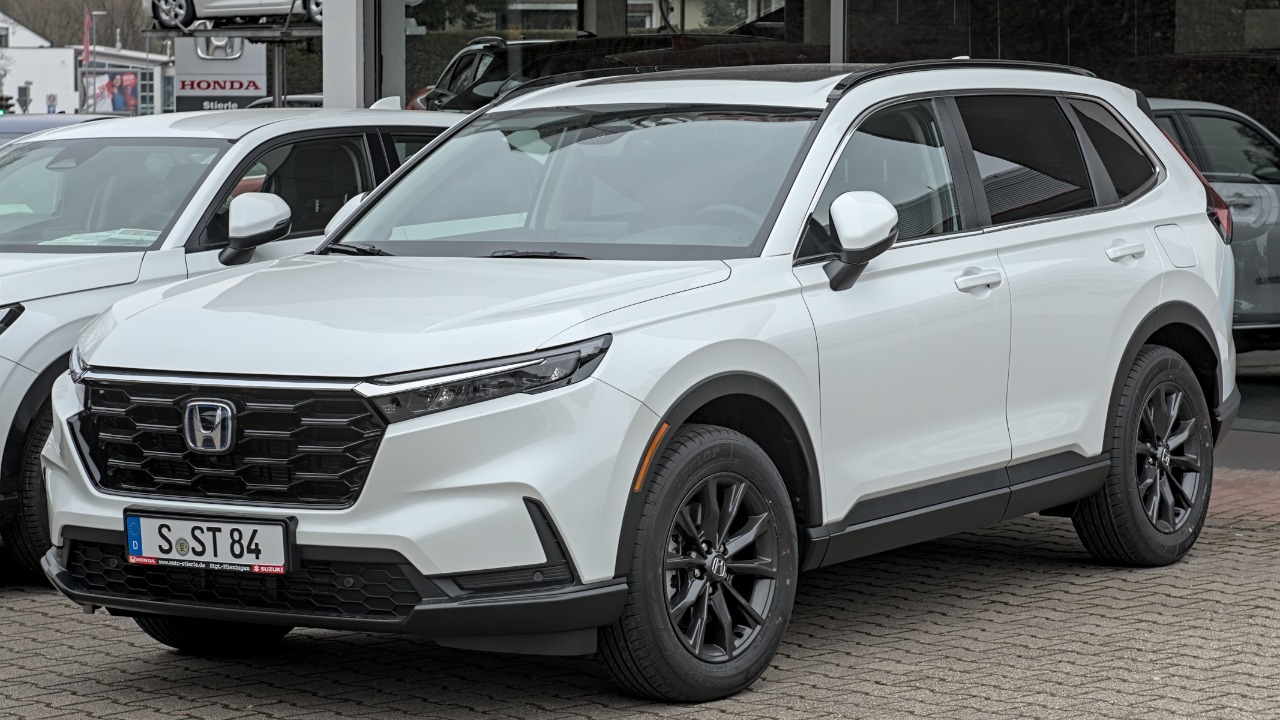
Honda built the CR-V around modest, well-understood four-cylinder engines and a packaging job that spends every inch on interior space rather than swagger. The compact Honda crossover has been one of the best-selling vehicles in the United States for years, so independent shops stock its wear items and recognize its quirks immediately.
Not every model run is equal, and certain turbocharged versions drew oil-dilution complaints in cold climates. Owners who avoid the trouble spots and keep to the service schedule end up with an unusually cheap family car to run. Slow depreciation removes most of the reason to trade.
5. Toyota RAV4: Sheer Volume Breeds Longevity
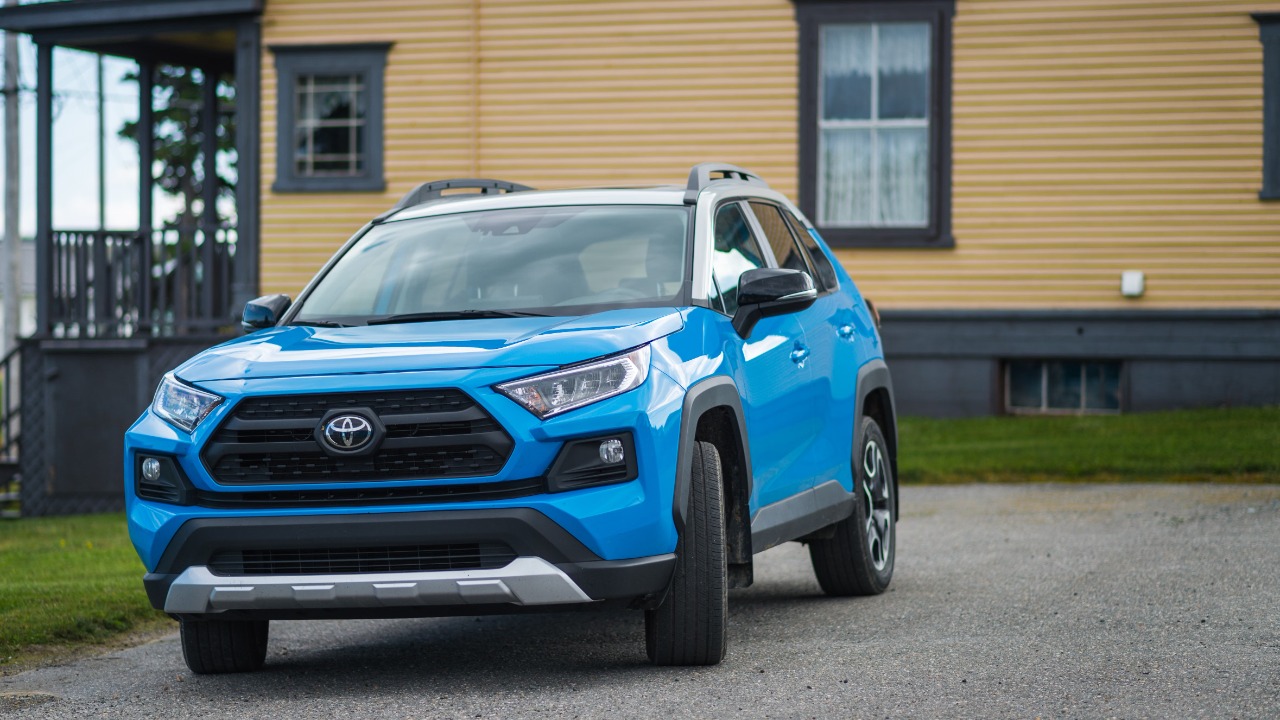
Scale is the quiet advantage here. Toyota’s compact crossover ranks as the best-selling non-pickup vehicle in the United States, so RAV4 mechanical components are shared across an enormous fleet and stay cheap to source. Hybrid versions go further, deleting the conventional starter, alternator and stepped automatic transmission that usually fail first.
The cabin is plain and the ride is unremarkable, criticisms that matter less with each year of ownership. Strong demand also props up used values, which cuts both ways. Selling one is easy; finding a replacement that costs less per mile to keep is not.
6. Lexus GX: Land Cruiser Bones In A Luxury Suit
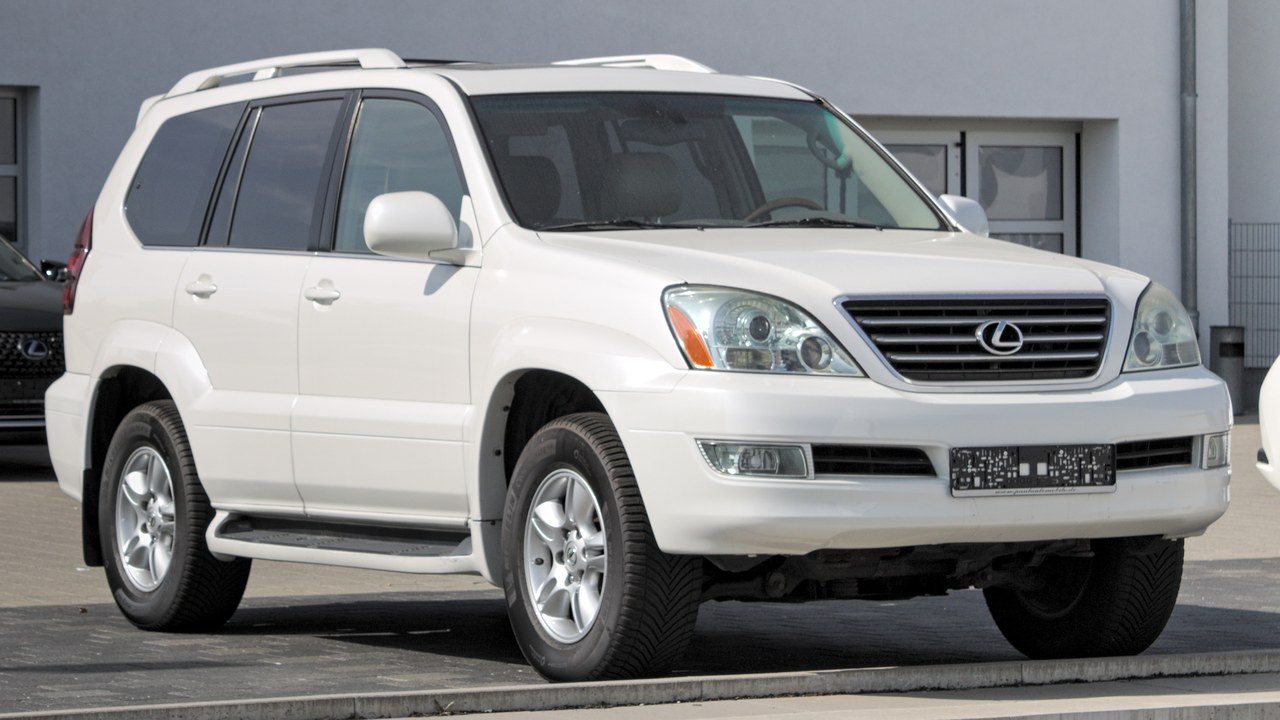
Strip the leather and sound insulation and the GX is a Toyota Land Cruiser Prado wearing a Lexus badge. Buyers of the earlier GX generations got a body-on-frame chassis and a naturally aspirated V8, hardware with almost nothing in common with the unibody crossovers it gets cross-shopped against.
Depreciation punishes the luxury badge far harder than the mechanicals, which is how used examples became favorites among overlanders and long-haul commuters. The running costs are real: premium fuel, heavy tires and mid-teens mileage. Owners absorb them rather than open a new loan on something less durable.
7. Subaru Outback: The All-Weather Habit
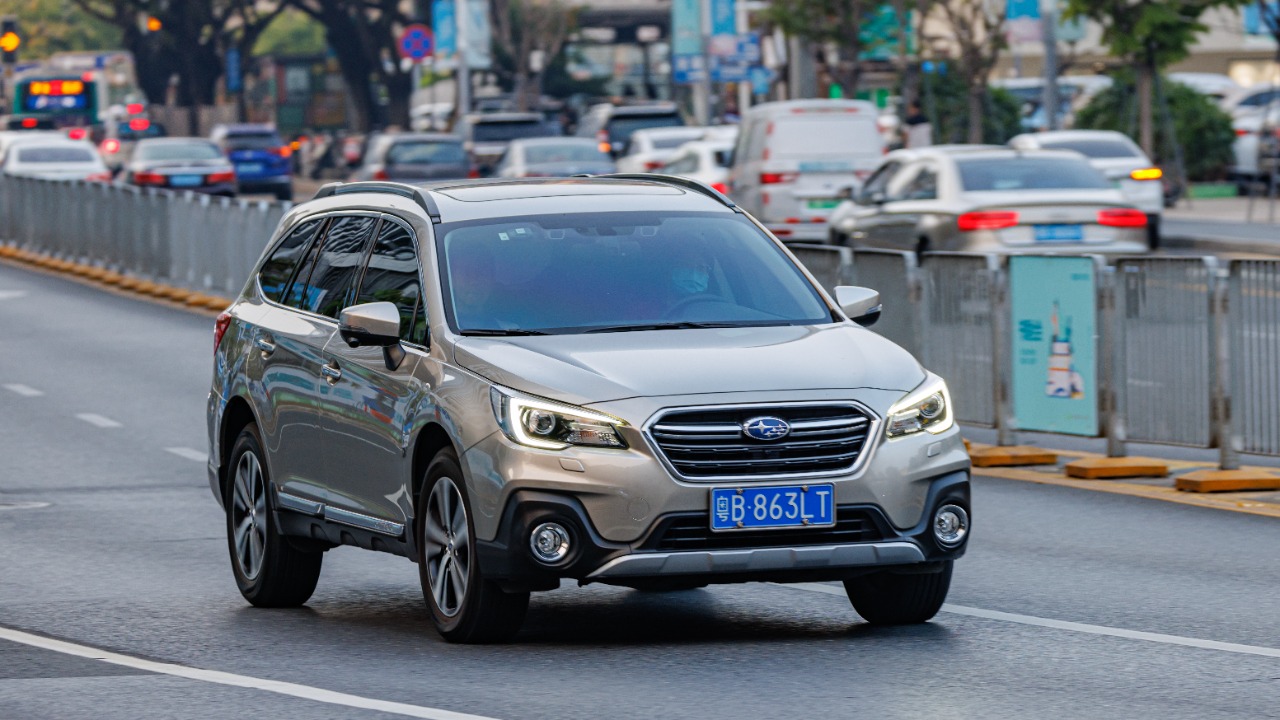
Standard symmetrical all-wheel drive, a boxer engine and enough ground clearance for an unplowed road built fierce loyalty across New England, the Rockies and the Pacific Northwest. That all-wheel-drive layout has carried through every generation, so the specific capability an owner bought into never quietly disappears from the next one.
Older boxer engines earned a reputation for head-gasket work and oil consumption, and continuously variable transmissions are the newer worry. Drivers who budget for those repairs instead of panicking tend to keep the car a very long time. Subaru’s repeat-purchase rates are among the highest in the industry.
8. Chevrolet Suburban: America’s Longest-Running Nameplate
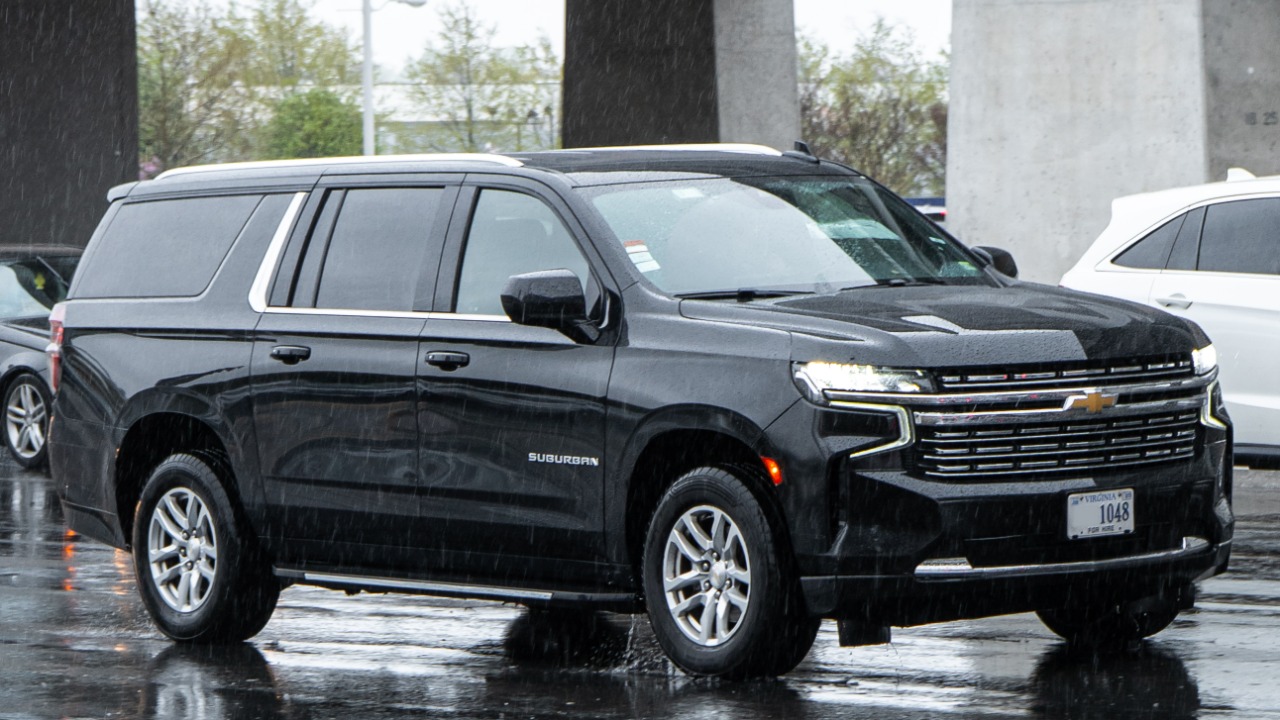
Chevrolet has sold something called a Suburban since 1935, making it the longest-running automotive nameplate in continuous American production. The formula never really moved: a full-size truck chassis with three rows bolted on and small-block V8s that any competent shop can service without specialized tooling or proprietary diagnostics.
Fuel bills punish the owner and city parking is a genuine chore. Large families, contractors and livery operators keep buying anyway, because little else seats nine and tows a loaded trailer. Many serve a first decade as a household car and a second as a work vehicle.
9. Honda Pilot: The Quiet Three-Row Survivor
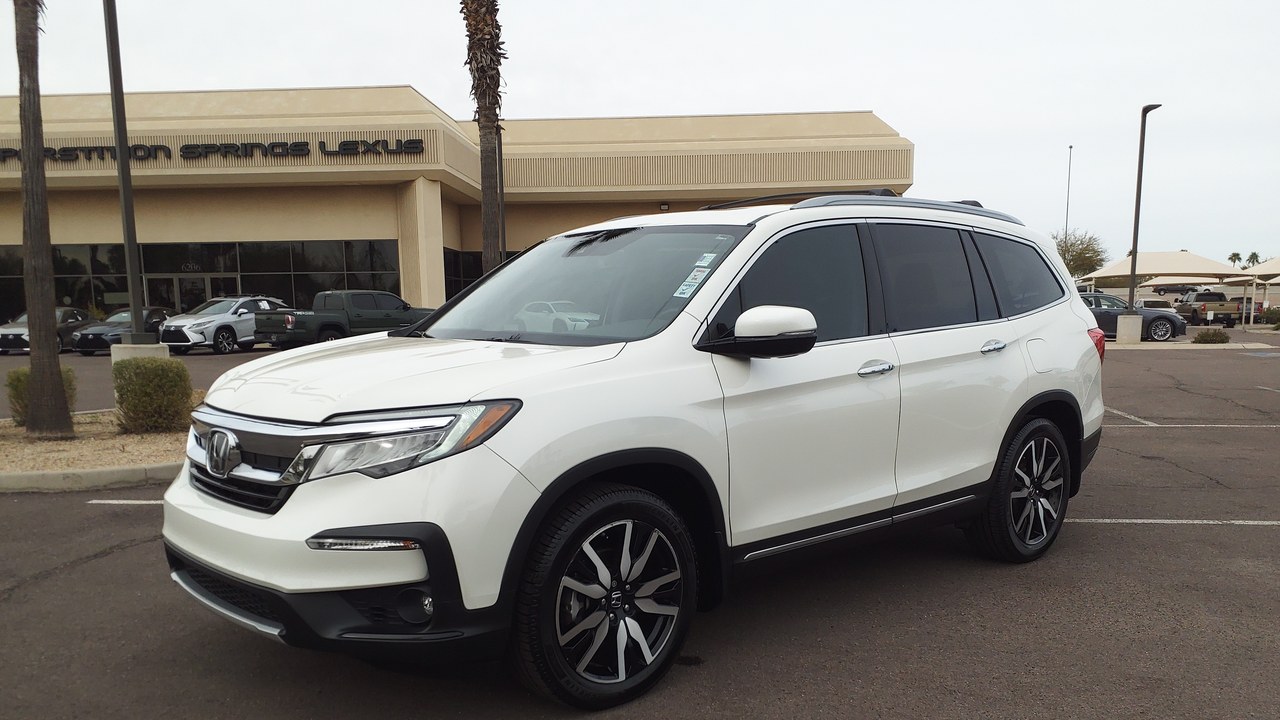
The Pilot rides on a stretched version of Honda’s front-drive unibody platform and uses the corporate V6, an engine family with a long service record in the Odyssey and Accord. Shared Honda V6 architecture means a high-mileage example runs into problems mechanics have already solved thousands of times, usually at a predictable price.
Cylinder-deactivation systems on some model runs are the known weak point, and transmission fluid changes are not optional. Households that follow the schedule get a three-row that stays useful long after the children outgrow car seats. That second decade is where the value actually lands.
10. Jeep Wrangler: Owners Do Not Sell, They Modify
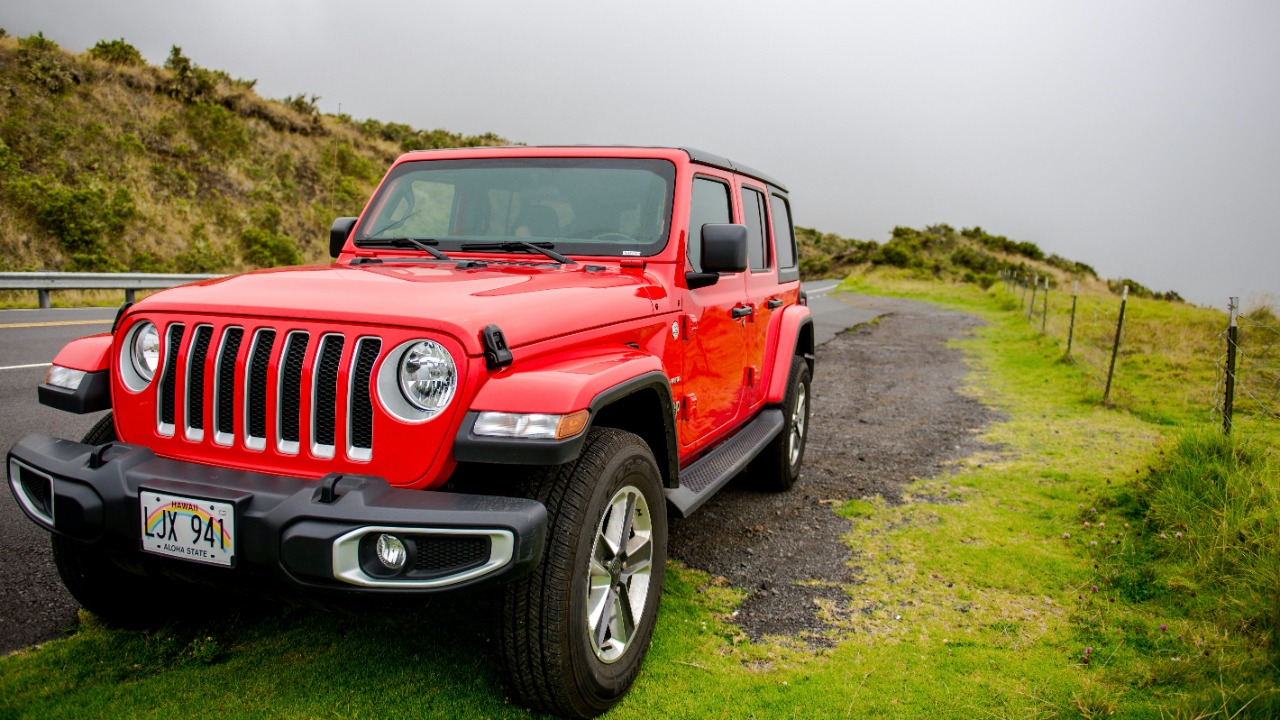
Descended directly from the wartime Jeep, the Wrangler still uses a separate frame, solid axles front and rear, and body panels designed to be unbolted. An enormous aftermarket exists to keep the Wrangler platform on the road, and nearly every worn component can be replaced individually rather than as a sealed assembly.
Ride quality, wind noise and highway manners were all compromises accepted on the day of purchase. In exchange comes a vehicle that can be repaired more or less indefinitely and holds resale value better than almost anything in its class. Trading one typically means buying another.
More from Morning Overview
- More than 60,000 people flee the Spokane area as complex fires overrun 600 structures
- 11 engines built to run well past 200,000 miles
- Card skimmers hidden on gas pumps and ATMs are draining accounts, and here’s the tell
- The FBI says hackers are hijacking outdated home routers, and it named the models to check
