
Postwar Europe and Japan needed cheap wheels that could thread through rubble-strewn lanes and park where nothing else fit, and inventive engineers answered with cars barely larger than a scooter. Some opened from the front, some could be lifted by hand, and a few came from grounded aircraft firms hunting new work. These ten machines squeezed mobility into the smallest possible footprint.
1. BMW Isetta: The Egg On Wheels With A Front Door
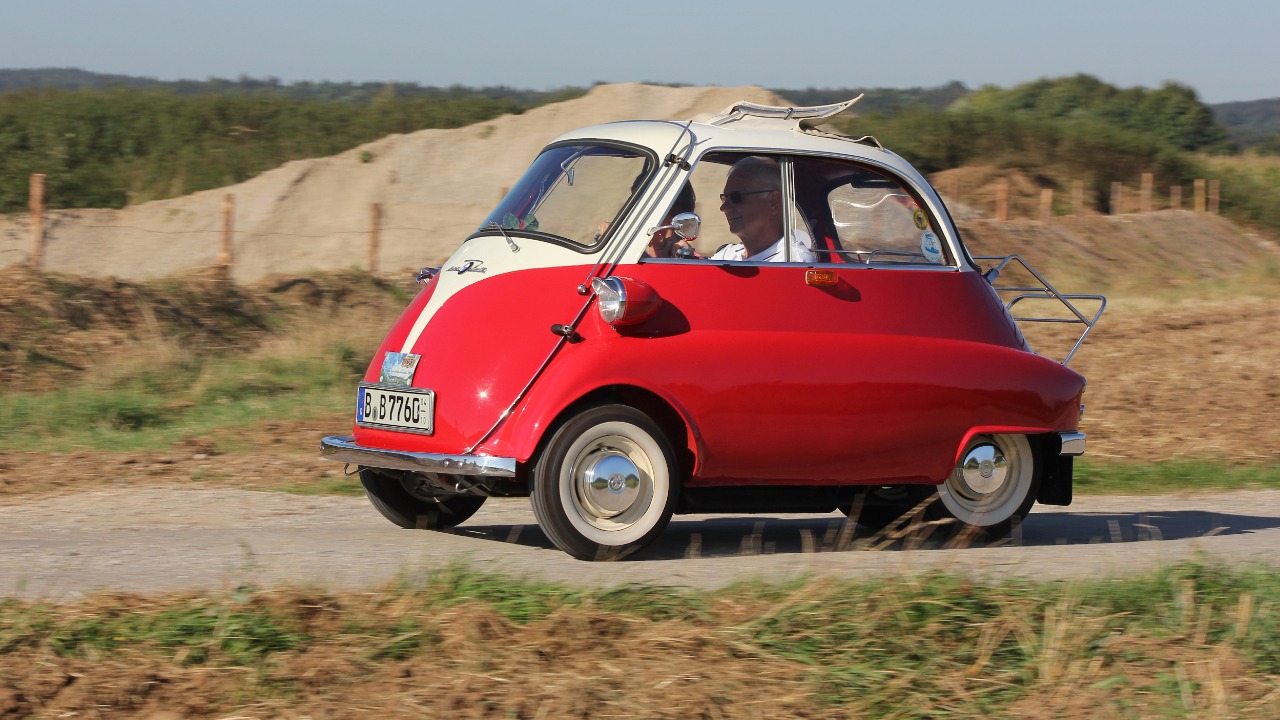
BMW built its version under license from Italy’s Iso, and the rounded body earned the bubble car nickname that stuck to the whole genre. The single door hinged at the front, swinging open with the steering column attached so the driver stepped straight into the cabin from the curb.
That layout let the Isetta nose into gaps a conventional car could never reach, parking almost head-on against a wall. Its tiny motorcycle-derived engine sipped fuel during the lean postwar years, and strong sales through the 1950s are widely credited with helping keep BMW afloat until larger models arrived.
2. Messerschmitt KR200: An Aircraft Cockpit On Three Wheels
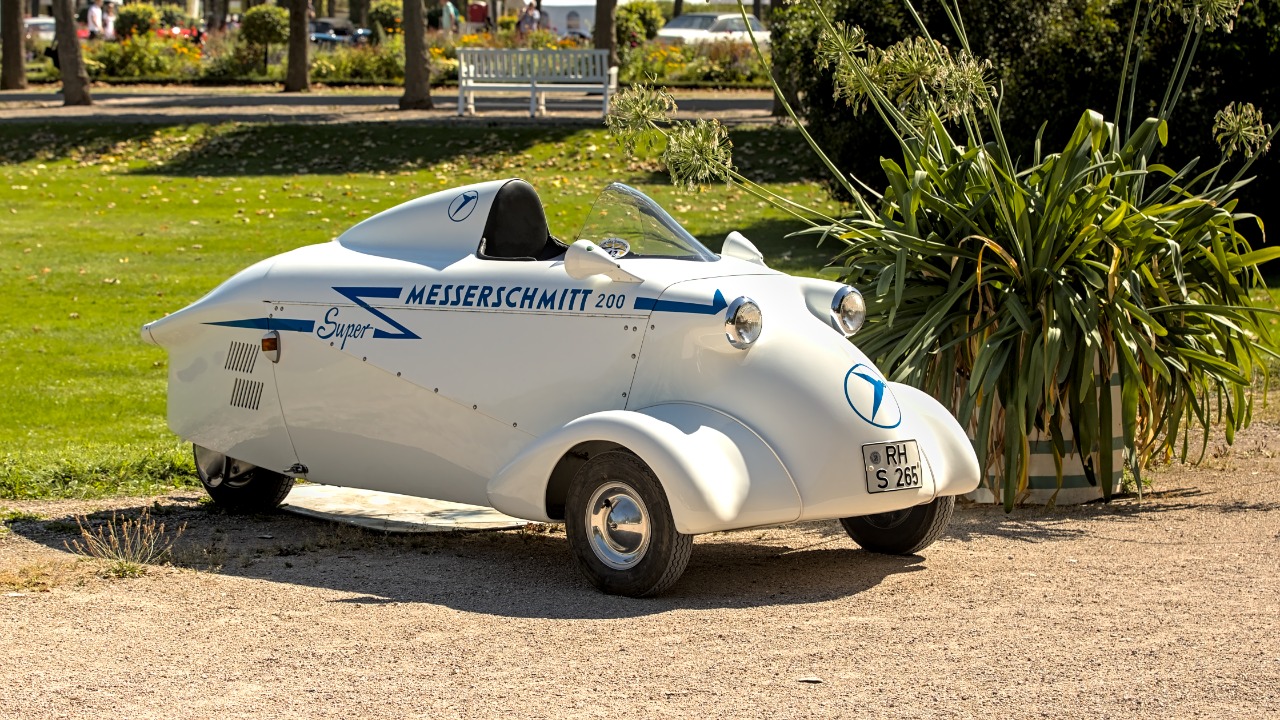
Barred from building planes after the war, the German aviation firm turned to a three-wheeled cabin scooter designed by Fritz Fend, sold as the Messerschmitt KR200. A clear acrylic canopy lifted like a fighter hood, and two occupants sat in tandem rather than side by side.
The narrow single-track body slipped through traffic and tucked into slivers of curb space that stumped four-wheeled rivals. A small two-stroke engine kept running costs minimal, and the aircraft-style controls gave drivers an oddly airborne feel on the ground. Tens of thousands sold, making it one of the era’s defining microcars across cramped European cities.
3. Peel P50: Small Enough To Carry By Hand
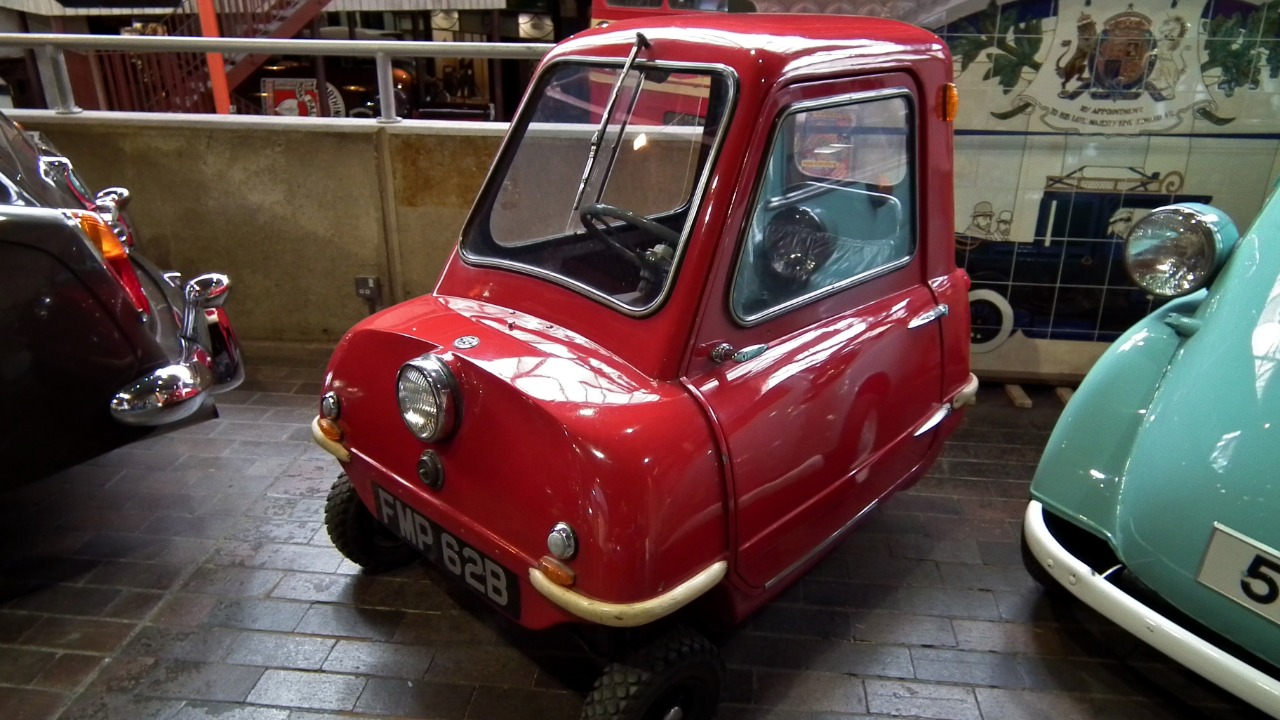
Built on the Isle of Man, the Peel P50 is recognized as the smallest production car ever made, seating one adult and, as its makers joked, a shopping bag. It had no reverse gear, so a handle on the back let the owner simply lift and drag it around.
That party trick doubled as genuine utility: drivers could hoist the featherweight machine onto a sidewalk or spin it in place where turning was impossible. Its three wheels and single door made it a curiosity even when new, and surviving originals now change hands for sums far beyond their humble beginnings.
4. Fiat 500: The Little Italian That Put A Nation On Wheels
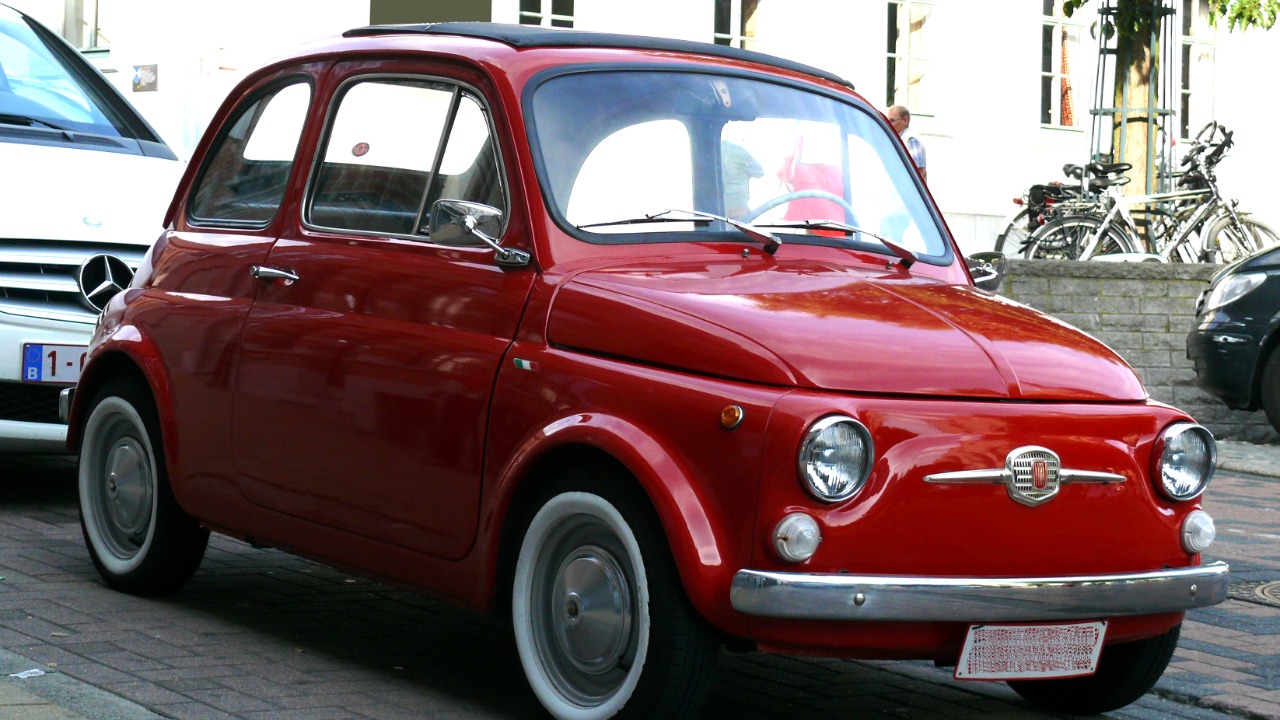
Launched in 1957, the Nuova 500 carried a tiny air-cooled two-cylinder engine mounted at the rear, giving families an affordable car that squeezed through medieval Italian streets barely wider than a cart.
Its stubby footprint made parking in packed piazzas almost effortless, and the rear-engine layout freed up interior room despite the minuscule shell. Cheap to run and easy to repair, it became a fixture of postwar Italy and a lasting design icon. Millions were built over nearly two decades, and its silhouette still shapes the modern retro 500 sold today.
5. Subaru 360: Japan’s Beetle-Shaped Kei Pioneer
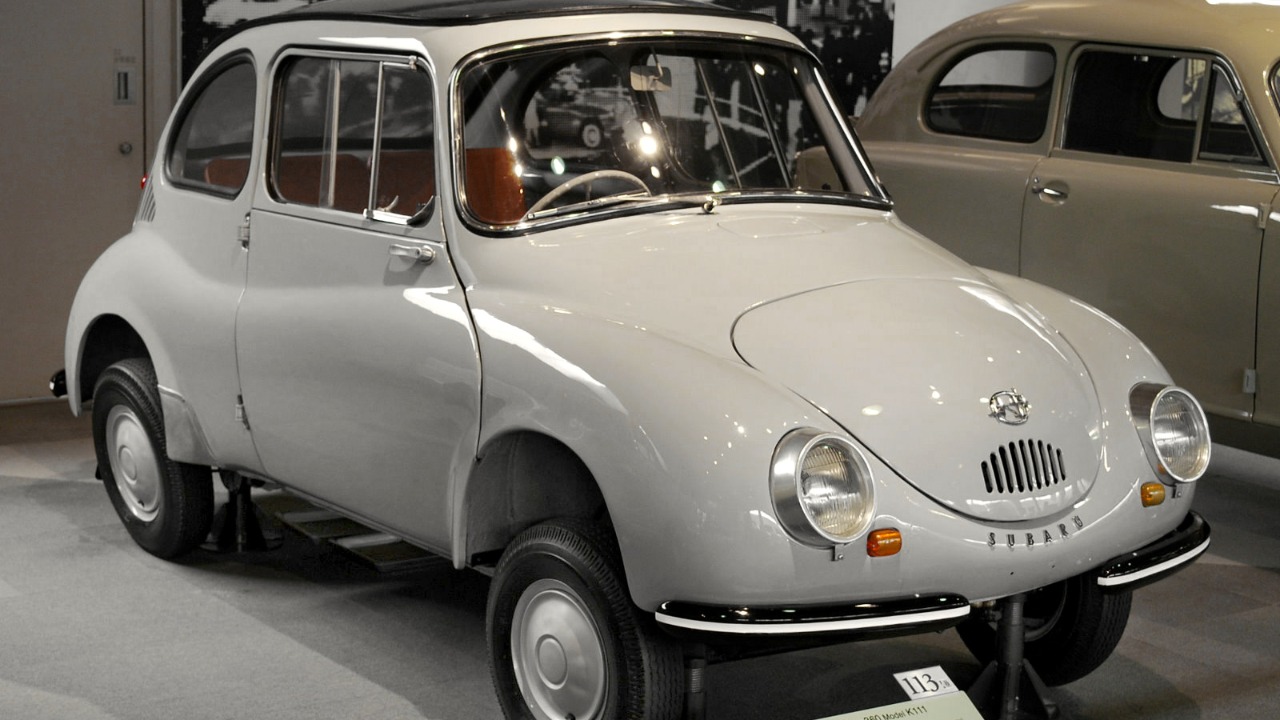
Subaru’s first mass-produced car, the 360, answered Japan’s kei-car rules with a 356cc two-stroke engine and a rounded body that earned it the affectionate nickname of the ladybug.
Designed to fit the tight dimensions and low tax bracket of kei class, it threaded through crowded Japanese cities where full-size cars struggled to move or park. Lightweight construction kept it nimble and economical for households buying their first vehicle. Production ran from 1958 into the early 1970s, and the model is credited with helping motorize postwar Japan on a national scale.
6. Citroen 2CV: France’s Umbrella On Four Wheels
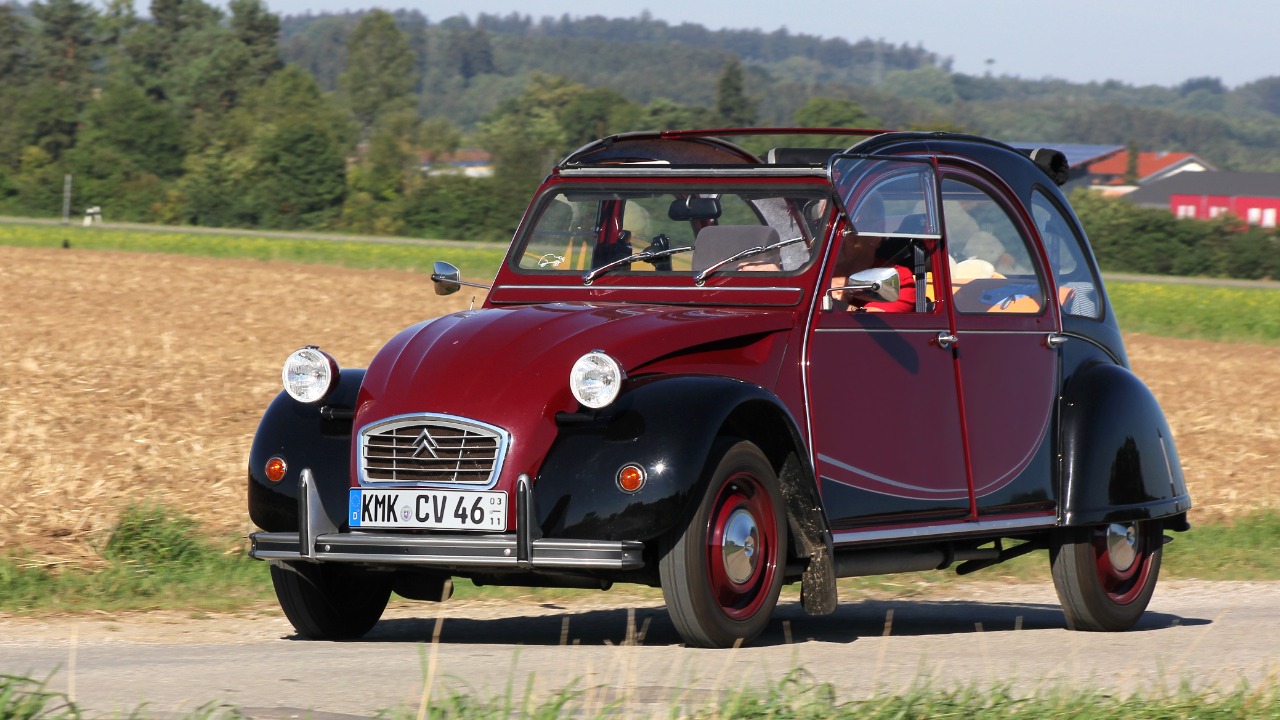
Conceived to motorize French farmers, the 2CV paired a small air-cooled engine with famously soft long-travel suspension, and legend held it should cross a plowed field without breaking a basket of eggs.
That minimalist brief produced a narrow, light body that slotted easily into village lanes and tight urban curbs. A roll-back canvas roof, removable seats, and simple mechanicals made it endlessly practical and cheap to keep running. Produced from 1948 until 1990, it became one of the most recognizable and long-lived economy cars ever to come out of Europe.
7. Goggomobil: The Bavarian Mini That Sold By The Hundred Thousand
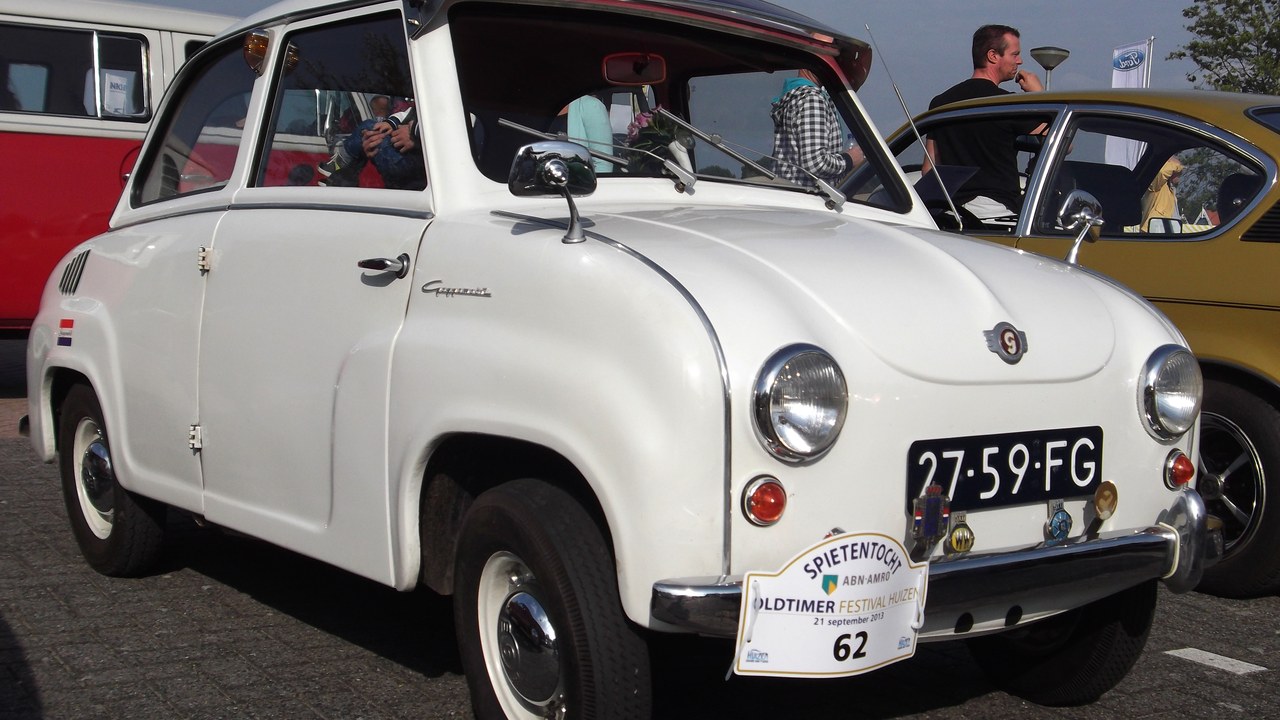
Made by Hans Glas in Bavaria, the Goggomobil arrived in 1955 as a compact rear-engined sedan, later joined by a coupe, powered by a small two-stroke twin driving the back wheels.
Its short body and light weight made it a natural for darting through congested West German towns and slotting into cramped parking spots. Affordable pricing put it within reach of first-time buyers rebuilding after the war. Hundreds of thousands rolled out before production ended in the mid-1960s, cementing it as one of the region’s most familiar economy microcars of the decade.
8. Heinkel Kabine: A Second Plane-Maker’s Take On The Bubble
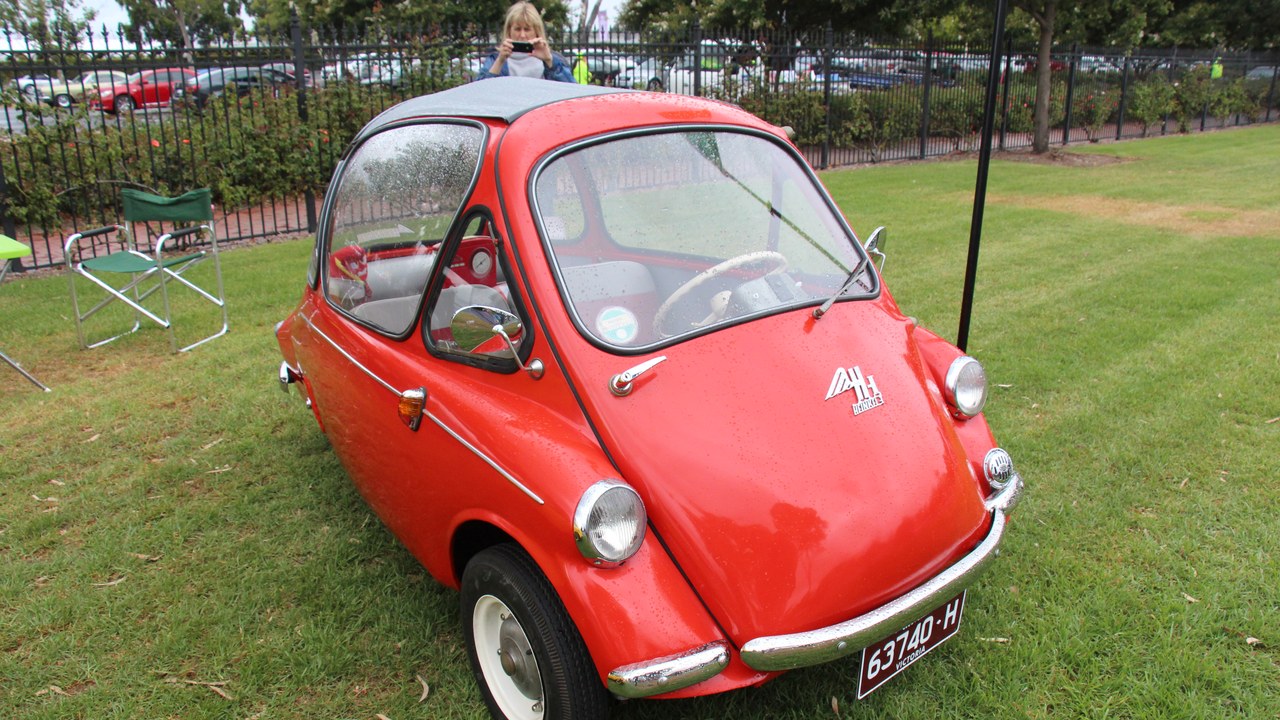
Another grounded aircraft manufacturer entered the market with the Heinkel Kabine, a front-entry bubble car whose single door and egg-shaped cabin closely echoed the rival Isetta.
Lighter than its BMW competitor, it offered similar curb-first parking and squeeze-through agility on a shoestring running budget. When German production wound down, the design lived on abroad under license, including the British-built Trojan version. That international afterlife kept the little Heinkel on the road long after its maker moved on, making it one of the more widely copied shapes of the microcar boom.
9. Vespa 400: When The Scooter Brand Built A Car
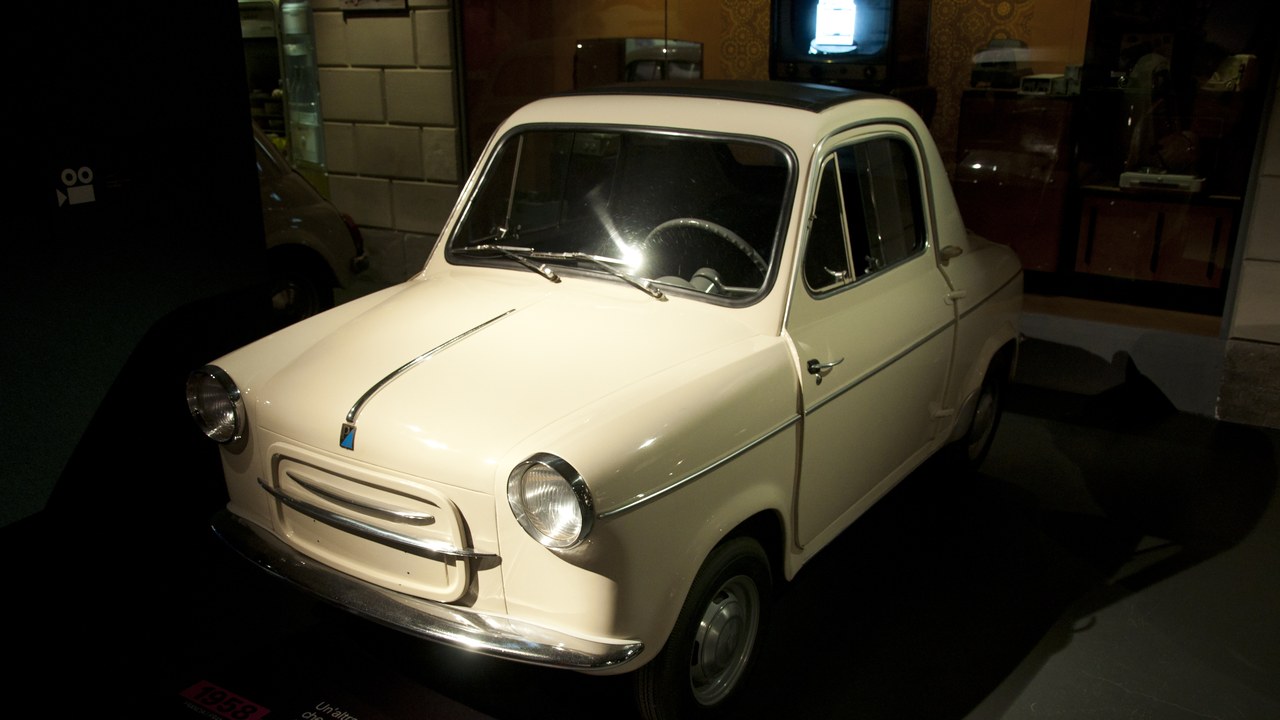
Piaggio, famous for its Vespa scooters, stretched into four wheels with the Vespa 400, a rear-engined two-seat runabout assembled in France by ACMA to sidestep tension with Italian carmakers.
A small air-cooled two-stroke sat behind the cabin, and a fold-back fabric roof lightened the tiny body further. Its scooter-scale dimensions let it wriggle into parking gaps and narrow lanes with scooter-like ease. Introduced in 1957, it sold in the tens of thousands before production ended in 1961, a brief but memorable chapter of a two-wheeler icon trying the automobile trade.
10. Trabant: The Plastic-Bodied Symbol Of The East
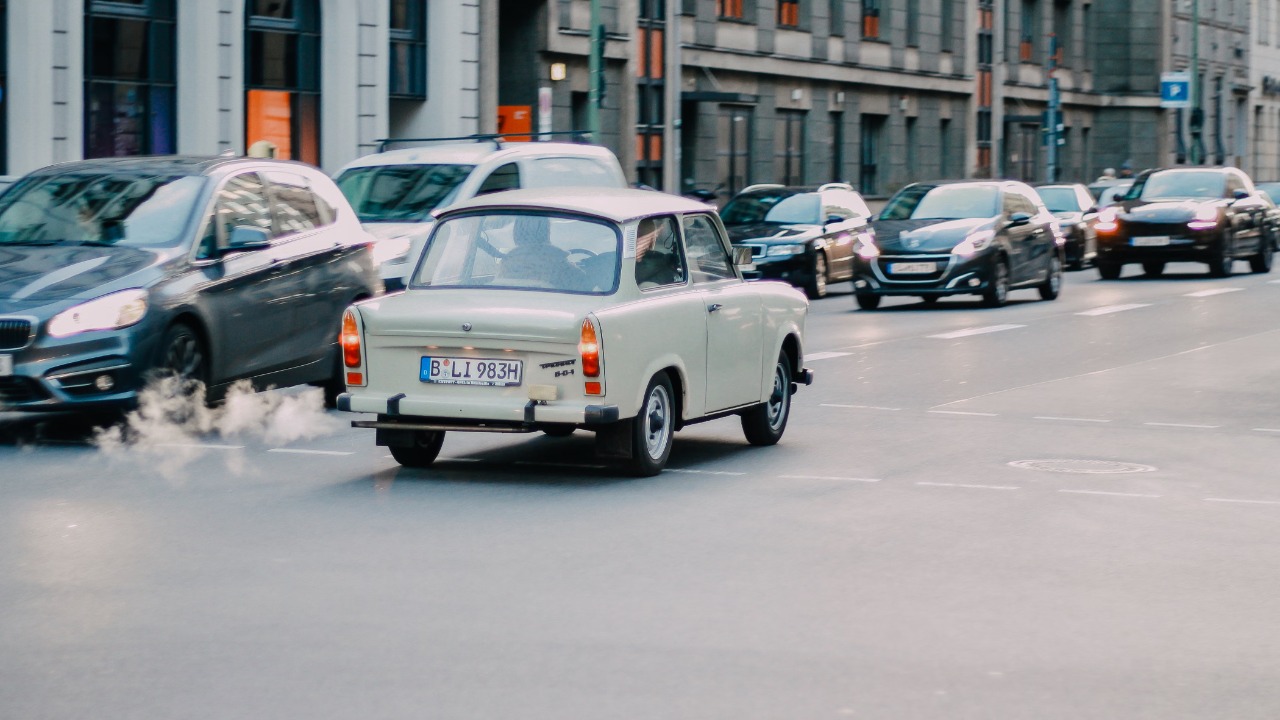
Built in East Germany, the Trabant wore a body made of Duroplast, a molded composite of resin and cotton or wool waste, over a small smoky two-stroke engine that left a distinctive haze in its wake.
Its compact size suited the tight streets of Eastern Bloc towns, though buyers often waited years for delivery under the planned economy. Simple and slow, it nonetheless kept millions mobile for decades with little change to its design. When the Berlin Wall fell in 1989, columns of Trabants crossing westward turned the humble car into an enduring image of that moment.
More from Morning Overview
