
Pickup trucks have moved well past bare-bones work rigs, and crew-cab rear seats now compete with sedans and SUVs for comfort. Manufacturers have widened doors, flattened floors, and added reclining seatbacks to keep back-row passengers comfortable on long hauls. Here are ten pickups recognized for delivering some of the roomiest back seats on the market.
1. Ford F-150: SuperCrew Space Leader
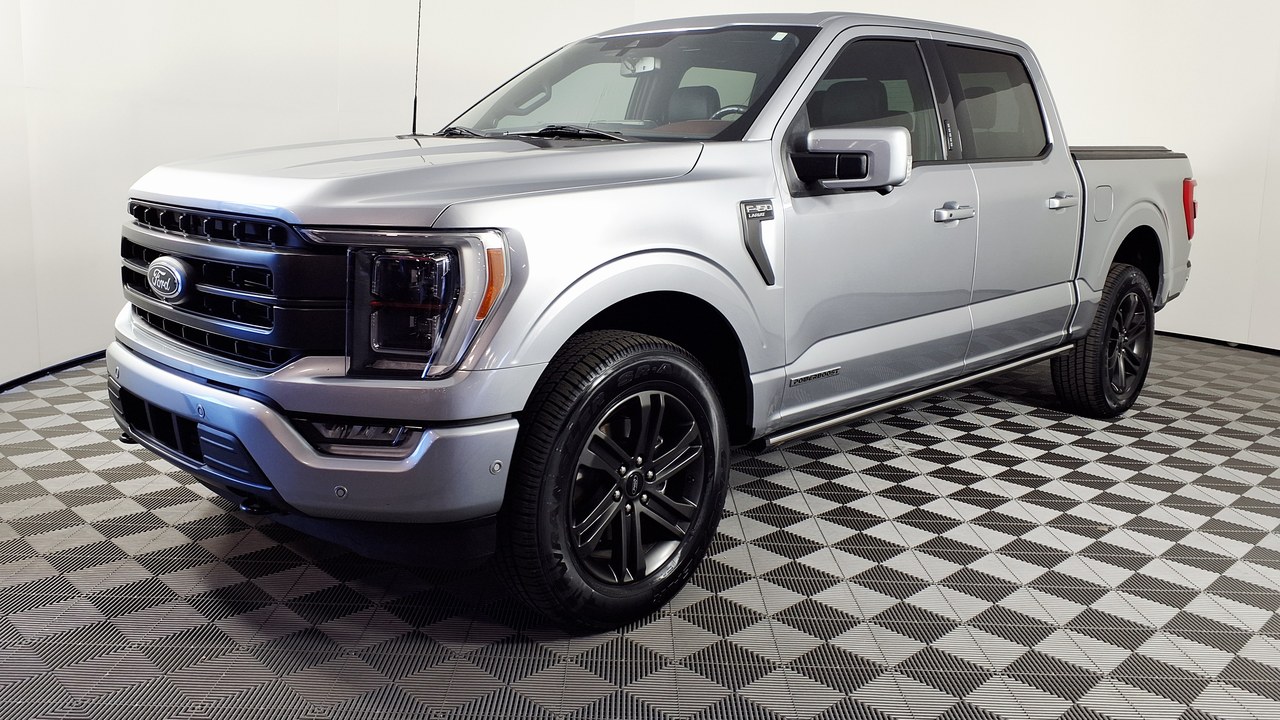
The F-150’s SuperCrew configuration pairs full-size rear doors with a flat floor and reclining seatbacks, and Ford markets the cab as one of the roomiest in the segment. Ford F-150 SuperCrew models add sliding rear seats on higher trims, letting owners shift legroom toward the back row when hauling gear up front.
That configuration has helped the F-150 remain the best-selling vehicle in the United States for more than four decades, since commuting families and work crews alike prize a cab that seats three adults comfortably. The rear bench also folds flat for secure interior storage on wet or valuable cargo.
2. Ram 1500: Class-Leading Crew Cab
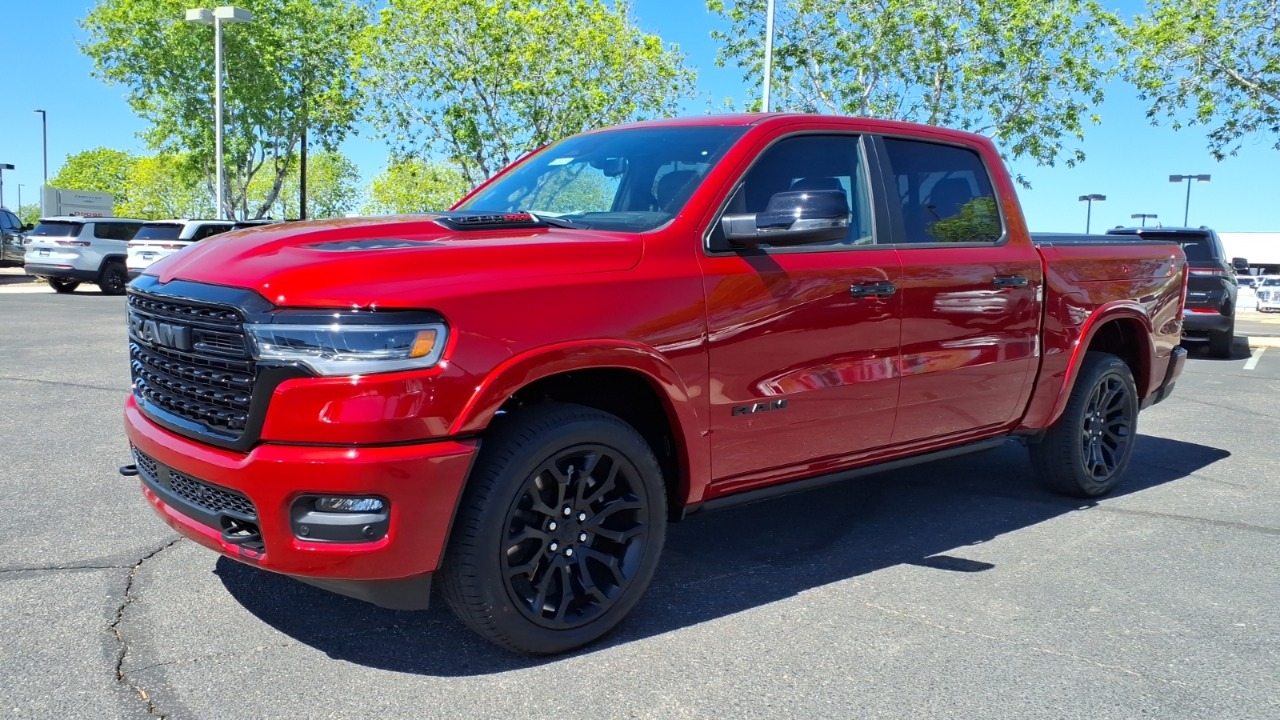
Ram’s crew cab pairs a nearly flat rear floor with reclining second-row seats, a layout federal safety ratings data has long paired with the truck’s reputation for interior comfort. The bench sits high enough for adults to ride without crouching, and the doors open wide for easy entry.
Owners have made the crew cab the volume seller in the lineup, since the extra rear space suits crews shuttling between job sites and families running errands in the same week. Underfloor storage bins beneath the rear seats add another practical touch missing from older pickups.
3. Chevrolet Silverado 1500: Sedan-Rivaling Legroom
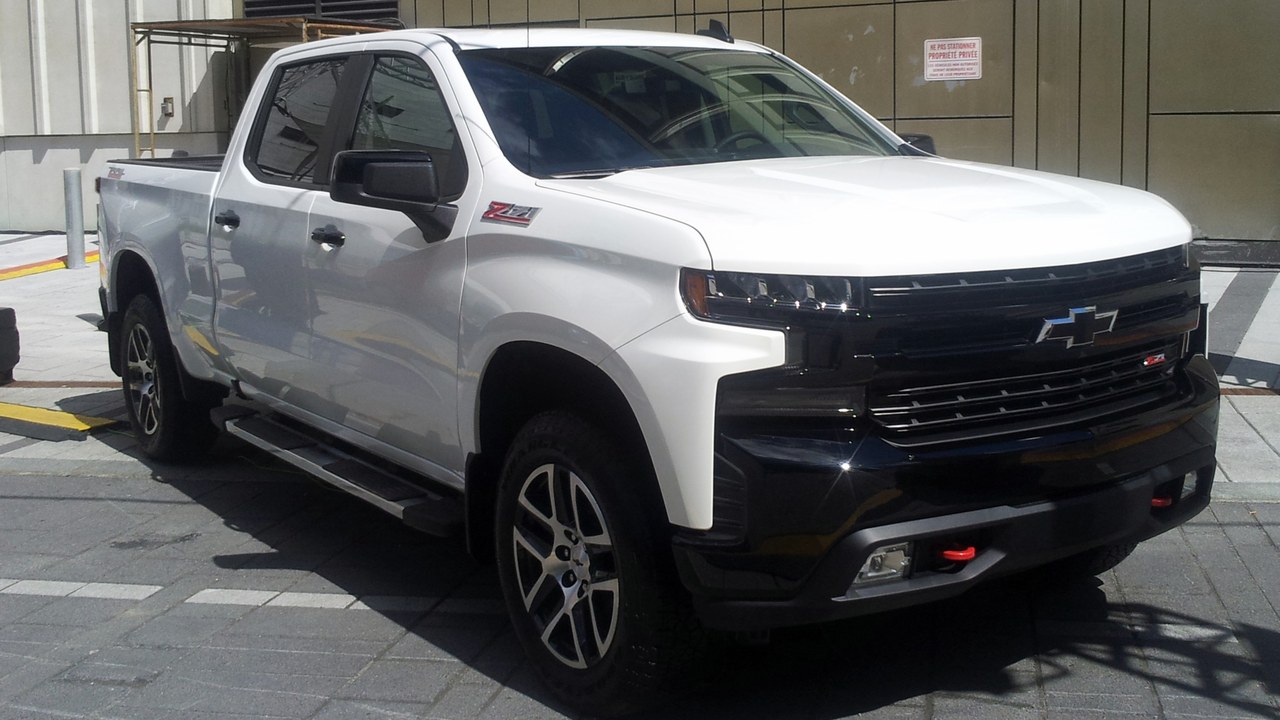
Chevrolet’s crew cab widens the rear doors and stretches the wheelbase enough to give back-seat riders legroom that rivals a full-size sedan, a point Chevrolet Silverado specification sheets highlight against smaller cab choices. Rear seats also fold up flat against the cab wall for extra storage.
That flexibility explains why crew cab orders dominate Silverado sales, as buyers weigh weekday passenger duty against weekend hauling. The rear bench’s higher seating position also gives passengers a clearer view out compared with lower-slung sedans.
4. GMC Sierra 1500: Upscale Rear Comfort
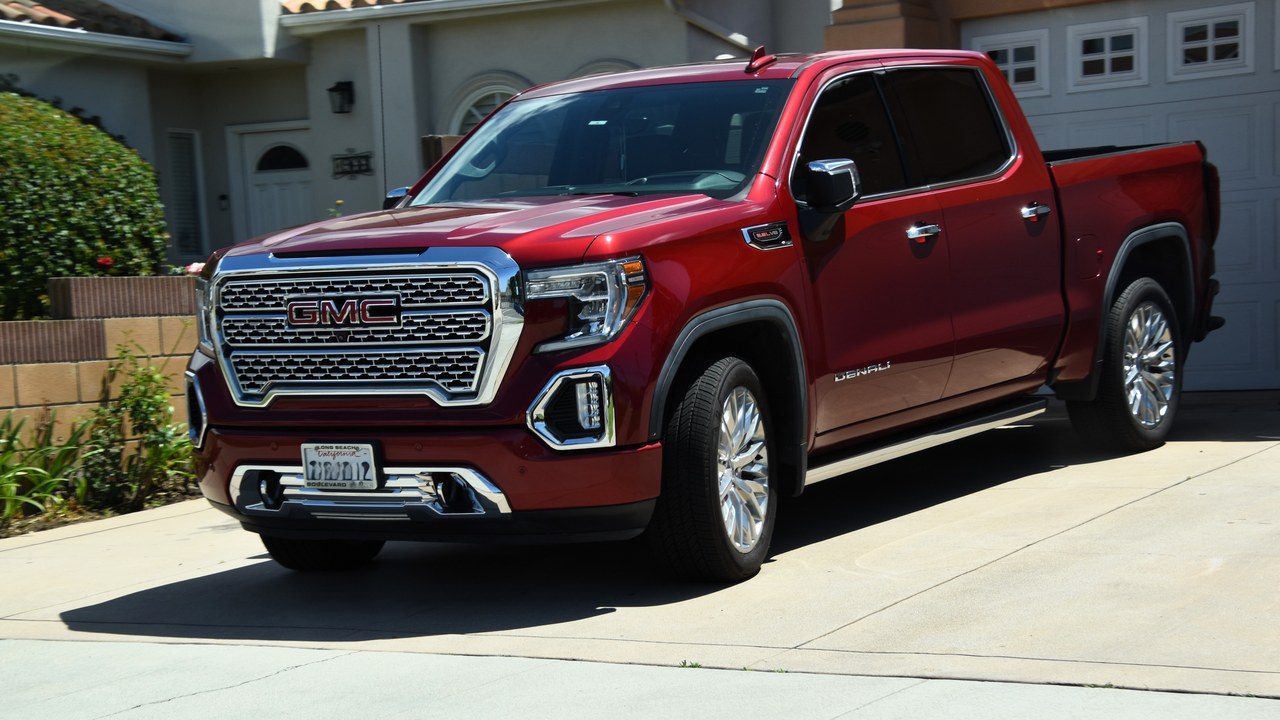
The Sierra shares its crew-cab structure with the Silverado but adds quieter cabin insulation and available massaging rear seats on top trims, details GMC Sierra reference pages note as differentiators within the platform. Rear passengers get the same generous floor space with extra sound deadening overhead.
GMC has leaned on that added polish to position the Sierra as the more upscale sibling, aiming at buyers who want truck capability without sacrificing back-seat comfort on longer trips. Rear-seat climate controls and heated cushions extend that comfort case in cold climates.
5. Toyota Tundra: CrewMax Family Fit
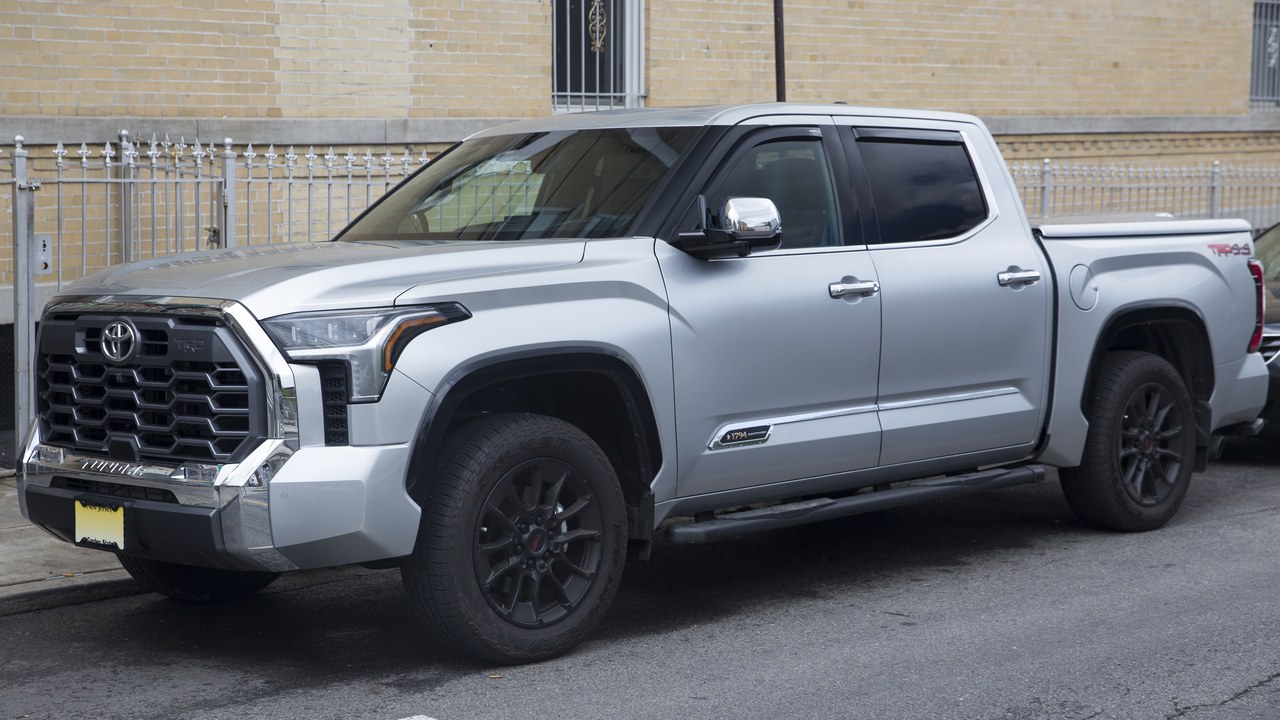
Toyota’s CrewMax cab stretches rear legroom beyond most rivals, with a reclining bench that Toyota Tundra materials describe as one of the largest rear seating areas in the full-size class. The cab’s extra length also leaves room for large child seats without crowding front passengers.
That space has made CrewMax the preferred configuration for families cross-shopping full-size trucks against three-row SUVs, since the rear row can seat three adults on longer highway drives. A flat load floor under the rear seats adds hidden storage for valuables.
6. Nissan Titan: Overlooked Rear Room
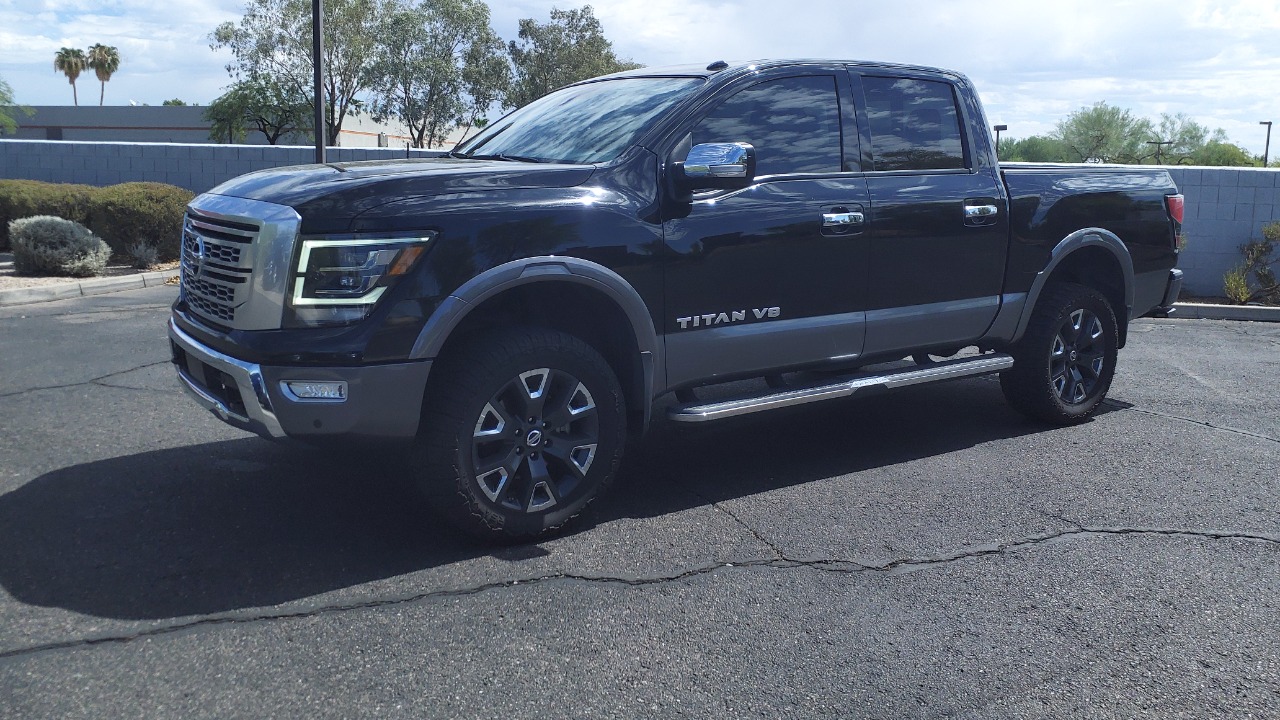
The Titan’s crew cab was built with rear-seat space as a priority, and Nissan Titan documentation notes a reclining rear bench designed to match the comfort of the front row. Wide rear door openings also make climbing in and out easier for taller passengers.
Nissan has used that roomy cabin to compete against better-known rivals on comfort rather than sales volume, since the Titan trails the segment leaders in overall numbers. Underseat storage compartments in the rear row give owners a place to lock away tools or electronics.
7. Honda Ridgeline: Car-Like Cabin
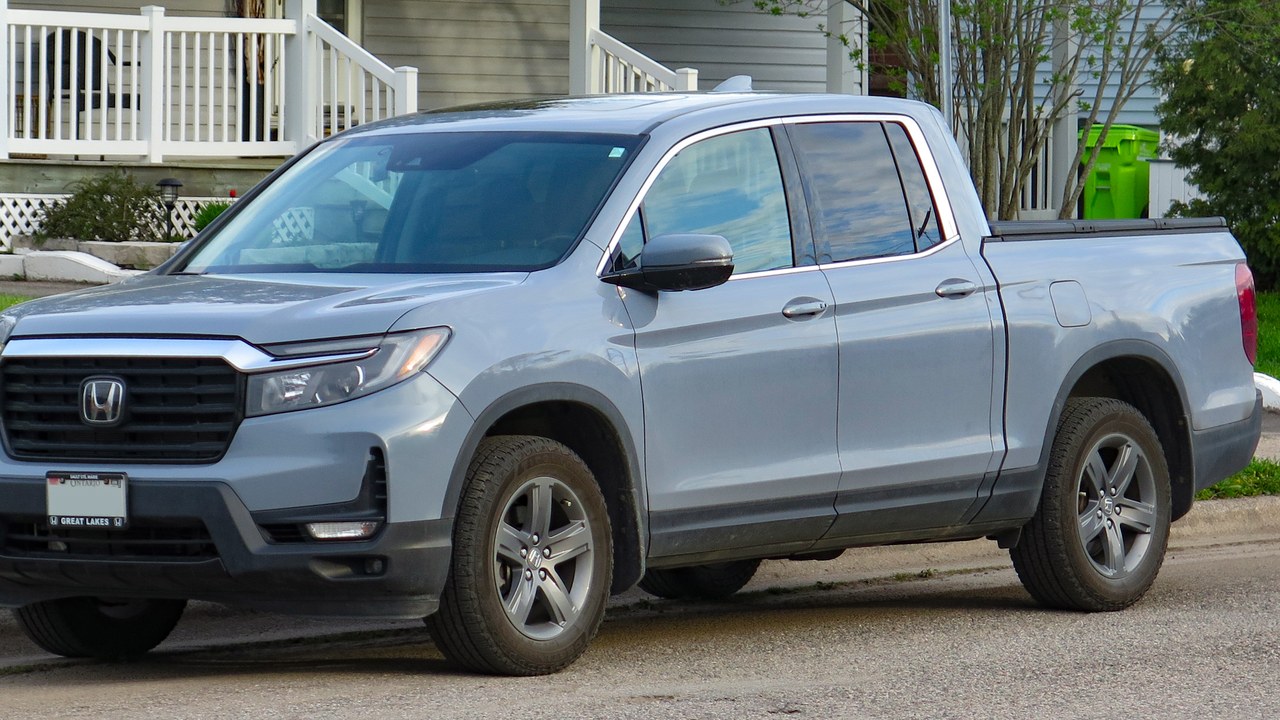
Unlike traditional body-on-frame pickups, the Ridgeline shares its underpinnings with Honda’s crossovers, and Honda Ridgeline references credit that structure with a flat rear floor and car-like seating position. The unibody design removes the intruding driveline hump that limits foot space in some rivals.
That layout has made the Ridgeline a favorite among buyers who want truck utility without sacrificing sedan-style rear comfort on daily commutes. An in-bed trunk beneath the cargo floor adds lockable storage that most conventional crew-cab trucks cannot match.
8. Ford Super Duty: Heavy-Duty Headroom
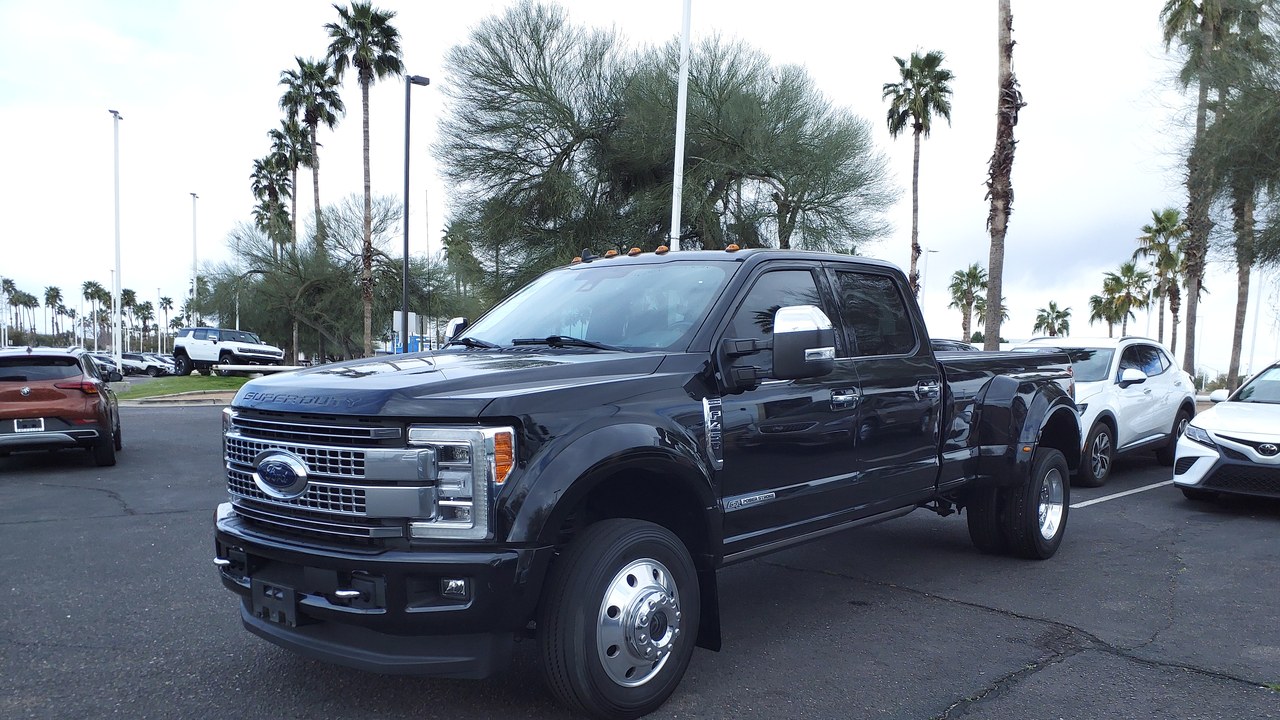
Ford’s heavy-duty crew cab carries over the F-150’s roomy rear-seat philosophy at a larger scale, and Ford Super Duty specifications list reclining rear seats and extra headroom as standard crew-cab features. The larger frame also allows for a taller cabin roofline than lighter-duty trucks.
That extra room matters to contractors and trailer-towing families who spend long hours in the cab between job sites, since a cramped back seat becomes a bigger complaint on longer routes. Rear-seat storage bins and available heated seats round out the comfort case.
9. Ram 2500: Big-Frame Back Seat
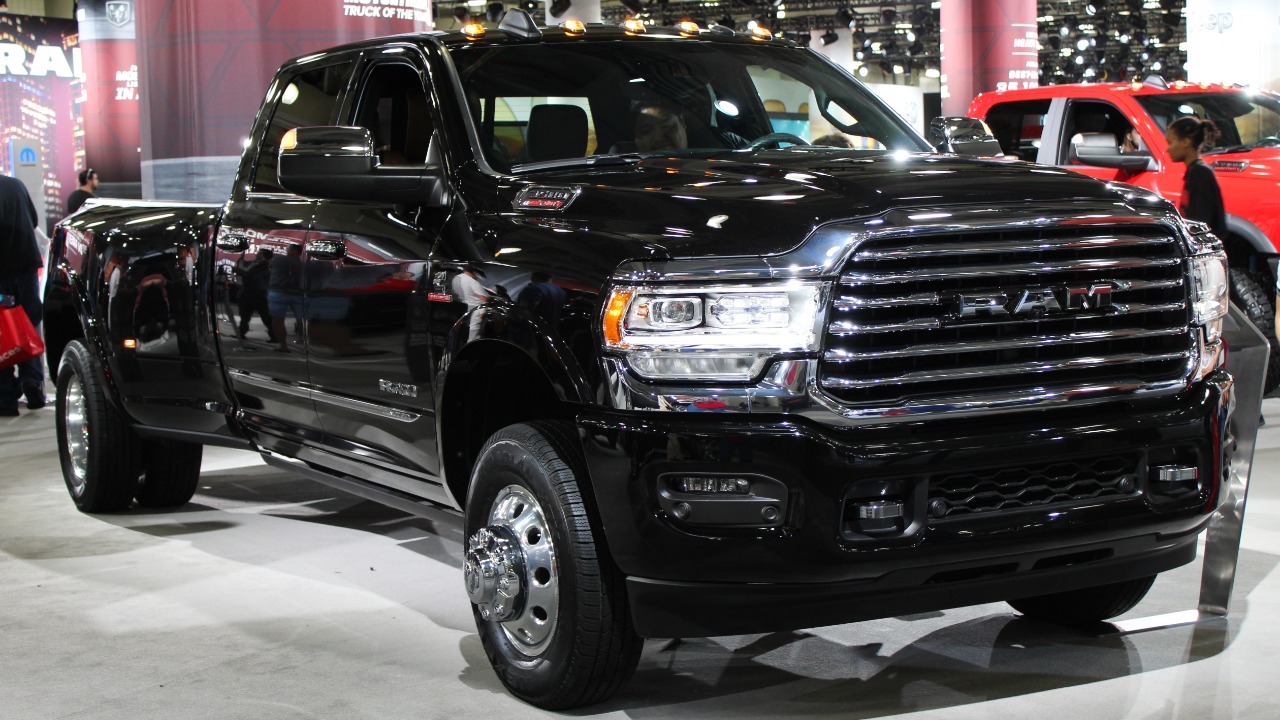
Stepping up to heavy-duty hauling, the Ram 2500’s crew cab keeps the same rear-seat dimensions that made the 1500 popular, and Ram 2500 listings note the larger frame allows for extra footwell space around the raised transmission tunnel. Rear doors open nearly ninety degrees for easier entry.
Owners hauling trailers or working trades often live in the cab for hours at a stretch, so the extra rear-quarter space becomes a daily comfort factor rather than an occasional convenience. Fold-flat rear seats also convert the cabin into secure interior cargo space.
10. Chevrolet Colorado: Midsize Surprise

Even in the midsize class, the Colorado’s crew cab configuration delivers rear-seat space that Chevrolet Colorado materials describe as competitive with some full-size trucks from a decade ago. Reclined rear seatbacks and a nearly flat floor help offset the smaller overall footprint.
That space has helped the Colorado appeal to buyers who want a full-size-feeling back seat without the parking and fuel costs of a larger truck. Rear-seat USB charging ports on upper trims also reflect the truck’s family-oriented positioning.
More from Morning Overview
