
Raw power in a waterfall is measured less by height than by the sheer volume of water thundering over the edge every second. The most formidable falls on Earth combine enormous rivers, dramatic drops and geology that funnels staggering flows into a single roaring curtain of spray. What follows are ten of the mightiest waterfalls known, each a monument to the relentless force of moving water.
1. Inga Falls: The Congo’s Unrivaled Torrent
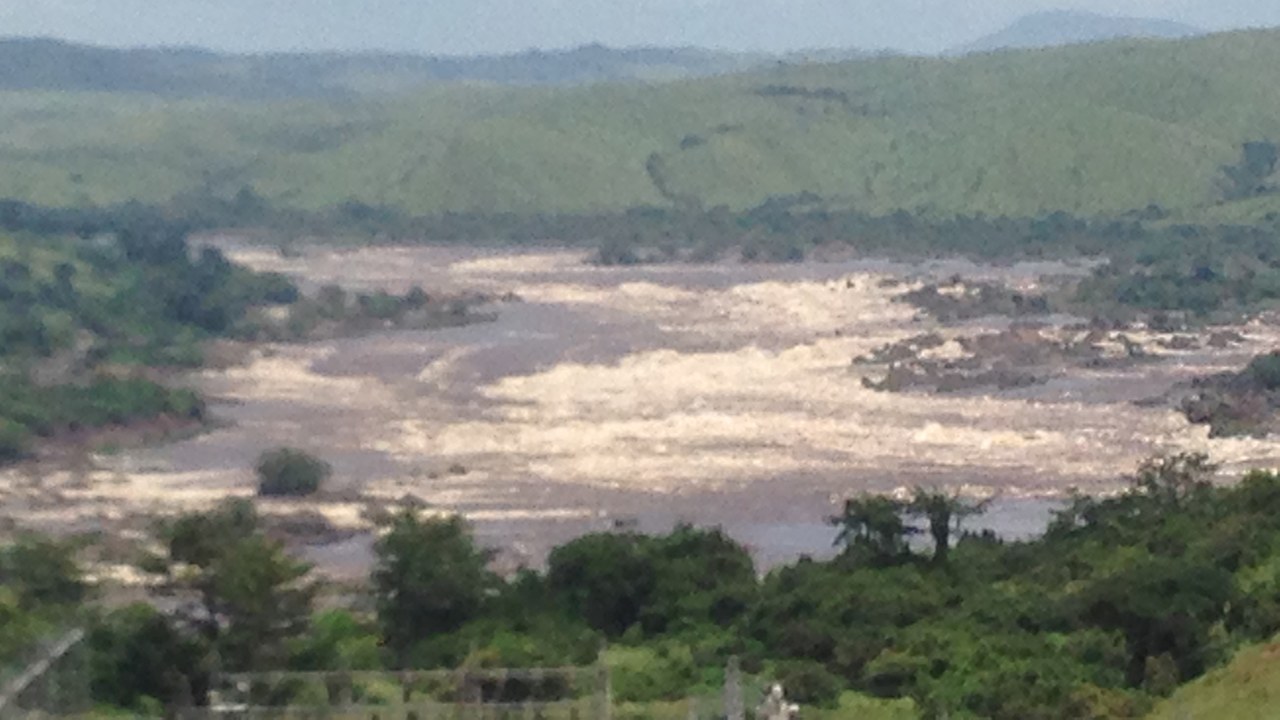
Deep in the Democratic Republic of the Congo, the Congo River drops through a series of rapids known as Inga Falls, widely cited as carrying the greatest average water flow of any waterfall on the planet. The river’s colossal discharge, second only to the Amazon, is squeezed into a comparatively narrow stretch, producing a churning cascade of astonishing force rather than a tall, dramatic drop.
The falls sit near the city of Matadi, upstream of the river’s final run to the Atlantic. Their hydraulic potential has long drawn engineers, and the nearby Inga hydroelectric complex taps only a fraction of the flow, hinting at how much raw energy passes through this stretch every second.
2. Boyoma Falls: Seven Cataracts In A Row
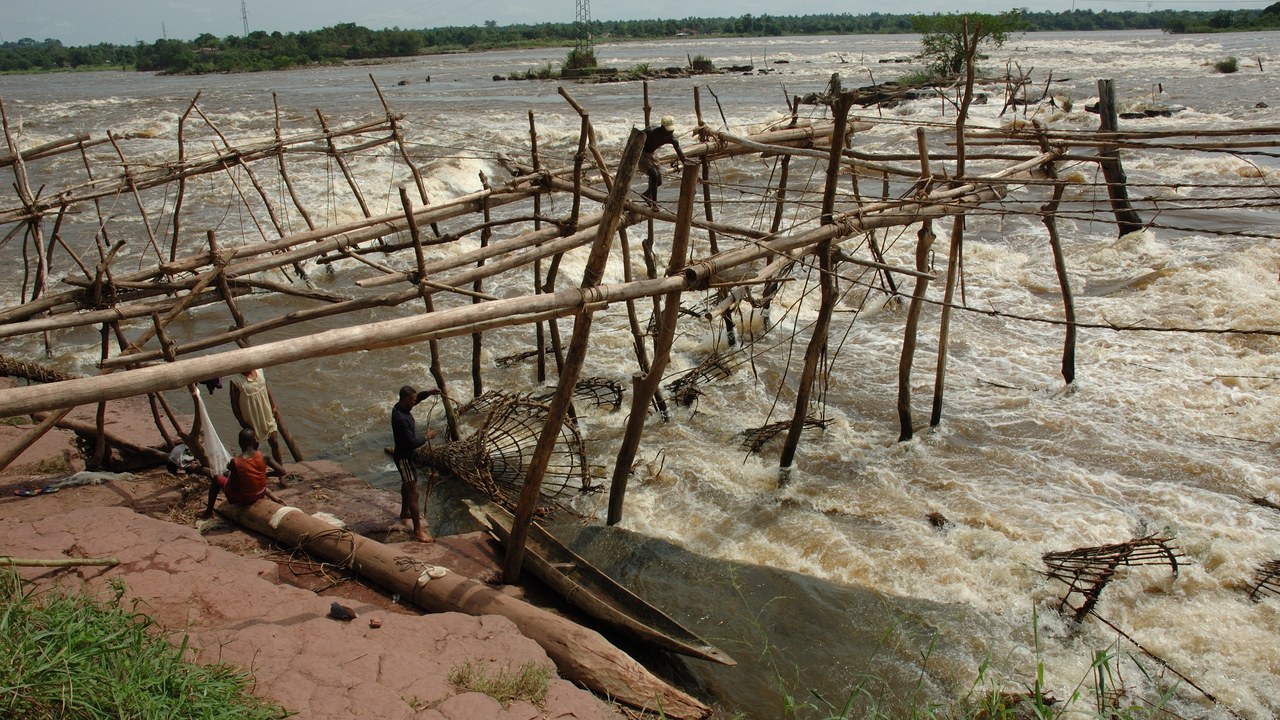
Also on the Congo River, Boyoma Falls is a chain of seven cataracts stretching roughly 100 kilometers between the towns of Ubundu and Kisangani. Rather than a single plunge, the river steps down through successive rapids, and the combined volume of water moving through the sequence ranks it among the most powerful falls anywhere, often listed near the very top for average discharge.
Formerly known as Stanley Falls, the cataracts mark a natural break in the river’s navigability and have shaped human settlement and trade along this reach for centuries. Local fishing communities famously build elaborate wooden scaffolds over the churning water, lowering conical baskets to catch fish carried down by the powerful current.
3. Niagara Falls: North America’s Thundering Icon
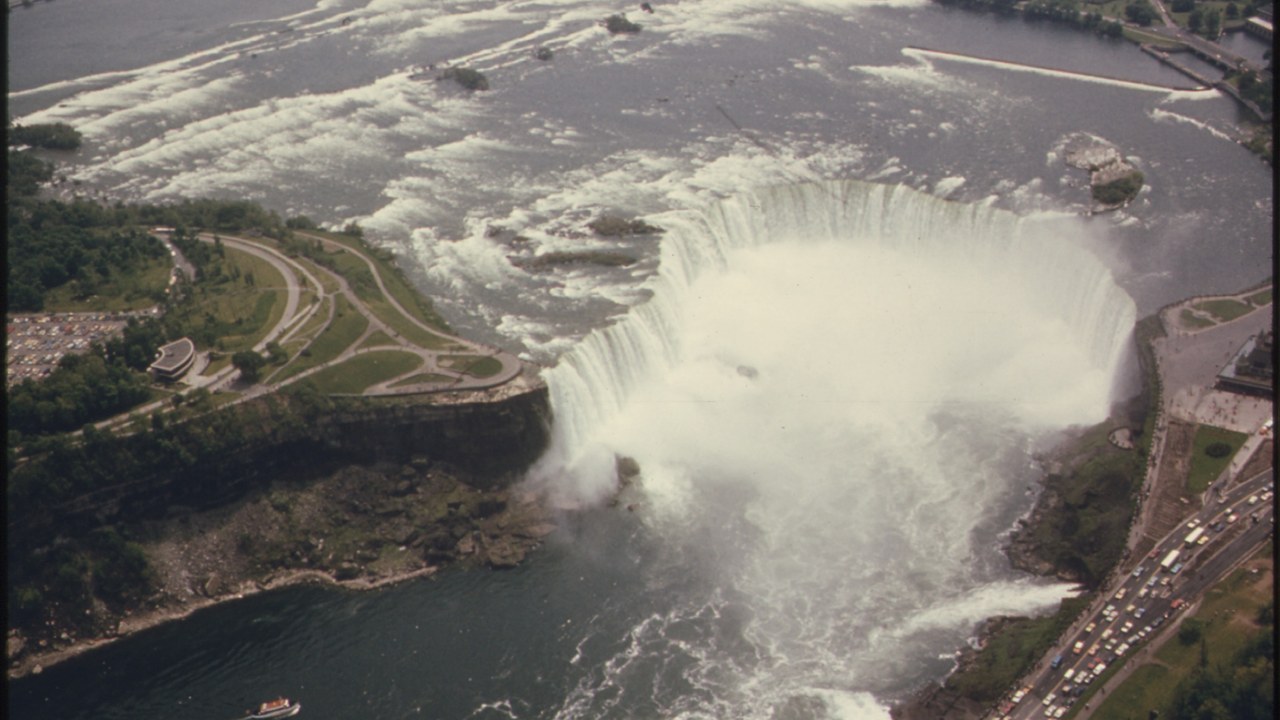
Straddling the border between Ontario and New York, Niagara Falls combines three separate falls, with the crescent-shaped Horseshoe Falls carrying the overwhelming share of the flow. Enormous volumes of water from the Great Lakes pour over the crestline, and although the falls are not especially tall, the sheer breadth and steady discharge make it one of the highest-volume waterfalls in the world.
Beyond its fame as a tourist spectacle, Niagara is a workhorse of hydroelectric power, with much of the river’s flow diverted to generating stations on both sides of the border. Treaties carefully balance how much water tumbles over the falls for visitors against how much is drawn off for electricity.
4. Iguazu Falls: A Wall Of Hundreds Of Cascades
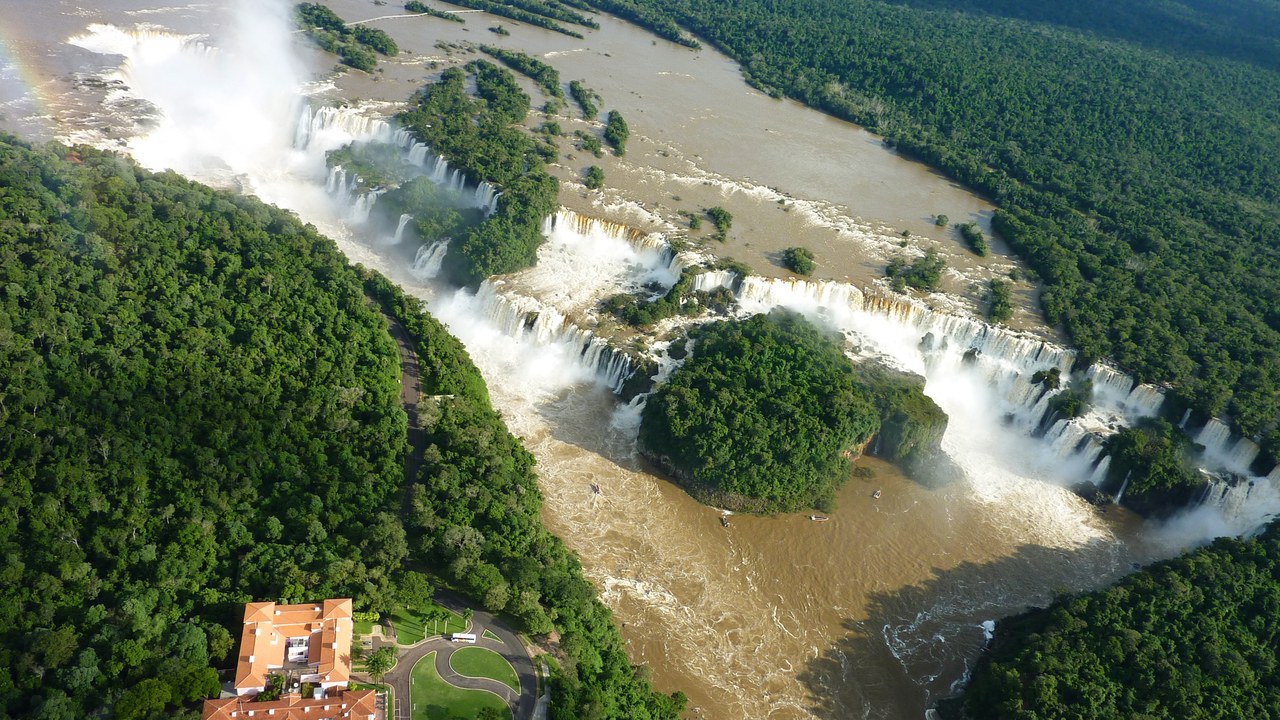
On the border of Brazil and Argentina, Iguazu Falls fans out into a sweeping arc of numerous separate cascades, often numbering around 275 depending on the river’s level. The centerpiece is the Devil’s Throat, a U-shaped chasm where a huge share of the Iguazu River’s flow crashes down at once, sending up a constant plume of mist visible from far away.
Surrounded by protected subtropical rainforest on both sides of the frontier, the falls anchor national parks recognized for their biodiversity. Walkways carry visitors close enough to feel the spray, while the surrounding jungle teems with coatis, toucans and butterflies, making Iguazu as much a wildlife destination as a monument to hydraulic force.
5. Victoria Falls: The Largest Sheet Of Falling Water
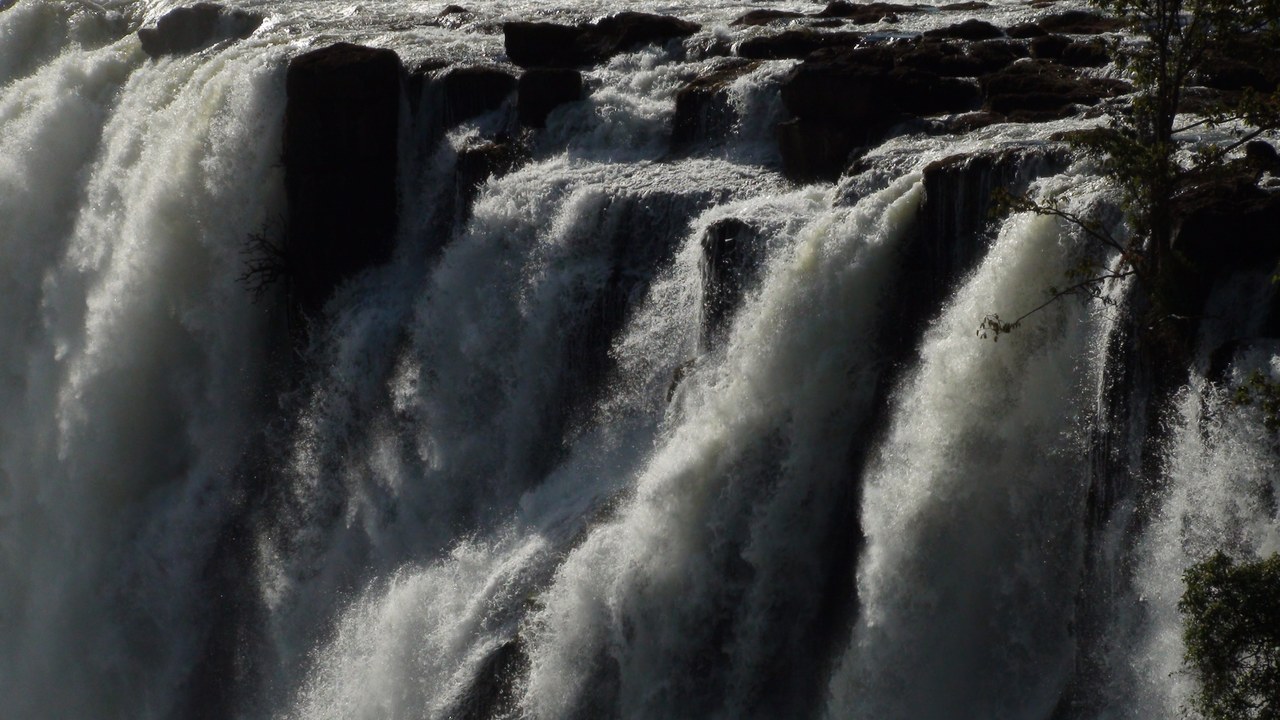
On the Zambezi River between Zambia and Zimbabwe, Victoria Falls is often described as the largest single sheet of falling water on Earth, based on the combined width and height of its curtain. During the high-water season the river pours over a mile-wide precipice into a narrow gorge, generating spray that rises hundreds of feet and can be seen from many miles away.
The local name, Mosi-oa-Tunya, meaning “the smoke that thunders,” captures the roar and mist that define the site. The falls plunge into a series of zigzagging gorges carved over successive geological ages, and the surrounding parks draw travelers, rafters and daredevils to one of southern Africa’s most celebrated natural landmarks.
6. Khone Phapheng Falls: The Widest Falls On Earth
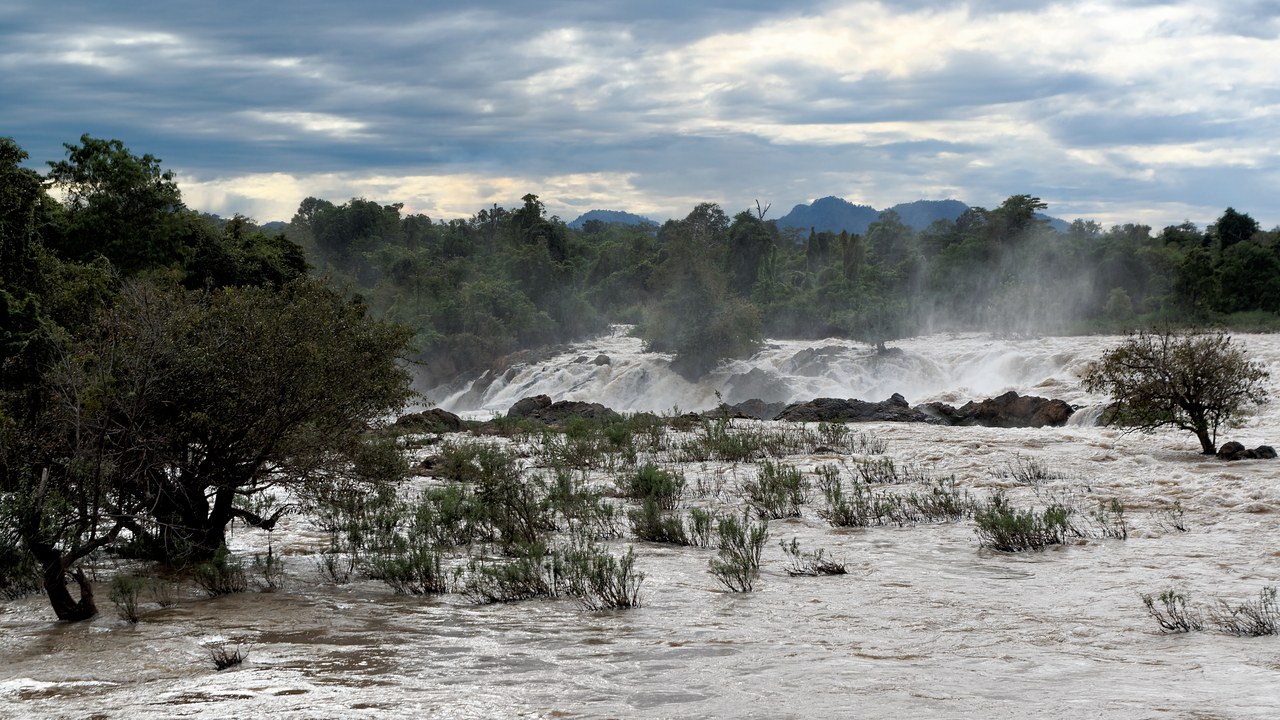
In southern Laos, the Mekong River spreads across a vast rocky expanse to form Khone Phapheng Falls, frequently called the widest waterfall in the world. Rather than a single tall drop, the mighty Mekong braids through countless channels and islands, cascading over ledges across a breadth of several kilometers in a stretch known as Si Phan Don, or the Four Thousand Islands.
The falls are the main reason the Mekong is not navigable along its full length, historically forcing boats to portage around the rapids. The powerful flow supports rich fisheries and was long home to rare river creatures, though dam building upstream has raised concerns about the future of this stretch.
7. Paulo Afonso Falls: Brazil’s Harnessed Cataracts
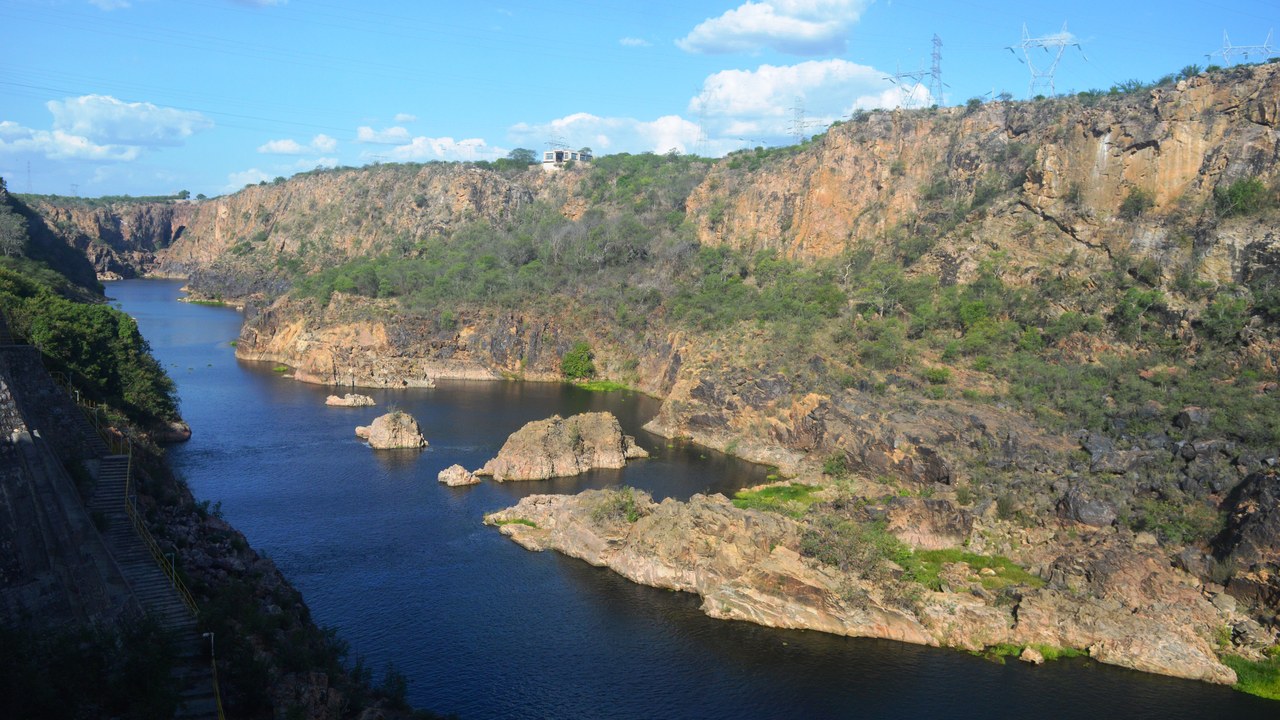
On Brazil’s Sao Francisco River, Paulo Afonso Falls is a set of powerful cataracts where the river drops sharply through a rugged canyon in the country’s northeast. Historically the falls delivered a thunderous, high-volume plunge, and their concentrated force made them a natural target for one of Brazil’s major hydroelectric developments, which now channels much of the flow through turbines.
The surrounding region is semi-arid, so the river and its falls have long been a vital resource for communities of the interior. A national park protects part of the gorge, preserving the dramatic rock formations and offering a glimpse of the raw cascade that once ran unimpeded before the dams.
8. Gullfoss: Iceland’s Golden Two-Tier Plunge
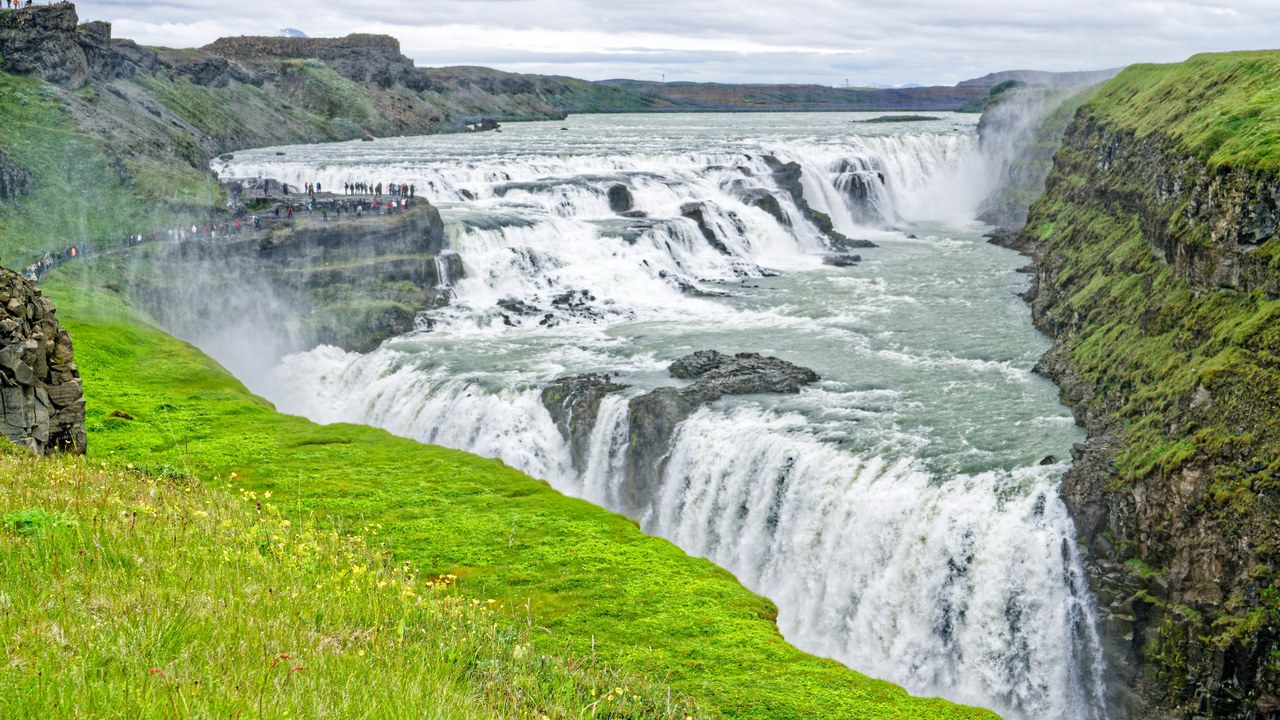
In southwestern Iceland, the glacial Hvita River tumbles over Gullfoss, a dramatic two-tiered waterfall that drops in stages before crashing into a deep crevice. Fed by glacier meltwater, the river carries a heavy, silt-laden flow, and in summer the volume swells enormously, sending a powerful cascade over both steps and filling the canyon with a drifting curtain of spray.
Gullfoss, meaning “golden falls,” is a centerpiece of Iceland’s popular Golden Circle route. The site is also remembered for an early conservation battle, when efforts to protect it from hydroelectric exploitation helped inspire the country’s environmental movement, and today the falls remain a freely accessible monument rather than a harnessed power source.
9. Dettifoss: Reputedly Europe’s Mightiest Falls
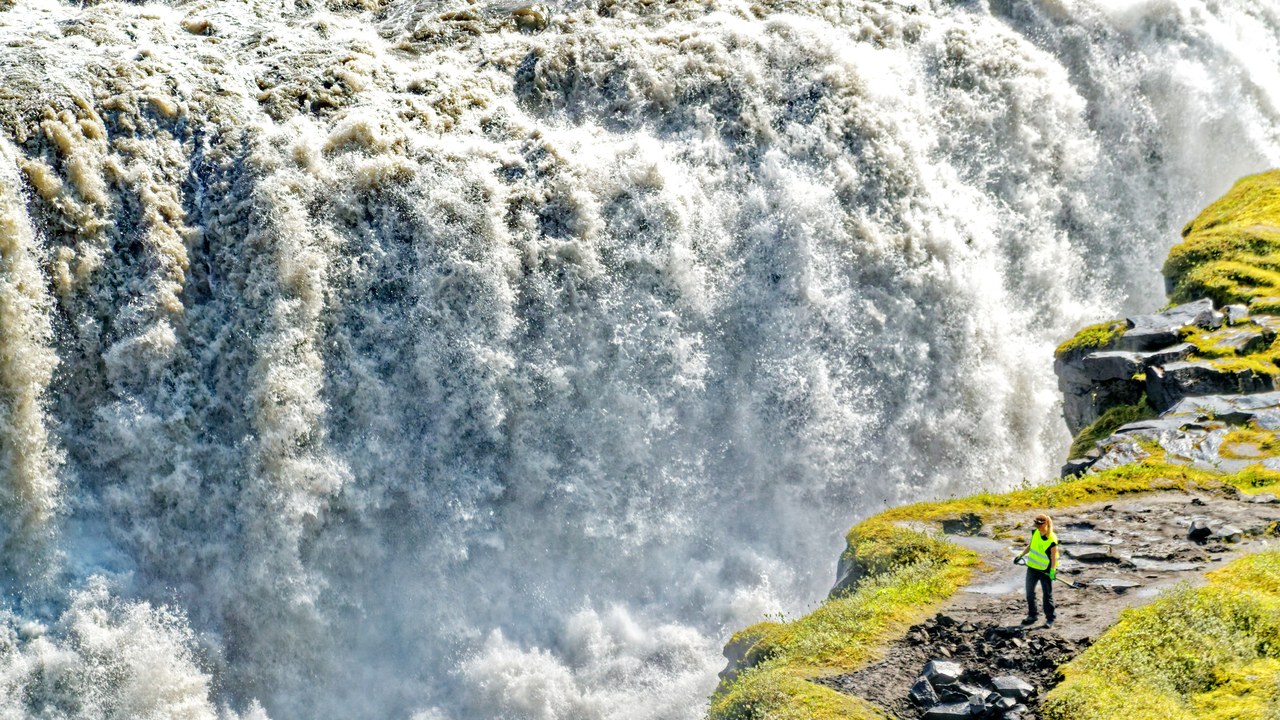
In northeastern Iceland, Dettifoss is frequently described as the most powerful waterfall in Europe, based on its combination of height, width and the sheer volume of glacial meltwater it discharges. The Jokulsa a Fjollum river, gray with sediment, thunders over a broad basalt lip into a rugged canyon, and in the high melt season the average flow rate makes the falls a genuinely awe-inspiring display of force.
The surrounding landscape is stark and volcanic, part of a protected canyon region carved by ancient glacial floods. The raw setting has made Dettifoss a striking backdrop for filmmakers, and its remoteness adds to the impression of standing before an untamed engine of water and rock.
10. Kaieteur Falls: A Single Giant Rainforest Drop
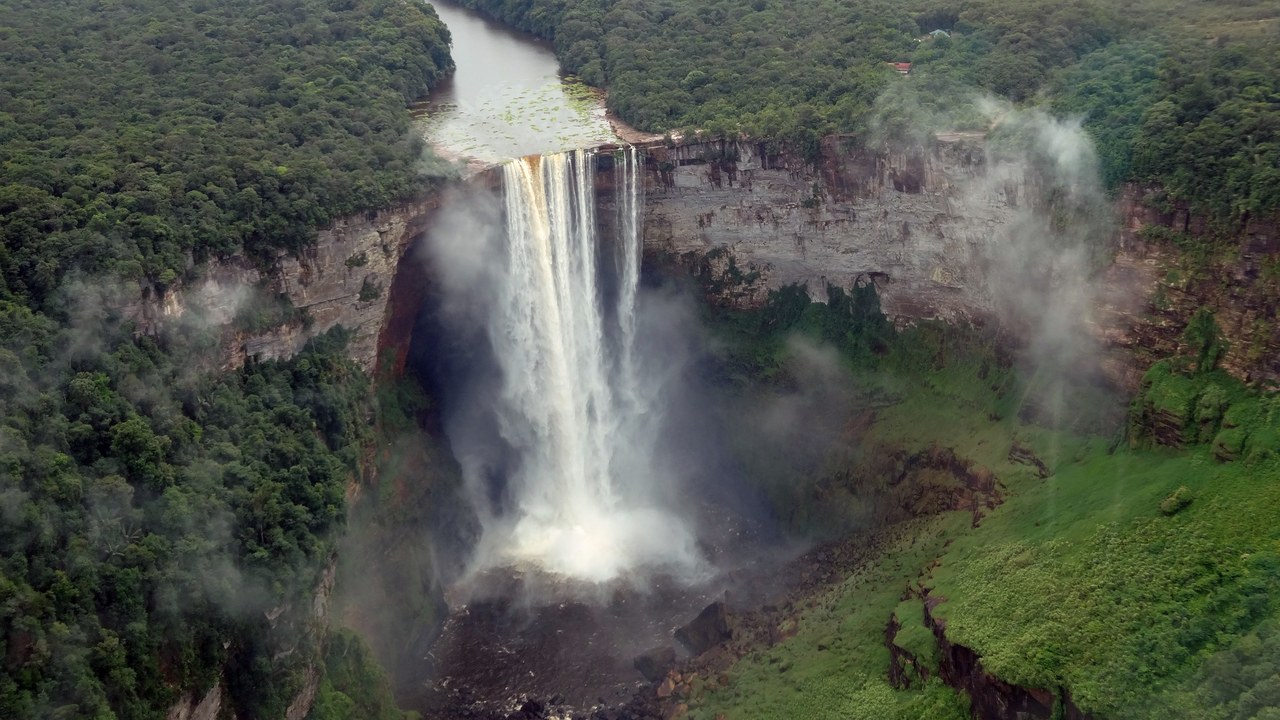
Deep in the rainforest of Guyana, Kaieteur Falls combines great height with substantial volume, as the Potaro River plunges in a single uninterrupted drop far taller than many better-known falls. The pairing of a large water flow with such an enormous single leap gives it a rare distinction, making it one of the most powerful high-volume single-drop waterfalls anywhere in the world.
Set within a national park in Guyana’s remote interior, the falls remain relatively untouched and hard to reach, often visited only by small aircraft or overland trek. The surrounding cliffs and rainforest shelter unusual wildlife, including tiny golden frogs that live in giant tank bromeliads near the misty edge of the gorge.
More from Morning Overview
- A handful of SUVs keep hitting 300,000 miles, and they share one engine trait
- Supplements now rank as the fifth-leading cause of death from liver disease.
- A study names the one SUV most likely to reach 250,000 miles
- More than 60,000 people flee the Spokane area as complex fires overrun 600 structures
