Image Credit: ShenandoahNPS - Public domain/Wiki Commons
North America has no tigers or cobras, so its genuinely risky wildlife tends to hide in plain sight: in national parks, suburban greenbelts and backyard woodpiles. The animals that actually send people to the hospital are often not the ones that inspire the most fear. Here are ten animals worth respecting, and the real reason each one is dangerous.
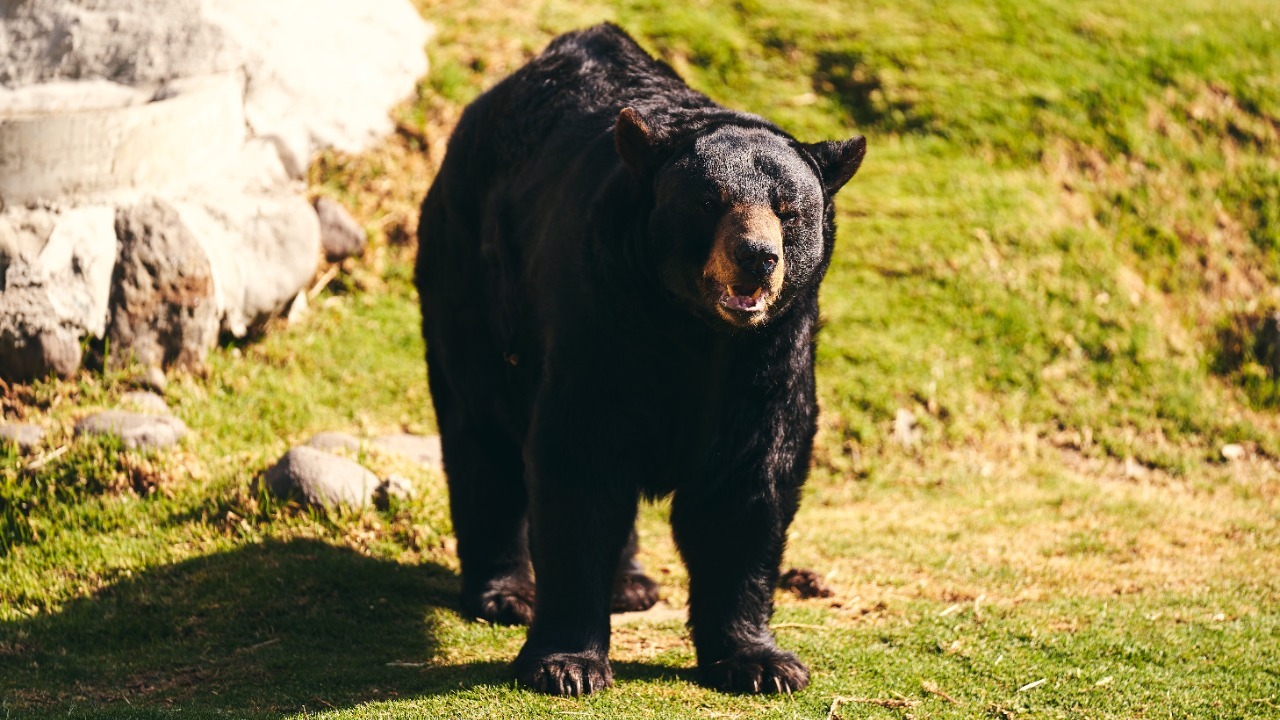
1. American black bear: The Bear You Actually Meet
<p>Willians Huerta/Pexels</p>
Weighing anywhere from about 90 pounds to well over 500, the American black bear is the continent’s most widespread bear, occupying forest from Florida to Alaska and much of Canada. Sheer numbers keep it near people constantly, at campsites, garbage bins and backyard bird feeders.
Fatal encounters are genuinely rare, and most confrontations end with the bear simply walking away. The real risk is food: bears that learn to associate humans with an easy meal lose their wariness, return again and again, and are usually the ones that end up destroyed.
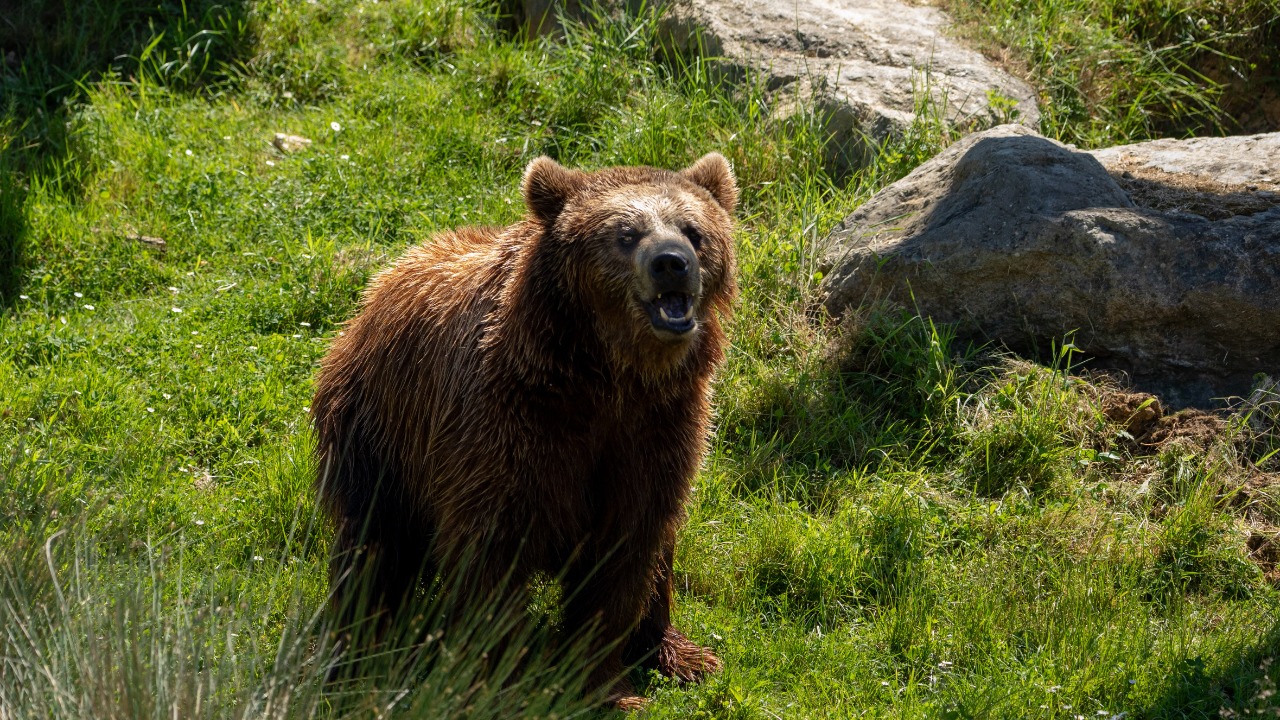
2. Grizzly bear: Defensive, Not Predatory
Image Credit: Robert Antoun/Pexels
Fewer in number but far more assertive, the Grizzly bear holds Alaska, western Canada and pockets of the northern Rockies. A large male can exceed 600 pounds, and the long claws built for digging out roots and rodents make it formidable at close quarters.
Most serious maulings are defensive rather than predatory, triggered by a surprised female with cubs or a bear guarding a carcass it has claimed. Hikers who make noise on blind trails, travel in groups and carry bear spray face very long odds against ever being charged.
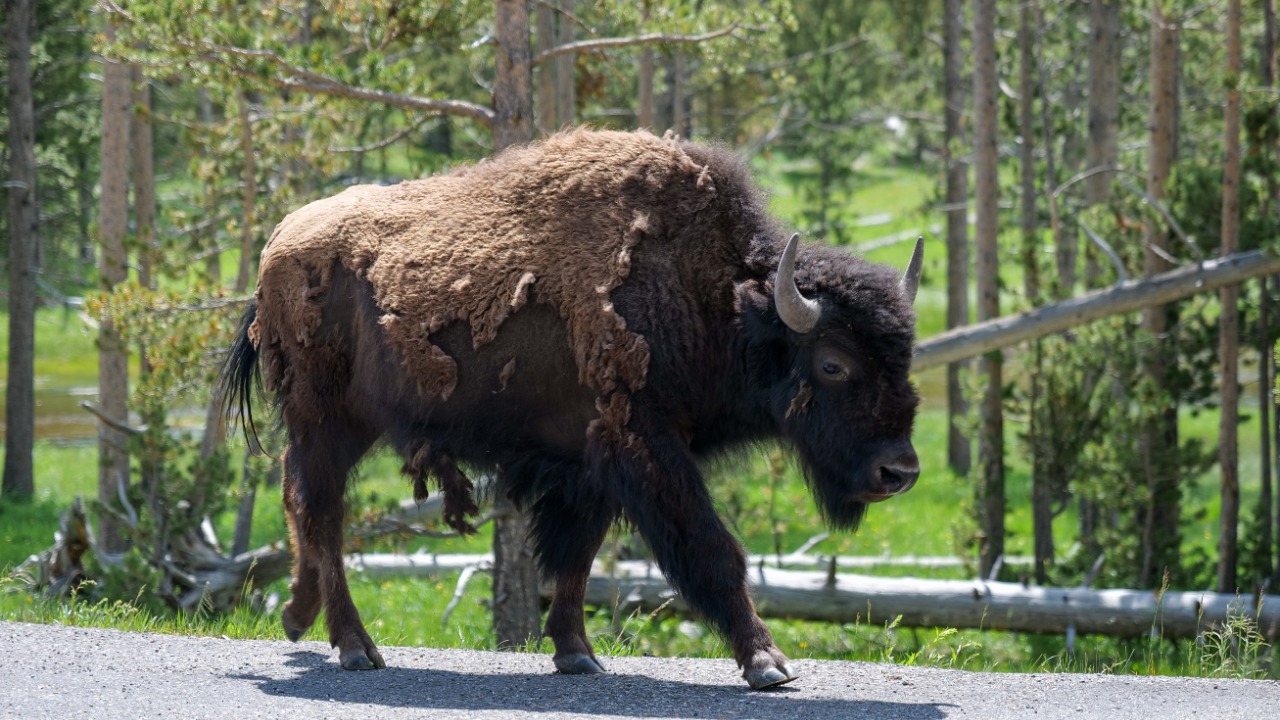
3. American bison: The Park’s Quiet Menace
Image Credit: Mark Direen/Pexels
The largest land animal on the continent looks placid and is anything but. A bull American bison can approach a ton, pivot on the spot and outrun any tourist who has wandered off the boardwalk for a closer photograph.
That combination is why bison have injured more people in Yellowstone than any other animal there. Visitors misread the grazing calm as tameness, close the gap, and get gored or thrown several feet by an animal that gave a warning first. Park distance rules exist for exactly this reason.
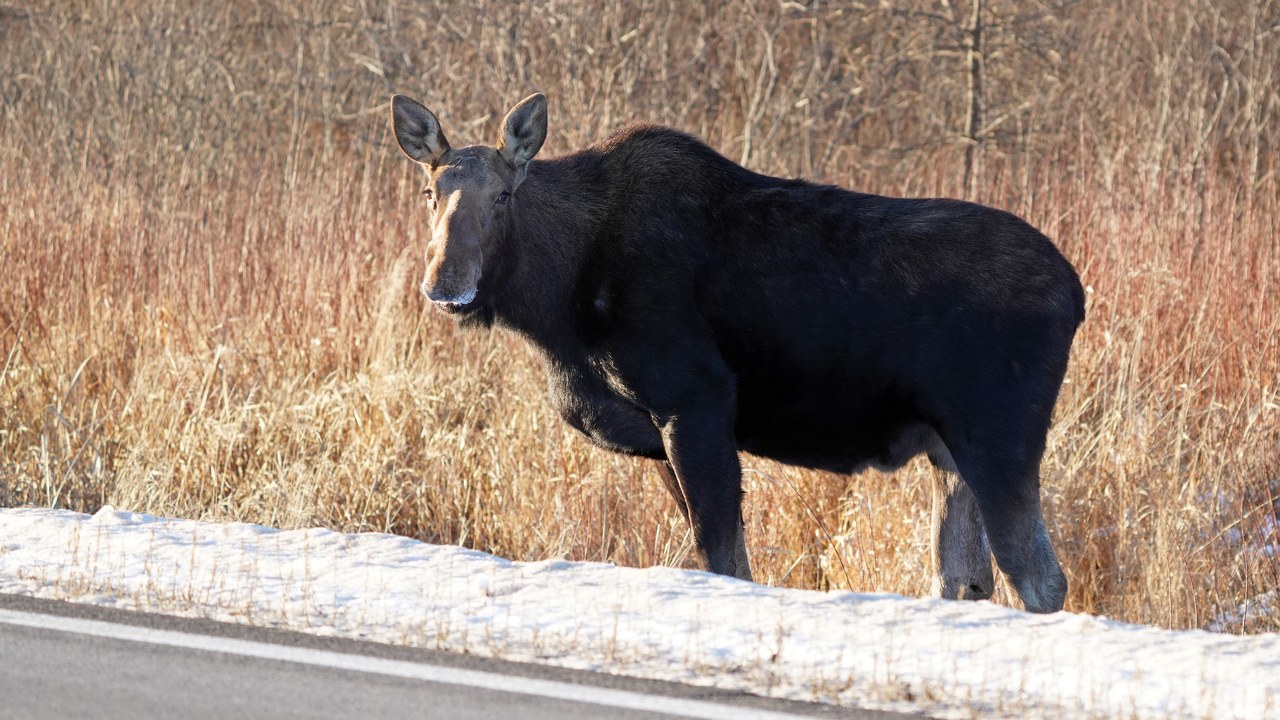
4. Moose: Bigger Than It Looks
Image Credit: U.S. Fish and Wildlife Service – Midwest Region – Public domain/Wiki Commons
Nothing about a Moose suggests a predator, which is exactly the problem. The largest member of the deer family stands taller than most people at the shoulder, and a mature bull carries antlers spanning several feet across.
They charge when harassed by dogs, crowded by photographers or defending a calf, and an animal that heavy needs no teeth or claws to break bones. Vehicle collisions are the other danger: the body rides above the hood, so the mass comes through the windshield rather than under the bumper.
5. American alligator: Back From The Brink
Image Credit: Jeffrey Eisen/Pexels
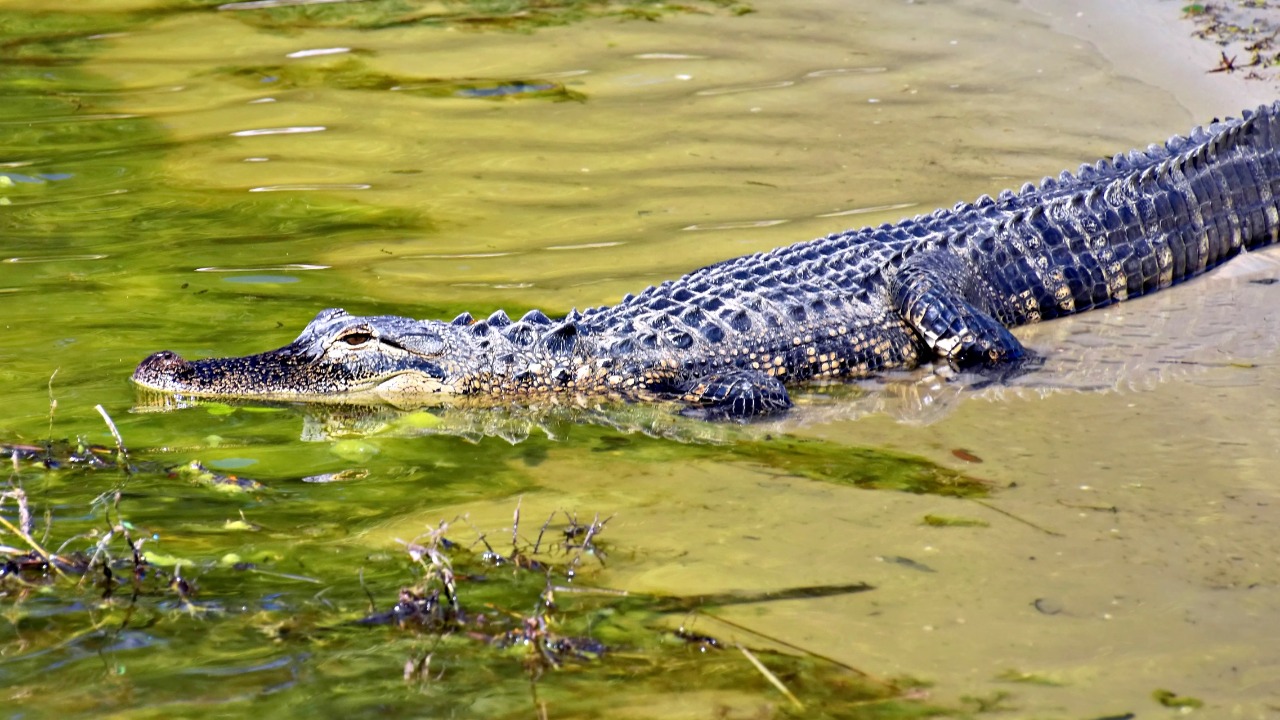
Recovered from near-collapse in the last century, the American alligator now numbers in the millions across the Southeast, sharing canals, golf-course ponds and drainage ditches with dense human populations. Adults commonly pass eleven feet and ambush prey from just below the waterline.
Serious attacks stay uncommon given how completely that range overlaps with people. The pattern behind the ones that happen is consistent: alligators fed by humans stop treating them as a threat and start approaching them, which is why feeding the animals is illegal in states such as Florida.
6. Timber rattlesnake: It Warns Before It Bites
Image Credit: NPS Photo – Public domain/Wiki Commons
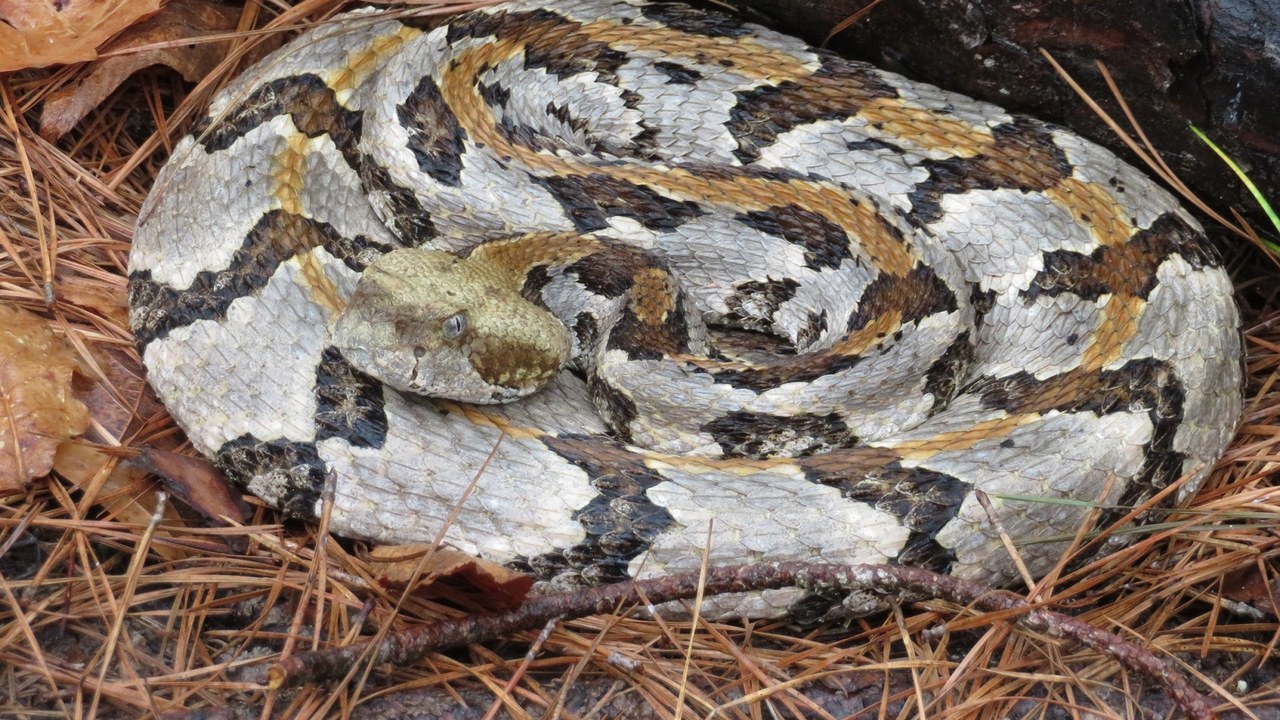
Across the eastern United States, the Timber rattlesnake occupies rocky hillsides and hardwood forest, hunting rodents from ambush and often waiting motionless for hours. Its venom is potent, delivered through hinged fangs that fold flat against the roof of the mouth when they are not in use.
The reputation for aggression is undeserved. This species is notably reluctant to strike, usually freezing or rattling a warning first, and most bites follow deliberate handling or an unlucky step in tall cover. Prompt hospital treatment makes a fatal outcome unusual in the United States.
7. Africanized honey bee: Danger In Numbers
Image Credit: Carlos Eduardo Joos – CC BY 2.0/Wiki Commons
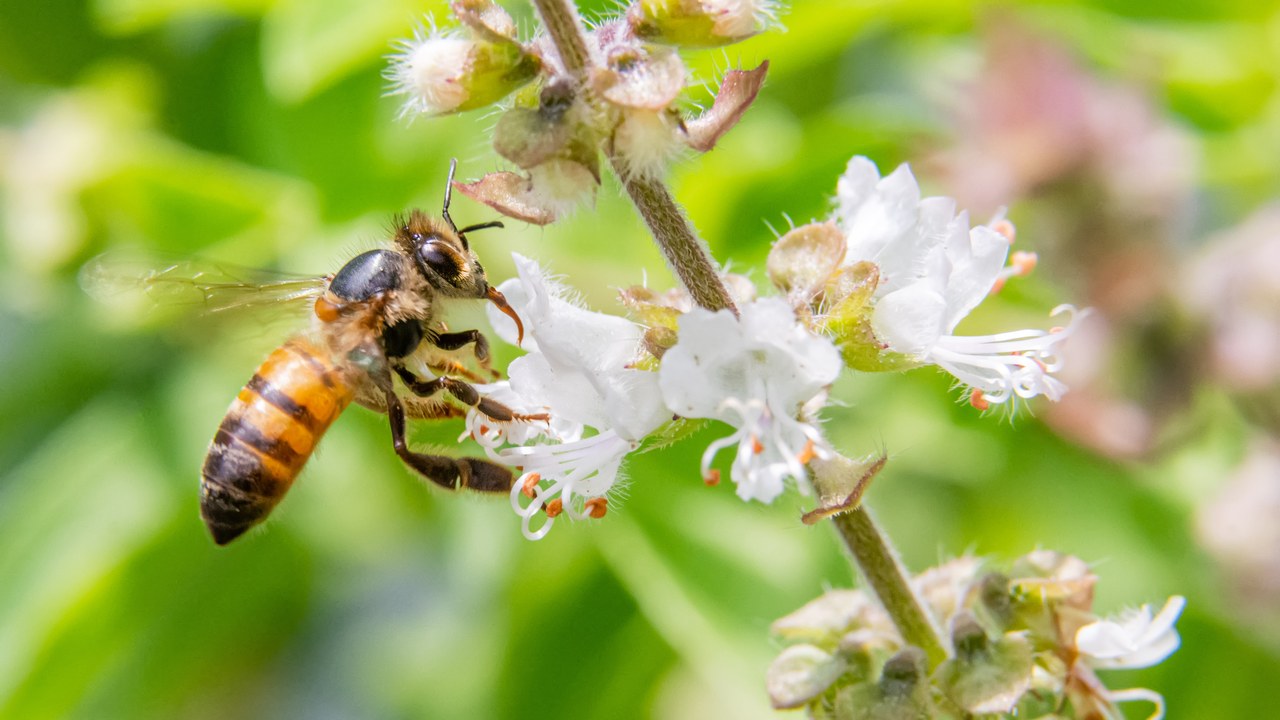
Hybrids that escaped a Brazilian breeding experiment in 1957, Africanized honey bees spread steadily north through the Americas and reached the southern United States around 1990. Individually, their venom is no stronger than that of the ordinary European honey bee kept in backyard hives.
The danger is arithmetic instead. They defend a nest with far more workers, pursue an intruder much farther from it and stay agitated far longer, so a victim can absorb hundreds of stings rather than a handful. Running for enclosed shelter beats standing still or hiding underwater.
8. Brown recluse spider: Rarely The Real Culprit
Image Credit: Br-recluse-guy – Public domain/Wiki Commons
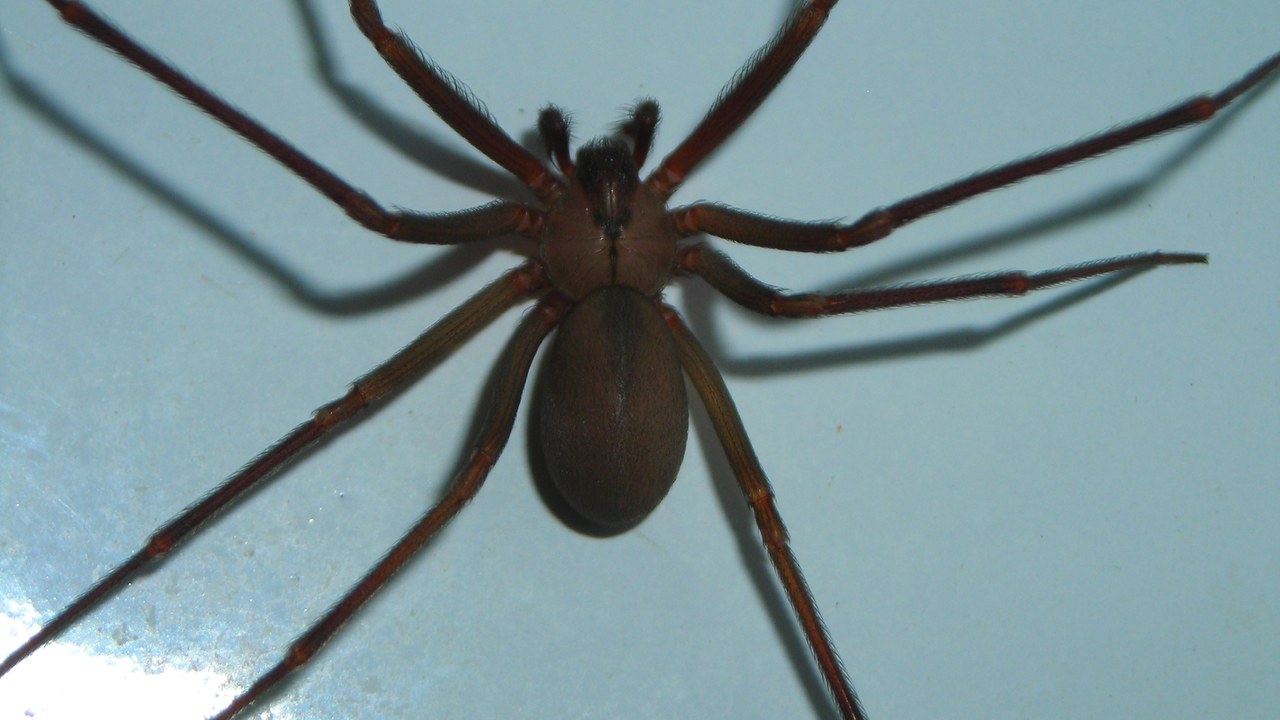
Shy, nocturnal and roughly the size of a quarter with its legs extended, the Brown recluse spider occupies a limited midwestern and southern range, hiding in woodpiles, storage boxes, undisturbed closets and shoes that have not been worn in a while.
Its venom can kill the tissue around a bite, occasionally leaving a slow-healing ulcer that needs medical attention. Even so, most bites resolve without serious damage, and the spider is blamed constantly for sores and infections in states where it does not actually live at all.
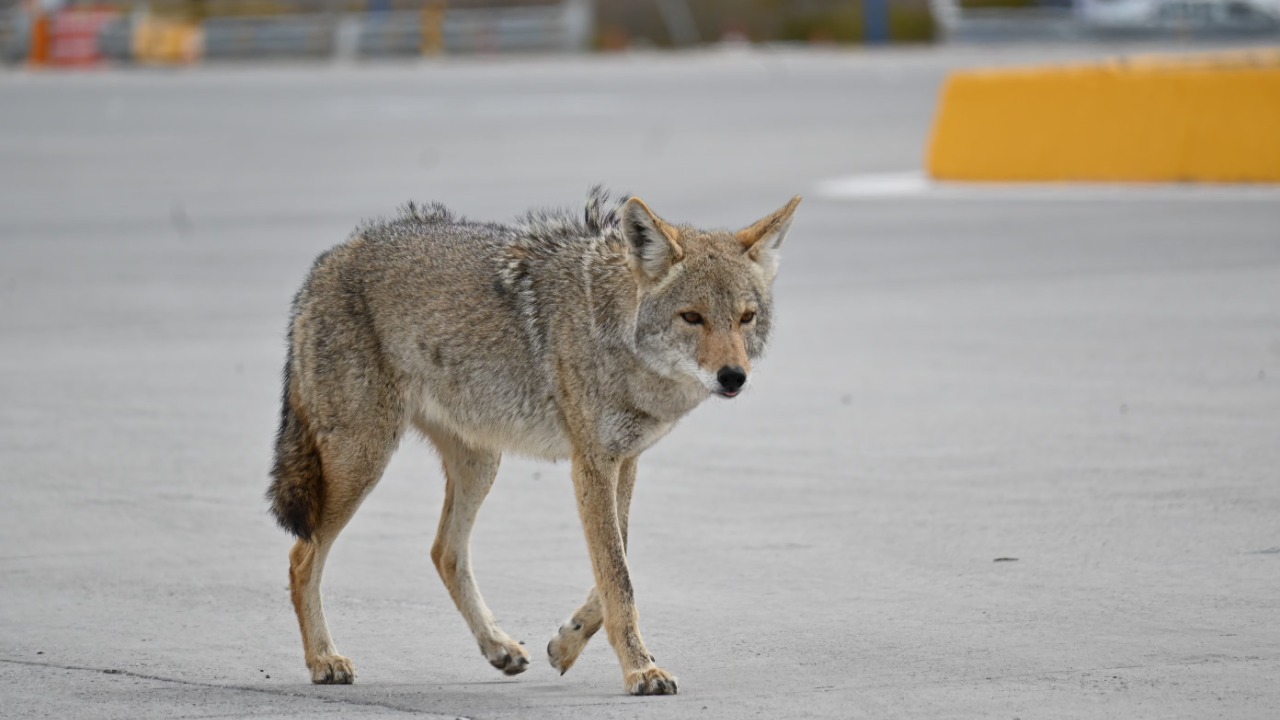
9. Coyote: The Suburban Survivor
Image Credit: David Torres/Pexels
Few animals have profited more from human expansion. The Coyote now lives in nearly every state and inside major cities, working parks, alleys, cemeteries and golf courses after dark for rodents, rabbits and unattended pets.
Attacks on adults are extraordinarily rare, and the usual response to a person on foot is simply to leave. Bold behavior tracks food almost every time: coyotes fed deliberately or carelessly lose their fear of people, and those habituated animals account for most of the bites that get reported.
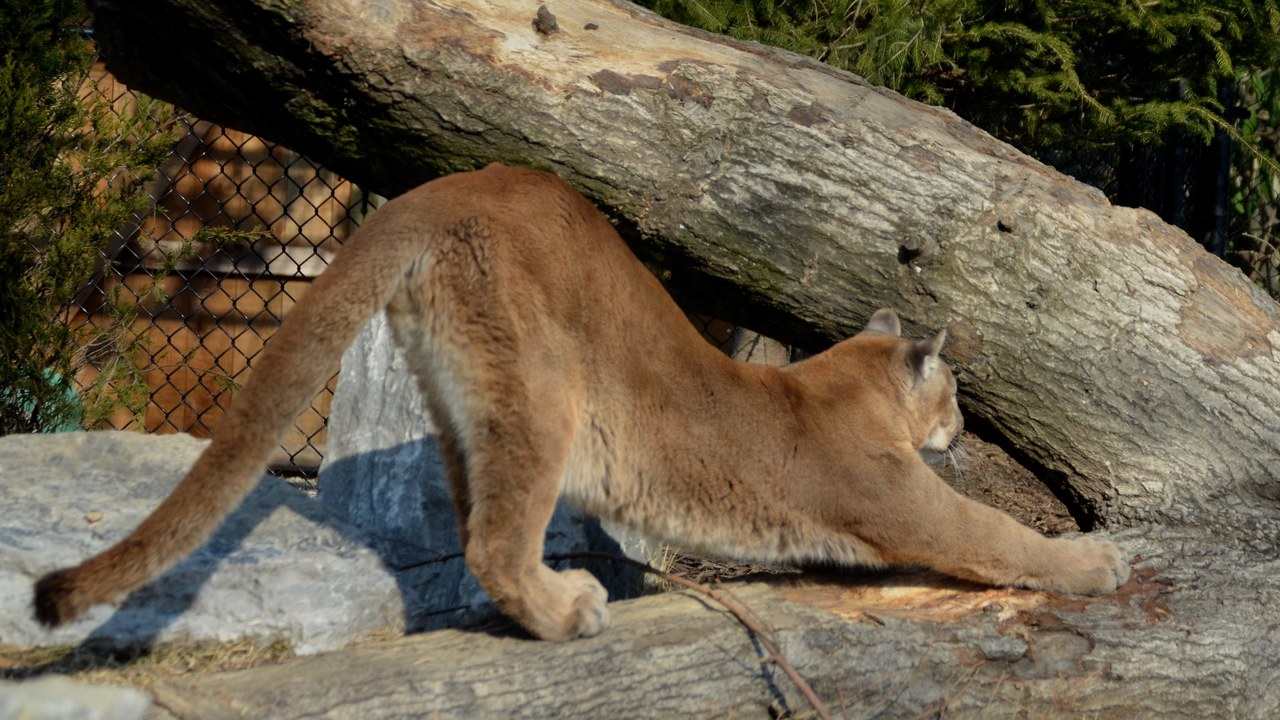
10. Mountain lion: Seldom Seen, Seldom Deadly
Image Credit: Charles Barilleaux from Cincinnati – CC BY 2.0/Wiki Commons
Solitary and rarely glimpsed, the Mountain lion ranges from the Yukon to the southern Andes and kills deer by ambush, closing the last few yards from behind and biting through the neck.
Hikers, runners and cyclists share that same western terrain, yet verified attacks number only in the low hundreds across more than a century of record-keeping, with fatalities a small fraction of those. Standing tall, shouting and fighting back are the advised responses, because turning away and running invites a pursuit the cat will win.
More from Morning Overview
Morning Overview is reader-supported. Some links in our articles are affiliate links, and we may earn a commission at no extra cost to you. As an Amazon Associate I earn from qualifying purchases. Full disclosure.