
Bats are among the most useful night-flying hunters in the United States, and the species here range from colony dwellers under city bridges to loners in the treetops. Some are thriving in huge numbers, while others have been hit hard by disease. Here are nine of them, beginning with one that can catch 1,200 insects in an hour.
Save more, waste less: The Cool Down’s free newsletter sends smart, simple changes that help you and the planet in your everyday life.
Subscribe to The Cool Down free →
We may earn a commission if you sign up.
1. Little brown bat: Insect Appetite on Wings
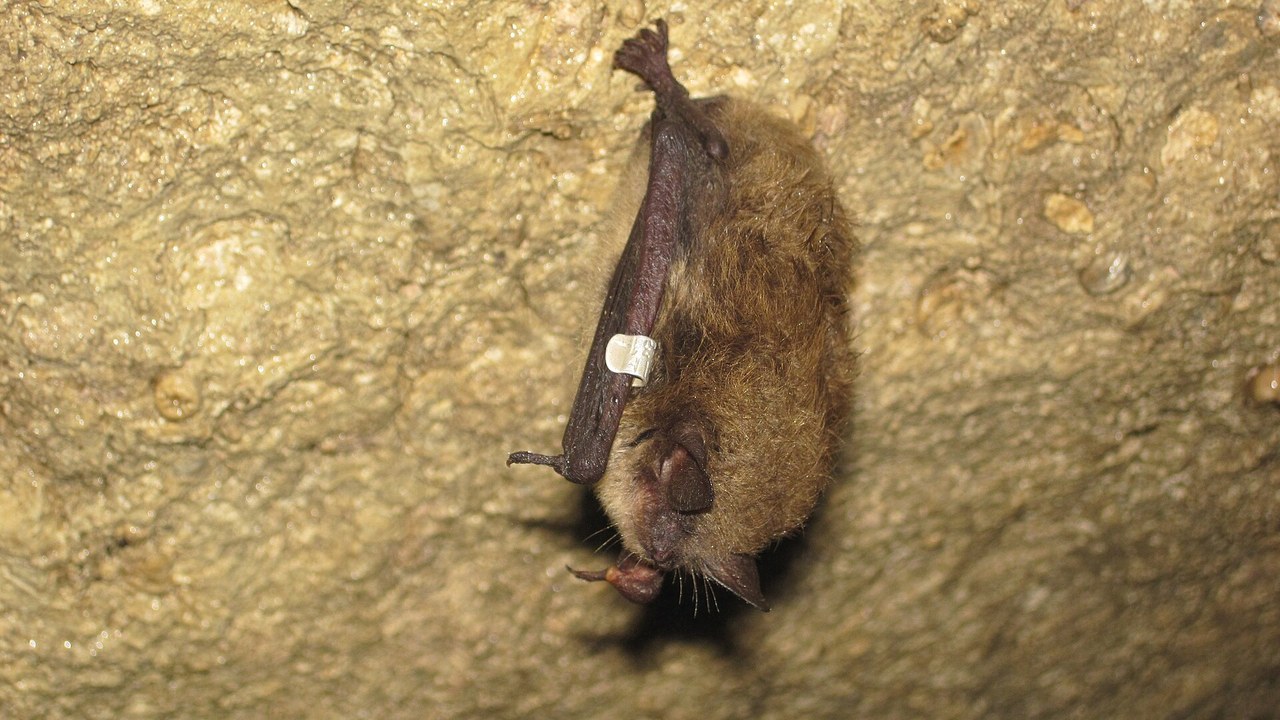
Once abundant from Alaska to Florida, the little brown bat can catch up to 1,200 insects in one hour, a pace that makes it a formidable night hunter.
The story has a sobering turn, though. White-nose syndrome has left the species listed as Endangered by the IUCN, so a once-common backyard bat is now a conservation concern. Its appetite for insects is a large part of why its decline is watched so closely. Because insects are the main prey, the loss of such a hunter is felt well beyond the bat world, and the species remains a symbol of what disease can do.
2. Mexican free-tailed bat: The Bridge Colony
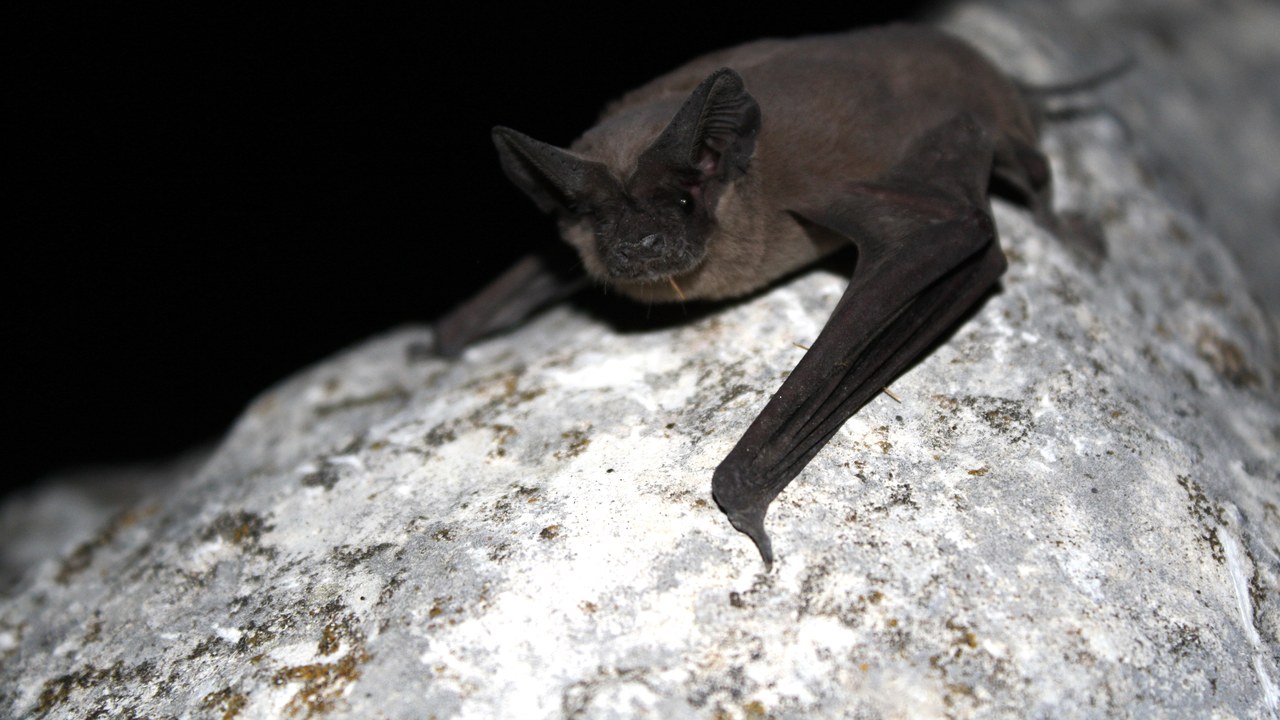
Under Austin’s Congress Avenue Bridge, about 1.5 million Mexican free-tailed bats roost, the largest urban bat population in North America, and the sight draws roughly 140,000 watchers a year.
The colony turns a piece of city infrastructure into a wildlife attraction. Visitors gather to see the bats leave their roost together, which shows that a species often feared can become a point of local pride and a steady draw for the community. Such crowds show how a well-placed roost can bring wildlife and people together, and the nightly show has become closely tied to the identity of the city itself.
3. Big brown bat: Park System Regular
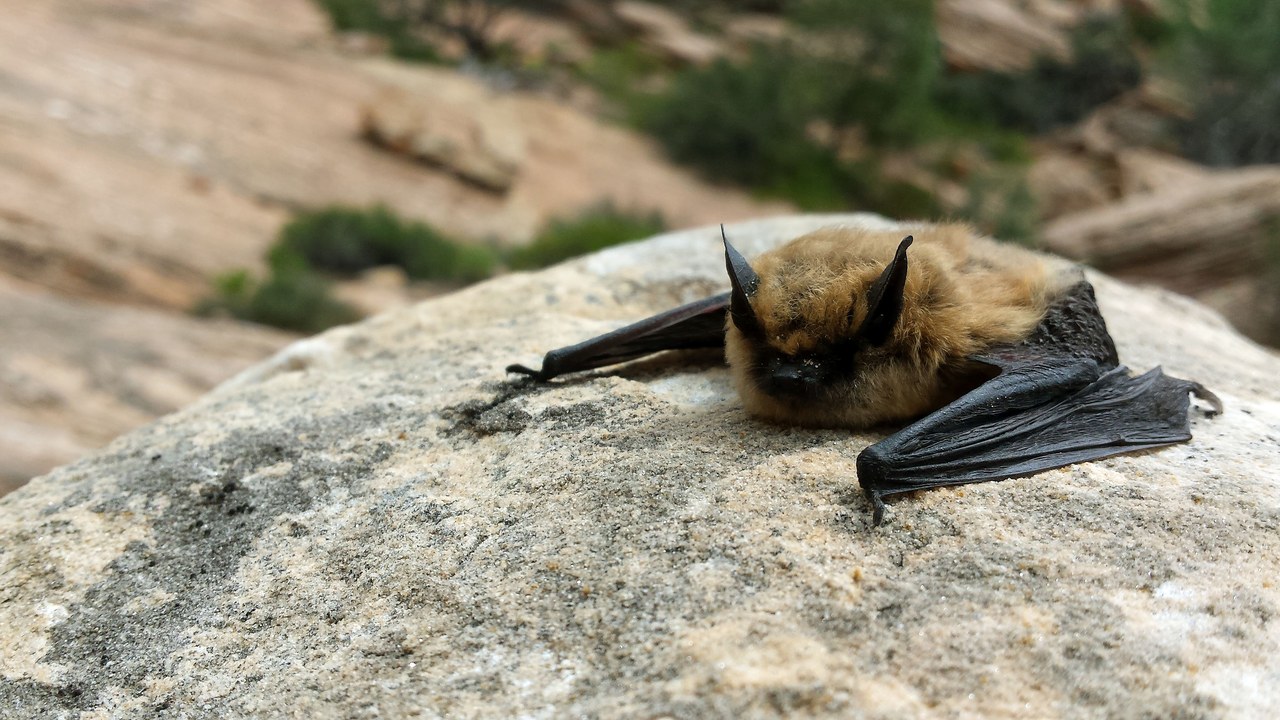
No bat turns up on more park lists than the big brown bat, which the National Park Service’s species table records in 178 parks, making it the most widely recorded bat in the national park system.
That breadth suggests a species at home in many kinds of landscapes, from forests to open country. For park visitors, it is the bat most likely to be flying overhead at dusk, even if few ever stop to notice it. Its broad presence across the system makes it a useful reference point when comparing which bats occupy which parks, and it sets a high bar for the others.
4. Hoary bat: Silver-Frosted Traveler
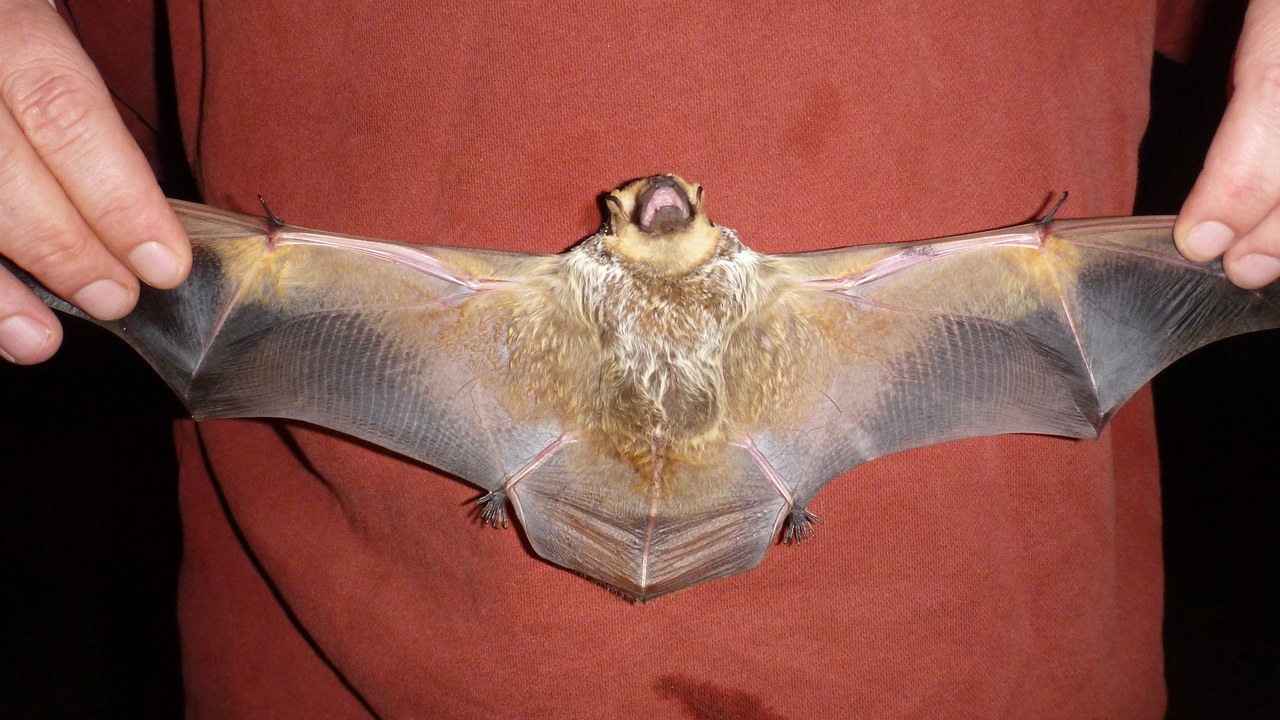
A relatively large, silver-frosted moth hunter, the hoary bat can cover 24 miles in a single night and winters as far south as Central America.
The combination of distance and migration marks it as a true traveler among American bats. Its frosted fur gives it a distinctive look, and its long journeys show that some of the continent’s bats live far more adventurous lives than the typical image of a cave dweller suggests. Nocturnal fliers of this sort rarely get credit, yet their long nightly journeys are among the most impressive feats in the American bat community.
5. Eastern red bat: One-Footed Treetop Loner
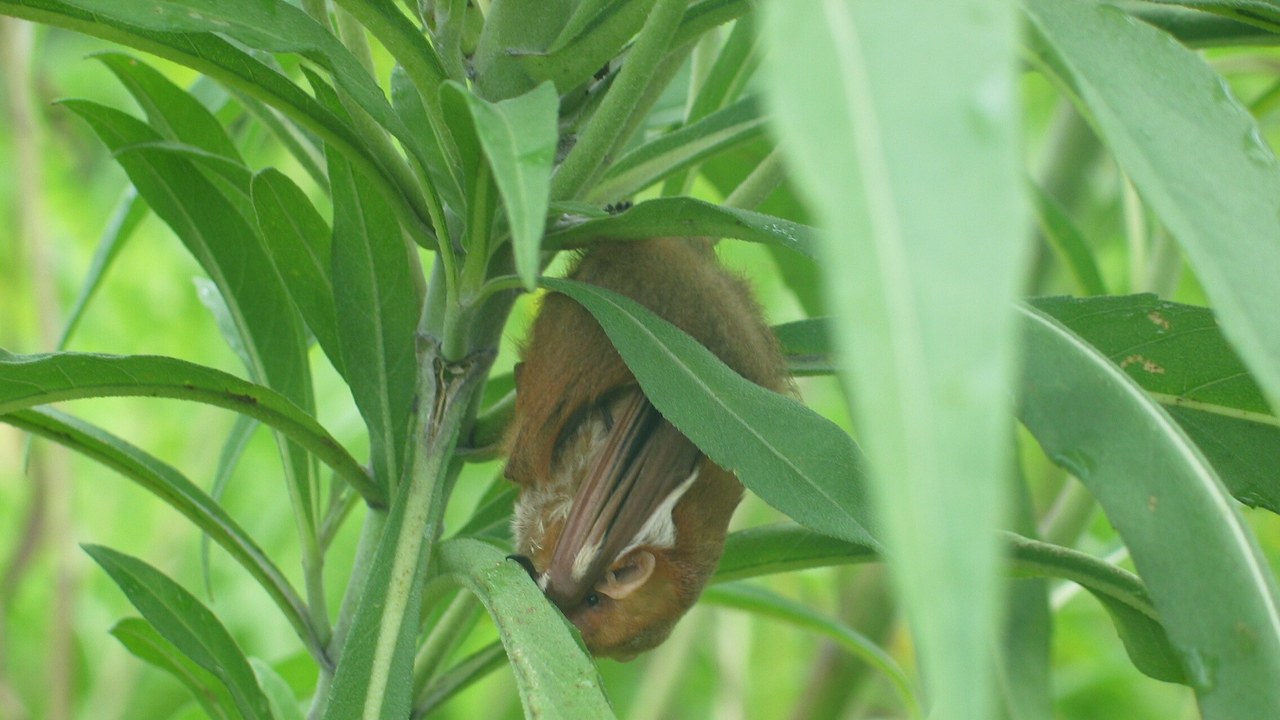
The eastern red bat is a solitary tree-rooster that hangs from a single foot, and the National Park Service records it in 90 national parks.
Unlike colony species that crowd into caves or under bridges, it spends its days among the leaves on its own. That lifestyle makes it harder to count and easy to miss, though the park records show it is present across a good share of the system. Records of this kind come from park species tables, which are a handy way to see where each kind of bat has actually been documented.
6. Silver-haired bat: Old-Growth Specialist
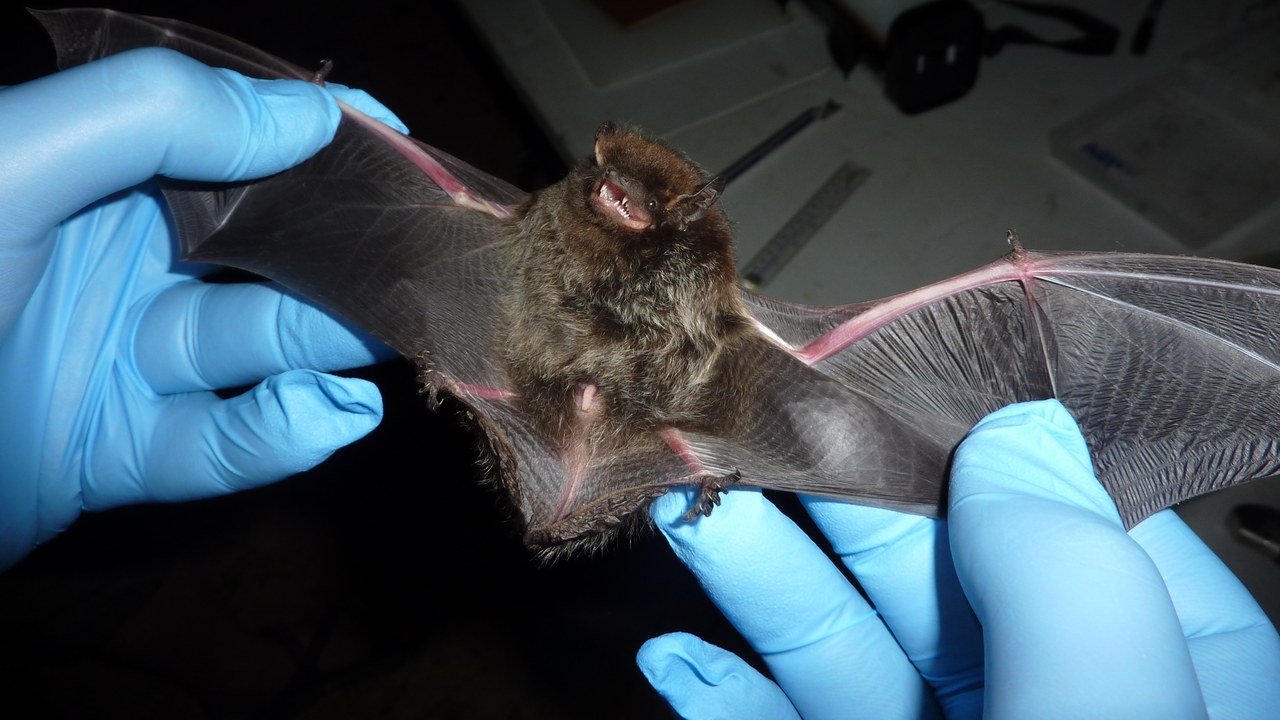
Tied to old-growth forest, the silver-haired bat is a woodland species that appears on the species lists of 108 national parks, the National Park Service says.
Its link to mature woods makes the bat a quiet indicator of forest character. Readers walking through older stands at twilight are in the kind of habitat this species favors, even though the animal itself is rarely noticed by the casual visitor. Preserving such habitat benefits many other creatures as well, since old woodland shelters a wide web of wildlife beyond the bats themselves.
7. Indiana bat: Packed Hibernation Caves
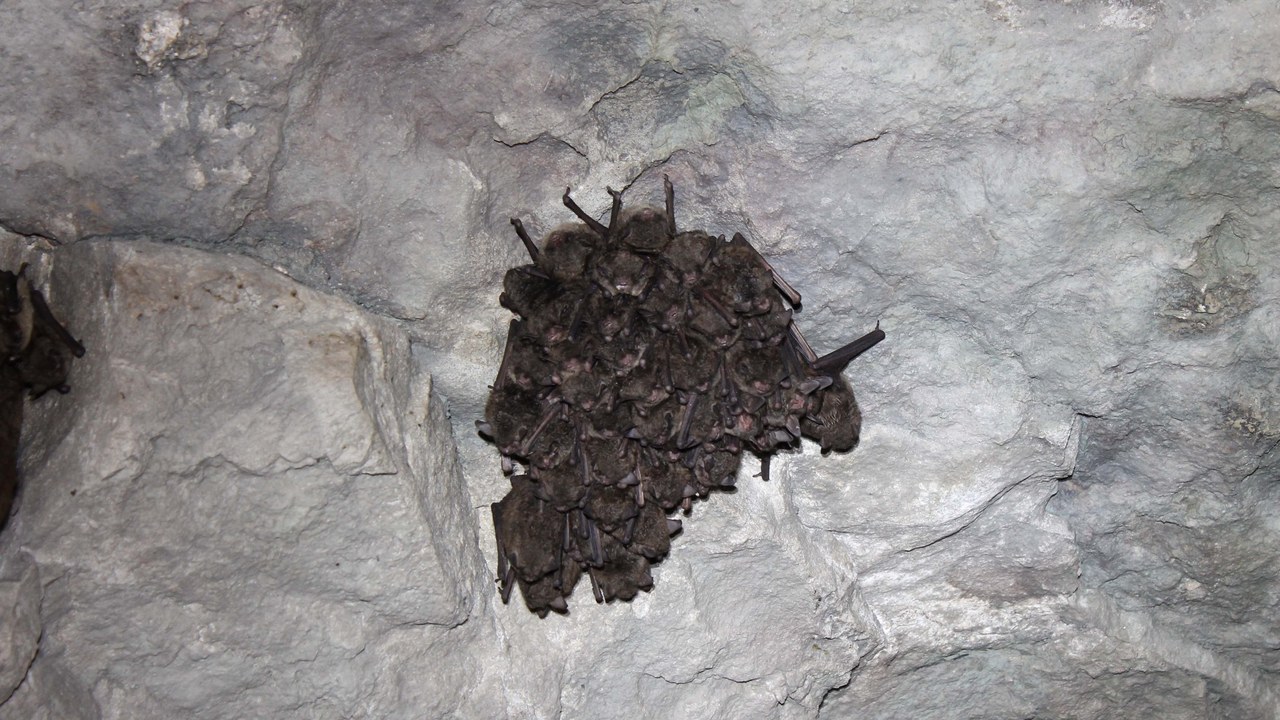
Indiana bats pack hibernation caves in clusters of up to 500 bats per square foot; the 2019 winter census counted 537,297 of them in 223 hibernacula across 16 states.
The tight clustering explains why a handful of caves matter so much to the species. Protecting those winter sites is central to its survival, since so many animals depend on so few places, and a disturbance at one cave can affect a large share of the population. Counts like these also give researchers a way to track the species over time and to judge whether protection efforts are working as hoped.
8. Northern long-eared bat: Hit Hard by Disease
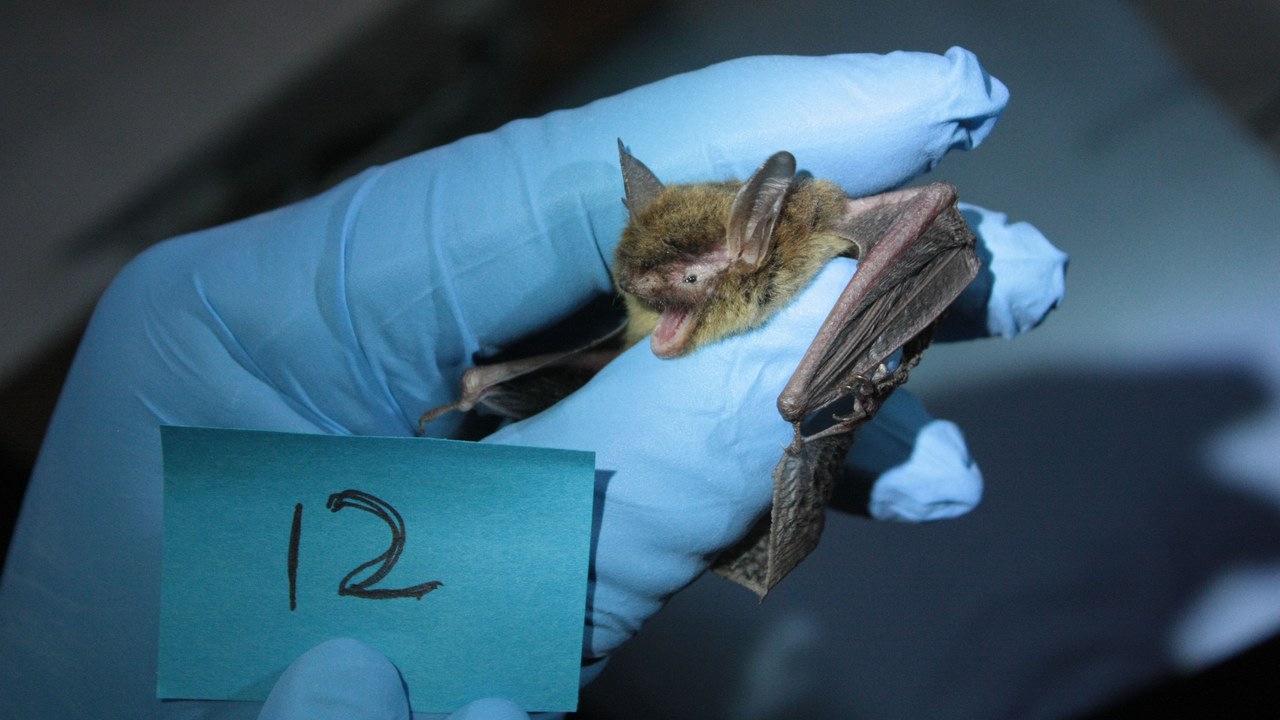
White-nose syndrome has caused estimated declines of 97 to 100% in affected northern long-eared bat populations, and the species became endangered effective January 30, 2023.
Few wildlife stories show the toll of a single disease so plainly. The listing is a formal acknowledgment of how severe the losses have been, and it places a small woodland bat among the American species most urgently in need of attention. Information of this sort helps readers understand why wildlife agencies treat the bat’s fate as a priority, and why disease surveillance matters so much for caves and mines.
9. Pallid bat: Scorpion Eater of the Desert
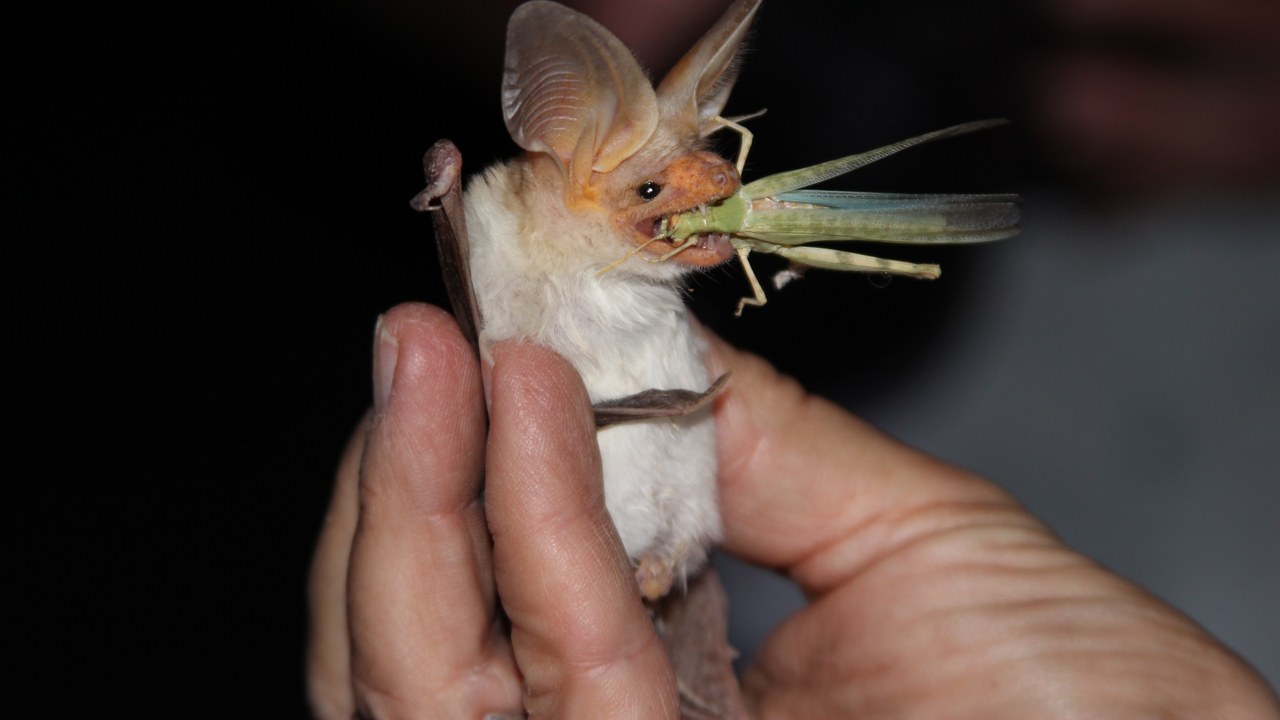
The desert-dwelling pallid bat eats Arizona bark scorpions, the most venomous scorpions in North America, and can consume up to half its weight in one night of foraging.
Few mammals have a menu quite like this one. The bat’s willingness to take on dangerous prey, along with its large nightly intake, makes it one of the more remarkable hunters of the arid Southwest. The menu also underscores how varied the habits of bats really are across the country, from insect catchers to specialists of the desert.
More from Morning Overview
- Doctors warn a silent liver disease now affects one in three American adults
- The FBI told the rest of ShinyHunters to surrender after a 24-year-old was arrested
- Two passengers died at an Ohio toll plaza, and the NTSB now wants the cash lanes shut
- Long use of a common prostate pill is tied to a higher chance of glaucoma
