
The world’s fastest machines now compute at speeds measured in quintillions of operations per second, a milestone called the exascale barrier that only a handful of governments and research consortia have crossed. Each system anchors a national or continental science program, from nuclear-stockpile simulations to climate models to fundamental physics. Here are ten supercomputers that top the current global rankings, drawn from the TOP500 list published in November 2025.
1. El Capitan (Lawrence Livermore National Laboratory, USA): The Reigning Champion
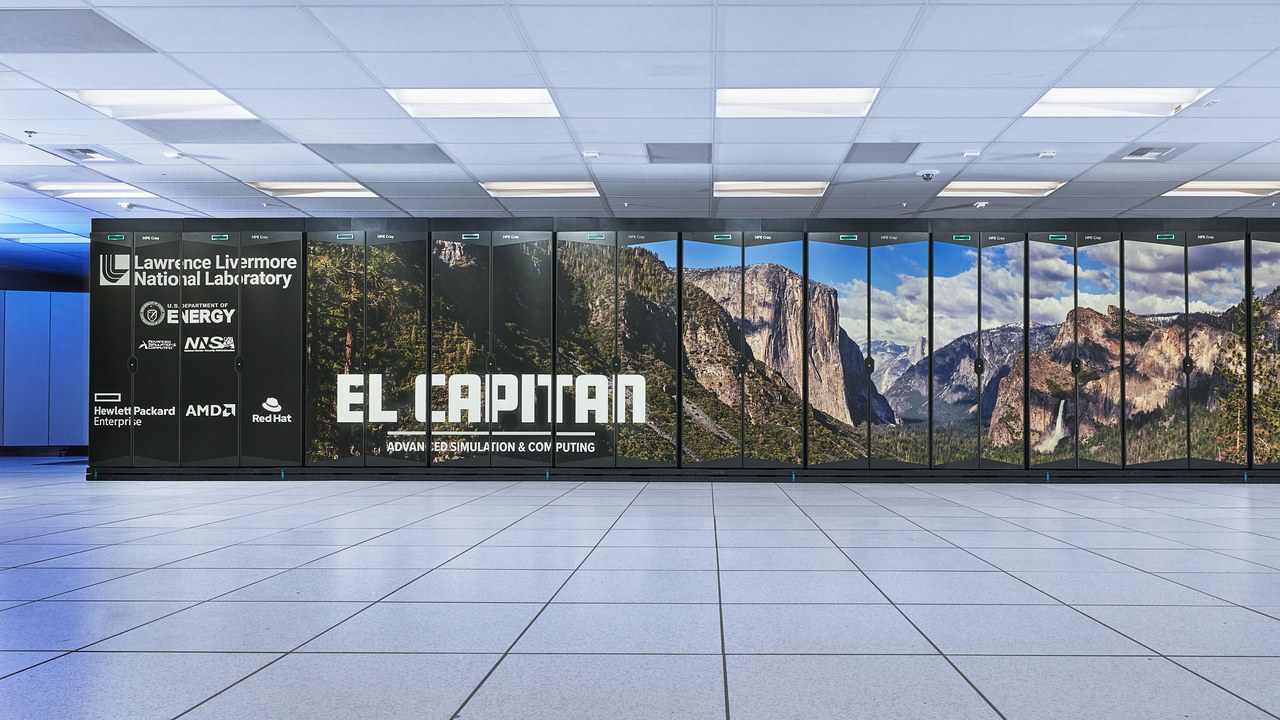
El Capitan holds the top spot on the November 2025 TOP500 list with a sustained Linpack performance of 1.809 exaflops, built from more than 11.3 million cores running on AMD Instinct MI300A accelerated processing units at Lawrence Livermore National Laboratory in California, where it seized the number one ranking in late 2024.
The machine exists mainly to simulate the aging U.S. nuclear stockpile without physical underground testing, a mission that has pushed its owner, the National Nuclear Security Administration, to fund some of the largest and most power-hungry computing systems ever built, drawing tens of megawatts of electricity around the clock.
2. Frontier (Oak Ridge National Laboratory, USA): The First Past The Line
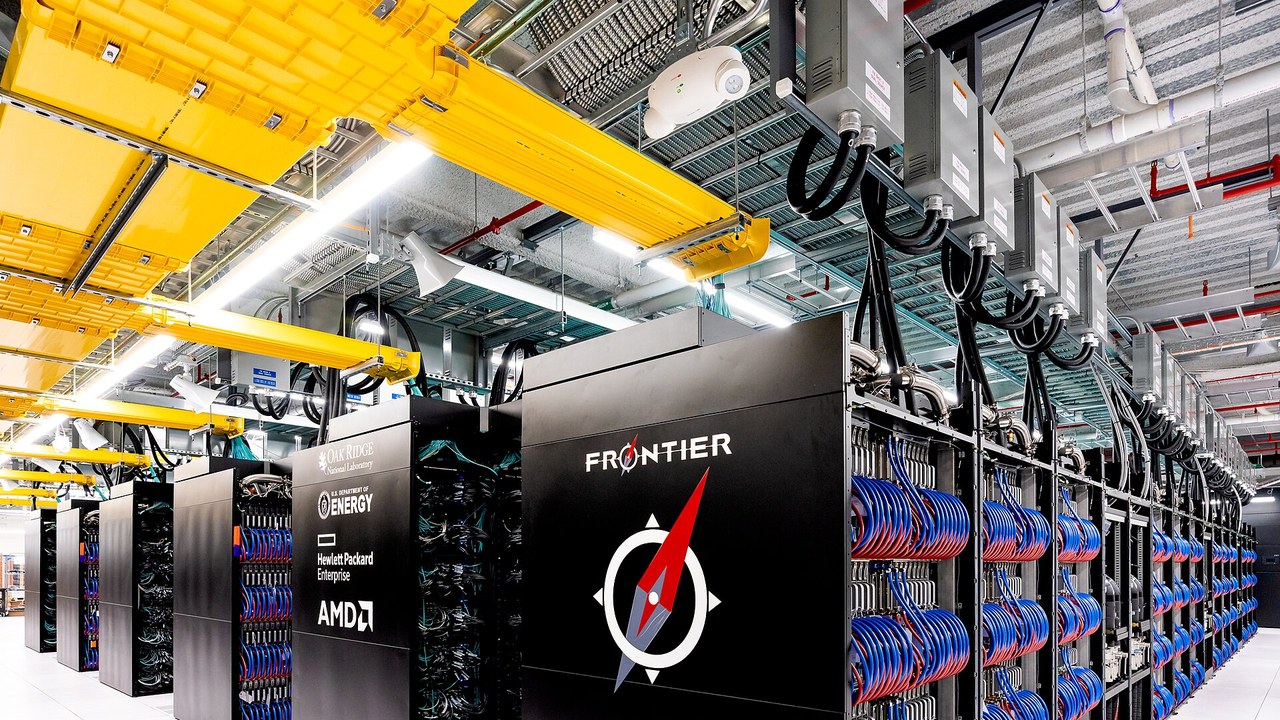
Frontier now holds the number two position at 1.353 exaflops, but its bigger claim to fame came in 2022, when it became the exascale breakthrough machine, built around AMD EPYC processors and Instinct accelerators packed into HPE Cray EX cabinets at Oak Ridge National Laboratory in Tennessee.
Operated for the Department of Energy, it now runs climate models, materials-science simulations and nuclear-fusion research for scientists nationwide, sharing computing time among hundreds of approved projects every year through a competitive allocation process open to academic and government teams alike.
3. Aurora (Argonne National Laboratory, USA): Intel’s Biggest Bet
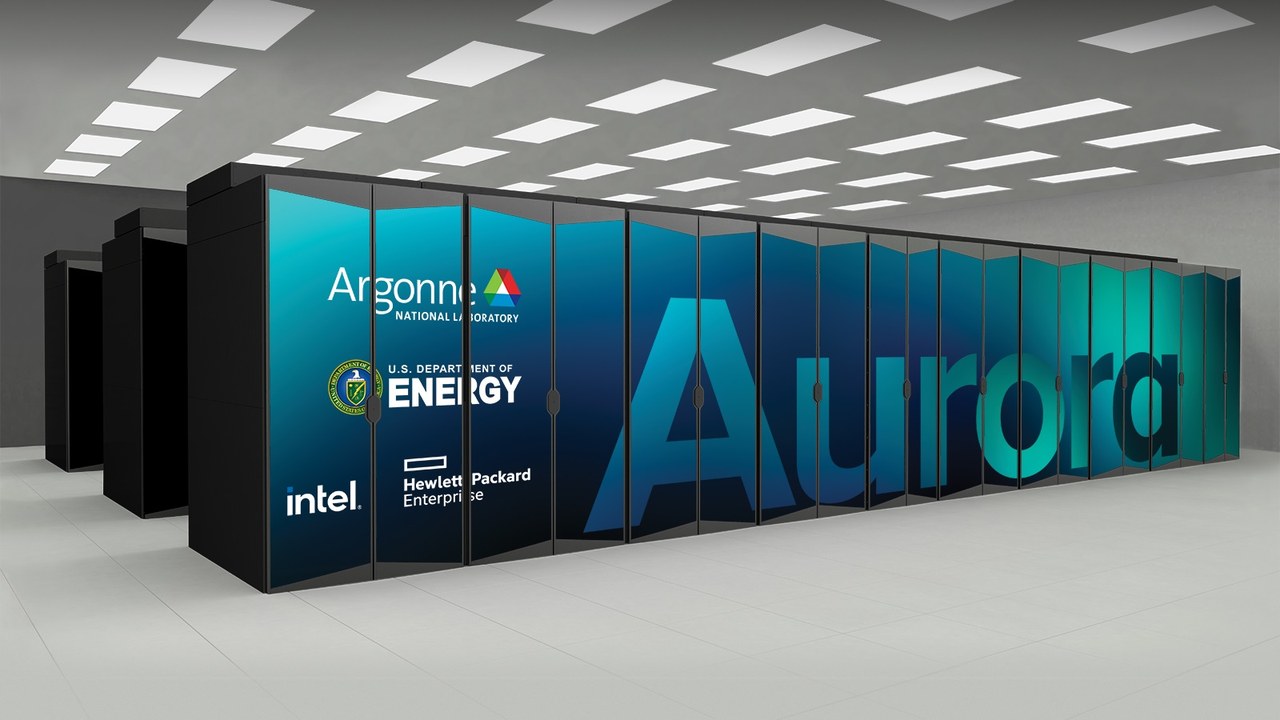
Aurora sits in third place at 1.012 exaflops, an Intel-built system assembled around Data Center GPU Max chips paired with Xeon processors, making it the largest Intel-based supercomputer ever built, housed at Argonne National Laboratory outside Chicago.
Argonne uses the machine for cancer-drug discovery, brain-mapping projects and large-language-model training, positioning it as much an artificial-intelligence research tool as a traditional physics engine, and its arrival marked years of delays before Intel’s chips finally reached production scale, a rocky development history the lab has been candid about in its own public reporting.
4. JUPITER (Julich Supercomputing Centre, Germany): Europe’s First Exascale Machine
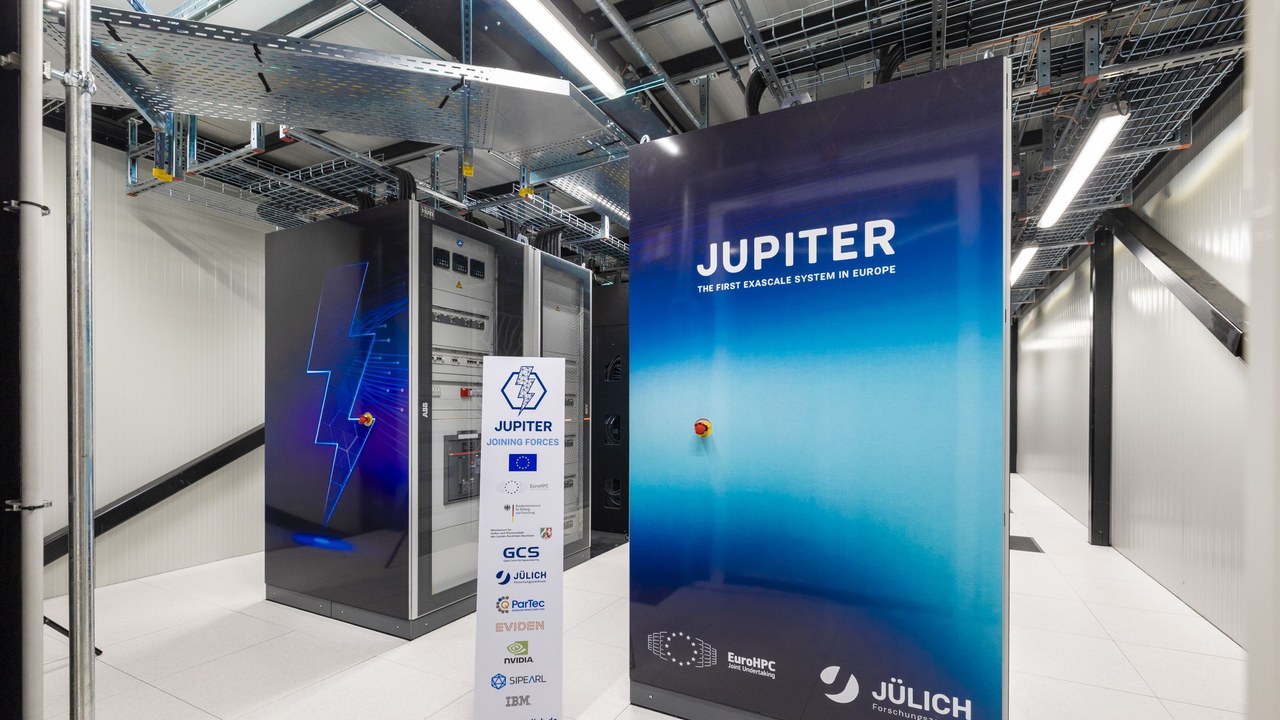
JUPITER became Europe’s first exascale machine, clocking roughly 1.0 exaflops on the same list and running on NVIDIA Grace Hopper Superchips inside an Eviden BullSequana system at the Julich Supercomputing Centre in western Germany.
Funded jointly by the EuroHPC Joint Undertaking and the German federal government, it is meant to reduce Europe’s reliance on American and Asian computing power for weather forecasting, climate research and the training of large European language models built on the continent’s own hardware, a goal European officials have described as digital sovereignty.
5. Supercomputer Fugaku (RIKEN, Japan): The Arm-Powered Champion
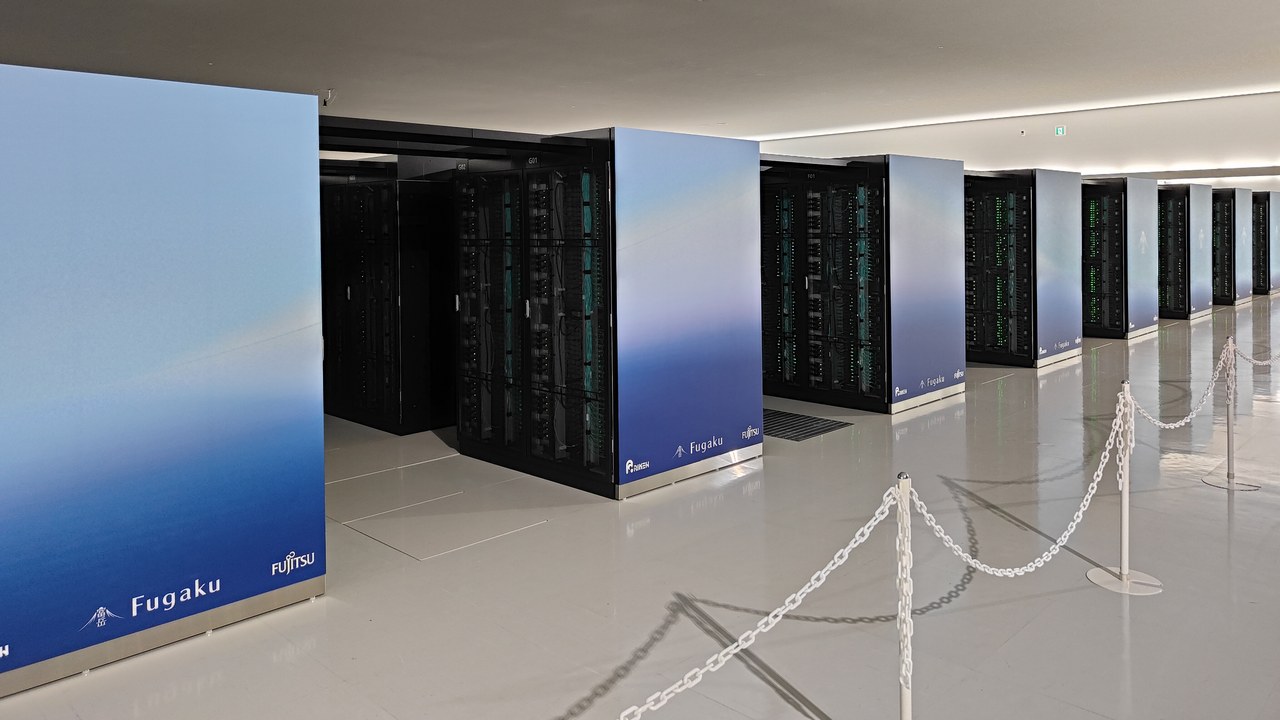
Supercomputer Fugaku runs at 442 petaflops on Arm-based A64FX processors built by Fujitsu, a design choice that let RIKEN’s flagship machine hold the world’s top ranking from 2020 through 2022, an unusually long reign in a field that typically turns over every year or two.
Its early claim to public attention came from modeling how airborne droplets spread indoors during the COVID-19 pandemic, work that shaped ventilation and mask guidance in Japan and, through published research, in other countries as well.
6. Alps (Swiss National Supercomputing Centre, Switzerland): Switzerland’s Research Workhorse
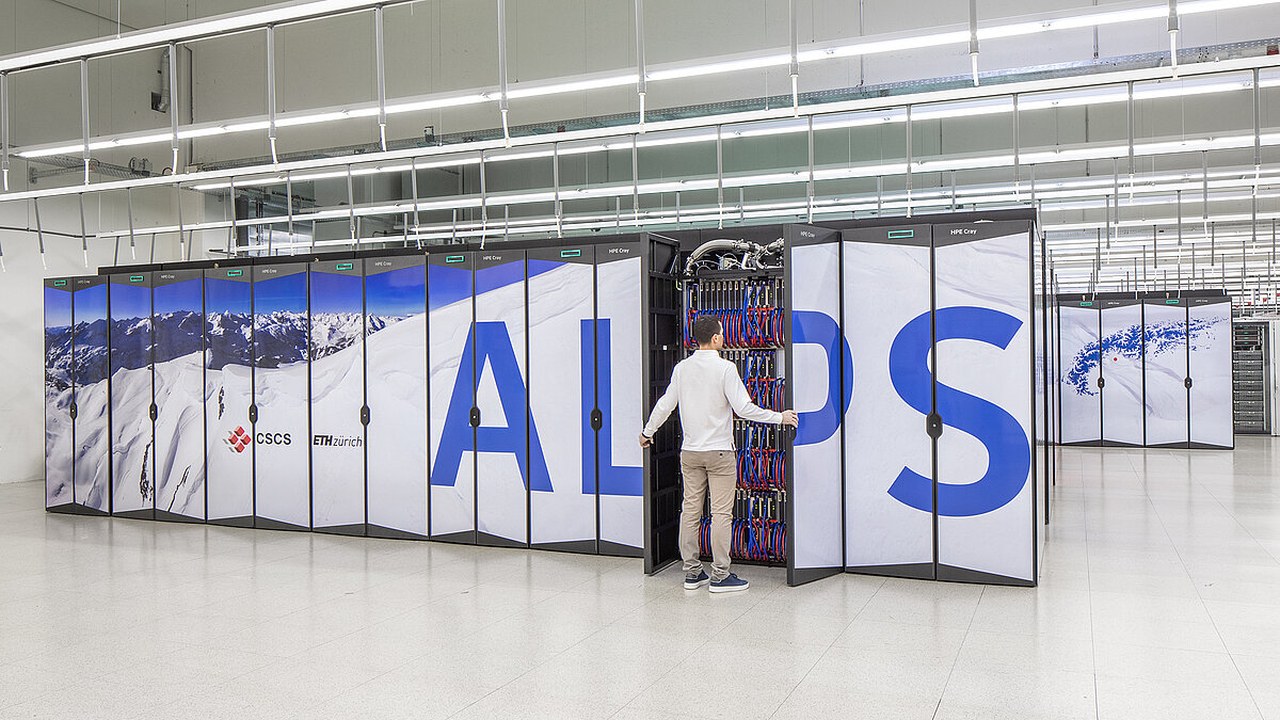
Alps delivers 435 petaflops from NVIDIA Grace Hopper Superchips packed into an HPE Cray EX system at the Swiss National Supercomputing Centre in Lugano, replacing an older machine called Piz Daint that had served Swiss science for nearly a decade.
Swiss researchers share the machine with European partners for climate simulation and particle-physics work tied to CERN, making it one of the continent’s busiest shared research instruments and a growing hub for Switzerland’s own artificial-intelligence initiatives, including large public language-model projects run out of Swiss universities.
7. Sunway TaihuLight (National Supercomputing Center in Wuxi, China): China’s Former World Leader

Before newer exascale machines eclipsed it, Sunway TaihuLight spent two years as the world’s fastest computer after its 2016 debut, and the Wuxi-based system still delivers 93 petaflops of sustained Linpack performance from 10.6 million cores built on domestically designed SW26010 processors, hardware China manufactured entirely on its own.
The machine remains housed at the National Supercomputing Center in Wuxi, now positioned well outside the current TOP500 top ten as newer exascale systems have passed it, though it stays active supporting weather forecasting, climate modeling and life-sciences research for Chinese institutions.
8. Leonardo (CINECA, Italy): A Flagship For Europe
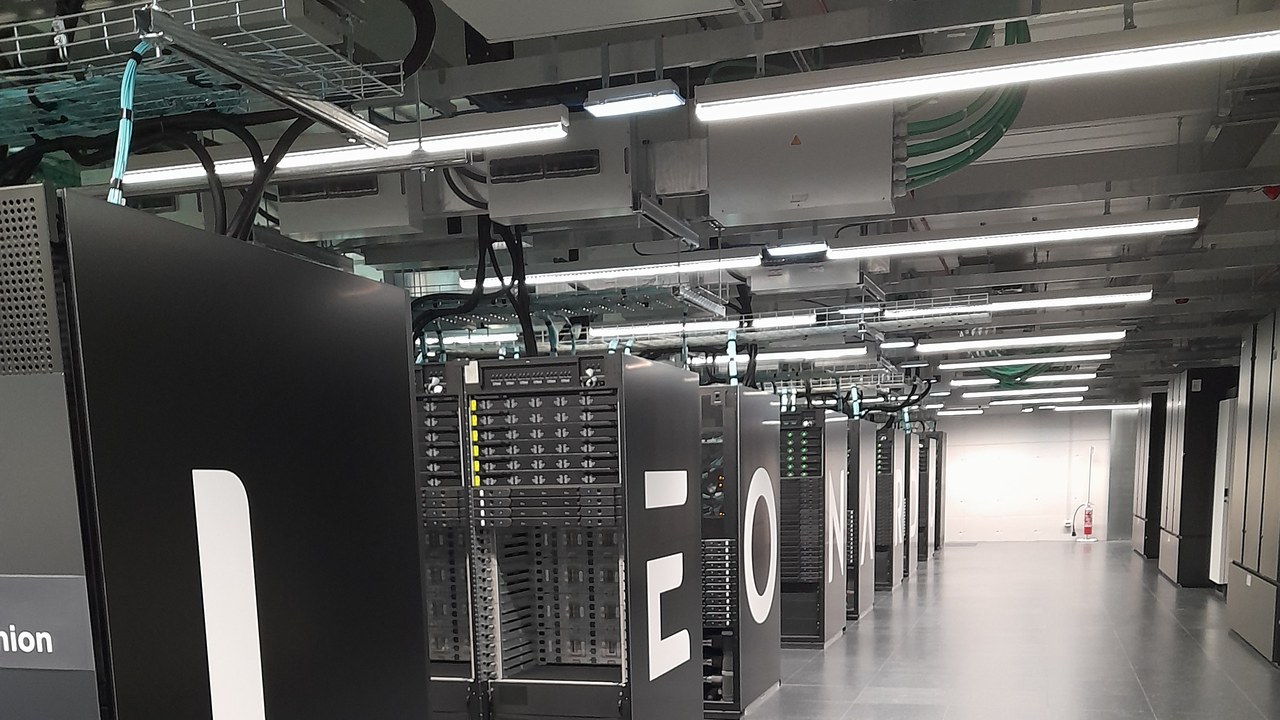
Leonardo produces 241 petaflops from thousands of NVIDIA Ampere GPUs installed at CINECA’s data center near Bologna, making it one of the EuroHPC program’s flagship pre-exascale systems alongside LUMI and other national-scale European machines built in the same funding round.
Italian and European researchers use it for genomics, weather prediction and particle-physics simulations, splitting computing time across academic and industrial partners throughout the continent under a shared-access model that mirrors how the American national labs allocate their own systems, with proposals reviewed on scientific merit.
9. Perlmutter (NERSC / Berkeley Lab, USA): Named For A Nobel Laureate
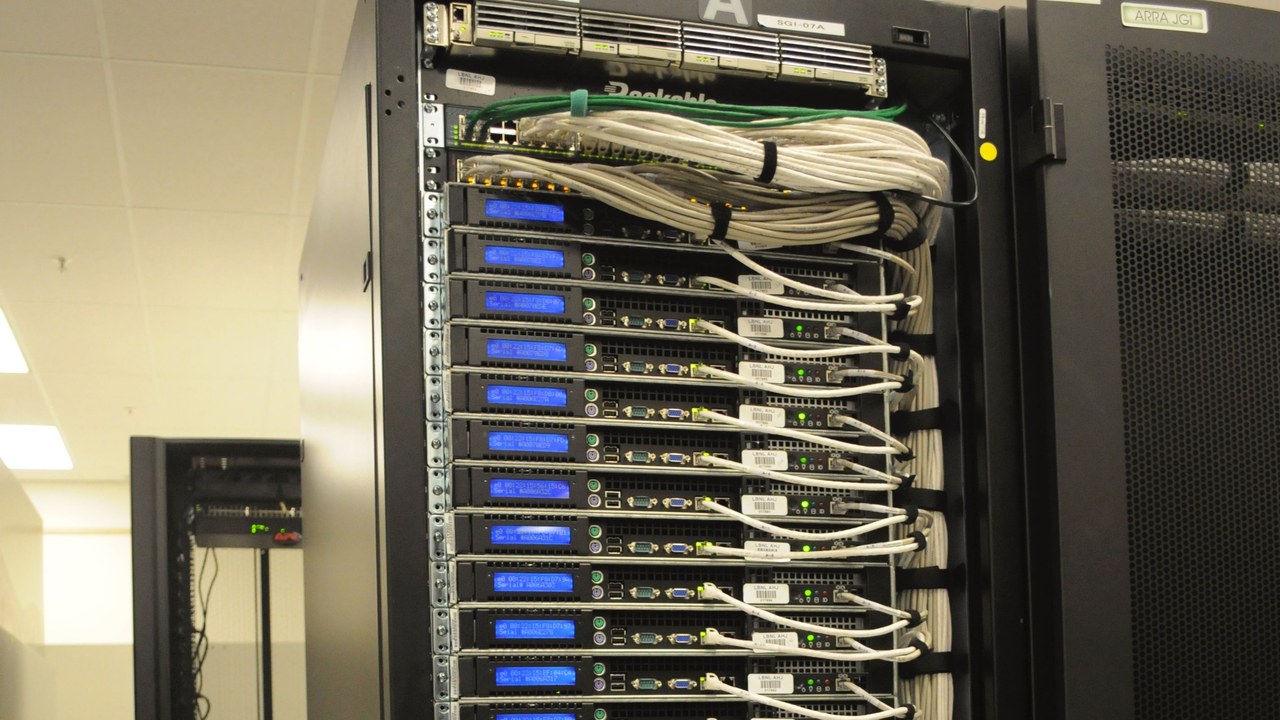
Perlmutter is named for Nobel physicist Saul Perlmutter, and its NVIDIA A100 GPUs and AMD EPYC processors support the kind of dark-energy research that earned him the prize, operated by NERSC at Lawrence Berkeley National Laboratory in California.
Murals covering its cabinets depict the cosmological science the system runs, and thousands of Department of Energy-funded researchers across dozens of universities and national labs draw on its shared allocation for physics, chemistry and climate projects each year, making it one of NERSC’s most heavily subscribed systems.
10. MareNostrum (Barcelona Supercomputing Center, Spain): Housed Inside A Chapel
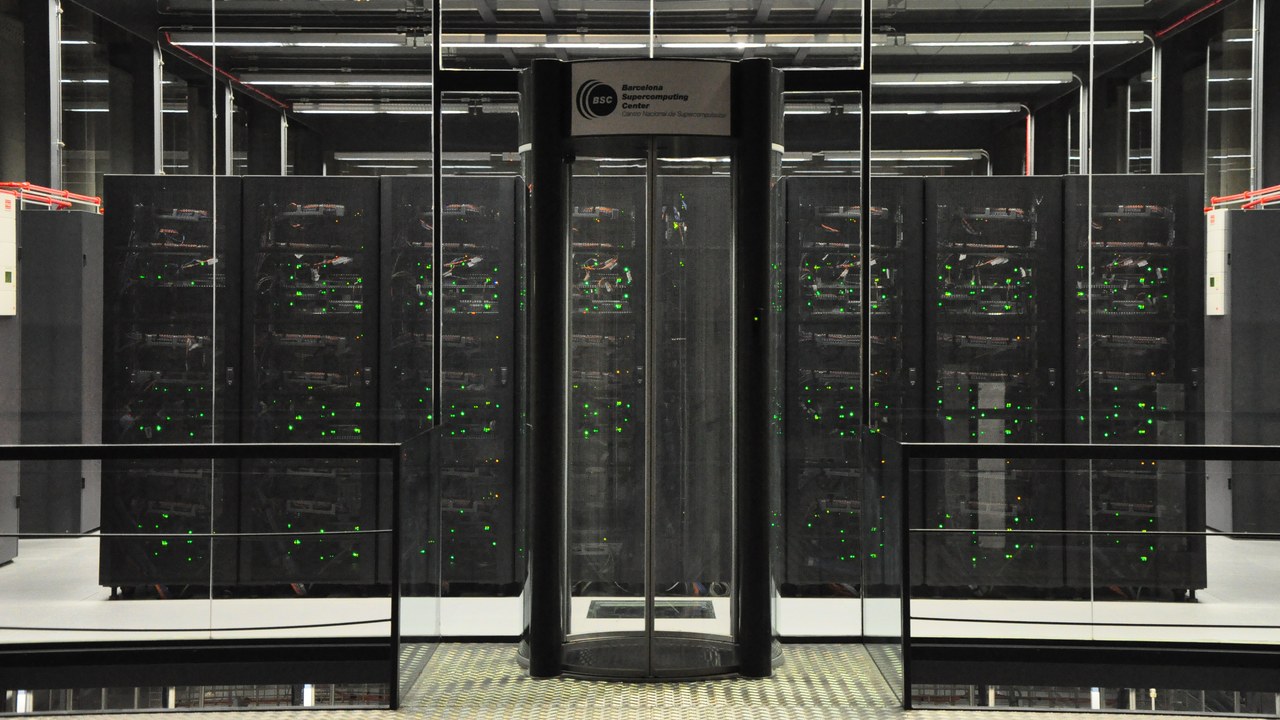
MareNostrum sits inside a deconsecrated 19th-century chapel on the Barcelona campus, where its cabinets stand behind glass walls inside the Torre Girona chapel, making it one of the most photographed research machines anywhere in the world.
The Barcelona Supercomputing Center runs the current generation, MareNostrum 5, for genomics, climate and artificial-intelligence projects, pairing that striking architecture with one of Spain’s most important national research resources and a steady stream of visiting dignitaries and school tours drawn by the chapel setting.
More from Morning Overview
