
Jeep has spent more than 80 years turning a military workhorse into a family of SUVs, pickups and crossovers. Along the way, many models brought something no 4×4 had offered before, from automatic transmissions to airbags. Here is how each of these models changed the brand, drawn from Jeep’s own history.
Read next on Morning Overview: Shaq spent $1.3 million on three Rolls-Royce Phantoms to prove a point to a salesman
1. Jeep Wrangler: Square Headlights and a Civilized Ride
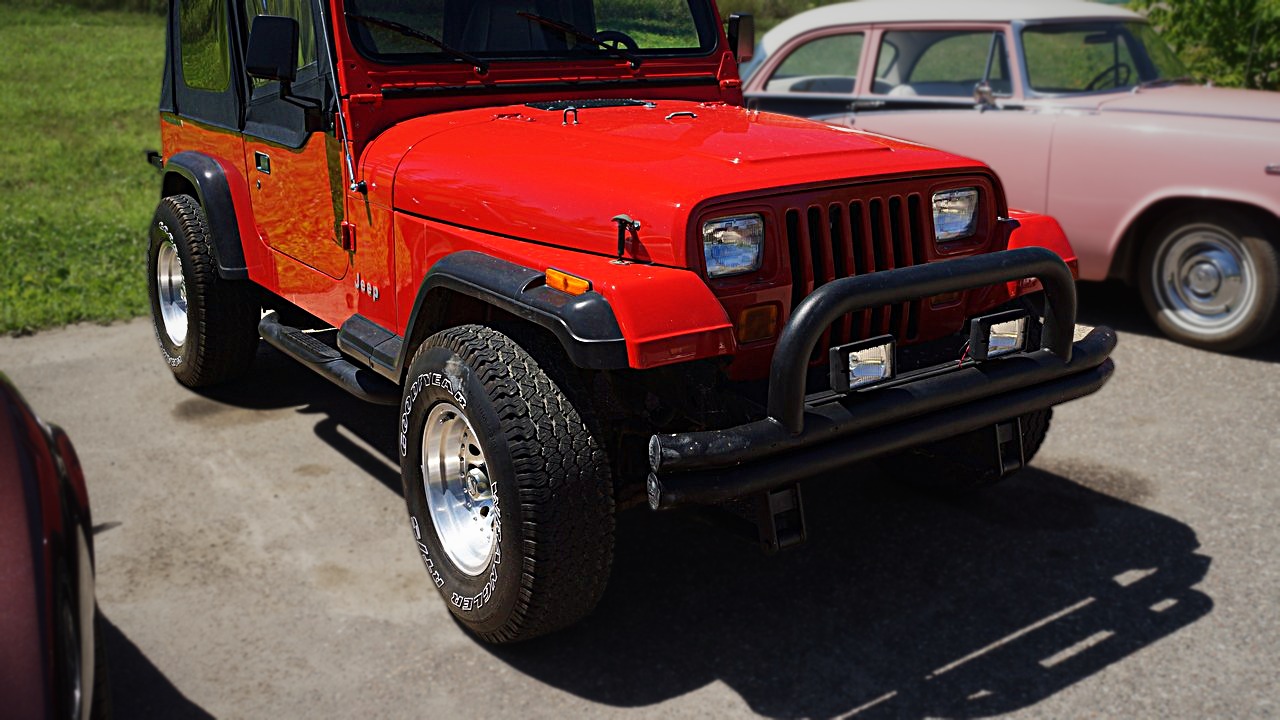
The Wrangler, known as the YJ, replaced the long-lived CJ Series with a wider track, an angled grille, rectangular headlamps and a modernized interior that made it a far more civilized Jeep.
It kept the familiar open-body profile of the CJ-7 but shared few parts with it, and mechanically it had more in common with the Cherokee. Its square headlights were a first, and a last, for this type of Jeep. About a year after the Wrangler arrived, on Aug. 5, 1987, American Motors was sold to Chrysler, and the Jeep brand became part of Chrysler’s Jeep and Eagle division.
2. Jeep Cherokee: The Unibody Revolution
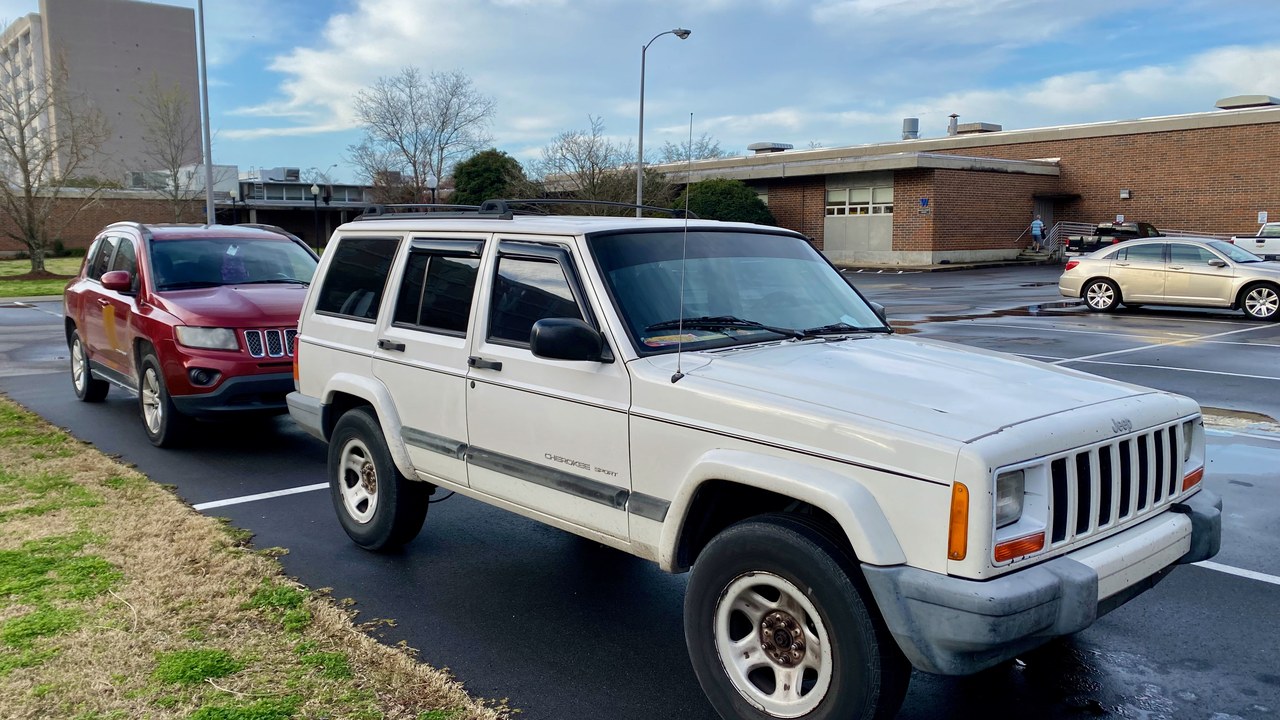
After market research convinced American Motors that the future lay in compact SUVs, the company pumped $250 million into the new XJ Cherokee, which made its debut in 1984 and swept the 4×4 of the Year awards from three major off-road magazines.
Jeep calls it revolutionary: it was 21 inches shorter, 6 inches narrower, 4 inches lower and 1,000 pounds lighter than the full-size Wagoneer. It was built on a uniframe instead of a traditional body-on-frame chassis, and it was the first vehicle offered with two available 4×4 systems, Command-Trac part-time and Selec-Trac full-time. Enthusiasts still prize the XJ for its off-road ability.
3. Jeep Wagoneer: The Father of Luxury 4x4s
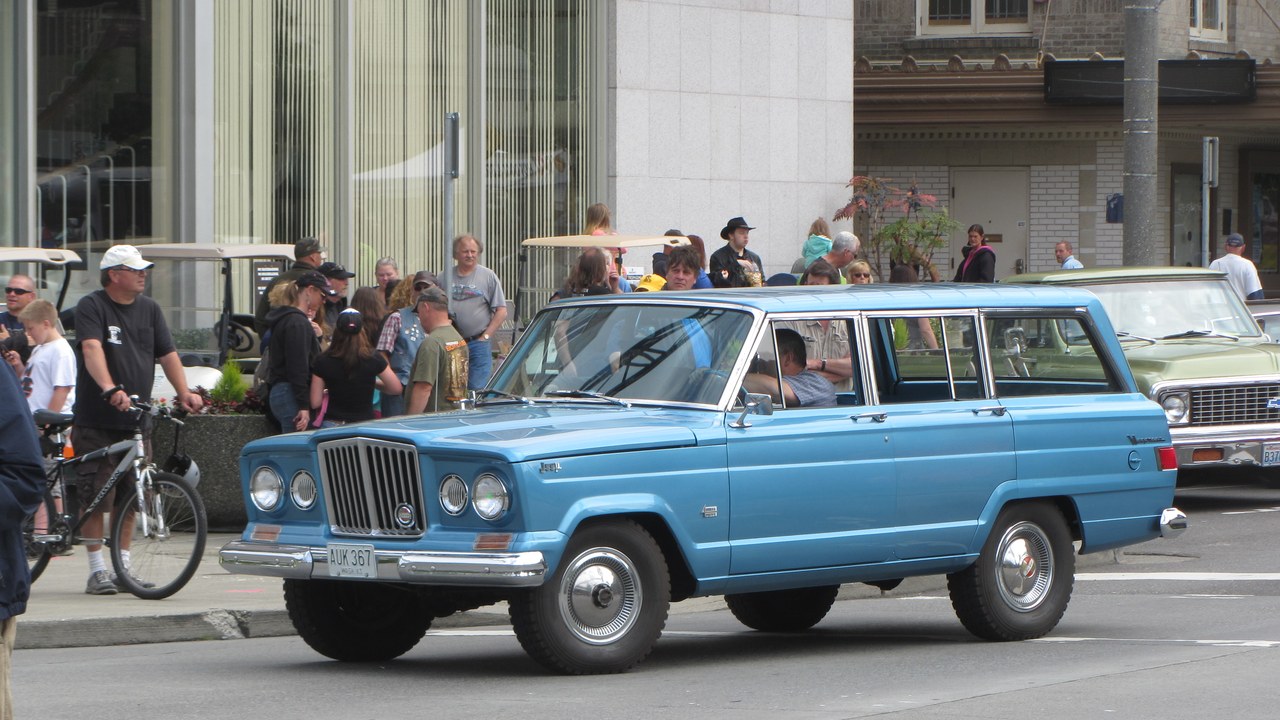
In 1962, Jeep introduced the Wagoneer, which the brand calls the father of all luxury 4×4 SUVs. Styled by industrial designer Brooks Stevens, it replaced the Willys utility wagons with passenger-car comfort and four-wheel drive.
The Wagoneer was packed with industry firsts: the first automatic transmission in a 4×4, the first overhead-cam six-cylinder truck engine, the first 4×4 with independent front suspension and the first automatic full-time 4×4 system. Its Quadra-Trac system arrived in 1973. The Senior Jeep line it belonged to stayed in production for more than 28 years with only minor technical changes, a record run on one platform.
4. Jeep Grand Wagoneer: The Gold Standard
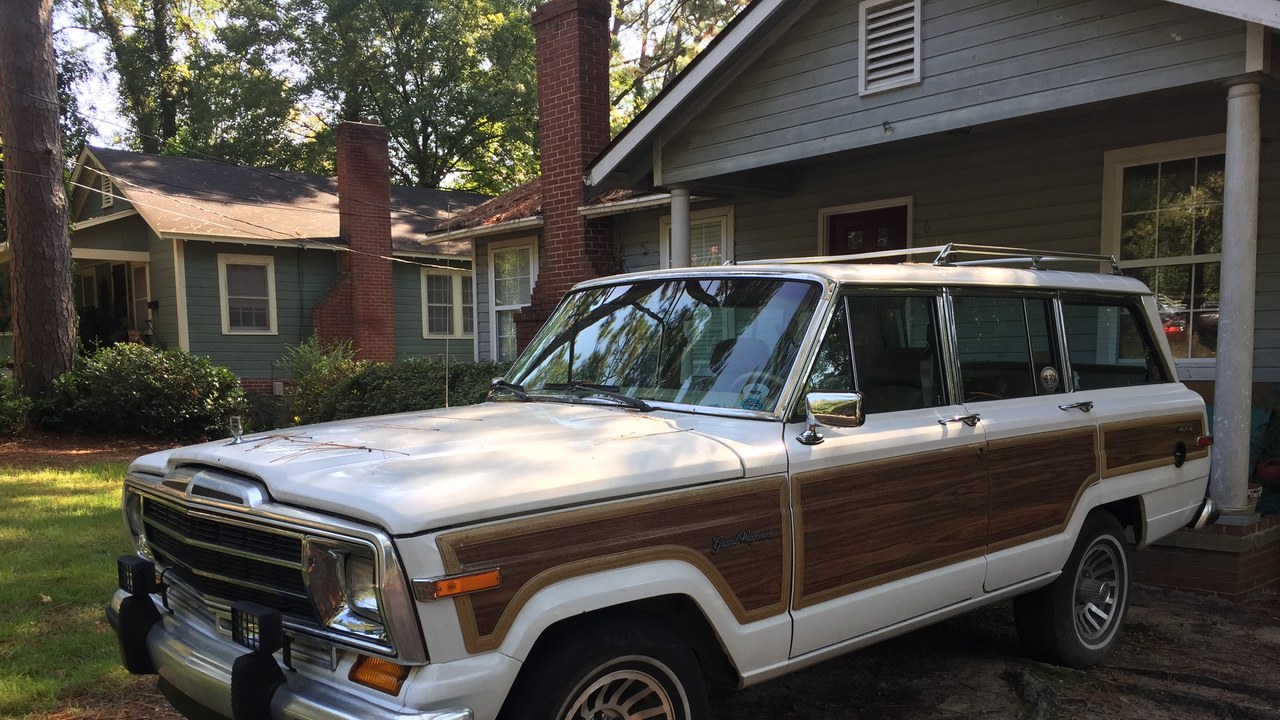
When American Motors moved the Wagoneer and Cherokee names to the new compact XJ models in 1984, the full-size SJ Wagoneer was preserved under the Grand Wagoneer name and kept going until 1991.
Marketed as a more luxurious SUV, the Grand Wagoneer came to be considered the gold standard of the SUV market, even as the rest of the lineup moved to smaller unibody designs. It was also one of the last vehicles sold in North America with a carburetor. The final 1991 models carried a Final Edition badge on the dashboard to mark the end of the line.
5. Jeep Grand Cherokee: Crashing Through the Glass
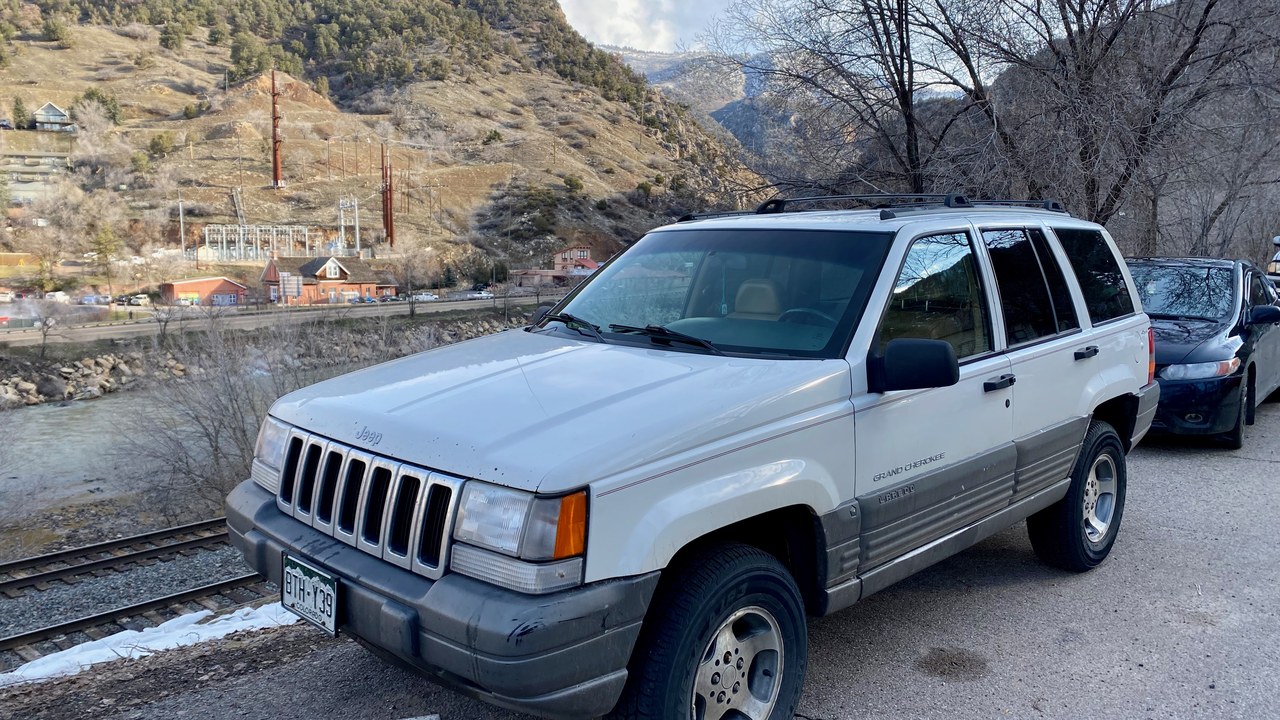
The Grand Cherokee famously first appeared by crashing through the convention center glass at the North American International Auto Show in Detroit on Jan. 7, 1992.
It replaced the Wagoneer as a midsize luxury SUV, a design class many automakers would rush to imitate, and it was the first SUV equipped with a driver-side airbag. The 1993 model rode on a 105.9-inch wheelbase with a new Quadra-Coil suspension, and a 5.2-liter V8 was offered as an option. It was an immediate hit, winning dozens of awards, including Motor Trend’s Truck of the Year.
6. Jeep Liberty: Replacing a Legend
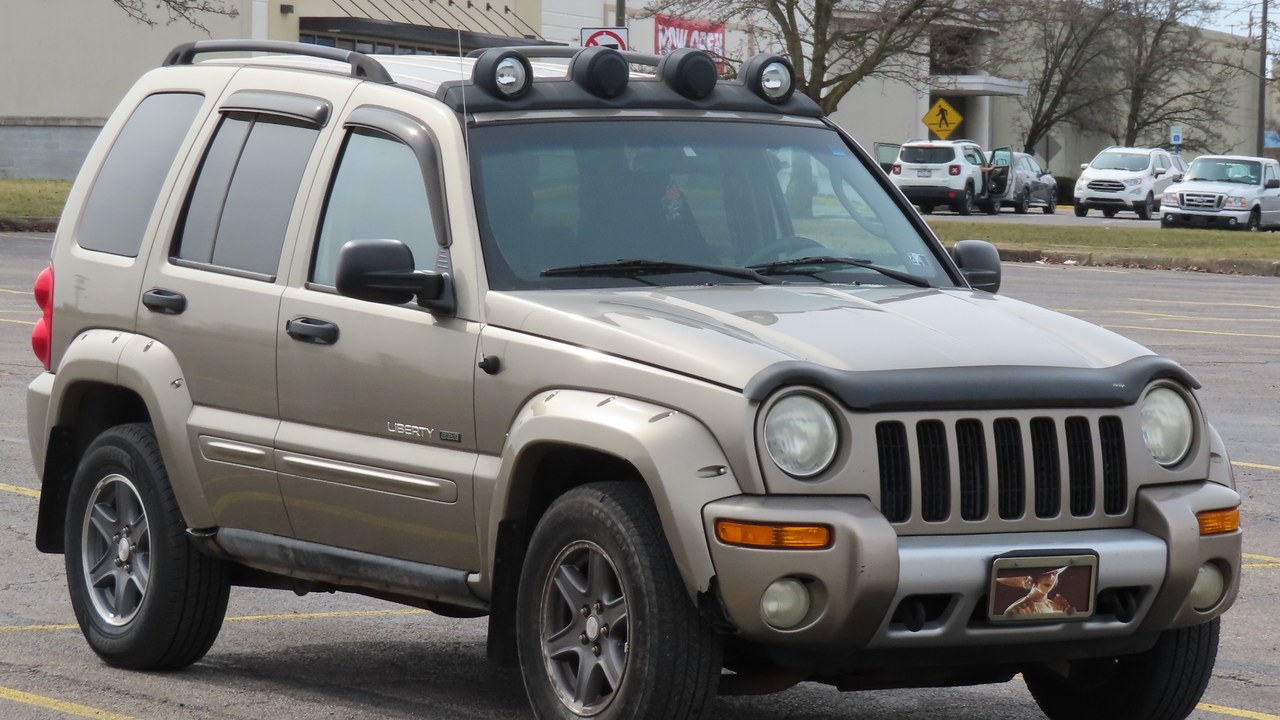
When the long-running Cherokee XJ was phased out in 2001, its replacement was the Liberty, which kept classic Jeep design cues like round headlamps and the seven-slot grille.
Underneath, the Liberty brought bold changes. It introduced an independent front suspension and a new 3.7-liter V6 in place of the long-standing 4.0-liter inline six. Four-wheel drive came through Command-Trac, while Limited models got Selec-Trac full-time four-wheel drive as standard. For the 2005 model year, Jeep also offered the Liberty with an optional 2.8-liter turbo diesel engine paired with a six-speed manual transmission.
7. Jeep Commander: Seven Seats on the Trail
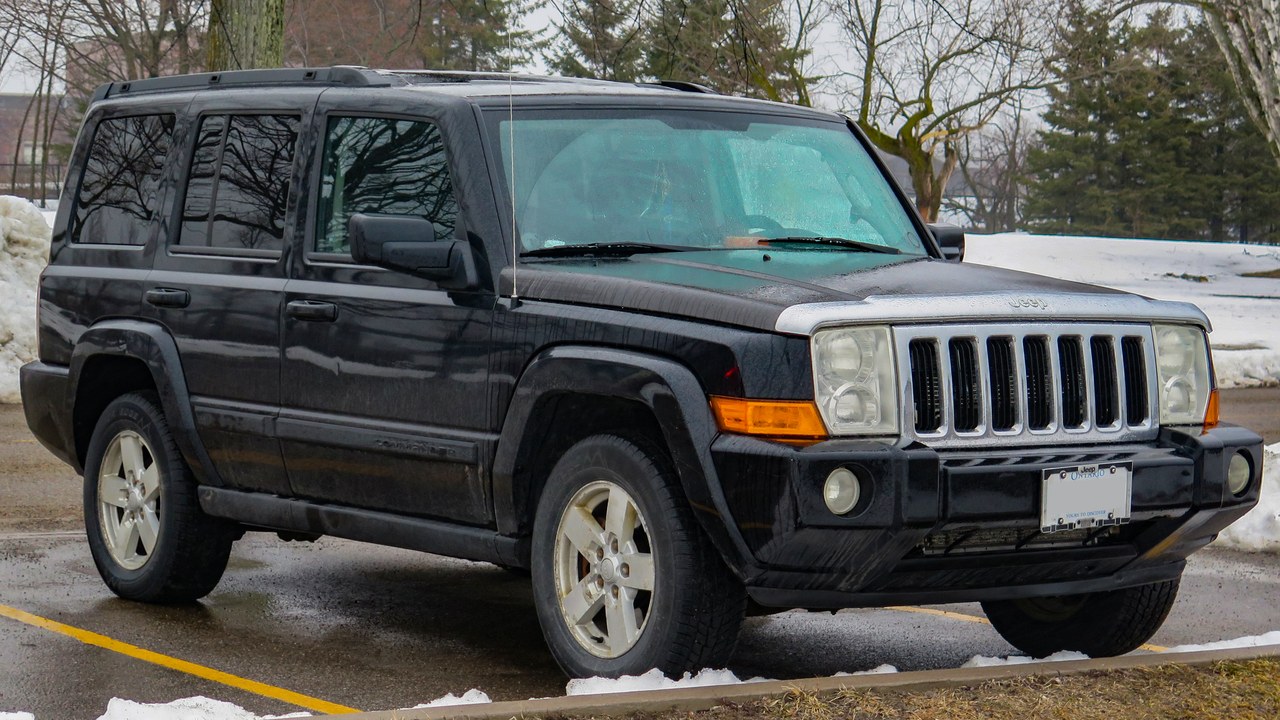
The 2006 Commander was the first seven-passenger Trail Rated Jeep 4×4. It was based on the 2005 Grand Cherokee platform and was only about two inches longer than that SUV.
The trick was its roof. A stepped roofline three inches higher and stadium-style seating made room for an extra row of seats in back. Boxy styling with an upright windshield and squared-off sides set it apart from its Grand Cherokee cousin, while its engines and drivetrains were the same. To earn the Trail Rated badge, a Jeep must meet standards for traction, articulation, ground clearance, maneuverability and water fording.
8. Jeep Compass: Into the Small Crossover Market
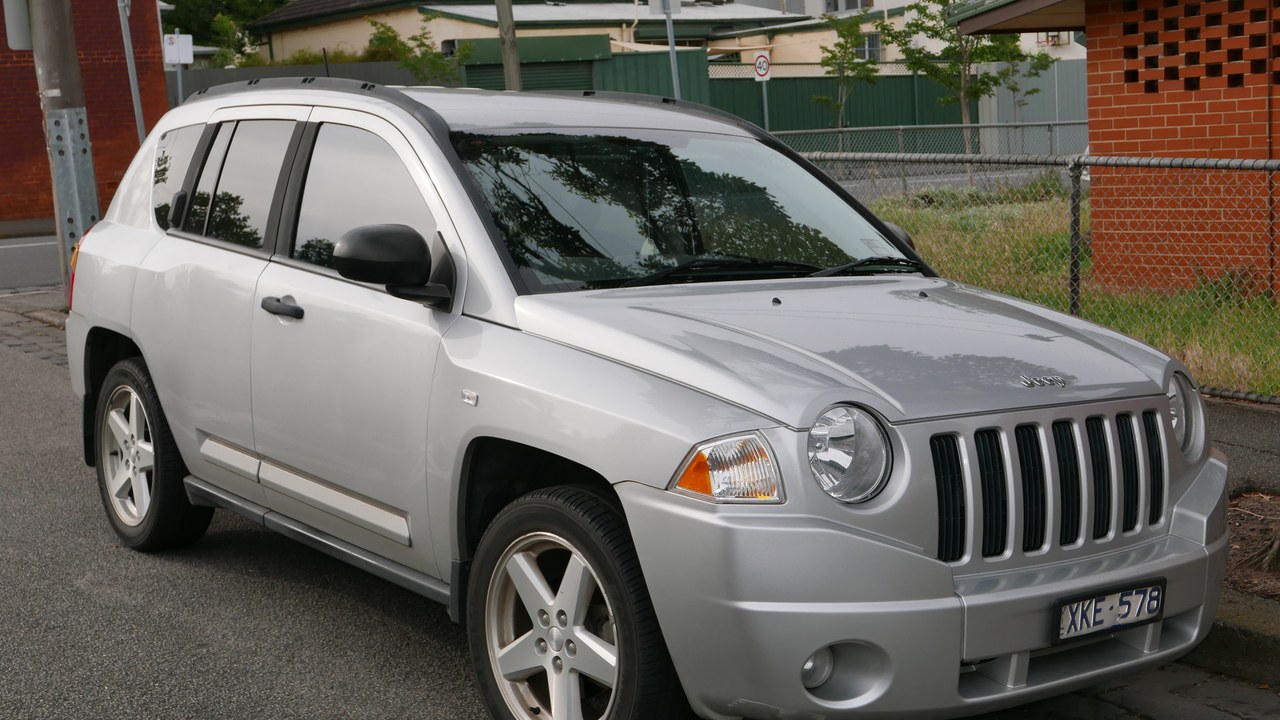
First shown at the 2006 North American International Auto Show, the Compass and its sibling the Patriot were the first Jeep vehicles to reach into the small cross-utility segment.
The Compass was a compact, front-wheel-drive crossover with a choice of two electronically controlled 4×4 systems: Freedom Drive I, a full-time system for on-road use, and Freedom Drive II, which was capable off road. Trail Rated capability became available for the 2011 model year, when Jeep also marked its 70th anniversary with a special Compass in Bronze Star Pearl paint. The first-generation Compass wound down in 2017, making way for an all-new model.
9. Jeep Gladiator (J-Series): The Beautiful Brute
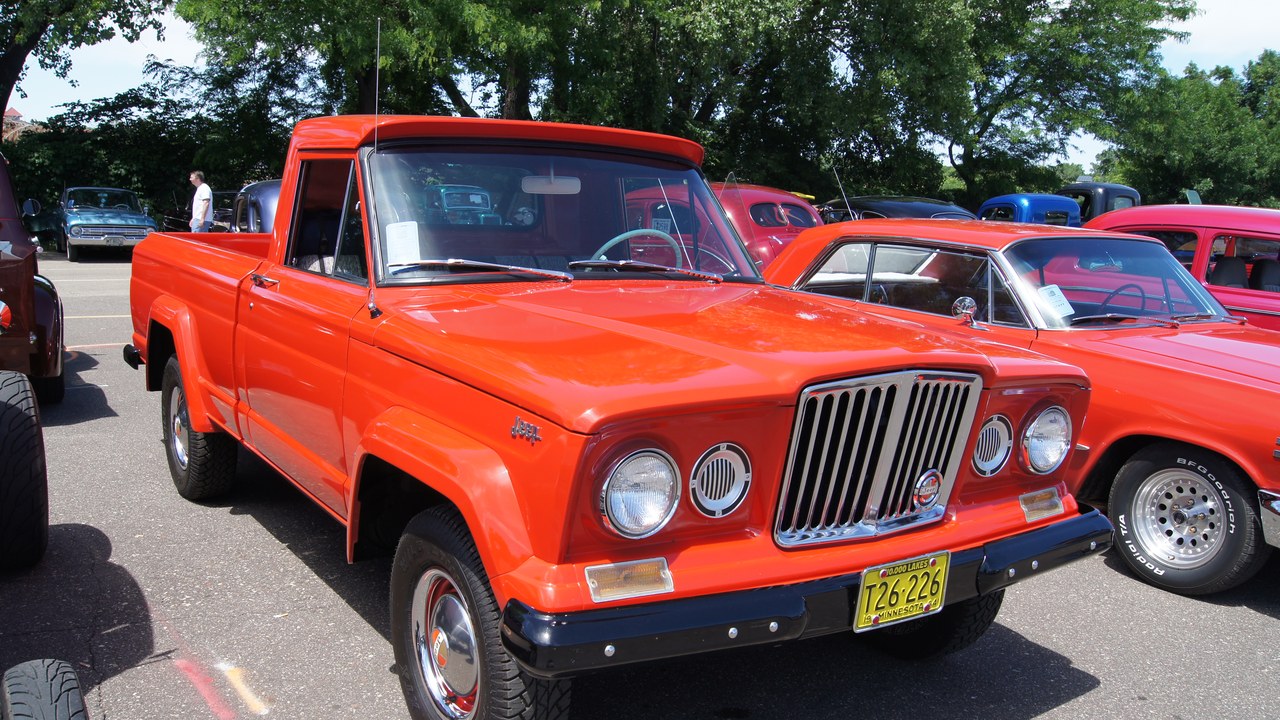
In 1962, Jeep introduced a completely new J line of Gladiator trucks for the 1963 model year, a full-size pickup it advertised as a beautiful brute.
The Gladiator shared its platform, front-end styling and powertrain with the new Wagoneer. Buyers could choose a 120-inch or 126-inch wheelbase, with a Dana 20 transfer case and Dana 44 axles front and rear, and a tougher independent front suspension was offered on half-ton trucks until 1965. Configurations ranged from narrow and wide beds to stake beds, wreckers and campers. The Gladiator name was dropped in 1971, though J-Series trucks carried on through 1987.
10. Jeep Renegade: Jeep’s First Small SUV
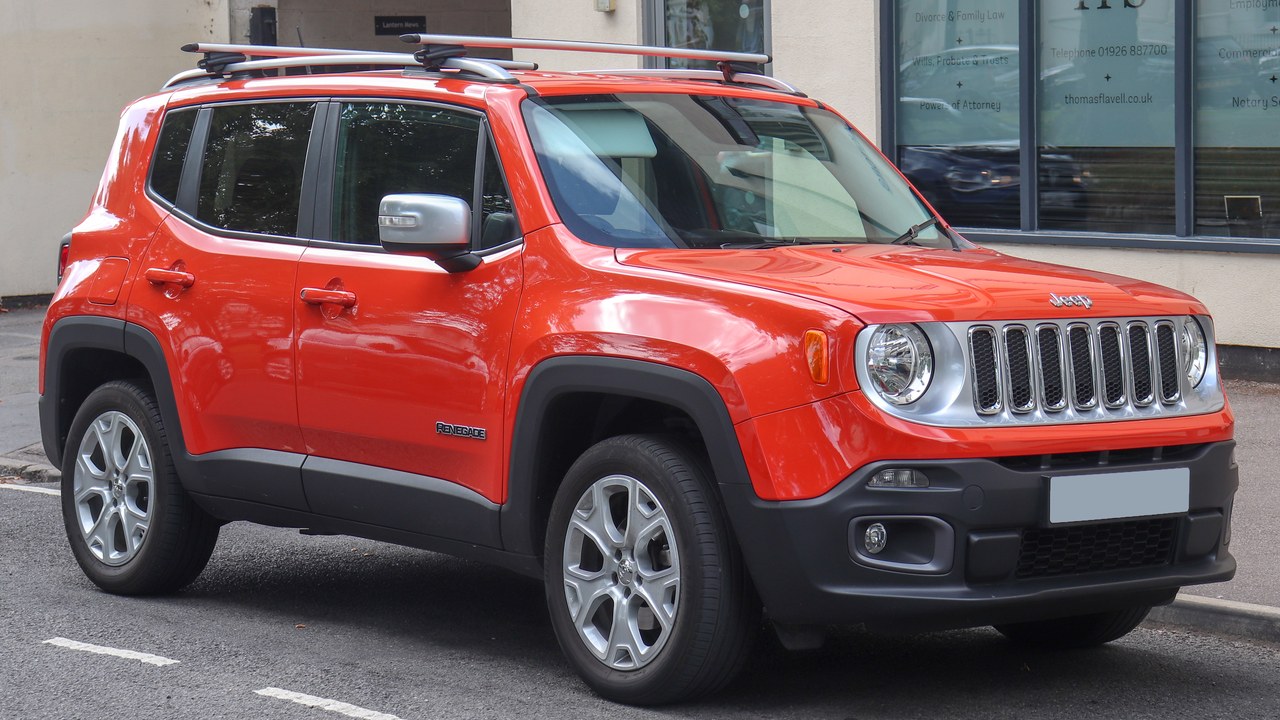
The 2015 Renegade marked the brand’s first entry into the small SUV market, and Jeep launched it as the most capable small SUV ever.
Designers borrowed cues from the Wrangler, including the seven-slot grille, round headlamps and an upright stance, and added military touches such as an X motif taken from the gas cans carried on Willys MB vehicles in World War II. The Renegade was designed in America, built in Italy and sold in more than 100 countries. It also brought the first nine-speed automatic transmission to the small SUV class, along with an available disconnecting rear axle.
More from Morning Overview
- New FCC rules on how people can stop robocalls and texts take effect Nov. 25
- Neanderthals in Spain carved a wooden object that matches nothing archaeologists have ever found
- The FAA wants $2.39 million from a flight school it says flew a Cessna about 280 times with an unapproved part
- A $1 billion gas plant planned for Superior, Wisconsin, has been abandoned
