
Hydropower remains a major source of carbon-free electricity, and a handful of federal dams along the Columbia, Colorado and Niagara rivers generate most of it. Capacity rankings run on nameplate megawatts, the peak output a plant’s turbines can produce at full load. Here are ten dams that top the list, led by a Washington state giant that outranks every other power plant in the country.
1. Grand Coulee Dam: America’s Largest Power Station
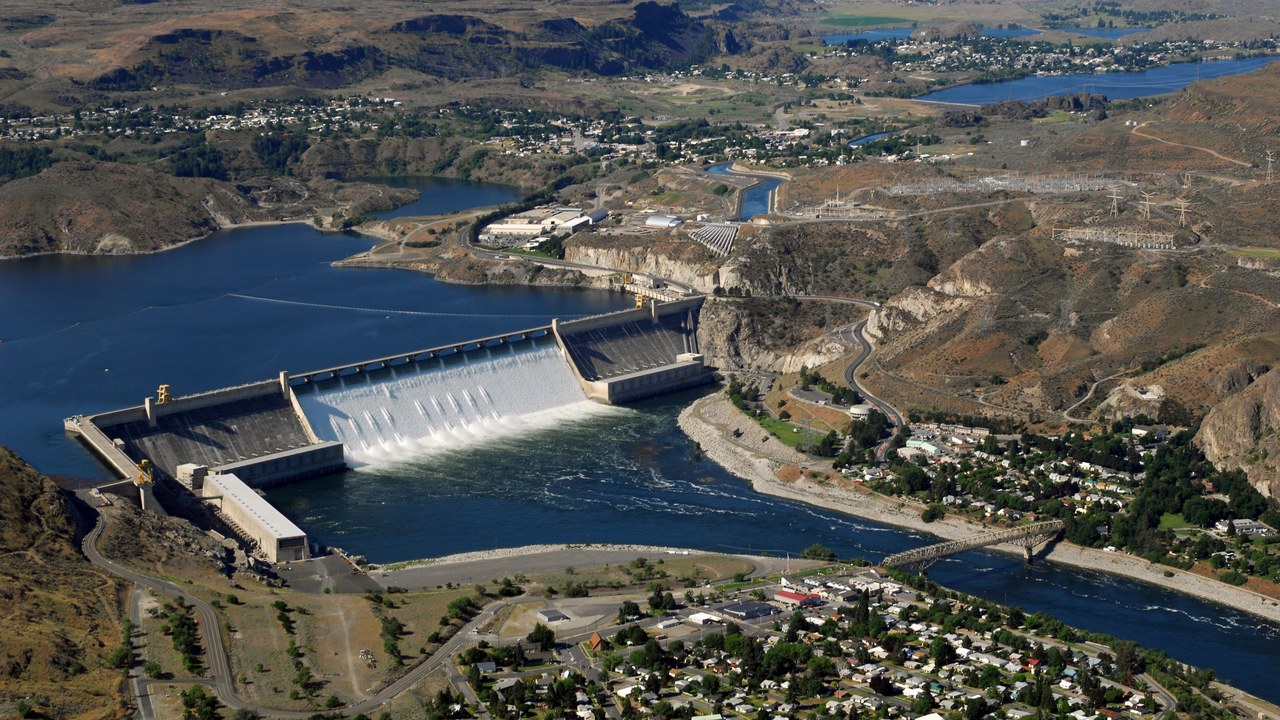
On the Columbia River in Washington, Grand Coulee Dam holds a nameplate capacity of 6,809 megawatts, making it the largest power station of any kind in the United States, hydroelectric or otherwise.
That output is spread across multiple powerhouses whose turbines also feed pumped storage and irrigation systems, not just the regional grid, giving the dam far more generating capacity than any nuclear, coal or gas plant operating in the country. Built as a large-scale public works project, it remains one of the most consequential pieces of federal infrastructure in the Pacific Northwest.
2. Chief Joseph Dam: The Second-Largest Hydropower Producer
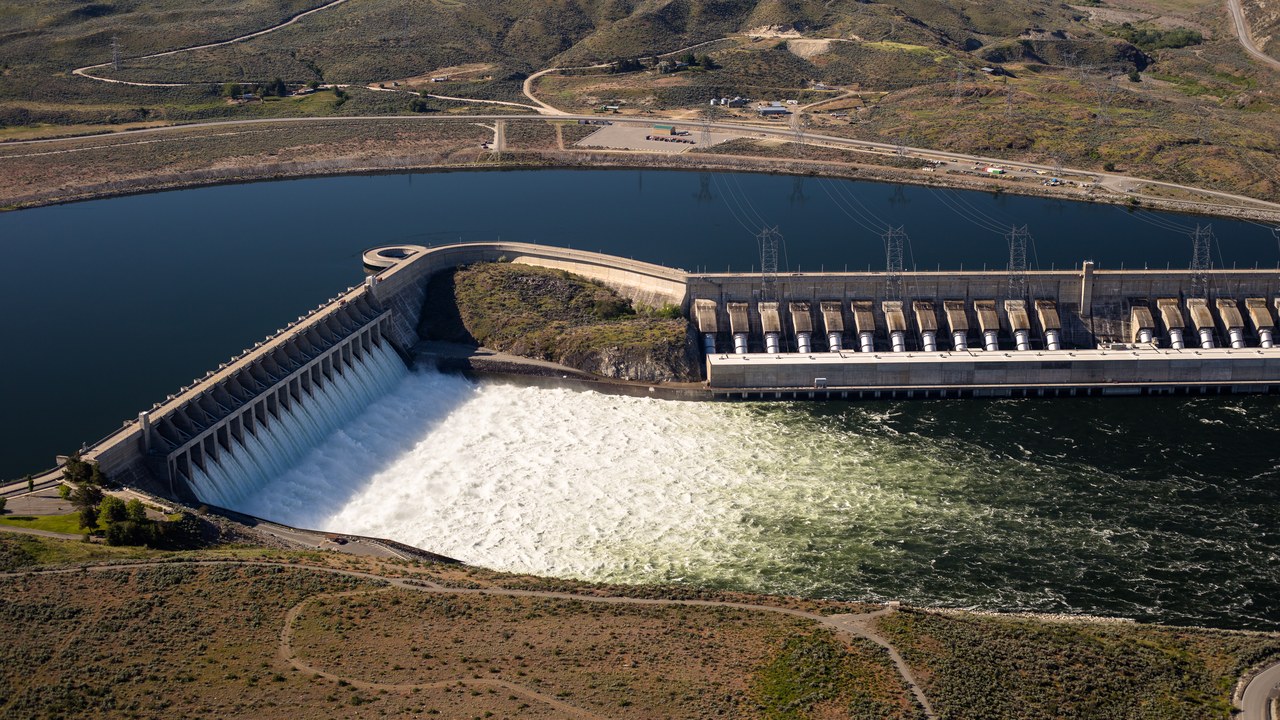
Farther downstream on the Columbia River, Chief Joseph Dam carries an installed capacity of 2,620 megawatts, ranking it the second-largest hydroelectric power producer in the United States behind only Grand Coulee.
Unlike Grand Coulee, the dam has no navigation locks, so barge traffic on the Columbia ends at its base, and its run-of-river design lets it generate steadily without a large reservoir to manage for flood control or irrigation. That steadier profile makes it a dependable baseload contributor to the regional grid even as seasonal river flows fluctuate.
3. Robert Moses Niagara Power Plant: Niagara’s Power Workhorse
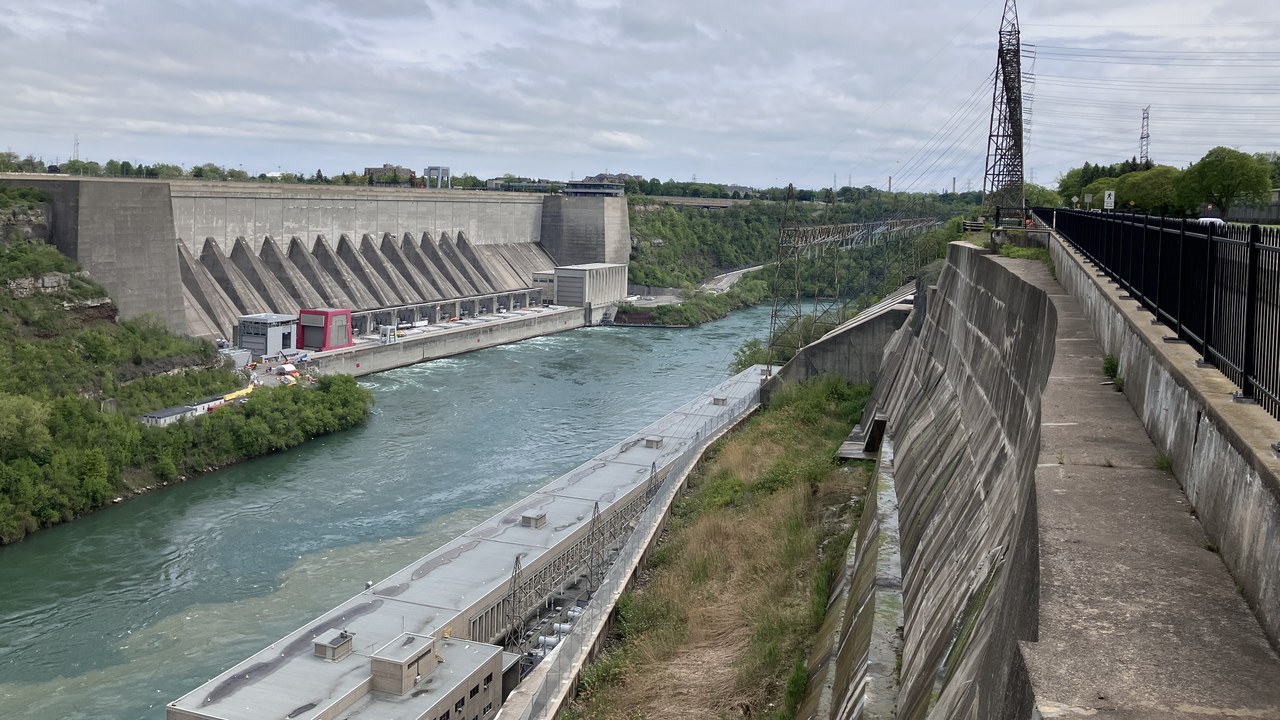
On the Niagara River in upstate New York, the Robert Moses Niagara Power Plant has an installed capacity of 2,525 megawatts, making it one of the largest hydroelectric facilities east of the Mississippi.
The plant draws water diverted upstream of Niagara Falls through underground conduits, a design that lets engineers tap the river’s drop in elevation for power while leaving the falls themselves largely undiminished for tourists and treaty obligations with Canada. That arrangement has kept the plant among the country’s biggest single hydroelectric generators for decades.
4. John Day Dam: A High Lift on the Columbia
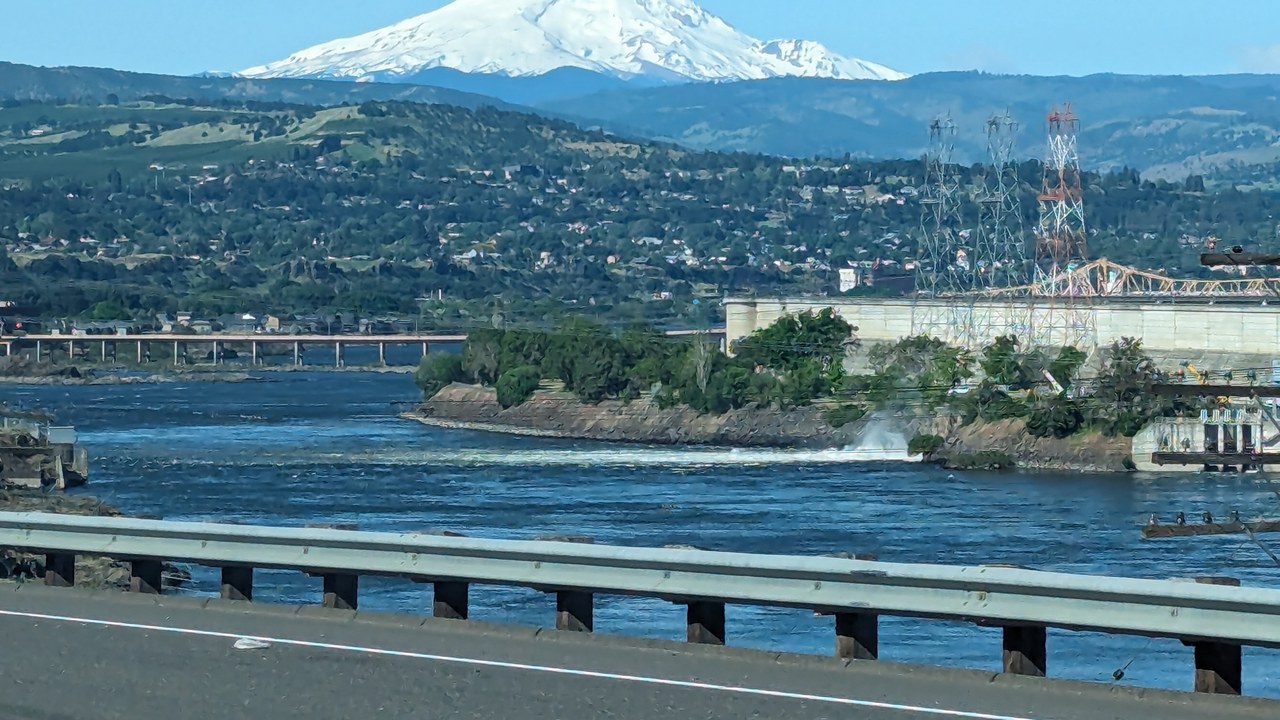
Upstream on the Columbia River, John Day Dam is rated at an installed capacity of 2,240 megawatts, with a maximum output of 2,700 megawatts when its turbines run at peak load.
The dam’s lock lifts barges past one of the highest single hydraulic gradients on the river, and its reservoir, Lake Umatilla, backs up water for irrigation and navigation across a long stretch of the Oregon-Washington border. Together with its neighbors on the river, it forms part of the chain of federal dams that make the Columbia one of the most heavily engineered waterways in North America.
5. Hoover Dam: A Legend With Falling Output
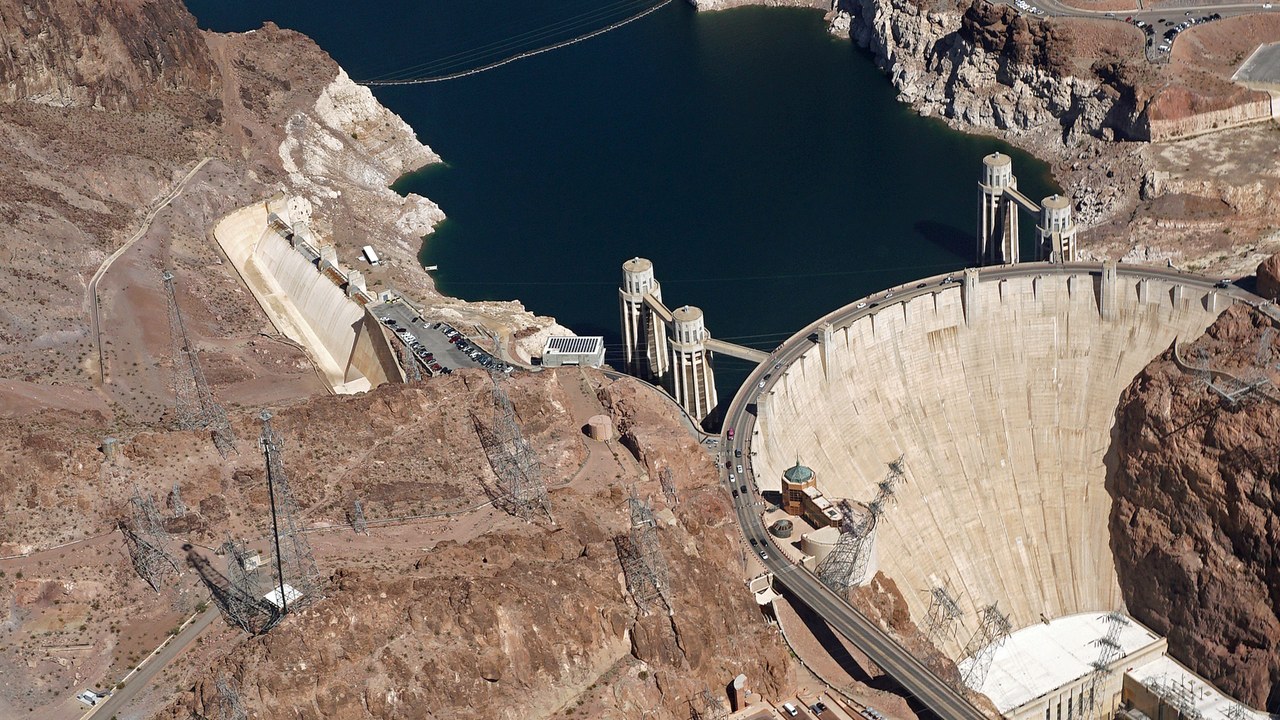
Spanning the Colorado River between Nevada and Arizona, Hoover Dam carries a maximum capacity of 2,080 megawatts, a rating set when its generators run with a full reservoir behind them.
That figure has become more theoretical than actual in recent years, since prolonged drought has pulled Lake Mead down to historically low levels and reduced the water pressure driving the turbines, trimming the dam’s real-world output below its rated peak. Even so, the dam remains a defining piece of large-scale American engineering and a major power source for Nevada, Arizona and California.
6. The Dalles Dam: Fish Ladders and Big Turbines
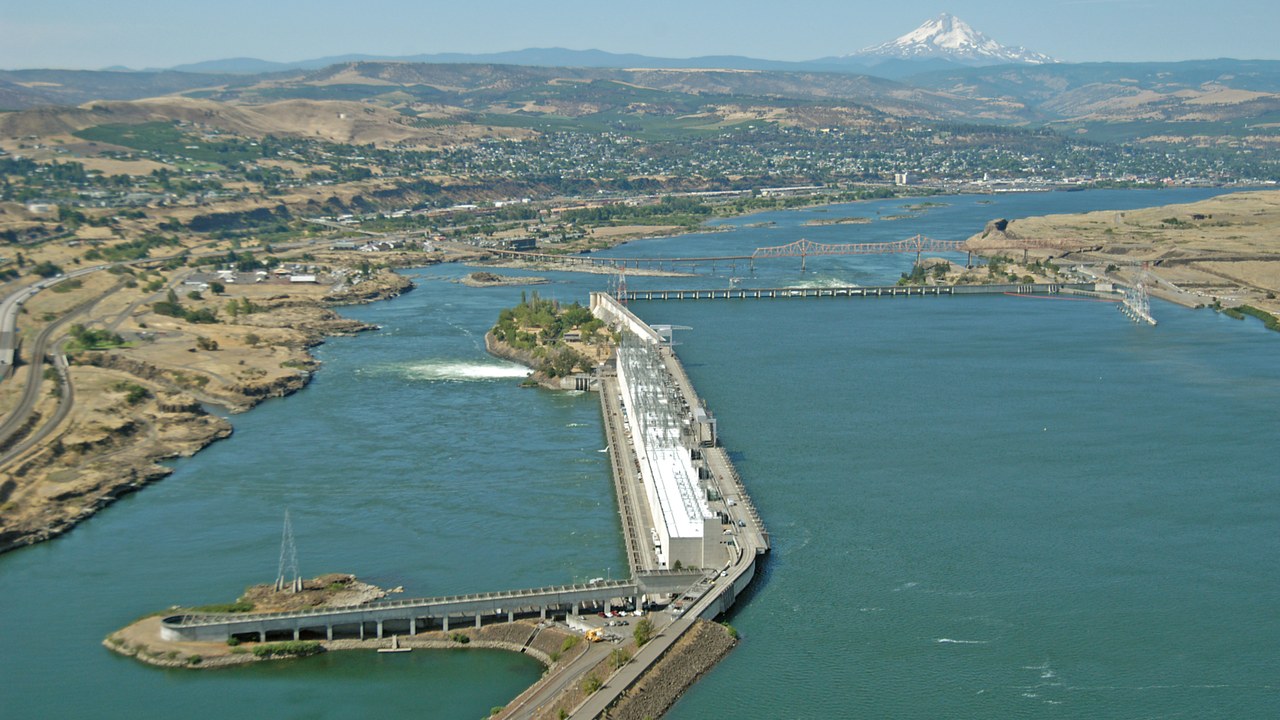
Downstream from John Day, The Dalles Dam runs at an installed capacity of 1,878 megawatts, with an overload capacity of 2,160 megawatts under peak conditions.
The dam’s powerhouse sits along a bypass channel rather than the main river channel, a layout that made room for fish ladders and navigation locks without crowding the turbines, and it lies within the Columbia River Gorge, an area known for strong, consistent winds. That combination of capacity and fish-passage infrastructure makes it one of the more heavily monitored dams on the river system.
7. Wanapum Dam: Ten Kaplan Turbines at Work
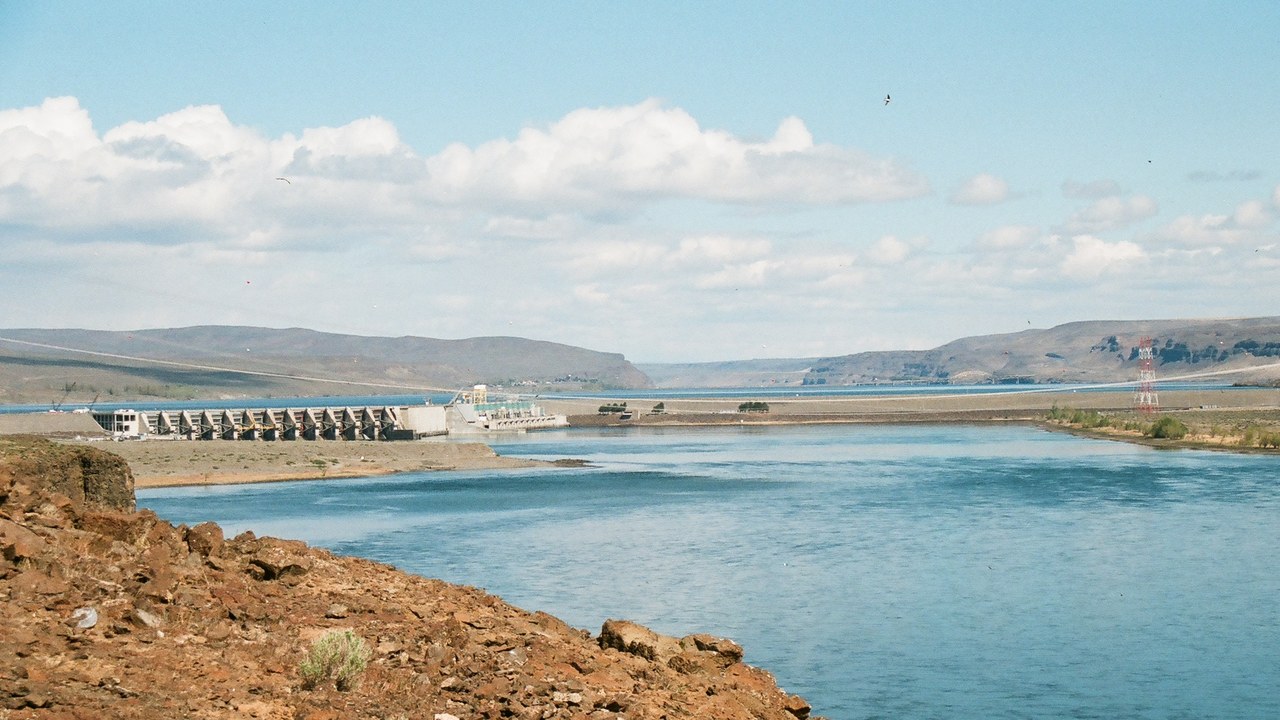
Also on the Columbia River in central Washington, Wanapum Dam produces an installed capacity of 1,185 megawatts, generated by ten Kaplan-type turbines built to handle the river’s relatively low head and high flow.
Kaplan turbines use adjustable blades, similar in principle to a ship’s propeller, which let the dam keep converting energy efficiently even as the Columbia’s flow rises and falls with the seasons and with releases from dams further upstream. That flexibility helps keep output steady across a river system managed as much for flood control and fish migration as for electricity.
8. Bonneville Dam: Twin Powerhouses Near Portland
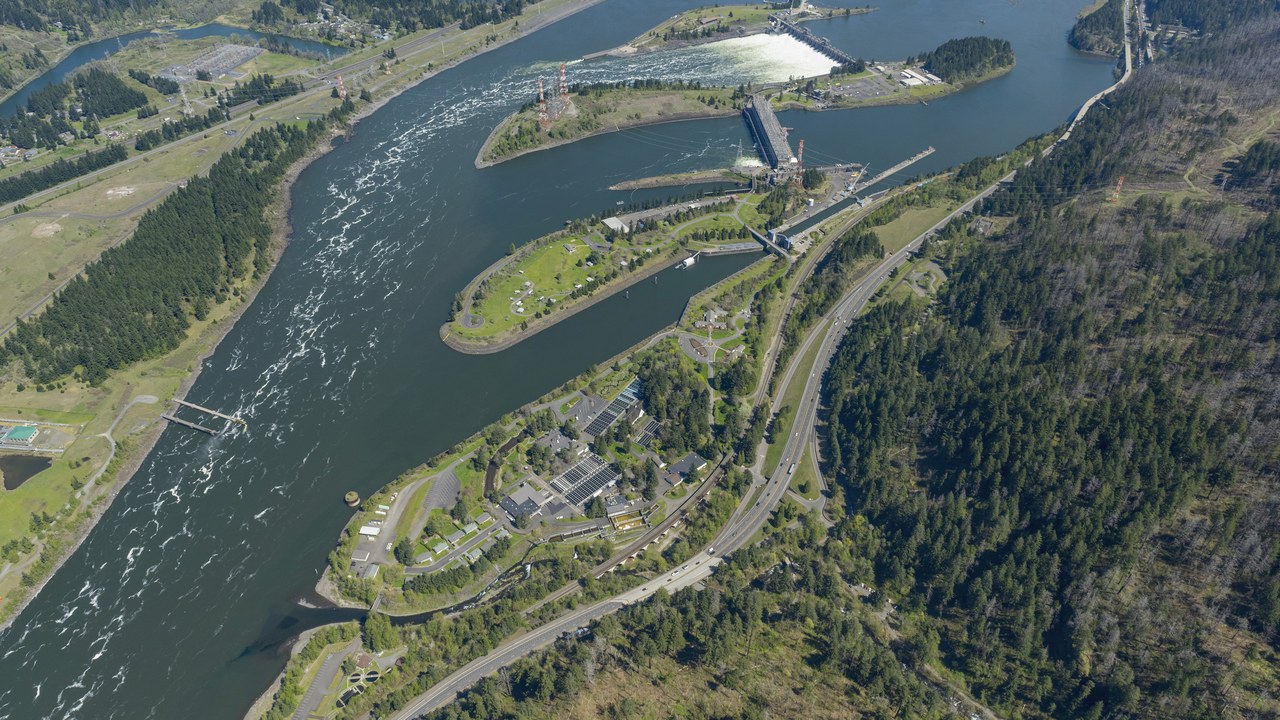
Nearest to Portland, Bonneville Dam relies on two separate powerhouses that together reach a combined capacity of 1,242 megawatts, according to its operator’s own figures.
The dam was among the first major hydroelectric projects built on the Columbia River, and its visitor center, fish ladders and navigation lock make it one of the more accessible large hydroelectric sites for the public to see up close. A second powerhouse was added later to boost that combined output further as regional electricity demand grew across the Pacific Northwest.
9. Priest Rapids Dam: Power From the Hanford Reach
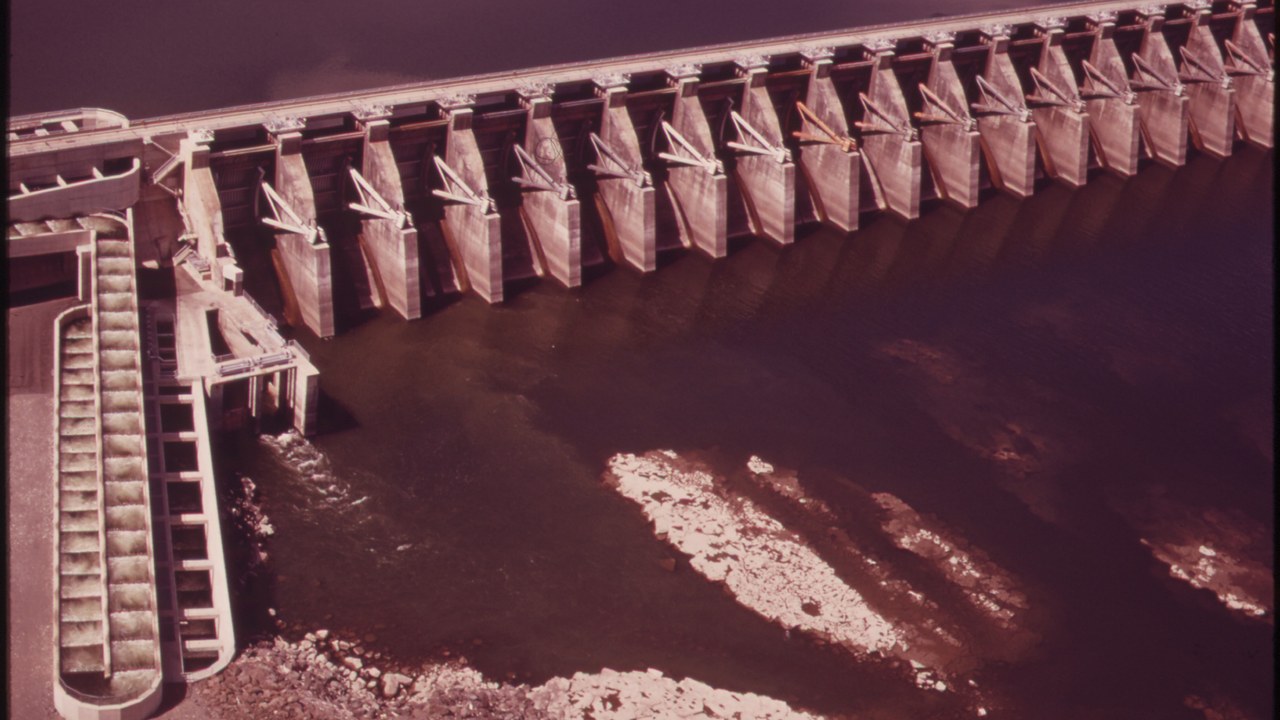
Further up the Columbia River, Priest Rapids Dam has an installed capacity of 955.6 megawatts, produced by ten turbines spread across its powerhouse.
Operated by a public utility district rather than a federal agency, the dam sits on a stretch of the Columbia known as the Hanford Reach, one of the river’s few remaining free-flowing sections and an important salmon spawning area that shapes how the dam is run. That balance between power generation and river ecology sets it apart from many of the larger federal dams nearby.
10. McNary Dam: Fourteen Units, Nearly a Gigawatt
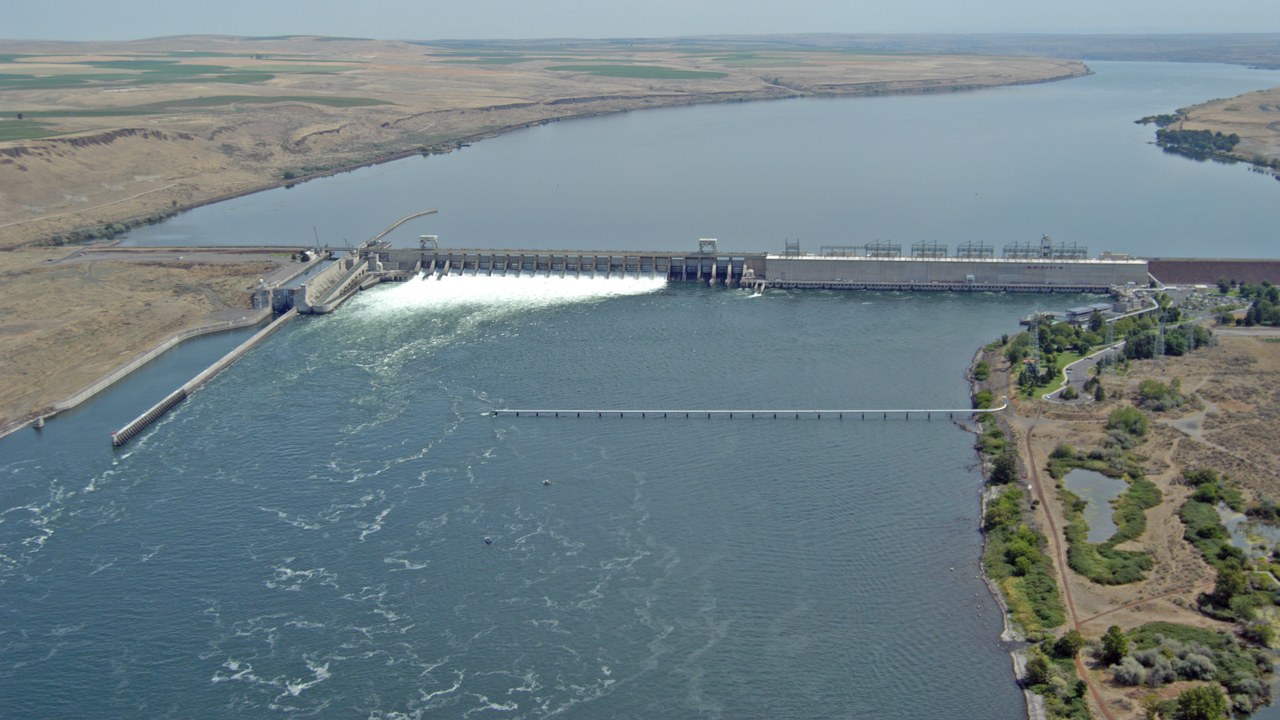
Near the Oregon-Washington border, McNary Dam produces a total capacity of 980 megawatts, generated across fourteen separate 70,000-kilowatt units housed in its powerhouse.
The dam also includes a navigation lock that lifts barges past the Columbia’s flow, helping wheat and other bulk cargo move between inland ports and the coast, a role that runs alongside its job generating power for the regional grid. That combination of hydropower and freight infrastructure is typical of the lower Columbia, where dams double as locks for commercial river traffic.
More from Morning Overview
- Card skimmers hidden on gas pumps and ATMs are draining accounts, and here’s the tell
- Doctors warn a silent liver disease now affects one in three American adults
- Hackers are hijacking outdated home routers, and the FBI named the models to check
- Older Teslas are wearing out in ways early owners never saw coming
