
Hybrid ownership has always promised savings at the pump, but the biggest gap between models shows up over years of fuel, maintenance and repair bills. The vehicles that age cheapest tend to pair proven gas-electric hardware with strong reliability records and slow depreciation. These ten hybrids consistently rank among the most affordable to run across a full ownership lifetime.
1. Toyota Prius: The Original Efficiency Benchmark
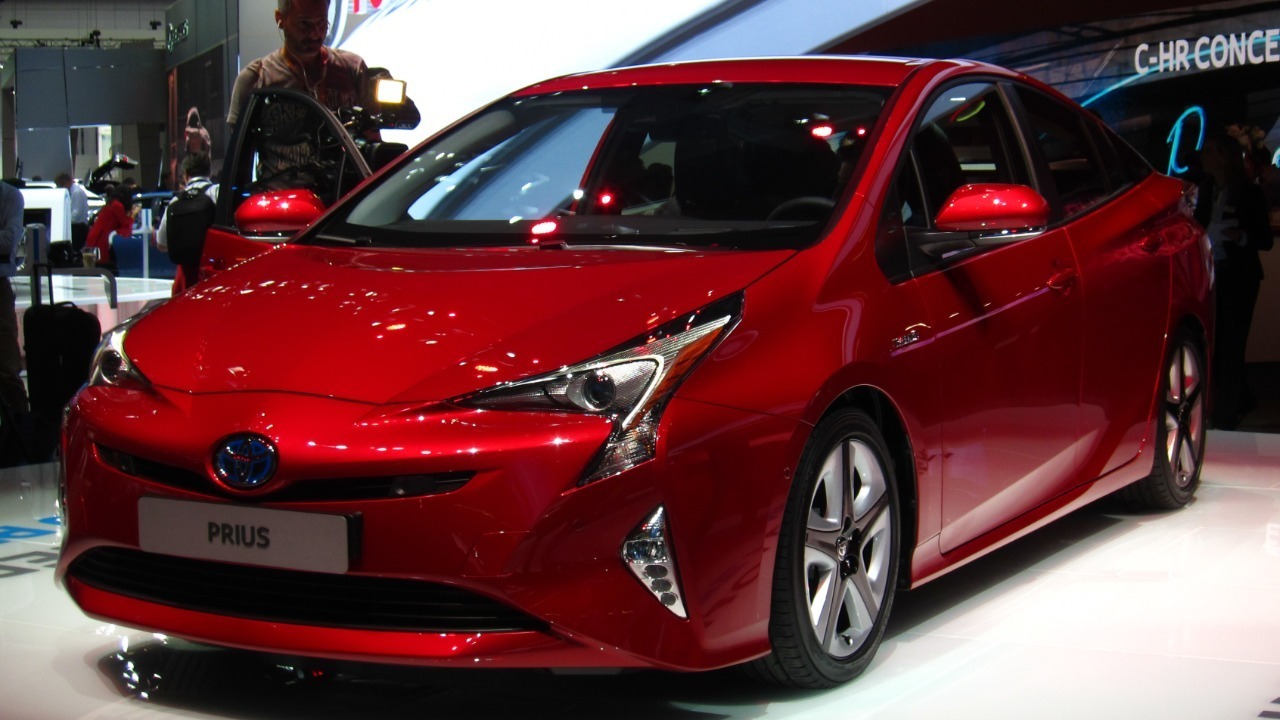
The Prius set the template for cheap hybrid motoring and still anchors the category. Toyota’s mass-market hybrid returns EPA combined figures in the mid-to-high 50s, and its Hybrid Synergy Drive hardware has proven durable across hundreds of thousands of miles. iSeeCars, whose value-focused ownership study, repeatedly ranks the Prius among the top cars for lifetime money saved.
Low fuel bills are only part of it. Regenerative braking spares the pads, the drivetrain carries few conventional wear items, and a deep used-parts supply keeps repair quotes modest, which together make the Prius one of the least expensive cars to keep running for years.
2. Toyota Corolla Hybrid: Cheap Miles In A Trusted Compact
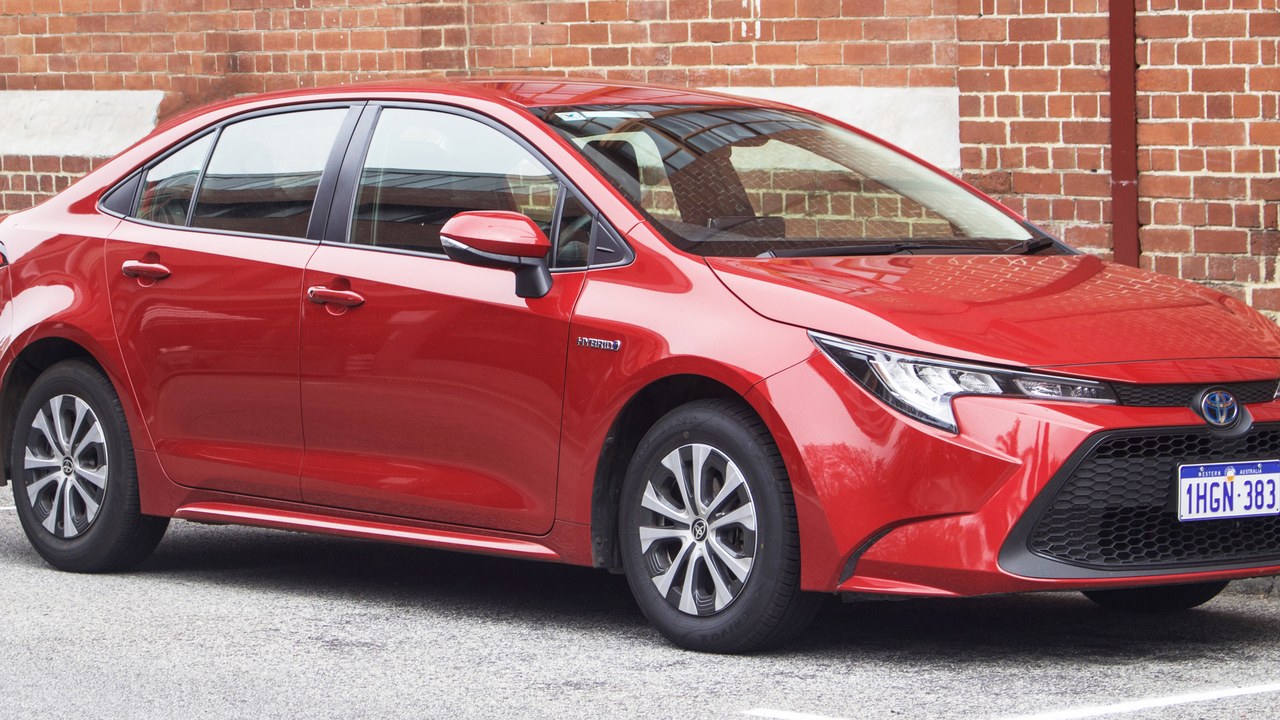
Toyota extended its hybrid formula to the world’s best-selling nameplate, and the payoff is a compact that costs very little to feed. The Corolla Hybrid pairs a 1.8-liter engine with electric assist for combined mileage around 50 mpg, and the twelfth-generation Corolla inherits Toyota’s long-proven reliability record. Insurance, tires and routine service all sit at the affordable end of the market.
Because the hybrid system is shared with millions of other Toyotas, parts are inexpensive and mechanics know it well. Owners report few surprises past 100,000 miles, and the car’s strong resale value means the money spent up front is largely recovered at trade-in.
3. Honda Insight: A Quiet, Low-Cost Sedan
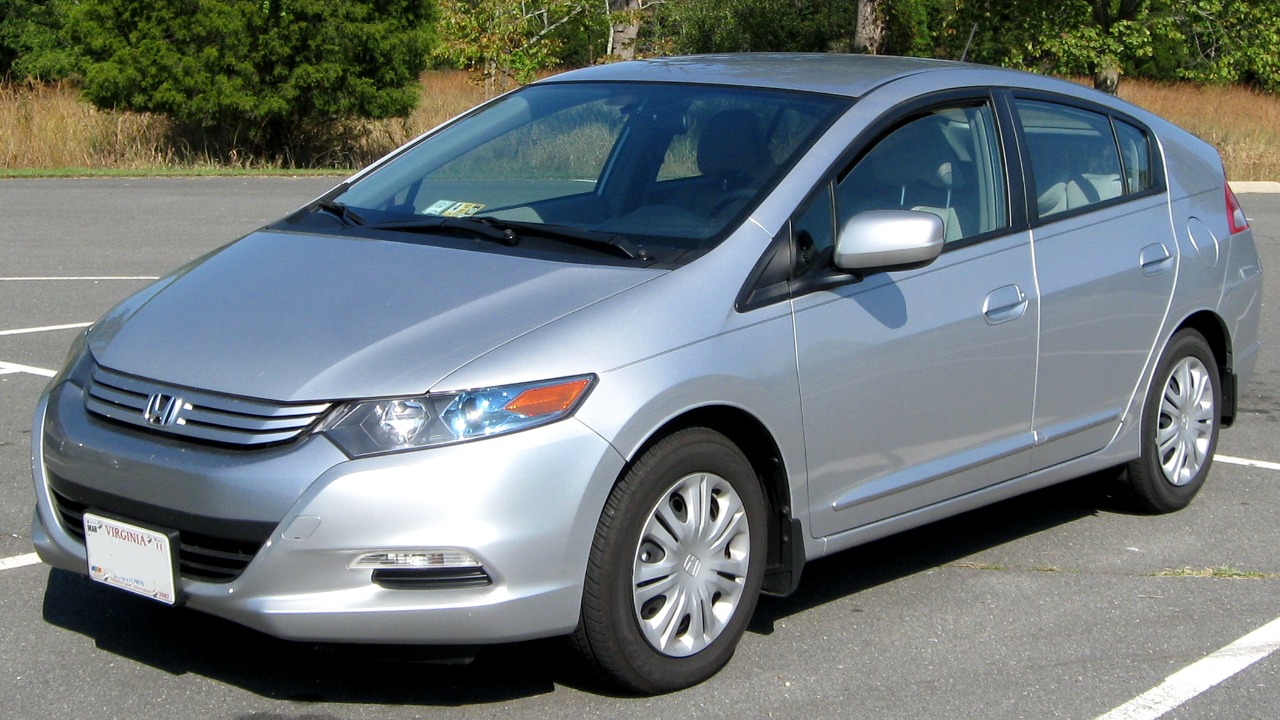
Honda revived the Insight name as an efficiency-focused sedan that undercuts most rivals on running costs. Built on Civic underpinnings, Honda’s efficiency sedan delivered EPA combined ratings above 50 mpg while offering a quieter, more conventional cabin than earlier hybrids. Its modest power output keeps insurance and tire costs low.
The Insight’s two-motor hybrid system needs no plug and little special maintenance, and it shares many components with the mainstream Civic, so repairs rarely strain a budget. Though Honda has since paused the model, used examples remain an inexpensive route into hybrid ownership.
4. Toyota Camry Hybrid: Midsize Space, Compact Fuel Bills
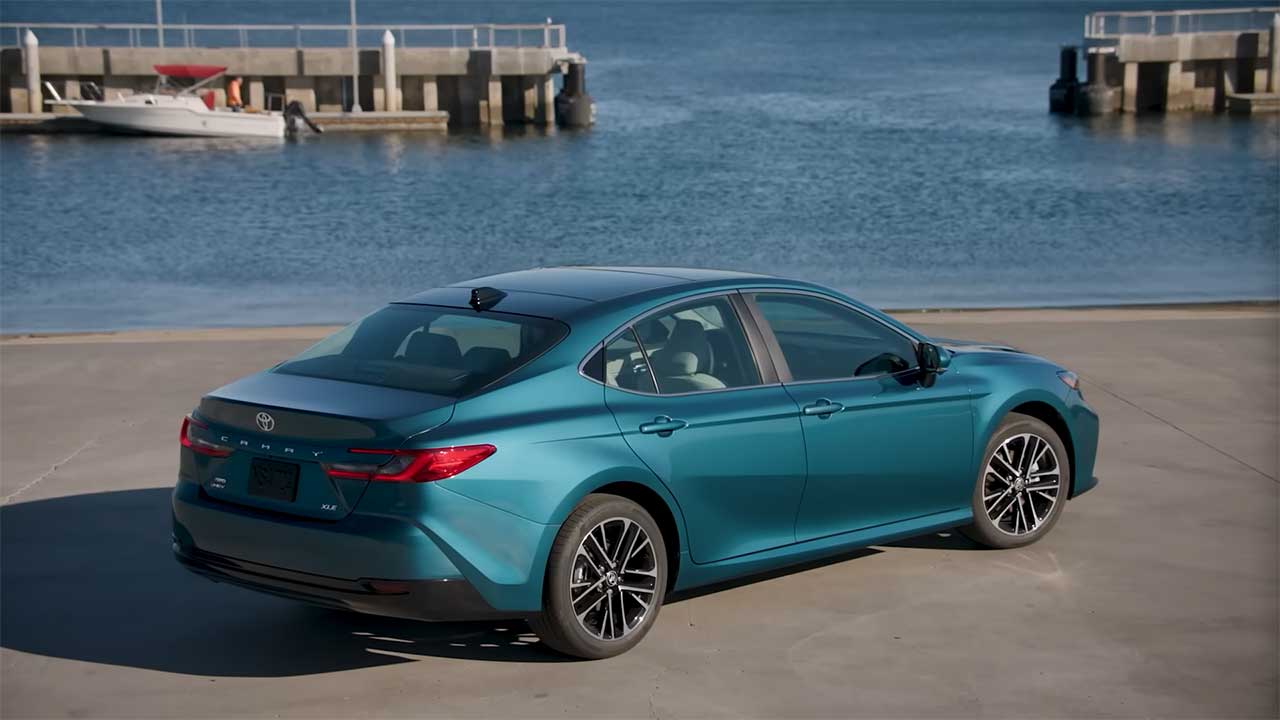
The Camry Hybrid brings low running costs to the midsize class without asking buyers to sacrifice space. Recent versions post EPA combined figures near 50 mpg, remarkable for a roomy family sedan, and the midsize Camry line carries one of the industry’s strongest dependability reputations. Fuel savings add up quickly for high-mileage commuters.
Toyota’s hybrid drivetrain has a long field record here, so major repairs are uncommon and predictable. Combined with slow depreciation and a vast dealer and independent service network, the Camry Hybrid keeps the total cost of ownership low across a decade or more of use.
5. Hyundai Ioniq: Built From Scratch To Save
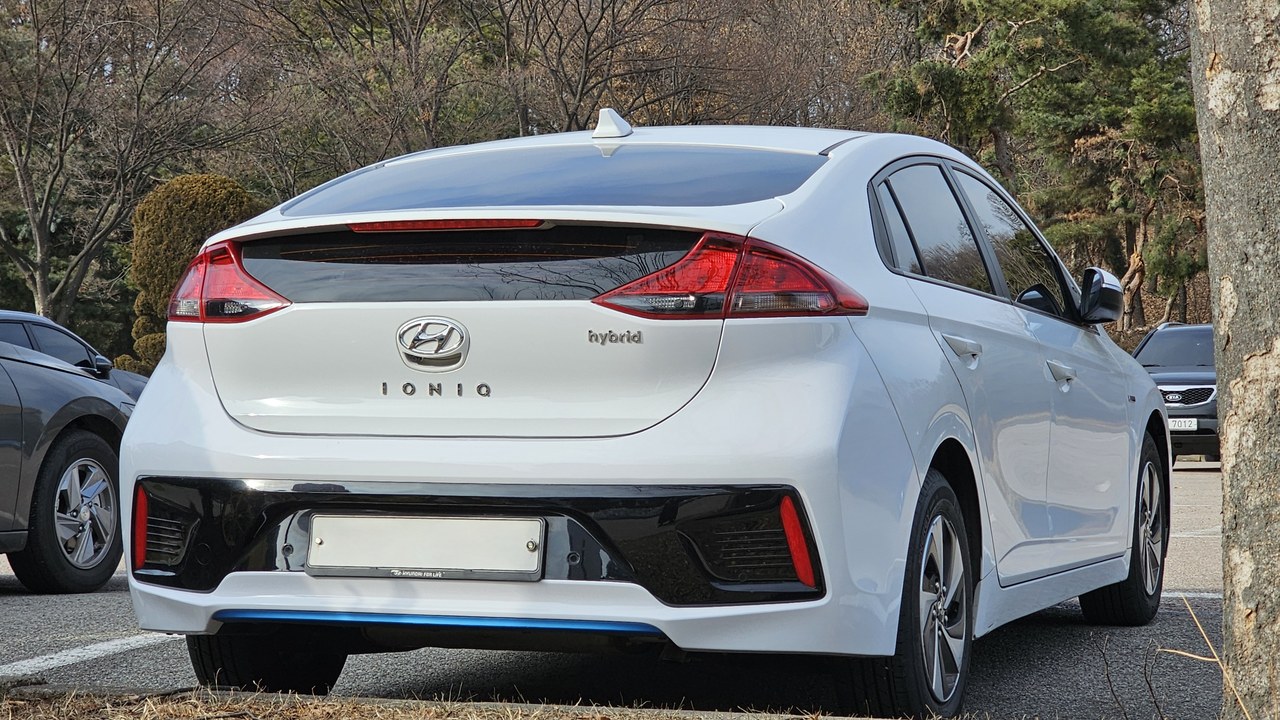
Hyundai built the Ioniq from the ground up as a dedicated efficiency machine, and it shows in the numbers. Offered in hybrid, plug-in and electric forms, Hyundai’s dedicated hybrid posted EPA combined ratings in the high 50s, rivaling the Prius while undercutting it on price. A generous factory warranty further limits early repair exposure.
Because efficiency drove the whole design, the Ioniq wrings low costs from aerodynamics and light weight rather than expensive technology. Hyundai’s long powertrain warranty covers the hybrid components for years, and modest used-market prices make it one of the cheaper hybrids to run overall.
6. Toyota RAV4 Hybrid: The Frugal Family Crossover
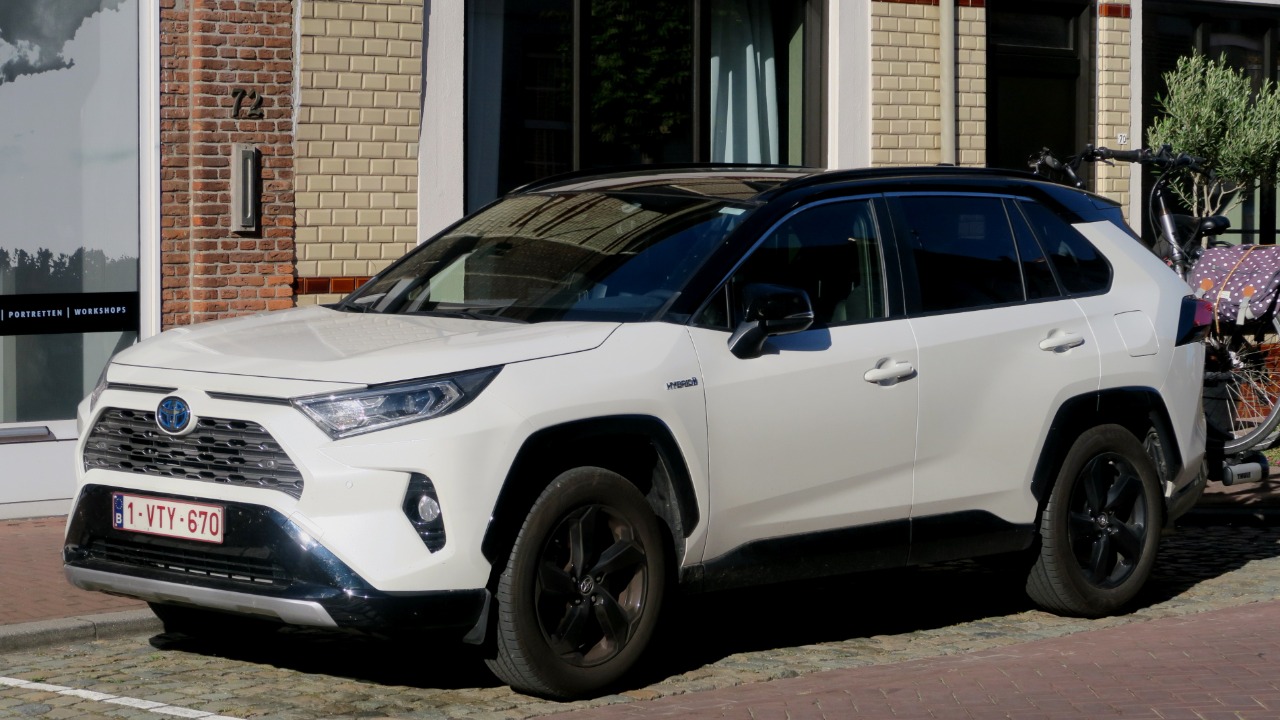
The RAV4 Hybrid proves an SUV can still be inexpensive to operate. Toyota’s best-selling crossover returns combined mileage around 40 mpg in hybrid form, well ahead of comparable gas SUVs, and the RAV4 lineup is backed by a deep reliability record. Strong demand keeps resale values unusually high.
Buyers get all-wheel drive and cargo space without the fuel penalty that normally comes with them. The hybrid system is the same proven Toyota hardware used across the range, so maintenance is routine, and the RAV4 Hybrid’s resilient resale value means owners recover much of their outlay.
7. Honda Accord Hybrid: Roomy Comfort On A Budget
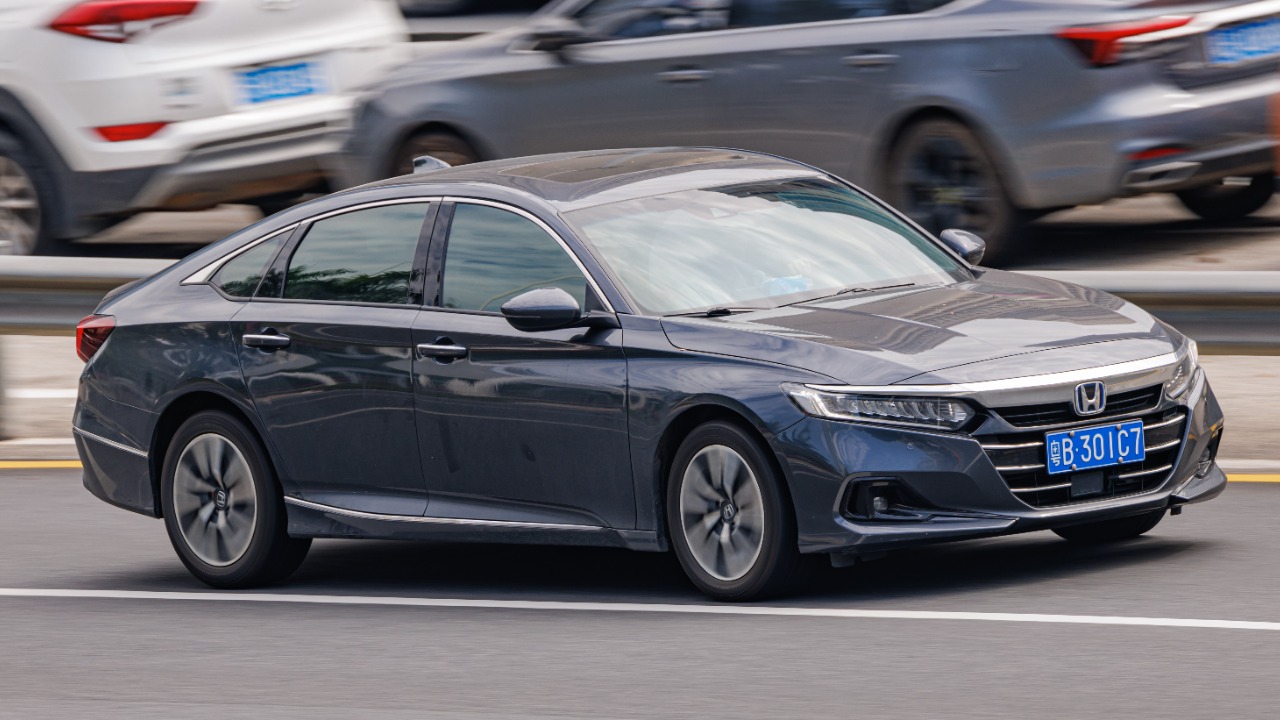
The Accord Hybrid delivers midsize comfort with fuel bills closer to a compact’s. Its two-motor system produces combined ratings around 48 mpg while providing brisk, quiet acceleration, and the tenth-generation Accord earns consistently high marks for long-term dependability. Routine service costs stay modest for the class.
Honda’s hybrid setup uses a simple, robust design with fewer moving parts than a conventional automatic, which limits expensive failures. The Accord’s blend of low fuel use, reasonable insurance and steady resale value keeps its lifetime running costs among the lowest of any roomy family sedan.
8. Kia Niro: Backed By A Long Warranty
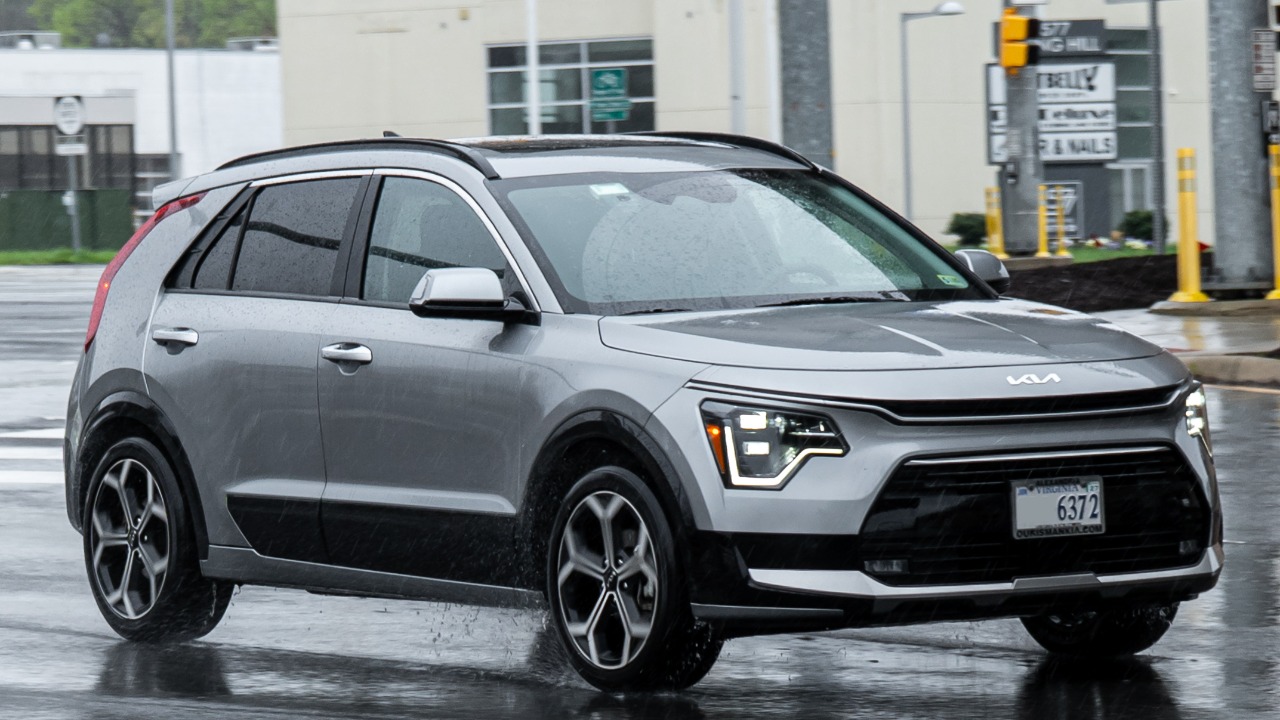
The Niro packages hybrid efficiency in a practical crossover body and backs it with unusual peace of mind. It returns EPA combined figures around 50 mpg, high for a vehicle with SUV-style versatility, and Kia’s hybrid crossover carries a lengthy powertrain warranty that shields owners from early repair bills.
That warranty is the Niro’s signature cost advantage, covering the hybrid drivetrain far longer than most competitors. Add competitive purchase pricing, strong fuel economy and low routine maintenance, and the Niro becomes one of the most budget-friendly ways to own a hybrid utility vehicle.
9. Ford Maverick Hybrid: The Pickup That Sips Fuel
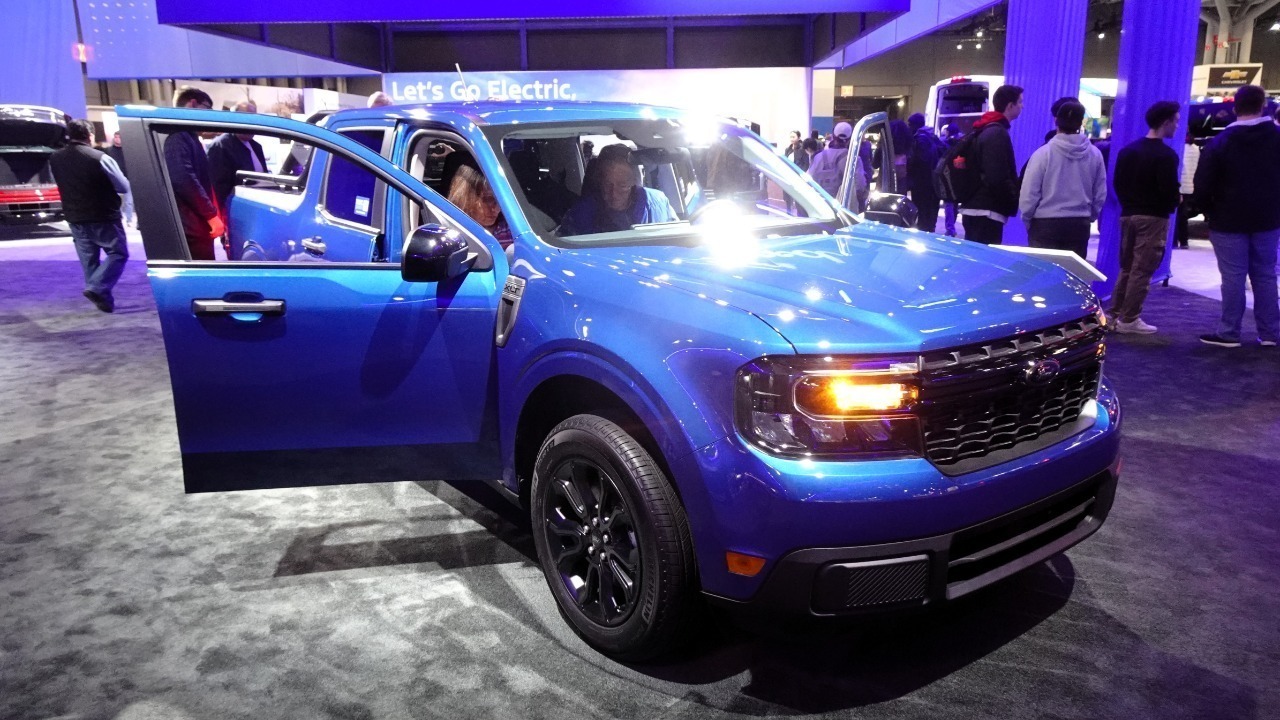
The Maverick Hybrid rewrote expectations for what a pickup costs to run. Ford made the hybrid powertrain standard on early models, delivering EPA combined mileage around 37 mpg, far beyond any traditional truck, and the compact Maverick pickup launched at a price well below the segment average. Truck utility no longer demands truck-sized fuel bills.
Its car-based platform keeps insurance, tires and routine service closer to sedan territory than truck territory. High demand has held resale values firm, and the pairing of low running costs with genuine bed-and-tow capability explains why the Maverick Hybrid became one of the cheapest pickups to own.
10. Lexus ES 300h: Luxury Without The Upkeep
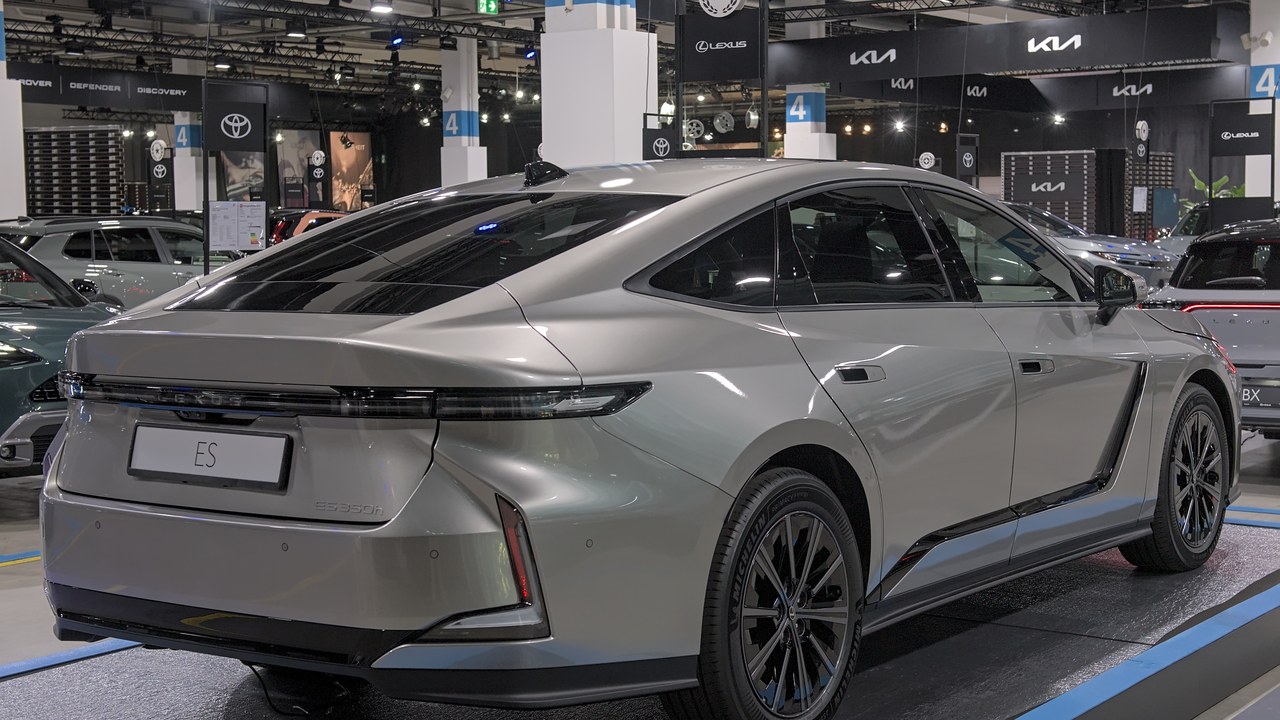
The ES 300h shows that luxury and low running costs can coexist. Sharing its efficient hybrid drivetrain with Toyota’s proven lineup, the sedan returns combined mileage in the low 40s, and the Lexus ES range is celebrated for durability that routinely carries these cars past 200,000 miles. Fuel and repair bills stay modest for a premium badge.
Owners benefit from Toyota-grade reliability wrapped in a quiet, upscale package, which keeps depreciation gentle and major repairs rare. Because the hybrid components are shared with mainstream models, servicing avoids exotic-luxury pricing, making the ES 300h one of the least costly luxury hybrids to keep long term.
More from Morning Overview
