
Charging speed has become one of the most useful ways to judge an electric car. The ten models below come from four different sources, and each one is measured in its own way, from minutes per 100 miles to the time needed to go from 10 to 80%. Here are ten EVs that stand out for how quickly they take on power.
Save more, waste less: The Cool Down’s newsletter sends smart, simple changes that help you and the planet in your everyday life.
We may earn a commission if you sign up.
1. Hyundai Ioniq 6: Seven-Minute Sprint
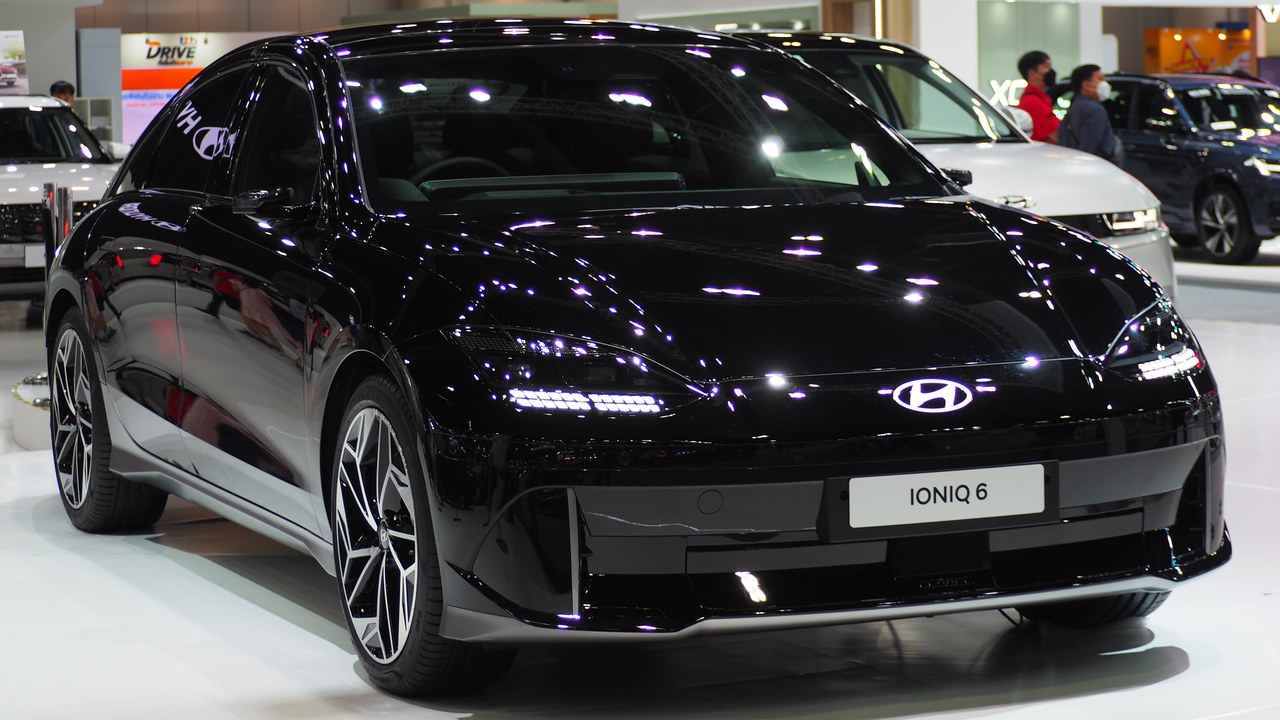
Edmunds timed the Hyundai Ioniq 6 adding 100 miles of range in 6 minutes and 55 seconds, the quickest result in its 2023 charging test. That under-seven-minute run is what puts the sleek sedan at the front of this list.
The test dates from November 2023, so newer models may have narrowed the gap. It is still a measured result rather than a manufacturer claim, which gives it extra weight against the modeled and claimed figures that appear further down the list. Cars that charge this fast can turn a highway stop into little more than a bathroom break.
2. Hyundai Ioniq 5: Fast On Paper
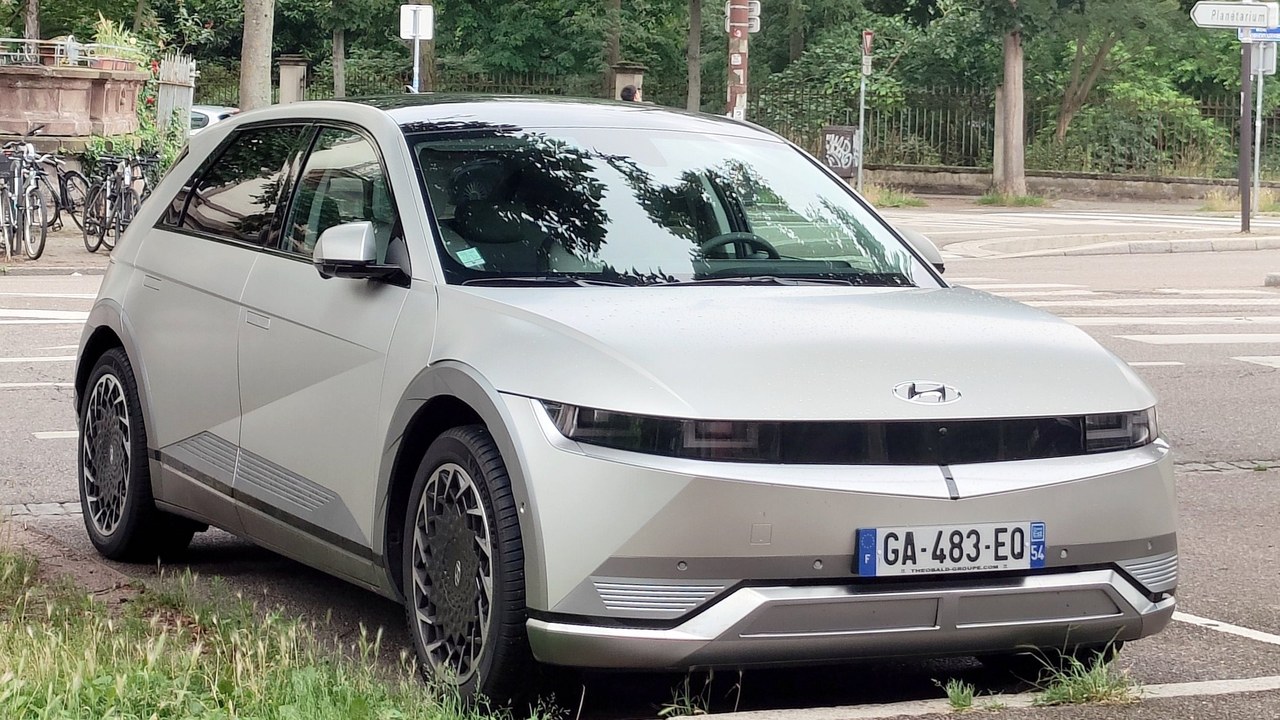
Recurrent’s metric credits the Hyundai Ioniq 5 with the best time of all, at 5.79 minutes to add 100 miles. The Recurrent analysis models how quickly each EV can refill under ideal conditions.
Real-life charging is slower. The same research puts the typical time closer to 8 or 9 minutes, which still keeps the crossover among the quickest options and shows why a modeled figure should be read as a ceiling. Because the figure comes from a standardized comparison, it reads best as a measure of the hardware rather than a promise for every stop.
3. Porsche Taycan: Luxury At Speed
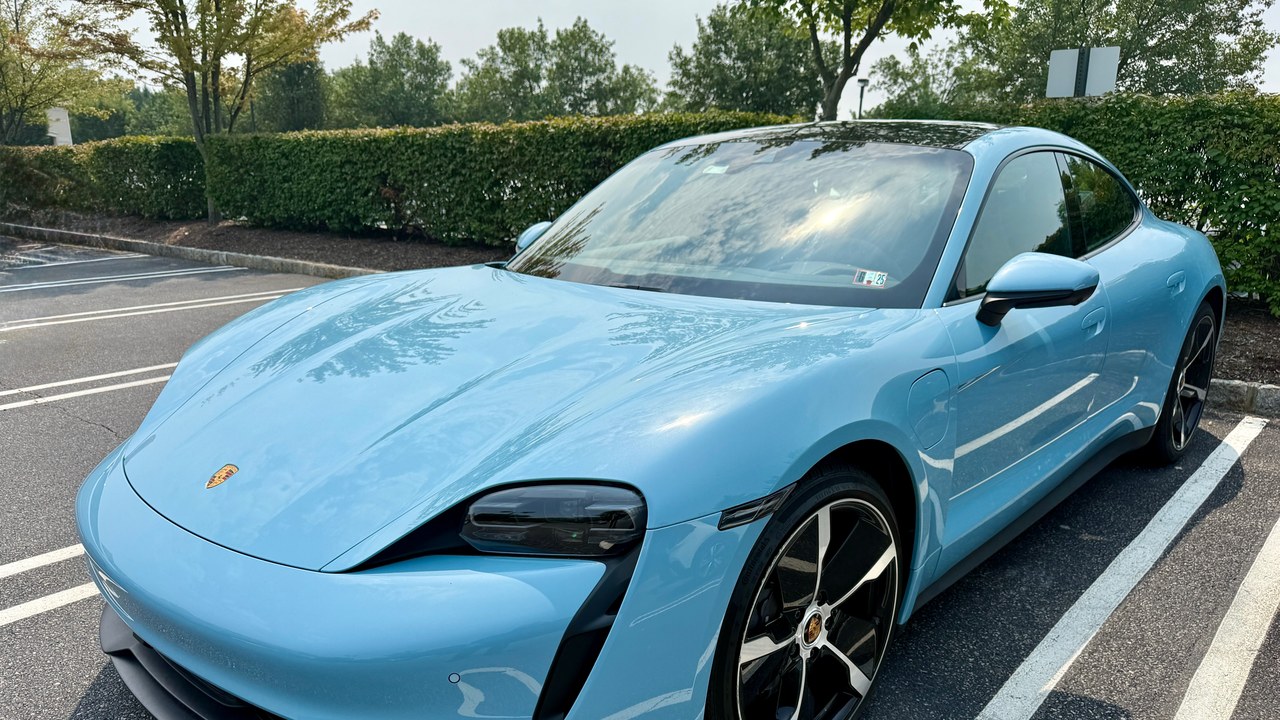
Recurrent estimates the Porsche Taycan can add 100 miles of range in 8.06 minutes, according to its fastest-charging ranking. That is a little behind the two Hyundai models but fast by any measure for a performance sedan.
The number is a model rather than a stopwatch result, so actual stops will vary with battery temperature, charger output and the starting charge level. It remains a strong showing for a car better known for lap times than plug times. Sitting about two minutes behind the Ioniq 5’s modeled time, it shows that a performance-focused sedan can keep pace with far more mainstream rivals on charging speed.
4. Lucid Air: Twenty-Minute Miles
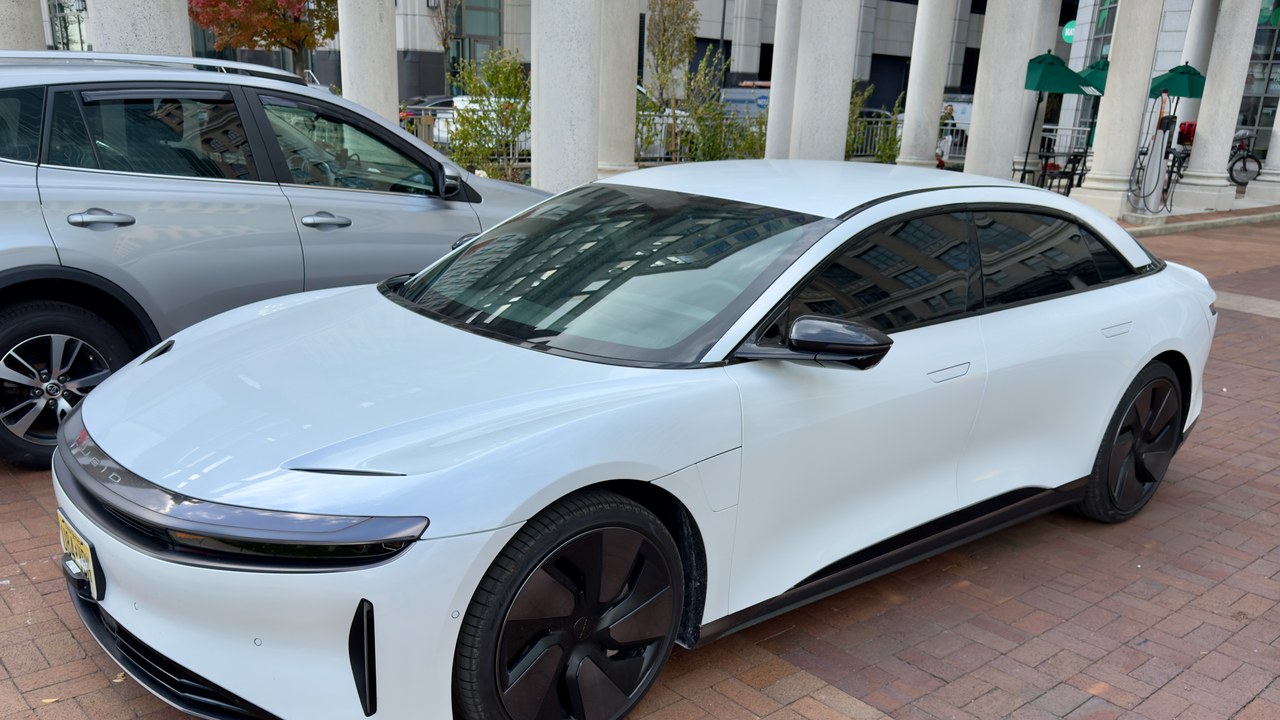
GreenCars cites 208 miles of range added in 20 minutes for the Lucid Air GT, a figure from its charging guide. Rather than a time for a fixed distance, the number shows how much driving a short stop can buy.
The data point is from 2023, and the source ties it to the Air GT trim rather than every version of the sedan. Buyers comparing trims should treat it as a guide to the model’s strength, not a promise for each variant. It is a useful yardstick for road-trippers who care about miles regained during a coffee or restroom break.
5. Audi e-tron GT: Taycan’s Cousin
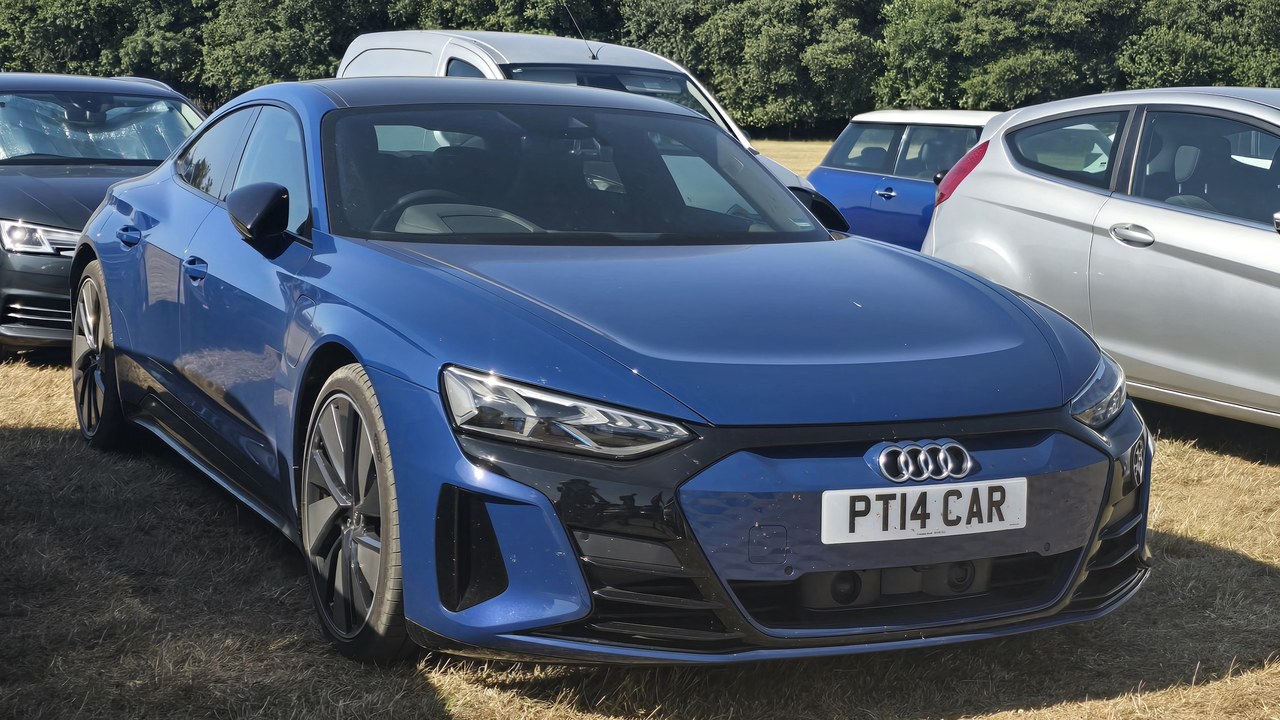
Recurrent estimates the Audi e-tron GT needs 9.29 minutes to add 100 miles, based on its charging research. The result is unsurprising given that the grand tourer shares its underlying architecture with the Porsche Taycan.
It trails its platform mate by a little over a minute in the same modeling, a gap that most drivers would barely notice during a real stop. Both cars show how much fast-charging capability the shared hardware delivers. Anyone shopping the two should weigh that small difference against price, styling and the rest of each car.
6. Genesis GV60: Compact Luxury Charger
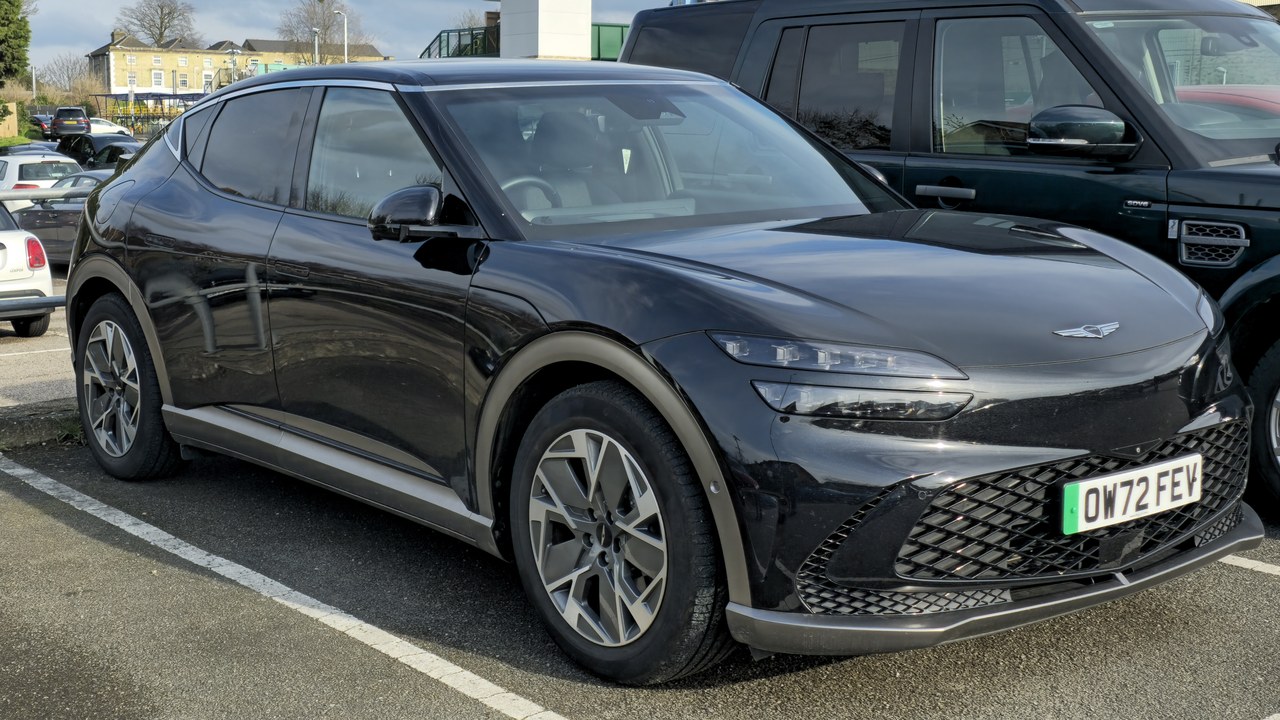
Recurrent estimates 8.8 minutes for the Genesis GV60 to add 100 miles of range, a result in its fast-charging study. That places the small luxury crossover close to the Porsche Taycan and ahead of the Audi e-tron GT.
Like the other Recurrent figures, it is a modeled estimate rather than a track test. It still signals that Hyundai’s premium brand has matched the quick-charging strengths of the sister Ioniq models. The result also shows that a quick top-up is not limited to the sportier sedans on the list.
7. Kia EV6: A Familiar Fast Number
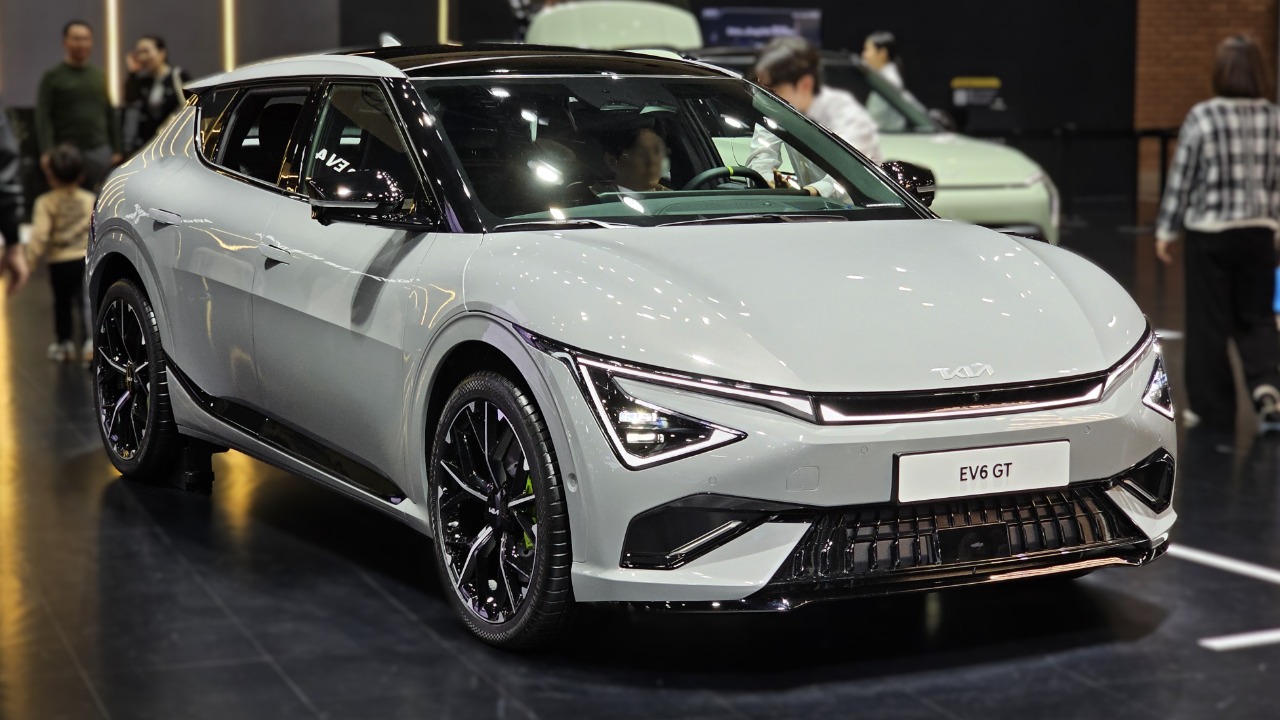
InsideEVs lists a 10-to-80% charge time of 17 to 18 minutes for the Kia EV6, at up to 240 kW, in its fastest-charging EV list. That makes the crossover one of the quicker mainstream options on the page.
The list, updated May 20, leans mostly on manufacturer claims, so independent results may differ somewhat. Even so, a roughly 17-minute top-up lines up with the quick times seen from the EV6’s Hyundai relatives. Drivers should still expect the 80% mark to take longer in cold weather or on a lower-powered station.
8. Kia EV9: Big Family, Quick Stop
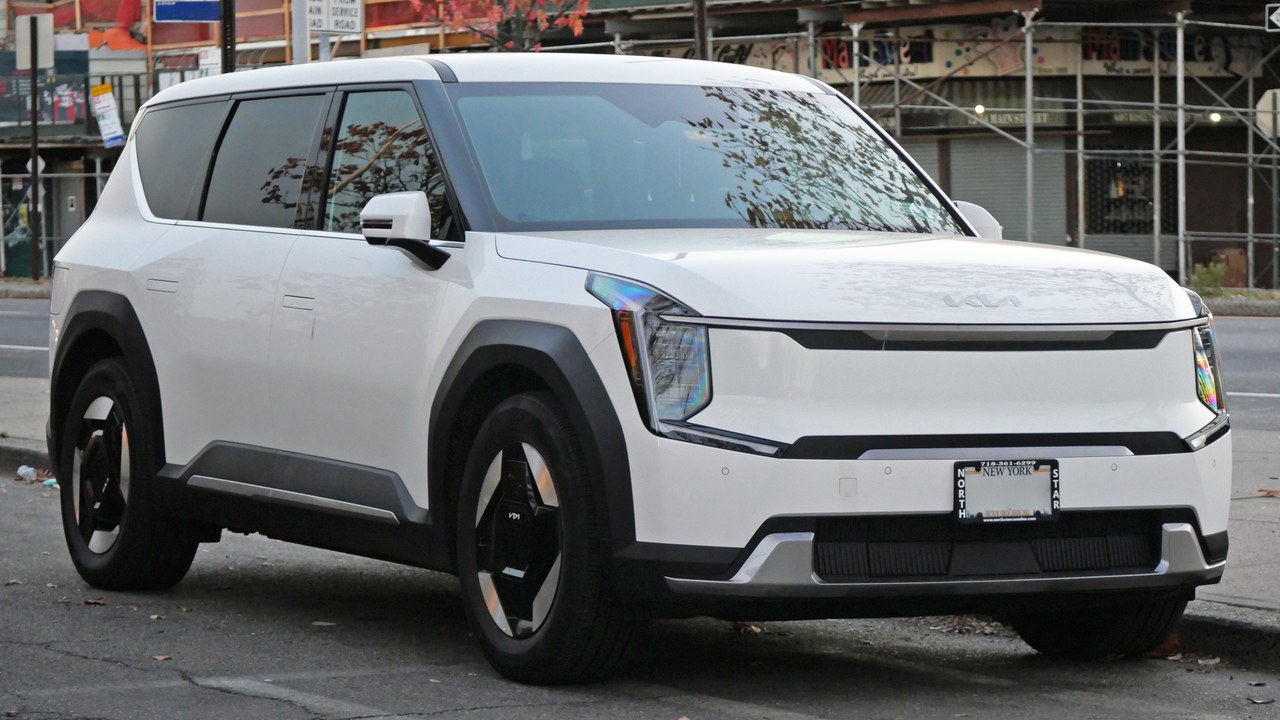
InsideEVs says the 76.1 kWh Kia EV9 charges from 10 to 80% in 20 minutes at up to 235 kW, as shown in its charging roundup.
The time applies to that specific battery size, and it is a mostly manufacturer-supplied number. For a large family vehicle, a 20-minute stop is still short enough to fit a typical break on a long trip. The 235 kW ceiling sits just below the EV6’s figure, so the bigger EV9 gives up very little to its smaller sibling.
9. Porsche Macan Electric: Porsche’s Electric Macan

InsideEVs lists the Porsche Macan Electric at 21 minutes for a 10-to-80% charge, with a 270 kW peak, in its charging list. The compact SUV pairs a high peak rate with a short stop.
Peak power is only part of the story, since a car must hold a high rate across the session to post a fast time. The 21-minute figure suggests the Macan does that well, though it is mostly a claimed number. The Macan’s 270 kW peak is higher than the EV9’s 235 kW, yet its 21 minutes is a minute slower, which shows peak figures and finish times do not always track.
10. Lucid Gravity: Four Hundred Kilowatts
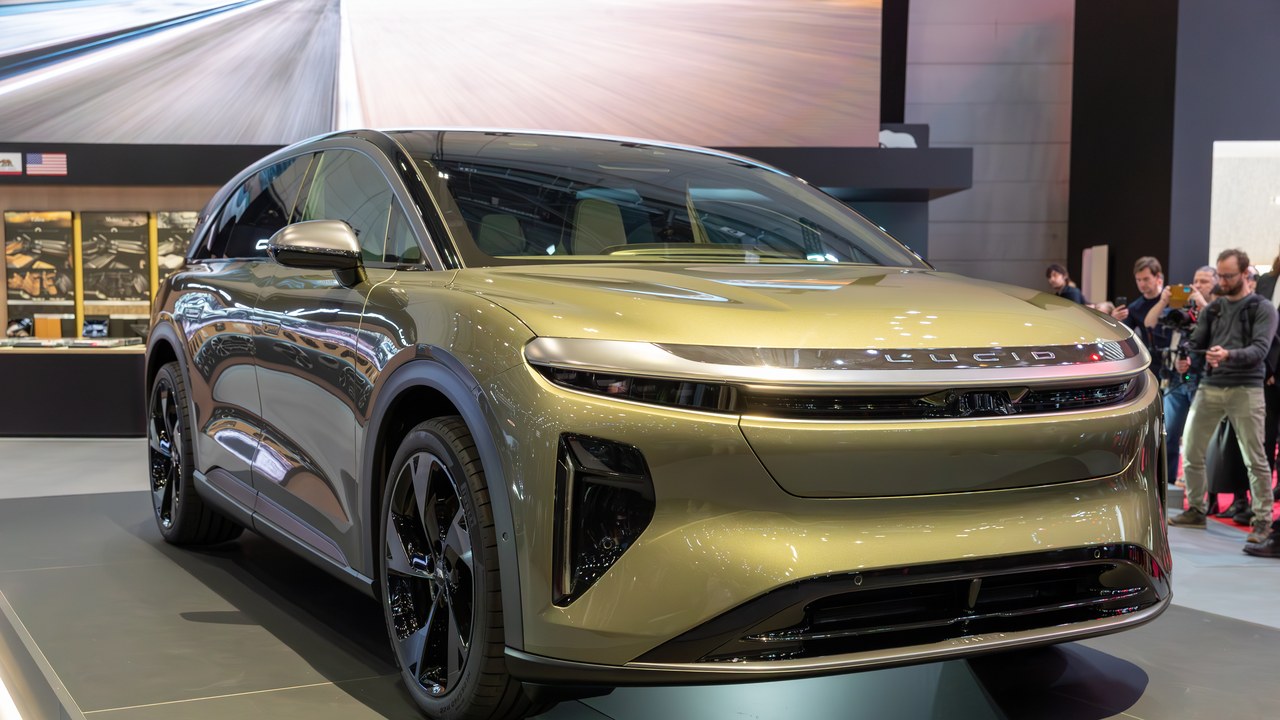
InsideEVs lists the Lucid Gravity at 23 minutes for a 10-to-80% charge, with a 400 kW peak, in its charging list. The 400 kW figure is the highest in the entire gallery.
That peak does not translate into the quickest overall time, since the Gravity’s 23 minutes is longer than the 17 to 21 minutes listed for the EV6, EV9 and Macan. Drivers would also need a compatible high-power station to see that peak, so the headline kilowatt number may not show up at every plug.
Save more, waste less: Subscribe to The Cool Down →
We may earn a commission if you sign up.
More from Morning Overview
- Tropical Storm Rachel is dumping up to 12 inches on four Mexican states on its way to major hurricane strength
- The FTC says Lens.com doubled the price shoppers saw in Google ads
- Common allergy, bladder and sleep pills tied to sharply higher dementia odds
- NOAA now gives this winter a 75% chance of the strongest El Nino since 1950
