
Electric vehicle range ratings from the EPA are the number shoppers see on the window sticker, but independent testers often get less. Consumer Reports, Edmunds and Car and Driver each ran their own tests and found shortfalls, some small and some large. Here are ten EVs that fell short, starting with a pickup that gave out 50 miles early.
Help yourself and the planet: The Cool Down makes it easy to help yourself while helping the planet, with smart, simple changes to save more and waste less in your everyday life.
We may earn a commission if you sign up.
1. Ford F-150 Lightning: Fifty Miles Early
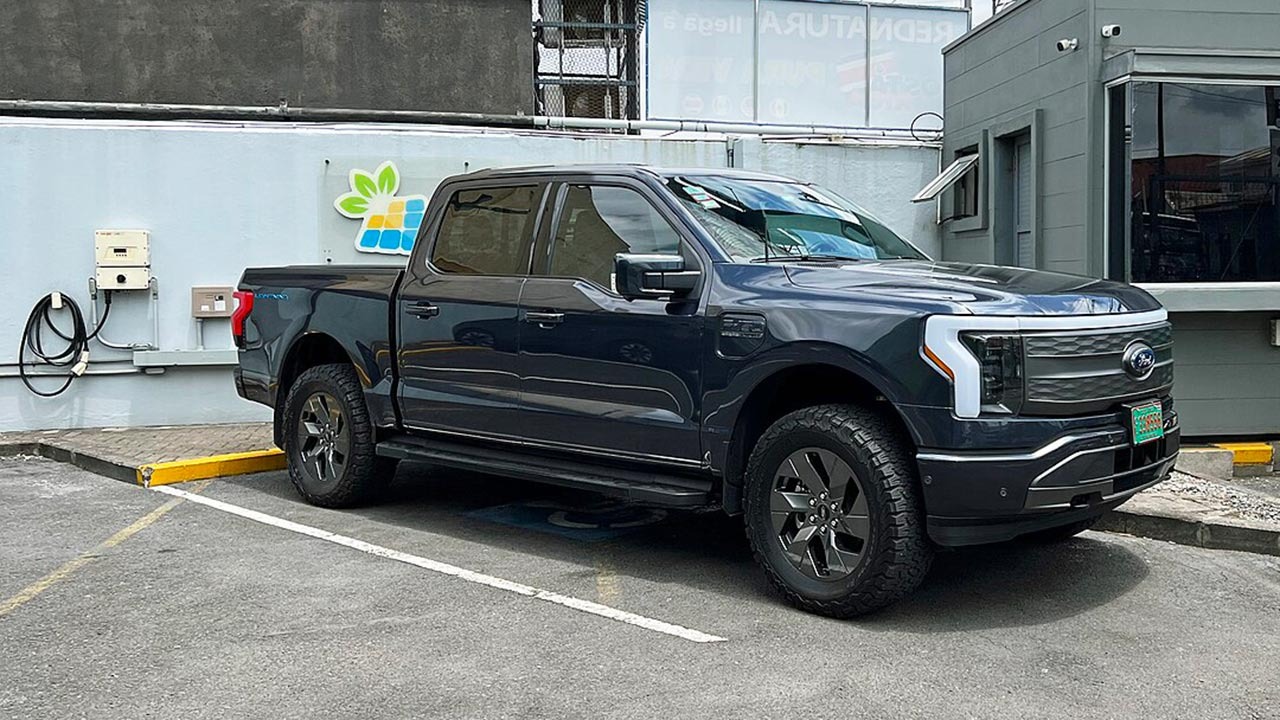
Consumer Reports ran a Lariat Extended Range through its highway-only range test, and the battery was empty after 270 miles. The EPA rating for that truck is 320 miles, so the Lightning came up 50 miles short, a gap of 15.6 percent.
Highway-only driving is a demanding scenario for an electric pickup, and this result is the one that gives the gallery its headline. Owners planning long trips in a Lightning would do well to treat the sticker figure as a ceiling rather than a promise. The test dates from December 2023.
2. Tesla Model X: A Big Gap on a Long Range
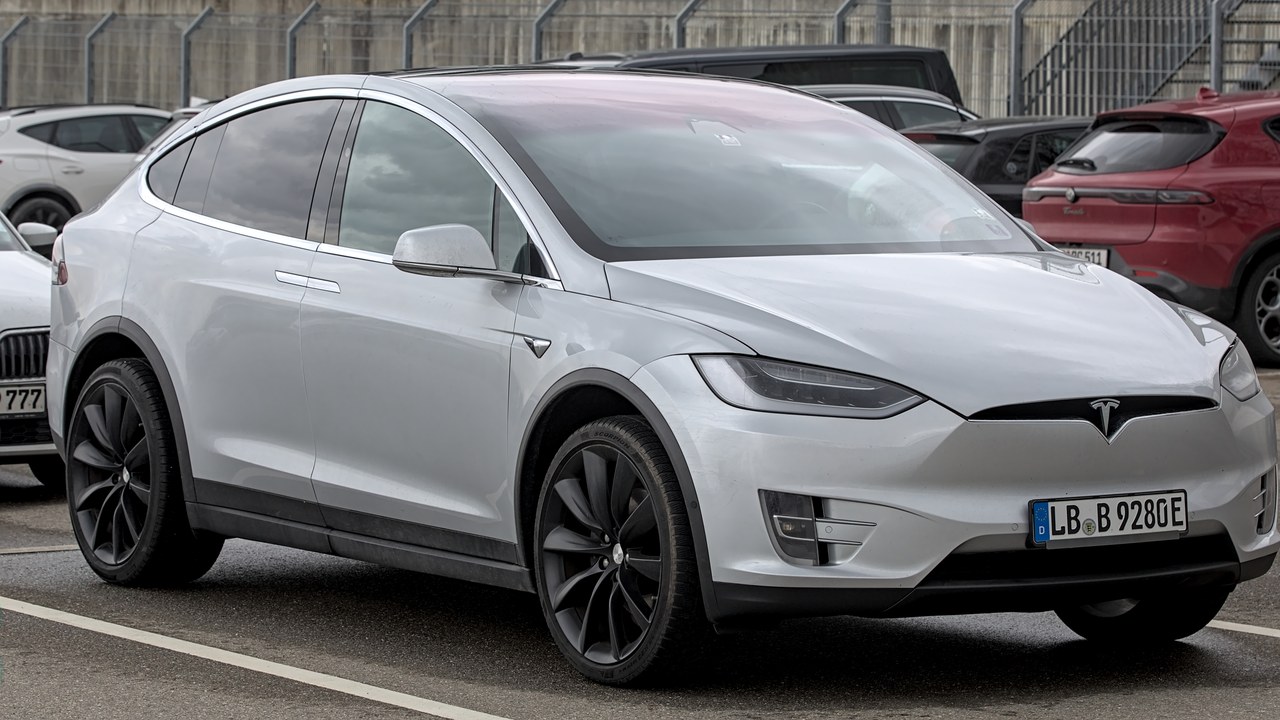
Edmunds tested a 2020 Model X Long Range and recorded 294 miles of real-world driving. The EPA rating for the same SUV was 328 miles, leaving the Tesla 34 miles short, according to the Edmunds range table.
That is one of the larger absolute shortfalls on this list, though the table does not state the speed or conditions of the run. The test also covers an older model year, so newer Model X builds may behave differently. It still shows that a big, heavy SUV can fall noticeably below its official number.
3. Tesla Model Y: The Best-Selling Shortfall
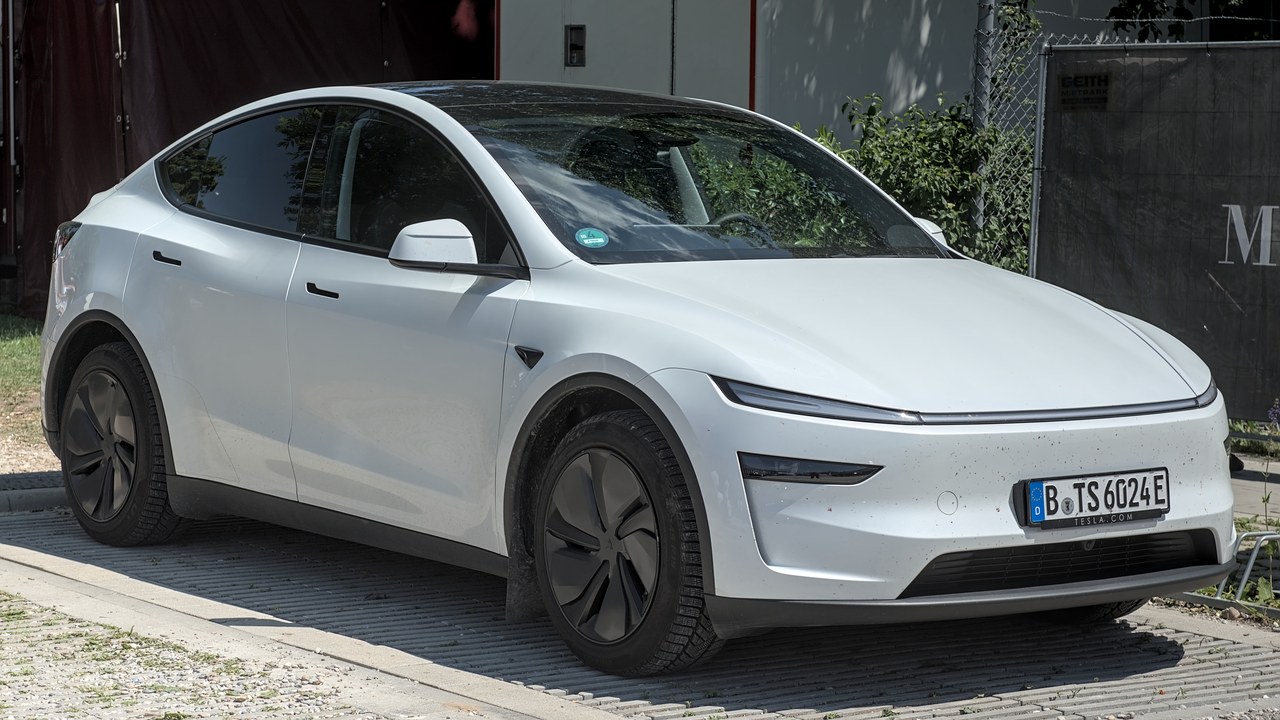
A 2026 Model Y Long Range RWD covered 327 miles in Edmunds’ latest testing, against an EPA rating of 357 miles. That works out to 8.4 percent below the official figure.
The 30-mile difference is smaller than the Lightning’s 50, yet it matters because the Model Y is among the most common EVs on the road. Edmunds’ table gives no test speed, so the result is best read as a typical real-world gap rather than a worst case. Even a current, efficient Tesla did not match its rating.
4. Lucid Air: Luxury Sedan, Lost Miles
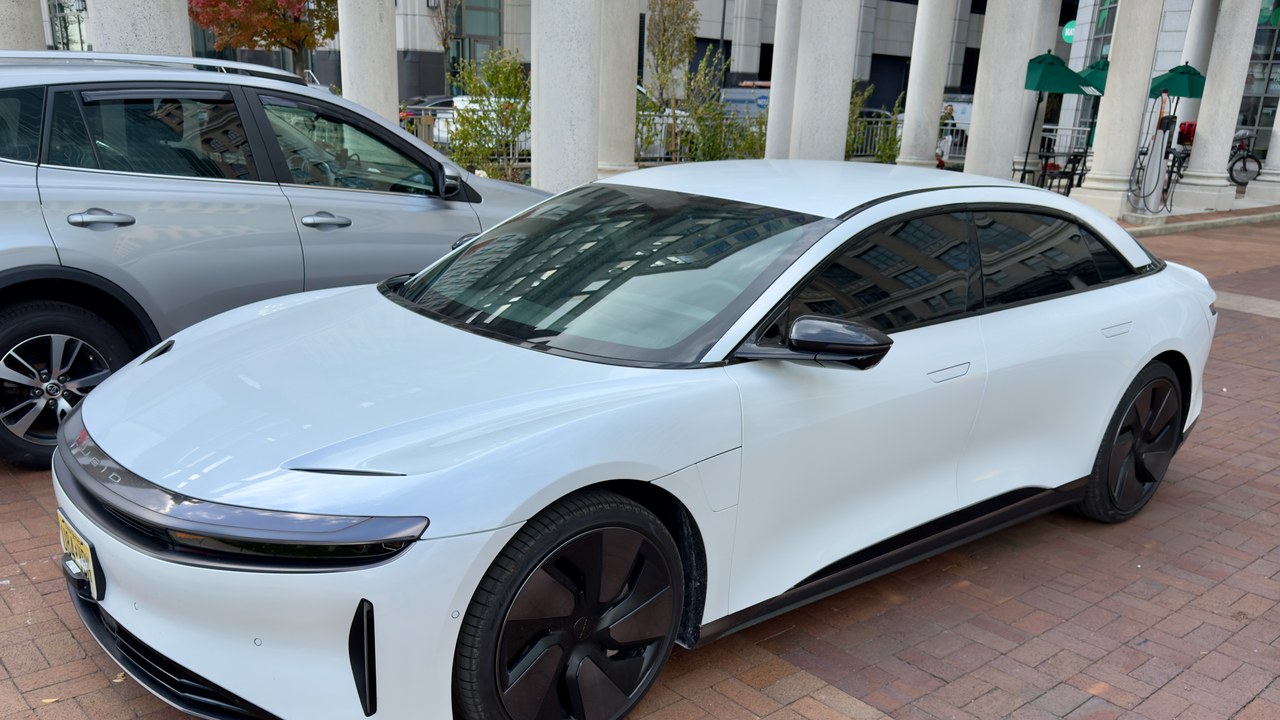
Consumer Reports tested a Lucid Air Touring and logged 344 miles, against an EPA rating of 384 miles. InsideEVs’ write-up of the results put the shortfall at 10.4 percent, the widest percentage miss among the sedans here.
The Air is built around efficiency, so a double-digit gap stands out. A 40-mile difference still leaves a very long absolute range, which softens the practical impact for most drivers, but it is a clear miss for a car sold on efficiency. The result comes from Consumer Reports’ highway-focused testing and dates from late 2023.
5. Tesla Model S: Not Quite 405
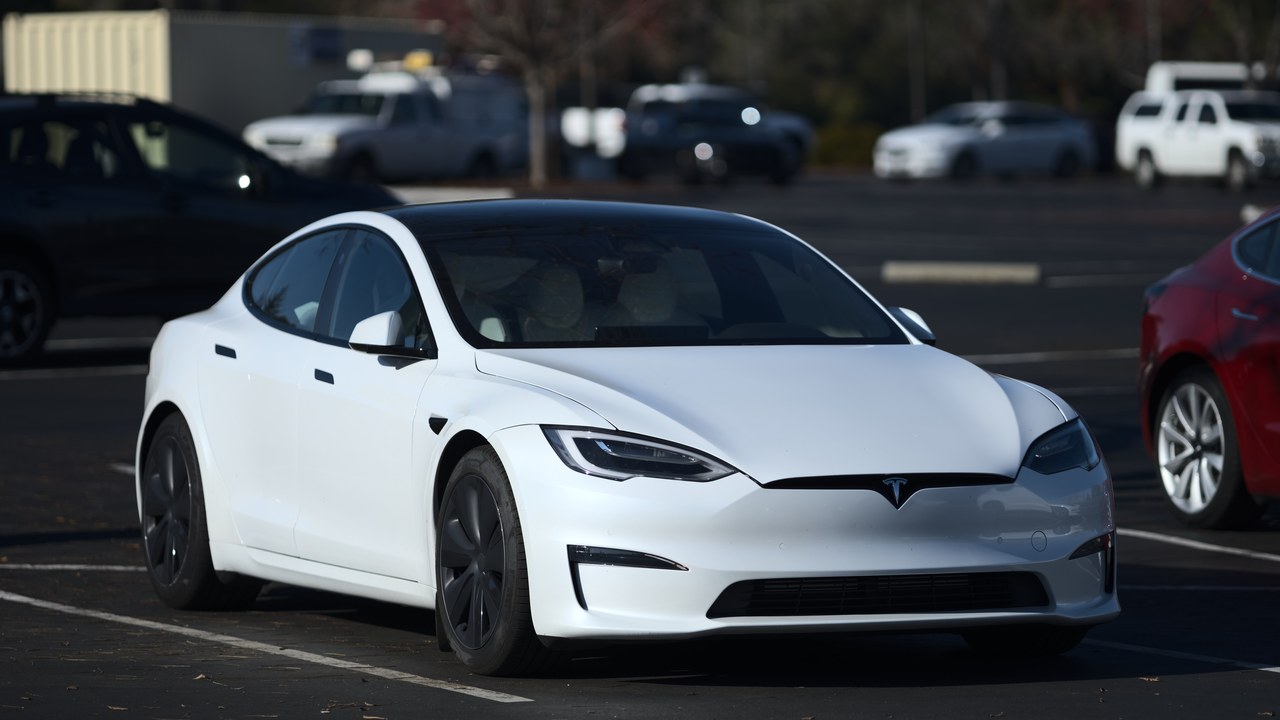
A Tesla Model S Long Range reached 366 miles in Consumer Reports’ test, short of its 405-mile EPA rating. That 9.6 percent miss is covered in an InsideEVs report.
The 39-mile difference sits close to the Lucid Air’s, which makes the two flagship sedans a useful pair. Neither fell as far as the Lightning, but both lost nearly a tenth of their rated range at highway speed. For a car marketed on distance, the gap is a reminder that EPA numbers blend city and highway driving.
6. Jeep Wagoneer S: Rated Higher Than Reality
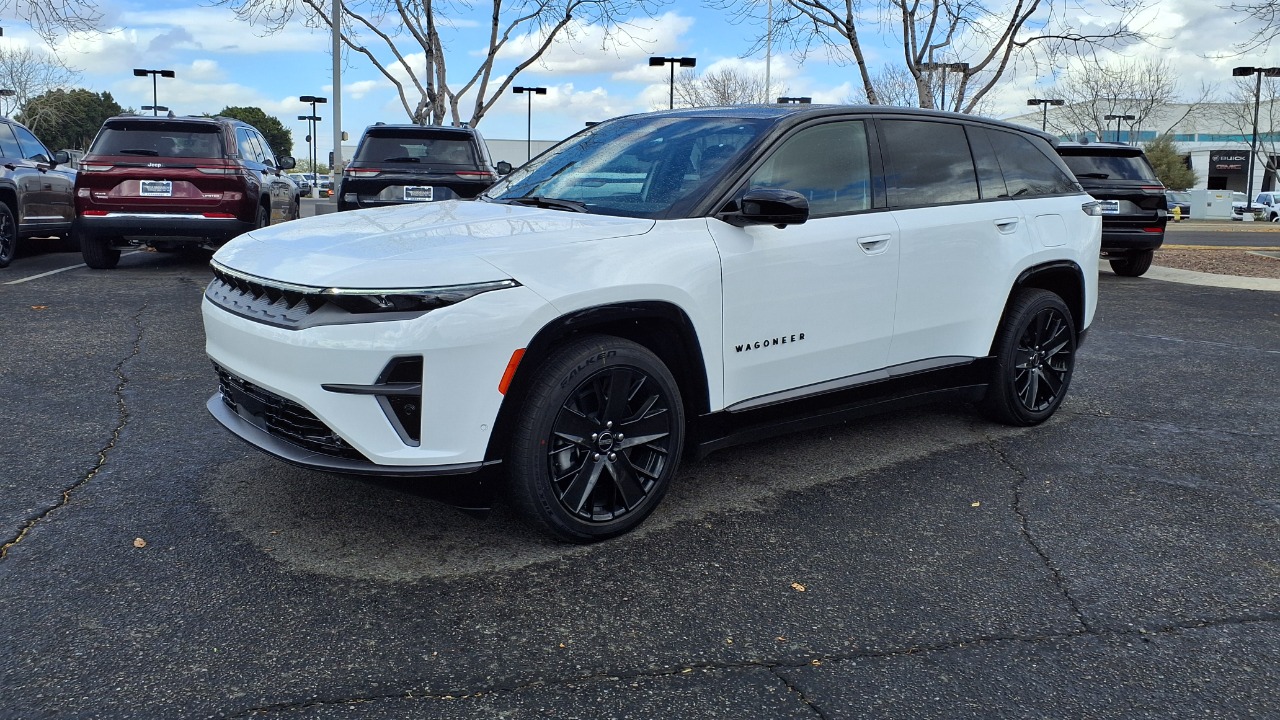
Edmunds tested a 2024 Jeep Wagoneer S Launch Edition and got 276 miles, compared with an EPA rating of 303 miles. The Edmunds results table shows the Jeep landing 27 miles short.
As a newer entrant from a brand known for trucks and SUVs, the Wagoneer S shows that the problem is not limited to early EVs or to Tesla. The table does not specify test conditions, so the figure reflects Edmunds’ own protocol. Shoppers comparing the Jeep with rivals would be better served by independent numbers than by window stickers alone.
7. Lexus RZ: A Modest but Real Miss
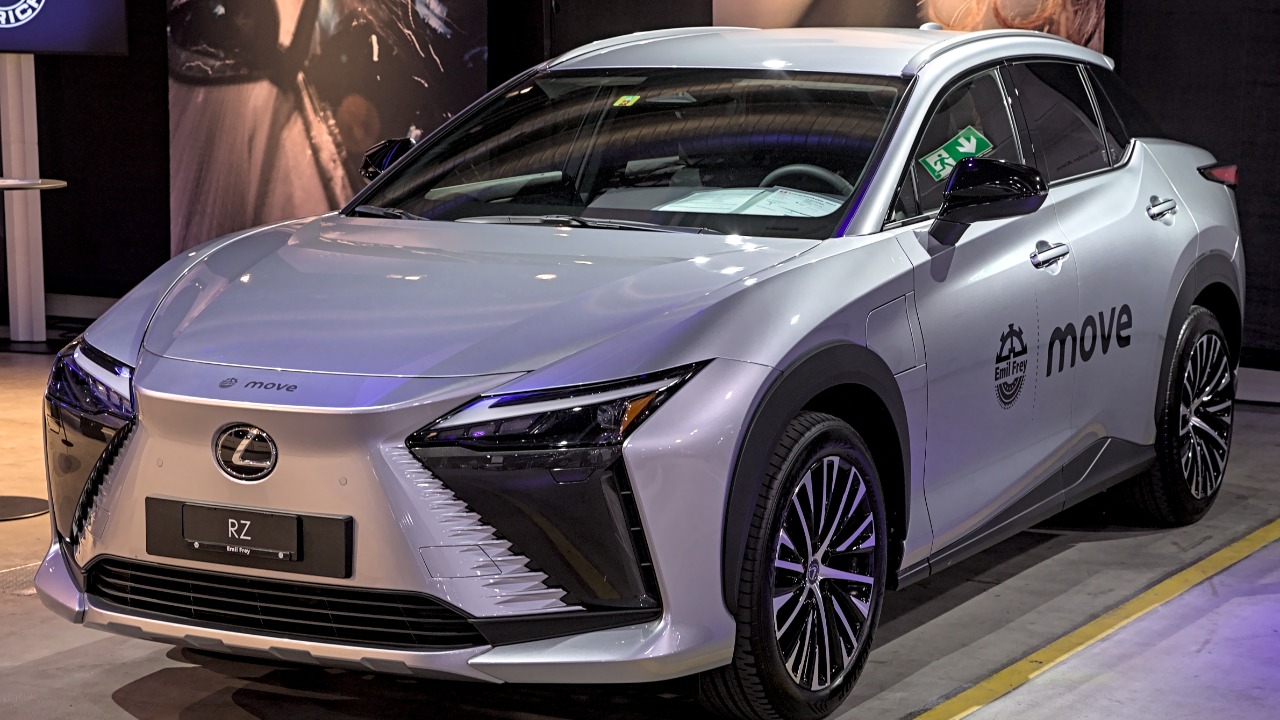
Consumer Reports tested a Lexus RZ 450e Premium and recorded 202 miles, while the EPA rating is 220 miles. The InsideEVs table lists the gap at 8.2 percent.
The RZ starts from a lower rated range than most vehicles here, so a miss of 18 miles takes a bigger bite out of usable distance on a road trip. It also leaves the Lexus barely above the 200-mile mark under highway conditions, which is thin for a luxury crossover. The testing dates from December 2023, so later model years may differ.
8. Hyundai Ioniq 6: The Smallest Gap Yet
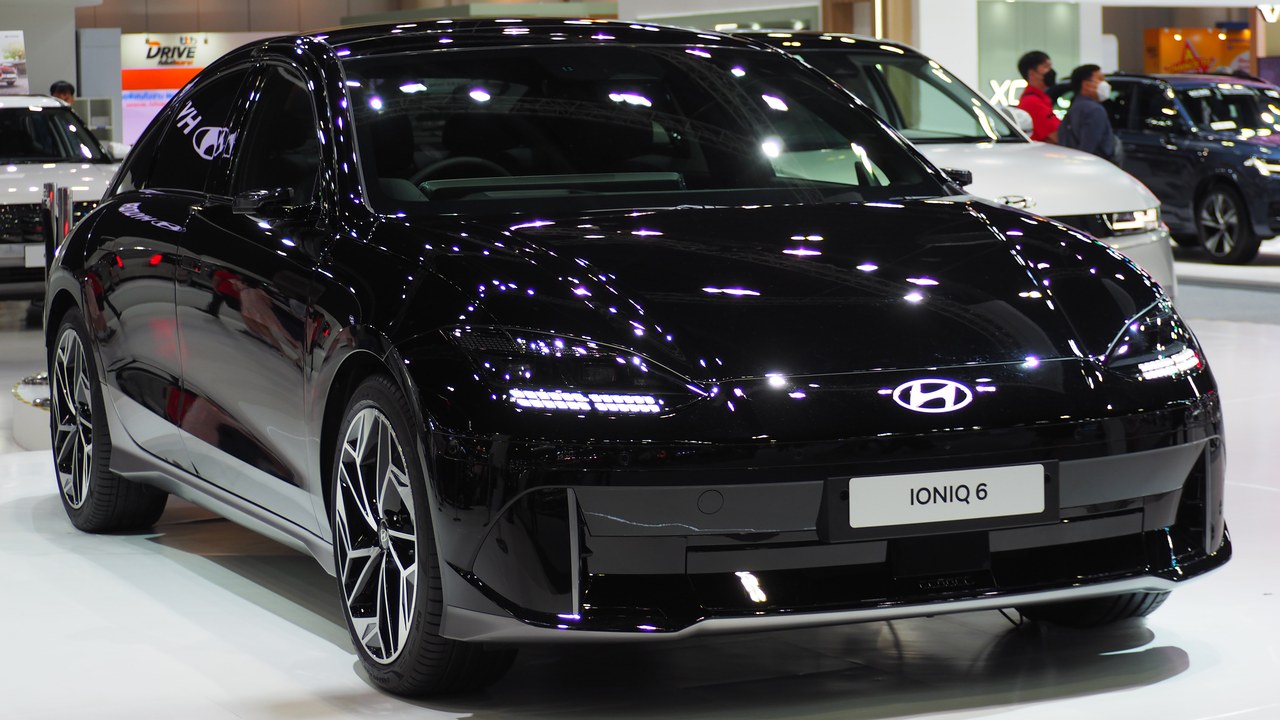
Among the entries in this gallery, the Hyundai Ioniq 6 came closest to its rating. Edmunds tested a 2024 Limited RWD and recorded 343 miles against the EPA’s 361, which Edmunds’ range data pegs at 5.1 percent short.
An 18-mile shortfall is still a shortfall, but it is far tighter than the Lightning’s 50 miles, and it leaves the sedan with a comfortable cushion for long drives. It suggests that some designs can land within a few percent of their official number, though no model on this list matched it exactly.
9. Mini Countryman Electric: Seventy-Five on the Highway
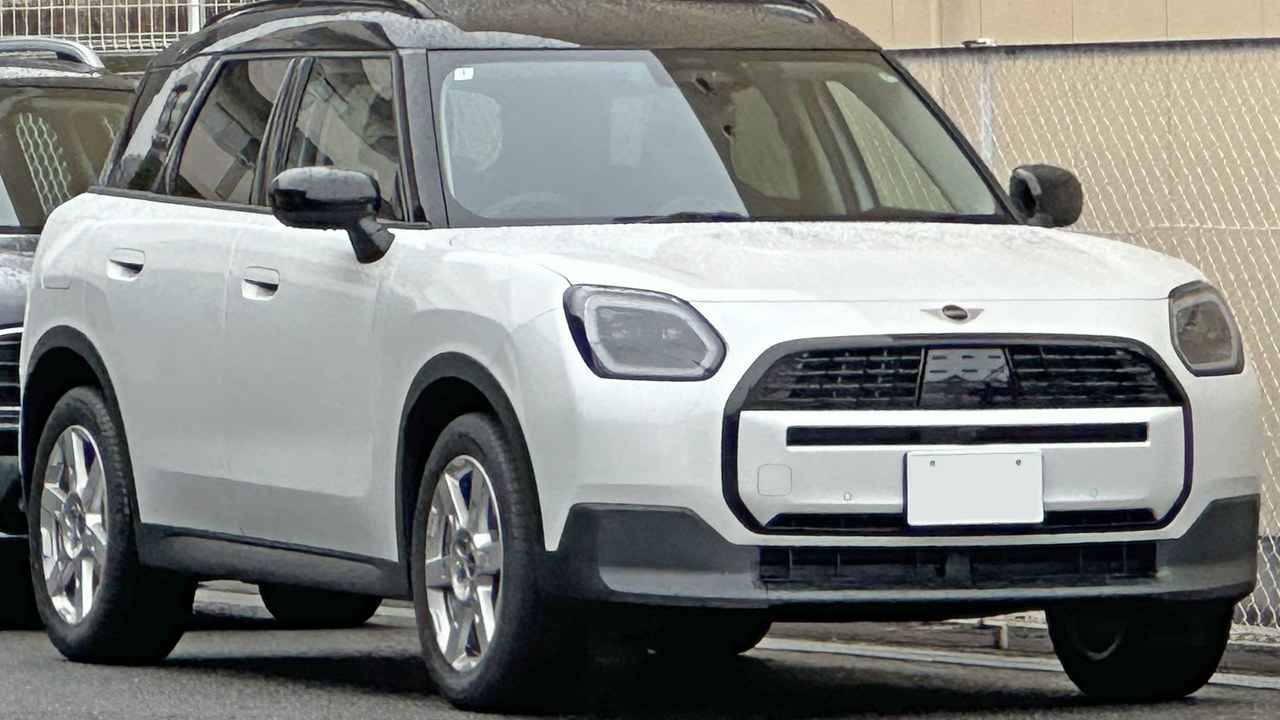
Car and Driver drove the Mini Countryman Electric at 75 mph and got 180 miles, as a Gadget Review roundup reports. The EPA estimates for the SUV are 204 or 212 miles, depending on the version.
The test speed matters here, since sustained 75 mph driving is harder on a battery than a mixed cycle. A 180-mile result is modest for a small crossover, and it means longer trips will need more planning than the rating suggests. The report is a secondary source citing Car and Driver.
10. Genesis GV70 Electrified: Smaller Gap, Same Pattern
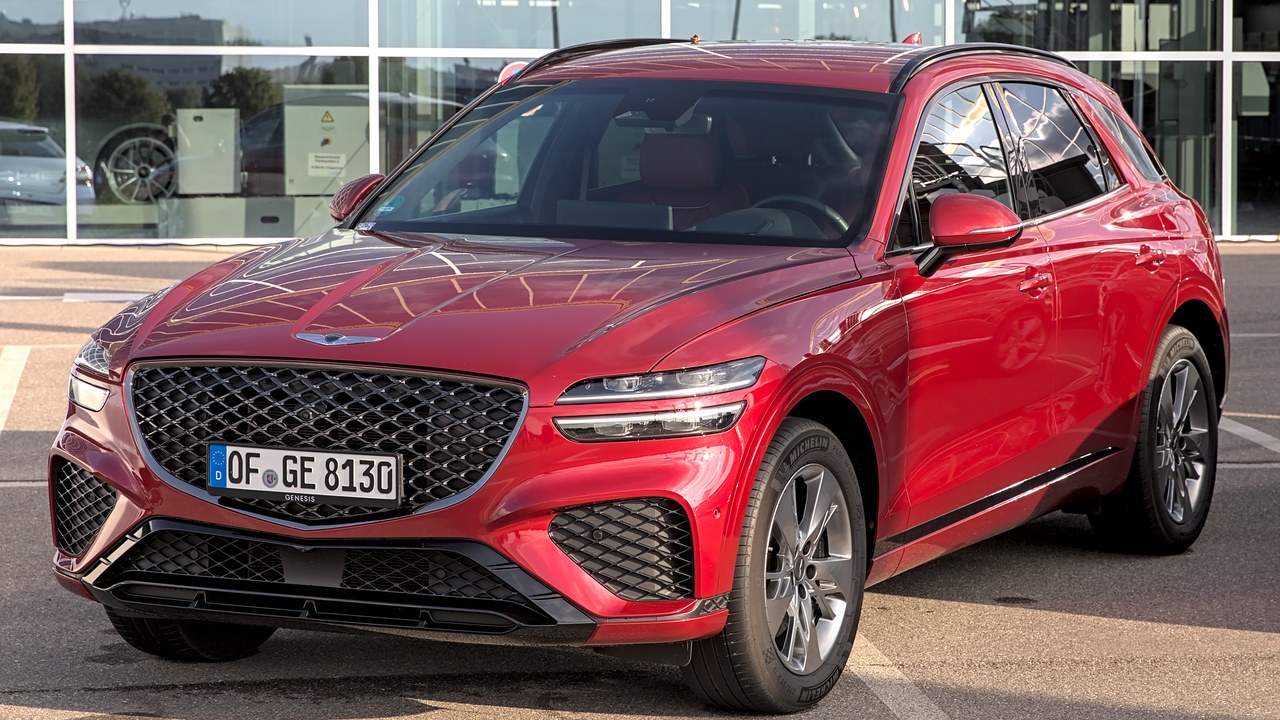
Consumer Reports’ highway test of the Genesis GV70 Electrified returned 220 miles, against an EPA rating of 236 miles. That 6.8 percent difference appears in the InsideEVs summary.
A 16-mile shortfall is among the smaller ones here, which shows the effect is common across brands rather than confined to a few outliers. The data comes from December 2023 testing, so it is a snapshot of that model year. Buyers can still use the gap as a rough guide when planning charging stops.
Help yourself and the planet: Get The Cool Down →
We may earn a commission if you sign up.
More from Morning Overview
