
Insurance premiums vary enormously from one model to the next, and a small group of luxury and performance cars sits far above the mainstream. Two 2026 rankings, one from Insure.com and one from CarInsurance.com, put average annual full-coverage costs for these models well past the $5,000 mark. Here are ten of them, ordered from the most expensive to insure on down.
1. Maserati Quattroporte: The Priciest Premium of All
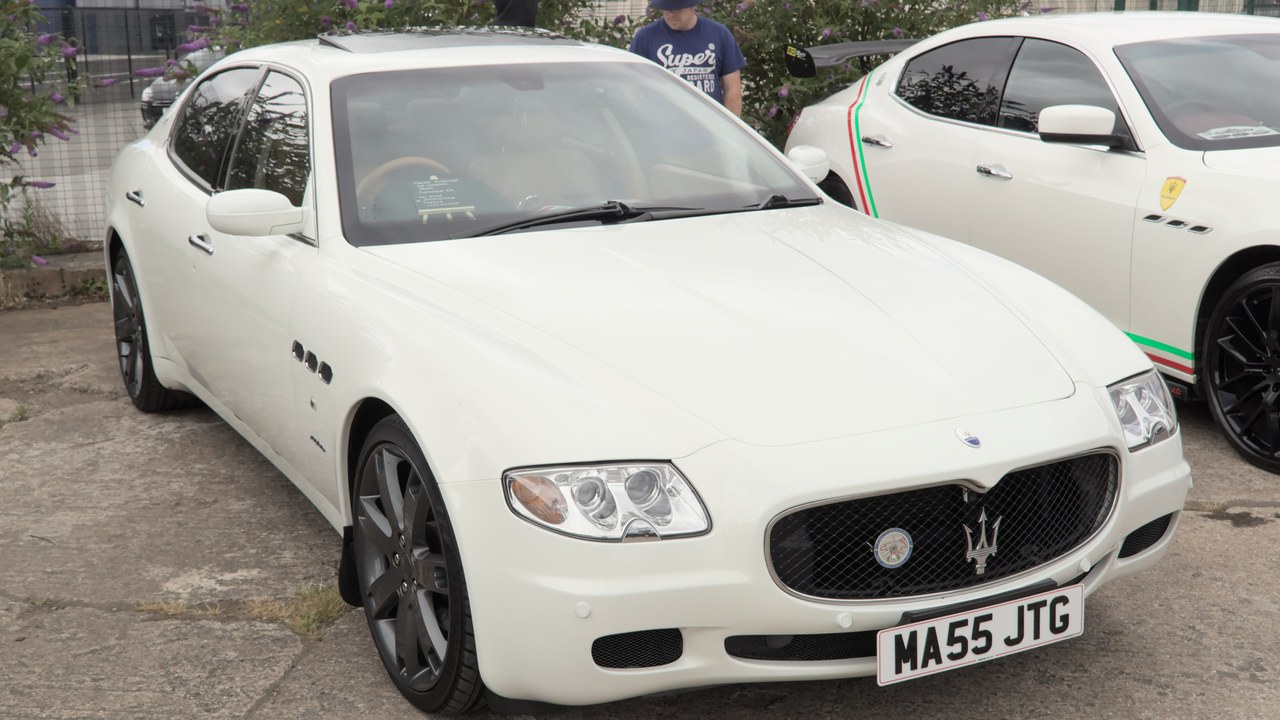
At the head of Insure.com’s 2026 rate ranking sits the Maserati Quattroporte, which averages $7,090 per year to insure. No other model on the list costs more. The figure describes full coverage for a 40-year-old male driver, so it works as a yardstick for comparing cars rather than a quote any particular owner should expect to receive.
Real premiums move with age, ZIP code, driving record and chosen coverage limits. A shopper eyeing a used Quattroporte is better served by pricing a policy on the exact car before signing anything, since the ranking mostly shows how far a large Italian luxury sedan sits from everyday family transportation.
2. BMW M8 Gran Coupe: Four Doors, Top of the Study
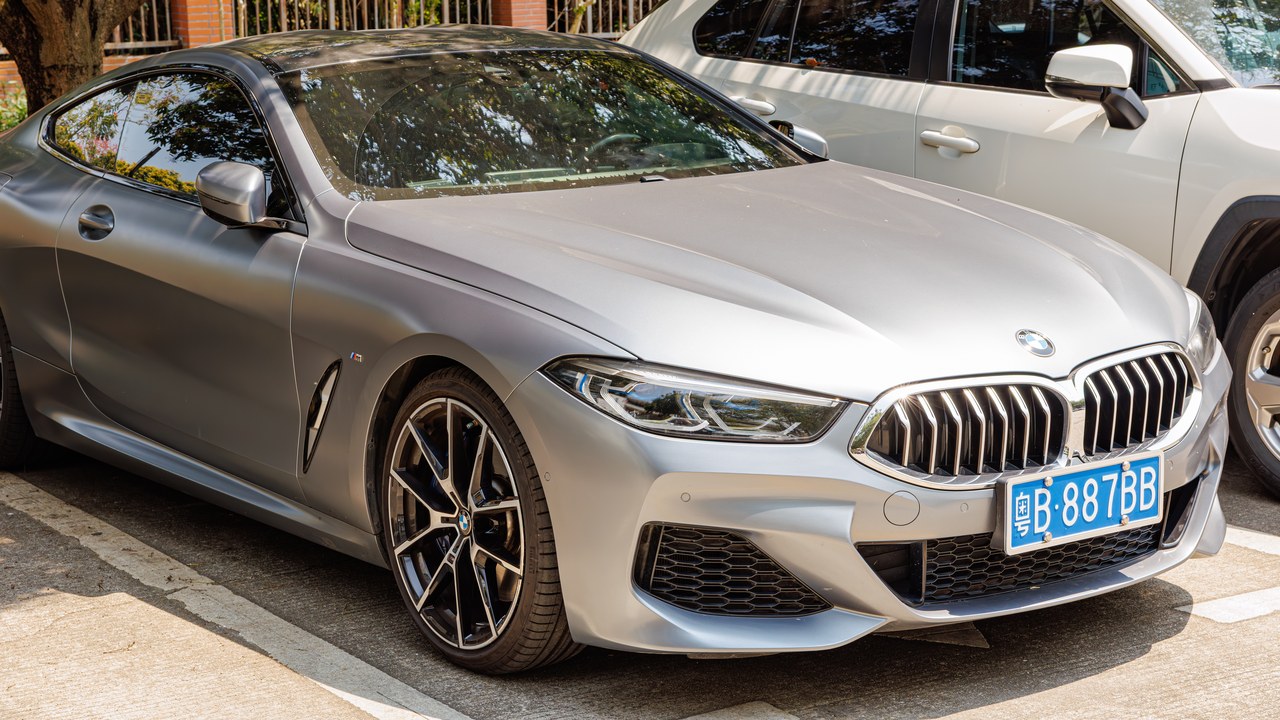
Full coverage on the BMW M8 Gran Coupe comes to $6,744 a year, the highest figure in CarInsurance.com’s 2026 ranking, as relayed in a Stacker-syndicated insurance ranking published in February. That puts the high-performance four-door at the top of a different dataset from the Maserati’s.
Two separate raters can reach different leaders because their methods and driver profiles differ. For a buyer, the practical lesson is to request quotes from several insurers on the specific trim, because a car that tops one list can land elsewhere on another.
3. BMW M5: A Super Sedan’s Steep Bill
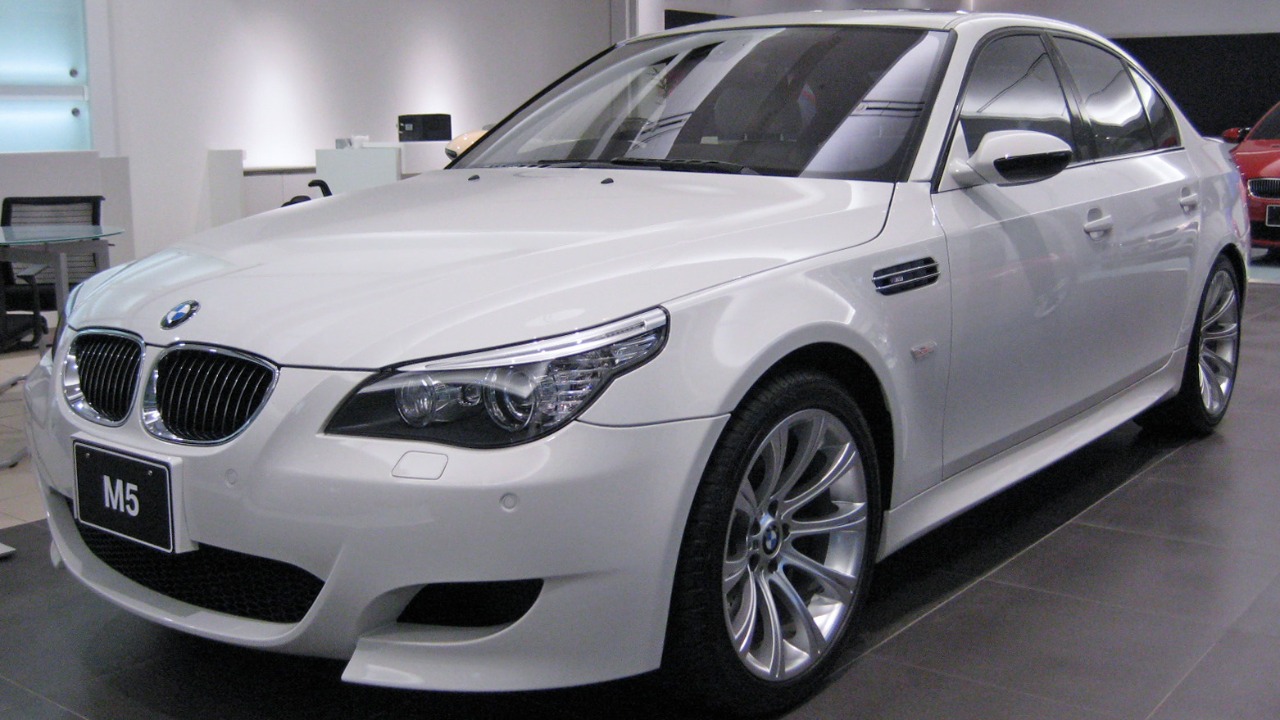
The BMW M5 carries an average of $6,593 a year for full coverage in CarInsurance.com’s 2026 study, which covered more than 3,000 models. Appearing near the top of a field that large says something about how insurers price a sedan built around high output.
The number is an average, not a promise. Owners of an M5 can expect their own rate to hinge on location, history and deductible choices, and anyone shopping the model should compare quotes early, ideally before committing to a purchase price.
4. Audi RS 7: Fourth on the Expensive List
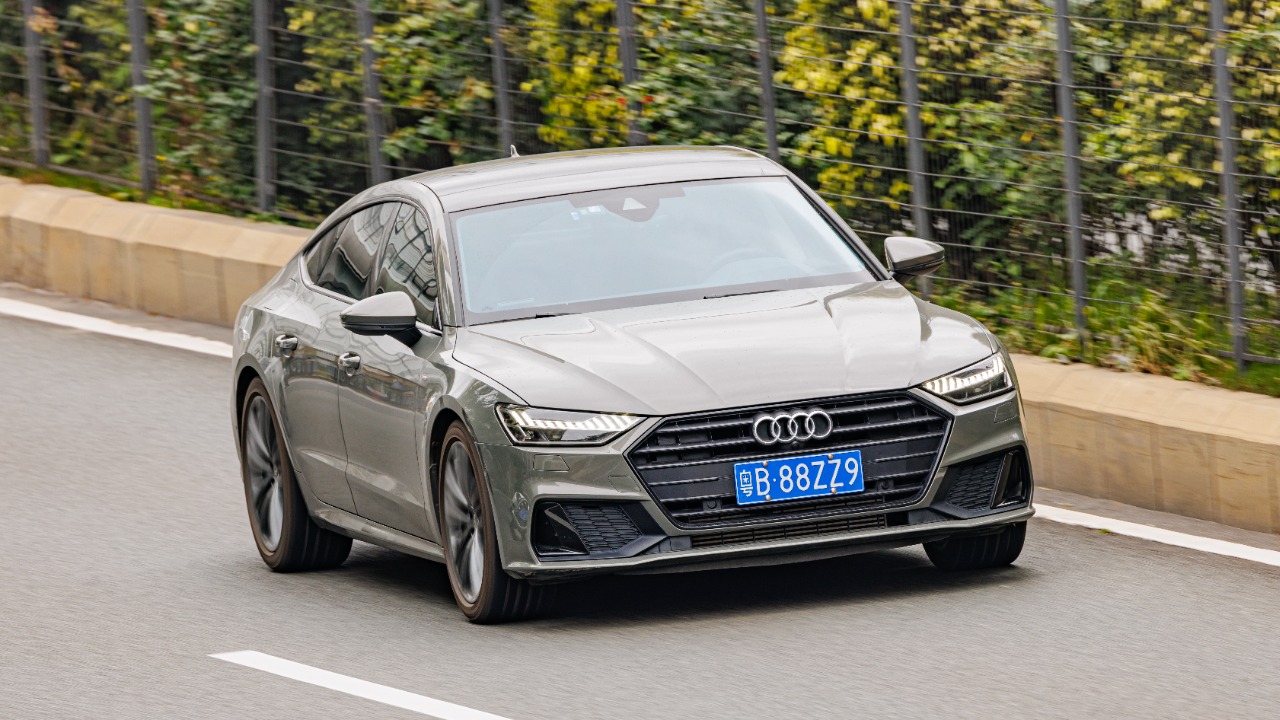
Insuring an Audi RS 7 costs an average of $5,792 a year, which makes it the fourth-highest entry on Insure.com’s ranking of costly models for 2026. Only three other cars on that list command a larger annual premium.
For a prospective owner, the sticker price is only part of the ownership math. A yearly insurance bill approaching $5,800 adds a considerable amount to the monthly cost of keeping a fast Audi hatchback on the road, and it deserves a place in the budget from the start.
5. Audi e-tron GT: The Electric Grand Tourer
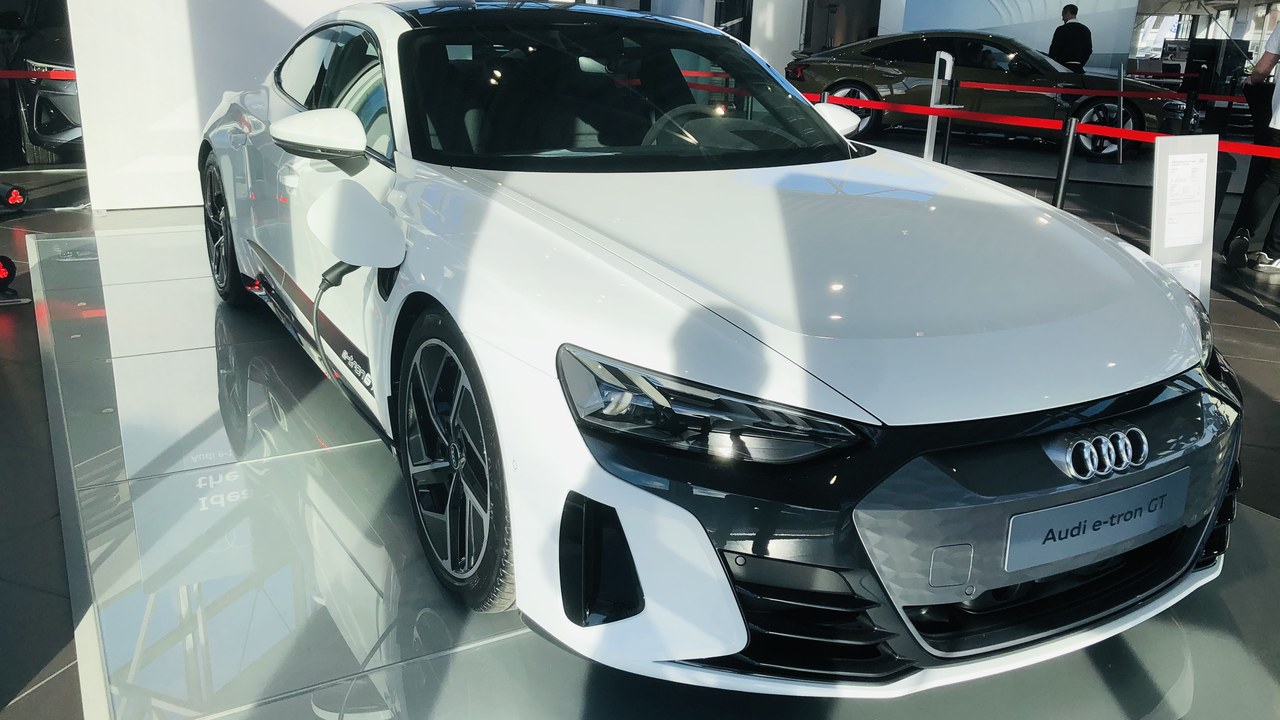
Among electric vehicles, the Audi e-tron GT ranks second for insurance cost, averaging $5,528 per year, according to Insure.com figures summarized in a MoneyLion piece on EVs from May 2026. Only one electric model costs more to cover.
Electric drivetrains often come with expensive batteries and specialized repair work, factors that commonly push premiums upward. Anyone considering an e-tron GT should get a quote before buying, and should ask whether the policy covers the battery pack and home charging equipment as well as the car itself.
6. Audi S8: A Flagship Sedan With a Price Tag
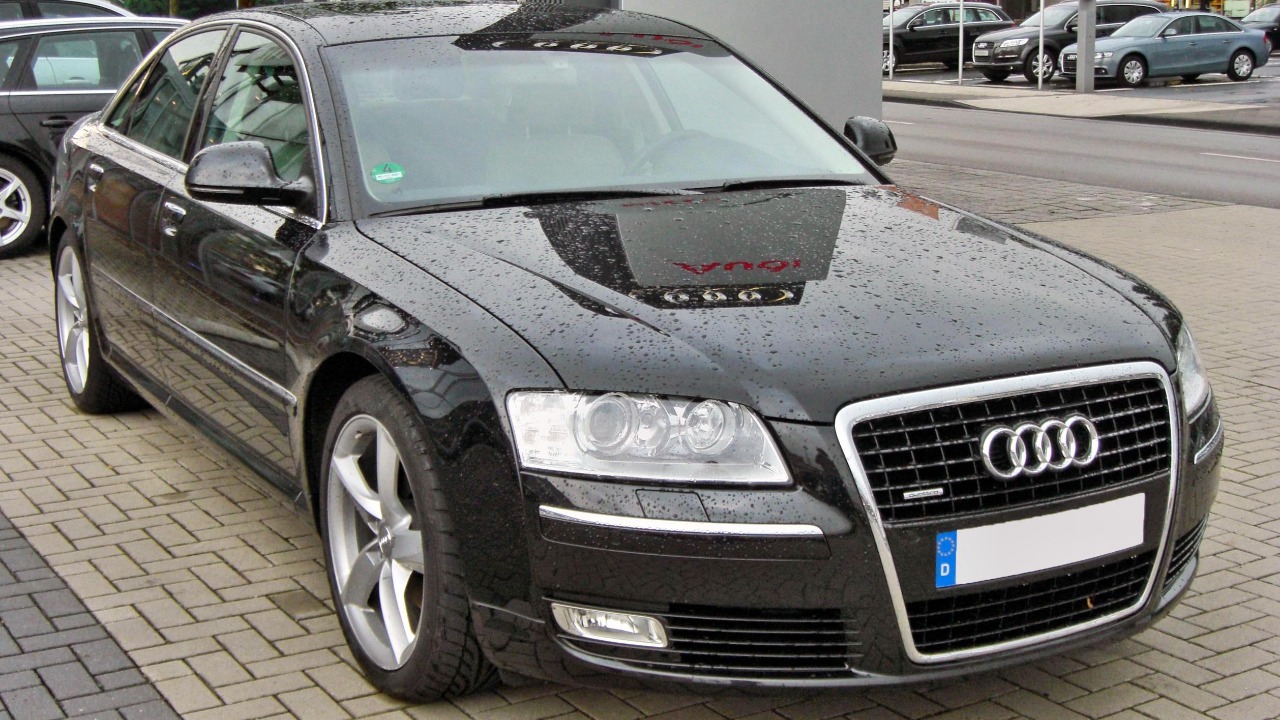
The Audi S8 averages $5,487 a year to insure on Insure.com’s 2026 rankings. Audi’s largest sedan, tuned for speed, lands comfortably in the group of cars whose annual premiums clear $5,000 by a healthy margin.
Large luxury sedans tend to be costly to repair and replace, and that expense shows up in rates. A buyer comparing the S8 with a lower-powered alternative could find the insurance difference alone is worth several hundred dollars every year, so side-by-side quotes are worth the effort.
7. BMW i7: The Electric Limousine
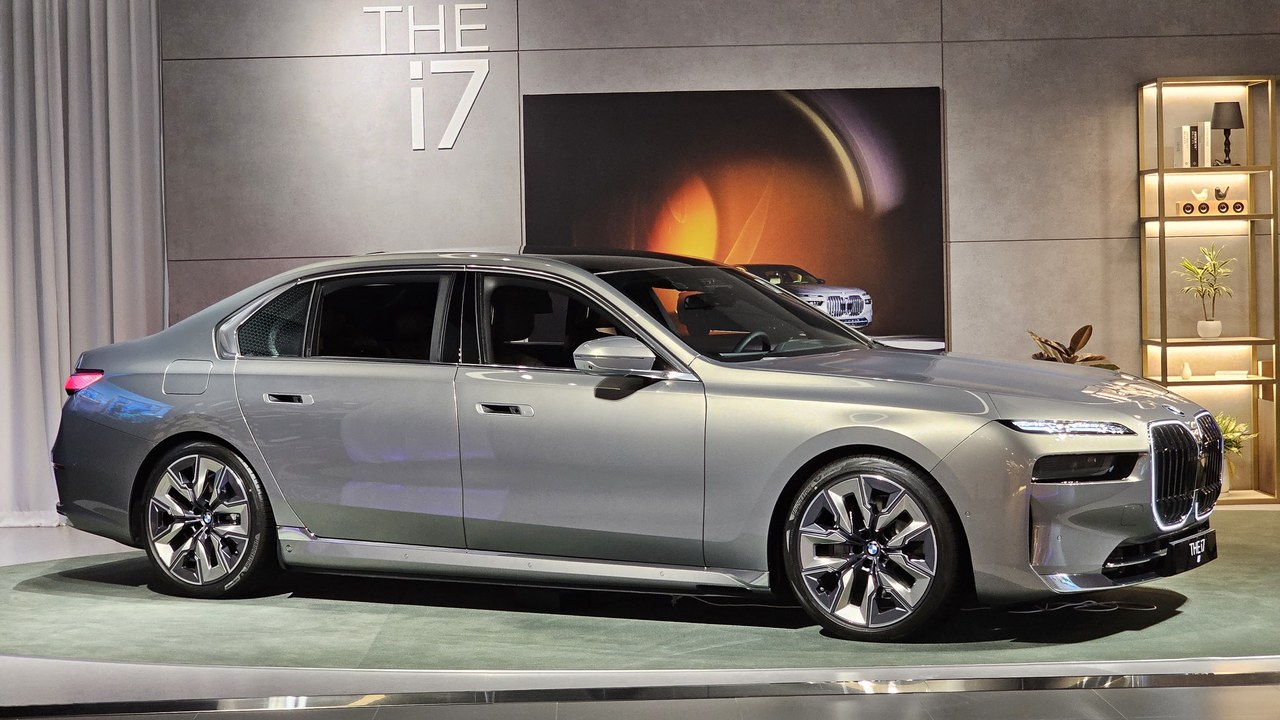
BMW’s electric flagship, the i7, carries an average insurance cost of $5,480 per year in Insure.com’s analysis, which a MoneyLion roundup of EV premiums reproduced in 2026. The figure puts the large electric sedan just behind the Audi S8 on the overall list.
A car this expensive to purchase also tends to be expensive to insure, since insurers price the cost of replacing it after a claim. Shoppers should confirm quotes with several carriers and check whether any discounts apply for features or for bundling with a home policy.
8. Mercedes-AMG G 63: The Boxy Luxury SUV

Mercedes-AMG’s G 63 averages $5,357 a year to insure on Insure.com’s 2026 premium ranking. The boxy, high-powered SUV is the only vehicle of its type among the cars named here, which otherwise lean toward sedans and sportbacks.
Its position suggests that a high purchase price and strong performance can raise insurance costs even in a body style that is not typically considered sporty. Owners of a G 63 should expect a premium well above that of a mainstream crossover, and quotes may vary widely by region.
9. Tesla Model S: The Original Luxury EV
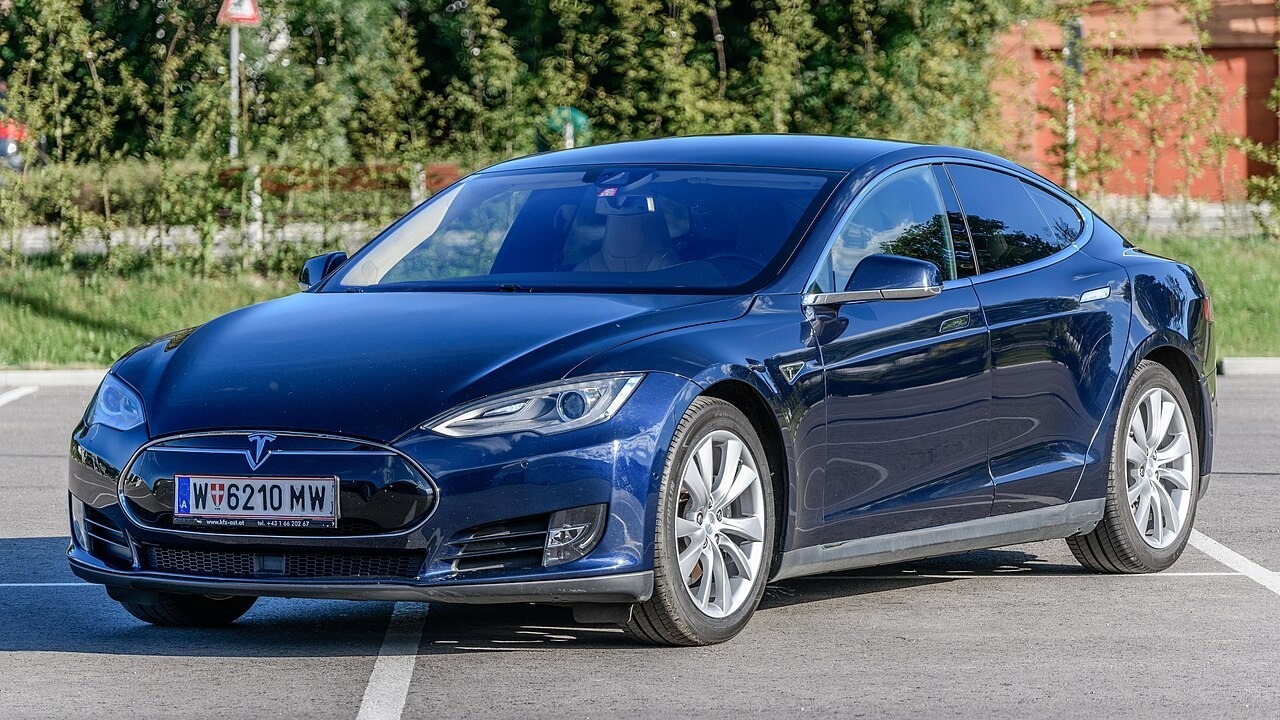
Tesla’s Model S averages $5,074 per year to insure, according to Insure.com’s analysis as reported in a MoneyLion look at EV costs. The long-running electric sedan therefore clears the $5,000 line by only a small amount, finishing just ahead of the Porsche Taycan.
For an owner, that is still a substantial yearly expense. Anyone weighing a Model S against a gasoline luxury sedan should include the insurance quote in the comparison, as running costs may offset the fuel savings that originally attracted them to an electric car.
10. Porsche Taycan: The Narrowest Qualifier
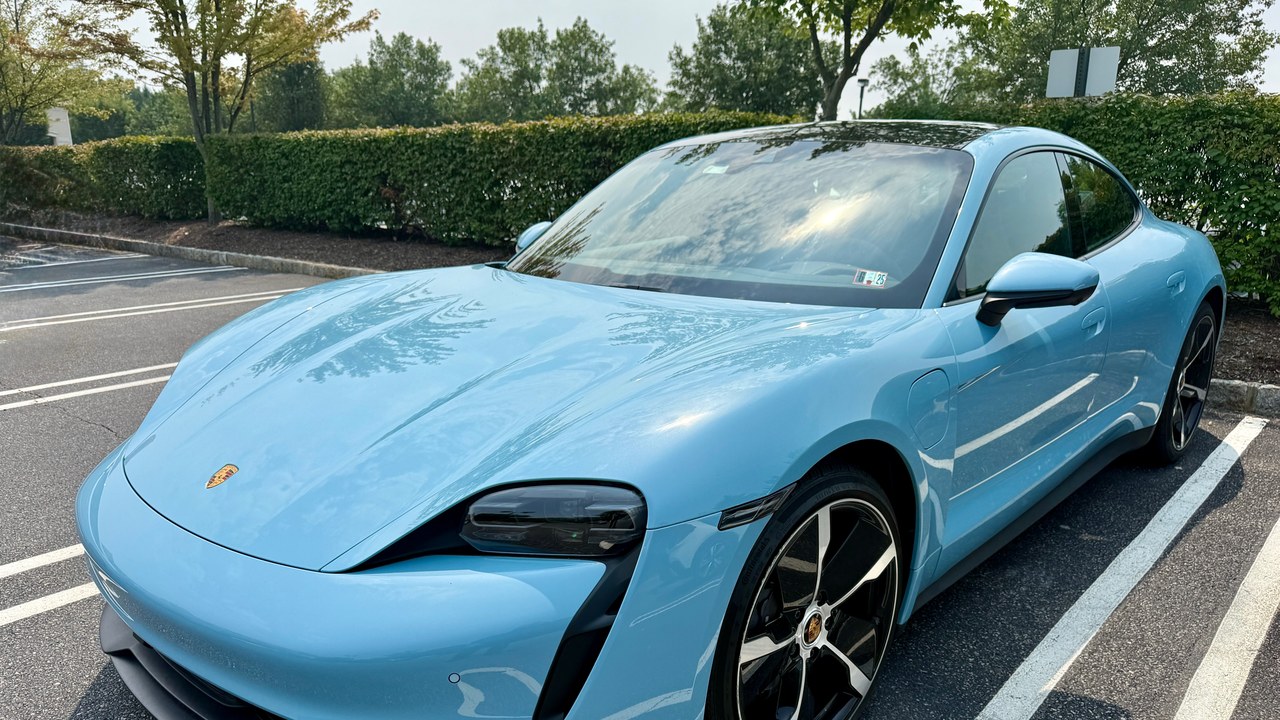
Closing out the list, the Porsche Taycan averages $5,073 a year to insure, per Insure.com’s analysis as presented in a MoneyLion article on EV insurance. That is the lowest figure among these ten, though it still clears the $5,000 threshold.
The gap between the Taycan and the Model S above it amounts to a single dollar, so the two are effectively tied. A buyer choosing between them would find that insurance cost does little to separate the pair, and other factors such as price and range matter more.
More from Morning Overview
- Hybrids have 15% fewer problems than gas cars, while EVs and plug-in hybrids have about 80% more, Consumer Reports finds
- Regulators cleared the first U.S. small modular reactor, 4 months early
- Lake Powell sank to a record 3,517 feet, nearing the level that stops Glen Canyon Dam’s turbines
- Seven of Earth’s nine planetary boundaries are breached, and all seven are worsening
