
Governments have fined automakers billions of dollars after finding that some cars didn’t perform the way they were sold. Some carried secret software that cut emissions controls the moment lab testing ended, while others simply reported fuel-economy numbers the vehicles never achieved on the road. Here are ten models tied to the largest of those penalties.
1. Volkswagen Jetta (2009–2014): The Best-Selling Defeat Device
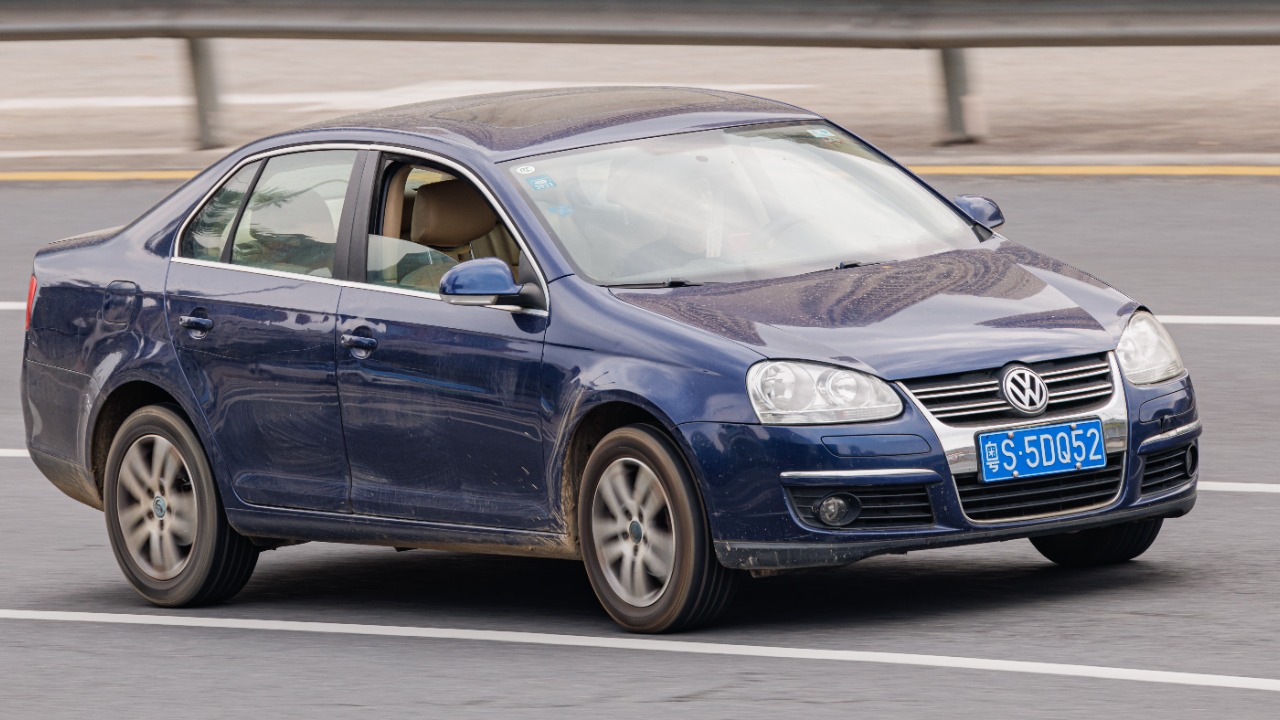
Built between 2009 and 2014, the Jetta ran Volkswagen’s EA189 “defeat device” software, code engineered specifically to recognize when the car was undergoing laboratory emissions testing. The moment that testing ended and the car returned to ordinary road driving, the same software quietly dialed back its emissions controls, letting real-world nitrogen oxide output climb as high as 35 times the legal US limit.
That gap between the clean lab number and the dirty road reality is what regulators eventually called a defeat device rather than an engineering flaw, and it made the compact sedan one of the vehicles most closely tied to the broader Volkswagen diesel scandal once investigators worked out how the software behaved.
2. Volkswagen Passat (2012–2015): Same Software, Bigger Sedan
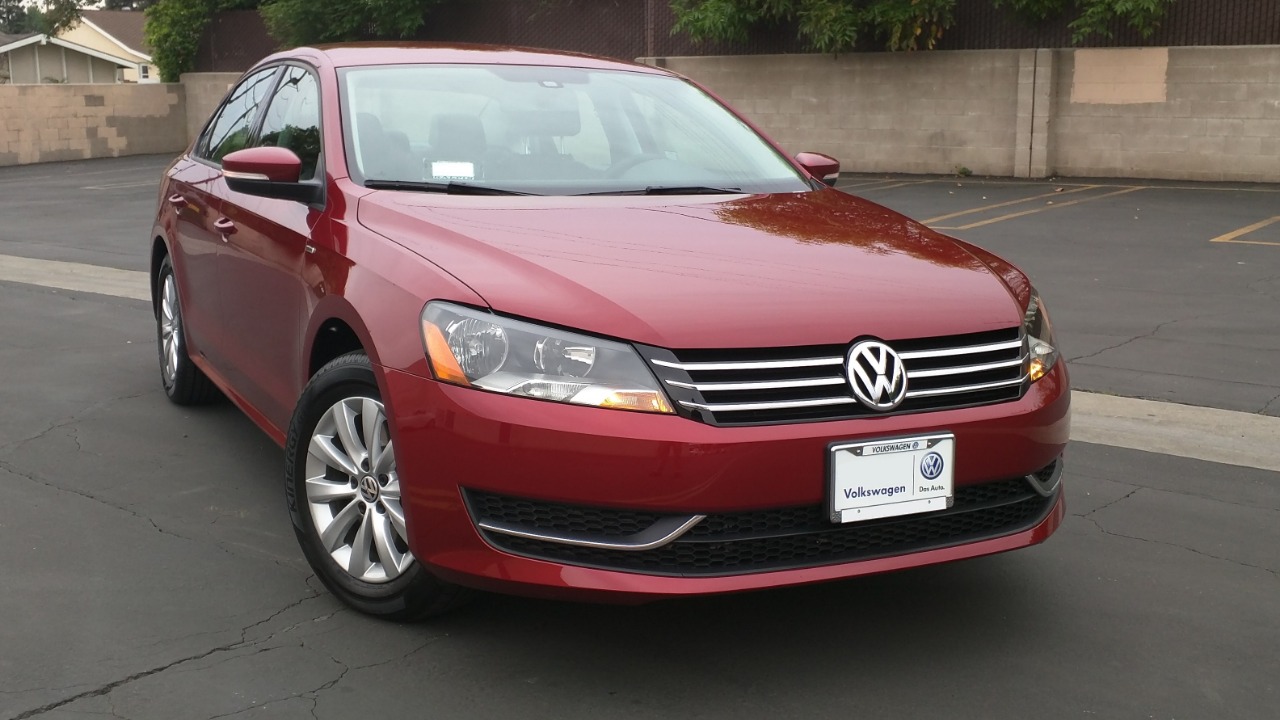
Sold in the US from 2012 through 2015, the Passat ran the same defeat-device calibration as the Jetta, and regulators found its on-road nitrogen oxide emissions exceeded the legal limit by five to twenty times once the car left the test cell and went back onto public roads.
Its inclusion showed the cheat wasn’t confined to one small hatchback: the same code sat under the hood of Volkswagen’s larger, higher-volume midsize sedan too, meaning the scandal reached buyers who thought they had chosen a roomier, more mainstream diesel family car.
3. Audi A3 (2009–2013, 2015): Volkswagen’s Own Badge Implicated
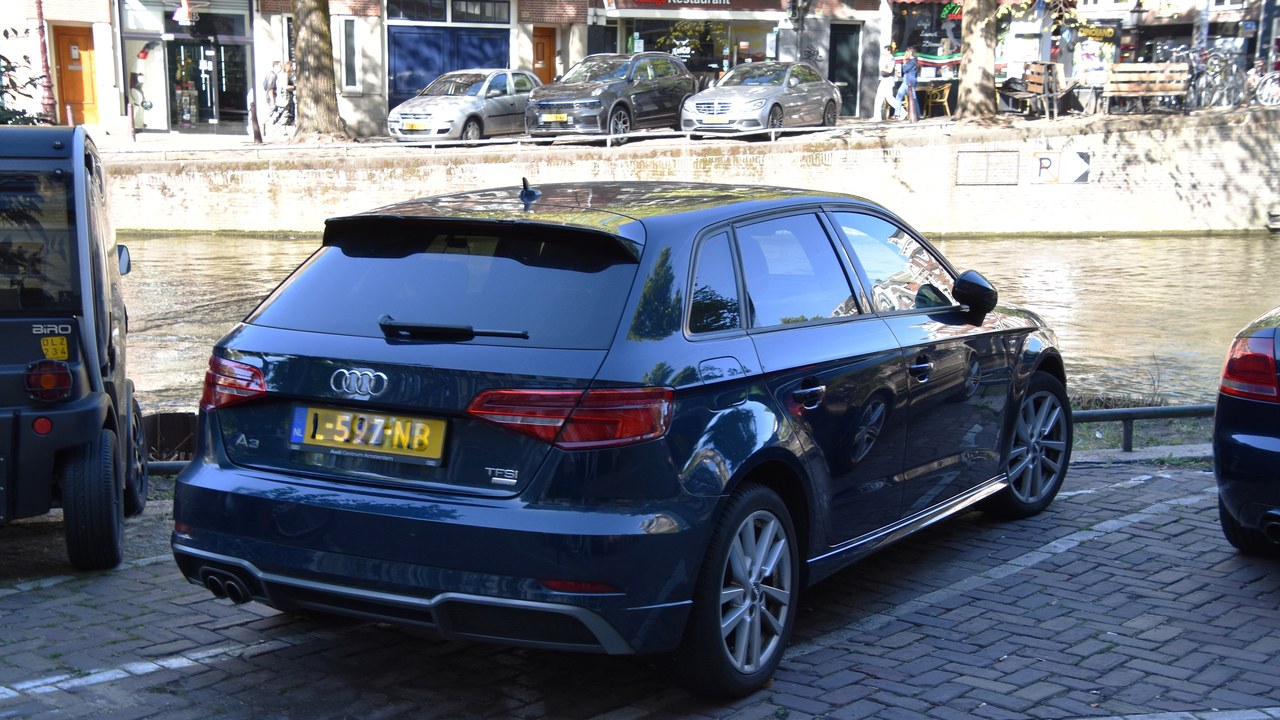
Built across 2009 through 2013 and again in 2015, the A3 carried the same EA189 defeat device fitted to its Volkswagen-badged siblings, part of a scheme the company deployed in roughly 11 million cars worldwide, including about 500,000 sold in the United States.
Its presence on the list showed the scandal wasn’t limited to Volkswagen’s own nameplate: the defeat device reached into Audi’s compact lineup as well, implicating the automaker’s more upscale badge rather than only its cheaper mainstream models.
4. Porsche Cayenne (diesel): The Software Reaches an SUV
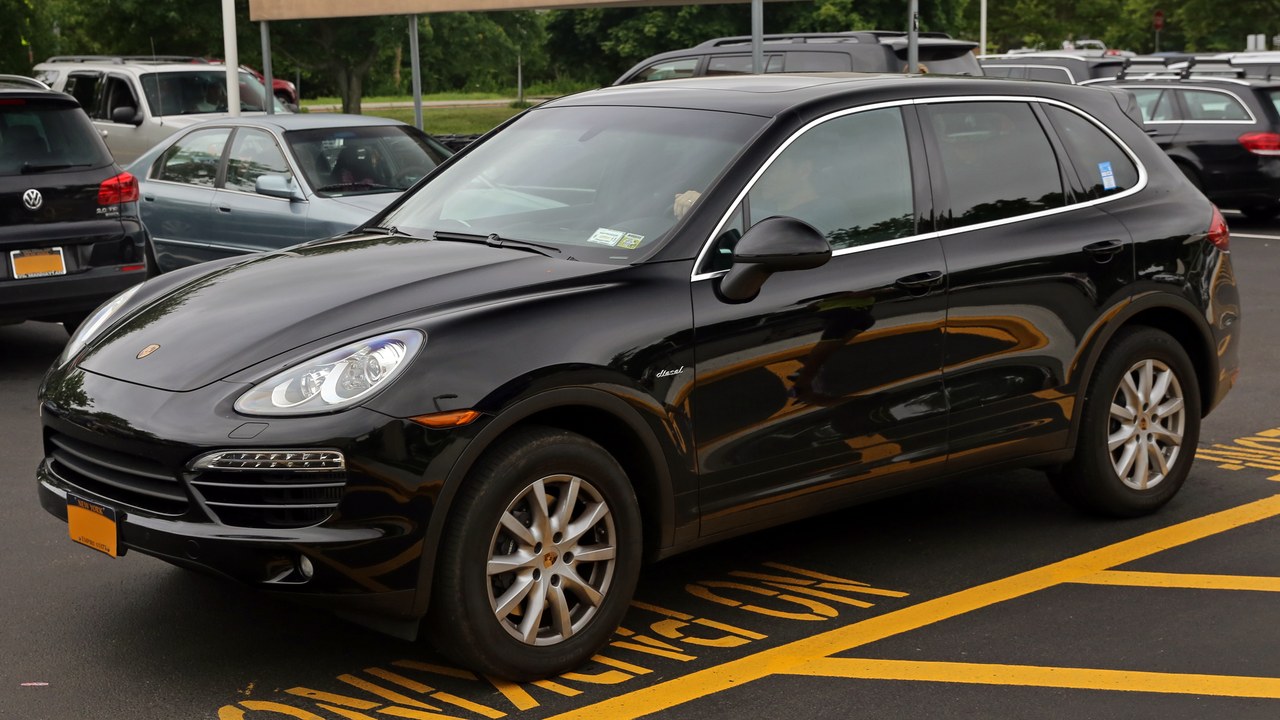
The diesel Cayenne was named among the Volkswagen Group brands whose vehicles carried the emissions-cheating defeat device software, extending a scandal that started with compact cars like the Jetta and the A3 into Porsche’s full-size luxury SUV lineup as well.
Its inclusion underscored how far the software had spread inside the Volkswagen Group’s shared diesel engineering: the same underlying defeat-device code found in cheaper sedans also sat under the hood of one of the group’s most expensive and best-known SUVs, reaching buyers far removed from the compact-car segment most associated with the scandal.
5. Ram 1500 EcoDiesel (2014–2016): A $305 Million Truck Problem
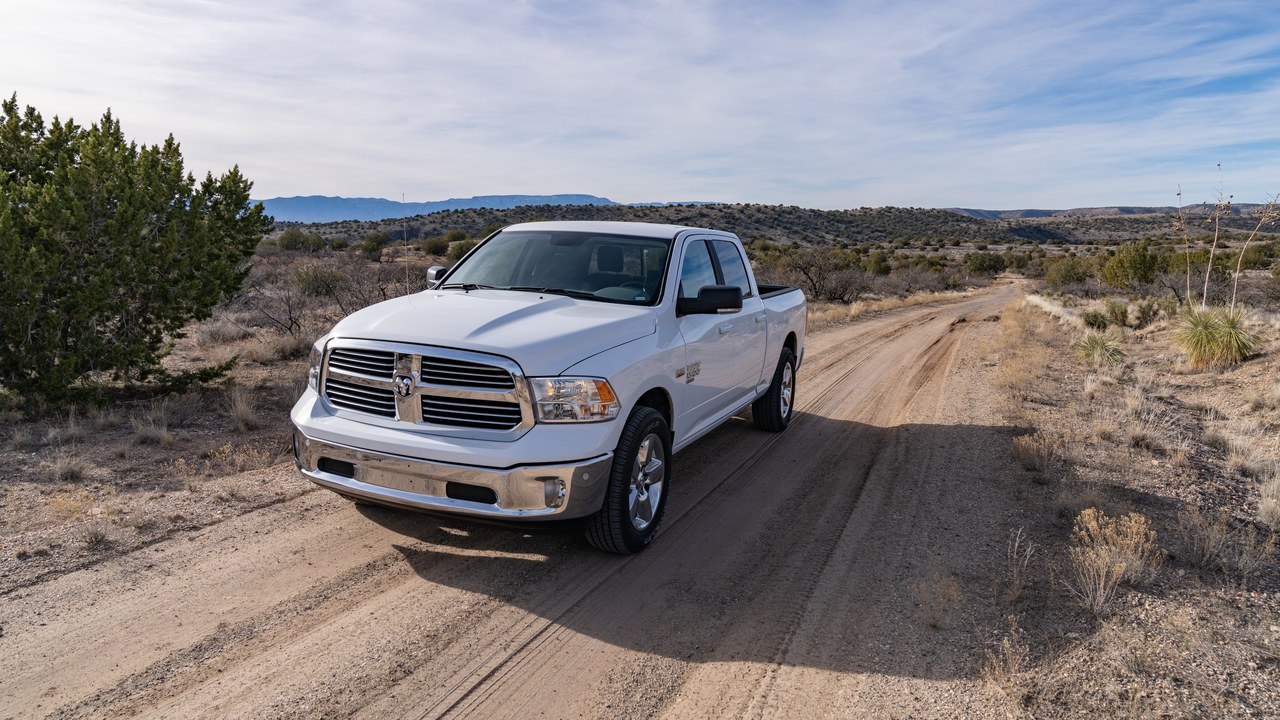
Built for the 2014 through 2016 model years, the Ram 1500 EcoDiesel was found by federal regulators to carry undisclosed software functions and defeat devices on roughly 104,000 trucks, functions that were never disclosed when Fiat Chrysler certified the vehicles for sale, part of a $305 million civil penalty the automaker paid to settle Clean Air Act claims.
The finding tied a mainstream, light-duty American pickup to the same category of emissions cheating that had already engulfed Volkswagen, showing regulators the practice wasn’t limited to European diesel sedans built around lab-test compliance, but had reached a truck built and sold across the United States.
6. Jeep Grand Cherokee EcoDiesel (2014–2016): The Shared Diesel Engine’s Twin
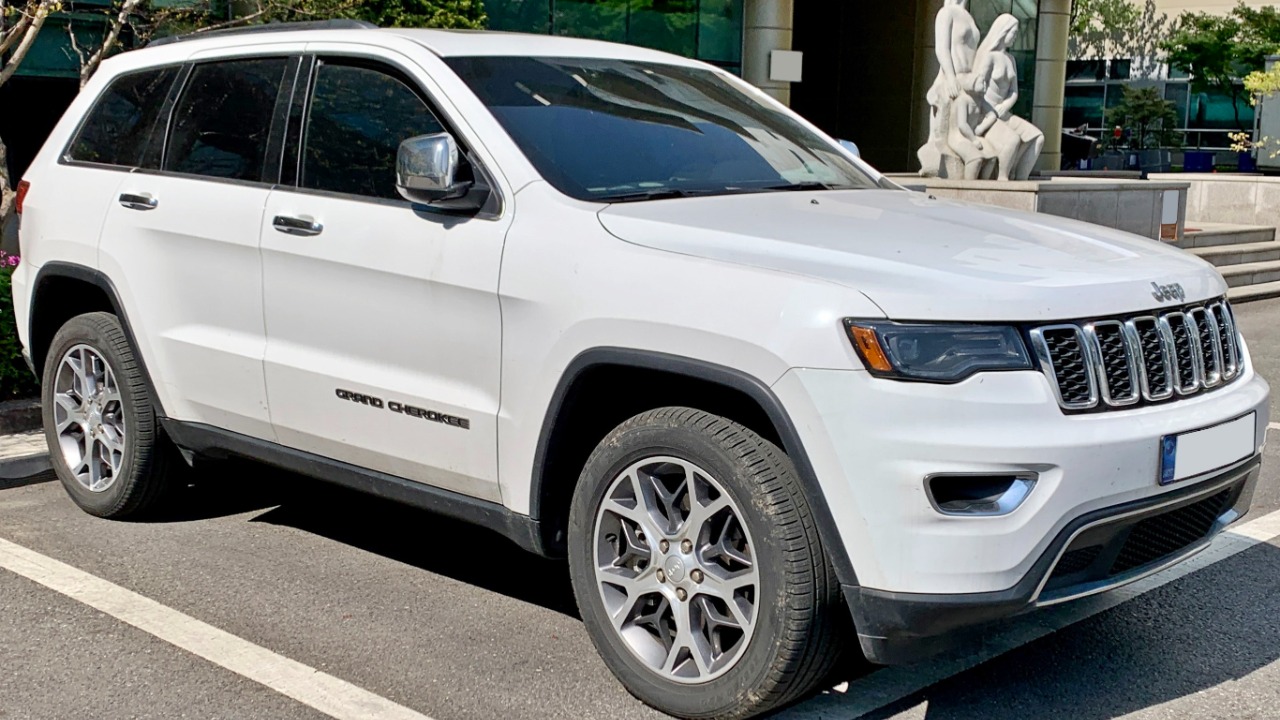
Built for the same 2014 through 2016 model years as its Ram sibling, the Grand Cherokee EcoDiesel shared the identical defeat-device-equipped diesel engine, landing it in the same Clean Air Act settlement that EPA and the Justice Department reached with Fiat Chrysler.
Because the SUV and the pickup used the same light-duty diesel engine under two very different bodies, regulators treated them as a single violation rather than two separate cases, meaning the settlement covered a family hauler as readily as it covered a work truck built for towing.
7. Ram 2500/3500 (Cummins diesel, 2013–2019): The Largest Clean Air Act Fine Ever
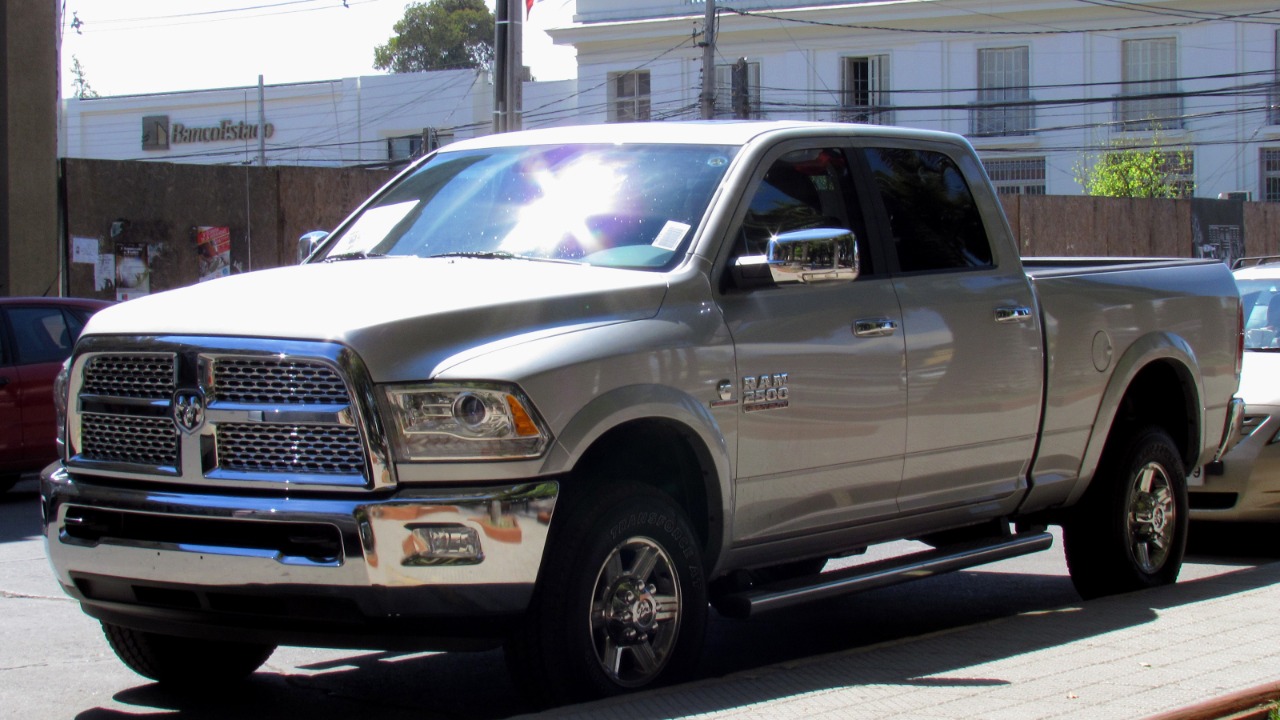
Spanning the 2013 through 2019 model years, more than 630,000 Ram 2500 and 3500 trucks built with Cummins diesel engines were fitted with illegal defeat devices, triggering a $1.675 billion civil penalty, the largest ever handed down in a Clean Air Act case.
The sheer scale of the heavy-duty settlement dwarfed the earlier EcoDiesel case against the smaller Ram 1500, showing the practice extended deep into the workhorse trucks that fleets, contractors, and towing-heavy buyers rely on for daily, high-mileage hauling.
8. Hyundai Elantra (2012–2013): Inflated Mileage, Not a Defeat Device
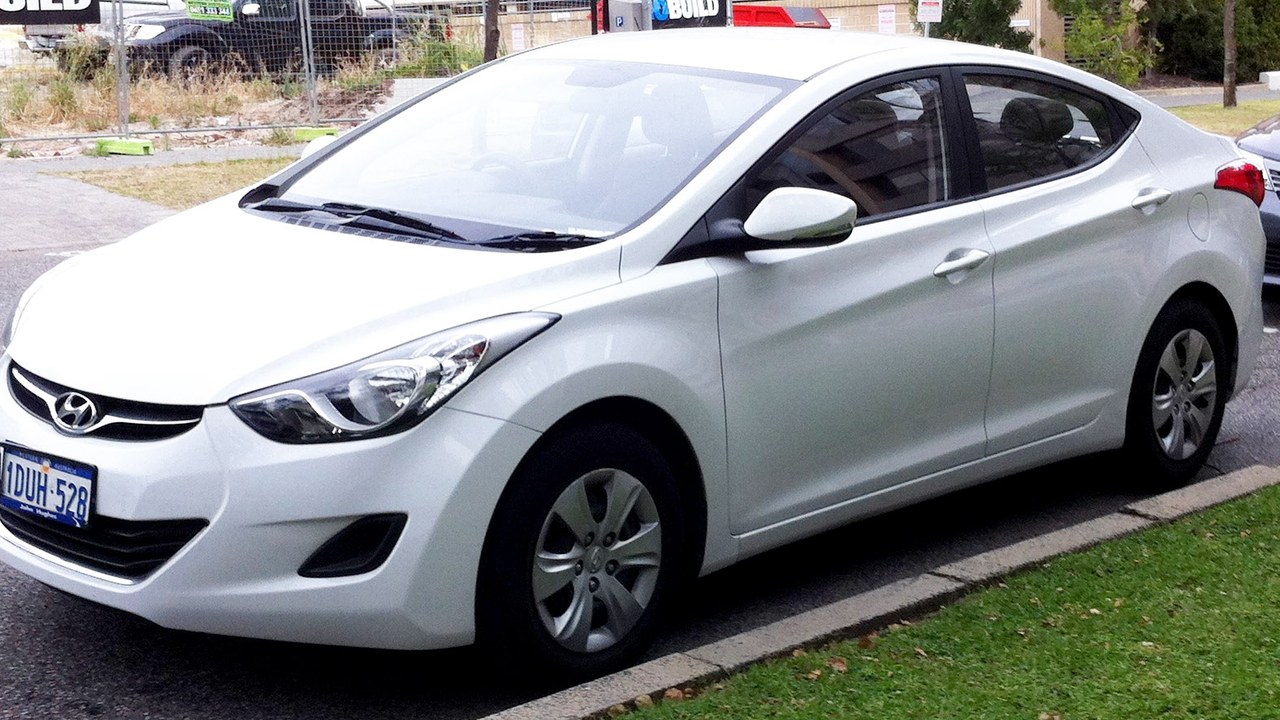
Sold for the 2012 and 2013 model years, the Elantra was part of roughly 1.2 million Hyundai and Kia vehicles whose fuel economy was overstated by one to six miles per gallon, triggering a $100 million penalty that was then the largest in Clean Air Act history.
Unlike the Volkswagen and Fiat Chrysler cases, this settlement centered on inflated window-sticker mileage claims rather than a hidden defeat device, but it carried the same underlying message: the certified numbers didn’t match the cars as they were actually built and sold to drivers.
9. Kia Soul (2012–2013): A Crossover Caught in the Same Net
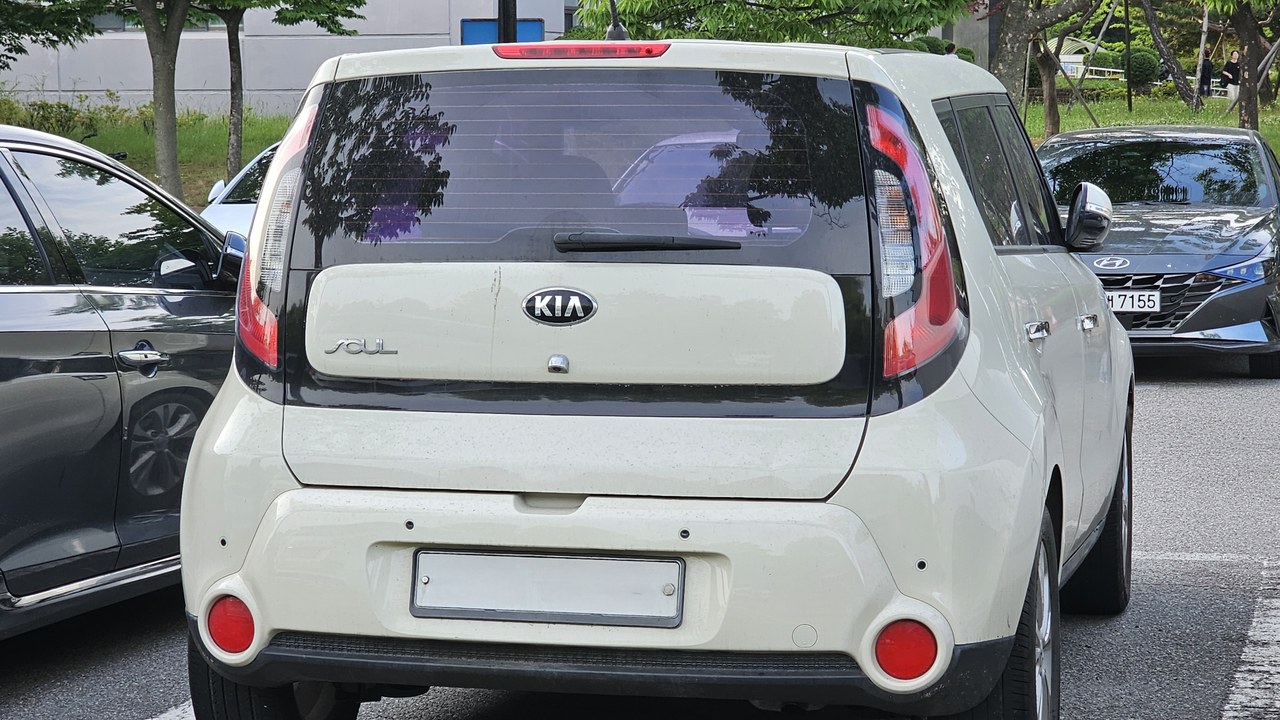
Built for the 2012 and 2013 model years, the Soul was one of the Kia models named in the same $100 million settlement, after regulators found its fuel economy and greenhouse-gas emissions didn’t match what the automaker had certified to the EPA when the vehicles were approved for sale.
Its inclusion alongside sedans from both Hyundai and Kia showed the overstatement problem crossed body styles as well as brands, reaching a boxy, youth-oriented crossover rather than staying limited to conventional family cars in the settlement.
10. Kia Rio (2012–2013): The Settlement’s Other Kia
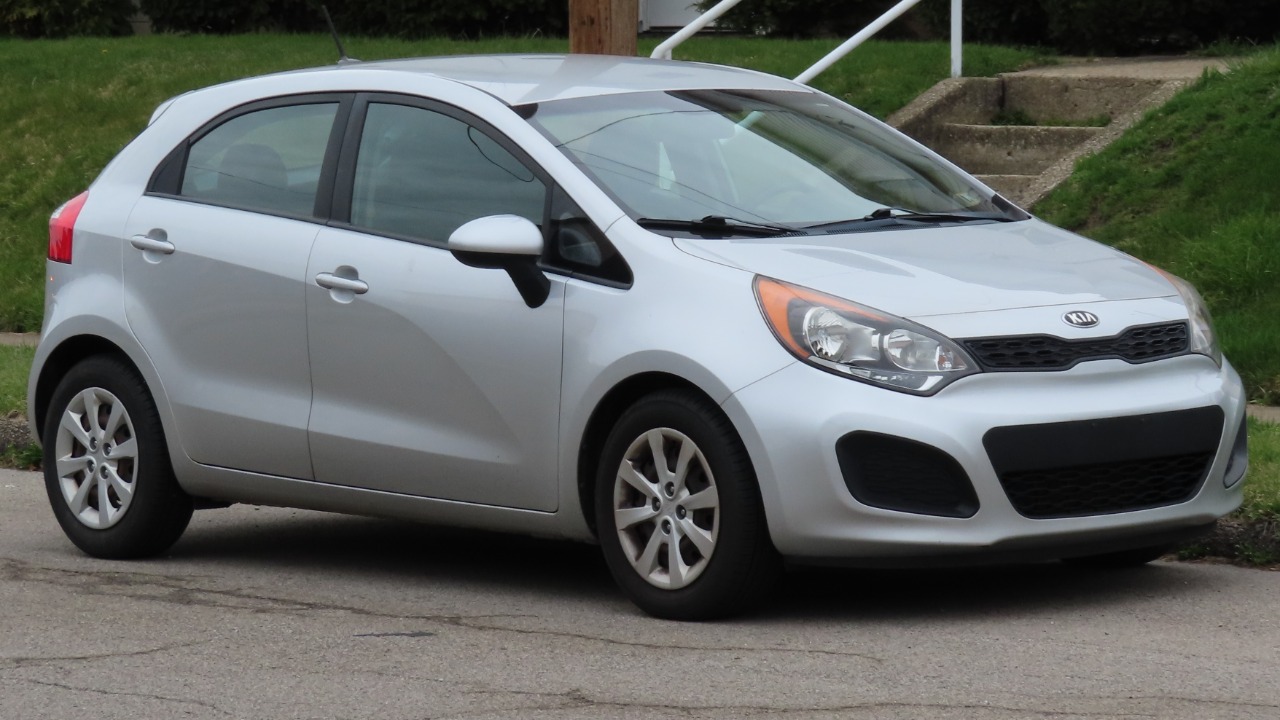
Also built for the 2012 and 2013 model years, the Rio was the other Kia model swept into the settlement, after its certified fuel-economy specifications failed to match the vehicles the company actually manufactured and sold to US buyers during those two years.
Together with the Soul, it rounded out the roughly 1.2 million Hyundai and Kia vehicles caught up in what regulators at the time called the largest Clean Air Act penalty of its era, spanning two brands and four nameplates in one settlement.
More from Morning Overview
- Amazon’s Prime refunds are rising to $200 as millions more customers become eligible
- A handful of car engines are so tough mechanics say they almost never wear out
- The NSA is again telling phone owners to switch off one location setting
- Supplements now rank as the fifth-leading cause of death from liver disease.
