
Venezuela’s twin earthquakes of June 24, 2026 killed thousands and sit at the center of a year of deadly tremors. These slides follow the year’s strongest quakes, from Mindanao and Kumamoto to Colombia and Panama. They close with a Peruvian shock on November 20 and a deep Pacific quake on November 23 that did no damage.
Read next on Morning Overview: A Swiss mountain pass that melting ice keeps opening up has given up a 4,000-year-old bronze neck ring
La Guaira, Venezuela: The Twin Quakes That Define 2026
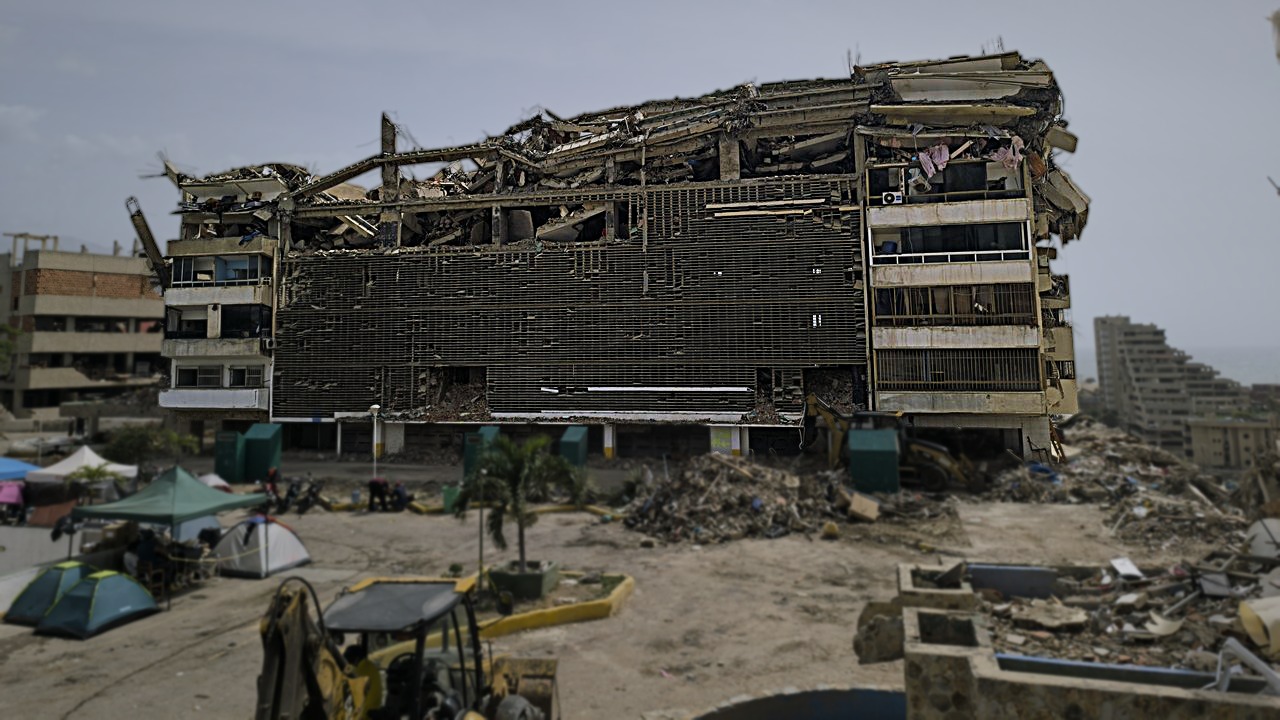
Two quakes of magnitude 7.2 and 7.5 struck Venezuela on June 24, 2026, and nearly 200 buildings collapsed, mostly in the coastal state of La Guaira. A Khaleej Times roundup of the year’s deadliest tremors counted 6,301 dead from the twin quakes as of August 10, with rescue teams and families still sifting through rubble.
More than 73,000 people had been attended in hospitals by that date, and 23 per cent of the debris had been removed. The USGS PAGER system had projected a death toll that could exceed 10,000, and interim President Delcy Rodriguez said the country tapped $346 million from the IMF for reconstruction. This disaster anchors the year.
San José del Palmar, Colombia: A Deep Quake Felt Nationwide
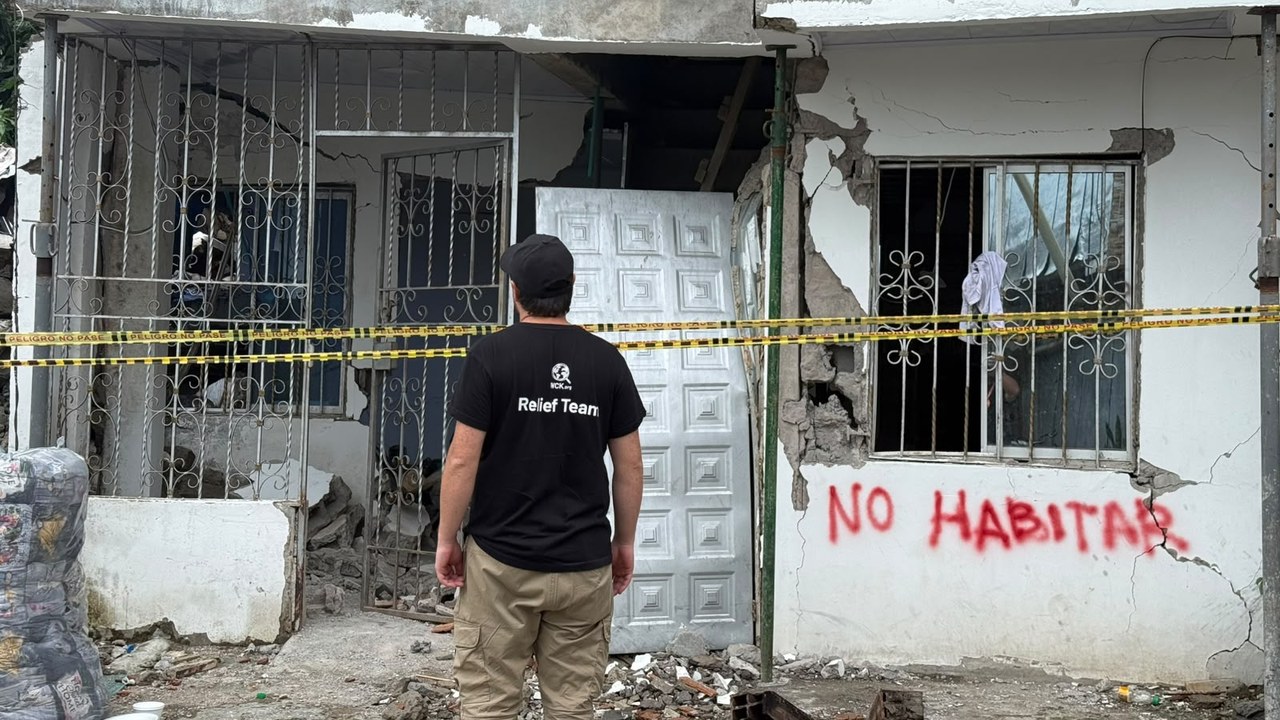
On August 10, 2026, a magnitude 7.4 earthquake struck near San Jose del Palmar in Choco, a sparsely populated province on Colombia’s Pacific coast. As the Khaleej Times account notes, the USGS put the depth at 107 km, yet the shaking was felt in major cities nationwide.
Colombia’s association of capital cities counted 132 dead and more than 570 injured by Monday afternoon. President Abelardo de la Espriella, three days into the job, declared a state of emergency. Flights were suspended at airports including Pereira, Manizales, Quibdo, Armenia, Cartago and Buenaventura while inspectors checked for structural damage. A later Reuters report put the Colombian toll above 300.
Mindanao, Philippines: The Deadliest Philippine Quake
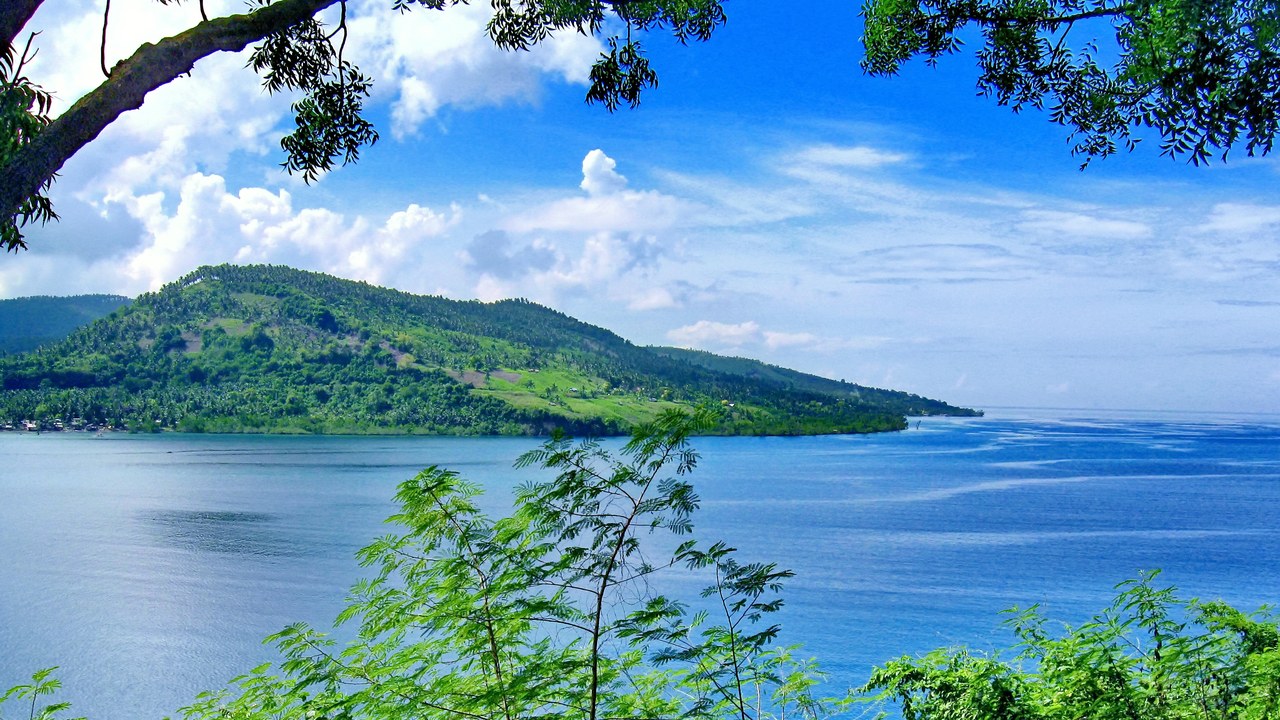
The deadliest earthquake to hit the Philippines in 2026 was a magnitude 7.8 off Mindanao on June 8, according to the Khaleej Times list. It triggered tsunami warnings and widespread damage, and was described as among the most destructive in the country in five decades.
At least 106 people died, more than 1,300 were hurt and seven were reported missing. PHIVOLCS warned of a tsunami for nine provinces, including Sarangani and Davao Occidental, and coastal residents were evacuated. Landslides struck southern Mindanao, with 70 causing damage, and one blockage in Sarangani created a new lake. More than 6,000 aftershocks had followed by the time of the report.
Kumamoto, Japan: Summer Shaking In Kyushu
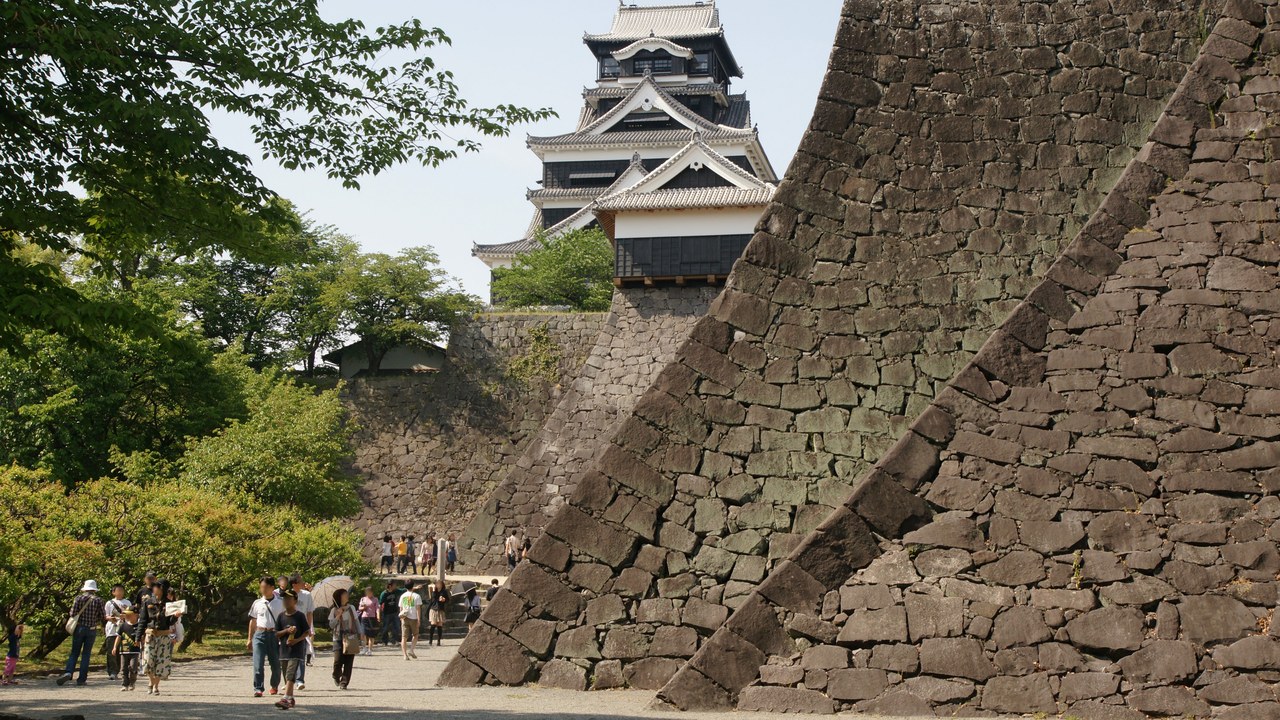
A powerful earthquake struck Kumamoto Prefecture on Kyushu island in July 2026, and the Khaleej Times summary lists the date as July 28. The Japan Meteorological Agency measured it at magnitude 7.1, while the USGS recorded 6.8. It caused structural collapses, fires and a brief tsunami advisory.
At least 39 people died and more than 170 were injured. Homes were flattened, bridges damaged and tens of thousands left without power and water in soaring heat, while factories including Tokyo Electron and Honda temporarily halted local operations. The Aeon shopping mall was evacuated and then gutted by a blast about 50 minutes later. More than 6,000 people were still in shelters by August 10.
Southern Panama: A Quake Short Of A Catastrophe
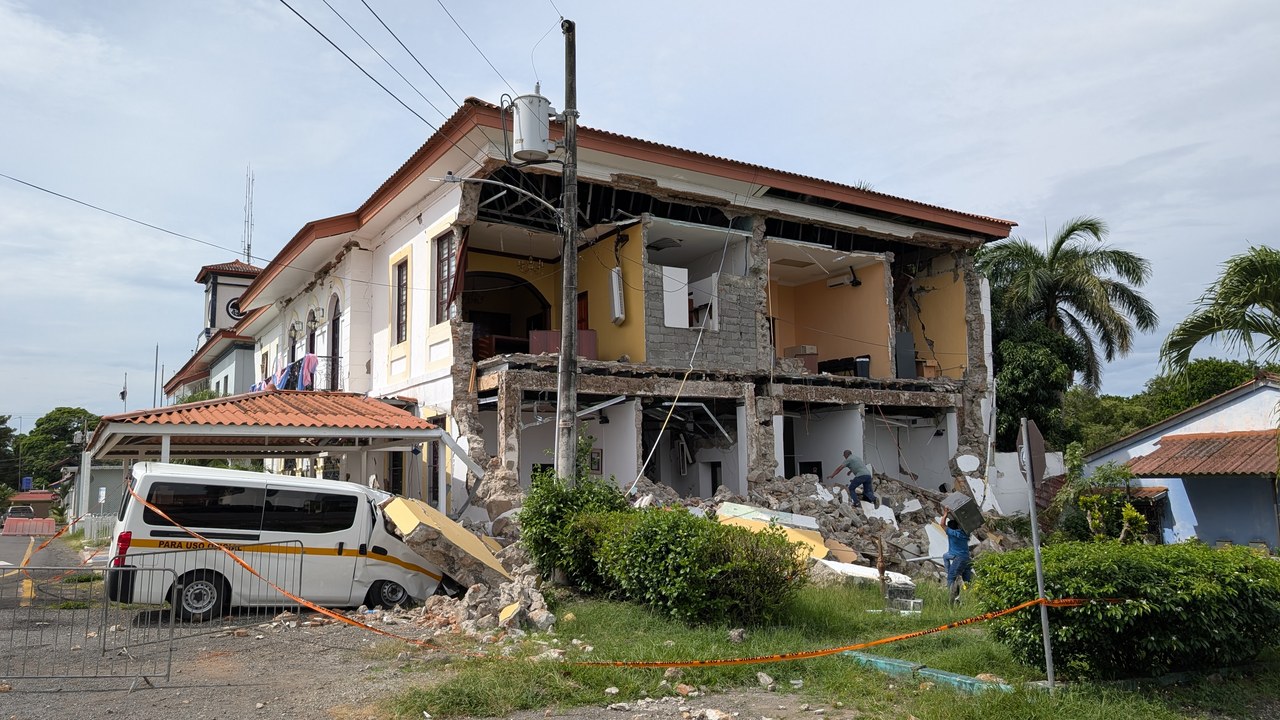
A magnitude 7.7 earthquake struck southern Panama on October 9, 2026, damaging buildings and sending thousands into the streets, according to a Reuters report on KSL. The USGS placed it 12.6 km deep, with an epicenter in a sparsely populated area about 200 km from the capital.
No deaths or injuries were immediately reported, so the country appeared to have escaped the destruction seen in Venezuela and Colombia. A USGS exposure report estimated about 43,000 Panamanians lived in areas of at least severe exposure, against nearly 1.4 million near the Venezuelan quakes. Panama’s geosciences institute linked the shock to the Azuero Sona Fault System, and the USGS estimated losses of 1% to 10% of GDP.
Penonomé: Where The Quake Damaged Buildings
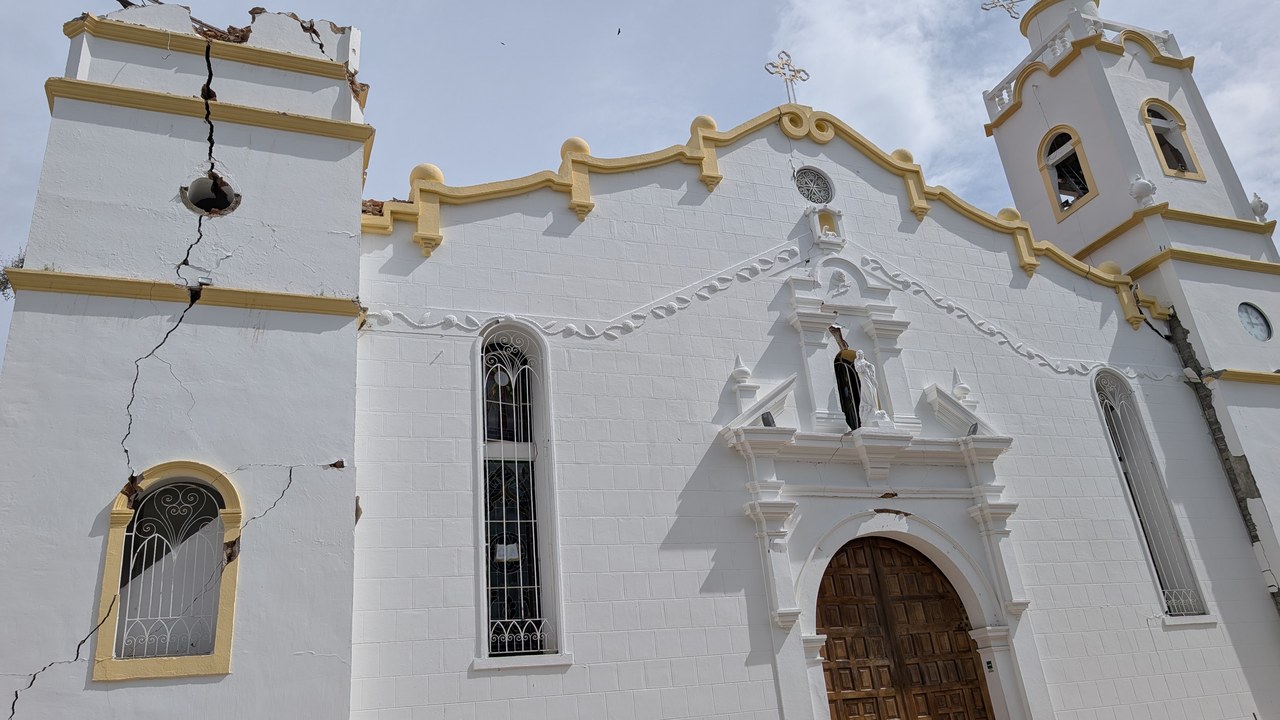
President Raul Mulino traveled to Penonome, a city about halfway between the epicenter and Panama City, where some buildings collapsed and a church was damaged. The visit is described in the same Reuters dispatch that reported the October 9, 2026 quake.
Even so, the report said impacts were also felt in Chitre, the capital of Herrera province, and along the coast in Los Santos province. Naturgy reported power outages in six provinces, and civil protection chief Omar Smith described the effects to a local outlet. In Herrera, a 74-year-old resident said his house had cracked and he feared it could fall.
Panama Canal: The Canal Kept Running
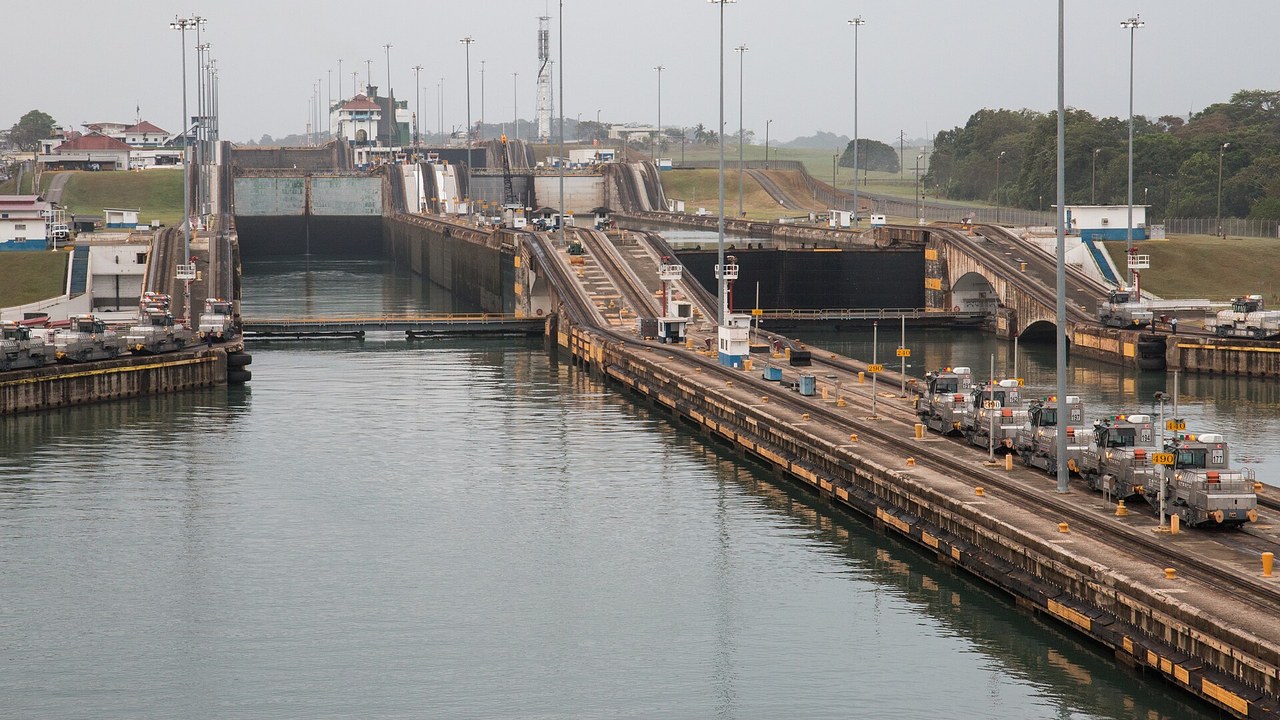
The Panama Canal reported normal operations in the hours after the October 9, 2026 earthquake, along with the Cobre Panama copper mine, the Reuters report said. That held even as more than 40 aftershocks rattled the isthmus.
The continuity mattered because the quake was strong and long. Panama’s geosciences director counted 40 seconds of vibrations in Panama City, and one Panama City resident called it the longest shaking she had felt in years. Strong earthquakes are not common in Panama, and some elderly residents were in tears as they evacuated into the streets. Still, the shipping route and the mine were spared any reported halt.
Tocumen International Airport: Flights Resume After The Shock

Tocumen International Airport lifted a suspension on flights within hours of the October 9, 2026 quake, the Reuters story reported. Thousands had poured into the streets of downtown Panama City, and office workers worried about getting home through the traffic snarl.
One economy ministry employee said buildings had been evacuated and everyone was outside, and wondered how he would get home. Reuters noted that Panama had been due to hold a national evacuation drill the following Monday to test its emergency response. The airport reopening, alongside the canal and the mine, was part of the early evidence that the country had avoided widespread destruction.
Junín, Peru: A Smaller Quake With Real Losses
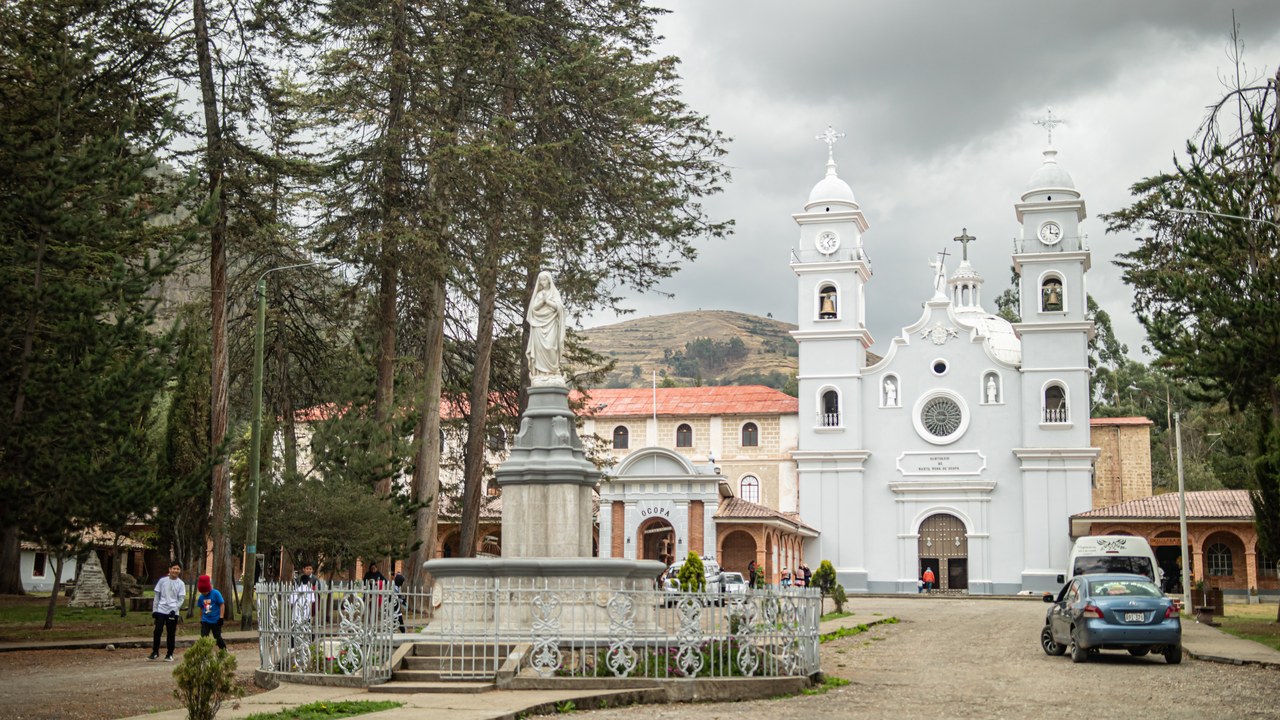
A magnitude 6.7 earthquake struck the Junin region of Peru on November 20, 2026. The PAHO monitoring report of November 23, citing Peru’s civil defense institute INDECI, recorded one death, 15 injuries and 853 people left homeless, with 632 affected across several regions.
INDECI counted 195 houses damaged and 152 rendered uninhabitable, plus 29 health care facilities and 10 educational institutions affected. Damage also included 300 meters of roads and one bridge. A state of emergency covers several districts of Huanuco, Junin and Pasco from November 22, 2026 to January 20, 2027, and damage assessments were still ongoing.
Vanuatu region: The Quake That Did Nothing
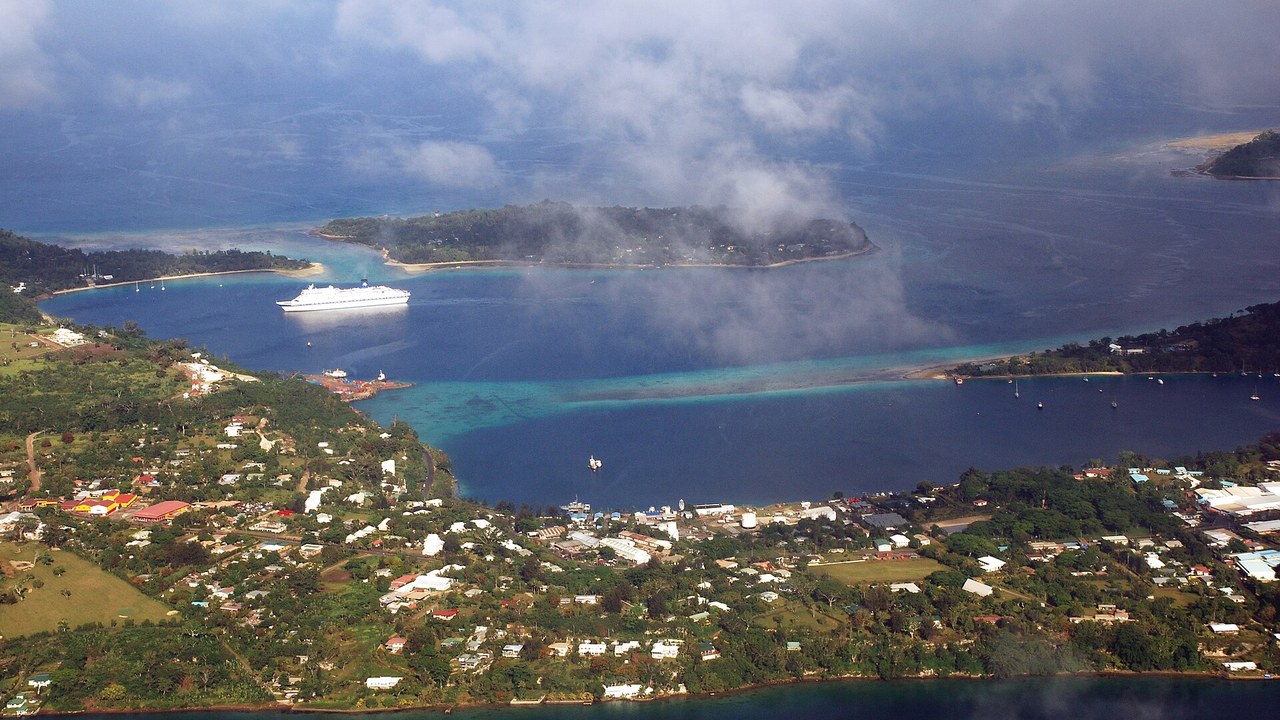
A magnitude 6.5 earthquake struck deep beneath the southwest Pacific on November 23, 2026, in what the USGS labels the Vanuatu region. According to Nature World News, it lay about 598 km down, and the USGS gave it a green PAGER alert, the lowest level.
Depth explains the contrast with the year’s destructive quakes. Seismic waves lose energy over hundreds of kilometers of rock, so shaking at the surface is weak and spread wide, and a tsunami was not expected. There were no immediate reports of casualties or damage. Deep-focus quakes occur almost only in subduction zones, which is why the Ring of Fire around Fiji, Tonga and Vanuatu produces them.
More from Morning Overview
- Washington is forcing coal plants from Colorado to Washington state to keep running
- Back-to-back California quakes, and what the USGS says about the risk of a bigger one
- The EPA killed the credit behind the start-stop feature it calls almost universally hated
- Tesla’s Cybercab is finally for sale to select buyers, but it only drives with a $299 monthly plan
