
Volcanoes on several continents were reported active from late October into late November 2026. Hawaii’s Kīlauea began its 57th lava-fountaining episode on November 23, while Kamchatka, Java, Chile, the Philippines and Sicily each appeared in monitoring reports. These slides tour nine of them, each with the date its source gives.
Read next on Morning Overview: The biggest grid drop in PJM history came from data centers, and now they may have to pay
Kīlauea: Episode 57 Opens the Roundup
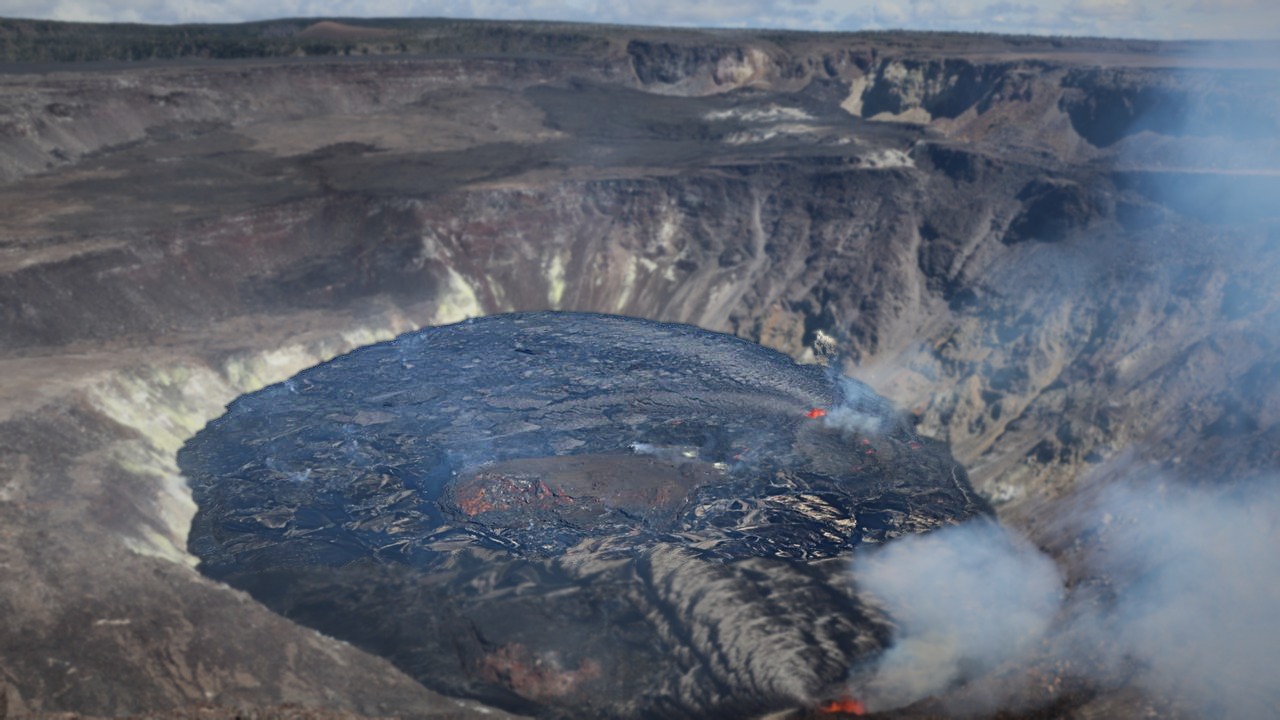
Hawaii’s Kīlauea supplies the freshest entry in this roundup. According to a USGS volcano notice, episode 57 of lava fountaining in Halemaʻumaʻu began at the volcano’s summit at 12:15 a.m. HST on Nov. 23, 2026, and the fountain reached a peak height of 650 feet above ground level at 1:30 a.m.
The notice was issued by the Hawaiian Volcano Observatory, which listed the volcano alert level as Watch and the aviation color code as Orange. The National Weather Service reported that the plume was reaching 16,500 feet above sea level. The Hawaiian Volcano Observatory said the episode was continuing when the notice went out, so the figures describe its first hours rather than its full course.
Halemaʻumaʻu crater: Where the Fountains Stay
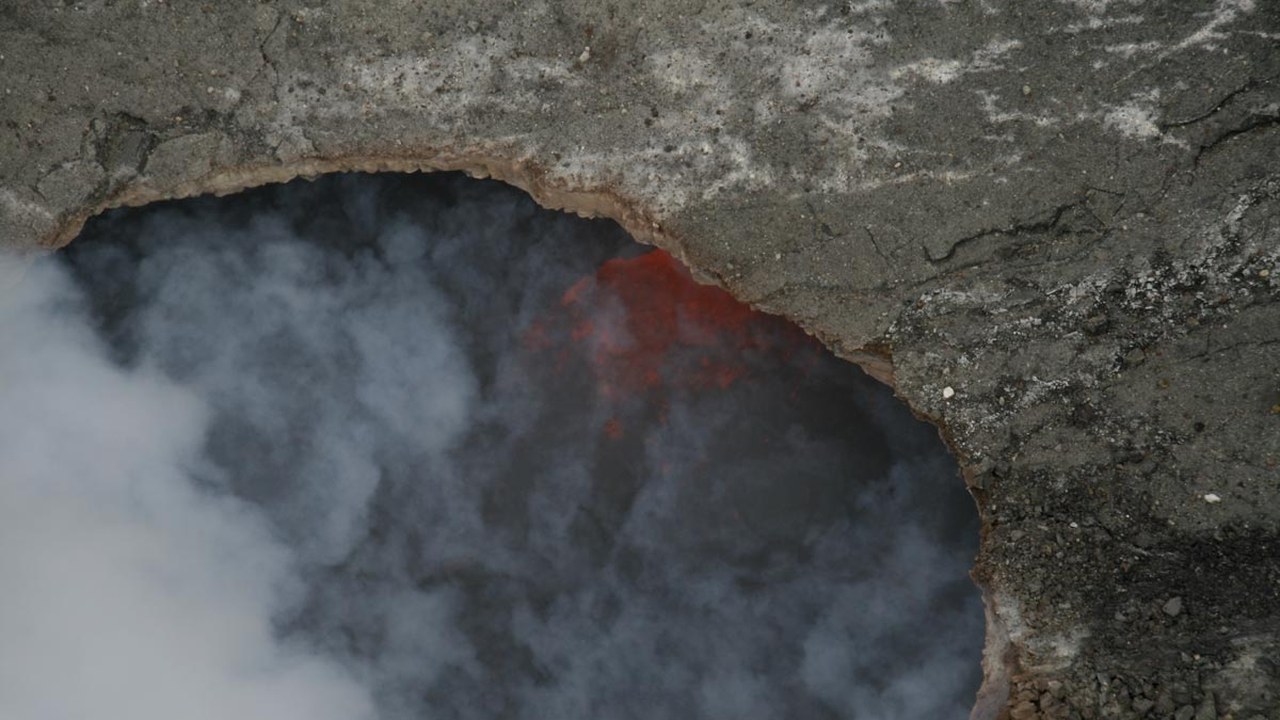
The same Hawaiian Volcano Observatory notice places the action in one spot. All eruptive vents and lava flows from episode 57, the Hawaiian Volcano Observatory said, were confined to Halemaʻumaʻu crater within Hawaiʻi Volcanoes National Park, the setting for the ongoing eruption at Kīlauea’s summit.
Containment did not mean the effects stayed inside the crater walls. The notice said tephra fall from volcanic ash clouds was greatest within 3 miles (5 km) of the vents, while lighter ash and Pele’s Hair could stay suspended for large distances. With light winds from the northeast, gas and volcanic material were expected to drift southwest of the crater, and light tephra was possible around the summit.
Kanlaon: Ash Without an Eruption
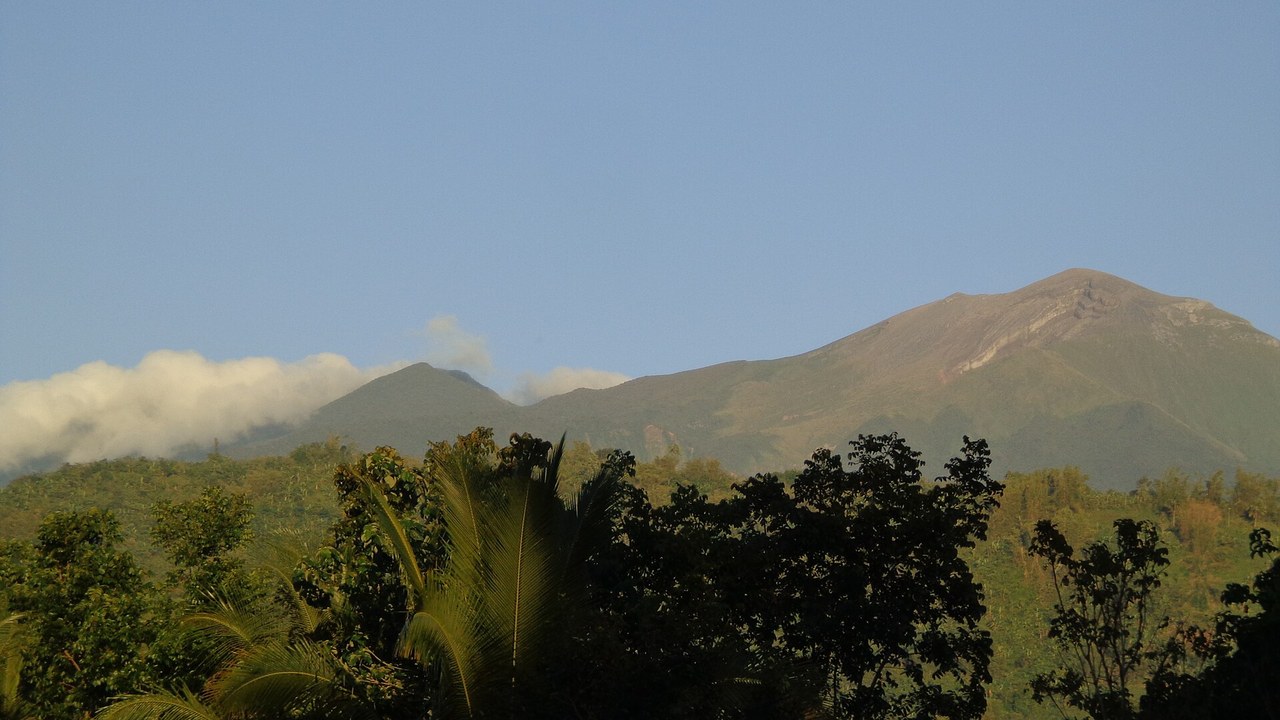
On the Philippine island of Negros, Kanlaon sent ash into the air on two straight days. As NatureWorldNews reported, Phivolcs recorded four ash emissions on Nov. 15, 2026, reaching as high as 900 metres above the crater, and further ash on Nov. 16, when plumes climbed up to 350 metres.
Phivolcs described these events as ash emissions rather than eruptions, and the volcano stayed at Alert Level 2. The agency continued to keep people out of a 4-kilometre danger zone around the summit. Ash fell on three villages in La Carlota City and one in La Castellana, in Negros Occidental province, and the article noted that the volcano had been in this unsettled state for more than two years.
Sheveluch: Domes Still Growing in Kamchatka
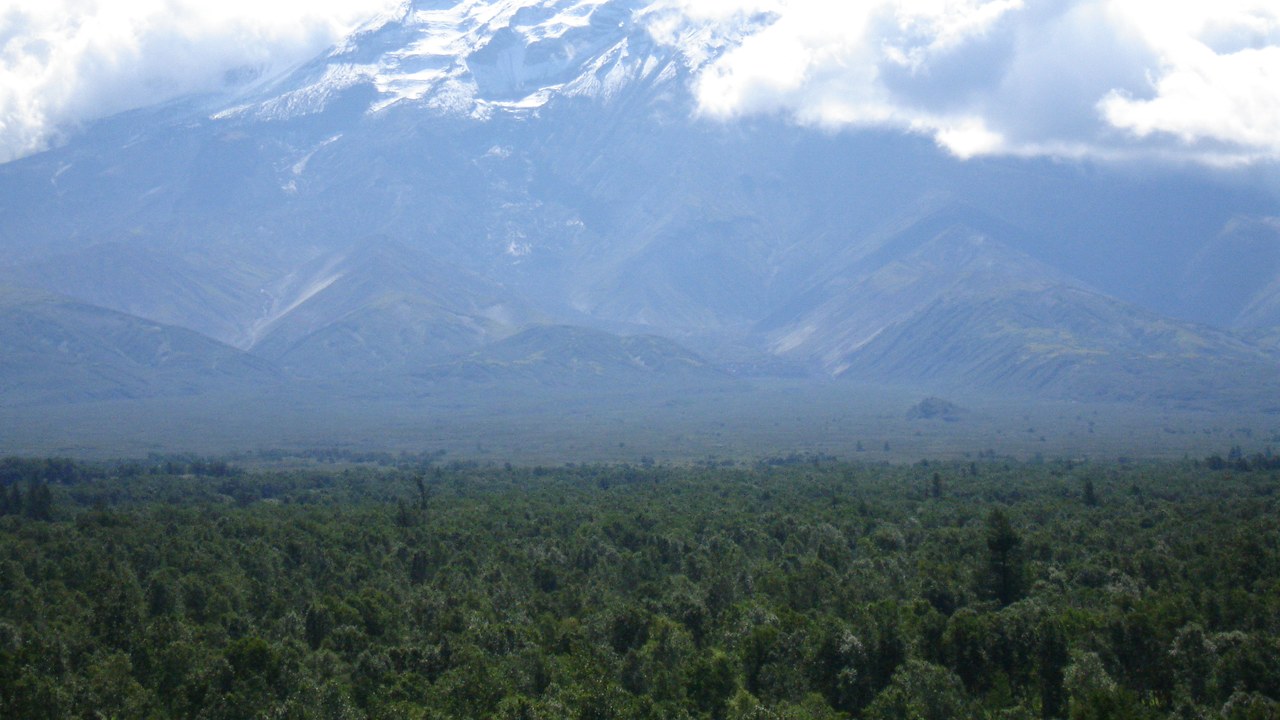
Far to the north, Kamchatka’s Sheveluch kept up the slow, heavy style of activity that has long marked it. According to the Watchers weekly report, Russia’s Kamchatkan Volcanic Eruption Response Team reported continuing lava effusion and explosive activity at the lava domes along the north crater floor of Young Sheveluch during Oct. 21-28, 2026.
Satellite images showed a thermal anomaly on most days, though weather clouds sometimes obscured the view. The Aviation Color Code stayed at Orange, the second highest level on a four-color scale. The report describes Sheveluch as one of Kamchatka’s largest and most active volcanic structures, with at least 60 large eruptions during the Holocene.
Semeru: Java’s Daily Ash Plumes
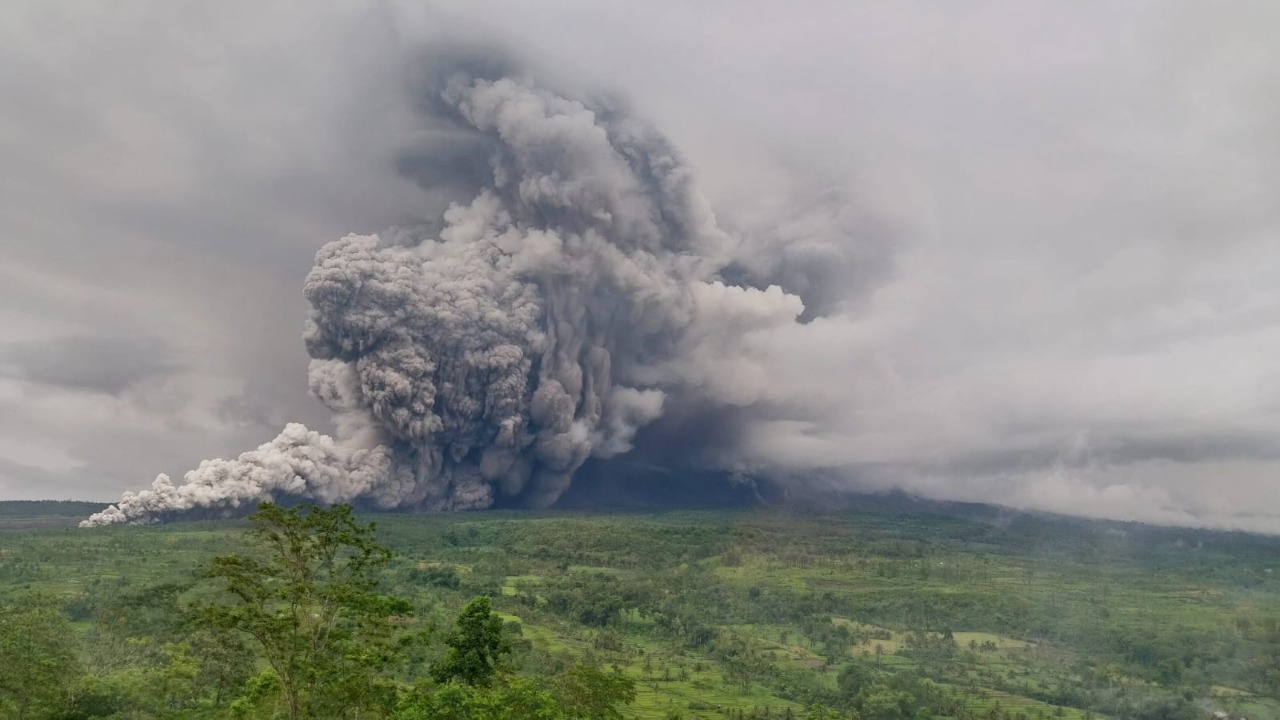
Indonesia’s Semeru, the highest volcano on Java, kept erupting through late October. The Watchers weekly report says the country’s volcanology agency recorded daily eruptive events during Oct. 22-28, 2026, with white-to-gray or gray ash plumes rising 200 to 1,200 metres above the summit on Oct. 22-24.
Emissions were not visible on the other days because of weather. The Alert Level remained at 3, the second highest on a scale of 1 to 4. The public was told to stay at least 5 km away from Jonggring Saloko Crater in all directions, and 13 km from the summit along the southeast flank’s Kobokan drainage, with a 500-metre buffer from the banks of that drainage out to 17 km.
Nevados de Chillán: A Lava Flow Creeping Down
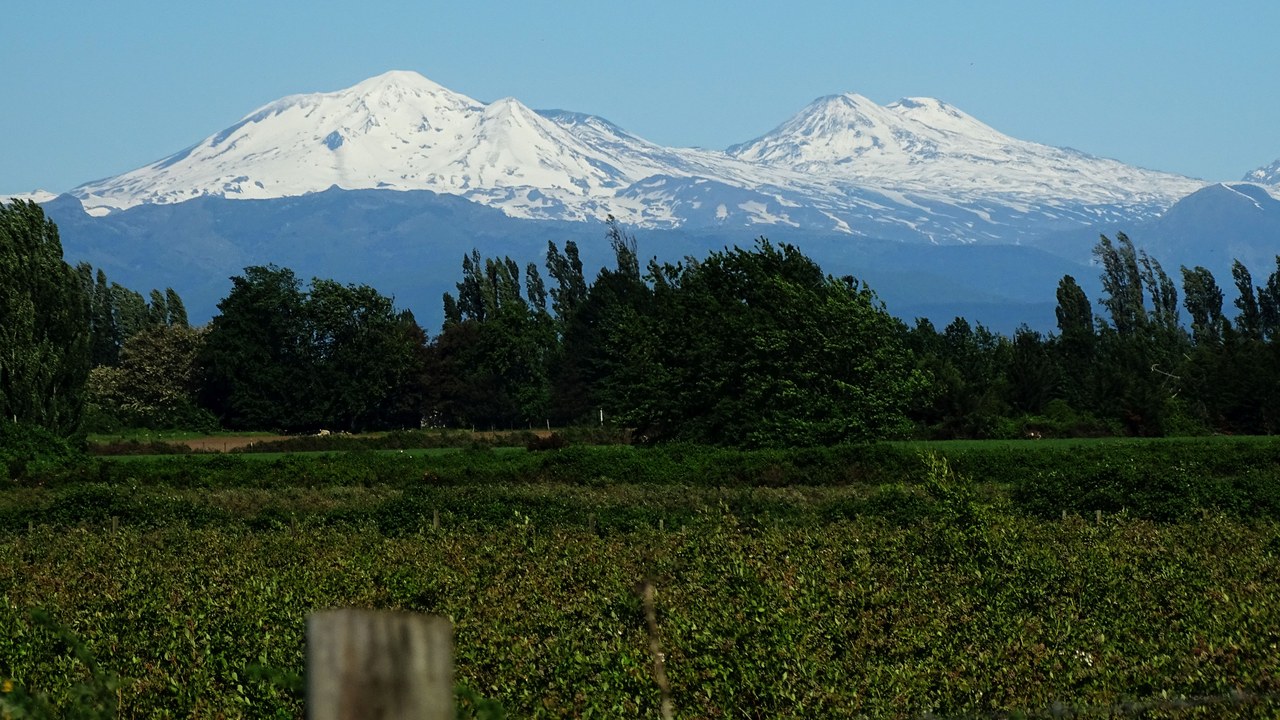
Chile’s Nevados de Chillán was still erupting in late October. The Watchers weekly report says Chilean and Argentine geological services reported that eruptive activity was ongoing during Oct. 22-28, 2026, and that a lava flow continued to advance down the southwest flank.
Multiple ash plumes were recorded on Oct. 25, including a set that rose as high as 2.3 km above the summit and drifted mainly southeast. During the early morning of Oct. 27, crater incandescence was visible along with explosions that ejected incandescent material above the vent. Chile’s national disaster agency kept its preventive early alert for Pinto and Coihueco and warned the public to stay 2 km from Emission Center 3.
Volcán de Fuego: First Name on the Nov. 27 List
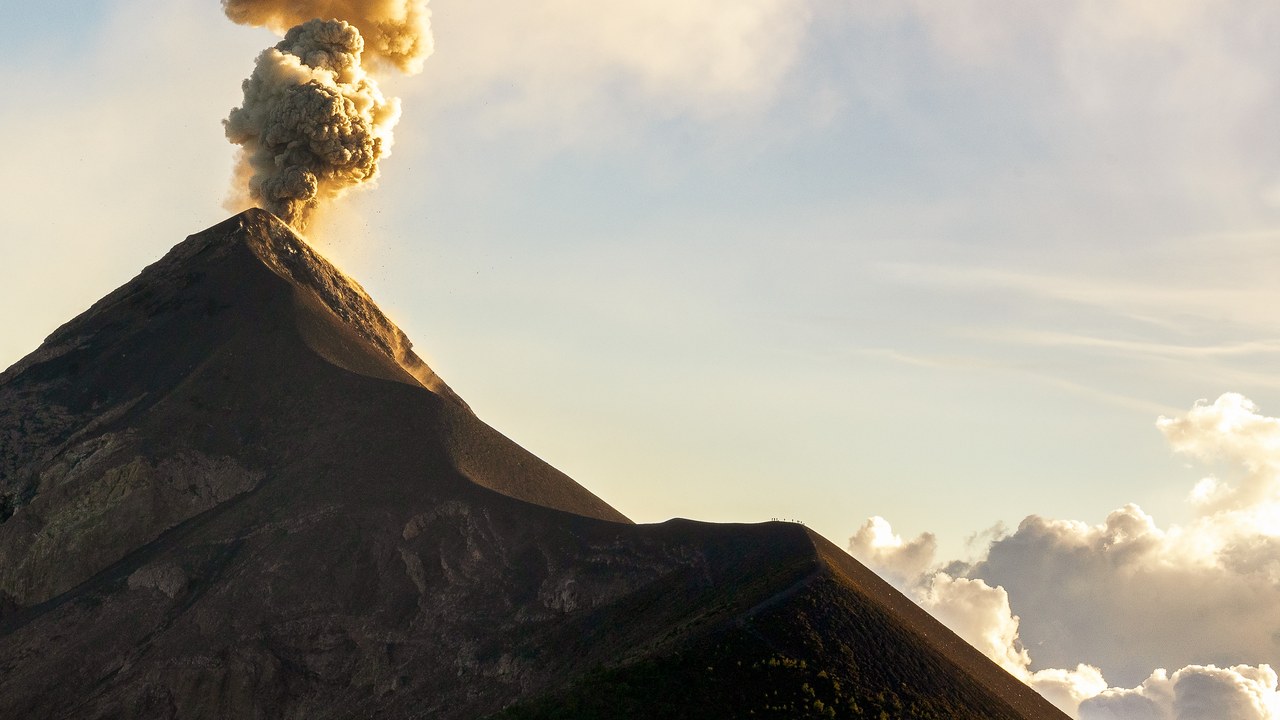
Guatemala’s Fuego leads the VolcanoDiscovery list of volcanoes for Nov. 27, 2026, a page titled “Volcanoes Today” that was posted on the same day. Its headline names Fuego first, ahead of Sheveluch, Ibu, Sangay and Nevados de Chillán.
The saved text of that page gives only the headline, not a description of what Fuego was doing, so this slide goes no further than the listing itself. Its place at the front of the list marks it as one of five volcanoes the site singled out as active that day, alongside a mix of Central American, South American, Indonesian and Russian peaks.
Sangay: Ecuador’s Entry on the List
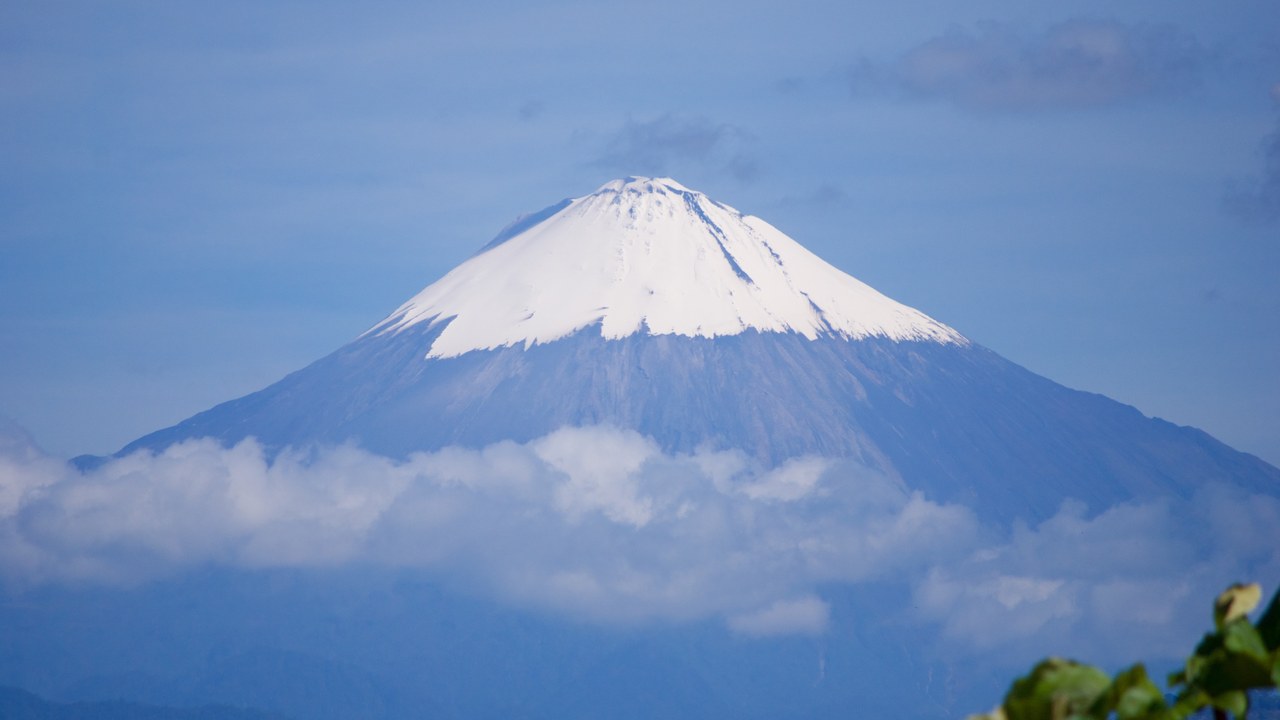
Ecuador’s Sangay also appears on the Nov. 27, 2026 VolcanoDiscovery list of volcanoes active that day, in fourth place between Ibu and Nevados de Chillán.
As with Fuego, the saved page text carries the headline listing and no description of Sangay’s behavior, so the details of its activity are not given here. Its inclusion is still a useful marker. Together with Fuego and Nevados de Chillán it puts three Latin American volcanoes on a single day’s list of five, a reminder that this fall’s eruptions are spread across several continents.
Etna: The Quieter Entry From Italy
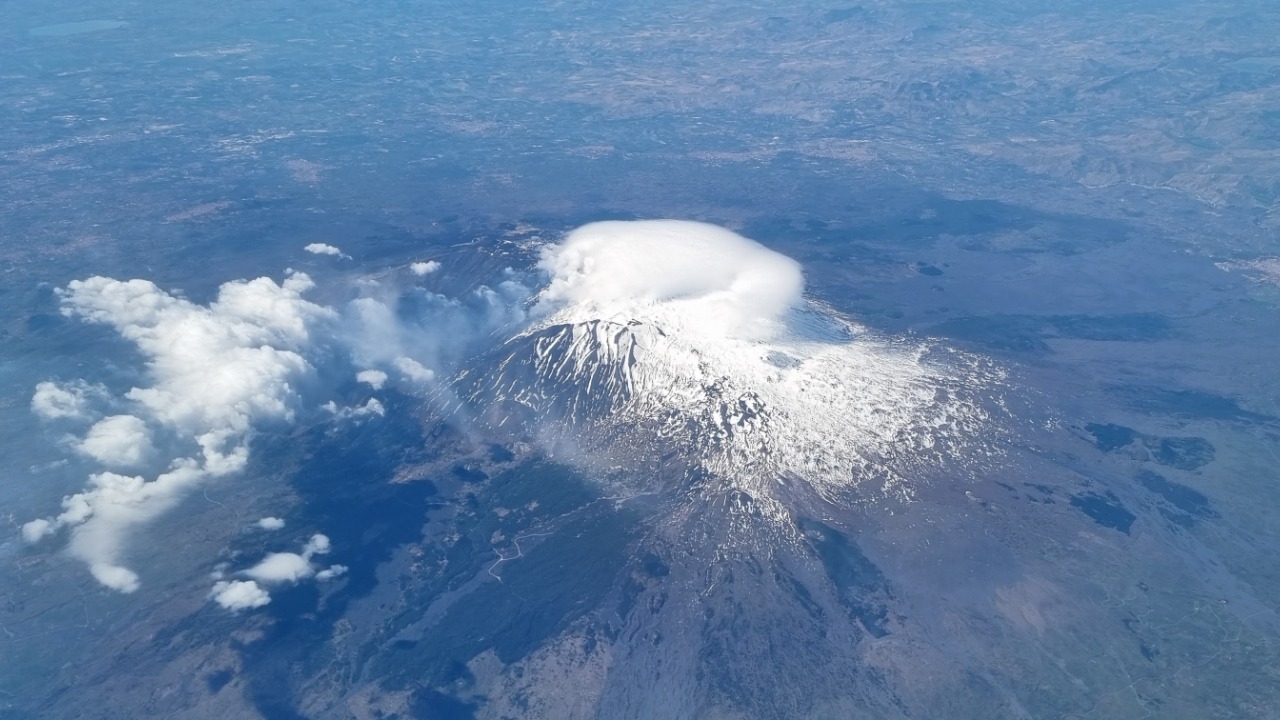
Italy’s Etna closes the roundup as the quietest of the group. According to the Watchers weekly report, the national volcanology institute’s Catania observatory reported that activity at the summit craters during Oct. 19-25, 2026 was characterized by gas emissions and periodic minor ash emissions at Northeast Crater.
Adverse weather often prevented visual observations. The volcano’s alert level remained at Yellow, the second lowest level on a four-level scale. That puts Etna well below the intensity of Kīlauea’s fountains or Sheveluch’s growing domes, yet its steady venting still earned it a place in the same weekly list of volcanoes with continuing activity.
More from Morning Overview
- A dead key fob doesn’t have to strand you, because most push-button cars hide a backup
- Ukraine says a Flamingo missile helped drop a span of the Crimean Bridge into the sea
- A mayday over Florida: an American 737 shut down an engine and diverted to Orlando
- A dangerous flash flood warning hit Broward County after an overnight deluge
